

Free Ancash Travel Guide & Mobile App
Explore Ancash with free travel guides. Discover regional history, expert tips, proposed trips, and audio guides on web or mobile app.


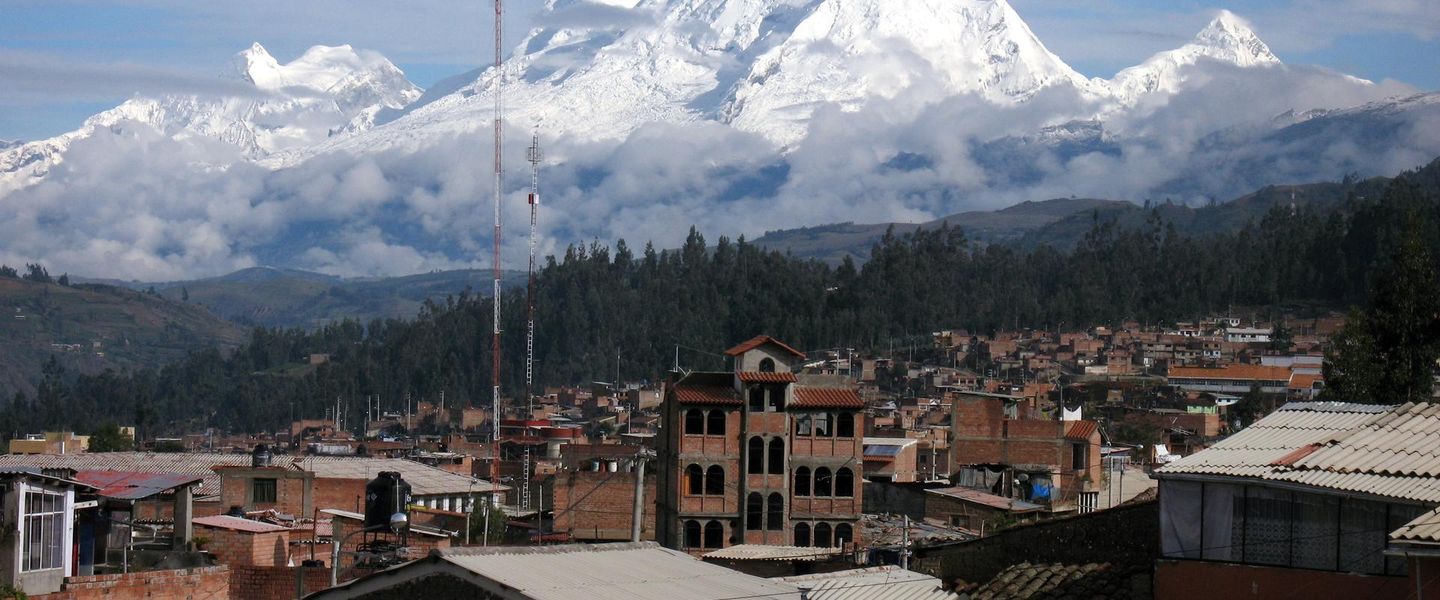


Explore Ancash from Pacific ports and desert archaeology to Huaraz, Huascarán National Park, glacial lakes and enduring Andean traditions.
Read more about Ancash
When is the best time to visit Ancash?
Best: August–October · 18–19°C| Month | High (°C) | Rainfall (mm) |
|---|---|---|
| January | 19 | 101 |
| February | 20 | 111 |
| March | 19 | 121 |
| April | 19 | 101 |
| May | 18 | 81 |
| June | 18 | 61 |
| July | 18 | 51 |
| August (best) | 18 | 41 |
| September (best) | 18 | 31 |
| October (best) | 19 | 41 |
| November | 19 | 61 |
| December | 19 | 81 |
Getting to and around Ancash
How to get there
Transportation
Top city travel guides in Ancash
The cities of Ancash, and the easiest places to base yourself.
-

-


Swipe for more cities
Destinations in Ancash
Resorts, valleys and scenic spots worth a trip of their own.
-

-

-

-

-


Swipe for more destinations
Best attractions in Ancash
Ancash offers an unusually broad range of attractions, from Pacific beaches and desert archaeology to glacial valleys and high mountain trails. Huascarán National Park is the region’s principal natural draw, with routes leading to places such as Laguna 69, the Llanganuco Lakes and the Santa Cruz valley, although access and physical difficulty vary considerably. The Callejón de Huaylas combines viewpoints, agricultural villages and outdoor activities around Huaraz, Caraz and Yungay, while the Cordillera Negra provides quieter roads and expansive views across the valley. Chavín de Huántar is the region’s most important archaeological visit, with monumental plazas, galleries and carved stone sculpture. Coastal provinces add the archaeological landscapes of Casma and Huarmey, as well as beaches and fishing communities, while Chimbote provides a contrasting port-city perspective. Museums, churches, village workshops and regional festivals broaden the experience beyond trekking, and visitors interested in climbing or mountaineering can find specialist services in Huaraz. Because attractions are widely dispersed and altitude changes are significant, a good itinerary combines nearby experiences rather than attempting to cover the whole department quickly.
-
Historical landmark
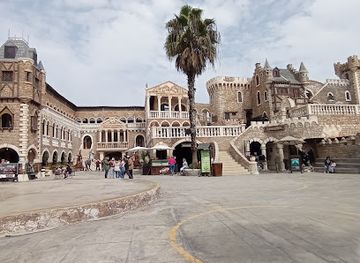
Chancay Castle
Experience the allure of Chancay Castle, a historical gem along Peru's coast, blending captivating architecture with breathtaking ocean views.
-
Park
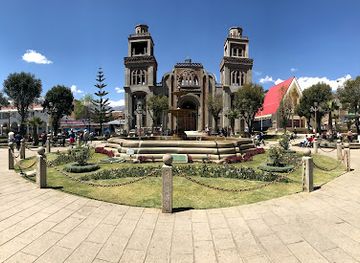
Main Square of Huaraz
Explore the vibrant Main Square of Huaraz, a perfect blend of culture, history, and breathtaking views in the heart of the Andes.
-
National park
Parque Nacional Huascarán
Explore the breathtaking landscapes, diverse wildlife, and towering peaks of Parque Nacional Huascarán, Peru's stunning national park and UNESCO World Heritage site.
-
Historical landmark
Sitio Arqueológico Chavín de Huántar
Explore the ancient marvels of Chavín de Huántar, a UNESCO World Heritage Site, and uncover the mysteries of Peru's pre-Columbian civilization.


Best landmarks in Ancash
Huascarán, Peru’s highest mountain, is Ancash’s most recognisable natural landmark, rising above the valleys and glacial landscapes protected within Huascarán National Park. The Llanganuco Lakes are another defining sight, their strikingly coloured waters set beneath steep Cordillera Blanca peaks. In the eastern highlands, the stone complex of Chavín de Huántar is the region’s foremost archaeological landmark, known for its ceremonial plazas, carved imagery and underground passages. The memorial landscape at Yungay marks the town destroyed by the 1970 earthquake-related landslide from Huascarán and is one of the most solemn places in modern Ancash. Huaraz’s central urban buildings and churches provide a less ancient but important civic focus, while traditional settlements such as Chacas retain distinctive highland religious and craft heritage. On the coast, the dry valleys around Casma and Huarmey reveal a markedly different geography, where ancient ceremonial sites and desert routes contrast with the snow-covered mountains far inland. Together, these landmarks express Ancash’s unusual range from glaciated summit to Pacific desert.
-
Historical place
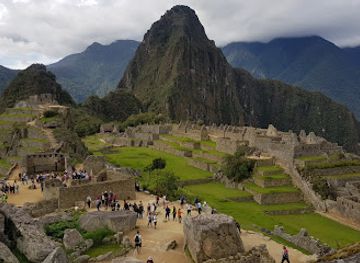
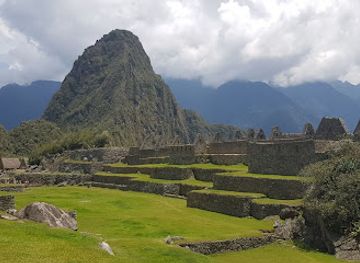
Historic Sanctuary of Machu Picchu
Discover the Historic Sanctuary of Machu Picchu, an iconic Incan citadel surrounded by breathtaking landscapes and rich cultural heritage.
-
Convent
Basílica and Convent of San Francisco, Lima
Discover the historical and architectural wonders of the Basílica and Convent of San Francisco in Lima, a UNESCO World Heritage site rich in culture and spirituality.
-
Park
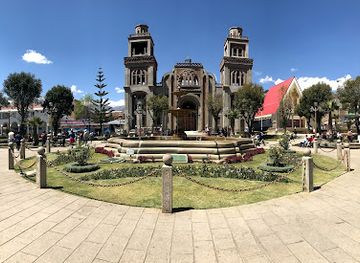
Main Square of Huaraz
Explore the Main Square of Huaraz, a vibrant urban park surrounded by stunning architecture and local culture in the heart of the Andes.
-
National park
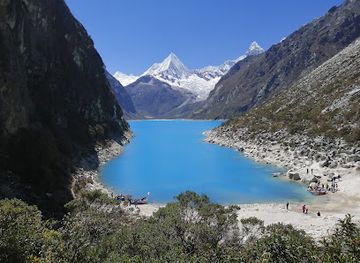
Parque Nacional Huascarán
Explore the breathtaking landscapes of Parque Nacional Huascarán, Peru's stunning national park filled with towering peaks and diverse wildlife.
Explore Ancash on the map
Plan your trip on one map. See where the top cities, national parks and sights are, and book hotels and experiences in a few clicks.
Best hotels in Ancash
Best restaurants in Ancash
Ancash’s food reflects the meeting of highland agriculture, pastoral traditions and Pacific fisheries. In Huaraz and the Callejón de Huaylas, look for soups, stews, potatoes, maize, broad beans, trout and dishes made with local herbs, as well as hearty Andean breakfasts suited to cold mornings. Pachamanca, in which meat, potatoes and other ingredients are cooked with heated stones, is associated with wider Andean culinary traditions and appears in festive or rural settings rather than every everyday menu. Highland markets and simple restaurants are useful places to encounter regional produce, while Caraz is known for local sweets and fruit-growing surroundings. On the coast, especially around Chimbote, Casma and Huarmey, ceviche and other seafood dishes reflect a different environment, with availability depending on season and supply. Huaraz has the widest choice of cafés, international food and contemporary dining, but smaller towns offer a more limited, locally focused selection. Drink options include fruit juices, coffee, herbal infusions and Peru’s national beverages, with local availability varying between urban and rural areas.
-
Restaurant
Don Cuy
Experience the rich flavors of Peru at Don Cuy in Huaraz – where culinary tradition meets modern dining.
-
Restaurant
El Fogón
Discover authentic Peruvian cuisine at El Fogón in Huaraz—where flavor meets tradition in a cozy atmosphere.
-
Restaurant
La Brasa Roja
Discover the flavors of Huaraz at La Brasa Roja - a culinary delight featuring grilled chicken, burgers, pizzas and more in a cozy setting.
-
Grill
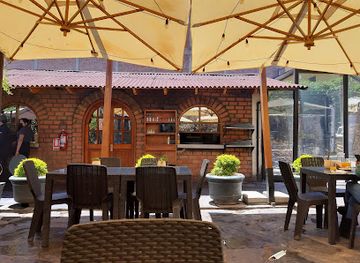
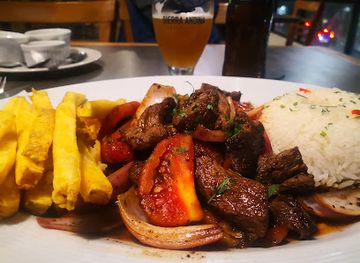
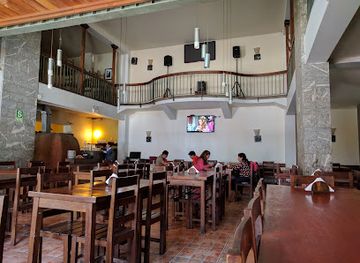
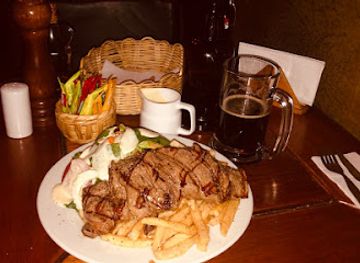
Trece Buhos
Discover Trece Buhos in Huaraz: A grill restaurant offering authentic Peruvian flavors in a cozy setting with stunning views.
Best bars in Ancash
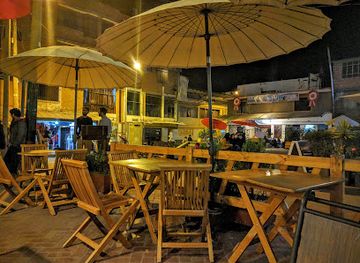
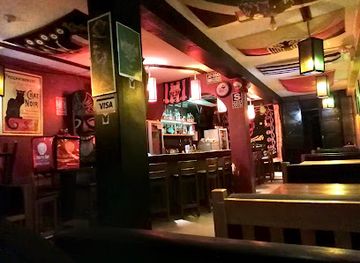
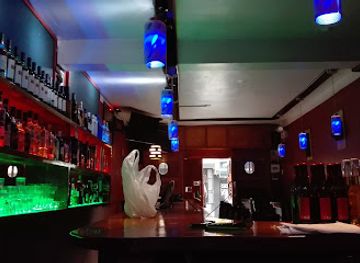
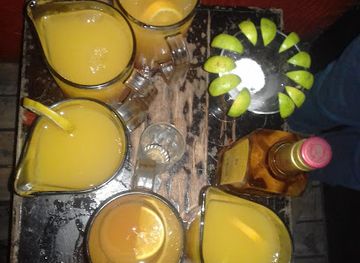
Evening life in Ancash is concentrated in Huaraz and the larger coastal cities rather than spread evenly across the mountains. Huaraz has casual bars, cafés, restaurants and venues offering live music, and its visitor economy supports a modest after-dark scene connected to trekking and climbing communities. Chimbote has a more substantial urban nightlife, including restaurants, bars and music venues, while Casma and Huarmey offer a quieter coastal evening atmosphere. In smaller highland towns, traditional restaurants, local festivities and social gatherings are generally more important than dedicated nightclubs. Some venues may operate seasonally or change frequently, so ask accommodation staff or residents about current arrangements rather than relying on old listings. Responsible drinking is particularly important at altitude, where dehydration and alcohol can worsen the effects of exertion and thin air.
-
Grill
Trece Buhos
Discover Trece Buhos in Huaraz: A grill restaurant offering delectable local flavors and a warm, inviting atmosphere for all food lovers.
-
Restaurant
Trivio Resto Bar
Experience the vibrant culinary scene at Trivio Resto Bar in Huaraz, where local flavors meet international cuisine in a delightful ambiance.
-
Gastropub
Tierra Sur
Discover the flavors of Peru at Tierra Sur, Huaraz's premier gastropub, where innovation meets tradition in every dish.
-
Bar
El Tío Enrique
Experience the vibrant local culture at El Tío Enrique, a popular bar in Huaraz known for its friendly vibe and diverse drink selection.

Best nightclubs in Ancash
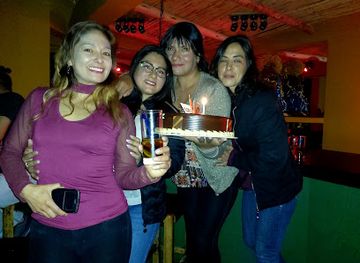
Evening life in Ancash is concentrated in Huaraz and the larger coastal cities rather than spread evenly across the mountains. Huaraz has casual bars, cafés, restaurants and venues offering live music, and its visitor economy supports a modest after-dark scene connected to trekking and climbing communities. Chimbote has a more substantial urban nightlife, including restaurants, bars and music venues, while Casma and Huarmey offer a quieter coastal evening atmosphere. In smaller highland towns, traditional restaurants, local festivities and social gatherings are generally more important than dedicated nightclubs. Some venues may operate seasonally or change frequently, so ask accommodation staff or residents about current arrangements rather than relying on old listings. Responsible drinking is particularly important at altitude, where dehydration and alcohol can worsen the effects of exertion and thin air.
-
Disco club
El Tambo
Discover the electric nightlife at El Tambo, Huaraz's premier disco club offering diverse music and a vibrant atmosphere for unforgettable nights.
-
Night club
Zona vip
Dive into the vibrant nightlife of Huaraz at Zona VIP, the ultimate destination for dancing and entertainment.
-
Disco club
Amadeus
Experience Huaraz's vibrant nightlife at Amadeus, where music and dance come together for an unforgettable night out.
-
Bar
Mantra Club
Experience the vibrant nightlife of Huaraz at Mantra Club, offering a unique blend of local drinks, live music, and a welcoming atmosphere.


Best shops in Ancash
Shopping in Ancash is strongest in its market towns, where visitors can find practical produce, woven goods, alpaca and sheep-wool textiles, carved objects, pottery and regional foods. Huaraz has the broadest selection of outdoor equipment, souvenirs, cafés and shops selling handicrafts, although quality and provenance vary, so compare items and ask respectfully about materials. Markets in the Callejón de Huaylas are useful for fruit, potatoes, maize, cheese, breads and local sweets, while Caraz is particularly associated with confectionery and agricultural produce. Chacas has a recognised tradition of woodcarving and religious craftsmanship, with workshops and objects reflecting local artistic practice. Coastal towns offer fish products, fresh produce and everyday Peruvian shopping rather than a specialised tourist retail scene. When buying textiles or crafts, avoid products made from protected wildlife or archaeological material, and carry cash for smaller stalls. Bargaining may be possible in informal markets, but it should remain courteous and proportionate to the value of locally made work.
-
Park
Main Square of Huaraz
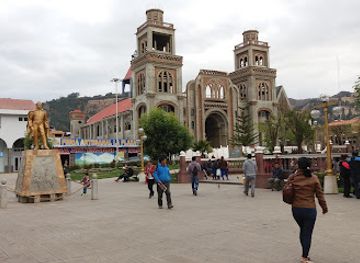
Explore the vibrant Main Square of Huaraz, a cultural hub brimming with lush gardens, historic architecture, and the essence of Peruvian life.
-
Supermarket
Market Plaza Carhuaz
Explore the vibrant Market Plaza Carhuaz, where local flavors, crafts, and culture come together in a bustling marketplace in Peru.
-
Home goods store
Sodimac - Chimbote
Explore Sodimac - Chimbote for quality home goods and DIY supplies, offering a unique shopping experience for tourists and locals alike.
-
Pottery store
Artesanias Rodriguez Tarica
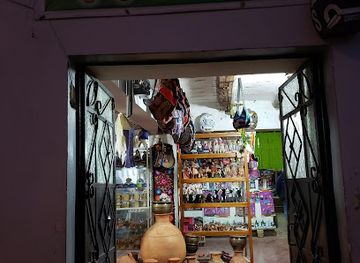
Explore the artistic treasures at Artesanias Rodriguez Tarica in Huaraz, where unique handmade pottery reflects Peru's rich cultural heritage.

Get your free copy of our complete guide to Ancash, delivered straight to you.
Everything on this page, from attractions and restaurants to essentials and local phrases, in one PDF you can read offline, print or share.
Already have an account? Sign in
Your Ancash guide is ready.
We'll send it to · Not you? Sign out

Getting your guide ready…
We are putting together a fresh copy of the Ancash guide. This can take up to a minute.
This can take a few moments. If your browser asks, choose Allow so the download can start. You'll find the guide in your Downloads folder.
Nothing happened? Download it again
Sorry, the guide is taking longer than usual. Please try again in a minute, or get it by email instead.
Ancash essentials
Currency and Payment
Safety
Emergency Situations
Do's and Don'ts
Local Tips
From Eve
Local phrases worth knowing
You don't need to get them perfect. A few words go a long way, and locals appreciate the effort.
Basics
| English | Local | Say it |
|---|---|---|
| Hello | Hola | [Ola] |
| Goodbye | Adiós | [Adyos] |
| Yes | Sí | [Si] |
| No | No | [No] |
| Please/You're welcome | Por favor | [Por favor] |
| Thank you | Gracias | [Grasias] |
| Excuse me/Sorry | Disculpe | [Disculpe] |
| How are you? | ¿Cómo estás? | [Komo estas?] |
| Fine. And you? | Bien. ¿Y tú? | [Bien. I tu?] |
| Do you speak English? | ¿Hablas inglés? | [Hablas ingles?] |
| I don't understand | No entiendo | [No entiendo] |
Eating & Drinking
| English | Local | Say it |
|---|---|---|
| I'd like to see the menu, please | Me gustaría ver el menú, por favor | [Me gustaria ver el menu, por favor] |
| I don't eat meat | No como carne | [No komo carne] |
| Cheers! | ¡Salud! | [Salud] |
| I would like to pay, please | Me gustaría pagar, por favor | [Me gustaria pagar, por favor] |
Emergencies
| English | Local | Say it |
|---|---|---|
| Help! | ¡Ayuda! | [Ayuda] |
| Go away! | ¡Vete! | [Vete] |
| Call the Police! | ¡Llama a la policía! | [Llama a la policia] |
| Call a doctor! | ¡Llama a un médico! | [Llama a un mediko] |
| I'm lost | Estoy perdido | [Estoy perdido] |
| I'm ill | Estoy enfermo | [Estoy enfermo] |
Shopping
| English | Local | Say it |
|---|---|---|
| I'd like to buy... | Me gustaría comprar... | [Me gustaria comprar...] |
| I'm just looking | Solo estoy mirando | [Solo estoy mirando] |
| How much is it? | ¿Cuánto cuesta? | [Cuanto cuesta?] |
| That's too expensive | Eso es muy caro | [Eso es muy caro] |
| Can you lower the price? | ¿Puedes bajar el precio? | [Puedes bajar el precio?] |
Time & Numbers
| English | Local | Say it |
|---|---|---|
| What time is it? | ¿Qué hora es? | [Ke ora es?] |
| It's one o'clock | Es la una | [Es la una] |
| Half past (10) | Y media (10) | [Y media (10)] |
| Morning | Mañana | [Mañana] |
| Afternoon | Tarde | [Tarde] |
| Evening | Noche | [Noche] |
| Yesterday | Ayer | [Ayer] |
| Today | Hoy | [Hoy] |
| Tomorrow | Mañana | [Mañana] |
| 1 | uno | [uno] |
| 2 | dos | [dos] |
| 3 | tres | [tres] |
| 4 | cuatro | [kuatro] |
| 5 | cinco | [sinkho] |
| 6 | seis | [seis] |
| 7 | siete | [syete] |
| 8 | ocho | [otcho] |
| 9 | nueve | [nueve] |
| 10 | diez | [diez] |
Transport & Directions
| English | Local | Say it |
|---|---|---|
| Where's a/the...? | ¿Dónde está un/ la...? | [Donde esta un/la...?] |
| What's the address? | ¿Cuál es la dirección? | [Cual es la direccion?] |
| Can you show me (on the map)? | ¿Puedes mostrarme (en el mapa)? | [Puedes mostrarme (en el mapa)?] |
| When's the next (bus)? | ¿Cuándo es el próximo (bus)? | [Cuando es el proximo (bus)?] |
| A ticket (to ...) | Un boleto (a ...) | [Un boleto (a ...)] |
History of Ancash
Chavín de Huántar and Early Andean Civilisation, c. 1200–500 BC
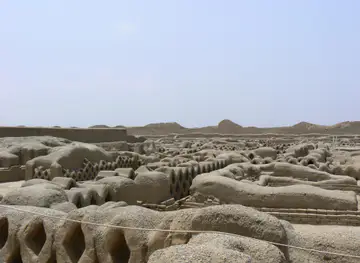
Chavín de Huántar, in the eastern highlands of Ancash, was a major ceremonial and cultural centre during the Formative period of the central Andes. Its plazas, carved stonework, subterranean galleries and sculptural imagery reveal sophisticated religious and architectural traditions. Chavín influence extended well beyond the immediate valley through shared artistic styles and ritual ideas. The site’s location between coast and highlands also reflects the long-standing importance of movement across Ancash’s contrasting ecological zones. Today, its remains provide the region’s clearest archaeological connection to a civilisation that predates both the Moche and the Inca.
The Recuay Tradition, c. AD 200–600
The Recuay tradition developed in the highlands of Ancash during the first millennium AD and is known particularly for its finely modelled stone sculpture, funerary architecture and distinctive ceramics. Recuay communities occupied parts of the Callejón de Huaylas and neighbouring upland areas, adapting to a difficult environment through agriculture, herding and regional exchange. Their legacy is visible in archaeological collections and sites across the department, although much remains less familiar to international travellers than Chavín. Recuay art provides important evidence of the region’s independent cultural development before later political powers expanded into the Andes.
Inca Expansion and the Qhapaq Ñan
Inca power reached Ancash during the empire’s expansion across the central Andes, incorporating established communities and linking them to imperial routes. Roads, administrative centres and agricultural landscapes connected the high valleys with the coast and with territories farther south and north. The Inca period did not erase earlier identities; instead, local populations and traditions were incorporated into a wider system of tribute, labour and exchange. Traces of ancient routes and settlements remain part of the region’s archaeological landscape, while the later Spanish conquest transformed political authority, religion and patterns of landholding.
Colonial Towns, Churches and Highland Society
After the Spanish conquest, Ancash was reorganised through colonial administration, Christian missions, mining interests and agricultural estates. Churches and religious buildings appeared in existing settlements and in newly structured towns, often combining European forms with local craftsmanship. Highland communities continued to cultivate Andean crops and maintain forms of collective organisation, while colonial society imposed new taxes, labour demands and social hierarchies. The region’s present-day festivals, church art, settlement patterns and foodways reflect this complex interaction between pre-Hispanic traditions and Spanish colonial institutions.
Independence and the Growth of Coastal Trade
Ancash became part of the independent Republic of Peru during the political upheavals of the early nineteenth century. During the following decades, changing trade networks connected the coast more closely with inland valleys, while agriculture, fishing and mineral resources shaped local economies. Chimbote grew into a significant port and industrial centre, especially during the twentieth century, giving the coastal part of the region a very different economic profile from the agricultural and pastoral highlands. Roads and later air services further strengthened links between Huaraz, the coast and Peru’s wider national economy.
The 1970 Ancash Earthquake and Yungay Disaster
On 31 May 1970, a powerful earthquake struck the northern and central Peruvian Andes. In Ancash, a massive landslide released from Huascarán buried much of the town of Yungay and nearby communities, causing one of the country’s greatest modern disasters. The event reshaped settlement, infrastructure and public understanding of seismic and glacial hazards. A memorial site near the former town preserves the memory of those who died, while the rebuilt Yungay and surrounding valleys demonstrate the resilience of affected communities. The disaster remains central to Ancash’s modern history.
Conservation, Mining and Contemporary Ancash
Modern Ancash is shaped by three closely connected forces: the value of its mountain environment, the importance of mining and the growth of tourism. Huascarán National Park protects glaciers, high-altitude ecosystems and culturally significant landscapes, although climate change is altering ice and water systems. Mining has brought major investment and employment but also continuing debate about environmental management and community interests. Huaraz and the Callejón de Huaylas have developed as bases for trekking, climbing and cultural travel, while coastal cities retain strong industrial and maritime identities. These overlapping economies define the region today.
Ancash in Photos
Browse through our photo collection highlighting the charm and character of the destination.
Neighbouring regions of Ancash
The closest regions to Ancash, if you have time for more than one.
-

-

-

-

-


Swipe for more regions
Explore more

Explore more of Peru
Discover the wonders of Peru: ancient ruins, stunning landscapes, and a vibrant culture that will captivate your heart and soul.
Explore Peru