

Free Huancavelica Travel Guide & Mobile App
Explore Huancavelica with free travel guides. Discover regional history, expert tips, proposed trips, and audio guides on web or mobile app.


Explore Huancavelica in Peru for high-Andean landscapes, Quechua culture, colonial heritage, archaeological sites and mountain journeys.
Read more about Huancavelica
When is the best time to visit Huancavelica?
Best: May–June, August · 12–14°C| Month | High (°C) | Rainfall (mm) |
|---|---|---|
| January | 15 | 120 |
| February | 16 | 100 |
| March | 16 | 80 |
| April | 16 | 60 |
| May (best) | 14 | 40 |
| June (best) | 12 | 20 |
| July | 12 | 15 |
| August (best) | 12 | 20 |
| September | 14 | 40 |
| October | 15 | 60 |
| November | 15 | 80 |
| December | 15 | 100 |
Getting to and around Huancavelica
How to get there
Transportation
Top city travel guides in Huancavelica
The cities of Huancavelica, and the easiest places to base yourself.
-

-

-


Swipe for more cities
Best attractions in Huancavelica
Huancavelica’s attractions are spread across a highland landscape rather than concentrated in a single resort centre. In the regional capital, visitors can explore colonial churches, historic streets, local museums and market life before travelling into surrounding valleys and uplands. The former Santa Bárbara mercury-mining area provides an important, sobering window into colonial industry and Indigenous labour. Around Huaytará, archaeological remains and colonial buildings reveal how Inca and Spanish structures were repeatedly adapted. Uchkus Inkañan offers another perspective on pre-Hispanic settlement and highland engineering. Outside the main towns, the appeal lies in mountain lagoons, puna grasslands, rock formations, thermal waters and panoramic routes through communities shaped by farming and pastoralism. Choclococha and other high-altitude waterscapes are suited to scenic excursions rather than casual swimming, while warmer valleys in Tayacaja, Acobamba and Churcampa provide a contrasting agricultural environment. Walking, photography, birdwatching and cultural observation are more prominent than organised adventure tourism, and many places require local transport, advance planning and an acceptance that weather can alter access.
-
Park
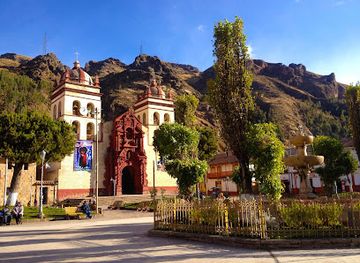
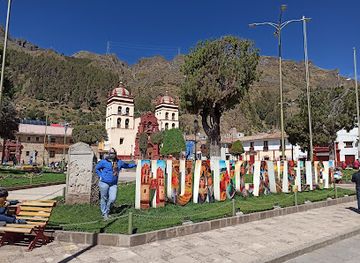
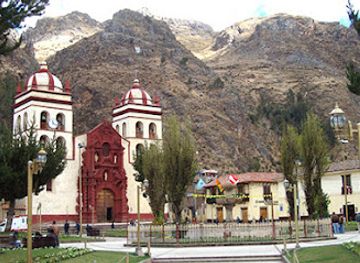
Plaza de Armas de Huancavelica
Discover the vibrant Plaza de Armas de Huancavelica, where history, culture, and nature come together in a breathtaking Peruvian setting.
-
Archaeological museum
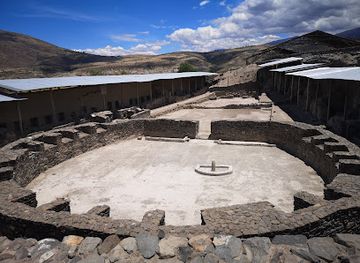
Museo de Sitio Wari
Explore the secrets of the Wari civilization at Museo de Sitio Wari, a premier archaeological museum in Peru showcasing ancient artifacts and rich history.
-
Swimming pool
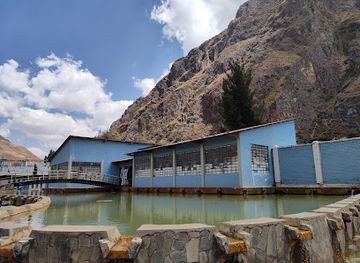
Piscina de aguas termales de San Cristóbal
Discover the healing waters of San Cristóbal Hot Springs in Huancavelica, Peru, a tranquil oasis for relaxation and rejuvenation amidst stunning landscapes.
-
Tourist attraction
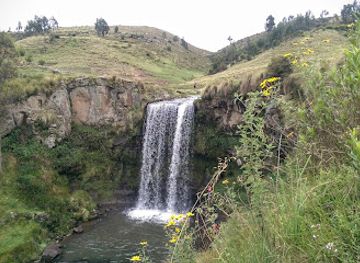
Catarata Pumapaqcha
Experience the breathtaking beauty of Catarata Pumapaqcha, a stunning waterfall in Cangallo, Peru, perfect for nature lovers and adventurers.

Best landmarks in Huancavelica
Huancavelica city’s colonial churches and compact historic centre form the region’s most accessible architectural landmarks, with religious buildings reflecting the mining wealth and artistic traditions of the colonial period. The Santa Bárbara mine area, associated with one of Spanish America’s major mercury sources, is a landmark of industrial and social history as much as a physical site; visitors should treat it with respect because of its dangerous legacy. In Huaytará, Inca stonework and the later colonial church illustrate the layering of Andean and Spanish architecture. Uchkus Inkañan is significant for its pre-Hispanic remains and evidence of organised settlement in the highlands. The region’s natural landmarks include broad puna plateaux, high mountain lagoons and the stark rock landscapes around its upland routes. These places are visually memorable but often remote, and their importance is best understood alongside the communities, pastoral economy and historic roads that connect them.
-
Catholic church
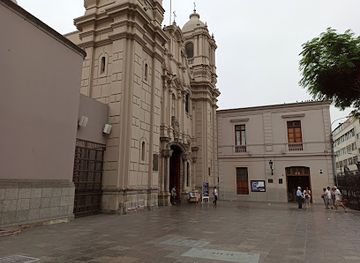
Iglesia Las Nazarenas
Explore the enchanting Iglesia Las Nazarenas in Lima, a stunning Catholic church blending rich history and exquisite architecture, a true gem for every traveler.
-
Park
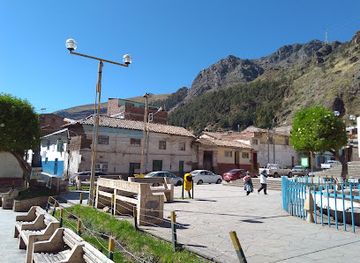
Plaza de Armas de Huancavelica
Experience the vibrant cultural heart of Huancavelica at the Plaza de Armas, where history, community, and scenic beauty converge.
-
Historical landmark
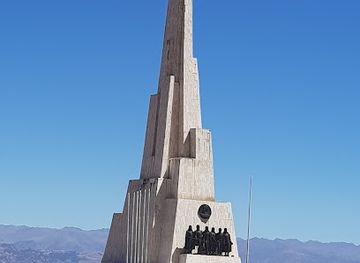
Pampa De La Quinua
Discover Pampa De La Quinua, a historic landmark in Peru where freedom was forged amidst breathtaking landscapes and rich cultural heritage.
-
Archaeological museum
Museo de Sitio Wari
Explore the fascinating history of the Wari civilization at Museo de Sitio Wari, an archaeological museum filled with ancient artifacts and rich cultural heritage.
Explore Huancavelica on the map
Plan your trip on one map. See where the top cities, national parks and sights are, and book hotels and experiences in a few clicks.
Best hotels in Huancavelica
Best restaurants in Huancavelica
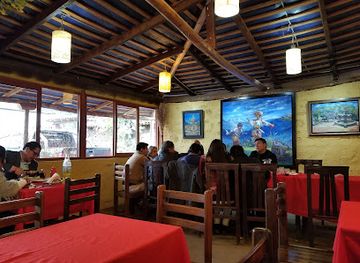
Dining in Huancavelica reflects the resources of the central Andes, with potatoes, maize, broad beans, quinoa and other grains forming the basis of many home-style dishes. Soups and stews are particularly suitable for the cold climate, while trout from highland waters, alpaca and locally raised meats may appear on menus in the regional capital and larger towns. Market stalls provide a direct introduction to seasonal produce, breads, tubers and hot drinks, though standards and availability vary outside established businesses. Chicha de jora and other traditional drinks belong to wider Andean food culture and may be encountered at festivities or community gatherings. Dining options range from simple eateries and bakeries to family-run restaurants and hotel dining rooms; rural districts have fewer choices and earlier meal times. Visitors should ask about ingredients, especially when ordering regional specialities whose names and recipes vary between communities. Food is generally hearty and adapted to altitude, with local produce offering more insight into Huancavelica than a search for elaborate restaurant dining.
-
Restaurant
Restaurante Campestre JOY
Experience the heart of Huancavelican cuisine at Restaurante Campestre JOY – where tradition meets taste in every dish.
-
Pizza
Pizzas Roma Huancavelica
Discover authentic Italian flavors at Pizzas Roma in Huancavelica—where every slice tells a story.
-
Restaurant
NESUL Huancavelica
Discover NESUL Huancavelica: A culinary gem offering exquisite local dishes and aromatic coffees in a cozy setting.
-
Restaurant
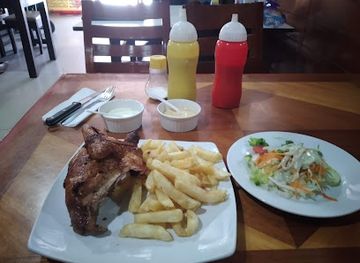
Polleria Ccarhuarrazu
Discover authentic Peruvian cuisine at Polleria Ccarhuarrazu in Huancavelica – where every meal is crafted with passion and tradition.
Best bars in Huancavelica
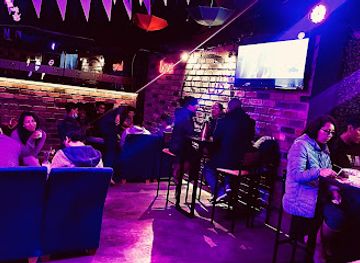
Evening life in Huancavelica is modest and centred mainly on restaurants, cafés, traditional bars and social venues in the regional capital. Some establishments play recorded music or host occasional live performances, while larger festivities can bring dancing, public music and extended evening activity. Provincial towns have a smaller scene, often focused on neighbourhood venues and seasonal celebrations rather than dedicated nightclubs. Travellers should not expect a major party circuit or late-night entertainment outside the capital. Alcohol is part of some social and festive occasions, but visitors can experience the region through evening walks in central areas, local food and cultural events without drinking. Because services and opening arrangements change, ask locally about current venues and take normal precautions when returning to accommodation after dark.
-
Bar
Oasis Food & Drink
Experience the vibrant nightlife of Huancavelica at Oasis Food & Drink, your go-to bar for delicious drinks and a lively atmosphere.
-
Gastropub
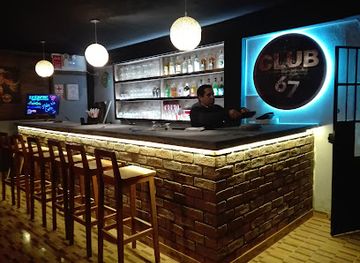
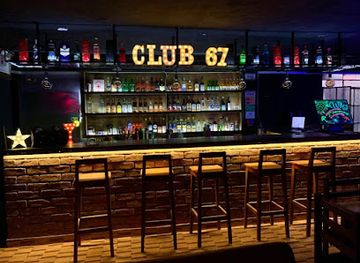
CLUB 67-RestoBar
Discover the perfect blend of gourmet dining and vibrant nightlife at CLUB 67-RestoBar in Huancavelica, a must-visit gastropub for tourists.
-
Bar
Bar La Miel
Discover the vibrant nightlife of Huancavelica at Bar La Miel, where local flavors and friendly vibes come together.
-
Grill
Charlie's 17
Experience the rich flavors of Huancavelica at Charlie's 17, a grill restaurant offering authentic Peruvian cuisine in a warm and vibrant setting.

Best nightclubs in Huancavelica
Evening life in Huancavelica is modest and centred mainly on restaurants, cafés, traditional bars and social venues in the regional capital. Some establishments play recorded music or host occasional live performances, while larger festivities can bring dancing, public music and extended evening activity. Provincial towns have a smaller scene, often focused on neighbourhood venues and seasonal celebrations rather than dedicated nightclubs. Travellers should not expect a major party circuit or late-night entertainment outside the capital. Alcohol is part of some social and festive occasions, but visitors can experience the region through evening walks in central areas, local food and cultural events without drinking. Because services and opening arrangements change, ask locally about current venues and take normal precautions when returning to accommodation after dark.
-
Disco club
Latin Rock & Ariana Disco
Dive into the energetic nightlife at Latin Rock & Ariana Disco, a vibrant venue in Huancavelica, and dance the night away to Latin rock and more.
-
Bar
Oasis Food & Drink
Experience the vibrant nightlife at Oasis Food & Drink, a lively bar in Huancavelica offering a diverse menu and friendly atmosphere.
-
Gastropub
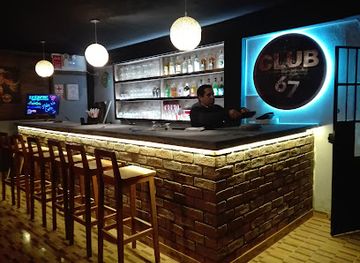
CLUB 67-RestoBar
Discover the lively atmosphere and delightful cuisine at CLUB 67-RestoBar, a must-visit gastropub in Huancavelica for every traveler.
-
Disco club
ENKANTOS DISKOTECA BAR KARAOKE DRINK HOUSE
Discover the electrifying nightlife of Huancavelica at Enkantos Diskoteca Bar Karaoke Drink House, where music and fun collide.
Best shops in Huancavelica
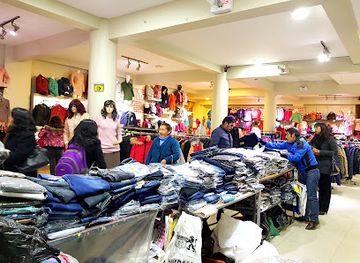
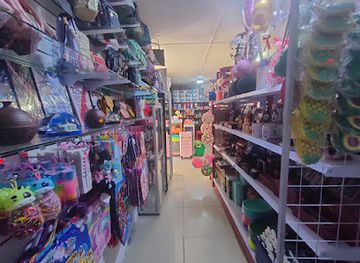
Shopping in Huancavelica is primarily local and practical, with the regional capital offering markets, small shops, textile stalls, bakeries and stores selling provisions for mountain travel. Markets are the best places to see the region’s potatoes, maize, grains and other highland produce, while woven goods and knitted garments may include wool or alpaca fibre, depending on the maker and location. In provincial towns, shopping is modest and centred on weekly trade, household goods and agricultural products rather than dedicated tourist retail. Visitors can look for textiles, hats, small craft pieces and regional foods, but should ask about materials, provenance and fair prices instead of assuming that every item is locally made. Bring reusable bags and carry cash in small denominations, particularly outside Huancavelica city. The most meaningful purchases are often practical products bought directly from market traders or established local artisans.
-
Shopping mall
Ruta 1 Tienda de Ropas
Discover unique styles at Ruta 1 Tienda de Ropas, Huancavelica's vibrant fashion hub, where local craftsmanship meets contemporary design.
-
Gift shop
DGomez
Experience the rich flavors of artisanal chocolates and unique gifts at DGomez in Huancavelica, a true treasure for sweet lovers.
-
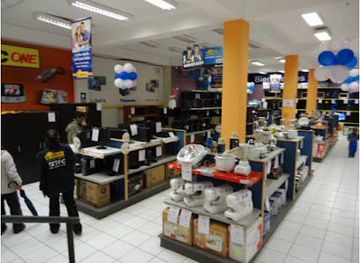
Appliance store
La Curacao
Explore La Curacao in Huancavelica - A vibrant hub for appliances and local culture, offering a unique shopping experience for every traveler.
-
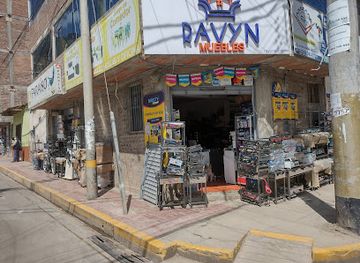
Store
RAVYN S.A.
Discover the heart of Huancavelica at RAVYN S.A., where local culture meets a unique shopping experience.
Get your free copy of our complete guide to Huancavelica, delivered straight to you.
Everything on this page, from attractions and restaurants to essentials and local phrases, in one PDF you can read offline, print or share.
Already have an account? Sign in
Your Huancavelica guide is ready.
We'll send it to · Not you? Sign out

Getting your guide ready…
We are putting together a fresh copy of the Huancavelica guide. This can take up to a minute.
This can take a few moments. If your browser asks, choose Allow so the download can start. You'll find the guide in your Downloads folder.
Nothing happened? Download it again
Sorry, the guide is taking longer than usual. Please try again in a minute, or get it by email instead.
Huancavelica essentials
Currency and Payment
Safety
Emergency Situations
Do's and Don'ts
Local Tips
From Eve
Local phrases worth knowing
You don't need to get them perfect. A few words go a long way, and locals appreciate the effort.
Basics
| English | Local | Say it |
|---|---|---|
| Hello | Hola | [Ola] |
| Goodbye | Adiós | [Adios] |
| Yes | Sí | [Si] |
| No | No | [No] |
| Please/You're welcome | Por favor | [Por favor] |
| Thank you | Gracias | [Grasias] |
| Excuse me/Sorry | Disculpe | [Disculpe] |
| How are you? | ¿Cómo estás? | [Como estas] |
| Fine. And you? | Bien. ¿Y tú? | [Bien. I tu] |
| Do you speak English? | ¿Hablas inglés? | [Hablas ingles] |
| I don't understand | No entiendo | [No entiendo] |
Eating & Drinking
| English | Local | Say it |
|---|---|---|
| I'd like to see the menu, please | Me gustaría ver el menú, por favor | [Me gustaria ver el menu, por favor] |
| I don't eat meat | No como carne | [No como carne] |
| Cheers! | ¡Salud! | [Salud] |
| I would like to pay, please | Me gustaría pagar, por favor | [Me gustaria pagar, por favor] |
Emergencies
| English | Local | Say it |
|---|---|---|
| Help! | ¡Ayuda! | [Ayuda] |
| Go away! | ¡Vete! | [Vete] |
| Call the Police! | ¡Llama a la policía! | [Llama a la policia] |
| Call a doctor! | ¡Llama a un doctor! | [Llama a un doctor] |
| I'm lost | Estoy perdido | [Estoy perdido] |
| I'm ill | Estoy enfermo | [Estoy enfermo] |
Shopping
| English | Local | Say it |
|---|---|---|
| I'd like to buy... | Me gustaría comprar... | [Me gustaria comprar...] |
| I'm just looking | Solo estoy mirando | [Solo estoy mirando] |
| How much is it? | ¿Cuánto cuesta? | [Cuanto cuesta] |
| That's too expensive | Eso es muy caro | [Eso es muy caro] |
| Can you lower the price? | ¿Puedes bajar el precio? | [Puedes bajar el precio] |
Time & Numbers
| English | Local | Say it |
|---|---|---|
| What time is it? | ¿Qué hora es? | [Que hora es] |
| It's one o'clock | Es la una | [Es la una] |
| Half past (10) | Y diez | [Y diez] |
| Morning | Mañana | [Mañana] |
| Afternoon | Tarde | [Tarde] |
| Evening | Noche | [Noche] |
| Yesterday | Ayer | [Ayer] |
| Today | Hoy | [Hoy] |
| Tomorrow | Mañana | [Mañana] |
| 1 | Uno | [Uno] |
| 2 | Dos | [Dos] |
| 3 | Tres | [Tres] |
| 4 | Cuatro | [Cuatro] |
| 5 | Cinco | [Cinco] |
| 6 | Seis | [Seis] |
| 7 | Siete | [Siete] |
| 8 | Ocho | [Ocho] |
| 9 | Nueve | [Nueve] |
| 10 | Diez | [Diez] |
Transport & Directions
| English | Local | Say it |
|---|---|---|
| Where's a/the...? | ¿Dónde está un/una...? | [Donde esta un/una] |
| What's the address? | ¿Cuál es la dirección? | [Cual es la direccion] |
| Can you show me (on the map)? | ¿Puedes mostrarme (en el mapa)? | [Puedes mostrarme en el mapa] |
| When's the next (bus)? | ¿Cuándo es el próximo (bus)? | [Cuando es el proximo bus] |
| A ticket (to ....) | Un boleto (a....) | [Un boleto a] |
History of Huancavelica
Early Andean Settlement and Wari Influence
The territory of modern Huancavelica was occupied by long-established Andean communities before the rise of the Inca state. Archaeological evidence across the central highlands records settlements, agricultural terraces, herding and exchange networks adapted to difficult mountain environments. Wari influence reached parts of the central Andes during the first millennium, leaving cultural and political traces in a region connected to wider highland centres. Later local societies developed their own forms of authority and economic organisation, combining farming in valleys with camelid pastoralism on the puna.
The Chanka and Other Highland Powers
Before Inca expansion, central Andean groups including the Chanka held influence across areas that correspond broadly with present-day Huancavelica and its neighbours. Accounts of conflict between the Chanka and the expanding Inca state survive in later Inca historical traditions, although those narratives were recorded after the events and should be read critically. The period was marked by competition for land, labour and regional connections. Archaeological sites and settlement patterns in the highlands preserve evidence of communities that were more complex than the later colonial description of them as simply remote or marginal.
Inca Incorporation and Huaytará
The Inca state incorporated Huancavelica into its imperial system during its expansion through the central Andes. Roads, administrative relationships and agricultural organisation connected the highlands with larger centres in the imperial heartland. Huaytará is especially important for understanding this period: the site contains remains associated with Inca architecture, including finely worked stone incorporated into later structures. The Inca legacy remains visible in landscape organisation, traditional routes and archaeological places, though later construction and centuries of reuse have altered many sites.
Spanish Conquest and the Mercury Mines of Santa Bárbara
Following the Spanish conquest, Huancavelica became one of colonial Peru’s most strategically important mining regions because of its mercury deposits at Santa Bárbara, near the regional capital. Exploited on a large scale from the sixteenth century, the mines supplied azogue used to process silver ore in the wider Spanish American mining economy. Production depended heavily on coerced Indigenous labour and exposed workers to dangerous conditions and mercury poisoning. The mine’s history links Huancavelica to the wealth of colonial silver centres while also revealing the severe human and environmental costs behind that wealth.
Colonial Towns, Churches and Highland Administration
Colonial rule reshaped settlement, religion and administration throughout Huancavelica. The regional capital developed around churches, civic buildings, commercial activity and mining administration, while towns such as Huaytará retained important religious and architectural landmarks. Catholic institutions transformed public space and introduced new artistic traditions, often through the work of Indigenous and mestizo craftsmen. At the same time, Indigenous communities continued to sustain agricultural, pastoral and exchange systems. The resulting landscape combines Spanish colonial forms with Andean building practices, local materials and enduring Quechua cultural traditions.
Independence, Transport and the Huancayo Railway
Huancavelica became part of the independent Republic of Peru in the nineteenth century, although state presence, commercial links and infrastructure developed unevenly in the mountainous interior. The railway connection with Huancayo, completed in the twentieth century, improved access between Huancavelica and the Mantaro Valley and became an important symbol of highland integration. Roads later assumed a greater role in regional transport, but the railway remains part of Huancavelica’s modern identity. Its history reflects the wider challenge of connecting Peru’s Andean communities with national markets and institutions.
Twentieth-Century Rural Change
During the twentieth century, Huancavelica experienced changes associated with agrarian reform, shifting landholding patterns, migration and the expansion of public services. Rural communities continued to depend on small-scale agriculture, livestock and reciprocal social practices, while many residents sought education and employment elsewhere in Peru. The period of political violence that affected several Andean regions in the 1980s and early 1990s also caused disruption and suffering in Huancavelica. Contemporary cultural life reflects both continuity and change, with Quechua identity, communal traditions and regional festivals remaining central alongside stronger national and international connections.
Huancavelica in Photos
Browse through our photo collection highlighting the charm and character of the destination.
Neighbouring regions of Huancavelica
The closest regions to Huancavelica, if you have time for more than one.
-

-
-

-

-


Swipe for more regions
Explore more

Explore more of Peru
Discover the wonders of Peru: ancient ruins, stunning landscapes, and a vibrant culture that will captivate your heart and soul.
Explore Peru