

Pasco, Peru Travel Guide
Discover Pasco, Peru: A highland haven of rich history, natural wonders, and vibrant Andean culture, offering a unique and unforgettable travel experience.
Nestled in the central highlands of Peru, Pasco is a gem waiting to be discovered by intrepid travelers. Known for its rich mining history and stunning natural landscapes, Pasco provides a unique blend of cultural heritage and natural beauty. The town of Cerro de Pasco, one of the highest cities in the world, offers a glimpse into the life of miners and the history of silver extraction that has shaped the region for centuries. But Pasco is more than just its mining history. The region is home to beautiful lakes such as Lake Junín, where bird watchers can spot rare species in their natural habitat. The Yanachaga-Chemillén National Park offers breathtaking hiking trails through cloud forests and diverse wildlife, making it a paradise for nature enthusiasts. Visitors can also immerse themselves in the local culture by exploring traditional Andean villages, where Quechua-speaking communities maintain their ancient customs and crafts. The vibrant festivals, traditional dances, and colorful markets add to the charm of this highland destination, ensuring a memorable experience for all who visit.

Know before you go
Hi, I'm Eve. Here are a few practical things to know before exploring Pasco.
- Altitude Adjustment: Pasco is at a high altitude. Take it easy the first few days and stay hydrated to avoid altitude sickness.
- Warm Clothing: Even in summer, temperatures can drop significantly, especially at night. Pack layers and warm clothing.
- Local Guides: Hiring a local guide can enrich your experience, providing deep insights into the region’s history and culture.
- Bird Watching: Bring binoculars and a camera for bird watching at Lake Junín, especially if you are a nature enthusiast.
- Cash Availability: ATMs may be scarce in rural areas. Carry enough cash for your needs during your visit.
Top City Travel Guides in Pasco
The cities of Pasco, and the easiest places to base yourself.

Destinations in Pasco
Resorts, valleys and scenic spots worth a trip of their own.
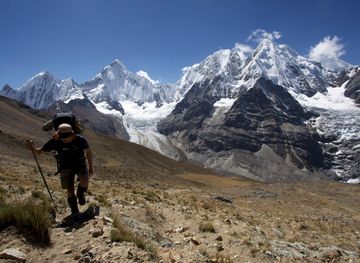

Explore Pasco: Things to Do, Places to Eat, Hotels & More
Handpicked recommendations for top attractions, local dining, accommodations, and more

Top Attractions & Sightseeing in Pasco
Top-rated picks
Best Attractions
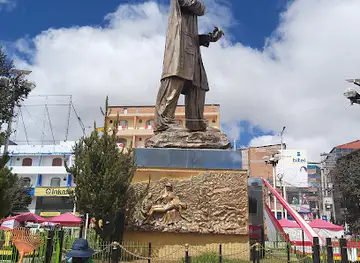
Daniel Alcides Carrion Plaza
Explore the vibrant Daniel Alcides Carrion Plaza in Cerro de Pasco, a city park rich in culture, scenic beauty, and local gatherings.

Prusia - Pozuzo
Explore the natural beauty and rich culture of Prusia, Pozuzo – a hidden gem in the Peruvian rainforest, perfect for adventure and relaxation.

Parque El Comercio
Explore the beauty of Parque El Comercio in Cerro de Pasco, a serene park blending nature and culture in Peru's highest city.
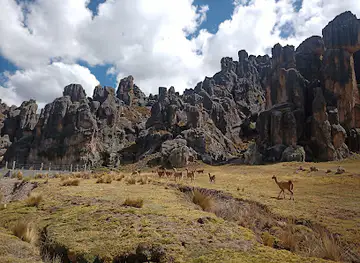
Stone Forest
Discover the breathtaking Stone Forest, a nature preserve in Peru with stunning rock formations and rich biodiversity, perfect for adventure seekers.

Best landmarks in Pasco
Top-rated picks
Best Landmarks

Historic Sanctuary of Machu Picchu
Explore the breathtaking ruins of Machu Picchu, an ancient Incan citadel nestled in the heart of the Peruvian Andes, a true marvel of history and nature.

Lima Main Square
Explore the vibrant history and culture at Lima Main Square, the heart of Peru's capital, surrounded by stunning colonial architecture and lively local events.

Plaza de Armas Arequipa
Experience the vibrant culture and stunning architecture of Plaza de Armas Arequipa, the historical heart of Peru's beautiful White City.

Saqsaywaman
Discover the ancient architectural marvel of Saqsaywaman, a breathtaking Inca fortress with stunning views and rich cultural significance in Cusco, Peru.

Best restaurants in Pasco
Top-rated picks
Best Restaurants

La Casa de Baco
Discover authentic Peruvian flavors at La Casa de Baco, Oxapampa's top-rated restaurant known for its fresh ingredients and warm hospitality.

Prusia Restaurante
Experience authentic local cuisine at Prusia Restaurante - a must-visit culinary destination for every traveler.

SOL DE ORO - POLLOS & PARRILLAS
Savor authentic Peruvian flavors at Sol de Oro - Pollos & Parrillas in Cerro de Pasco with delicious grilled chicken and local specialties.

Kimbos Pollos Parrillas
Experience authentic Peruvian flavors at Kimbos Pollos Parrillas – where every bite tells a story of tradition and taste.

Best bars in Pasco
Top-rated picks
Best Bars

La Casa de Baco
Savor the flavors of Peru at La Casa de Baco, where local ingredients meet culinary creativity in a charming setting.

Bergland by Dörcher Oxapampa
Discover the culinary gem of Oxapampa at Bergland by Dörcher, where local flavors meet gourmet dining in a picturesque gastropub setting.

Vater Otto
Discover the vibrant nightlife of Oxapampa at Vater Otto, a lively bar offering local drinks and a welcoming atmosphere.
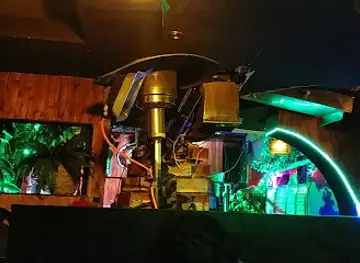
Alquitara VIP
Experience the vibrant nightlife at Alquitara VIP, a must-visit bar in Cerro de Pasco, Peru, offering cocktails, live music, and a lively atmosphere.

Best nightclubs in Pasco
Top-rated picks
Best Nightclubs

La Cúpula
Experience the vibrant nightlife of Cerro De Pasco at La Cúpula, where music, dance, and great company come together for unforgettable evenings.

Eyffer Disco Premium
Discover the electrifying nightlife at Eyffer Disco Premium, Cerro de Pasco's top destination for dancing, music, and unforgettable experiences.

Discoteca Olimpo
Discover the vibrant nightlife of Lima at Discoteca Olimpo, a premier disco club for unforgettable nights filled with music and dance.

DISCO BAR EL JEFECITO
Dive into the heart of Cerro de Pasco's nightlife at Disco Bar El Jefecito, where vibrant music and a lively atmosphere await.

Best shops in Pasco
Top-rated picks
Best Shops

Munguia Store
Discover unique clothing and local fashion at Munguia Store in Cerro de Pasco, blending tradition with modern style for all visitors.

Mancora
Experience the vibrant coastal town of Mancora, Peru - where stunning beaches, exciting surf, and rich culture await every traveler.

Regalos Pasco
Discover unique home goods and local crafts at Regalos Pasco in Cerro de Pasco, a treasure trove of Peruvian artisan products.

Bodega BLANCA NIECE
Discover the vibrant shopping experience at Bodega Blanca Niece, the heart of retail in Cerro de Pasco, Peru.

Explore Pasco on the Map
A handpicked selection of must-see spots in Pasco, mapped for you.
Pasco Essentials
-
Pasco, Peru, is accessible by air and road. The nearest major airport is Jorge Chávez International Airport in Lima, approximately 300 kilometers away. From Lima, you can take a bus or hire a private car to reach Pasco. The bus journey typically takes around 8 to 10 hours due to the mountainous terrain. Alternatively, you can take a domestic flight to Jauja Airport and then a bus or taxi to Pasco, which shortens the travel time.
-
Pasco has several transportation options including taxis, buses, and mototaxis (three-wheeled vehicles). Taxis are plentiful and can be hailed on the street or booked in advance. Buses and minibuses (combis) operate on fixed routes and are the most affordable way to get around. For short distances, mototaxis are convenient and inexpensive. Renting a car is also an option but be prepared for challenging driving conditions due to the high altitude and winding roads.
-
The official currency in Peru is the Peruvian Sol (PEN). Credit cards are accepted in major hotels, restaurants, and shops, but it is advisable to carry cash for small purchases and in rural areas. ATMs are available in Pasco, but it’s wise to withdraw sufficient cash in Lima or another major city before traveling. Currency exchange services are also available, but rates may vary.
-
Pasco is generally safe for tourists, but standard precautions should be taken. Avoid walking alone at night in unfamiliar areas and keep an eye on your belongings in crowded places. Certain neighborhoods may have higher crime rates, so consult local advice on which areas to avoid. Always use registered taxis and avoid accepting rides from strangers.
-
In case of emergency, dial 105 for police assistance, 116 for the fire department, and 106 for medical emergencies. The local hospital and clinics in Pasco provide medical services, but it is recommended to have travel insurance that covers medical emergencies. Pharmacies are available for minor health issues. Keep emergency contact numbers and your travel insurance details handy.
-
Fashion: Do dress in layers as the weather can change rapidly due to the high altitude. Avoid wearing overly flashy or expensive jewelry. Religion: Do respect local customs and traditions. Always dress modestly when visiting religious sites. Public Transport: Do be respectful to fellow passengers and give up your seat to elderly or pregnant passengers. Don't eat or drink on public transport. Greetings: Do greet people with a handshake or a friendly nod. A simple 'Buenos días' (Good morning) or 'Buenas tardes' (Good afternoon) is appreciated. Eating & Drinking: Do try local dishes and accept food offerings graciously. Don't refuse hospitality, as it is considered impolite.
-
To experience Pasco like a local, visit the local markets such as the Central Market to buy fresh produce and traditional goods. Engage with the locals as they are often friendly and willing to share stories about the area's history and culture. Don’t miss the opportunity to explore the natural beauty of the region, including the Huayllay National Sanctuary, known for its unique rock formations. For a unique culinary experience, try the local dish 'pachamanca', which is a traditional Peruvian meal cooked in an earthen oven.
When is the best time to visit Pasco?
Useful Local Phrases for Pasco
You don't need to speak the language perfectly. Even learning a few simple words can make conversations warmer—and locals usually appreciate the effort.
— Eve

Here are the phrases I use most often in Pasco. Try a few—you'll be surprised how far they go! 😊
❤️
-
- HelloHola
[OH-lah] - GoodbyeAdiós
[ah-DYOS] - YesSí
[SEE] - NoNo
[NO] - Please/You're welcomePor favor
[por fah-VOR] - Thank youGracias
[GRAH-syahs] - Excuse me/SorryPerdón
[pehr-DON] - How are you?¿Cómo estás?
[KOH-moh eh-STAS] - Fine. And you?Bien. ¿Y tú?
[BYEN. ee TOO] - Do you speak English?¿Hablas inglés?
[AH-blas een-GLES] - I don't understandNo entiendo
[NO en-TYEN-doh]
- HelloHola
-
- I'd like to see the menu, pleaseMe gustaría ver el menú, por favor
[meh goos-TAH-ree-ah BEHR el meh-NOO, por fah-VOR] - I don't eat meatNo como carne
[NO KOH-moh KAR-neh] - Cheers!¡Salud!
[sah-LOOD] - I would like to pay, pleaseQuisiera pagar, por favor
[kee-SYEH-rah pah-GAR, por fah-VOR]
- I'd like to see the menu, pleaseMe gustaría ver el menú, por favor
-
- Help!¡Ayuda!
[ah-YOO-dah] - Go away!¡Vete!
[BEH-teh] - Call the Police!¡Llama a la policía!
[YAH-mah ah lah poh-lee-SEE-ah] - Call a doctor!¡Llama a un doctor!
[YAH-mah ah oon dok-TOR] - I'm lostEstoy perdido
[es-TOY per-DI-do] - I'm illEstoy enfermo
[es-TOY en-FER-mo]
- Help!¡Ayuda!
-
- I'd like to buy...Me gustaría comprar...
[meh goos-TAH-ree-ah kom-PRAR] - I'm just lookingSolo estoy mirando
[SOH-lo es-TOY mee-RAN-do] - How much is it?¿Cuánto cuesta?
[KWAN-toh KWES-tah] - That's too expensiveEs muy caro
[es MOO-ee KAH-ro] - Can you lower the price?¿Puedes bajar el precio?
[PWEH-des bah-HAR el PREH-syo]
- I'd like to buy...Me gustaría comprar...
-
- What time is it?¿Qué hora es?
[KEH OR-ah es] - It's one o'clockEs la una
[es lah OO-nah] - Half past (10)Y diez y media
[ee DYEZ ee MEH-dee-ah] - MorningMañana
[mah-NYAH-nah] - AfternoonTarde
[TAR-deh] - EveningNoche
[NO-cheh] - YesterdayAyer
[ah-YER] - TodayHoy
[OY] - TomorrowMañana
[mah-NYAH-nah] - 1Uno
[OO-no] - 2Dos
[DOS] - 3Tres
[TRES] - 4Cuatro
[KWAH-tro] - 5Cinco
[SEEN-koh] - 6Seis
[SAYS] - 7Siete
[SYEH-teh] - 8Ocho
[OH-cho] - 9Nueve
[NWEH-beh] - 10Diez
[DYEZ]
- What time is it?¿Qué hora es?
-
- Where's a/the...?¿Dónde está...?
[DON-deh es-TAH] - What's the address?¿Cuál es la dirección?
[KWAL es lah dee-rek-SYON] - Can you show me (on the map)?¿Puedes mostrarme (en el mapa)?
[PWEH-des mos-TRAR-me (en el MAH-pah)] - When's the next (bus)?¿Cuándo es el próximo (autobús)?
[KWAN-do es el PROK-see-mo (ow-toh-BOOS)] - A ticket (to ....)Un billete (a ....)
[oon bee-YEH-teh (ah ....)]
- Where's a/the...?¿Dónde está...?
History of Pasco
-
Long before the arrival of the Spanish, the region now known as Pasco was inhabited by various indigenous cultures, including the Yaros and the Huancas. These groups were skilled agriculturalists and herders, who adapted to the high-altitude environment and developed complex societal structures. They left behind archaeological evidence, such as terraced fields and ceremonial sites, that speak to their advanced understanding of their environment.
-
During the 15th century, the Inca Empire expanded and incorporated the region of Pasco into its vast domain. The Incas introduced their administrative and agricultural systems, which included the construction of the Qhapaq Ñan, or the Great Inca Road. This network of roads facilitated trade and communication throughout the empire, and remnants of these ancient routes can still be seen in Pasco today.
-
Following the Spanish conquest of the Inca Empire in the 16th century, Pasco became an important site for Spanish colonization and resource extraction. The region was rich in minerals, particularly silver and mercury, which were crucial for the Spanish colonial economy. The city of Cerro de Pasco, founded in 1578, became one of the highest and most important mining towns in the world, attracting settlers and laborers from various parts of the Spanish Empire.
-
Pasco played a significant role in Peru's struggle for independence from Spanish rule. The Battle of Pasco, fought on December 6, 1820, was a decisive conflict in the Peruvian War of Independence. Led by General Juan Antonio Álvarez de Arenales, the patriot forces defeated the royalist troops, paving the way for further victories that eventually led to Peru's independence in 1821.
-
In the late 19th and early 20th centuries, Pasco underwent significant industrialization, driven largely by its mining industry. Foreign investment, particularly from American and British companies, led to the development of modern mining infrastructure. This era saw the growth of Cerro de Pasco into a bustling urban center, although it also brought challenges such as labor disputes and environmental degradation. Today, the legacy of mining continues to shape the region's economy and landscape.
-
Pasco is not only rich in history but also in cultural traditions. The region is known for its vibrant festivals, such as the Festival de la Virgen del Carmen and the Festival de la Pachamama, which blend indigenous and Spanish influences. Traditional music, dance, and cuisine are integral parts of these celebrations, offering visitors a glimpse into the unique cultural tapestry of Pasco. The region's highland communities continue to preserve their ancestral customs and languages, providing a living connection to their rich historical past.
Neighbouring Regions of Pasco
The closest regions to Pasco, if you have time for more than one.




Your all‑in‑one travel companion app
Explore expert travel guides, compare and book tours, experiences, hotels, and more—all from the palm of your hand. Download now for seamless trip planning wherever your wanderlust takes you.


Explore More of Peru

Looking beyond Pasco? Discover Peru for broader travel guides, local hot-spots, and regional highlights.
Explore PeruPasco in Photos
Browse through our photo collection highlighting the charm and character of the destination.


Pasco: The Heart of the Peruvian Highlands
Nestled in the central highlands of Peru, Pasco is a gem waiting to be discovered by intrepid travelers. Known for its rich mining history and stunning natural landscapes, Pasco provides a unique blend of cultural heritage and natural beauty. The town of Cerro de Pasco, one of the highest cities in the world, offers a glimpse into the life of miners and the history of silver extraction that has shaped the region for centuries. But Pasco is more than just its mining history. The region is home to beautiful lakes such as Lake Junín, where bird watchers can spot rare species in their natural habitat. The Yanachaga-Chemillén National Park offers breathtaking hiking trails through cloud forests and diverse wildlife, making it a paradise for nature enthusiasts. Visitors can also immerse themselves in the local culture by exploring traditional Andean villages, where Quechua-speaking communities maintain their ancient customs and crafts. The vibrant festivals, traditional dances, and colorful markets add to the charm of this highland destination, ensuring a memorable experience for all who visit.