

Free Andean Highlands Travel Guide & Mobile App
Explore Andean Highlands with free travel guides. Discover regional history, expert tips, proposed trips, and audio guides on web or mobile app.


Explore Peru’s Andean Highlands for Inca heritage, high-altitude landscapes, Quechua traditions, mountain trekking and distinctive regional cuisine.
Read more about Andean Highlands
When is the best time to visit Andean Highlands?
Best: July–September · 14–15°C| Month | High (°C) | Rainfall (mm) |
|---|---|---|
| January | 15 | 201 |
| February | 15 | 181 |
| March | 15 | 160 |
| April | 15 | 140 |
| May | 15 | 120 |
| June | 15 | 100 |
| July (best) | 14 | 80 |
| August (best) | 14 | 61 |
| September (best) | 15 | 80 |
| October | 15 | 100 |
| November | 15 | 120 |
| December | 15 | 160 |
Getting to and around Andean Highlands
How to get there
Transportation
Top city travel guides in Andean Highlands
The cities of Andean Highlands, and the easiest places to base yourself.
-

-

-

-

-

-


Swipe for more cities
Destinations in Andean Highlands
Resorts, valleys and scenic spots worth a trip of their own.
-

-

-

-

-

-


Swipe for more destinations
Best attractions in Andean Highlands
The Andean Highlands offer an unusually broad range of experiences, from major archaeological sites to demanding mountain landscapes. Around Cusco, former Inca settlements, agricultural terraces and the Sacred Valley provide a close view of imperial engineering and continuing rural life; Machu Picchu is reached from the highland region through a transition into cloud forest and requires advance planning. Near Puno, Lake Titicaca supports boat excursions, archaeological sites and encounters with communities whose textile and agricultural traditions are linked to the high plateau. Huaraz is the base for routes into Huascarán National Park, where glacial lakes, high passes and Cordillera Blanca scenery dominate. Ayacucho and the central highlands add colonial churches, archaeological remains and strong festival traditions, while smaller towns reveal market culture, weaving and local food. Outdoor options include trekking, mountain biking, rafting, horse riding and wildlife observation, but altitude and weather should guide the choice of activity. The attraction landscape is best understood as a network of distinct valleys and plateaux rather than a compact sightseeing circuit.
-
Historical place
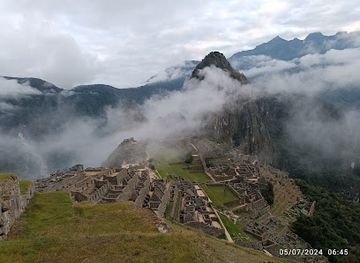
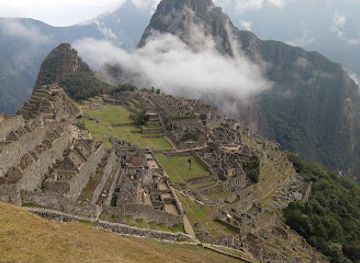
Historic Sanctuary of Machu Picchu
Explore the breathtaking Historic Sanctuary of Machu Picchu, a UNESCO World Heritage Site that showcases the incredible achievements of the Incan civilization amidst stunning landscapes.
-
Park
Magic Water Circuit of the Reserve Park
Explore the Magic Water Circuit in Lima, a stunning park filled with mesmerizing fountains and vibrant nighttime shows, perfect for every traveler.
-
Park
Kennedy Park
Discover the vibrant charm of Kennedy Park in Miraflores, a lush green space perfect for relaxation, culture, and community engagement.
-
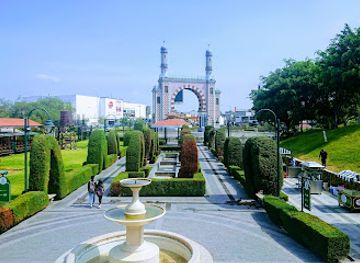
Tourist attraction
Friendship Park
Explore Friendship Park: A serene urban oasis in Santiago de Surco, perfect for relaxation, family fun, and nature walks amidst vibrant landscapes.
Best landmarks in Andean Highlands
Cusco’s historic centre is the defining urban landmark of the southern highlands, where Inca masonry is visible in foundations and walls beneath and beside colonial buildings. The Coricancha, once the principal Inca sun temple and later incorporated into the Santo Domingo complex, expresses the layered history of the city. In the Sacred Valley, the terraces and massive stonework of Ollantaytambo form one of the clearest surviving examples of an Inca settlement integrated into a mountain landscape, while Pisac is known for its terraces, ceremonial remains and elevated position above the valley. Machu Picchu is the region’s most recognisable landmark, an Inca citadel set among steep forested mountains, although its setting lies below the high plateau. At Lake Titicaca, the immense blue expanse itself is a geographical landmark, complemented by the high-altitude cityscape of Puno. In the north, the peaks and glacial valleys of the Cordillera Blanca around Huaraz create a natural landmark system of a different scale, with snow-covered summits and sharply carved mountain basins.
-
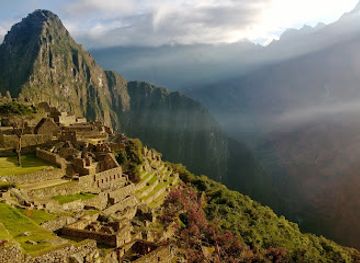
Historical place
Historic Sanctuary of Machu Picchu
Explore the Historic Sanctuary of Machu Picchu, an iconic archaeological wonder nestled in the breathtaking Andes, and discover the legacy of the Inca civilization.
-
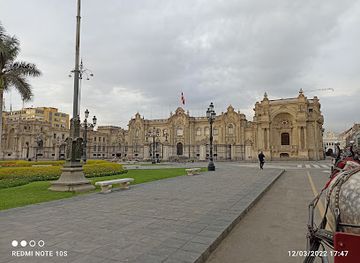
Historical landmark
Lima Main Square
Explore the vibrant Lima Main Square, a historical landmark filled with stunning architecture, rich culture, and the heart of Peru’s capital.
-
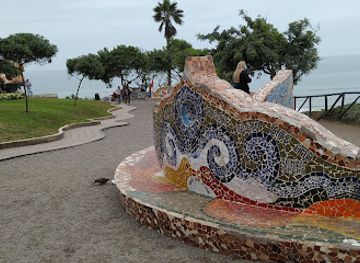
Park
Love's Park
Explore Love's Park in Miraflores: a romantic oasis with stunning ocean views, vibrant mosaics, and a perfect escape in Lima's bustling city.
-
Historical place
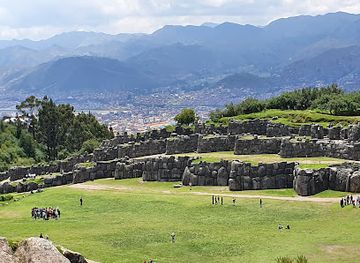
Saqsaywaman
Explore Saqsaywaman, an archaeological marvel in Cusco, Peru, known for its impressive Incan stonework and stunning views of the Sacred Valley.
Explore Andean Highlands on the map
Plan your trip on one map. See where the top cities, national parks and sights are, and book hotels and experiences in a few clicks.
Best hotels in Andean Highlands
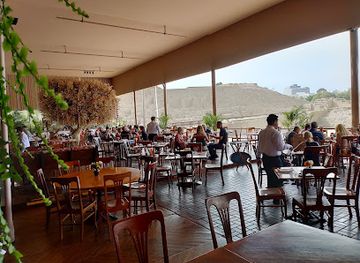
Best restaurants in Andean Highlands
Highland cooking is built around ingredients that thrive in cool, elevated environments or have been cultivated in the Andes for centuries. Potatoes appear in many forms, alongside native tubers, quinoa, broad beans, choclo maize, herbs such as muña and ají peppers. Trout is particularly associated with the lakes and rivers around Puno and the Sacred Valley, while alpaca is served in some restaurants and should be sourced responsibly. Cusco offers both traditional dishes, including chiri uchu in its seasonal context, and contemporary interpretations of Andean produce; soups and stews are valuable choices in colder towns. Markets provide fruit, breads, cheeses and regional snacks, while cafés and restaurants in tourist centres cater to international tastes. Rural inns and family-run dining rooms may have limited menus but can offer more direct contact with local ingredients. Try chicha or other regional drinks thoughtfully, and choose busy food stalls or establishments with good turnover and clean preparation areas.
-
Restaurant
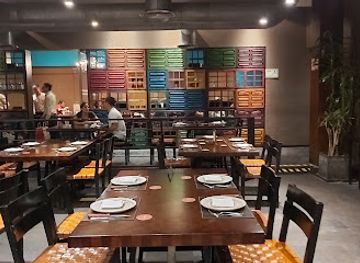
Panchita - Miraflores
Discover the essence of Peruvian cuisine at Panchita in Miraflores - a must-visit restaurant known for its authentic dishes and vibrant atmosphere.
-
Restaurant
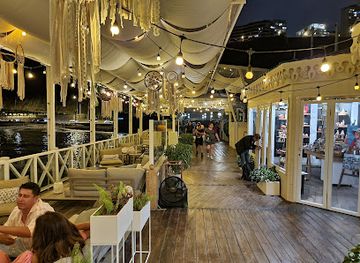
Restaurante La Rosa Náutica
Discover exquisite seafood dining with breathtaking ocean views at Restaurante La Rosa Náutica in Miraflores, Lima.
-
Peruvian
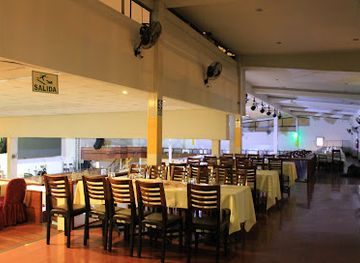
Brisas del Titicaca Asociación Cultural
Experience authentic Peruvian cuisine and vibrant cultural performances at Brisas del Titicaca in Lima.
-
Peruvian
Restaurant Huaca Pucllana
Experience authentic Peruvian cuisine at Restaurant Huaca Pucllana amidst ancient ruins in Lima.
Best bars in Andean Highlands
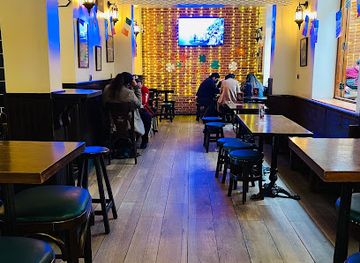
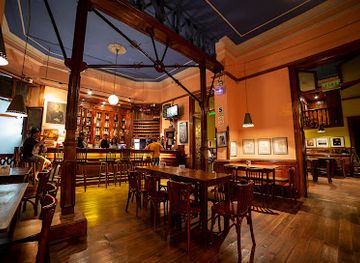
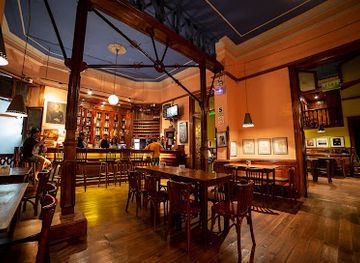
Evening life in the highlands varies sharply between tourist centres and rural towns. Cusco has the widest selection, with traditional bars, pisco-focused venues, restaurants, live music and clubs concentrated around the historic centre and nearby streets. In Puno, evenings often centre on restaurants, folk-music performances and bars serving visitors, while Huaraz has a relaxed after-walking scene of pubs, cafés and small music venues. Smaller highland towns generally close earlier and revolve around local restaurants, chicherías, community celebrations or social gatherings rather than nightclubs. Ayacucho has a notable musical and festival culture, although activity is particularly seasonal. Altitude can intensify the effects of alcohol, so moderation is sensible, especially during the first days of a trip. Check local arrangements rather than relying on late-night transport in remote areas.
-
Irish pub
Molly's Irish Bar & Restaurant
Savor authentic Irish cuisine and live music in the heart of Miraflores at Molly's Irish Bar & Restaurant, a perfect blend of culture and camaraderie.
-
Restaurant
LIMBUS RESTOBAR
Experience the flavors of Peru at Limbus Restobar, a culinary gem in Cusco with breathtaking views and a vibrant atmosphere.
-
Live music bar
Night of Barranco
Discover the lively atmosphere of Night of Barranco, a top live music bar in Lima's cultural hub, offering unforgettable nights filled with music and dancing.
-
Bar
La chupiteria the shot bar
Discover the vibrant nightlife of Cusco at La Chupiteria, a unique shot bar known for its creative cocktails and lively atmosphere.

Best nightclubs in Andean Highlands
Evening life in the highlands varies sharply between tourist centres and rural towns. Cusco has the widest selection, with traditional bars, pisco-focused venues, restaurants, live music and clubs concentrated around the historic centre and nearby streets. In Puno, evenings often centre on restaurants, folk-music performances and bars serving visitors, while Huaraz has a relaxed after-walking scene of pubs, cafés and small music venues. Smaller highland towns generally close earlier and revolve around local restaurants, chicherías, community celebrations or social gatherings rather than nightclubs. Ayacucho has a notable musical and festival culture, although activity is particularly seasonal. Altitude can intensify the effects of alcohol, so moderation is sensible, especially during the first days of a trip. Check local arrangements rather than relying on late-night transport in remote areas.
-
Live music bar
Night of Barranco
Discover the vibrant nightlife of Barranco at Night of Barranco, where live music and an electric atmosphere create unforgettable memories.
-
Disco club
Bizarro
Dive into the vibrant nightlife of Miraflores at Bizarro, where lively dance floors and eclectic music create unforgettable late-night experiences.
-
Gay night club
ValeTodo DownTown
Discover the electrifying nightlife at ValeTodo DownTown, Lima's premier gay nightclub, featuring vibrant performances and an inclusive atmosphere.
-
Disco club
Nebula
Discover the energetic nightlife of Lima at Nebula, a stylish disco club in Miraflores, where music and dancing come alive until dawn.



Best shops in Andean Highlands
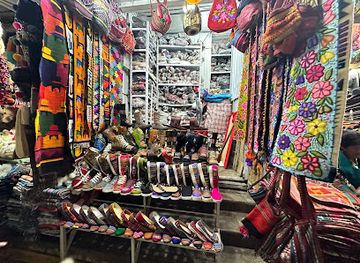
Shopping in the Andean Highlands is strongest in market towns, historic centres and communities with established textile traditions. Cusco offers alpaca garments, woven goods, jewellery, ceramics, artworks and packaged regional foods, but quality and fibre content vary, so ask clear questions and compare products before buying. Pisac and Chinchero are associated with textile trading, while Puno and nearby highland communities are known for weaving, embroidery and products reflecting Aymara design traditions. Huaraz is useful for practical trekking equipment and locally made crafts, whereas Ayacucho has a strong reputation for retablos, carved and painted boxes, ceramics and other decorative arts. Markets sell potatoes, maize, quinoa, herbs and cheeses rather than only souvenirs, making them valuable places to understand regional food culture. Buy directly from recognised cooperatives or makers when possible, avoid protected archaeological objects and carry cash for smaller stalls.
-
Shopping mall
Larcomar
Experience the vibrant blend of shopping, dining, and stunning ocean views at Larcomar, Miraflores' premier coastal destination.
-
Shopping mall
Real Plaza Salaverry
Discover shopping, dining, and entertainment all in one place at Real Plaza Salaverry in Jesús María.
-
Shopping mall
Jockey Plaza
Discover Jockey Plaza, a premier shopping mall in Santiago de Surco, offering a vibrant blend of shopping, dining, and entertainment for tourists.
-
Market
Mercado Central de San Pedro
Experience the vibrant culture and flavors of Peru at Mercado Central de San Pedro, a must-visit market in the heart of Cusco.



Get your free copy of our complete guide to Andean Highlands, delivered straight to you.
Everything on this page, from attractions and restaurants to essentials and local phrases, in one PDF you can read offline, print or share.
Already have an account? Sign in
Your Andean Highlands guide is ready.
We'll send it to · Not you? Sign out

Getting your guide ready…
We are putting together a fresh copy of the Andean Highlands guide. This can take up to a minute.
This can take a few moments. If your browser asks, choose Allow so the download can start. You'll find the guide in your Downloads folder.
Nothing happened? Download it again
Sorry, the guide is taking longer than usual. Please try again in a minute, or get it by email instead.
Andean Highlands essentials
Currency and Payment
Safety
Emergency Situations
Do's and Don'ts
Local Tips
From Eve
Local phrases worth knowing
You don't need to get them perfect. A few words go a long way, and locals appreciate the effort.
Basics
| English | Local | Say it |
|---|---|---|
| Hello | Hola | [Ola] |
| Goodbye | Adiós | [Adeeos] |
| Yes | Sí | [See] |
| No | No | [No] |
| Please/You're welcome | Por favor | [Por fabor] |
| Thank you | Gracias | [Grasias] |
| Excuse me/Sorry | Disculpe | [Deesculpe] |
| How are you? | ¿Cómo estás? | [Komo estas] |
| Fine. And you? | Bien. ¿Y tú? | [Byen. E tu] |
| Do you speak English? | ¿Hablas inglés? | [Ablas ingles] |
| I don't understand | No entiendo | [No entiendo] |
Eating & Drinking
| English | Local | Say it |
|---|---|---|
| I'd like to see the menu, please | Me gustaría ver el menú, por favor | [Me gustaria ver el menu, por favor] |
| I don't eat meat | No como carne | [No como karne] |
| Cheers! | ¡Salud! | [Salud] |
| I would like to pay, please | Me gustaría pagar, por favor | [Me gustaria pagar, por favor] |
Emergencies
| English | Local | Say it |
|---|---|---|
| Help! | ¡Ayuda! | [Ayuda] |
| Go away! | ¡Vete! | [Vete] |
| Call the Police! | ¡Llama a la policía! | [Llama a la polisia] |
| Call a doctor! | ¡Llama a un médico! | [Llama a un mediko] |
| I'm lost | Estoy perdido | [Estoy perdido] |
| I'm ill | Estoy enfermo | [Estoy enfermo] |
Shopping
| English | Local | Say it |
|---|---|---|
| I'd like to buy... | Me gustaría comprar... | [Me gustaria comprar] |
| I'm just looking | Solo estoy mirando | [Solo estoy mirando] |
| How much is it? | ¿Cuánto cuesta? | [Kuanto kwesta] |
| That's too expensive | Eso es muy caro | [Eso es muy karo] |
| Can you lower the price? | ¿Puedes bajar el precio? | [Pwedes bajar el precio] |
Time & Numbers
| English | Local | Say it |
|---|---|---|
| What time is it? | ¿Qué hora es? | [Ke ora es] |
| It's one o'clock | Es la una | [Es la una] |
| Half past (10) | Y media (10) | [Y media (10)] |
| Morning | Mañana | [Manya] |
| Afternoon | Tarde | [Tarde] |
| Evening | Noche | [Noche] |
| Yesterday | Ayer | [Ayer] |
| Today | Hoy | [Hoy] |
| Tomorrow | Mañana | [Manya] |
| 1 | Uno | [Uno] |
| 2 | Dos | [Dos] |
| 3 | Tres | [Tres] |
| 4 | Cuatro | [Kwatros] |
| 5 | Cinco | [Sinko] |
| 6 | Seis | [Seis] |
| 7 | Siete | [Siete] |
| 8 | Ocho | [Ocho] |
| 9 | Nueve | [Nueve] |
| 10 | Diez | [Diez] |
Transport & Directions
| English | Local | Say it |
|---|---|---|
| Where's a/the...? | ¿Dónde está un/una...? | [Donde esta un/una] |
| What's the address? | ¿Cuál es la dirección? | [Kual es la direccion] |
| Can you show me (on the map)? | ¿Puedes mostrarme (en el mapa)? | [Pwedes mostrarme (en el mapa)] |
| When's the next (bus)? | ¿Cuándo es el próximo (bus)? | [Kuando es el proximo (bus)] |
| A ticket (to ....) | Un boleto (a ....) | [Un boleto (a ....)] |
History of Andean Highlands
Early Highland Civilisations
The Andean Highlands supported complex societies long before the Inca. Around Lake Titicaca, the Pukara culture developed ceremonial and agricultural centres, while the later Tiwanaku sphere influenced communities across the southern high plateau. In the north-central Andes, Chavín created a powerful religious tradition whose influence extended well beyond its ceremonial centre. These societies developed terracing, irrigation, distinctive stonework and systems of exchange suited to extreme environmental variation. Their legacy survives in archaeological sites, agricultural practices and artistic forms across the highlands, demonstrating that the region was a centre of innovation rather than a remote margin.
Wari Power and Regional Networks
Between approximately the seventh and tenth centuries, the Wari state expanded from its centre near modern Ayacucho across large areas of the Peruvian Andes. Wari administration relied on planned settlements, roads, agricultural infrastructure and linked regional communities. Sites such as Pikillaqta near Cusco reveal the scale and organisation of this power, while Wari influence can be traced through ceramics, architecture and settlement patterns. Although the state later fragmented, its methods of managing highland territory helped shape the political environment into which later Andean powers emerged.
The Formation of the Inca Empire
From its base in the Cusco basin, the Inca state expanded rapidly during the fifteenth century to form the Tawantinsuyu, an empire stretching across much of the Andes. Inca administrators reorganised existing communities, extended roads and storehouses, and developed terraces and irrigation works. Cusco became the imperial capital, while sites including Ollantaytambo, Pisac and Machu Picchu expressed political authority, religious purpose and mastery of mountain engineering. Quechua became an important language of administration, and many present-day highland traditions retain elements of the population movements, agricultural systems and cultural exchange established under Inca rule.
Spanish Conquest and Colonial Transformation
Spanish forces captured Atahualpa in Cajamarca in 1532 and gradually imposed colonial rule across the Andes. The conquest brought Catholic institutions, new forms of landholding, European crops and animals, and intense disruption of existing political and religious systems. Highland towns were reorganised around Spanish-style plazas, churches and administrative buildings, often over or beside earlier settlements. Indigenous labour obligations and the colonial tribute system placed heavy burdens on communities, while silver mining elsewhere in the Andes connected the highlands to an international imperial economy. Colonial architecture and religious art remain prominent in Cusco, Ayacucho, Puno and other historic centres.
Indigenous Resistance and Andean Rebellions
Resistance to colonial authority continued throughout the Spanish period, sometimes through local disputes and sometimes through large uprisings. The rebellion led by Túpac Amaru II, which began in 1780 in the southern Andes, challenged colonial taxation, forced labour and administrative abuses before being violently suppressed. Its leadership and memory remain especially important in the Cusco region and across popular ideas of Andean identity. Indigenous communities also preserved language, agricultural knowledge, music and ritual practices within a colonial framework, creating forms of cultural continuity that were neither a simple survival of the past nor an unchanged tradition.
Independence and the Republican Andes
Peru’s independence process brought military campaigns and political changes to the highlands, culminating in the Battle of Ayacucho in 1824, one of the decisive engagements in the independence of Spanish South America. The new republic retained many colonial inequalities, and highland communities continued to face unequal access to land, education and political power. Regional economies remained tied to agriculture, livestock, mining and trade across difficult mountain routes. During the nineteenth and twentieth centuries, railways, roads and expanding cities altered these connections without eliminating the importance of village, communal and regional identities.
Modern Andean Identity and Heritage
The twentieth and twenty-first centuries brought migration, agrarian reform, improved road links, mass education and growing tourism to the Peruvian highlands. Cusco and Machu Picchu became international destinations, while Puno, Huaraz, Ayacucho and smaller centres developed their own cultural and outdoor tourism economies. These changes have created employment but also pressures involving overcrowding, water use, waste and the presentation of Indigenous culture for visitors. Contemporary Andean identity is therefore shaped by both continuity and change: Quechua and Aymara languages, communal life, music, textiles and farming remain active parts of society rather than museum relics.
Andean Highlands in Photos
Browse through our photo collection highlighting the charm and character of the destination.
Neighbouring regions of Andean Highlands
The closest regions to Andean Highlands, if you have time for more than one.
-
-

-

-

-


Swipe for more regions
Explore more

Explore more of Peru
Discover the wonders of Peru: ancient ruins, stunning landscapes, and a vibrant culture that will captivate your heart and soul.
Explore Peru