

Free South Coast Travel Guide & Mobile App
Explore South Coast with free travel guides. Discover regional history, expert tips, proposed trips, and audio guides on web or mobile app.


Explore Peru’s South Coast for Paracas wildlife, Ica vineyards, Huacachina dunes, Nazca geoglyphs and Pacific food traditions.
Read more about South Coast
When is the best time to visit South Coast?
Best: April, November–December · 25–26°C| Month | High (°C) | Rainfall (mm) |
|---|---|---|
| January | 27 | 5 |
| February | 27 | 5 |
| March | 27 | 5 |
| April (best) | 26 | 3 |
| May | 23 | 3 |
| June | 22 | 3 |
| July | 21 | 3 |
| August | 22 | 3 |
| September | 23 | 3 |
| October | 24 | 3 |
| November (best) | 25 | 5 |
| December (best) | 25 | 5 |
Getting to and around South Coast
How to get there
Transportation
Top city travel guides in South Coast
The cities of South Coast, and the easiest places to base yourself.

Swipe for more cities
Destinations in South Coast
Resorts, valleys and scenic spots worth a trip of their own.
-

-


Swipe for more destinations
Best attractions in South Coast
The South Coast’s attractions shift noticeably from one valley to the next. Around Paracas, boat trips to the Ballestas Islands reveal sea lions, Humboldt penguins and dense seabird colonies, while Paracas National Reserve combines desert, marine habitats, beaches and archaeological landscapes. Pisco provides access to the coast and to the region’s grape-growing heritage. Inland, Ica is the centre of vineyard visits, pisco tastings and excursions to the Huacachina oasis, where high dunes support sandboarding and dune-buggy tours. Museums in Ica, Paracas and nearby towns help visitors understand the Paracas, Nazca and later coastal cultures. Farther south, Nazca is the base for viewing the celebrated geoglyphs from aircraft or authorised ground viewpoints, while the Palpa area offers additional designs and viewpoints. Agriculture, fishing and desert scenery are not separate backdrops here: they explain how communities have lived in a landscape with little rainfall for centuries.
-
Historical place
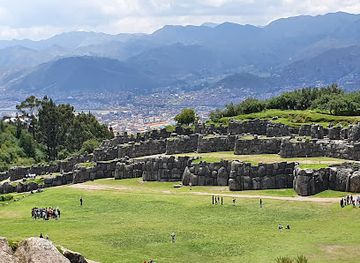
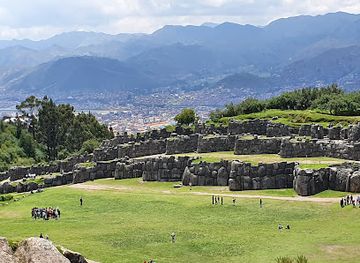
Saqsaywaman
Explore the ancient Incan fortress of Saqsaywaman in Cusco, Peru, a historical site filled with majestic stone structures and breathtaking views.
-
Bridge
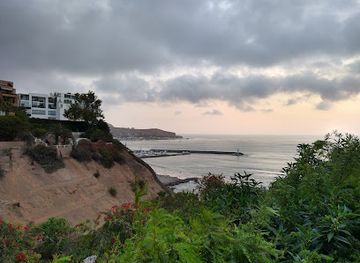
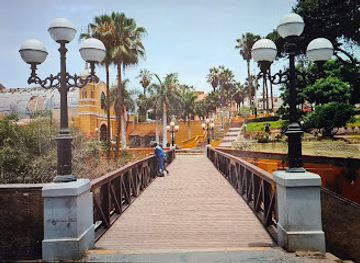
Bridge of Sighs
Discover the romantic allure of Barranco's Bridge of Sighs, a picturesque historical landmark connecting culture and stunning views.
-
Archaeological museum
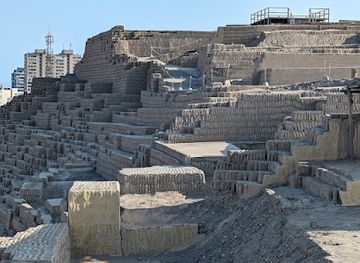
Huaca Pucllana Site Museum
Explore the ancient marvels of Huaca Pucllana, an archaeological site and museum in Miraflores showcasing Peru's rich cultural heritage.
-
Historical landmark
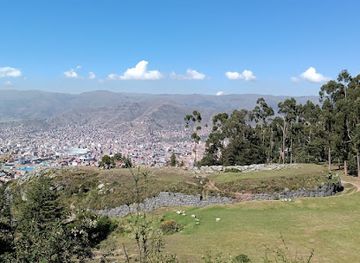
Q'enco Archaeological Complex
Uncover the mysteries of the Q'enco Archaeological Complex, a historical landmark filled with intricate stone carvings and rich Incan history.
Best landmarks in South Coast
The South Coast’s defining landmarks include the Paracas Peninsula, where desert cliffs, beaches and marine horizons form the visual centre of a protected coastal landscape. The Candelabra of Paracas, a large geoglyph etched into a peninsula hillside, is usually viewed from the sea and is distinct from the better-known Nazca designs. Around Ica, the Huacachina oasis is recognisable for its palm-lined lagoon surrounded by high desert dunes, although tourism has significantly shaped its modern appearance. South of Ica, the Nazca and Palpa geoglyphs occupy broad desert plains marked with animals, lines and geometric forms created by ancient societies. The remains of Tambo Colorado, an Inca-period administrative centre near the Pisco Valley, show how imperial architecture adapted to the coast through painted adobe buildings and carefully planned compounds. Together, these places express the region’s central theme: human settlement, ritual and engineering in an exceptionally dry environment.
-
Historical place
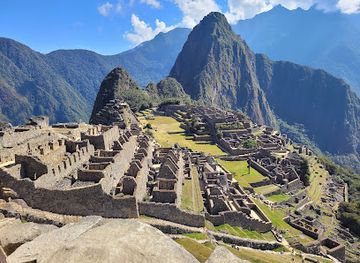
Historic Sanctuary of Machu Picchu
Discover the ancient Incan treasures at Machu Picchu, a breathtaking archaeological site nestled in the Andes of Peru, rich in history and stunning landscapes.
-
Historical landmark
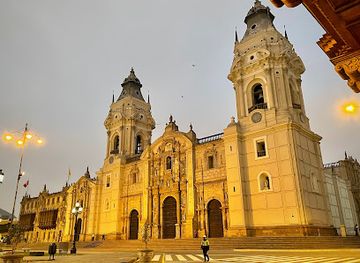
Lima Main Square
Experience the vibrant heart of Lima at the historic Main Square, surrounded by stunning colonial architecture and rich Peruvian culture.
-
Park
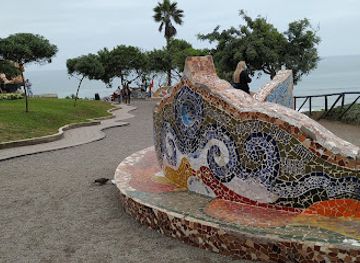
Love's Park
Discover Love's Park in Miraflores—an enchanting coastal park with stunning views, romantic sculptures, and vibrant gardens perfect for relaxation.
-
Historical place
Saqsaywaman
Explore the ancient wonders of Saqsaywaman, a breathtaking Incan fortress near Cusco, rich in history and stunning landscapes.
Explore South Coast on the map
Plan your trip on one map. See where the top cities, national parks and sights are, and book hotels and experiences in a few clicks.
Best hotels in South Coast
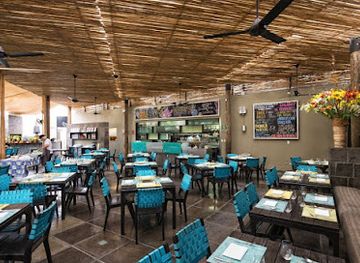
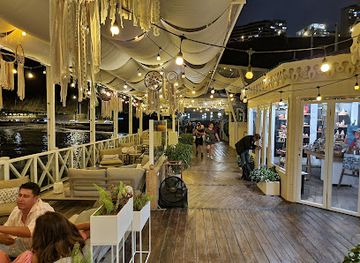
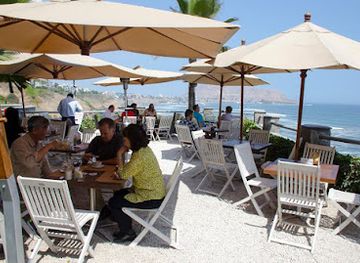
Best restaurants in South Coast
Dining along Peru’s South Coast reflects the meeting of Pacific fisheries, irrigated valleys and desert-town hospitality. In coastal settlements and Paracas, ceviche, tiradito, fried fish, seafood rice and chupe-style dishes are prominent, with freshness and sourcing varying according to the establishment and season. Ica and the surrounding valleys are associated with grapes, pisco and wines, while local menus also draw on Peruvian staples such as anticuchos, chicharrón, soups and rice dishes. Restaurants range from informal cevicherías and market counters to hotel dining rooms, vineyard kitchens and contemporary venues. Huacachina and Ica offer many places geared towards visitors, whereas smaller towns along the highway tend to provide straightforward regional meals and bakeries. Try pisco in a measured tasting context, and remember that coastal Peru’s cuisine is part of the wider national food culture rather than an isolated tradition.
-
Fish restaurant
La Mar Cevichería Peruana
Discover authentic Peruvian ceviche at La Mar Cevichería, a premier seafood restaurant in Miraflores offering fresh flavors and vibrant atmosphere.
-
Restaurant
Restaurante La Rosa Náutica
Experience exquisite seafood and stunning ocean views at Restaurante La Rosa Náutica in Miraflores, Lima – a true gem for food lovers.
-
Restaurant
Mangos Restaurante
Discover culinary excellence at Mangos Restaurante in Miraflores – where stunning ocean views meet exquisite Peruvian cuisine.
-
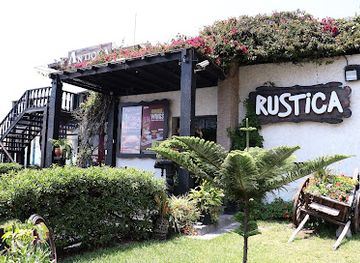
Restaurant
Rustica
Experience authentic Peruvian cuisine at Rustica in Barranco – where every dish tells a story of flavor and tradition.
Best bars in South Coast
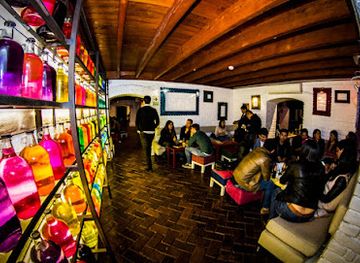
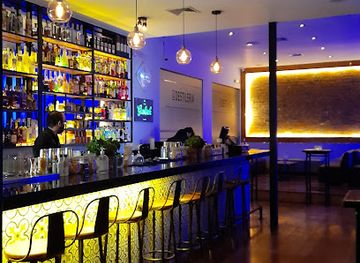
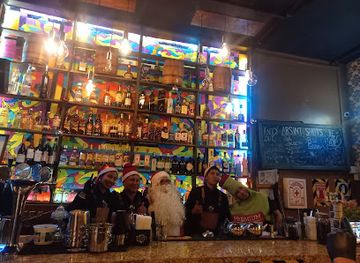
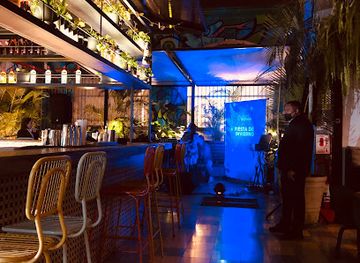
Evening life on the South Coast is concentrated in Ica, Paracas, Pisco and the visitor-oriented area around Huacachina rather than spread evenly across the desert. Paracas offers hotel bars, seafood restaurants and relaxed waterfront evenings, while Ica has traditional bars, restaurants and venues where pisco-based drinks are central to the menu. Huacachina can be livelier, particularly during holiday periods, with casual bars and music-oriented venues serving travellers staying near the oasis. Pisco and smaller towns generally favour neighbourhood bars, cafés and family restaurants over a large club scene. Nightlife changes seasonally and can be relatively quiet outside weekends or peak travel dates, so visitors should not assume late transport or all-night venues. A guided tasting at a reputable winery or pisco producer is often a more characteristic evening activity than clubbing.
-
Bar
Ayahuasca
Immerse yourself in the vibrant nightlife of Barranco at Ayahuasca, where expertly crafted cocktails and a lively atmosphere await.
-
Bar
La Destilería
Experience the vibrant spirit of Peru at La Destilería, a lively bar in Miraflores offering exquisite drinks and a welcoming atmosphere.
-
Bar
La chupiteria the shot bar
Experience the vibrant nightlife at La Chupiteria, Cusco's iconic shot bar, where fun meets flavor in a lively atmosphere.
-
Cocktail bar
Dada Bar & Restaurant
Experience the vibrant flavors of Peru at Dada Bar & Restaurant, where culinary artistry meets a lively cocktail bar atmosphere in Barranco.
Best nightclubs in South Coast
Evening life on the South Coast is concentrated in Ica, Paracas, Pisco and the visitor-oriented area around Huacachina rather than spread evenly across the desert. Paracas offers hotel bars, seafood restaurants and relaxed waterfront evenings, while Ica has traditional bars, restaurants and venues where pisco-based drinks are central to the menu. Huacachina can be livelier, particularly during holiday periods, with casual bars and music-oriented venues serving travellers staying near the oasis. Pisco and smaller towns generally favour neighbourhood bars, cafés and family restaurants over a large club scene. Nightlife changes seasonally and can be relatively quiet outside weekends or peak travel dates, so visitors should not assume late transport or all-night venues. A guided tasting at a reputable winery or pisco producer is often a more characteristic evening activity than clubbing.
-
Night club
Night of Barranco
Discover the pulsating nightlife at Night of Barranco, a vibrant club offering live music and a unique atmosphere in the heart of Barranco, Lima.
-
Disco club
Bizarro
Dive into the vibrant nightlife at Bizarro, Miraflores' ultimate disco club, where great music and wonderful company await you.
-
Disco club
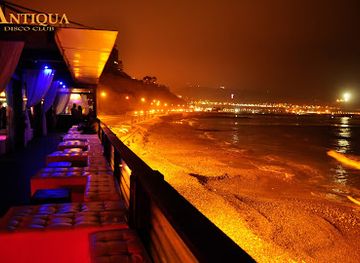
Antiqua Disco Club
Dive into the vibrant nightlife of Barranco at Antiqua Disco Club, where dance, music, and stunning coastal views come together.
-
Disco club
Nebula
Discover the heartbeat of Lima's nightlife at Nebula, a disco club in Miraflores known for its electrifying atmosphere and diverse music.


Best shops in South Coast
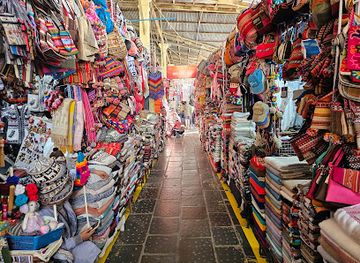
Shopping on the South Coast centres on regional food, craft production and practical market life rather than large-scale luxury retail. Ica and Pisco are the principal places to look for labelled bottles of pisco and local wine, with vineyard shops offering a more informative setting for purchases than informal roadside stalls. Markets and specialist shops sell dried fruit, sweets, nuts and other products from the irrigated valleys, while Paracas has craft stalls and galleries offering textiles, ceramics, jewellery and decorative items inspired by coastal and pre-Columbian imagery. Visitors should distinguish contemporary designs from archaeological originals and avoid buying antiquities or unprovenanced artefacts. Nazca also has shops selling textiles, ceramics and souvenirs connected with the geoglyphs. In smaller coastal towns, local markets are useful for snacks and everyday goods, but selection and card facilities can be limited; carrying some soles is sensible.
-
Shopping mall
Larcomar
Discover Larcomar, a stunning coastal shopping mall in Miraflores, Lima, offering a perfect blend of shopping, dining, and breathtaking ocean views.
-
Shopping mall
Real Plaza Salaverry
Explore Real Plaza Salaverry, the ultimate shopping and entertainment hub in Jesús María, where local culture meets modern convenience.
-
Tourist attraction
Mercado Central de San Pedro
Explore Mercado Central de San Pedro, a cultural treasure in Cusco with vibrant markets, delicious food, and authentic Peruvian experiences.
-
Bridge
Bridge of Sighs
Discover the romantic allure of Barranco's Bridge of Sighs, a historic landmark that connects love and culture amidst vibrant surroundings.
Get your free copy of our complete guide to South Coast, delivered straight to you.
Everything on this page, from attractions and restaurants to essentials and local phrases, in one PDF you can read offline, print or share.
Already have an account? Sign in
Your South Coast guide is ready.
We'll send it to · Not you? Sign out

Getting your guide ready…
We are putting together a fresh copy of the South Coast guide. This can take up to a minute.
This can take a few moments. If your browser asks, choose Allow so the download can start. You'll find the guide in your Downloads folder.
Nothing happened? Download it again
Sorry, the guide is taking longer than usual. Please try again in a minute, or get it by email instead.
South Coast essentials
Currency and Payment
Safety
Emergency Situations
Do's and Don'ts
Local Tips
From Eve
Local phrases worth knowing
You don't need to get them perfect. A few words go a long way, and locals appreciate the effort.
Basics
| English | Local | Say it |
|---|---|---|
| Hello | Hola | [OH-lah] |
| Goodbye | Adiós | [ah-DYOS] |
| Yes | Sí | [SEE] |
| No | No | [NO] |
| Please/You're welcome | Por favor/De nada | [por fah-VOR/deh NAH-dah] |
| Thank you | Gracias | [GRAH-syas] |
| Excuse me/Sorry | Disculpe/Lo siento | [dis-KOOL-peh/lo SYEN-to] |
| How are you? | ¿Cómo estás? | [KOH-moh es-TAS] |
| Fine. And you? | Bien. ¿Y tú? | [byEN. ee TOO] |
| Do you speak English? | ¿Hablas inglés? | [AH-blas een-GLES] |
| I don't understand | No entiendo | [no en-TYEN-do] |
Eating & Drinking
| English | Local | Say it |
|---|---|---|
| I'd like to see the menu, please | Me gustaría ver el menú, por favor | [meh goos-TAH-ree-ah BEHR el meh-NOO, por fah-VOR] |
| I don't eat meat | No como carne | [no KOH-mo KAR-neh] |
| Cheers! | ¡Salud! | [sah-LOOD] |
| I would like to pay, please | Me gustaría pagar, por favor | [meh goos-TAH-ree-ah pah-GAR, por fah-VOR] |
Emergencies
| English | Local | Say it |
|---|---|---|
| Help! | ¡Ayuda! | [ah-YOO-dah] |
| Go away! | ¡Vete! | [BEH-teh] |
| Call the Police! | ¡Llama a la policía! | [YAH-mah ah lah poh-lee-SEE-ah] |
| Call a doctor! | ¡Llama a un doctor! | [YAH-mah ah oon dok-TOR] |
| I'm lost | Estoy perdido | [es-TOY per-DEE-do] |
| I'm ill | Estoy enfermo | [es-TOY en-FER-mo] |
Shopping
| English | Local | Say it |
|---|---|---|
| I'd like to buy... | Quisiera comprar... | [kee-SYEH-rah kom-PRAHR] |
| I'm just looking | Solo estoy mirando | [SO-lo es-TOY mee-RAN-do] |
| How much is it? | ¿Cuánto cuesta? | [KWAN-to KWES-ta] |
| That's too expensive | Es muy caro | [es MOY KAR-o] |
| Can you lower the price? | ¿Puedes bajar el precio? | [PWEH-des bah-HAR el PREH-syo] |
Time & Numbers
| English | Local | Say it |
|---|---|---|
| What time is it? | ¿Qué hora es? | [keh OR-ah es] |
| It's one o'clock | Es la una | [es lah OO-nah] |
| Half past (10) | Y diez y media | [ee DYESS ee MEH-dyah] |
| Morning | Mañana | [mah-NYAH-nah] |
| Afternoon | Tarde | [TAR-deh] |
| Evening | Noche | [NO-cheh] |
| Yesterday | Ayer | [ah-YER] |
| Today | Hoy | [OY] |
| Tomorrow | Mañana | [mah-NYAH-nah] |
| 1 | Uno | [OO-no] |
| 2 | Dos | [DOS] |
| 3 | Tres | [TRES] |
| 4 | Cuatro | [KWAH-tro] |
| 5 | Cinco | [SEEN-ko] |
| 6 | Seis | [SAYS] |
| 7 | Siete | [SYEH-teh] |
| 8 | Ocho | [OH-cho] |
| 9 | Nueve | [NWEH-beh] |
| 10 | Diez | [DYESS] |
Transport & Directions
| English | Local | Say it |
|---|---|---|
| Where's a/the...? | ¿Dónde está un/una...? | [DON-deh es-TA oon/OO-nah] |
| What's the address? | ¿Cuál es la dirección? | [KWAL es lah dee-rek-SYON] |
| Can you show me (on the map)? | ¿Puedes mostrarme (en el mapa)? | [PWEH-des mos-TRAR-meh (en el MAH-pah)] |
| When's the next (bus)? | ¿Cuándo es el próximo (autobús)? | [KWAN-do es el PROK-see-mo (au-toh-BOOST)] |
| A ticket (to ....) | Un boleto (a ....) | [oon bo-LEH-to (ah ....)] |
History of South Coast
Paracas Culture and the Desert Coast, c. 800 BC–AD 200
The Paracas culture developed on the southern Peruvian coast, particularly around the Paracas Peninsula and the valleys of Ica. Its communities adapted to a dry environment through irrigation, fishing and agriculture, while their textiles became renowned for complex imagery, colour and technical skill. Burials from the Paracas peninsula have provided important evidence of clothing, social status and ritual practices, although earlier interpretations of some remains should be treated with care. The culture’s artistic and technological traditions influenced later societies in the same broad coastal zone.
Nazca Society and the Geoglyphs, c. 100 BC–AD 800
The Nazca civilisation flourished in the valleys around the modern city of Nazca and created the geoglyphs for which the South Coast is internationally known. Lines, trapezoids and figurative designs were made by removing the darker surface stones to expose lighter soil beneath. Their precise purposes remain debated, but they formed part of a wider cultural landscape that included ceremonial centres, pottery, textiles and sophisticated irrigation works. The geoglyphs survived because the desert receives very little rain, although wind, development and visitor pressure require careful protection.
The Chincha World and Coastal Exchange, c. AD 1000–1476
After the decline of earlier coastal societies, the Chincha civilisation became a major power in the valleys south of Lima, with its centre in the Chincha Valley. Chincha communities combined irrigated agriculture with fishing, seafaring and long-distance exchange. Their influence extended across parts of the southern coast, and historical accounts describe a substantial merchant and maritime network. The Chincha were incorporated into the Inca Empire in the fifteenth century, but their regional economic importance continued to be recognised within the imperial system.
Inca Incorporation and Imperial Roads
The Inca expansion brought the South Coast into a wider Andean political and administrative network during the fifteenth century. Coastal valleys were valued for their agricultural production, fisheries, labour and access to ancient routes linking the coast with the highlands. Inca authority did not erase earlier cultural identities; instead, it governed existing communities through tribute, administration and the movement of people and goods. The region’s later roads and settlements developed on a landscape already shaped by centuries of irrigation, exchange and pilgrimage.
Spanish Rule, Vineyards and Pisco
Spanish conquest transformed coastal society through new political institutions, landholding patterns, religious practices and crops. Grapevines were introduced during the colonial period and flourished in irrigated valleys around Ica and Pisco. Distillation developed into the production of pisco, now a defining Peruvian spirit. Colonial churches, town layouts and agricultural estates remain part of the South Coast’s built and cultural inheritance, although much of the region’s population and economy continued to depend on older forms of irrigation, fishing and trade.
Independence and the Changing Coastal Economy
The southern coast participated in the political and military upheavals surrounding Peru’s independence in the early nineteenth century. During the nineteenth and early twentieth centuries, agriculture, port activity and export commerce shaped towns such as Pisco and Ica, while changing labour systems brought workers from different parts of Peru and from overseas communities. Cotton, grapes and other irrigated crops became particularly important. The resulting cultural mix is visible in food, music, settlement patterns and the region’s social history.
Earthquakes, Conservation and Modern Tourism
Earthquakes have repeatedly affected the South Coast, whose towns stand in one of Peru’s seismically active zones. The 2007 earthquake caused severe damage in Pisco and nearby areas, including historic buildings and homes. At the same time, archaeological research, marine conservation and tourism have gained increasing importance. Paracas National Reserve, protection of the Nazca and Palpa geoglyphs, vineyard tourism and adventure activities around Huacachina now sit alongside agriculture, fisheries and transport as major forces shaping the region.
South Coast in Photos
Browse through our photo collection highlighting the charm and character of the destination.
Neighbouring regions of South Coast
The closest regions to South Coast, if you have time for more than one.
-

-
-

-

-


Swipe for more regions
Explore more

Explore more of Peru
Discover the wonders of Peru: ancient ruins, stunning landscapes, and a vibrant culture that will captivate your heart and soul.
Explore Peru