

Free Huánuco Travel Guide & Mobile App
Explore Huánuco with free travel guides. Discover regional history, expert tips, proposed trips, and audio guides on web or mobile app.


Explore Huánuco in Peru for ancient ceremonial sites, Inca heritage, Andean valleys, cloud forests and the wildlife-rich landscapes of Tingo María.
Read more about Huánuco
When is the best time to visit Huánuco?
Best: June–August · 22°C| Month | High (°C) | Rainfall (mm) |
|---|---|---|
| January | 23 | 200 |
| February | 23 | 180 |
| March | 23 | 150 |
| April | 23 | 120 |
| May | 23 | 90 |
| June (best) | 22 | 50 |
| July (best) | 22 | 40 |
| August (best) | 22 | 40 |
| September | 22 | 50 |
| October | 23 | 90 |
| November | 23 | 120 |
| December | 23 | 160 |
Getting to and around Huánuco
How to get there
Transportation
Top city travel guides in Huánuco
The cities of Huánuco, and the easiest places to base yourself.

Swipe for more cities
Destinations in Huánuco
Resorts, valleys and scenic spots worth a trip of their own.
-

-

-

-

-

-


Swipe for more destinations
Best attractions in Huánuco
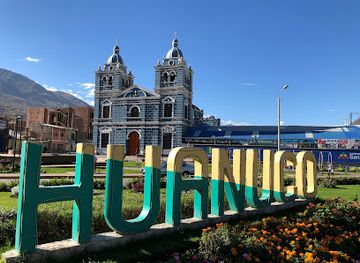
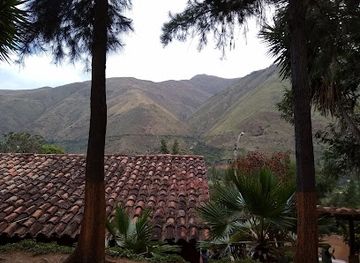
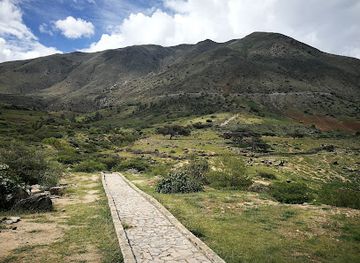
Huánuco's attractions extend from early Andean archaeology to cloud-forest scenery. Near the regional capital, Kotosh offers one of Peru's important early ceremonial sites, while the city's churches, plazas and museums provide context for the colonial and republican history of the valley. In the west and north-west, the highland landscapes around La Unión lead towards Huánuco Pampa, where Inca plazas, storehouses and administrative foundations occupy a broad puna plateau. These journeys also reveal the region's dramatic contrasts in altitude and vegetation. Around Tingo María, Tingo María National Park is the principal natural attraction, with forested mountains, limestone formations, waterfalls, caves and habitats for varied birdlife. La Bella Durmiente, the mountain silhouette above the town, is a prominent visual reference rather than a single conventional viewpoint attraction. Guided walks, river excursions and nature observation are more appropriate here than unsupported exploration. Across the region, markets, agricultural valleys and historic settlements add cultural interest, while the changing climate zones make Huánuco particularly rewarding for visitors interested in landscapes as well as monuments.
-
Park
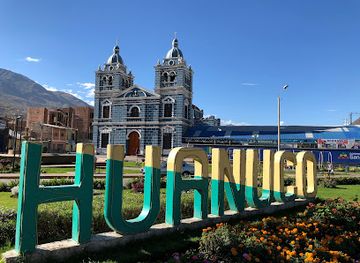
Plaza de Armas de Huanuco
Discover the vibrant Plaza de Armas de Huanuco, a cultural oasis filled with history, gardens, and local festivities in the heart of Huanuco, Peru.
-
Local history museum
Casa de la Perricholi
Explore the rich cultural heritage of Peru at Casa de la Perricholi, a captivating local history museum dedicated to a legendary figure.
-
Historical landmark
Kotosh
Explore Kotosh, a historical landmark in Huánuco, Peru, where ancient civilizations come to life through captivating ruins and rich cultural heritage.
-
Park
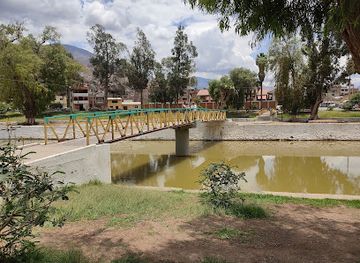
Laguna Viña del Río Park
Explore the enchanting Laguna Viña del Río Park in Huánuco, Peru – a serene escape filled with stunning landscapes and outdoor adventures.
Best landmarks in Huánuco
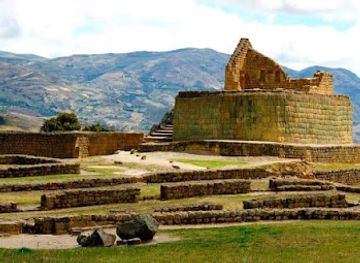
The Temple of the Crossed Hands at Kotosh is Huánuco's most distinctive archaeological landmark, its relief giving a memorable physical form to one of the central Andes' early ceremonial traditions. Huánuco Pampa, near La Unión, is important on a larger imperial scale: its expansive plaza, ushnu and surviving administrative structures demonstrate the planning of an Inca provincial centre along the Qhapaq Ñan. In the regional capital, the Plaza de Armas and historic churches represent the city's colonial foundation and continuing civic role, although the architecture has been altered over successive periods. East of the mountains, the limestone massif known as La Bella Durmiente forms Tingo María's defining natural silhouette, appearing from many parts of the town and surrounding valley. The forested ridges of Tingo María National Park provide the wider setting for this landmark, combining geological forms with protected tropical vegetation. Elsewhere, the steep valleys, high plateaux and river corridors are landmarks in their own right, showing the abrupt transition from Andean terrain to the eastern slopes.
-
Park
Plaza de Armas de Huanuco
Explore the vibrant Plaza de Armas de Huánuco, a cultural hub with lush gardens, stunning architecture, and lively local activities.
-
Local history museum
Casa de la Perricholi
Explore the rich cultural heritage of the region at Casa de la Perricholi, a local history museum filled with engaging exhibits and stories.
-
Historical landmark
Kotosh
Explore Kotosh: An Ancient Temple Complex in Huánuco, Peru, Showcasing the Rich History of Andean Civilization.
-
Historical landmark
Huánuco Pampa
Explore the ancient ruins of Huánuco Pampa, a historical landmark that unveils the fascinating legacy of the Inca civilization amidst breathtaking landscapes.
Explore Huánuco on the map
Plan your trip on one map. See where the top cities, national parks and sights are, and book hotels and experiences in a few clicks.
Best hotels in Huánuco
Best restaurants in Huánuco
Huánuco's food reflects the meeting of highland agriculture with the warmer produce of the eastern valleys. In and around the regional capital, visitors can find Andean staples based on potatoes, maize, beans, trout and locally raised meats, often served in substantial soups, stews and regional set meals. Pachamanca, in which food is cooked with heated stones, belongs to a wider Andean tradition and may appear at community gatherings or specialist restaurants rather than on every menu. Markets and small eateries are useful for trying seasonal fruits, tubers, breads and drinks, while Tingo María introduces a more tropical range of bananas, plantains, cassava, coffee and other produce from the Huallaga basin. Chicha and fruit-based refreshments are part of the broader regional food culture. Dining choices range from simple menú restaurants and cafés to family-run establishments and hotel dining rooms; outside the larger towns, selection and opening arrangements can be limited, so local advice is valuable when travelling between archaeological sites and rural communities.
-
Restaurant
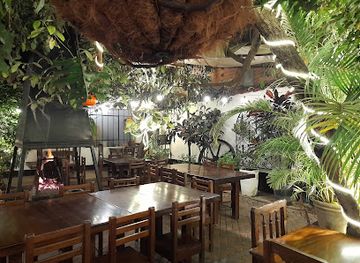
Tingo María
Experience authentic Peruvian cuisine in Tingo María’s inviting atmosphere, where every meal is a journey through local flavors.
-
Restaurant
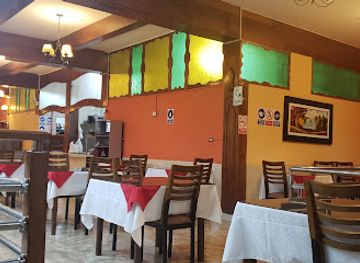
TRADICIONES HUANUQUEÑAS
Savor authentic Peruvian cuisine at Tradiciones Huanuqueñas – a culinary gem in the heart of Huánuco.
-
Restaurant
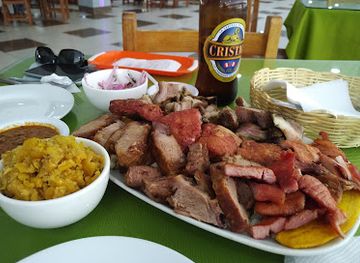
Trapiche house
Savor exquisite grilled meats and authentic Peruvian flavors at Trapiche House in Huánuco - A must-visit culinary destination.
-
Restaurant
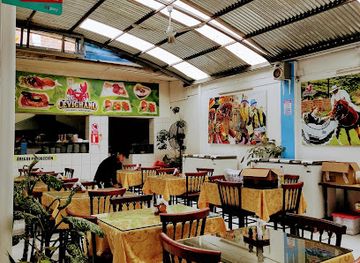
El Cevichano
Experience authentic Peruvian cuisine at El Cevichano in Huánuco, famous for its fresh ceviche and traditional dishes.
Best bars in Huánuco
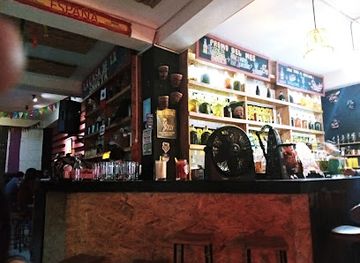
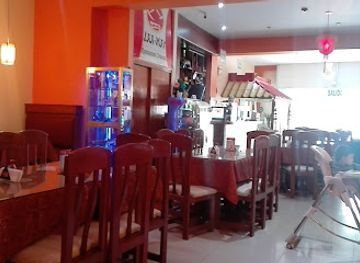
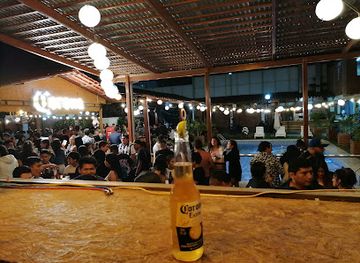
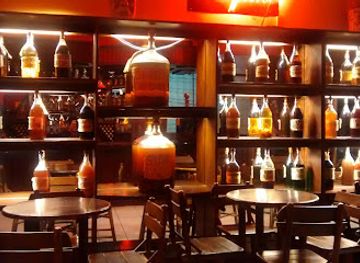
Evening life in Huánuco is concentrated in the regional capital, where cafés, restaurants, traditional bars and venues playing popular Peruvian and Latin American music provide most of the activity. Tingo María has a similarly social town-centre scene, with restaurants, bars and occasional live music shaped by its younger commercial population and warmer climate. Outside these two centres, evenings are generally quieter and tend to revolve around family restaurants, local eateries or community events rather than a large club circuit. Beer, cocktails and regional soft drinks are available, but alcohol is not necessary to participate in local evening life. Venues and entertainment schedules can change, so ask accommodation staff or residents about current options and return arrangements. In smaller highland towns, plan transport before going out, as taxis and public services may become less available later at night.
-
Bar
La Shacteria Bar
Discover the vibrant nightlife of Huánuco at La Shacteria Bar, where refreshing drinks meet an inviting atmosphere.
-
Gastropub
JAA MAY RESTOBAR
Experience the vibrant flavors of Peru at JAA MAY RESTOBAR, a lively gastropub in Huánuco offering delicious dishes and a welcoming atmosphere.
-
Bar
Bunyar Restobar
Discover Bunyar Restobar in Amarilis for a delightful mix of local flavors and cocktails in a vibrant atmosphere.
-
Bar
El Trapiche
Discover the vibrant nightlife of Huánuco at El Trapiche, where local drinks and a friendly atmosphere await every traveler.
Best nightclubs in Huánuco
Evening life in Huánuco is concentrated in the regional capital, where cafés, restaurants, traditional bars and venues playing popular Peruvian and Latin American music provide most of the activity. Tingo María has a similarly social town-centre scene, with restaurants, bars and occasional live music shaped by its younger commercial population and warmer climate. Outside these two centres, evenings are generally quieter and tend to revolve around family restaurants, local eateries or community events rather than a large club circuit. Beer, cocktails and regional soft drinks are available, but alcohol is not necessary to participate in local evening life. Venues and entertainment schedules can change, so ask accommodation staff or residents about current options and return arrangements. In smaller highland towns, plan transport before going out, as taxis and public services may become less available later at night.
-
Disco club
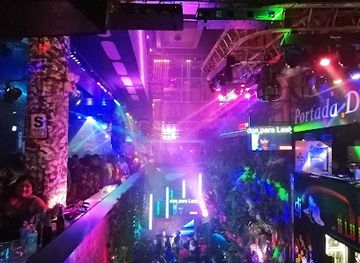
Discoteca Portada del Sol
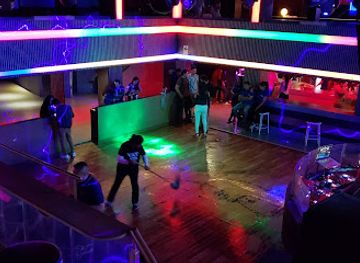
Discover the pulsating nightlife of Amarilis at Discoteca Portada del Sol, where dancing, music, and fun come together for an unforgettable evening.
-
Disco club
Kilombo Disco Huacho
Discover the pulsating nightlife at Kilombo Disco Huacho, where music, dancing, and excitement come together in the heart of Huánuco.
-
Disco club
Portales de Sunset
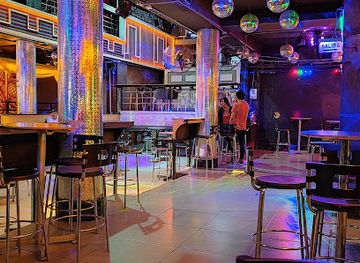
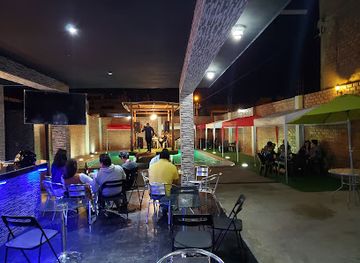
Dive into the heart of Amarilis' nightlife at Portales de Sunset, where music, dancing, and vibrant energy await every night.
-
Disco club
IBIZA
Experience the electrifying nightlife and stunning beaches of Ibiza, a paradise for party enthusiasts and nature lovers alike.
Best shops in Huánuco
Shopping in Huánuco is centred on traditional markets, independent shops and the commercial streets around the regional capital, where visitors can look for fresh produce, Andean foods, woven goods, clothing and practical supplies for mountain travel. Markets are especially useful for seeing the range of products brought down from different altitudes, from potatoes and maize to fruit from the warmer valleys. Tingo María has a distinct tropical-market character, with regional produce, coffee and fruit prominent among local purchases. Around archaeological and rural destinations, small stalls may sell snacks, crafts or locally made goods, but selection and availability vary. Look for textiles, pottery, woven accessories and food products that can be identified with their maker or locality rather than relying on generic souvenirs. Bargaining is not expected in every shop; ask politely, compare prices and carry cash in smaller denominations. The larger towns offer more reliable retail services, while highland communities provide a slower, more local shopping experience.
-
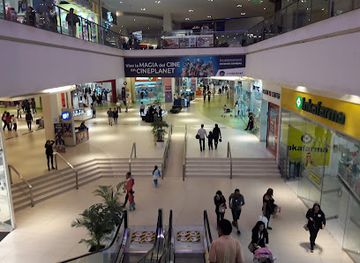
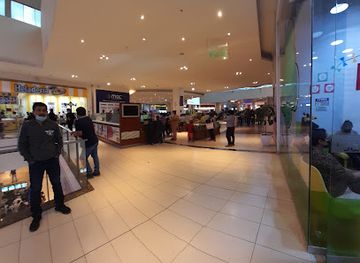
Shopping mall
Real Plaza Huánuco
Explore the vibrant shopping and dining scene at Real Plaza Huánuco, the ultimate destination for tourists seeking a unique retail experience in Peru.
-
Hypermarket
Cyber Wow en plazaVea Huánuco
Explore the vibrant shopping scene at Cyber Wow in PlazaVea Huánuco, where local culture meets an extensive range of products.
-
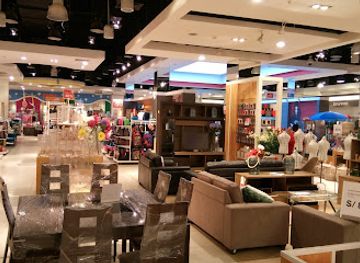
Home goods store
Promart Huánuco Real Plaza | Muebles, Herramientas, Electrohogar, Pisos y más
Explore a vast selection of quality home goods, tools, and appliances at Promart Huánuco in the heart of Real Plaza shopping center.
-
Supermarket
Plaza Vea Huánuco
Discover a vibrant shopping experience at Plaza Vea Huánuco, your go-to supermarket for local and international products in Peru.

Get your free copy of our complete guide to Huánuco, delivered straight to you.
Everything on this page, from attractions and restaurants to essentials and local phrases, in one PDF you can read offline, print or share.
Already have an account? Sign in
Your Huánuco guide is ready.
We'll send it to · Not you? Sign out

Getting your guide ready…
We are putting together a fresh copy of the Huánuco guide. This can take up to a minute.
This can take a few moments. If your browser asks, choose Allow so the download can start. You'll find the guide in your Downloads folder.
Nothing happened? Download it again
Sorry, the guide is taking longer than usual. Please try again in a minute, or get it by email instead.
Huánuco essentials
Currency and Payment
Safety
Emergency Situations
Do's and Don'ts
Local Tips
From Eve
Local phrases worth knowing
You don't need to get them perfect. A few words go a long way, and locals appreciate the effort.
Basics
| English | Local | Say it |
|---|---|---|
| Hello | Hola | [Oh-lah] |
| Goodbye | Adiós | [Ah-dee-ohs] |
| Yes | Sí | [See] |
| No | No | [No] |
| Please/You're welcome | Por favor | [Por fah-vor] |
| Thank you | Gracias | [Gra-syahs] |
| Excuse me/Sorry | Disculpa | [Dees-kool-pah] |
| How are you? | ¿Cómo estás? | [Koh-moh es-tahs] |
| Fine. And you? | Bien. ¿Y tú? | [Byen. Ee too] |
| Do you speak English? | ¿Hablas inglés? | [Ah-blahs een-glehs] |
| I don't understand | No entiendo | [No en-tyen-doh] |
Eating & Drinking
| English | Local | Say it |
|---|---|---|
| I'd like to see the menu, please | Quisiera ver el menú, por favor | [Kee-sye-rah vehr el meh-noo, por fah-vor] |
| I don't eat meat | No como carne | [No koh-mo kar-neh] |
| Cheers! | ¡Salud! | [Sah-lood] |
| I would like to pay, please | Quisiera pagar, por favor | [Kee-sye-rah pah-gar, por fah-vor] |
Emergencies
| English | Local | Say it |
|---|---|---|
| Help! | ¡Ayuda! | [Ah-yoo-dah] |
| Go away! | ¡Vete! | [Veh-teh] |
| Call the Police! | ¡Llama a la policía! | [Yah-mah ah lah poh-lee-see-ah] |
| Call a doctor! | ¡Llama a un doctor! | [Yah-mah ah oon dok-tor] |
| I'm lost | Estoy perdido | [Es-toy per-dee-doh] |
| I'm ill | Estoy enfermo | [Es-toy en-fer-mo] |
Shopping
| English | Local | Say it |
|---|---|---|
| I'd like to buy... | Quisiera comprar... | [Kee-sye-rah kom-prar] |
| I'm just looking | Solo estoy mirando | [So-lo es-toy mee-ran-do] |
| How much is it? | ¿Cuánto cuesta? | [Kwan-to kwes-tah] |
| That's too expensive | Es muy caro | [Es moo-ee kah-roh] |
| Can you lower the price? | ¿Puedes bajar el precio? | [Pweh-des bah-har el preh-syo] |
Time & Numbers
| English | Local | Say it |
|---|---|---|
| What time is it? | ¿Qué hora es? | [Ke oh-rah es] |
| It's one o'clock | Es la una | [Es lah oo-nah] |
| Half past (10) | Diez y media | [Dyehs ee meh-dee-ah] |
| Morning | Mañana | [Mah-nyah-nah] |
| Afternoon | Tarde | [Tar-deh] |
| Evening | Noche | [No-cheh] |
| Yesterday | Ayer | [Ah-yer] |
| Today | Hoy | [Oy] |
| Tomorrow | Mañana | [Mah-nyah-nah] |
| 1 | Uno | [Oo-no] |
| 2 | Dos | [Dohs] |
| 3 | Tres | [Tres] |
| 4 | Cuatro | [Kwah-tro] |
| 5 | Cinco | [Seen-koh] |
| 6 | Seis | [Says] |
| 7 | Siete | [Syet-eh] |
| 8 | Ocho | [Oh-cho] |
| 9 | Nueve | [Nweh-veh] |
| 10 | Diez | [Dyehs] |
Transport & Directions
| English | Local | Say it |
|---|---|---|
| Where's a/the...? | ¿Dónde está...? | [Dohn-deh es-tah] |
| What's the address? | ¿Cuál es la dirección? | [Kwahl es lah dee-rek-syon] |
| Can you show me (on the map)? | ¿Puedes mostrarme (en el mapa)? | [Pweh-des mos-trar-meh en el mah-pah] |
| When's the next (bus)? | ¿Cuándo es el próximo (bus)? | [Kwan-doh es el prohk-si-mo] |
| A ticket (to ....) | Un boleto (a ....) | [Oon bo-leh-toh ah] |
History of Huánuco
Kotosh and Early Andean Ceremonial Culture
Kotosh, near the city of Huánuco, preserves evidence of ceremonial activity dating back several thousand years. Its most famous structure, the Temple of the Crossed Hands, contains a clay relief associated with a pair of crossed arms and hands, an image that has become emblematic of early Andean religious architecture. The site belongs to a long sequence of occupation rather than a single isolated culture, and its importance lies in showing the development of organised ceremonial spaces in the central highlands before the better-known imperial states of the Andes.
Highland Societies before the Inca
The valleys and plateaux of present-day Huánuco were occupied by successive Andean communities whose agricultural systems, settlements and exchange networks connected highland and eastern environments. Local traditions and archaeological evidence point to interaction among populations across the Marañón and Huallaga drainage areas, while later regional societies contributed to the cultural landscape encountered by the Inca. Much of this history is visible through archaeological remains rather than written records, and interpretations continue to develop as research examines settlement patterns, ceramics and ancient farming.
Huánuco Pampa and Inca Imperial Administration
Huánuco Pampa, on a high plateau near La Unión, was an important Inca administrative and ceremonial centre on the Qhapaq Ñan, the imperial road network. Its broad central plaza, ushnu platform, residential areas and storehouses reveal how the Inca state organised movement, tribute and official activity across the Andes. The settlement linked routes through the central highlands and towards the eastern slopes. Its surviving foundations are among the clearest reminders in the region that Huánuco occupied a strategic position within the Inca empire.
Spanish Conquest and the Foundation of Huánuco
Spanish forces entered the region during the conquest of the Inca empire, and the colonial city of Huánuco was founded in the sixteenth century before being established in its present valley setting. Colonial administration, Christianity and new patterns of landholding reshaped existing communities, while the city became a centre for surrounding agricultural districts. Churches, plazas and aspects of the historic urban layout retain traces of this period, although the region's colonial history also involved the disruption of Indigenous authority and labour systems.
Colonial Agriculture and Inter-Andean Trade
During the colonial and republican periods, Huánuco's position between the highlands and the eastern slopes supported trade in agricultural products and access to warmer ecological zones. Roads and mule routes connected market centres across difficult terrain, while hacienda production and Indigenous farming existed within unequal social and economic systems. The region's varied altitude allowed crops and livestock from different environments to circulate through local markets. These long-standing connections help explain the combination of highland and tropical ingredients in Huánuco's modern food culture.
Republican Expansion and the Eastern Valleys
After Peru's independence, settlement and commercial activity expanded unevenly towards the eastern valleys. Tingo María developed as a regional centre in the Huallaga basin, with agriculture, road building and state projects gradually linking the area more closely to the rest of Peru. The process brought economic opportunities but also pressure on forests and river environments. In the twentieth century, conservation initiatives, including the creation of Tingo María National Park, reflected growing recognition of the ecological importance of the forested mountains surrounding the city.
Modern Huánuco and Regional Diversity
Contemporary Huánuco remains shaped by its connections among highland communities, inter-Andean valleys and the humid eastern Andes. The regional capital serves administrative, educational and commercial functions, while towns such as Tingo María have developed distinct identities linked to tropical agriculture and biodiversity. Migration, improved roads and changing markets have intensified contacts between these zones without erasing local differences. Today, archaeology, living agricultural traditions and protected landscapes are central to how the region presents and interprets its past.
Huánuco in Photos
Browse through our photo collection highlighting the charm and character of the destination.
Neighbouring regions of Huánuco
The closest regions to Huánuco, if you have time for more than one.
-

-

-

-
-


Swipe for more regions
Explore more

Explore more of Peru
Discover the wonders of Peru: ancient ruins, stunning landscapes, and a vibrant culture that will captivate your heart and soul.
Explore Peru