

San Martin, Peru Travel Guide
Discover San Martin, Peru: A blend of Amazonian wilderness, indigenous culture, and thrilling adventures await in this lush, vibrant jungle paradise.
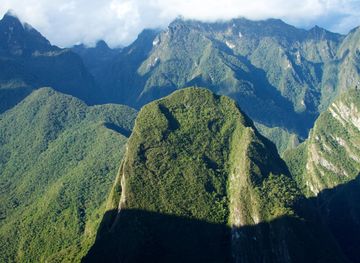
Nestled in the lush Amazonian jungle, San Martin is a hidden gem in Peru that offers an unparalleled blend of natural beauty, culture, and adventure. The region is known for its dense forests, cascading waterfalls, and vibrant wildlife. As you explore San Martin, you'll encounter some of the most breathtaking landscapes that Peru has to offer. One of the highlights of San Martin is the city of Tarapoto, often referred to as the 'City of Palms.' This bustling city serves as the gateway to the region's many natural attractions. From Tarapoto, you can embark on an array of excursions, such as visiting the Ahuashiyacu Waterfall, where you can take a refreshing dip in crystal-clear waters surrounded by verdant foliage. For those interested in cultural experiences, San Martin does not disappoint. The region is rich in indigenous heritage, with several communities welcoming visitors to learn about their traditions and way of life. Don't miss the chance to explore the Chazuta district, known for its artisanal chocolate and pottery. Here, you can partake in hands-on workshops and bring home a unique souvenir. Nature enthusiasts will find San Martin to be a paradise. The Alto Mayo Protected Forest offers incredible opportunities for bird watching, with over 300 species recorded in the area. The Cordillera Escalera Conservation Area is another must-visit, featuring diverse flora and fauna, hiking trails, and panoramic views that will leave you in awe. Whether you're an adventure seeker, a culture buff, or a nature lover, San Martin promises an unforgettable experience that captures the essence of Peru's Amazonian beauty.

Know before you go
Hi, I'm Eve. Here are a few practical things to know before exploring San Martin.
- Visit during the dry season (May to October) for the best weather conditions.
- Pack lightweight, long-sleeved clothing to protect against insects and the sun.
- Try the local cuisine, especially dishes made with fresh jungle ingredients.
- Hire a local guide for treks to ensure safety and enrich your experience with regional knowledge.
- Bring cash, as ATMs are not widely available in remote areas.
Destinations in San Martin
Resorts, valleys and scenic spots worth a trip of their own.



Explore San Martin: Things to Do, Places to Eat, Hotels & More
Handpicked recommendations for top attractions, local dining, accommodations, and more

Top Attractions & Sightseeing in San Martin
Top-rated picks
Best Attractions

Lima Main Square
Explore Lima's historic Plaza de Armas - a vibrant square filled with stunning architecture, local culture, and delicious Peruvian cuisine.

St Martin Square
Discover the blend of history and leisure at St Martin Square, a must-see park in the vibrant heart of Lima, Peru.

Basílica and Convent of San Francisco, Lima
Experience the stunning blend of history, architecture, and spirituality at the Basílica and Convent of San Francisco in Lima, Peru, a true cultural treasure.

Plaza de Armas de Tarapoto
Discover the lively Plaza de Armas de Tarapoto, where culture meets lush greenery in the heart of Peru's Amazonian paradise.

Best landmarks in San Martin
Top-rated picks
Best Landmarks

Historic Sanctuary of Machu Picchu
Explore the Historic Sanctuary of Machu Picchu, a breathtaking UNESCO site that unveils the secrets of the Inca civilization amidst stunning Andean landscapes.
St Martin Square
Discover the historical charm and vibrant culture of St. Martin Square in Lima, a must-see landmark for all travelers exploring Peru.

Qorikancha
Discover the remarkable history and architectural beauty of Qorikancha, the Temple of the Sun, in the heart of Cusco, Peru.

Basílica and Convent of San Francisco, Lima
Discover the enchanting Basilica and Convent of San Francisco in Lima, where history, art, and spirituality intertwine in a breathtaking setting.

Best restaurants in San Martin
Top-rated picks
Best Restaurants

Maido
Discover Maido in Miraflores: A top-tier Peruvian restaurant blending tradition with innovation for an unforgettable dining experience.

Mercado San Martín
Discover authentic Peruvian flavors at Mercado San Martín – a culinary gem in Miraflores that delights every palate.

Cocina Amazónica Doña Zully
Experience authentic Amazonian flavors at Cocina Amazónica Doña Zully in Tarapoto - a culinary treasure you can't miss!
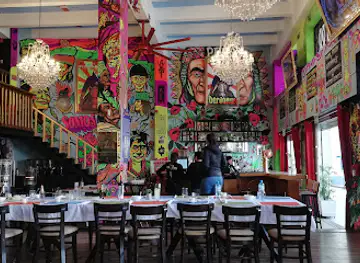
Restobar Plaza San Martín
Experience vibrant Peruvian cuisine and nightlife at Restobar Plaza San Martín—where every meal becomes a celebration.

Best bars in San Martin
Top-rated picks
Best Bars
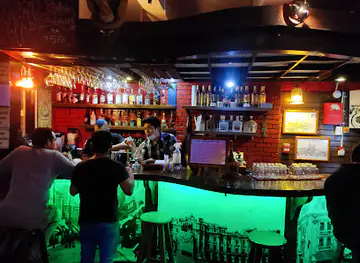
De Grot Bar
Discover Lima's vibrant nightlife at De Grot Bar, where live music and crafted cocktails create unforgettable experiences.
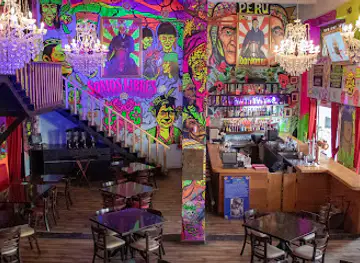
Restobar Plaza San Martín
Discover the vibrant culinary scene and nightlife at Restobar Plaza San Martín, where great food meets lively dance in the heart of Lima.
Pumarinri Amazon Lodge
Discover the enchanting Pumarinri Amazon Lodge, a perfect blend of adventure and comfort in the heart of the Amazon rainforest.

LATINO SOCIAL CLUB
Discover the lively Latino Social Club in San Martín de Porres, where vibrant nightlife meets exotic cocktails and unforgettable music.

Best nightclubs in San Martin
Top-rated picks
Best Nightclubs

De Grot Bar
Experience the vibrant nightlife of Lima at De Grot Bar, a premier live music venue with an eclectic atmosphere and delicious cocktails.

Persepolis Discoteca
Discover the vibrant energy of Peru's nightlife at Persepolis Discoteca, a lively disco club in Lima with electrifying music and unforgettable experiences.

LATINO SOCIAL CLUB
Experience the vibrant nightlife at Latino Social Club, a premier disco club blending bar, brewpub, and tiki vibes in San Martín de Porres.

El Olvido
Experience the vibrant nightlife of San Martín de Porres at El Olvido, a lively night club with great music and affordable drinks.

Best shops in San Martin
Top-rated picks
Best Shops

EKEKOS SAN BLAS -art & COLORS
Discover the vibrant artistry and unique handicrafts of EKEKOS SAN BLAS in the heart of Cusco, an essential stop for every traveler.

Mercado San Martín
Experience the vibrant local culture at Mercado San Martín, a shopping mall in Lambayeque, Peru, offering unique crafts, fresh produce, and delicious cuisine.

SAN MARTIN
Explore San Martin: A vibrant shopping mall in Pampa Hermosa, Peru, offering local crafts, delicious food, and a taste of Peruvian culture.

Mercadillo de san Martin
Discover unique Peruvian crafts and vibrant local culture at Mercadillo de San Martin, a must-visit market for every traveler.

Explore San Martin on the Map
A handpicked selection of must-see spots in San Martin, mapped for you.
San Martin Essentials
-
San Martin is located in the northeastern part of Peru. The nearest major airport is Cad. FAP Guillermo del Castillo Paredes Airport (TPP) in Tarapoto, which offers flights from Lima and other major Peruvian cities. From Tarapoto, you can take a bus, taxi, or rental car to reach other destinations within San Martin. The road network is reasonably good, and various bus companies operate routes to and from San Martin's major towns and cities.
-
Within San Martin, transportation options include buses, mototaxis (three-wheeled taxis), and regular taxis. Buses are the most economical way to travel between towns, while mototaxis are convenient for short distances within towns. Taxis are also available and can be hired for longer trips. If you prefer flexibility, renting a car is an option, but be prepared for varying road conditions.
-
The official currency in Peru is the Peruvian Sol (PEN). Most businesses in San Martin accept cash, and it's advisable to carry small denominations for convenience. Credit cards are accepted in larger hotels, restaurants, and shops, but smaller establishments may only take cash. ATMs are available in major towns like Tarapoto and Moyobamba, but it's wise to carry sufficient cash if you're venturing into more rural areas.
-
San Martin is generally safe for tourists, but it is important to take standard precautions. Avoid flashing valuables and be cautious in crowded areas to prevent pickpocketing. Some areas within larger towns, particularly at night, may have higher crime rates, so it's best to stay in well-lit, populated areas. Always use registered taxis and avoid traveling alone at night.
-
In case of an emergency, dial 105 for police assistance or 116 for medical emergencies. Major towns have hospitals and clinics, but for serious medical conditions, evacuation to Lima may be necessary. Pharmacies are available in towns for minor health issues. It's highly recommended to have travel insurance that covers medical emergencies and evacuation.
-
Fashion: Do dress modestly, particularly in rural areas and religious sites. Avoid wearing flashy jewelry. Religion: Do respect local customs and traditions. When visiting churches, dress conservatively and avoid loud behavior. Public Transport: Do be mindful of your belongings and give up your seat to elderly passengers. Don't eat or drink on public transport. Greetings: Do greet people with a handshake. A friendly 'buenos días' (good morning) or 'buenas tardes' (good afternoon) is appreciated. Eating & Drinking: Do try local foods and accept invitations to eat with locals as it is a sign of hospitality. Don't refuse food offerings unless absolutely necessary.
-
To experience San Martin like a local, visit the bustling markets such as the Mercado de Tarapoto, where you can buy fresh produce and local crafts. Engage with locals who are often eager to share stories and offer recommendations. Don't miss natural attractions like the stunning Ahuashiyacu Waterfall or the serene Laguna Azul. For a unique experience, explore the local coffee farms and learn about the coffee-making process.
When is the best time to visit San Martin?
Useful Local Phrases for San Martin
You don't need to speak the language perfectly. Even learning a few simple words can make conversations warmer—and locals usually appreciate the effort.
— Eve

Here are the phrases I use most often in San Martin. Try a few—you'll be surprised how far they go! 😊
❤️
-
- HelloHola
[OH-lah] - GoodbyeAdiós
[ah-DYOS] - YesSí
[SEE] - NoNo
[NO] - Please/You're welcomePor favor
[por fah-VOR] - Thank youGracias
[GRAH-syahs] - Excuse me/SorryDisculpe
[dis-KOOL-peh] - How are you?¿Cómo estás?
[KOH-moh es-TAS] - Fine. And you?Bien. ¿Y tú?
[BYEN. ee TOO] - Do you speak English?¿Hablas inglés?
[AH-blas een-GLES] - I don't understandNo entiendo
[NO en-TYEN-doh]
- HelloHola
-
- I'd like to see the menu, pleaseMe gustaría ver el menú, por favor
[Meh goos-tah-REE-ah vehr el meh-NOO, por fah-VOR] - I don't eat meatNo como carne
[NO KOH-moh KAR-neh] - Cheers!¡Salud!
[sah-LOOD] - I would like to pay, pleaseMe gustaría pagar, por favor
[Meh goos-tah-REE-ah pah-GAR, por fah-VOR]
- I'd like to see the menu, pleaseMe gustaría ver el menú, por favor
-
- Help!¡Ayuda!
[ah-YOO-dah] - Go away!¡Vete!
[VEH-teh] - Call the Police!¡Llame a la policía!
[YAH-meh ah lah poh-lee-SYAH] - Call a doctor!¡Llame a un doctor!
[YAH-meh ah oon dok-TOR] - I'm lostEstoy perdido
[es-TOY per-DEE-doh] - I'm illEstoy enfermo
[es-TOY en-FER-moh]
- Help!¡Ayuda!
-
- I'd like to buy...Me gustaría comprar...
[Meh goos-tah-REE-ah kohm-PRAR] - I'm just lookingSolo estoy mirando
[SOH-lo es-TOY mee-RAN-doh] - How much is it?¿Cuánto cuesta?
[KWAN-toh KWEH-stah] - That's too expensiveEso es muy caro
[EH-so es MOO-ee KAH-roh] - Can you lower the price?¿Puedes bajar el precio?
[PWEH-des bah-HAR el PREH-syoh]
- I'd like to buy...Me gustaría comprar...
-
- What time is it?¿Qué hora es?
[KEH OH-rah es] - It's one o'clockEs la una
[es lah OO-nah] - Half past (10)Diez y media
[DYEZ ee MEH-dee-ah] - MorningMañana
[mah-NYAH-nah] - AfternoonTarde
[TAR-deh] - EveningNoche
[NOH-cheh] - YesterdayAyer
[ah-YER] - TodayHoy
[OY] - TomorrowMañana
[mah-NYAH-nah] - 1Uno
[OO-noh] - 2Dos
[DOS] - 3Tres
[TRES] - 4Cuatro
[KWAH-tro] - 5Cinco
[SEEN-koh] - 6Seis
[SAYS] - 7Siete
[SYEH-teh] - 8Ocho
[OH-choh] - 9Nueve
[NWEH-beh] - 10Diez
[DYEZ]
- What time is it?¿Qué hora es?
-
- Where's a/the...?¿Dónde hay un...?
[DON-deh ai oon...] - What's the address?¿Cuál es la dirección?
[KWAL es lah dee-rek-SYON] - Can you show me (on the map)?¿Puedes mostrarme (en el mapa)?
[PWEH-des mos-TRAR-meh (en el MAH-pah)] - When's the next (bus)?¿Cuándo es el próximo (bus)?
[KWAN-doh es el PROK-see-mo (boos)] - A ticket (to ....)Un boleto (a ....)
[Oon bo-LEH-to (ah ....)]
- Where's a/the...?¿Dónde hay un...?
History of San Martin
-
Long before the Spanish arrived, the Chachapoya civilization inhabited the region that is now known as San Martin. Known as the 'Warriors of the Clouds', the Chachapoya built impressive structures such as the Kuelap Fortress, which served as both a defensive stronghold and a ceremonial center. Their unique culture and architectural ingenuity have left a lasting impact on the region.
-
In the late 15th century, the Inca Empire expanded its reach into the San Martin region. The Incas assimilated the local tribes and integrated their lands into the vast empire ruled from Cusco. This period saw the introduction of Inca agricultural techniques, including the use of terracing and advanced irrigation systems, transforming the local landscape and economy.
-
The arrival of Spanish conquistadors in the 16th century marked a significant turning point in the history of San Martin. The Spanish imposed their rule, religion, and culture on the indigenous population. The establishment of missions and encomiendas led to the forced labor and conversion of native peoples, altering the social and cultural fabric of the region.
-
In the late 19th and early 20th centuries, San Martin experienced an economic boom driven by the demand for rubber. This period saw an influx of migrants and the growth of towns and infrastructure. However, the boom also brought exploitation and harsh conditions for indigenous laborers, leaving a mixed legacy of prosperity and suffering.
-
San Martin was officially established as a department of Peru on September 4, 1906. The formation of the department aimed to promote regional development and enhance administrative efficiency. Since then, San Martin has become known for its diverse ecosystems, agricultural products, and vibrant cultural traditions.
-
In recent decades, San Martin has seen significant efforts towards sustainable development and conservation. The region is home to several protected areas, including the Cordillera Azul National Park and the Alto Mayo Protection Forest. These initiatives aim to preserve the rich biodiversity and natural beauty of San Martin while promoting eco-tourism and sustainable agriculture.
Neighbouring Regions of San Martin
The closest regions to San Martin, if you have time for more than one.




Your all‑in‑one travel companion app
Explore expert travel guides, compare and book tours, experiences, hotels, and more—all from the palm of your hand. Download now for seamless trip planning wherever your wanderlust takes you.


Explore More of Peru

Looking beyond San Martin? Discover Peru for broader travel guides, local hot-spots, and regional highlights.
Explore PeruSan Martin in Photos
Browse through our photo collection highlighting the charm and character of the destination.


San Martin: The Heart of Peruvian Jungle Adventure
Nestled in the lush Amazonian jungle, San Martin is a hidden gem in Peru that offers an unparalleled blend of natural beauty, culture, and adventure. The region is known for its dense forests, cascading waterfalls, and vibrant wildlife. As you explore San Martin, you'll encounter some of the most breathtaking landscapes that Peru has to offer. One of the highlights of San Martin is the city of Tarapoto, often referred to as the 'City of Palms.' This bustling city serves as the gateway to the region's many natural attractions. From Tarapoto, you can embark on an array of excursions, such as visiting the Ahuashiyacu Waterfall, where you can take a refreshing dip in crystal-clear waters surrounded by verdant foliage. For those interested in cultural experiences, San Martin does not disappoint. The region is rich in indigenous heritage, with several communities welcoming visitors to learn about their traditions and way of life. Don't miss the chance to explore the Chazuta district, known for its artisanal chocolate and pottery. Here, you can partake in hands-on workshops and bring home a unique souvenir. Nature enthusiasts will find San Martin to be a paradise. The Alto Mayo Protected Forest offers incredible opportunities for bird watching, with over 300 species recorded in the area. The Cordillera Escalera Conservation Area is another must-visit, featuring diverse flora and fauna, hiking trails, and panoramic views that will leave you in awe. Whether you're an adventure seeker, a culture buff, or a nature lover, San Martin promises an unforgettable experience that captures the essence of Peru's Amazonian beauty.