

Free Amazon Jungle Travel Guide & Mobile App
Explore Amazon Jungle with free travel guides. Discover regional history, expert tips, proposed trips, and audio guides on web or mobile app.


Explore Amazon Jungle Peru through river lodges, wildlife reserves, Indigenous culture and canoe journeys from Iquitos, Puerto Maldonado and Pucallpa.
Read more about Amazon Jungle
When is the best time to visit Amazon Jungle?
Best: June–August · 30°C| Month | High (°C) | Rainfall (mm) |
|---|---|---|
| January | 31 | 300 |
| February | 31 | 300 |
| March | 31 | 300 |
| April | 31 | 300 |
| May | 31 | 250 |
| June (best) | 30 | 200 |
| July (best) | 30 | 200 |
| August (best) | 30 | 200 |
| September | 31 | 250 |
| October | 31 | 300 |
| November | 31 | 300 |
| December | 31 | 300 |
Getting to and around Amazon Jungle
How to get there
Transportation
Top city travel guides in Amazon Jungle
The cities of Amazon Jungle, and the easiest places to base yourself.
-

-

-

-
-

-


Swipe for more cities
Destinations in Amazon Jungle
Resorts, valleys and scenic spots worth a trip of their own.
-

-

-
-

-

-


Swipe for more destinations
Best attractions in Amazon Jungle
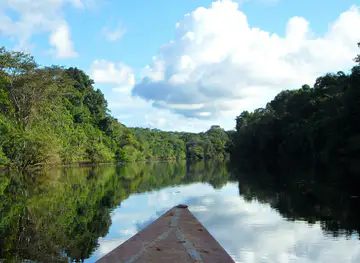
The Peruvian Amazon's attractions are primarily ecological and experiential. Around Iquitos, visitors can travel by boat through the waterways and seasonally flooded forests associated with Pacaya-Samiria National Reserve, while nearby community and lodge programmes may offer birdwatching, canoeing and guided forest walks. Puerto Maldonado is the principal southern gateway to Tambopata National Reserve and nearby conservation areas, where oxbow lakes, clay licks, canopy viewpoints and night excursions reveal different layers of rainforest life. Manu National Park, extending across Madre de Dios and Cusco, is a more remote destination requiring careful planning and authorised access. Pucallpa and the Ucayali basin provide river excursions, forest visits and opportunities to learn about Shipibo-Konibo art and cultural traditions. Across the region, the quality of an attraction depends heavily on its guide, conservation practices and relationship with local communities. Wildlife observation, canoe journeys, medicinal-plant interpretation, fishing traditions and nocturnal walks are more characteristic than conventional sightseeing, and conditions change with river levels and weather.
-
Tourist attraction
Amazon River, Peru
Explore the breathtaking beauty and rich biodiversity of the Amazon River in Peru, a must-visit destination for nature and adventure enthusiasts.

Best landmarks in Amazon Jungle
The Amazon's most significant landmarks are often waterways, historic urban buildings and protected landscapes rather than monumental structures. In Iquitos, the Iron House on Plaza de Armas and the former rubber-boom architecture of the historic centre illustrate the city's commercial connections with the industrial world, while the riverside neighbourhood of Belén reveals the importance of floating and market life, although conditions and access should be assessed locally. The broad confluence of the Marañón and Ucayali rivers, where the Amazon system begins in the traditional geographical account, is a major natural reference point reached through the Iquitos area. Near Puerto Maldonado, the Madre de Dios River and the Tambopata landscape define the southern Amazon's visual identity, with forest reserves and oxbow lakes providing the principal landmarks. In Pucallpa, the Ucayali River and Laguna Yarinacocha are central geographical features, while the city's cultural institutions and Shipibo-Konibo artistic presence give the urban landscape a distinct identity.
-
Tourist attraction
Amazon River, Peru
Discover the breathtaking beauty and rich biodiversity of the Amazon River in Peru, a must-see destination for nature lovers and adventure seekers alike.
Explore Amazon Jungle on the map
Plan your trip on one map. See where the top cities, national parks and sights are, and book hotels and experiences in a few clicks.
Best hotels in Amazon Jungle
Best restaurants in Amazon Jungle
Dining in the Peruvian Amazon reflects river transport, tropical agriculture and the culinary traditions of communities living along the waterways. In Iquitos, Puerto Maldonado and Pucallpa, restaurants and markets commonly feature freshwater fish, including preparations influenced by local river fisheries, alongside plantains, cassava, rice, maize, tropical fruit and spicy or aromatic sauces. Juane, a rice-and-meat or rice-and-fish dish wrapped in bijao leaves, is associated with the wider Amazonian cuisine of Peru, while tacacho made with mashed plantain and regional accompaniments is also widely encountered. Paiche, a large Amazonian fish, may appear on menus, although visitors should ask about legal and sustainable sourcing. Forest lodges usually serve practical set meals shaped by available produce, and dietary requirements should be communicated before arrival because remote kitchens have limited alternatives. Markets offer juices and snacks, but travellers should choose cooked food and treated or sealed drinking water where hygiene standards are uncertain.
-
Restaurant
Restaurante Exotico
Discover the vibrant flavors of Peru at Restaurante Exotico in Mariano Dámaso Beraun - a delightful fusion dining experience awaits you.
-
Tourist attraction
Amazon River, Peru
Discover the enchanting beauty and rich biodiversity along the legendary Amazon River in Peru – an unforgettable journey awaits!
-
Restaurant
Amaz Restaurant
Discover the essence of Peruvian cuisine at Amaz Restaurant in Chao - where tradition meets innovation in every dish.


Best bars in Amazon Jungle
Evening life differs sharply between the Amazonian cities and the forest. Iquitos has the broadest urban choice, with bars, restaurants, live music and social venues concentrated around busy central streets and riverfront areas, while Pucallpa and Puerto Maldonado also have late-opening bars, informal eateries and music-oriented venues serving local residents and visitors. In smaller river settlements, nightlife is generally modest and community-based rather than organised around a formal club district. Forest lodges replace bars and clubs with hammocks, quiet dinners, storytelling and guided nocturnal walks; some serve beer or regional soft drinks, but alcohol is best kept moderate before boat journeys and wildlife excursions. Seasonal celebrations and local dance events can alter the atmosphere, although dates and programmes vary. Visitors should respect community rules, arrange transport back to accommodation in advance and avoid wandering unfamiliar urban areas alone late at night.
-
Tourist attraction
Amazon River, Peru
Experience the breathtaking beauty and rich biodiversity of the Amazon River, a must-visit destination for adventure seekers and nature lovers in Peru.

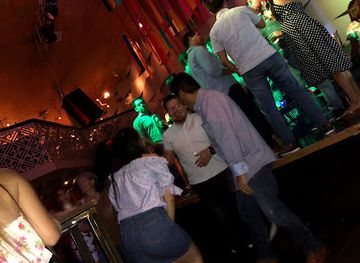
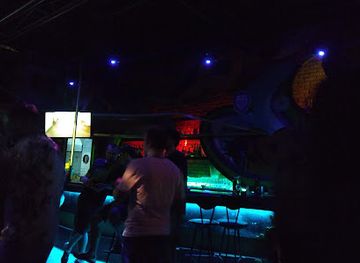
Best nightclubs in Amazon Jungle
Evening life differs sharply between the Amazonian cities and the forest. Iquitos has the broadest urban choice, with bars, restaurants, live music and social venues concentrated around busy central streets and riverfront areas, while Pucallpa and Puerto Maldonado also have late-opening bars, informal eateries and music-oriented venues serving local residents and visitors. In smaller river settlements, nightlife is generally modest and community-based rather than organised around a formal club district. Forest lodges replace bars and clubs with hammocks, quiet dinners, storytelling and guided nocturnal walks; some serve beer or regional soft drinks, but alcohol is best kept moderate before boat journeys and wildlife excursions. Seasonal celebrations and local dance events can alter the atmosphere, although dates and programmes vary. Visitors should respect community rules, arrange transport back to accommodation in advance and avoid wandering unfamiliar urban areas alone late at night.
-
Disco club
Bizarro
Discover the electrifying nightlife at Bizarro, a top disco club and bar in Miraflores, perfect for dance lovers and party seekers.
-
Disco club
Zipango Bar & Show
Discover the electrifying ambiance of Zipango Bar & Show in Barranco, where vibrant nightlife meets exquisite dining for an unforgettable experience.
-
Night club
Mama Africa
Dive into the vibrant nightlife of Cusco at Mama Africa, where music, dance, and culture intertwine for an unforgettable experience.
-
Night club
Qiu Club
Dance the night away at Qiu Club, Lima's vibrant night club featuring electrifying music and a lively atmosphere for an unforgettable nightlife experience.

Best shops in Amazon Jungle
Shopping in the Peruvian Amazon is strongest in markets, craft communities and specialist shops in Iquitos, Pucallpa and Puerto Maldonado rather than in large retail centres. Visitors can find woven goods, ceramics, carved objects, jewellery, textiles and paintings, with Pucallpa particularly associated with Shipibo-Konibo design and kené geometric patterns. Buy directly from recognised craftspeople, cooperatives or fair-trade outlets where possible, and ask about materials, cultural meaning and whether designs have been produced with the artist's permission. Regional food products such as cacao, coffee, tropical preserves and dried fruits may be available in town markets, though fresh produce should not be carried across borders without checking Peru's export rules and the destination country's regulations. Bargaining can occur in informal markets, but it should remain respectful; fixed-price craft shops offer a clearer way to support makers. Avoid wildlife products, undocumented archaeological objects, feathers, skins and protected plant materials, since their sale or transport may be illegal.
-
Tourist attraction
Amazon River, Peru
Discover the enchanting Amazon River in Peru, a breathtaking destination rich in biodiversity and cultural heritage.

Get your free copy of our complete guide to Amazon Jungle, delivered straight to you.
Everything on this page, from attractions and restaurants to essentials and local phrases, in one PDF you can read offline, print or share.
Already have an account? Sign in
Your Amazon Jungle guide is ready.
We'll send it to · Not you? Sign out

Getting your guide ready…
We are putting together a fresh copy of the Amazon Jungle guide. This can take up to a minute.
This can take a few moments. If your browser asks, choose Allow so the download can start. You'll find the guide in your Downloads folder.
Nothing happened? Download it again
Sorry, the guide is taking longer than usual. Please try again in a minute, or get it by email instead.
Amazon Jungle essentials
Currency and Payment
Safety
Emergency Situations
Do's and Don'ts
Local Tips
From Eve
Local phrases worth knowing
You don't need to get them perfect. A few words go a long way, and locals appreciate the effort.
Basics
| English | Local | Say it |
|---|---|---|
| Hello | Hola | [Ola] |
| Goodbye | Adiós | [A-dios] |
| Yes | Sí | [See] |
| No | No | [No] |
| Please/You're welcome | Por favor | [Por fa-vor] |
| Thank you | Gracias | [Gra-sias] |
| Excuse me/Sorry | Disculpe | [Dis-cul-pe] |
| How are you? | ¿Cómo estás? | [Ko-mo es-tas] |
| Fine. And you? | Bien. ¿Y tú? | [Bee-en. E tu?] |
| Do you speak English? | ¿Hablas inglés? | [A-blas in-gle-s] |
| I don't understand | No entiendo | [No en-tien-do] |
Eating & Drinking
| English | Local | Say it |
|---|---|---|
| I'd like to see the menu, please | Me gustaría ver el menú, por favor | [Me gus-ta-ri-a ver el me-nu, por fa-vor] |
| I don't eat meat | No como carne | [No co-mo car-ne] |
| Cheers! | ¡Salud! | [Sa-lud] |
| I would like to pay, please | Me gustaría pagar, por favor | [Me gus-ta-ri-a pa-gar, por fa-vor] |
Emergencies
| English | Local | Say it |
|---|---|---|
| Help! | ¡Ayuda! | [A-yu-da] |
| Go away! | ¡Vete! | [Ve-te] |
| Call the Police! | ¡Llama a la policía! | [Ya-ma a la po-li-cia] |
| Call a doctor! | ¡Llama a un doctor! | [Ya-ma a un doc-tor] |
| I'm lost | Estoy perdido | [Es-toy per-di-do] |
| I'm ill | Estoy enfermo | [Es-toy en-fer-mo] |
Shopping
| English | Local | Say it |
|---|---|---|
| I'd like to buy... | Me gustaría comprar... | [Me gus-ta-ri-a com-prar] |
| I'm just looking | Solo estoy mirando | [So-lo es-toy mi-ran-do] |
| How much is it? | ¿Cuánto cuesta? | [Cuan-to cues-ta] |
| That's too expensive | Eso es demasiado caro | [E-so es de-ma-si-a-do ca-ro] |
| Can you lower the price? | ¿Puedes bajar el precio? | [Pue-des ba-har el pre-cio] |
Time & Numbers
| English | Local | Say it |
|---|---|---|
| What time is it? | ¿Qué hora es? | [Ke o-ra es] |
| It's one o'clock | Es la una | [Es la u-na] |
| Half past (10) | Diez y media | [Diez y me-dia] |
| Morning | Mañana | [Ma-ña-na] |
| Afternoon | Tarde | [Tar-de] |
| Evening | Noche | [No-che] |
| Yesterday | Ayer | [A-yer] |
| Today | Hoy | [Hoy] |
| Tomorrow | Mañana | [Ma-ña-na] |
| 1 | Uno | [U-no] |
| 2 | Dos | [Dos] |
| 3 | Tres | [Tres] |
| 4 | Cuatro | [Cua-tro] |
| 5 | Cinco | [Cin-co] |
| 6 | Seis | [Seis] |
| 7 | Siete | [Sie-te] |
| 8 | Ocho | [O-cho] |
| 9 | Nueve | [Nue-ve] |
| 10 | Diez | [Diez] |
Transport & Directions
| English | Local | Say it |
|---|---|---|
| Where's a/the...? | ¿Dónde está un/una...? | [Don-de es-ta un/una] |
| What's the address? | ¿Cuál es la dirección? | [Cual es la di-rec-ción] |
| Can you show me (on the map)? | ¿Puedes mostrarme (en el mapa)? | [Pue-des mos-trar-me (en el ma-pa)] |
| When's the next (bus)? | ¿Cuándo es el próximo (autobús)? | [Cuan-do es el pro-xi-mo (au-to-bus)] |
| A ticket (to ....) | Un boleto (a ....) | [Un bo-le-to (a ....)] |
History of Amazon Jungle
Ancient Riverine and Forest Societies
The Peruvian Amazon has been inhabited for thousands of years by peoples who developed detailed knowledge of rivers, soils, plants and seasonal forest cycles. Archaeological evidence is more difficult to preserve in humid conditions than in Peru's dry coastal valleys, but pottery, earthworks, cultivation systems and long-standing settlement traditions demonstrate that the forest was actively managed rather than untouched. Indigenous nations including the Bora, Huitoto, Shipibo-Konibo, Yagua, Kukama and many others maintain distinct languages, histories and social traditions, although their territories and communities are not confined to the boundaries of modern administrative regions.
Colonial Missions and River Frontiers
From the sixteenth century, Spanish expeditions and Catholic missions entered the eastern lowlands through river routes from the Andes and established uneven forms of colonial control. Mission settlements sought to bring Indigenous communities into new religious and administrative structures, while epidemics, forced labour and violence caused profound disruption. The rivers became corridors for trade and travel, but Spanish authority remained limited across much of the forest. Many later town sites and regional transport patterns grew from this history, even though Amazonian communities continued to preserve their own institutions and cultural identities.
The Rubber Boom, Late Nineteenth to Early Twentieth Century
The global demand for rubber transformed Amazonian commerce and brought sudden wealth to river ports such as Iquitos, while companies and extractive networks reached deep into the forest. The boom depended on the coercion and exploitation of Indigenous labour, particularly in the Putumayo area and other remote river zones, where abuses became internationally notorious. Grand commercial buildings and imported architectural details in Iquitos reflect the profits of the period, but they should be read alongside the severe demographic, social and environmental cost imposed on forest communities.
River Commerce and Regional Urban Growth
After the rubber boom declined, the Amazonian economy continued to rely on river transport, timber, agricultural products, fishing and trade with neighbouring regions. Iquitos remained a major urban and commercial centre despite its lack of road connection to Peru's coastal network. Pucallpa expanded as a port on the Ucayali and as a road-linked centre for the central rainforest, while Puerto Maldonado grew in importance in the southern Amazon. These towns became meeting points for Indigenous populations, river communities, migrants and national institutions.
Conservation and Protected Areas
During the second half of the twentieth century, Peru increasingly established protected areas to conserve rainforest ecosystems and wildlife. Pacaya-Samiria National Reserve, Tambopata National Reserve and Manu National Park now anchor major conservation and tourism landscapes, although each also has its own rules, communities and access arrangements. Conservation has helped protect habitats of international importance, but it has not removed pressures from illegal logging, mining, land conversion and infrastructure development. Responsible tourism contributes most when it supports local employment, conservation work and respect for community rights.
Indigenous Rights and Contemporary Cultural Identity
Modern Amazonian history has been shaped by Indigenous rights movements, language revitalisation, community organisation and debates over land, forests and development. Shipibo-Konibo artists in the Ucayali region have brought kené geometric design to international audiences, while other communities maintain distinctive forms of craft, music, agriculture and ecological knowledge. Visitors encounter these cultures in particular communities and cultural projects, not as a single generic Amazonian tradition. Consent, fair payment and locally guided interpretation are essential when tourism involves community visits, ceremonies or the purchase of artwork.
Amazon Jungle in Photos
Browse through our photo collection highlighting the charm and character of the destination.
Neighbouring regions of Amazon Jungle
The closest regions to Amazon Jungle, if you have time for more than one.
-

-
-

-

-


Swipe for more regions
Explore more

Explore more of Peru
Discover the wonders of Peru: ancient ruins, stunning landscapes, and a vibrant culture that will captivate your heart and soul.
Explore Peru