

Free Cajamarca Travel Guide & Mobile App
Explore Cajamarca with free travel guides. Discover regional history, expert tips, proposed trips, and audio guides on web or mobile app.


Explore Cajamarca’s colonial squares, Inca history, highland archaeology, thermal waters and dairy-rich Andean cuisine in northern Peru.
Read more about Cajamarca
When is the best time to visit Cajamarca?
Best: July–September · 18–20°C| Month | High (°C) | Rainfall (mm) |
|---|---|---|
| January | 20 | 150 |
| February | 20 | 130 |
| March | 20 | 150 |
| April | 20 | 130 |
| May | 19 | 110 |
| June | 18 | 80 |
| July (best) | 18 | 70 |
| August (best) | 19 | 70 |
| September (best) | 20 | 80 |
| October | 20 | 110 |
| November | 20 | 130 |
| December | 20 | 150 |
Getting to and around Cajamarca
How to get there
Transportation
Top city travel guides in Cajamarca
The cities of Cajamarca, and the easiest places to base yourself.

Swipe for more cities
Destinations in Cajamarca
Resorts, valleys and scenic spots worth a trip of their own.

Swipe for more destinations
Best attractions in Cajamarca
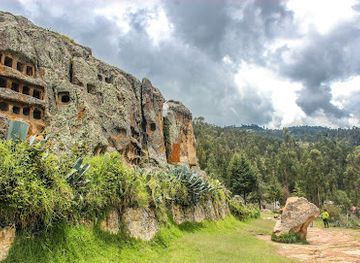
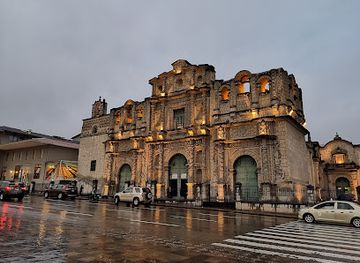
Cajamarca’s attractions combine archaeological sites, colonial heritage, thermal waters and highland scenery rather than concentrating in a single visitor complex. In and around Cajamarca city, the Plaza de Armas, the Cuarto del Rescate and historic churches introduce the region’s colonial and conquest history. Baños del Inca offers thermal bathing facilities and a historical association with the Inca period, while the Ventanillas de Otuzco presents distinctive rock-cut funerary niches in a rural setting. Cumbemayo, reached through elevated countryside, is valued for its ancient water channels, carved stone formations and open Andean landscape. Further afield, Kuntur Wasi near San Pablo provides archaeological context for the region’s early ceremonial cultures. The towns and valleys of Celendín, San Marcos and other provinces offer agricultural landscapes, local markets and quieter rural travel, although journeys require planning. Walking, photography, cultural visits and food-focused exploration are more central here than developed adventure infrastructure, and weather and altitude should shape outdoor plans.
-
Park
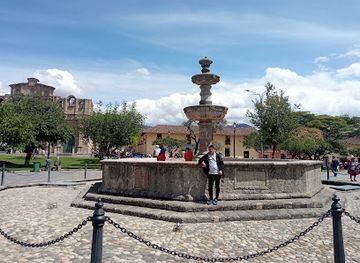
Plaza de Armas of Cajamarca
Explore the vibrant Plaza de Armas in Cajamarca, a cultural gem surrounded by stunning architecture and lush gardens, perfect for relaxation and discovery.
-
Tourist attraction
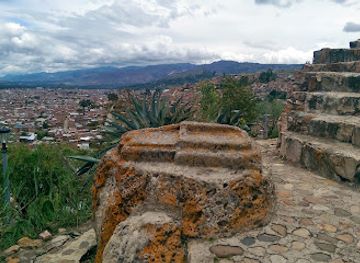
Mirador Santa Apolonia
Discover the beauty of Cajamarca from Mirador Santa Apolonia, a serene viewpoint offering breathtaking views and rich cultural heritage.
-
Tourist attraction
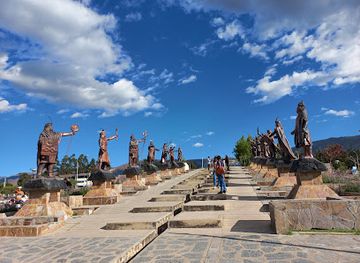
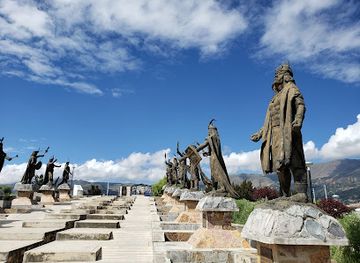
ALAMEDA DE LOS INCAS
Explore the rich history of the Incas at Alameda de los Incas, a must-visit tourist attraction in Cajamarca, Peru, blending culture, art, and nature.
-
Farmstay
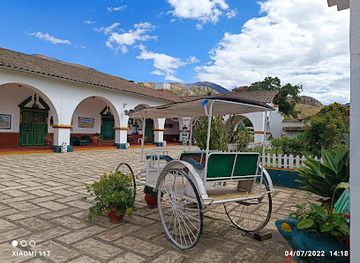
Hacienda La Colpa
Immerse yourself in the beauty of nature and culture at Hacienda La Colpa, a premier farmstay in Jesùs, Peru.


Best landmarks in Cajamarca
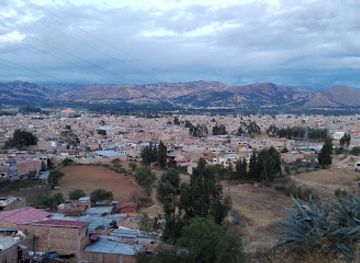
Cajamarca’s most recognisable landmarks express the region’s layered political and cultural history. The Plaza de Armas forms the centre of Cajamarca city, framed by colonial churches and traditional façades that give the urban core its distinctive highland character. The Cuarto del Rescate is the best-known historical structure associated with Atahualpa’s capture in 1532 and remains a powerful reminder of the Spanish conquest. The Ventanillas de Otuzco, cut into a rocky hillside, are an important funerary landscape linked to pre-Inca traditions. Cumbemayo’s carved rock formations and ancient channels create a striking meeting of engineering and upland geology, while the thermal springs of Baños del Inca represent both a natural feature and a place connected with Inca-era history. In the wider region, the archaeological complex of Kuntur Wasi near San Pablo is significant for its ceremonial architecture, sculpture and early Andean heritage. These landmarks are dispersed across valleys and mountain roads, so they are best understood as part of a regional itinerary rather than a compact city walk.
-
Park
Plaza de Armas of Cajamarca
Explore the vibrant Plaza de Armas of Cajamarca, a cultural hub filled with history, stunning architecture, and local flavors in the heart of Peru.
-
Tourist attraction
Mirador Santa Apolonia
Discover breathtaking views and rich history at Mirador Santa Apolonia, a top tourist attraction in Cajamarca, Peru, perfect for relaxation and exploration.
-
Tourist attraction
ALAMEDA DE LOS INCAS
Explore the rich history and vibrant landscapes of Alameda de los Incas, a serene park celebrating Peru's Inca heritage in Cajamarca.
-
Tourist attraction
Ventanillas de Otuzco
Explore the ancient tombs of Ventanillas de Otuzco, a breathtaking archaeological site nestled in the stunning landscapes of Peru.
Explore Cajamarca on the map
Plan your trip on one map. See where the top cities, national parks and sights are, and book hotels and experiences in a few clicks.
Best hotels in Cajamarca
Best restaurants in Cajamarca
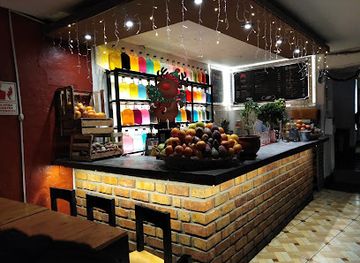
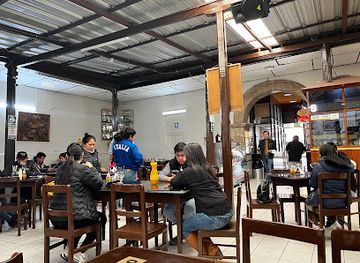
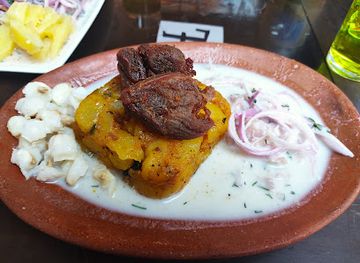
Cajamarca’s food reflects a cool highland climate, dairy farming and the crops cultivated in its valleys. Queso mantecoso and other fresh cheeses are widely associated with the region, while potatoes, maize, beans and herbs appear in everyday cooking. Caldo verde, traditionally prepared with herbs, potatoes and cheese or egg, is a familiar regional soup, and cuy is served on special occasions and in traditional restaurants. Pork, cecina, tamales and hearty soups are also common, while manjar blanco provides a sweet local speciality. Markets and small eateries are useful for tasting regional food at modest prices; Cajamarca city also has cafés, guesthouse kitchens and more contemporary restaurants. In rural areas, choices may be limited and meal times can be less flexible, so visitors travelling beyond the main towns should carry water and a small snack. Chicha de jora and fruit-based drinks may appear alongside national Peruvian beverages.
-
Restaurant
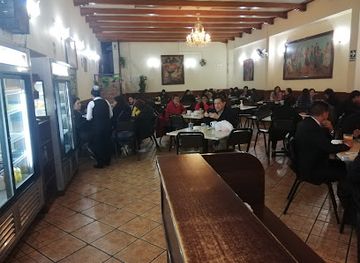
Restaurant Salas
Experience authentic Peruvian flavors at Restaurant Salas in the heart of Cajamarca – a culinary gem for all food lovers.
-
Restaurant
El Asador Restaurante
Experience the best of Peruvian cuisine at El Asador Restaurante in Cajamarca, known for its flavorful grilled meats and inviting atmosphere.
-
Restaurant
El Zarco Restaurante
Experience the vibrant flavors of Peru at El Zarco Restaurante in Cajamarca – where tradition meets taste in every bite.
-
Creole
El Warique de Chelo
Discover authentic Creole cuisine at El Warique de Chelo in Cajamarca – where tradition meets flavor in every dish.
Best bars in Cajamarca
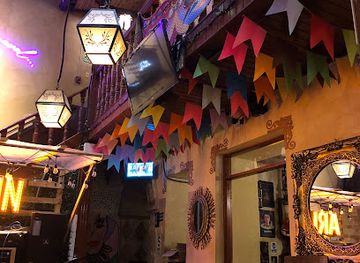
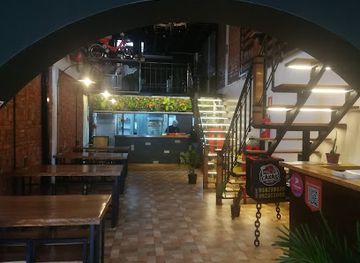
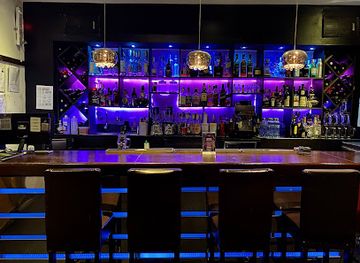
Evening life in the Cajamarca Region is concentrated in Cajamarca city and, to a lesser extent, in larger provincial towns such as Jaén and Celendín. In the regional capital, visitors find traditional picanterías, casual restaurants, cafés, pubs and bars serving beer, cocktails and soft drinks, with some venues offering live music or dancing. Nightlife is generally social and town-centred rather than built around a large, specialised club district. Baños del Inca has evening restaurants and local entertainment connected with its thermal-water visitors, while smaller rural communities tend to close early and focus on family gatherings, festivals or occasional music events. Opening arrangements and venue status change, so local accommodation staff are the best source of current information. Visitors should keep transport arrangements in mind after dark, especially outside the city.
-
Bar
Arlekin Discotec
Discover the lively atmosphere of Arlekin Discotec, Cajamarca's go-to bar and lounge for an unforgettable nightlife experience.
-
Bar
El Buey Grill Bar
Experience the vibrant atmosphere and delicious grilled dishes at El Buey Grill Bar, a must-visit for tourists in Cajamarca.
-
Grill
Full Skee
Experience the vibrant flavors of Cajamarca at Full Skee, where delicious grilled dishes meet a lively atmosphere for an unforgettable dining adventure.
-
Gastropub
Mccuy's
Experience the lively atmosphere of McCuys, a top gastropub in Cajamarca, offering delicious food, live music, and exciting karaoke nights.

Best nightclubs in Cajamarca
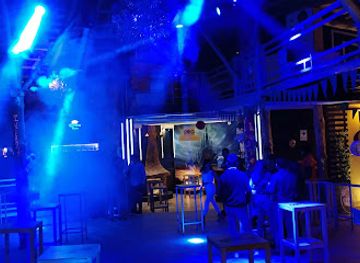
Evening life in the Cajamarca Region is concentrated in Cajamarca city and, to a lesser extent, in larger provincial towns such as Jaén and Celendín. In the regional capital, visitors find traditional picanterías, casual restaurants, cafés, pubs and bars serving beer, cocktails and soft drinks, with some venues offering live music or dancing. Nightlife is generally social and town-centred rather than built around a large, specialised club district. Baños del Inca has evening restaurants and local entertainment connected with its thermal-water visitors, while smaller rural communities tend to close early and focus on family gatherings, festivals or occasional music events. Opening arrangements and venue status change, so local accommodation staff are the best source of current information. Visitors should keep transport arrangements in mind after dark, especially outside the city.
-
Disco club
OM Club
Experience the vibrant nightlife at OM Club, Cajamarca's premier disco destination for unforgettable nights of dancing and music.
-
Disco club
Agora Disco Club
Discover the vibrant nightlife of Cajamarca at Agora Disco Club, where music, dance, and unforgettable memories await.
-
Disco club
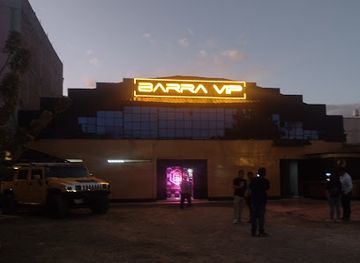
Barra Vip Discoteca
Experience the vibrant nightlife of Cajamarca at Barra Vip Discoteca, where music and dance create unforgettable moments.
-
Night club
Club Turístico Alondra
Discover the electrifying nightlife of Cajamarca at Club Turístico Alondra - where music and dance come alive.
Best shops in Cajamarca
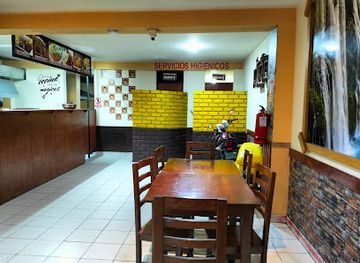
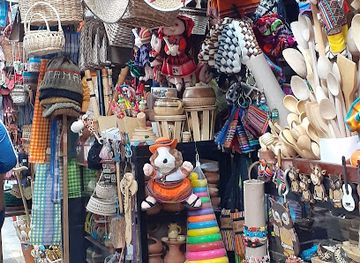
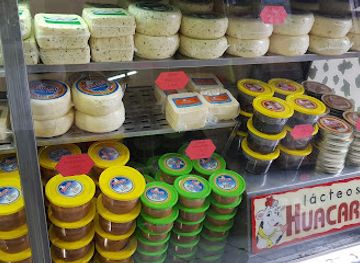
Shopping in Cajamarca is centred on markets, independent food shops and the traditional commercial streets of Cajamarca city and its provincial towns. Regional cheeses, manjar blanco, grains, maize products, coffee from northern growing areas and other packaged foods make practical edible souvenirs, though dairy products should be packed and transported responsibly. Markets also sell textiles, woven goods, pottery, carved objects and everyday agricultural produce, with selection and quality varying between towns. Celendín and other provincial centres provide a more local shopping experience than formal retail outlets, while Cajamarca city has the broadest choice of supermarkets, craft shops, cafés and small galleries. Visitors should distinguish handmade goods from factory-produced items and ask permission before photographing market stalls or craftspeople. Retail hours and market days are not uniform, particularly outside the regional capital, so a hotel or local guide can confirm arrangements before a planned visit.
-
Park
Plaza de Armas of Cajamarca
Discover the vibrant heart of Cajamarca at Plaza de Armas, where history, culture, and natural beauty intertwine in a picturesque setting.
-
Market
Mercado Central
Experience the heart of Cajamarca at Mercado Central, a bustling market filled with fresh produce, local cuisine, and unique handicrafts.
-
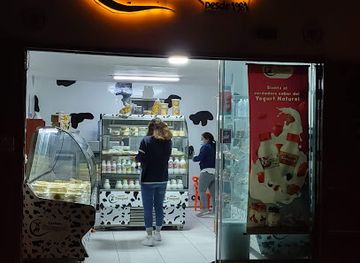
Dairy store
Fabrica Queso Huacariz
Experience the authentic taste of Cajamarca at Fabrica Queso Huacariz, a dairy store known for its artisanal cheeses and local flavors.
-
Natural goods store
Productos Lacteos TONGOD
Explore the authentic taste of Cajamarca at Productos Lacteos TONGOD, where natural dairy products embody local tradition and quality.
Get your free copy of our complete guide to Cajamarca, delivered straight to you.
Everything on this page, from attractions and restaurants to essentials and local phrases, in one PDF you can read offline, print or share.
Already have an account? Sign in
Your Cajamarca guide is ready.
We'll send it to · Not you? Sign out

Getting your guide ready…
We are putting together a fresh copy of the Cajamarca guide. This can take up to a minute.
This can take a few moments. If your browser asks, choose Allow so the download can start. You'll find the guide in your Downloads folder.
Nothing happened? Download it again
Sorry, the guide is taking longer than usual. Please try again in a minute, or get it by email instead.
Cajamarca essentials
Currency and Payment
Safety
Emergency Situations
Do's and Don'ts
Local Tips
From Eve
Local phrases worth knowing
You don't need to get them perfect. A few words go a long way, and locals appreciate the effort.
Basics
| English | Local | Say it |
|---|---|---|
| Hello | Hola | [Ola] |
| Goodbye | Adiós | [A-dios] |
| Yes | Sí | [Si] |
| No | No | [No] |
| Please/You're welcome | Por favor/De nada | [Por fa-vor/De na-da] |
| Thank you | Gracias | [Gra-thias] |
| Excuse me/Sorry | Disculpe/Lo siento | [Dis-cul-pe/Lo sien-to] |
| How are you? | ¿Cómo estás? | [Ko-mo es-tas] |
| Fine. And you? | Bien. ¿Y tú? | [Byen. I tu] |
| Do you speak English? | ¿Hablas inglés? | [A-blas in-gles] |
| I don't understand | No entiendo | [No en-ti-en-do] |
Eating & Drinking
| English | Local | Say it |
|---|---|---|
| I'd like to see the menu, please | Me gustaría ver el menú, por favor | [Me gus-ta-ría ver el me-nú, por fa-vor] |
| I don't eat meat | No como carne | [No co-mo car-ne] |
| Cheers! | ¡Salud! | [Sa-lud] |
| I would like to pay, please | Me gustaría pagar, por favor | [Me gus-ta-ría pa-gar, por fa-vor] |
Emergencies
| English | Local | Say it |
|---|---|---|
| Help! | ¡Ayuda! | [A-yu-da] |
| Go away! | ¡Vete! | [Ve-te] |
| Call the Police! | ¡Llama a la policía! | [Ya-ma a la po-li-cía] |
| Call a doctor! | ¡Llama a un doctor! | [Ya-ma a un doc-tor] |
| I'm lost | Estoy perdido | [Es-toy per-di-do] |
| I'm ill | Estoy enfermo | [Es-toy en-fer-mo] |
Shopping
| English | Local | Say it |
|---|---|---|
| I'd like to buy... | Me gustaría comprar... | [Me gus-ta-ría com-prar] |
| I'm just looking | Solo estoy mirando | [So-lo es-toy mi-ran-do] |
| How much is it? | ¿Cuánto cuesta? | [Cuán-to cues-ta] |
| That's too expensive | Eso es muy caro | [E-so es muy ca-ro] |
| Can you lower the price? | ¿Puedes bajar el precio? | [Pue-des ba-har el pre-cio] |
Time & Numbers
| English | Local | Say it |
|---|---|---|
| What time is it? | ¿Qué hora es? | [Ke o-ra es] |
| It's one o'clock | Es la una | [Es la u-na] |
| Half past (10) | Las diez y media | [Las diez i me-dia] |
| Morning | Mañana | [Ma-ña-na] |
| Afternoon | Tarde | [Tar-de] |
| Evening | Noche | [No-che] |
| Yesterday | Ayer | [A-yer] |
| Today | Hoy | [Oi] |
| Tomorrow | Mañana | [Ma-ña-na] |
| 1 | Uno | [U-no] |
| 2 | Dos | [Dos] |
| 3 | Tres | [Tres] |
| 4 | Cuatro | [Cua-tro] |
| 5 | Cinco | [Cin-co] |
| 6 | Seis | [Seis] |
| 7 | Siete | [Sie-te] |
| 8 | Ocho | [O-cho] |
| 9 | Nueve | [Nue-ve] |
| 10 | Diez | [Diez] |
Transport & Directions
| English | Local | Say it |
|---|---|---|
| Where's a/the...? | ¿Dónde está un/una...? | [Don-de es-ta un/una] |
| What's the address? | ¿Cuál es la dirección? | [Kual es la di-rec-ción] |
| Can you show me (on the map)? | ¿Puedes mostrarme (en el mapa)? | [Pue-des mos-trar-me en el ma-pa] |
| When's the next (bus)? | ¿Cuándo sale el siguiente (bus)? | [Cuán-do sa-le el si-guien-te (bus)] |
| A ticket (to ....) | Un boleto (a....) | [Un bo-le-to a] |
History of Cajamarca
Early Ceremonial Cultures and Kuntur Wasi
The Cajamarca highlands were occupied by complex societies long before the Inca period. Kuntur Wasi, near the modern town of San Pablo, is an important ceremonial and archaeological site associated with early Andean traditions and evidence of long-distance cultural connections. Its stone architecture, sculpture and goldwork demonstrate the development of religious and artistic practices many centuries before Spanish arrival. The site helps place Cajamarca within the wider history of northern Peru, where highland communities exchanged ideas and materials across difficult mountain landscapes.
The Cajamarca Culture and Agricultural Landscapes
The Cajamarca culture flourished in northern Peru during the later pre-Hispanic centuries before the region was absorbed into the Inca state. Its distinctive ceramics and settlement patterns are known from archaeological research across the highlands. Farming, herding and the management of water shaped the valleys and uplands, while funerary practices are visible in sites such as the Ventanillas de Otuzco. These developments established cultural and economic foundations that continued to influence communities after later political powers took control.
Inca Expansion into Northern Peru
The Inca state incorporated Cajamarca during its expansion across the Andes, probably in the fifteenth century. The region was strategically important because it connected northern highlands with routes leading towards the coast and the wider imperial network. Inca authority existed alongside local identities and established agricultural systems. Roads, administrative organisation and imperial political structures brought Cajamarca more firmly into the history of Tawantinsuyu, the name commonly used for the Inca realm.
Atahualpa’s Capture in 1532
Cajamarca was the setting for one of the most consequential encounters in American history. In 1532, Francisco Pizarro’s Spanish force captured Atahualpa, the Inca ruler, during an encounter in Cajamarca. The episode followed a succession conflict within the Inca Empire and helped open the way for Spanish conquest. The Cuarto del Rescate, traditionally identified as the room where Atahualpa was held, remains associated with this event. Its significance lies not only in local memory but also in the political transformation that followed across the Andes.
Colonial Cajamarca and Religious Architecture
Spanish rule reshaped Cajamarca through new political institutions, Christian religious foundations, landholding patterns and forms of labour. The city acquired a colonial architectural character, with churches, courtyards, carved stone details and adobe construction adapted to the highland environment. Indigenous communities continued to farm, trade and preserve local practices within a colonial system that imposed new obligations. The historic centre’s churches and civic spaces, including the Plaza de Armas, reflect the interaction between Spanish urban planning and regional building traditions.
Agriculture, Dairy and Regional Trade
After independence, Cajamarca remained primarily rural, with livelihoods based on agriculture, livestock and trade between highland settlements. Dairy production became particularly important, supported by the region’s grasslands and pastoral economy, and cheese and milk products became prominent features of its commercial identity. Roads and later improvements in transport strengthened links between provincial towns and Cajamarca city. This economic history remains visible in markets, farms, food traditions and the enduring importance of small producers.
Modern Mining and Environmental Debate
From the late twentieth century, large-scale gold mining became a major force in the Cajamarca Region, especially around the Yanacocha area near the regional capital. Mining brought investment, employment and infrastructure, but also generated sustained debate over water, rural livelihoods, environmental protection and the distribution of economic benefits. These tensions are an important part of contemporary Cajamarca’s history. They sit alongside continued agricultural production and help explain why questions about land and water remain prominent in regional public life.
Cajamarca in Photos
Browse through our photo collection highlighting the charm and character of the destination.
Neighbouring regions of Cajamarca
The closest regions to Cajamarca, if you have time for more than one.
-

-

-

-

-


Swipe for more regions
Explore more

Explore more of Peru
Discover the wonders of Peru: ancient ruins, stunning landscapes, and a vibrant culture that will captivate your heart and soul.
Explore Peru