

Free Amazonas Travel Guide & Mobile App
Explore Amazonas with free travel guides. Discover regional history, expert tips, proposed trips, and audio guides on web or mobile app.


Explore Amazonas, Peru, for Chachapoya archaeology, Kuélap, Gocta Waterfall, cloud forests, deep canyons and the mountain town of Chachapoyas.
Read more about Amazonas
When is the best time to visit Amazonas?
Best: June–August · 27–28°C| Month | High (°C) | Rainfall (mm) |
|---|---|---|
| January | 28 | 250 |
| February | 28 | 230 |
| March | 28 | 250 |
| April | 28 | 230 |
| May | 28 | 230 |
| June (best) | 28 | 210 |
| July (best) | 27 | 190 |
| August (best) | 27 | 190 |
| September | 28 | 210 |
| October | 28 | 230 |
| November | 28 | 250 |
| December | 28 | 250 |
Getting to and around Amazonas
How to get there
Transportation
Best attractions in Amazonas
Amazonas combines archaeological travel with cloud-forest walking and mountain scenery. Kuélap is the region’s best-known cultural attraction, but its importance is clearer when viewed alongside the sarcophagi of Karajía, the painted funerary structures at Revash and the collections of the Leymebamba Museum. These sites reveal different aspects of Chachapoya society, from monumental settlement to highly distinctive mortuary practices. Around Chachapoyas, Gocta Waterfall provides a rewarding day on foot through a changing landscape of farmland, forest and valley viewpoints, while the Sonche Canyon offers a concise but dramatic encounter with the region’s geological relief. Longer journeys lead towards the highlands and forested valleys around Leymebamba, where walking routes, archaeological remains and birdwatching can be combined. Outdoor activities are generally organised around hiking, nature observation, photography and cultural interpretation rather than mass tourism facilities. Visitors should expect uneven paths, basic services at remote sites and travel times shaped by mountain roads; the attraction lies in the relationship between monuments and landscape as much as in any single viewpoint.
-
Tourist attraction
The Caverns of Quiocta
Discover the stunning beauty and rich history hidden within the breathtaking Caverns of Quiocta in Lámud, Peru, a must-visit for nature lovers and adventurers.
-
Archaeological site
Sarcofagos de Karajia
Explore the mystique of Sarcofagos de Karajia, an awe-inspiring archaeological site revealing the secrets of the Chachapoya culture amidst stunning natural landscapes.
-
Tourist attraction
Source of the Amazon River - Peru
Explore the breathtaking Source of the Amazon River in Peru, a must-visit destination for nature lovers and adventure seekers alike.
-
 Tourist attraction
Amazonas Quelle
Explore the breathtaking Amazonas Quelle, the legendary source of the Amazon River, where nature's magnificence and adventure await every traveler.
Best landmarks in Amazonas
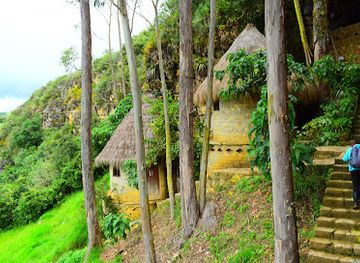
Kuélap is Amazonas’s defining architectural landmark: its enormous stone enclosure and high position above the Utcubamba Valley express the scale and defensive character of a major Chachapoya centre. The site is also a reminder that the region’s archaeology is inseparable from its steep, humid setting. Near Cruz Pata, the sarcophagi of Karajía form a striking group of anthropomorphic funerary figures placed high against a cliff, while the mausoleums of Revash are built into a sheltered rock face and decorated with geometric motifs. In Chachapoyas itself, the historic central area, whitewashed façades and colonial church architecture provide a more recent layer of regional identity. Leymebamba’s museum is an important cultural landmark because it preserves and interprets material from the surrounding mountains rather than presenting the archaeology as an isolated monument. The Sonche Canyon supplies a natural counterpoint, with a deep incision in the upland landscape visible from viewpoints near Chachapoyas. Together these places express the region’s principal visual themes: monumental stonework, cliffside burial architecture, colonial town form and dramatic Andean relief.
-
Historical place
Historic Sanctuary of Machu Picchu
Experience the breathtaking beauty and rich history of Machu Picchu, a UNESCO World Heritage site and a treasure of the Inca civilization.
-
Historical place
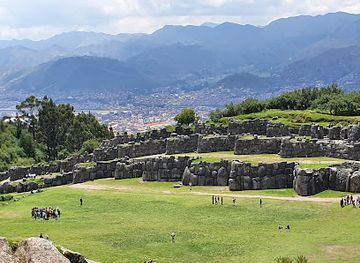
Saqsaywaman
Discover the awe-inspiring Saqsaywaman, an archaeological marvel in Cusco, Peru, known for its impressive stone walls and rich Incan history.
-
Museum
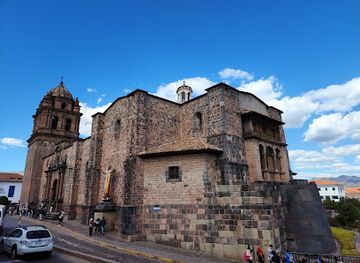
Qorikancha
Explore Qorikancha, the Temple of the Sun in Cusco, Peru, where Inca history and colonial architecture blend in stunning harmony.
-
Landmark
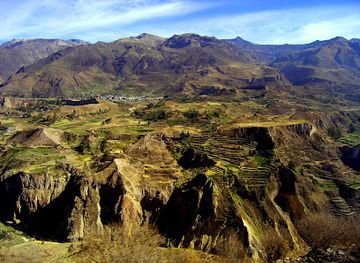
Colca Canyon
Explore Colca Canyon, Peru: A breathtaking natural wonder with deep valleys, soaring condors, and rich cultural heritage.
Explore Amazonas on the map
Plan your trip on one map. See where the top cities, national parks and sights are, and book hotels and experiences in a few clicks.
Best hotels in Amazonas
Best restaurants in Amazonas
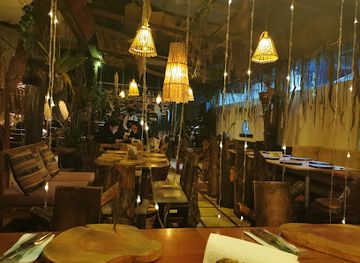
Dining in Amazonas is most varied in Chachapoyas, where family-run restaurants, cafés, bakeries and hotels serve Peruvian standards alongside regional cooking. Local menus draw on Andean and eastern-forest influences, with potatoes, maize, beans, herbs, trout and locally raised meats appearing in different combinations. Cuy may be available by advance order, as elsewhere in the Andes, while regional soups, stews and tamales reflect the practical cooking of mountain households. In the warmer valleys, fruit, plantain and other produce associated with the eastern slopes become more prominent. Coffee from Amazonas is widely appreciated and is often served in cafés, while cacao and locally made sweets may appear in markets and specialist shops. Rural eateries tend to be simple and opening arrangements can be informal, so visitors should eat before long excursions or ask guides where food is available. Markets are useful for fresh fruit, bread and snacks, but food hygiene matters: choose busy stalls, drink treated water and exercise care with uncooked food.
-
Restaurant
El Batán Del Tayta
Discover authentic Peruvian flavors at El Batán Del Tayta in Chachapoyas – where every meal tells a story.
-
Peruvian
La Muralla Restaurante
Discover authentic Peruvian cuisine at La Muralla Restaurante, where every dish tells a story of flavor and tradition in the heart of Lima.
-
Restaurant
El Bijao
Experience authentic Peruvian flavors at El Bijao in Lince - where every dish tells a story.
-
Restaurant
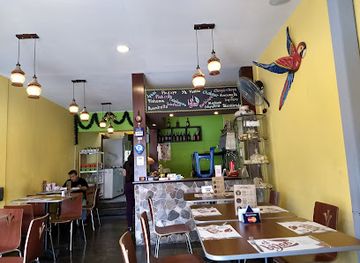
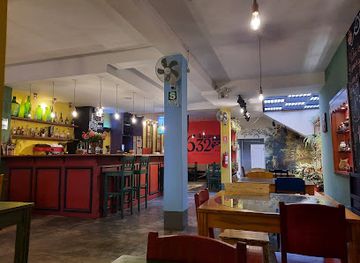
Amazonas 632
Experience exceptional Peruvian cuisine at Amazonas 632 in Chachapoyas – where local flavors meet modern culinary creativity.
Best bars in Amazonas
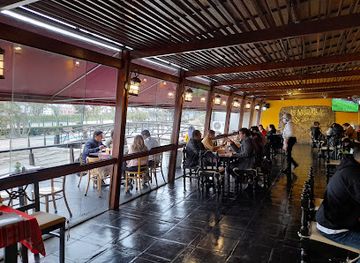
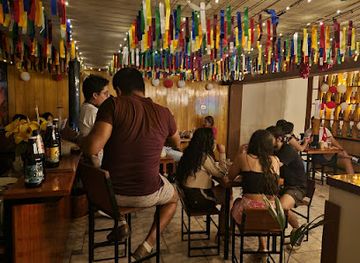
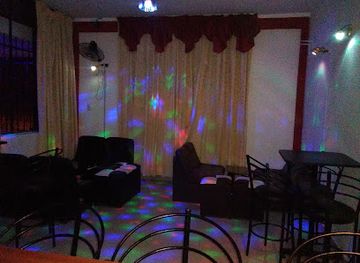
Evening life in Amazonas is concentrated in Chachapoyas and is generally relaxed rather than club-centred. Around the central streets, visitors will find cafés, casual bars, restaurants and establishments serving beer, pisco-based drinks and non-alcoholic refreshments. Some venues play recorded music, while occasional live music or cultural programming provides a more local evening atmosphere. Traditional bars and restaurants are also found in larger towns such as Leymebamba, though choices become limited outside the main settlements. The region’s rural communities are not nightlife destinations in the metropolitan sense, and many travellers spend evenings dining, talking, preparing for an early excursion or observing the clear highland sky. Service may finish earlier than international visitors expect, especially on quieter weekdays. Drink responsibly, arrange transport back to accommodation in advance and avoid treating alcohol as a substitute for proper preparation on mountain journeys.
-
Cocktail bar
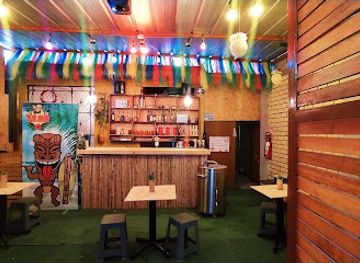
Malabar Tiki Bar
Discover the vibrant Malabar Tiki Bar in Jaén, offering tropical cocktails, fast food, and a lively atmosphere for unforgettable evenings.
-
Gastropub
Waynakay Restobar
Discover the vibrant flavors of Peru at Waynakay Restobar, a must-visit gastropub in Jaén, where culinary creativity meets delightful atmosphere.
-
Bar
AQHA
Experience the vibrant nightlife of Jaén at AQHA - a lively bar known for its delicious cocktails, friendly atmosphere, and local charm.
-
Bar
Video Pub Anonymous
Discover the lively atmosphere of Video Pub Anonymous in Jaén, where local culture meets vibrant nightlife.
Best nightclubs in Amazonas
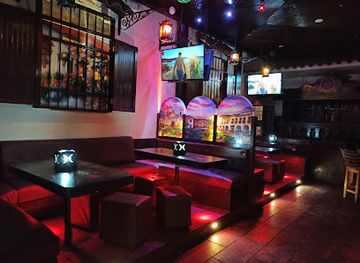
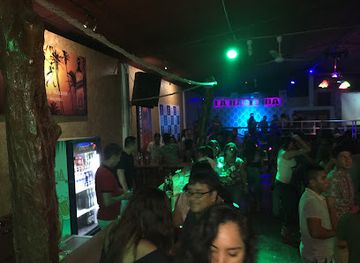
Evening life in Amazonas is concentrated in Chachapoyas and is generally relaxed rather than club-centred. Around the central streets, visitors will find cafés, casual bars, restaurants and establishments serving beer, pisco-based drinks and non-alcoholic refreshments. Some venues play recorded music, while occasional live music or cultural programming provides a more local evening atmosphere. Traditional bars and restaurants are also found in larger towns such as Leymebamba, though choices become limited outside the main settlements. The region’s rural communities are not nightlife destinations in the metropolitan sense, and many travellers spend evenings dining, talking, preparing for an early excursion or observing the clear highland sky. Service may finish earlier than international visitors expect, especially on quieter weekdays. Drink responsibly, arrange transport back to accommodation in advance and avoid treating alcohol as a substitute for proper preparation on mountain journeys.
-
Disco club
Antiqua Disco Club
Experience the electrifying nightlife at Antiqua Disco Club in Barranco, where great music, delicious food, and a vibrant atmosphere await you.
-
Dance club
ARIES - Chachapoyas
Discover the vibrant nightlife of Chachapoyas at ARIES, where music and dance come alive in the heart of the Andes.
-
Dance club
La Hacienda Discoteck
Discover the nightlife magic at La Hacienda Discoteck, the premier dance club in Bagua Grande, where every night is a celebration of music and dance.
-
Night club
Club 69
Discover the electrifying nightlife of Club 69 in Surquillo, where rhythm, dance, and unforgettable experiences await every night.


Best shops in Amazonas
Shopping in Amazonas is modest in scale and centred on Chachapoyas’s central streets, local markets and small independent shops rather than large retail complexes. Useful purchases include coffee from the wider Amazonas area, cacao products, regional sweets, herbs and other packaged foods that travel well. Markets offer fruit, bread, household goods and everyday produce, while craft stalls and cultural shops may sell woven items, carved objects, ceramics or reproductions inspired by Chachapoya motifs; quality and provenance vary, so ask questions before buying. Leymebamba and other provincial towns provide a more local market experience, with trading patterns linked to surrounding farming communities. Archaeological artefacts are protected and should never be purchased, even if presented as old or authentic. Carry reusable bags, keep receipts for commercial goods and choose products made through legitimate contemporary craft channels rather than anything removed from a monument or burial site.
-
Shopping mall
Larcomar
Experience the perfect blend of shopping, dining, and ocean views at Larcomar, the premier shopping mall in Miraflores, Lima.
-
Park
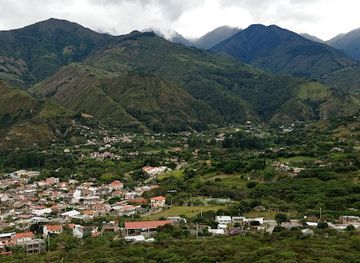
Parque de Vilcabamba
Explore the enchanting Parque de Vilcabamba, a serene park in Ecuador perfect for nature enthusiasts, picnics, and breathtaking mountain views.
-
Tourist attraction
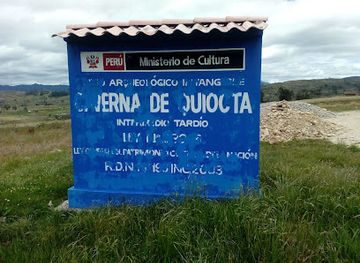
The Caverns of Quiocta
Discover the enchanting Caverns of Quiocta in Lámud, a natural wonder filled with stunning geological formations and rich biodiversity.
-
Hotel
Eco-Resort Izhcayluma
Eco-Resort Izhcayluma: A tranquil escape in Ecuador's breathtaking landscapes, offering wellness, adventure, and sustainable luxury.
Get your free copy of our complete guide to Amazonas, delivered straight to you.
Everything on this page, from attractions and restaurants to essentials and local phrases, in one PDF you can read offline, print or share.
Already have an account? Sign in
Your Amazonas guide is ready.
We'll send it to · Not you? Sign out

Getting your guide ready…
We are putting together a fresh copy of the Amazonas guide. This can take up to a minute.
This can take a few moments. If your browser asks, choose Allow so the download can start. You'll find the guide in your Downloads folder.
Nothing happened? Download it again
Sorry, the guide is taking longer than usual. Please try again in a minute, or get it by email instead.
Amazonas essentials
Currency and Payment
Safety
Emergency Situations
Do's and Don'ts
Local Tips
From Eve
Local phrases worth knowing
You don't need to get them perfect. A few words go a long way, and locals appreciate the effort.
Basics
| English | Local | Say it |
|---|---|---|
| Hello | Hola | [O-la] |
| Goodbye | Adiós | [A-dee-os] |
| Yes | Sí | [See] |
| No | No | [No] |
| Please/You're welcome | Por favor | [Por fa-vor] |
| Thank you | Gracias | [Gra-thias] |
| Excuse me/Sorry | Perdón | [Per-don] |
| How are you? | ¿Cómo estás? | [Ko-mo es-tas] |
| Fine. And you? | Bien. ¿Y tú? | [Bee-en. Ee tu?] |
| Do you speak English? | ¿Hablas inglés? | [A-blas in-glez] |
| I don't understand | No entiendo | [No en-ti-en-do] |
Eating & Drinking
| English | Local | Say it |
|---|---|---|
| I'd like to see the menu, please | Me gustaría ver el menú, por favor | [Me gus-ta-ria ver el me-nu, por fa-vor] |
| I don't eat meat | No como carne | [No co-mo car-ne] |
| Cheers! | ¡Salud! | [Sa-lud] |
| I would like to pay, please | Me gustaría pagar, por favor | [Me gus-ta-ria pa-gar, por fa-vor] |
Emergencies
| English | Local | Say it |
|---|---|---|
| Help! | ¡Ayuda! | [A-yu-da] |
| Go away! | ¡Vete! | [Ve-te] |
| Call the Police! | ¡Llama a la policía! | [Ya-ma a la po-li-cia] |
| Call a doctor! | ¡Llama a un doctor! | [Ya-ma a un doc-tor] |
| I'm lost | Estoy perdido | [Es-toy per-di-do] |
| I'm ill | Estoy enfermo | [Es-toy en-fer-mo] |
Shopping
| English | Local | Say it |
|---|---|---|
| I'd like to buy... | Me gustaría comprar... | [Me gus-ta-ria com-prar] |
| I'm just looking | Solo estoy mirando | [So-lo es-toy mi-ran-do] |
| How much is it? | ¿Cuánto cuesta? | [Cu-an-to cues-ta] |
| That's too expensive | Es demasiado caro | [Es de-ma-si-a-do ca-ro] |
| Can you lower the price? | ¿Puedes bajar el precio? | [Pue-des ba-har el pre-cio] |
Time & Numbers
| English | Local | Say it |
|---|---|---|
| What time is it? | ¿Qué hora es? | [Ke o-ra es] |
| It's one o'clock | Es la una | [Es la u-na] |
| Half past (10) | Y media (10) | [Ee me-dia] |
| Morning | Mañana | [Ma-ña-na] |
| Afternoon | Tarde | [Tar-de] |
| Evening | Noche | [No-che] |
| Yesterday | Ayer | [A-yer] |
| Today | Hoy | [Oy] |
| Tomorrow | Mañana | [Ma-ña-na] |
| 1 | Uno | [U-no] |
| 2 | Dos | [Dos] |
| 3 | Tres | [Tres] |
| 4 | Cuatro | [Cua-tro] |
| 5 | Cinco | [Cin-co] |
| 6 | Seis | [Seis] |
| 7 | Siete | [Sie-te] |
| 8 | Ocho | [O-cho] |
| 9 | Nueve | [Nue-ve] |
| 10 | Diez | [Diez] |
Transport & Directions
| English | Local | Say it |
|---|---|---|
| Where's a/the...? | ¿Dónde está un/una...? | [Don-de es-ta un/una] |
| What's the address? | ¿Cuál es la dirección? | [Cual es la di-rec-ción] |
| Can you show me (on the map)? | ¿Puedes mostrarme (en el mapa)? | [Pue-des mos-trar-me (en el ma-pa)] |
| When's the next (bus)? | ¿Cuándo es el próximo (bus)? | [Cuan-do es el proc-si-mo (bus)] |
| A ticket (to ....) | Un boleto (a ....) | [Un bo-le-to (a ....)] |
History of Amazonas
Early settlement and the Chachapoya world
The eastern Andean valleys of Amazonas were settled long before the arrival of the Inca. From roughly the first millennium CE, communities associated with the Chachapoya cultural tradition developed agricultural terraces, settlements and funerary architecture across the cloud-forest highlands. Their society was not a single centralised kingdom in the modern sense, but a network of communities connected by related artistic, architectural and ritual practices. Dense vegetation and difficult terrain shaped both settlement and burial customs, leaving a distinctive archaeological record of cliffside tombs, sarcophagi, mausoleums and stone buildings.
Kuélap and regional centres
Kuélap, constructed and expanded over several centuries on a high ridge above the Utcubamba Valley, became the most imposing known architectural expression of Chachapoya society. Its massive perimeter walls, controlled entrances and densely arranged circular structures reflect a substantial centre with ceremonial, residential and administrative functions. Other sites, including Revash, Karajía and settlements around Leymebamba, reveal that Chachapoya life extended across a broad and varied landscape rather than being concentrated at one capital. The surviving monuments also show how architecture and mortuary practice were closely linked.
Inca conquest and imperial incorporation
The Inca state extended its authority into the Chachapoya region during the fifteenth century, probably through a combination of military pressure, political negotiation and the incorporation of local leaders. Chachapoya groups were subsequently drawn into imperial administration and military networks, and some were relocated elsewhere in the Inca realm. Inca influence remains visible in aspects of settlement and political history, but it did not erase the older regional traditions. The relationship was contested, and later chroniclers recorded both the value of Chachapoya soldiers and episodes of resistance.
Spanish conquest and colonial transformation
Spanish forces entered the region in the sixteenth century, after the wider collapse of Inca power. Chachapoyas was founded as a Spanish colonial town in 1538, becoming an administrative and religious centre in the highlands. Colonial rule brought new landholding patterns, Catholic institutions, livestock and crops, while indigenous communities faced tribute obligations, labour demands and demographic disruption. Churches, town layouts and rural estates altered the visible landscape, although older agricultural practices and local knowledge continued beneath the colonial system.
Republican Amazonas and regional isolation
After Peru’s independence, the area remained relatively remote from the country’s principal coastal and southern economic centres. Chachapoyas retained its role as a regional capital, while agriculture, cattle raising and forest-edge trade supported dispersed communities. Steep relief and limited transport infrastructure restricted the movement of people and goods for much of the nineteenth and twentieth centuries. Roads gradually improved links with Cajamarca, Lambayeque and the Marañón basin, but the region’s geography continued to shape its economy and preserve a strong distinction between the highland capital, rural valleys and eastern slopes.
Archaeological research and contemporary heritage
Scientific interest in Chachapoya archaeology grew during the twentieth century, as researchers documented sites that had long been known locally but were difficult to reach for outside visitors. Excavations at Kuélap, Leymebamba and other locations brought greater attention to the region’s architecture, mortuary practices and environmental history. The opening of museums, improved roads and the development of guided cultural and nature tourism have made Amazonas more accessible. Conservation remains important because heavy rain, vegetation, earthquakes, erosion and visitor pressure can all affect vulnerable archaeological structures.
Amazonas in Photos
Browse through our photo collection highlighting the charm and character of the destination.
Neighbouring regions of Amazonas
The closest regions to Amazonas, if you have time for more than one.
-

-

-

-

-


Swipe for more regions
Explore more

Explore more of Peru
Discover the wonders of Peru: ancient ruins, stunning landscapes, and a vibrant culture that will captivate your heart and soul.
Explore Peru