
Bangsamoro Autonomous Region in Muslim Mindanao (BARMM), Philippines Travel Guide
Discover the unspoiled beauty, rich culture, and warm hospitality of the Bangsamoro Autonomous Region in Muslim Mindanao (BARMM) in the Philippines.
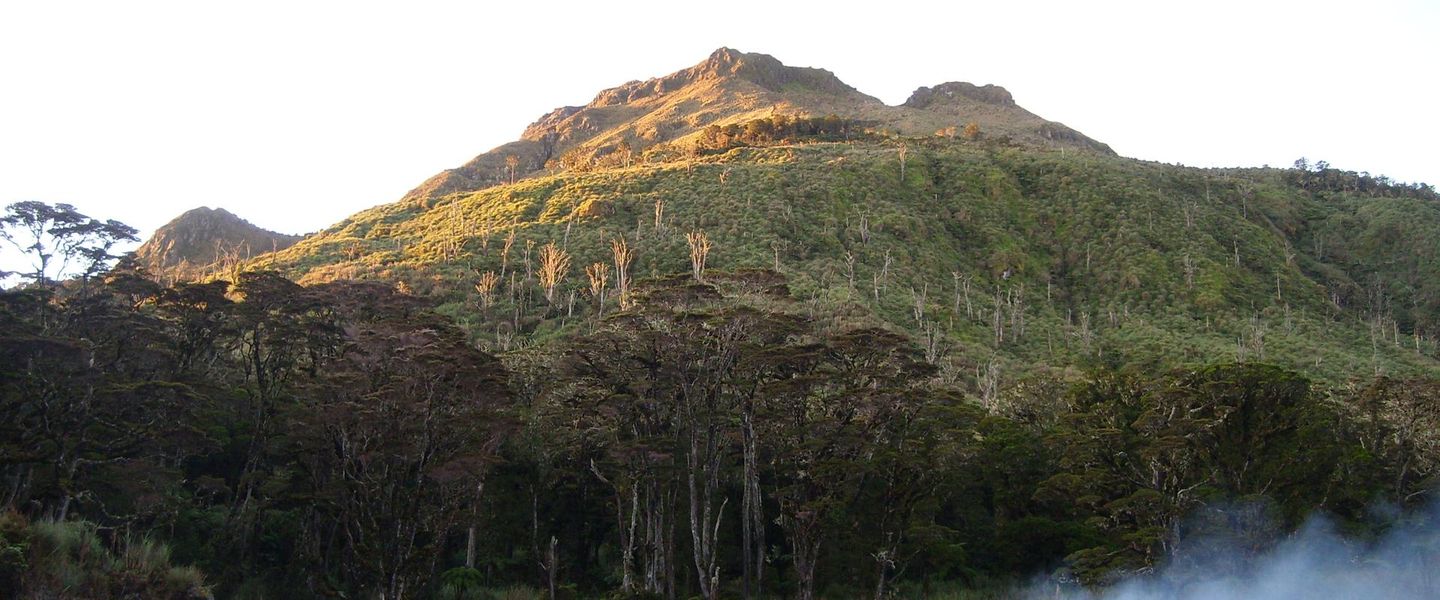
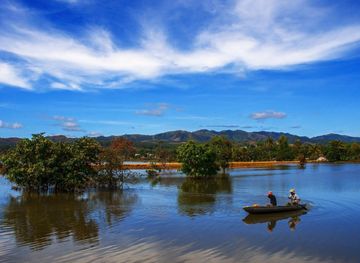
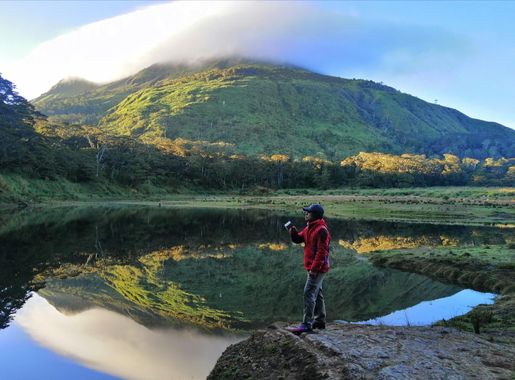
The Bangsamoro Autonomous Region in Muslim Mindanao (BARMM) is a hidden gem in the Philippines, offering a unique blend of rich history, vibrant culture, and untouched natural beauty. Nestled in the southern part of the country, BARMM is home to a diverse array of ethnic groups, each contributing to the area's rich cultural tapestry. Visitors can explore ancient mosques, colorful festivals, and traditional crafts that tell the story of the region's storied past. Nature enthusiasts will find themselves in paradise with BARMM's stunning landscapes, which include pristine beaches, lush forests, and majestic mountains. The region's untouched beauty provides a peaceful retreat from the hustle and bustle of city life. Diving enthusiasts can explore the vibrant underwater world of the Sulu Sea, while trekkers can challenge themselves with the rugged terrain of the Cotabato Mountain Range. The cuisine in BARMM is a delightful adventure for the taste buds. Influenced by its Malay and Islamic heritage, local dishes feature a unique blend of flavors, spices, and ingredients. From the savory piaparan to the sweet pastil, every meal is a delicious journey into the heart of Bangsamoro culture. The warm hospitality of the locals adds a personal touch to every dining experience, making visitors feel right at home.

Know before you go
Hi, I'm Eve. Here are a few practical things to know before exploring Bangsamoro Autonomous Region in Muslim Mindanao (BARMM).
- Dress modestly, especially when visiting mosques and religious sites, as a sign of respect to local customs and traditions.
- Consider hiring a local guide to gain deeper insights into the region's history, culture, and hidden gems.
- Be mindful of the weather and plan your visit during the dry season (December to May) for the best experience.
- Sample the local cuisine, but be aware that some dishes can be quite spicy. Start with milder options if you're not used to spicy food.
- Learn a few basic phrases in the local languages, such as Maguindanaoan or Tausug, to enhance your interactions with the locals.
Top City Travel Guides in Bangsamoro Autonomous Region in Muslim Mindanao (BARMM)
The cities of Bangsamoro Autonomous Region in Muslim Mindanao (BARMM), and the easiest places to base yourself.
Destinations in Bangsamoro Autonomous Region in Muslim Mindanao (BARMM)
Resorts, valleys and scenic spots worth a trip of their own.


Explore Bangsamoro Autonomous Region in Muslim Mindanao (BARMM): Things to Do, Places to Eat, Hotels & More
Handpicked recommendations for top attractions, local dining, accommodations, and more

Top Attractions & Sightseeing in Bangsamoro Autonomous Region in Muslim Mindanao (BARMM)
Top-rated picks
Best Attractions

Pahali Malamawi White Beach Resort
Discover the beauty of Pahali Malamawi White Beach Resort in Basilan, where pristine sands and crystal-clear waters await your arrival.

New Israel Eco Adventure Park
Explore nature and adventure at New Israel Eco Adventure Park in Cotabato - a perfect escape for thrill-seekers and families!

Matigol Falls
Explore the enchanting Matigol Falls in Cotabato, a stunning nature preserve perfect for adventurers and nature lovers alike.

Bulingan Falls
Discover the mesmerizing Bulingan Falls in Lamitan City, Basilan - a tranquil retreat amidst nature's beauty, perfect for adventure and relaxation.

Best landmarks in Bangsamoro Autonomous Region in Muslim Mindanao (BARMM)
Top-rated picks
Best Landmarks

Mindanao
Discover the beauty of Mindanao, the Philippines' hidden tropical paradise with stunning landscapes, rich culture, and endless adventure.

Bohol Sea
Experience the serene beauty and vibrant marine life of the Bohol Sea, a hidden gem in the Philippines perfect for relaxation and adventure.

CityMall Cotabato
Discover the vibrant shopping scene at CityMall Cotabato, where local culture meets a variety of shopping and dining experiences.

South Seas Complex
Explore the South Seas Complex in Cotabato City for a delightful shopping and dining experience showcasing local and international offerings.

Best restaurants in Bangsamoro Autonomous Region in Muslim Mindanao (BARMM)
Top-rated picks
Best Restaurants

Balik Bukid Farm & Kitchen
Discover farm-to-table delights at Balik Bukid Farm & Kitchen in Davao City—where fresh ingredients meet culinary creativity.

Miarayon Brewers Café and Restaurant
Experience the rich flavors of Bukidnon at Miarayon Brewers Café and Restaurant - where local cuisine meets warm hospitality.

Mambu House Grill & Restaurant
Experience authentic Filipino cuisine at Mambu House Grill & Restaurant, where every dish tells a story amidst stunning views.

Mariam Eatery مطعم مريم Halal food
Experience authentic Asian flavors at Mariam Eatery, a top-rated halal restaurant in Maragusan offering delicious dishes for everyone.

Best bars in Bangsamoro Autonomous Region in Muslim Mindanao (BARMM)
Top-rated picks
Best Bars

Hugo Skye Lounge
Experience breathtaking views and delightful flavors at Hugo Skye Lounge, the perfect café to unwind in Cagayan de Oro.

CityMall Cotabato
Explore CityMall Cotabato – a vibrant shopping and dining destination in Cotabato City, perfect for tourists seeking local culture and leisure.

Club Echelon Davao
Discover the electrifying nightlife at Club Echelon Davao, a premier pub offering live music, crafted cocktails, and a vibrant atmosphere.

Bulingan Falls
Experience the tranquil beauty of Bulingan Falls in Lamitan City, Basilan, where nature's serenity meets adventure and exploration.

Best nightclubs in Bangsamoro Autonomous Region in Muslim Mindanao (BARMM)
Top-rated picks
Best Nightclubs

Club Echelon Davao
Discover the energetic nightlife of Davao at Club Echelon, offering a lively atmosphere, great drinks, and unforgettable experiences.

Bangsamoro Government Center
Explore the Bangsamoro Government Center, a vital landmark in Cotabato City, blending culture and governance in the heart of the Bangsamoro region.

Club D'same Place
Dive into the electrifying nightlife of Cagayan de Oro at Club D'same Place, where music, dance, and vibrant energy await!

Oroderm Club Velvet Bar
Discover the pulse of Davao's nightlife at Oroderm Club Velvet Bar, where vibrant music and an electric atmosphere await.

Best shops in Bangsamoro Autonomous Region in Muslim Mindanao (BARMM)
Top-rated picks
Best Shops

CityMall Cotabato
Discover the heart of Cotabato City at CityMall, where shopping, dining, and entertainment come together in a vibrant community hub.

South Seas Complex
Explore the lively South Seas Complex in Cotabato City, a shopping haven filled with diverse stores, delicious food, and local culture.

Bangsamoro Government Center
Experience the essence of governance at Bangsamoro Government Center, a symbol of cultural heritage and local administration in Cotabato City.

Ministry of Labor and Employment (MOLE-BARMM)
Discover the pivotal role of the Ministry of Labor and Employment in shaping the workforce in Cotabato City, BARMM.

Explore Bangsamoro Autonomous Region in Muslim Mindanao (BARMM) on the Map
A handpicked selection of must-see spots in Bangsamoro Autonomous Region in Muslim Mindanao (BARMM), mapped for you.
Bangsamoro Autonomous Region in Muslim Mindanao (BARMM) Essentials
-
The Bangsamoro Autonomous Region in Muslim Mindanao (BARMM) can be accessed primarily via air travel. The nearest major airport is Francisco Bangoy International Airport (Davao Airport), which is about 245 kilometers away from Cotabato City, the regional center. From Davao, you can take a domestic flight to Cotabato Awang Airport. Alternatively, you can fly into Laguindingan Airport in Cagayan de Oro and take a bus or van to Marawi City. Land travel is also an option, with buses and vans connecting key cities like Davao, Cagayan de Oro, and Zamboanga to various parts of BARMM.
-
Within BARMM, public transportation options include jeepneys, tricycles, and vans. Jeepneys are the most common and economical mode of transport for short distances, while vans are often used for longer trips between cities and towns. Tricycles are ideal for short, local trips. In urban centers like Cotabato City and Marawi City, taxis and ride-hailing services are available but less common. Renting a car is also an option, though it is advisable to hire a local driver who is familiar with the area.
-
The official currency in BARMM, as in the rest of the Philippines, is the Philippine Peso (PHP). Credit cards are accepted in some hotels, larger restaurants, and shopping centers, but cash is preferred in smaller establishments and rural areas. ATMs are available in major cities like Cotabato and Marawi, but it is advisable to carry sufficient cash when traveling to more remote areas. Currency exchange services are also available at airports and in urban centers.
-
While BARMM is generally safe for tourists, it is essential to take standard precautions. Avoid traveling to isolated areas, especially at night, and be cautious in crowded places to prevent pickpocketing. Areas with higher crime rates targeting tourists include parts of Sulu and Basilan, where it is advisable to avoid non-essential travel. Always stay updated on travel advisories and consult local sources for the latest safety information.
-
In case of emergency, dial 911 for immediate assistance. The region has local police stations and medical facilities, though the quality of care may vary. It is recommended to have travel insurance that covers medical emergencies. For minor health issues, pharmacies are available in urban centers. It's also useful to know some basic phrases in the local languages, such as Maguindanaon or Maranao, to communicate effectively in emergencies.
-
Fashion: Do dress modestly, especially in religious and rural areas. Avoid wearing revealing clothing. Religion: Do respect local customs and traditions, particularly Islamic practices. Always remove your shoes before entering mosques and dress conservatively. Public Transport: Do be respectful and give up your seat to elderly passengers. Don't eat or drink on public transport. Greetings: Do greet people with a handshake or a slight nod. In some cases, placing your hand over your heart is a sign of respect. Eating & Drinking: Do try local delicacies and accept food offerings graciously. Don't refuse hospitality, as it is considered impolite.
-
To experience BARMM like a local, visit the traditional markets where you can buy fresh produce and handmade crafts. Engage with locals, who are generally friendly and eager to share their culture and history. Don't miss trying the local cuisines, such as pastil, a rice dish wrapped in banana leaves. Attend local festivals and events to gain a deeper understanding of the region's rich cultural heritage. For a unique experience, explore the picturesque Lake Lanao and the historic Sultan Haji Hassanal Bolkiah Masjid in Cotabato City.
When is the best time to visit Bangsamoro Autonomous Region in Muslim Mindanao (BARMM)?
Useful Local Phrases for Bangsamoro Autonomous Region in Muslim Mindanao (BARMM)
You don't need to speak the language perfectly. Even learning a few simple words can make conversations warmer—and locals usually appreciate the effort.
— Eve

Here are the phrases I use most often in Bangsamoro Autonomous Region in Muslim Mindanao (BARMM). Try a few—you'll be surprised how far they go! 😊
❤️
-
- HelloAssalamu Alaikum
[As-salam-u alay-kum] - GoodbyePaalam
[Pah-ah-lam] - YesOo
[O-o] - NoHindi
[Hin-dee] - Please/You're welcomeMangyari
[Mang-yar-ee] - Thank youSalamat
[Sa-lah-mat] - Excuse me/SorryPasensya na
[Pah-sen-syah nah] - How are you?Kamusta ka?
[Kah-moos-tah kah] - Fine. And you?Ayos lang. Ikaw?
[Ah-yos lahng. Ee-kaw?] - Do you speak English?Marunong ka bang mag-Ingles?
[Mah-roo-nong kah bang mag-In-glis?] - I don't understandHindi ko maintindihan
[Hin-dee koh mah-in-tin-dih-han]
- HelloAssalamu Alaikum
-
- I'd like to see the menu, pleaseGusto kong makita ang menu, mangyari
[Goo-sto kong mah-kee-tah ang meh-noo, mang-yar-ee] - I don't eat meatHindi ako kumakain ng karne
[Hin-dee ah-koh koo-mah-kah-een nang kar-neh] - Cheers!Salu-salo!
[Sah-loo-sah-lo] - I would like to pay, pleaseGusto kong magbayad, mangyari
[Goo-sto kong mag-bah-yad, mang-yar-ee]
- I'd like to see the menu, pleaseGusto kong makita ang menu, mangyari
-
- Help!Tulungan!
[Too-loo-ngan] - Go away!Umalis ka!
[Oo-mah-lis kah] - Call the Police!Tawagan ang pulis!
[Tah-wah-gan ang poo-lees] - Call a doctor!Tawagan ang doktor!
[Tah-wah-gan ang dok-tor] - I'm lostNawawala ako
[Nah-wah-lah ah-koh] - I'm illMay sakit ako
[Mai sah-kit ah-koh]
- Help!Tulungan!
-
- I'd like to buy...Gusto kong bumili ng...
[Goo-sto kong boo-mi-lee nang...] - I'm just lookingTumingin lang ako
[Too-mee-geen lahng ah-koh] - How much is it?Magkano ito?
[Mag-kah-no ee-to] - That's too expensiveSobrang mahal yan
[Sob-rang mah-hahl yan] - Can you lower the price?Maaari bang ibaba ang presyo?
[Mah-ah-ree bang ee-bah-bah ang pres-yo]
- I'd like to buy...Gusto kong bumili ng...
-
- What time is it?Anong oras na?
[Ah-nong oh-ras nah] - It's one o'clockIka-isa na
[Ee-kah-ee-sah nah] - Half past (10)Kalahating (10)
[Kah-lah-hah-ting (10)] - MorningUmaga
[Oo-mah-gah] - AfternoonHapon
[Hah-pon] - EveningGabi
[Gah-bee] - YesterdayKahapon
[Kah-hah-pon] - TodayNgayon
[Ngah-yohn] - TomorrowBukas
[Boo-kas] - 1Isa
[Ee-sah] - 2Dalawa
[Dah-lah-wah] - 3Tatlo
[Taht-loh] - 4Apat
[Ah-paht] - 5Lima
[Lee-mah] - 6Anim
[Ah-neem] - 7Pito
[Pee-toh] - 8Walo
[Wah-loh] - 9Siyam
[See-yahm] - 10Sampu
[Sahm-poo]
- What time is it?Anong oras na?
-
- Where's a/the...?Nasaan ang...?
[Nah-sahn ang...?] - What's the address?Ano ang address?
[Ah-no ang ah-dres?] - Can you show me (on the map)?Maaari mo bang ipakita sa akin (sa mapa)?
[Mah-ah-ree moh bang ee-pah-kee-tah sah ah-keen (sah mah-pah)?] - When's the next (bus)?Kailan ang susunod na (bus)?
[Kai-lan ang soo-soo-nohd nah (bus)?] - A ticket (to ....)Isang tiket (papunta sa ...)
[Ee-sang tee-ket (pah-pun-tah sah ...)]
- Where's a/the...?Nasaan ang...?
History of Bangsamoro Autonomous Region in Muslim Mindanao (BARMM)
-
Before the arrival of Spanish colonizers, the Bangsamoro region was a thriving hub of trade and commerce. Various Sultanates, such as Maguindanao and Sulu, were established and maintained their own systems of governance. These sultanates engaged in trade with neighboring regions and distant lands, including China, India, and the Arabian Peninsula.
-
The Spanish colonization of the Philippines began in the 16th century, but the Bangsamoro region resisted Spanish rule. The Moro Wars, a series of battles between Spanish forces and the Moro people, lasted for over three centuries. The resistance was fueled by the desire to preserve their Islamic faith and independence.
-
Following the Spanish-American War, the Philippines was ceded to the United States in 1898. The Moro people continued their resistance against American forces during the Moro Rebellion from 1899 to 1913. Despite the imposition of American governance, the Moro communities strove to maintain their cultural and religious practices.
-
During World War II, the Japanese invaded the Philippines, including the Bangsamoro region. Local resistance groups, including the Moro people, formed guerrilla units to fight against the Japanese occupation. The region played a significant role in the Allied victory in the Philippines.
-
After World War II, the Philippines gained independence from the United States in 1946. However, tensions in the Bangsamoro region persisted. Under President Ferdinand Marcos' regime, martial law was declared in 1972, leading to increased militarization and human rights abuses in the region. The Moro National Liberation Front (MNLF) emerged to fight for autonomy.
-
In 1976, the Philippine government and the MNLF signed the Tripoli Agreement, which aimed to establish an autonomous region for the Moro people. However, the agreement was not fully implemented, leading to continued conflict and the rise of other rebel groups, such as the Moro Islamic Liberation Front (MILF).
-
After years of negotiations, the Philippine government and the MILF signed the Comprehensive Agreement on the Bangsamoro (CAB) in 2014. This agreement laid the foundation for the creation of the Bangsamoro Autonomous Region in Muslim Mindanao (BARMM), which was officially established in 2019 following a plebiscite.
-
The Bangsamoro region boasts a rich cultural heritage, influenced by its pre-colonial history, Islamic traditions, and resistance against colonization. Traditional music, dance, and crafts are integral to Moro culture. The region is also known for its vibrant festivals, such as the Kanduli and the Shariff Kabunsuan Festival, which celebrate the region’s history and Islamic faith.
-
Since the establishment of BARMM, efforts have been made to promote peace and development in the region. The Bangsamoro government has focused on improving infrastructure, education, and healthcare. The region is also gaining recognition as a potential tourist destination, offering a unique blend of natural beauty, cultural heritage, and historical significance.
Neighbouring Regions of Bangsamoro Autonomous Region in Muslim Mindanao (BARMM)
The closest regions to Bangsamoro Autonomous Region in Muslim Mindanao (BARMM), if you have time for more than one.


Your all‑in‑one travel companion app
Explore expert travel guides, compare and book tours, experiences, hotels, and more—all from the palm of your hand. Download now for seamless trip planning wherever your wanderlust takes you.


Explore More of Philippines

Looking beyond Bangsamoro Autonomous Region in Muslim Mindanao (BARMM)? Discover Philippines for broader travel guides, local hot-spots, and regional highlights.
Explore PhilippinesBangsamoro Autonomous Region in Muslim Mindanao (BARMM) in Photos
Browse through our photo collection highlighting the charm and character of the destination.




The Enigmatic Beauty of BARMM: A Journey Through Time and Culture
The Bangsamoro Autonomous Region in Muslim Mindanao (BARMM) is a hidden gem in the Philippines, offering a unique blend of rich history, vibrant culture, and untouched natural beauty. Nestled in the southern part of the country, BARMM is home to a diverse array of ethnic groups, each contributing to the area's rich cultural tapestry. Visitors can explore ancient mosques, colorful festivals, and traditional crafts that tell the story of the region's storied past. Nature enthusiasts will find themselves in paradise with BARMM's stunning landscapes, which include pristine beaches, lush forests, and majestic mountains. The region's untouched beauty provides a peaceful retreat from the hustle and bustle of city life. Diving enthusiasts can explore the vibrant underwater world of the Sulu Sea, while trekkers can challenge themselves with the rugged terrain of the Cotabato Mountain Range. The cuisine in BARMM is a delightful adventure for the taste buds. Influenced by its Malay and Islamic heritage, local dishes feature a unique blend of flavors, spices, and ingredients. From the savory piaparan to the sweet pastil, every meal is a delicious journey into the heart of Bangsamoro culture. The warm hospitality of the locals adds a personal touch to every dining experience, making visitors feel right at home.