

Free Davao Region Travel Guide & Mobile App
Explore Davao Region with free travel guides. Discover regional history, expert tips, proposed trips, and audio guides on web or mobile app.


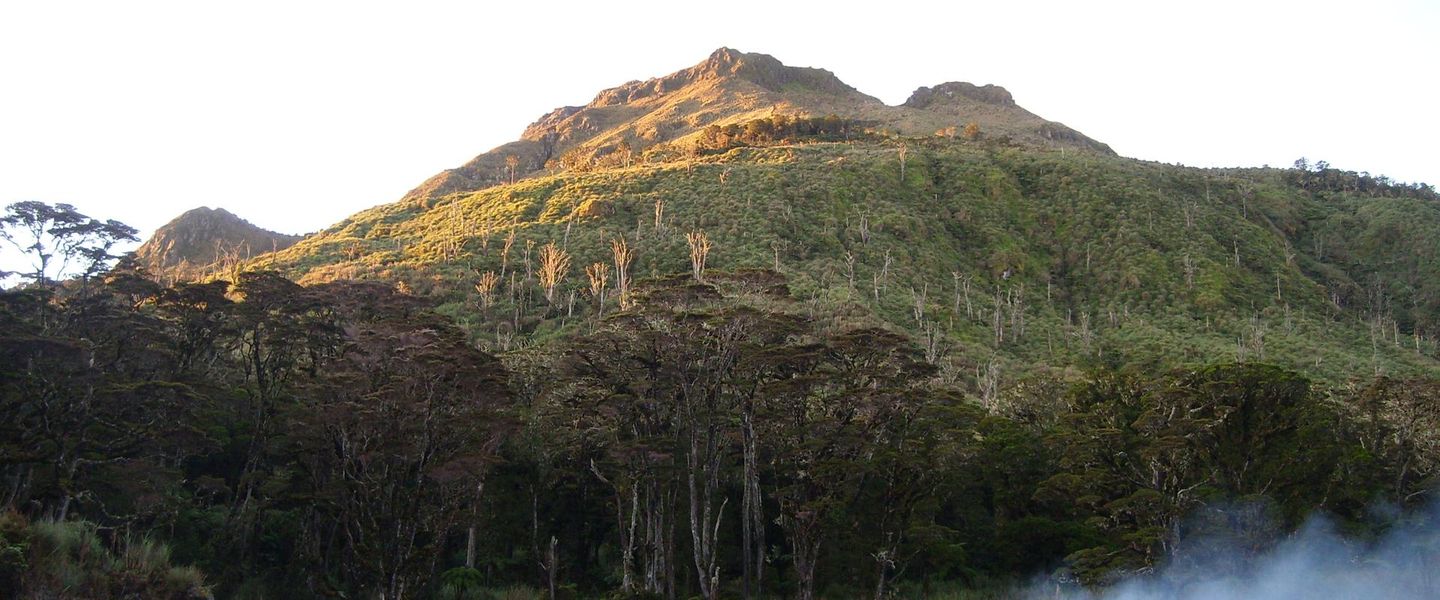


Davao Region combines a cosmopolitan southern gateway with Mount Apo, tropical islands, Pacific beaches, wildlife and distinctive Mindanao food traditions.
Read more about Davao Region
When is the best time to visit Davao Region?
Best: January–March · 29–30°C| Month | High (°C) | Rainfall (mm) |
|---|---|---|
| January (best) | 29 | 100 |
| February (best) | 29 | 90 |
| March (best) | 30 | 80 |
| April | 30 | 90 |
| May | 30 | 100 |
| June | 30 | 120 |
| July | 30 | 130 |
| August | 30 | 140 |
| September | 30 | 130 |
| October | 30 | 120 |
| November | 30 | 110 |
| December | 29 | 100 |
Getting to and around Davao Region
How to get there
Transportation
Top city travel guides in Davao Region
The cities of Davao Region, and the easiest places to base yourself.

Swipe for more cities
Destinations in Davao Region
Resorts, valleys and scenic spots worth a trip of their own.
-

-


Swipe for more destinations
Best attractions in Davao Region
Davao Region’s attractions range from urban museums and food markets to highland trails, island beaches and wildlife conservation sites. In Davao City, the Philippine Eagle Center introduces visitors to one of the country’s most important conservation programmes, while the Davao Museum and Museo Dabawenyo provide context for local history and cultural diversity. The Davao side of Mount Apo offers demanding trekking through changing vegetation and volcanic landscapes, normally with permits and local guides. Across the Davao Gulf, Samal Island is known for beaches, swimming and marine activities, while nearby coastal communities provide quieter alternatives to resort areas. Mati and Dahican Beach appeal to surfers and beach travellers, and the Sleeping Dinosaur viewpoint is an easily recognised coastal feature. Inland provinces offer waterfalls, forest routes and agricultural landscapes, including Aliwagwag Falls in Davao Oriental, although access can be lengthy. The region also supports birdwatching, river excursions, diving and farm visits, with conditions and conservation rules varying substantially between sites.
-
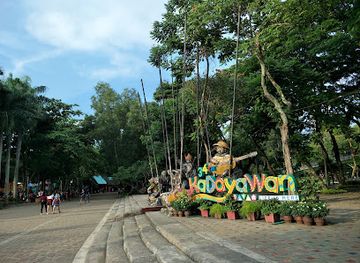
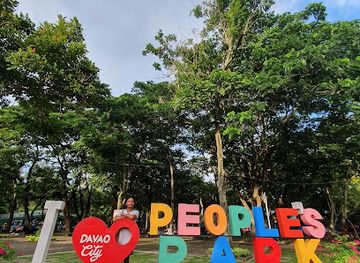
City park
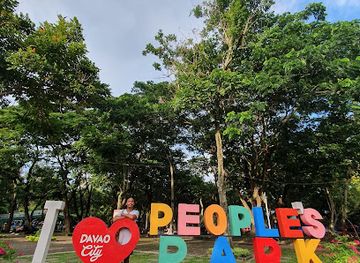
People’s Park Davao
Immerse yourself in the lush greenery and vibrant culture of People's Park Davao, a beautiful urban oasis in the heart of Davao City.
-
Night market
Roxas Night Market
Experience the culinary essence of Davao City at Roxas Night Market, a vibrant night market filled with local delicacies and cultural charm.
-
 Resort hotel
Eden Nature Park & Resort
Discover the serene beauty of Eden Nature Park & Resort, a tropical haven in Davao City, perfect for relaxation and adventure amidst nature's splendor.
-
Zoo
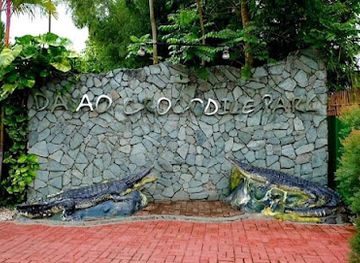
Davao Riverfront Crocodile Park & Zoo
Discover the wonders of wildlife at Davao Riverfront Crocodile Park & Zoo, where adventure and conservation come together for an unforgettable experience.

Best landmarks in Davao Region
Mount Apo is Davao Region’s most powerful natural landmark, rising above the landscapes of Davao del Sur and Davao City and carrying importance for both geography and indigenous cultural traditions. Davao City’s San Pedro Cathedral, with its long colonial-era history and central position, is among the region’s most recognisable religious buildings, while the Davao City Hall area reflects the growth of the regional capital. Across the gulf, Samal Island’s coastline and the massive monolithic rock associated with Hagimit Falls are distinctive natural features, though the island’s appeal lies more in its broader landscape than in one monument. Mati’s Sleeping Dinosaur, viewed from the coastal road and nearby viewpoints, is a memorable headland shaped by the profile of the land and sea. In Davao Oriental, Aliwagwag Falls forms a dramatic series of cascades amid forested uplands. In Davao City, the Philippine Eagle Center is also a landmark of conservation, representing the national effort to protect the country’s principal forest raptor.
-
City park
People’s Park Davao
Discover the lush landscapes and artistic sculptures of People's Park Davao, a city park that embodies the spirit of Davao City.
-
Night market
Roxas Night Market
Experience the vibrant flavors and lively atmosphere of Roxas Night Market in Davao City, a must-visit for food lovers and culture seekers.
-
Resort hotel
Eden Nature Park & Resort
Discover the tranquil beauty of Eden Nature Park & Resort in Davao, where adventure meets serenity amidst nature's wonders.
-
Zoo
Davao Riverfront Crocodile Park & Zoo
Discover the thrilling wildlife of Davao Riverfront Crocodile Park & Zoo, where adventure meets education in a family-friendly setting.
Explore Davao Region on the map
Plan your trip on one map. See where the top cities, national parks and sights are, and book hotels and experiences in a few clicks.
Best hotels in Davao Region
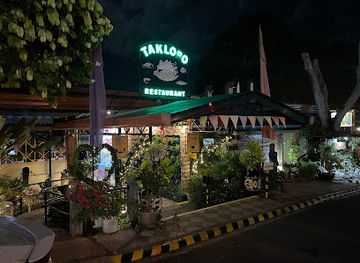
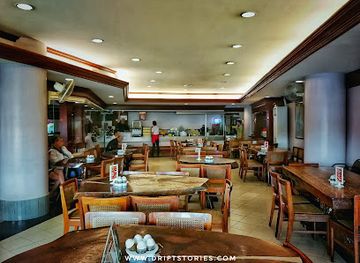
Best restaurants in Davao Region
Davao Region’s food culture is shaped by tropical agriculture, the Davao Gulf and the wider culinary traditions of Mindanao. Durian is the emblematic produce, joined by pomelo, mangosteen, marang, banana and locally grown cacao; markets and fruit stalls are often the best places to understand seasonal availability. Davao City has the broadest choice of Filipino, Mindanao-influenced and international cooking, from casual eateries and bakeries to contemporary restaurants. Seafood is prominent in coastal towns, while tuna and other fish feature strongly in dishes and market displays. In provincial areas, roadside grills, carinderias, cafés and family-run restaurants offer practical meals based on rice, vegetables, pork, chicken and freshly landed fish. Samal and the eastern coast provide resort dining alongside simpler seafood establishments. Visitors should approach indigenous food traditions respectfully and seek community-based or locally recommended experiences rather than expecting a single dish to represent the whole region.
-
Restaurant
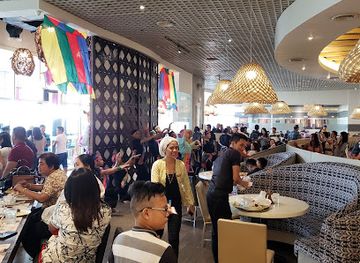
Vikings Luxury Buffet - SM Lanang
Experience unparalleled dining at Vikings Luxury Buffet - SM Lanang with diverse global cuisines in an elegant setting perfect for any occasion.
-
Restaurant
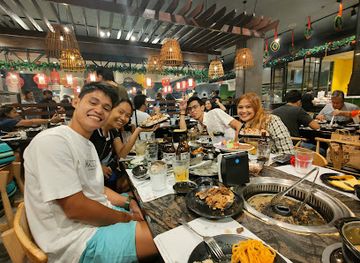
Tong Yang, SM City Davao Ecoland
Savor the interactive buffet experience at Tong Yang in SM City Davao Ecoland – where grilling meets deliciousness!
-
Restaurant
Jack's Ridge
Experience breathtaking views and authentic Filipino cuisine at Jack's Ridge in Davao City – where every meal comes with a view.
-
Restaurant
Davao Dencia's Restaurant
Experience authentic Filipino flavors at Davao Dencia's Restaurant – where every meal tells a story.
Best bars in Davao Region
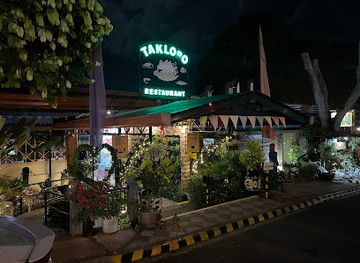
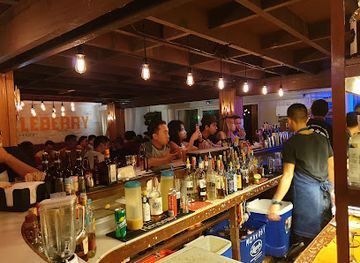
Davao City has the region’s most varied evening scene, with restaurants, hotel lounges, cafés, craft-beverage venues, karaoke rooms, live-music spaces and bars concentrated around established commercial districts. Nightlife is generally more social and dining-led than club-centred, and venues can change their schedules or format, so current local information is useful. Tagum and other larger provincial cities offer smaller selections of music bars, karaoke and late-evening restaurants. In Samal, Mati and coastal resorts, evenings usually focus on sunset dining, relaxed beach venues and accommodation-based entertainment rather than a dense nightclub circuit. Rural Davao is quieter, with neighbourhood eateries, videoke and traditional pubs providing much of the after-dark activity. Visitors should respect local ordinances, dress codes and noise limits, and arrange a safe return journey when staying outside the main urban centres.
-
Restaurant
Jack's Ridge
Experience breathtaking views and delicious dishes at Jack's Ridge, a top dining spot in Davao City perfect for tourists seeking culinary delights.
-
Bar
Huckleberry Southern Kitchen & Bar
Experience the warmth of Southern hospitality at Huckleberry Southern Kitchen & Bar, where delicious food and drinks await in Davao City.
-
Pub
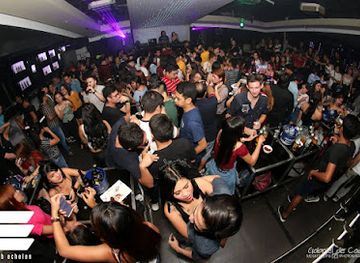
Club Echelon Davao
Discover the heart of Davao's nightlife at Club Echelon, where vibrant music, delicious drinks, and unforgettable moments await you.
-
Restaurant
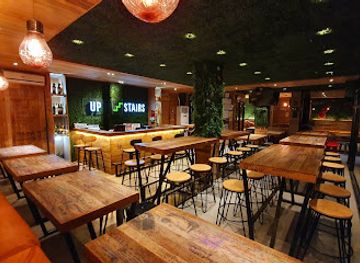
Upstairs Rooftop Bar Kitchen
Experience the best of Filipino cuisine with stunning views at Upstairs Rooftop Bar Kitchen in Davao City, a must-visit culinary destination.
Best nightclubs in Davao Region
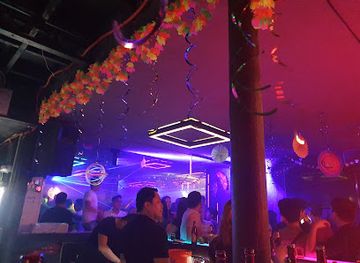
Davao City has the region’s most varied evening scene, with restaurants, hotel lounges, cafés, craft-beverage venues, karaoke rooms, live-music spaces and bars concentrated around established commercial districts. Nightlife is generally more social and dining-led than club-centred, and venues can change their schedules or format, so current local information is useful. Tagum and other larger provincial cities offer smaller selections of music bars, karaoke and late-evening restaurants. In Samal, Mati and coastal resorts, evenings usually focus on sunset dining, relaxed beach venues and accommodation-based entertainment rather than a dense nightclub circuit. Rural Davao is quieter, with neighbourhood eateries, videoke and traditional pubs providing much of the after-dark activity. Visitors should respect local ordinances, dress codes and noise limits, and arrange a safe return journey when staying outside the main urban centres.
-
Pub
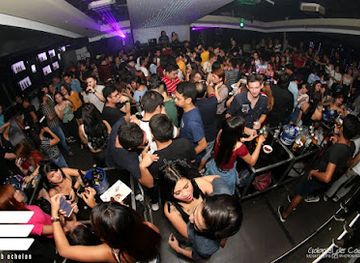
Club Echelon Davao
Discover the energetic nightlife at Club Echelon Davao, where live music and a vibrant atmosphere await every night.
-
Bar
The Grid
Experience the vibrant nightlife at The Grid, a lively bar in Davao City with amazing DJs and a great atmosphere for relaxation and socializing.
-
Disco club
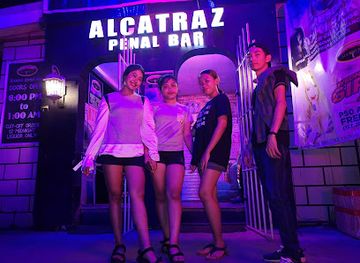
Alcatraz Penal Bar
Discover the vibrant nightlife of Davao at Alcatraz Penal Bar, where electrifying music and great drinks await.
-
Bar
801 Infinity Restobar
Discover the energetic vibe and exquisite flavors at 801 Infinity Restobar in Davao City, where culinary delights meet vibrant nightlife.

Best shops in Davao Region
Davao City offers the region’s broadest shopping, from modern malls and department stores to public markets, independent food shops and specialist fruit stalls. Visitors commonly look for durian products, pomelo, cacao, coffee, dried fruit and other Mindanao-grown produce, while packaged goods are easier to carry than fresh fruit on onward journeys. Markets and craft outlets may also stock woven textiles, beadwork, baskets and other products associated with indigenous communities; buy through reputable, fairly managed channels and ask about provenance rather than treating cultural objects as generic souvenirs. Tagum, Mati and other provincial centres have practical high streets, wet markets and small retail districts rather than extensive luxury shopping. Samal’s resort areas concentrate on beachwear, snacks and locally made gifts. For regional food and crafts, compare products at established markets and cooperatives, where sellers can often explain seasonal availability and production methods.
-
Shopping mall
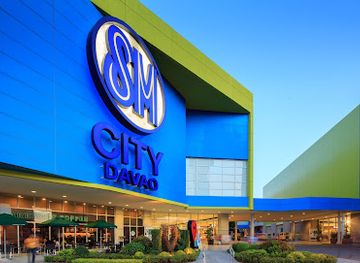
SM City Davao
Explore SM City Davao, a vibrant shopping mall with diverse retail options, delicious dining experiences, and exciting entertainment for all ages.
-
Shopping mall
SM Lanang
Explore SM Lanang in Davao City – a vibrant shopping mall with diverse retail, dining, and entertainment options for the ultimate shopping experience.
-
Shopping mall
Gaisano Mall of Davao
Discover the vibrant shopping and dining experience at Gaisano Mall of Davao, where locals and tourists unite in retail therapy.
-
Shopping mall
Ayala Malls Abreeza
Experience shopping, dining, and entertainment at Ayala Malls Abreeza, the ultimate destination in Davao City.


Get your free copy of our complete guide to Davao Region, delivered straight to you.
Everything on this page, from attractions and restaurants to essentials and local phrases, in one PDF you can read offline, print or share.
Already have an account? Sign in
Your Davao Region guide is ready.
We'll send it to · Not you? Sign out

Getting your guide ready…
We are putting together a fresh copy of the Davao Region guide. This can take up to a minute.
This can take a few moments. If your browser asks, choose Allow so the download can start. You'll find the guide in your Downloads folder.
Nothing happened? Download it again
Sorry, the guide is taking longer than usual. Please try again in a minute, or get it by email instead.
Davao Region essentials
Currency and Payment
Safety
Emergency Situations
Do's and Don'ts
Local Tips
From Eve
Local phrases worth knowing
You don't need to get them perfect. A few words go a long way, and locals appreciate the effort.
Basics
| English | Local | Say it |
|---|---|---|
| Hello | Kumusta | [koo-moos-tah] |
| Goodbye | Ayo | [ah-yoh] |
| Yes | Oo | [oh-oh] |
| No | Dili | [dee-lee] |
| Please/You're welcome | Palihug | [pah-lee-hoog] |
| Thank you | Salamat | [sah-lah-maht] |
| Excuse me/Sorry | Pasensya | [pah-sen-syah] |
| How are you? | Kumusta ka? | [koo-moos-tah kah] |
| Fine. And you? | Okey ra. Ikaw? | [oh-kay rah. ee-kaw] |
| Do you speak English? | Nakasabot ka ug English? | [nah-kah-sah-bot kah oohg ing-glish] |
| I don't understand | Wala ko kasabot | [wah-lah koh kah-sah-bot] |
Eating & Drinking
| English | Local | Say it |
|---|---|---|
| I'd like to see the menu, please | Gusto ko makita ang menu, palihug | [goos-toh koh mah-kee-tah ahng meh-noo, pah-lee-hoog] |
| I don't eat meat | Dili ko mokaon ug karne | [dee-lee koh moh-kah-on oohg kar-neh] |
| Cheers! | Sa salud! | [sah sah-lood] |
| I would like to pay, please | Gusto ko magbayad, palihug | [goos-toh koh mahg-bah-yahd, pah-lee-hoog] |
Emergencies
| English | Local | Say it |
|---|---|---|
| Help! | Tabang! | [tah-bahng] |
| Go away! | Palayo! | [pah-lah-yoh] |
| Call the Police! | Tawga ang Pulis! | [taw-gah ahng poo-lees] |
| Call a doctor! | Tawga ug doktor! | [taw-gah oohg dok-tor] |
| I'm lost | Naawala ko | [nah-wah-lah koh] |
| I'm ill | Masakit ko | [mah-sah-kit koh] |
Shopping
| English | Local | Say it |
|---|---|---|
| I'd like to buy... | Gusto ko mopalit og... | [goos-toh koh moh-pah-leet og] |
| I'm just looking | Nagtan-aw ra ko | [nahg-tan-ahw rah koh] |
| How much is it? | Tagpila ni? | [tag-pee-lah nee] |
| That's too expensive | Sobra ka mahal | [soh-brah kah mah-hal] |
| Can you lower the price? | Pwede nimo ibanan ang presyo? | [pweh-deh nee-moh ee-bah-nan ahng pres-yoh] |
Time & Numbers
| English | Local | Say it |
|---|---|---|
| What time is it? | Unsay oras? | [oon-sigh oh-ras] |
| It's one o'clock | Alas uno | [ah-lahs oo-noh] |
| Half past (10) | Alas diyes y medya | [ah-lahs dee-yes ee meh-dyah] |
| Morning | Buntag | [boon-tahg] |
| Afternoon | Hapon | [hah-pon] |
| Evening | Gabii | [gah-bee-ee] |
| Yesterday | Kahapon | [kah-hah-pon] |
| Today | Karun | [kah-roon] |
| Tomorrow | Ugma | [oog-mah] |
| 1 | Usa | [oo-sah] |
| 2 | Duh | [doo-ah] |
| 3 | Tulo | [too-loh] |
| 4 | Upat | [oo-paht] |
| 5 | Lima | [lee-mah] |
| 6 | Unom | [oo-nom] |
| 7 | Pito | [pee-toh] |
| 8 | Walo | [wah-loh] |
| 9 | Siyam | [see-yahm] |
| 10 | Sampu | [sahm-poo] |
Transport & Directions
| English | Local | Say it |
|---|---|---|
| Where's a/the...? | Asa ang...? | [ah-sah ahng] |
| What's the address? | Unsay address? | [oon-sigh ah-dress] |
| Can you show me (on the map)? | Pwede nimo ipakita (sa mapa)? | [pweh-deh nee-moh ee-pah-kee-tah (sah mah-pah)] |
| When's the next (bus)? | Kanus-a ang sunod (bus)? | [kah-noos-ah ahng soo-nod (bus)] |
| A ticket (to ....) | Usa ka tiket (paingon sa ...) | [oo-sah kah tee-ket (pah-eeng-on sah ...)] |
History of Davao Region
Early communities and Lumad heritage
Long before modern provincial boundaries, the Davao area was inhabited by diverse indigenous communities whose descendants include the Bagobo, Mandaya, Mansaka, Kalagan and other peoples. Communities developed farming, forest-based livelihoods, trading networks and distinctive textile and metalworking traditions. Coastal and river routes connected upland groups with maritime communities, while oral histories preserved relationships with particular mountains, rivers and sacred places. This heritage remains visible in cultural institutions, weaving traditions and community life, although it should be understood as living culture rather than a relic of the past.
Sultanate and maritime connections
Before Spanish colonial administration reached the interior in a sustained way, parts of the Davao Gulf and adjacent coasts participated in wider maritime networks linking Mindanao with the Sulu zone, the Visayas and areas around the Celebes Sea. Muslim communities, including the Kalagan and other groups, contributed to the region’s languages, commerce and religious history. Political influence was exercised through local leaders and connections to the Sultanate of Maguindanao, rather than through a single centralised authority covering the whole of present-day Davao Region.
Spanish colonial expansion
Spanish authorities established a more direct presence along portions of the Davao Gulf during the nineteenth century, founding missions, settlements and administrative outposts while encountering established indigenous and Muslim communities. Colonial control was uneven, especially in mountainous interiors, and local societies continued to shape trade and land use. The period introduced new religious institutions and administrative structures, but it did not erase older cultural affiliations. Several historic churches and town centres in the region reflect this layered colonial encounter.
American rule and plantation development
Under American administration in the early twentieth century, Davao became increasingly connected to export agriculture and commercial investment. Abaca, coconut and later banana production expanded, supported by roads, ports and migrant labour from other parts of the Philippines. Davao City developed as the principal commercial centre, while plantation districts altered land ownership and settlement patterns. These changes brought economic growth but also generated long-term questions about indigenous land rights, labour conditions and access to agricultural resources.
War and Japanese occupation
Mindanao, including Davao, was drawn into the Second World War after Japan occupied the Philippines. Davao’s plantations, ports and transport links gave the area strategic importance, and the occupation disrupted commerce and subjected civilian communities to hardship. Filipino guerrilla resistance operated across parts of the island, while the later Allied campaign brought further military movement and destruction. Post-war reconstruction reshaped Davao City and restored agricultural production, but memories of wartime displacement remain part of regional history.
Post-war growth and regional formation
After 1945, migration, agricultural expansion and public investment accelerated the growth of Davao City and neighbouring provinces. Banana plantations, trade, forestry and mining became prominent parts of the regional economy, alongside fishing and smallholder farming. In 1979, the national government formally created Region XI, bringing together the provinces then associated with Davao. Subsequent administrative changes altered provincial boundaries, but the regional framework continued to link a large and economically diverse section of south-eastern Mindanao.
Contemporary Davao Region
Since the late twentieth century, Davao Region has combined metropolitan growth with increasing attention to conservation, indigenous rights, ecotourism and agricultural value-added industries. Davao City has become a major transport, education, medical and commercial hub, while places such as Mount Apo, Samal Island, Mati and the Philippine Eagle conservation programme have strengthened the region’s visitor profile. At the same time, infrastructure expansion, plantation agriculture and extractive industries continue to raise questions about environmental protection and equitable development.
Davao Region in Photos
Browse through our photo collection highlighting the charm and character of the destination.
Neighbouring regions of Davao Region
The closest regions to Davao Region, if you have time for more than one.
-

-

-

-

-


Swipe for more regions
Explore more
Explore more of Philippines
Discover the Philippines: A tropical paradise of islands, rich history, and warm hospitality, perfect for adventurers and relaxation seekers alike.
Explore Philippines