

Soccsksargen, Philippines Travel Guide
Explore Soccsksargen: From the Tuna Capital of General Santos to the serene Lake Sebu, discover the diverse beauty and cultural richness of this hidden gem in the Philippines.
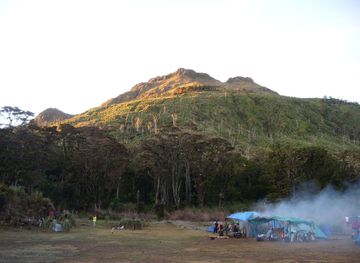
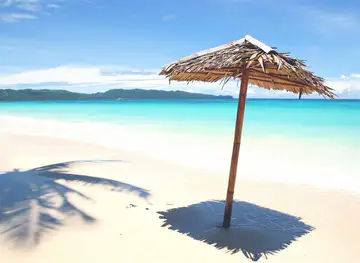
Nestled in the southern part of the Philippines, Soccsksargen is a region rich in natural beauty and cultural diversity. The name Soccsksargen is an acronym that stands for its four provinces: South Cotabato, Cotabato, Sultan Kudarat, and Sarangani, along with the city of General Santos. This region offers a wide array of attractions, from pristine beaches to lush mountains and vibrant cities. Start your journey in General Santos City, also known as the Tuna Capital of the Philippines. Here, you can visit the General Santos Fish Port Complex, where you can witness the bustling fish market and enjoy fresh seafood dishes. For those interested in history and culture, the city has several museums and cultural centers that showcase the rich heritage of the region. Nature enthusiasts will find plenty to explore in Soccsksargen. Head to Lake Sebu in South Cotabato, a picturesque lake surrounded by rolling hills and home to the T'boli people. You can take a boat ride on the lake, visit the Seven Falls, or experience the local culture through traditional T'boli music and crafts. For adventure seekers, the region offers activities such as zip-lining, trekking, and spelunking in its many natural parks and reserves. If you're a beach lover, Sarangani is the place to be. The province boasts stunning white sand beaches and crystal-clear waters perfect for swimming, snorkeling, and diving. Gumasa Beach, often referred to as the Boracay of the South, is a must-visit. Additionally, Sarangani Bay is a haven for marine life, making it a great spot for dolphin and whale watching. Soccsksargen is also known for its vibrant festivals. The T'nalak Festival in South Cotabato celebrates the artistry of the T'boli weavers, while the Tuna Festival in General Santos City showcases the city's fishing industry. These festivals are filled with colorful parades, traditional dances, and local delicacies, providing a unique glimpse into the region's culture and traditions.

Know before you go
Hi, I'm Eve. Here are a few practical things to know before exploring Soccsksargen.
- Visit early in the morning to enjoy the General Santos Fish Port Complex at its most vibrant.
- Don't miss the T'nalak Festival in July for a deep dive into T'boli culture and artistry.
- Pack light and comfortable clothing for trekking and outdoor activities around Lake Sebu.
- Try the local delicacies like tuna sashimi in General Santos City and tilapia dishes in Lake Sebu.
- Book accommodations in advance if you plan on visiting during festival seasons, as they tend to fill up quickly.
Top City Travel Guides in Soccsksargen
The cities of Soccsksargen, and the easiest places to base yourself.
Destinations in Soccsksargen
Resorts, valleys and scenic spots worth a trip of their own.


Explore Soccsksargen: Things to Do, Places to Eat, Hotels & More
Handpicked recommendations for top attractions, local dining, accommodations, and more

Top Attractions & Sightseeing in Soccsksargen
Top-rated picks
Best Attractions

Plaza Heneral Santos
Explore Plaza Heneral Santos, a vibrant park in General Santos City, where culture, nature, and local festivities blend seamlessly.

Seven Falls and Zipline
Discover the breathtaking beauty and exhilarating adventures at Seven Falls and Zipline, a top tourist attraction in Lake Sebu, South Cotabato.

Mariano's Blooming Agri-Tourism Park
Explore Mariano's Blooming Agri-Tourism Park in Tupi, South Cotabato, where nature and agriculture blend in a vibrant, family-friendly escape.
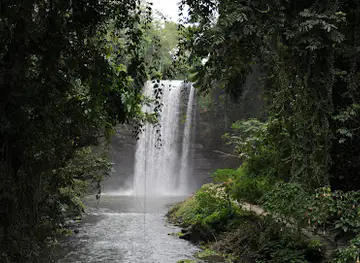
Lake Sebu's 7 Falls
Experience the breathtaking beauty of Lake Sebu's 7 Falls, a natural wonder offering adventure, culture, and stunning landscapes in South Cotabato, Philippines.

Best landmarks in Soccsksargen
Top-rated picks
Best Landmarks

Plaza Heneral Santos
Experience the vibrant culture and natural beauty of Plaza Heneral Santos in General Santos City, a must-visit park for every traveler.

Isla Jardin Del Mar
Discover Isla Jardin Del Mar, a tropical paradise in Sarangani, where pristine beaches and luxurious amenities await your visit for an unforgettable getaway.
Punta Isla Lake Resort
Discover tranquility at Punta Isla Lake Resort, where breathtaking views and rich culture await in beautiful Lake Sebu.

General Santos City Fish Port Complex
Experience the bounty of the sea at General Santos City Fish Port Complex, a vibrant hub for seafood lovers and cultural enthusiasts in the Philippines.

Best restaurants in Soccsksargen
Top-rated picks
Best Restaurants

BigBen Steaks and Grills
Experience exquisite grilled flavors and succulent steaks at BigBen Steaks and Grills in General Santos City – a culinary delight for every palate.

Gryk's Food House
Discover Gryk's Food House in Koronadal City: where Mediterranean flavors meet Filipino favorites in a welcoming family atmosphere.

Cinco Niñas
Discover the flavors of the Philippines at Cinco Niñas, where traditional dishes meet warm hospitality in Koronadal City.

Ching Citi Garden
Discover the flavors of South Cotabato at Ching Citi Garden - where every meal is a journey through nature's beauty.

Best bars in Soccsksargen
Top-rated picks
Best Bars

Liam James Kainan & Restobar
Experience the vibrant flavors and friendly atmosphere at Liam James Kainan & Restobar, a must-visit culinary gem in General Santos City.

Maldita Bar
Discover the vibrant nightlife of General Santos City at Maldita Bar, where great drinks and an electric atmosphere await you.

Parking Alley Cowboy Restobar
Discover the vibrant flavors and lively atmosphere of Parking Alley Cowboy Restobar in Koronadal City, a grill lover's paradise.

Fish Caught Eatery, Cocktail Lounge & KTV Bar
Discover the flavors of the sea at Fish Caught Eatery in General Santos City, where fresh seafood and vibrant entertainment come together.

Best nightclubs in Soccsksargen
Top-rated picks
Best Nightclubs

WAVE Super Club
Discover the exhilarating nightlife at WAVE Super Club, General Santos City’s ultimate destination for music, dancing, and unforgettable memories.

Ultimate Super Club
Ultimate Super Club in General Santos City offers an electrifying nightlife experience with vibrant music and dancing until dawn.

Neutral Zone Bar
Experience unforgettable nights of music and laughter at Neutral Zone Bar, the ultimate karaoke spot in General Santos City.

Timog Avenue
Discover the vibrant nightlife of Timog Avenue in Koronadal City, where delicious cuisine meets a lively bar scene for an unforgettable experience.

Best shops in Soccsksargen
Top-rated picks
Best Shops

K'datu Souvenirs Lake Sebu
Discover unique handicrafts and artistic treasures at K'datu Souvenirs in Lake Sebu, a must-visit for every traveler in search of authentic Philippine art.

T'boli Trade and Craft
Discover the rich cultural heritage of the T'boli people at T'boli Trade and Craft, where authentic handcrafted souvenirs await.

7 Falls Souvenir Shop
Explore the vibrant culture of Lake Sebu through unique handmade crafts at 7 Falls Souvenir Shop, a treasure trove of local artistry.

K'noon Souvenir Shop
Explore K'noon Souvenir Shop in Lake Sebu for unique crafts and authentic Filipino souvenirs that capture the essence of local artistry.

Explore Soccsksargen on the Map
A handpicked selection of must-see spots in Soccsksargen, mapped for you.
Soccsksargen Essentials
-
Soccsksargen, an administrative region in the Philippines, can be accessed through several major entry points. General Santos International Airport (GES) is the primary airport serving the region, with regular domestic flights from Manila, Cebu, and other key cities. Alternatively, you can fly into Francisco Bangoy International Airport (Davao) and take a bus or taxi to Soccsksargen, which is approximately a 4-5 hour drive. For those traveling by sea, the Makar Wharf in General Santos City accommodates passenger and cargo vessels from surrounding islands.
-
Within Soccsksargen, transportation options include jeepneys, tricycles, taxis, and buses. Jeepneys and tricycles are the most common and cost-effective means of transportation for short distances. For longer journeys between cities or towns, buses and vans are available. Renting a car is also an option for those who prefer flexibility and comfort. Ensure you have a valid international driving permit if you plan to drive.
-
The official currency in the Philippines is the Philippine Peso (PHP). Credit cards are widely accepted in hotels, restaurants, and shopping malls in urban areas. However, it is advisable to carry cash when visiting rural areas or smaller establishments. ATMs are available in major cities like General Santos and Koronadal, but it is a good idea to withdraw sufficient cash before traveling to remote locations.
-
Soccsksargen is generally safe for tourists, but it is important to take standard precautions. Avoid walking alone at night in unfamiliar areas and be mindful of your belongings in crowded places. Some areas, particularly in South Cotabato, may have higher crime rates, so staying in well-populated and tourist-friendly zones is recommended. Always stay updated on local news and heed travel advisories.
-
In case of emergencies, dial 911 for immediate assistance in the Philippines. Major hospitals in the region include General Santos Doctors Hospital and South Cotabato Provincial Hospital. It is advisable to have travel insurance that covers medical emergencies. Pharmacies are available in urban areas for over-the-counter medications. The local police stations are accessible in each city and town for law enforcement assistance.
-
Fashion: Do dress modestly, especially when visiting religious sites. Avoid wearing revealing clothing. Religion: Do respect local customs and traditions. Remove your shoes when entering homes and places of worship. Public Transport: Do be patient and courteous. Don’t eat or drink on public transport. Greetings: Do greet people with a smile and a friendly nod. A handshake is also common but not always necessary. Eating & Drinking: Do try local dishes and accept food or drink offerings graciously. Don’t waste food, as it is considered disrespectful.
-
To experience Soccsksargen like a local, visit the local markets such as the General Santos City Public Market, where you can buy fresh seafood, fruits, and traditional Filipino goods. Engage with locals, as they are often friendly and willing to share insights about their culture and history. Don’t miss visiting the Sarangani Bay for stunning beaches and water activities. For an authentic experience, attend local festivals like the T'nalak Festival in South Cotabato and the Tuna Festival in General Santos City.
When is the best time to visit Soccsksargen?
Useful Local Phrases for Soccsksargen
You don't need to speak the language perfectly. Even learning a few simple words can make conversations warmer—and locals usually appreciate the effort.
— Eve

Here are the phrases I use most often in Soccsksargen. Try a few—you'll be surprised how far they go! 😊
❤️
-
- HelloKamusta
[kah-moo-stah] - GoodbyePaalam
[pah-ah-lahm] - YesOo
[oh-oh] - NoHindi
[hin-dee] - Please/You're welcomePakiusap/Walang anuman
[pah-kee-oo-sahp/wah-lang ah-noo-mahn] - Thank youSalamat
[sah-lah-maht] - Excuse me/SorryPasensya na/Sorry
[pah-sen-syah nah/sor-ree] - How are you?Kamusta ka?
[kah-moo-stah kah] - Fine. And you?Ayos lang. Ikaw?
[ah-yohs lahng. ee-kaw] - Do you speak English?Marunong ka bang mag-Ingles?
[mah-roo-nohng kah bahng mag-eeng-les] - I don't understandHindi ko maintindihan
[hin-dee koh mai-teen-dee-han]
- HelloKamusta
-
- I'd like to see the menu, pleaseGusto kong makita ang menu, pakisuyo
[goos-toh kong mah-kee-tah ahng meh-noo, pah-kee-soo-yoh] - I don't eat meatHindi ako kumakain ng karne
[hin-dee ah-koh koo-mah-kah-een nahng kar-neh] - Cheers!Tagay!
[tah-guy] - I would like to pay, pleaseGusto kong magbayad, pakisuyo
[goos-toh kong mag-bah-yahd, pah-kee-soo-yoh]
- I'd like to see the menu, pleaseGusto kong makita ang menu, pakisuyo
-
- Help!Tulong!
[too-long] - Go away!Umalis ka!
[oo-mah-lis kah] - Call the Police!Tawagan ang Pulis!
[tah-wah-gahn ahng poo-lees] - Call a doctor!Tawagan ang doktor!
[tah-wah-gahn ahng dok-tor] - I'm lostNawawala ako
[nah-wah-lah ah-koh] - I'm illMay sakit ako
[my sah-kit ah-koh]
- Help!Tulong!
-
- I'd like to buy...Gusto kong bumili ng...
[goos-toh kong boo-mee-lee nahng] - I'm just lookingTitingin lang ako
[tee-ting-in lahng ah-koh] - How much is it?Magkano ito?
[mag-kah-noh ee-toh] - That's too expensiveSobrang mahal yan
[soh-brang mah-hal yahn] - Can you lower the price?Puwede bang ibaba ang presyo?
[poo-weh-deh bahng ee-bah-bah ahng preh-syo]
- I'd like to buy...Gusto kong bumili ng...
-
- What time is it?Anong oras na?
[ah-nong oh-ras nah] - It's one o'clockIsang oras na
[ee-sahng oh-ras nah] - Half past (10)Kalahating (10)
[kah-lah-hah-ting] - MorningUmaga
[oo-mah-gah] - AfternoonHapon
[hah-pon] - EveningGabi
[gah-bee] - YesterdayKahapon
[kah-hah-pon] - TodayNgayon
[ngah-yon] - TomorrowBukas
[boo-kahs] - 1Isa
[ee-sah] - 2Dalawa
[dah-lah-wah] - 3Tatlo
[taht-loh] - 4Apat
[ah-paht] - 5Lima
[lee-mah] - 6Anim
[ah-neem] - 7Pito
[pee-toh] - 8Walo
[wah-loh] - 9Siyam
[see-yahm] - 10Sampu
[sahm-poo]
- What time is it?Anong oras na?
-
- Where's a/the...?Nasaan ang...?
[nah-sah-ahn ahng] - What's the address?Ano ang address?
[ah-noh ahng ah-dres] - Can you show me (on the map)?Maaari mo ba akong ipakita (sa mapa)?
[mah-ah-ree moh bah ah-kohng ee-pah-kee-tah (sah mah-pah)] - When's the next (bus)?Kailan ang susunod na (bus)?
[kai-lan ahng soo-soo-nohd nah (boos)] - A ticket (to ....)Isang tiket (papuntang ...)
[ee-sahng tee-ket (pah-pun-tahng)]
- Where's a/the...?Nasaan ang...?
History of Soccsksargen
-
Before the arrival of Spanish colonizers, the region known today as Soccsksargen was inhabited by various indigenous groups, including the T'boli, B'laan, and Maguindanaon. These groups lived in relative harmony, developing their own unique cultures, languages, and social structures. They engaged in trade with neighboring islands and were known for their rich oral traditions, intricate beadwork, and brass casting.
-
In the late 16th century, Spanish explorers and missionaries began to arrive in the region. The Spanish aimed to convert the indigenous people to Christianity and to incorporate the area into their colonial empire. However, the resistance from local communities, particularly the Muslim Maguindanaon, made full colonization challenging. The Spanish established forts and missions, leaving a lasting impact on the region’s culture and architecture.
-
Following the Spanish-American War in 1898, the Philippines was ceded to the United States. The American period brought significant changes to Soccsksargen, including the introduction of public education, infrastructure projects, and new agricultural techniques. The region saw an influx of settlers from other parts of the Philippines, encouraged by the American government to cultivate the fertile lands.
-
During World War II, Soccsksargen experienced Japanese occupation from 1942 to 1945. The local population endured hardships, including forced labor and food shortages. Resistance groups, including guerrilla fighters, played a crucial role in undermining Japanese control. The liberation of the region was part of the broader campaign that led to the eventual surrender of Japanese forces in the Philippines.
-
After World War II, the region underwent significant economic and social changes. In 1973, the Philippine government created the South Cotabato-Cotabato-Sultan Kudarat-Sarangani-General Santos (Soccsksargen) region to promote coordinated development. The area became known for its agricultural products, particularly pineapple, banana, and tuna, earning General Santos City the title of 'Tuna Capital of the Philippines.'
-
Soccsksargen is a melting pot of cultures, with a vibrant mix of indigenous, Christian, and Muslim traditions. The region is known for its colorful festivals, such as the Kalilangan Festival in General Santos City, T’nalak Festival in South Cotabato, and Hinugyaw Festival in Koronadal City. These events celebrate local history, culture, and the harmonious coexistence of diverse communities.
-
The T'boli people, one of the indigenous groups in Soccsksargen, are renowned for their traditional crafts, particularly the intricate T'nalak cloth made from abaca fibers. The weaving process is labor-intensive and spiritually significant, often involving dreams and visions. The T'boli's craftsmanship and cultural practices have been recognized as an essential part of the region's heritage.
Neighbouring Regions of Soccsksargen
The closest regions to Soccsksargen, if you have time for more than one.



Your all‑in‑one travel companion app
Explore expert travel guides, compare and book tours, experiences, hotels, and more—all from the palm of your hand. Download now for seamless trip planning wherever your wanderlust takes you.


Explore More of Philippines
Looking beyond Soccsksargen? Discover Philippines for broader travel guides, local hot-spots, and regional highlights.
Explore PhilippinesSoccsksargen in Photos
Browse through our photo collection highlighting the charm and character of the destination.




Soccsksargen: The Hidden Gem of the Philippines
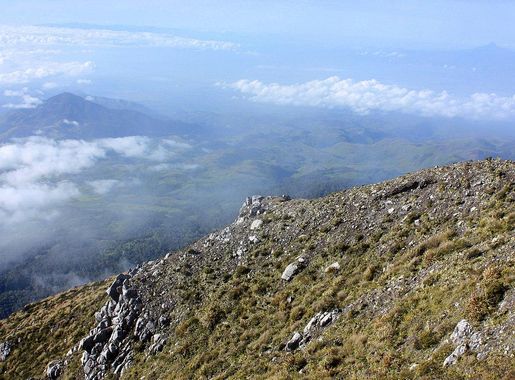
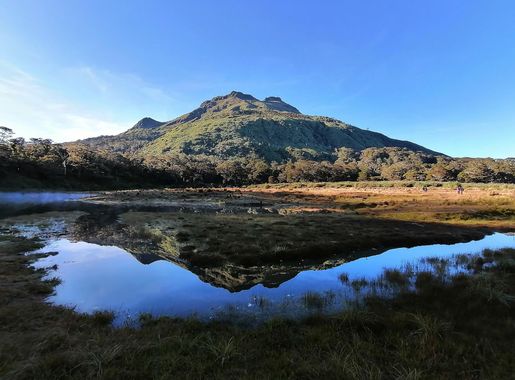
Nestled in the southern part of the Philippines, Soccsksargen is a region rich in natural beauty and cultural diversity. The name Soccsksargen is an acronym that stands for its four provinces: South Cotabato, Cotabato, Sultan Kudarat, and Sarangani, along with the city of General Santos. This region offers a wide array of attractions, from pristine beaches to lush mountains and vibrant cities. Start your journey in General Santos City, also known as the Tuna Capital of the Philippines. Here, you can visit the General Santos Fish Port Complex, where you can witness the bustling fish market and enjoy fresh seafood dishes. For those interested in history and culture, the city has several museums and cultural centers that showcase the rich heritage of the region. Nature enthusiasts will find plenty to explore in Soccsksargen. Head to Lake Sebu in South Cotabato, a picturesque lake surrounded by rolling hills and home to the T'boli people. You can take a boat ride on the lake, visit the Seven Falls, or experience the local culture through traditional T'boli music and crafts. For adventure seekers, the region offers activities such as zip-lining, trekking, and spelunking in its many natural parks and reserves. If you're a beach lover, Sarangani is the place to be. The province boasts stunning white sand beaches and crystal-clear waters perfect for swimming, snorkeling, and diving. Gumasa Beach, often referred to as the Boracay of the South, is a must-visit. Additionally, Sarangani Bay is a haven for marine life, making it a great spot for dolphin and whale watching. Soccsksargen is also known for its vibrant festivals. The T'nalak Festival in South Cotabato celebrates the artistry of the T'boli weavers, while the Tuna Festival in General Santos City showcases the city's fishing industry. These festivals are filled with colorful parades, traditional dances, and local delicacies, providing a unique glimpse into the region's culture and traditions.