

Free Mindanao Travel Guide & Mobile App
Explore Mindanao with free travel guides. Discover regional history, expert tips, proposed trips, and audio guides on web or mobile app.


Explore Mindanao for volcanic landscapes, Pacific islands, indigenous cultures, regional cuisine and lively cities across the southern Philippines.
Read more about Mindanao
When is the best time to visit Mindanao?
Best: February–April · 31–32°C| Month | High (°C) | Rainfall (mm) |
|---|---|---|
| January | 30 | 120 |
| February (best) | 31 | 110 |
| March (best) | 31 | 100 |
| April (best) | 32 | 100 |
| May | 32 | 110 |
| June | 32 | 130 |
| July | 31 | 140 |
| August | 31 | 140 |
| September | 31 | 130 |
| October | 31 | 120 |
| November | 31 | 130 |
| December | 31 | 140 |
Getting to and around Mindanao
How to get there
Transportation
Top city travel guides in Mindanao
The cities of Mindanao, and the easiest places to base yourself.
-

-

-

-

-

-


Swipe for more cities
Destinations in Mindanao
Resorts, valleys and scenic spots worth a trip of their own.
-

-

-

-

-

-


Swipe for more destinations
Best attractions in Mindanao
Mindanao’s attractions are spread across very different landscapes. Davao City provides museums, markets, food culture and access to Mount Apo country, while nearby Samal Island offers beaches, marine activities and coastal resorts. Around Cagayan de Oro, white-water rafting is the signature outdoor pursuit, and the highlands of Bukidnon bring cooler air, farms, waterfalls and broad upland scenery. Camiguin combines volcanic terrain, springs, waterfalls, diving and historic religious sites within a compact island setting. Siargao is known for surfing, but its mangroves, lagoons, rock pools and quieter eastern settlements broaden the appeal beyond the main surf areas. The east coast includes the river landscapes and waterfalls of Surigao del Sur, while the Agusan region offers wetlands and archaeological interpretation. Museums and cultural centres in major cities introduce Mindanao’s indigenous, Islamic, colonial and maritime histories. Hiking, canyoning, diving, rafting and wildlife experiences are available, but many require guides, advance arrangements and sensitivity towards protected areas and local communities.
-
City park
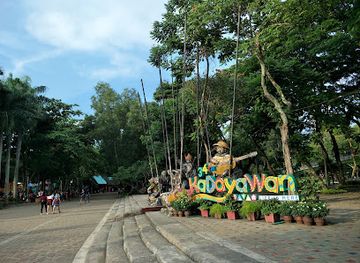
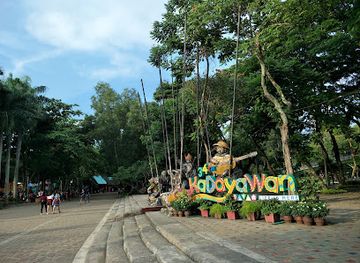
People’s Park Davao
Experience the tranquility and cultural richness of People's Park Davao, a lush urban oasis in the heart of Davao City, perfect for relaxation and exploration.
-
Zoo
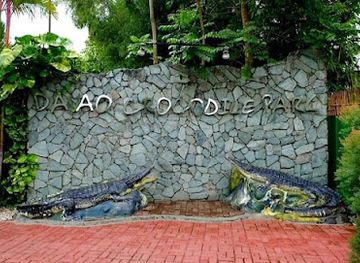
Davao Riverfront Crocodile Park & Zoo
Discover an exciting blend of wildlife and education at Davao Riverfront Crocodile Park & Zoo, a top tourist attraction in Davao City.
-
Park
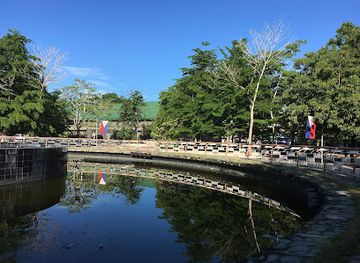
Gaston Park
Discover the tranquility and cultural richness of Gaston Park, a must-visit urban oasis in Cagayan de Oro, where nature meets local tradition.
-
Tourist attraction
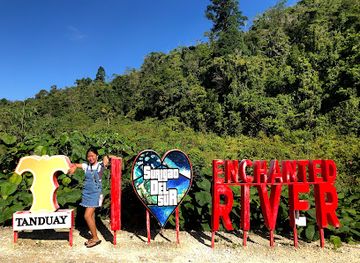
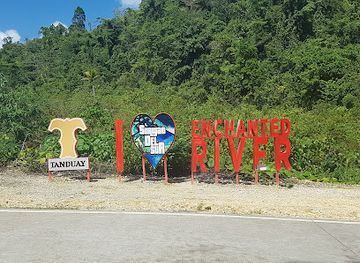
Enchanted River
Experience the breathtaking beauty of the Enchanted River in Hinatuan, Surigao del Sur, a must-see natural wonder in the Philippines.
Best landmarks in Mindanao
Mount Apo is Mindanao’s defining natural landmark, a high volcanic massif whose trails pass through changing vegetation and upland communities. In Davao Gulf, the coastline and island profile of Samal provide a contrasting maritime symbol. Camiguin’s volcanic landscape is marked by Mount Hibok-Hibok, old volcanic cones, hot springs and the Sunken Cemetery, where a cross offshore commemorates a cemetery submerged by volcanic activity and coastal change. Fort Pilar in Zamboanga City is a major surviving Spanish-era defensive and religious landmark, now associated with the city’s historical and cultural institutions. The Agusan basin’s river and wetland environments recall the ancient trading world represented by the Butuan boats. In Marawi and the Lake Lanao area, torogan architecture, okir ornament and Maranao artistic traditions carry deep cultural significance, although access and conditions should be checked locally. Siargao’s Cloud 9 break and surrounding Pacific coastline are contemporary natural landmarks shaped by tides, surf and tourism.
-
City park
People’s Park Davao
Experience the beauty and culture of Davao City at People's Park, a vibrant urban oasis filled with stunning sculptures and lush green landscapes.
-
Tourist attraction
Enchanted River
Explore the stunning beauty of the Enchanted River in Hinatuan, Surigao del Sur, a must-visit natural wonder with crystal-clear waters and lush landscapes.
-
Tourist attraction
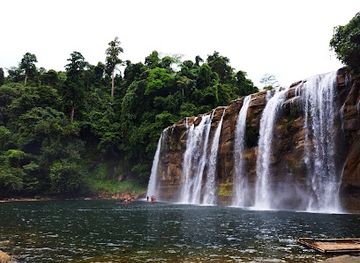
Tinuy-an Falls
Explore the stunning beauty of Tinuy-an Falls, a majestic three-tiered waterfall in Surigao del Sur, perfect for adventure and relaxation.
-
Museum
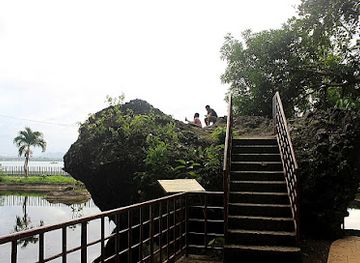
Rizal Park and Shrine Dapitan
Discover the serene beauty and historical significance of Rizal Park and Shrine in Dapitan City, a tribute to the Philippine national hero, Dr. Jose Rizal.
Explore Mindanao on the map
Plan your trip on one map. See where the top cities, national parks and sights are, and book hotels and experiences in a few clicks.
Best hotels in Mindanao
Best restaurants in Mindanao
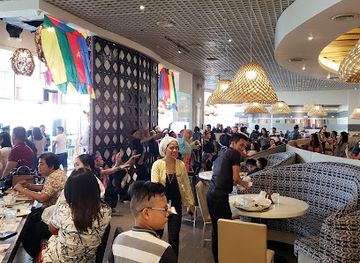
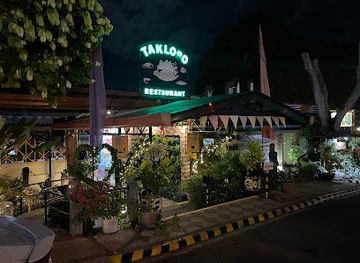
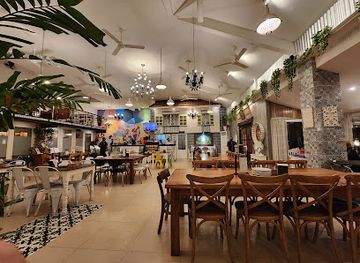
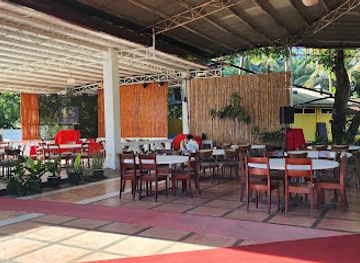
Mindanao’s food reflects its coasts, farms and many cultural traditions. Seafood is central in port cities and island provinces, with kinilaw—fresh fish or shellfish cured in vinegar and citrus—appearing in many regional forms. General Santos is strongly associated with tuna, while Davao’s markets and restaurants make use of durian, pomelo, mangosteen and cacao; Bukidnon and other upland areas supply vegetables, coffee, pineapples and other produce. Maranao cooking contributes dishes such as beef rendang-style preparations and palapa, a pungent condiment made with aromatics and chilli, while other communities bring their own rice dishes, grilled meats and preserved foods. City dining ranges from carinderias and seafood grills to cafés, bakeries, hotel restaurants and contemporary Filipino kitchens. Markets are useful places to sample fruit and snacks, and rural eateries can be simple, generous and highly local. Ask about spice levels and ingredients, particularly when dishes contain shellfish or unfamiliar meats.
-
Restaurant
Vikings Luxury Buffet - SM Lanang
Experience unparalleled dining at Vikings Luxury Buffet - SM Lanang with diverse international cuisine in Davao City.
-
Restaurant
Jack's Ridge
Experience breathtaking views and authentic Filipino cuisine at Jack's Ridge, Davao City's top culinary destination.
-
Filipino
Cucina Higala
Experience the rich flavors of Filipino cuisine at Cucina Higala in Cagayan de Oro - a culinary gem for all food lovers.
-
Family-friendly
Garden Bay Restaurant & Resort
Experience family-friendly dining at Garden Bay Restaurant & Resort in Davao City with stunning views and delicious Filipino cuisine.
Best bars in Mindanao
Evening life in Mindanao is concentrated in the larger cities and coastal resort areas rather than distributed evenly across the island. Davao City has the broadest choice of cocktail bars, cafés, hotel lounges, restaurants, craft-beverage venues and live music, while Cagayan de Oro and General Santos offer busy dining districts, karaoke, pubs and modest club scenes. Zamboanga City combines restaurants, cafés and bars with a distinct urban culture shaped by its maritime and Chavacano heritage. In Siargao, nightlife is more seasonal and informal, centred on bars, music venues and beach-oriented establishments whose schedules can change. Smaller towns generally rely on family restaurants, videoke, local beer and traditional pubs or inns. Drink responsibly, use reliable transport after dark and respect differing local attitudes towards alcohol, particularly in Muslim-majority communities.
-
Bar
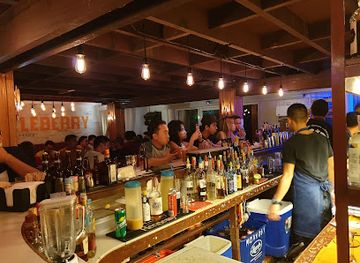
Huckleberry Southern Kitchen & Bar
Discover Huckleberry Southern Kitchen & Bar, where Southern flavors meet Davao's vibrant nightlife, offering a unique dining experience in the heart of the city.
-
Pub
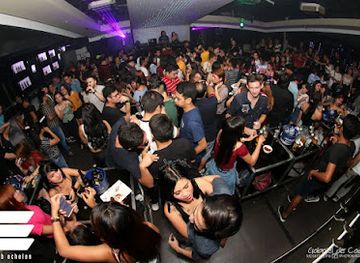
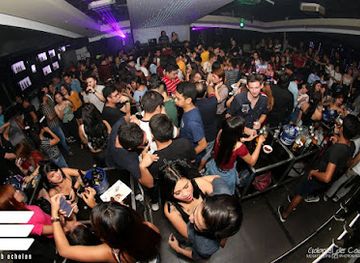
Club Echelon Davao
Discover the pulse of Davao's nightlife at Club Echelon, where great drinks and vibrant atmosphere collide in the heart of the city.
-
Restaurant
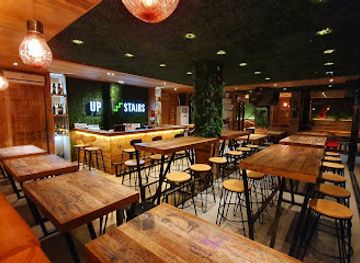
Upstairs Rooftop Bar Kitchen
Experience the ultimate rooftop dining at Upstairs Rooftop Bar Kitchen, where Filipino cuisine meets stunning views in Davao City.
-
Restaurant
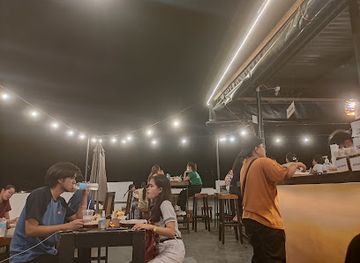
ROOFTOP Café Bar
Experience the breathtaking views and delightful cuisine at Rooftop Café Bar, Davao City's premier rooftop dining destination.
Best nightclubs in Mindanao
Evening life in Mindanao is concentrated in the larger cities and coastal resort areas rather than distributed evenly across the island. Davao City has the broadest choice of cocktail bars, cafés, hotel lounges, restaurants, craft-beverage venues and live music, while Cagayan de Oro and General Santos offer busy dining districts, karaoke, pubs and modest club scenes. Zamboanga City combines restaurants, cafés and bars with a distinct urban culture shaped by its maritime and Chavacano heritage. In Siargao, nightlife is more seasonal and informal, centred on bars, music venues and beach-oriented establishments whose schedules can change. Smaller towns generally rely on family restaurants, videoke, local beer and traditional pubs or inns. Drink responsibly, use reliable transport after dark and respect differing local attitudes towards alcohol, particularly in Muslim-majority communities.
-
Pub
Club Echelon Davao
Discover the ultimate nightlife experience at Club Echelon Davao, where music, drinks, and great company come together for an unforgettable evening.
-
Bar
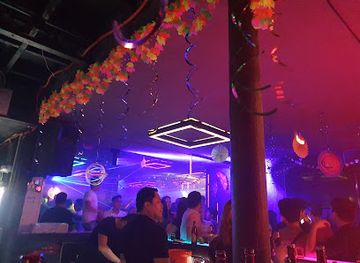
The Grid
Experience the vibrant nightlife of Davao City at The Grid, where amazing DJs and a lively atmosphere await you.
-
Disco club
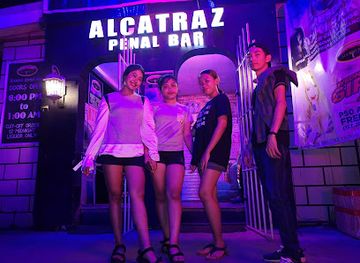
Alcatraz Penal Bar
Discover the vibrant nightlife of Davao City at Alcatraz Penal Bar, where music, dance, and unforgettable experiences await.
-
Lounge
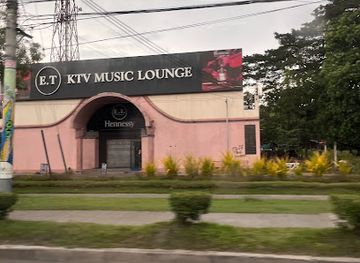
Et Music Lounge & KTV
Discover the vibrant nightlife of Davao City at Et Music Lounge & KTV, where music and fun come together for an unforgettable experience.
Best shops in Mindanao
Shopping in Mindanao ranges from urban malls and department stores to public markets, roadside stalls, specialist food shops and community craft outlets. Davao is a practical centre for Philippine produce, including packaged cacao, coffee, dried fruit, pomelo products and other gifts, while General Santos is notable for seafood markets and tuna-related food products. Markets across the island sell tropical fruit, woven goods, carved items and everyday regional foods, though quality and provenance vary. Maranao brassware, colourful textiles and okir-inspired designs can be found through reputable cultural organisations and established craft sellers; T'boli and Yakan textiles are also important traditions, but visitors should ask about ethical sourcing and whether artisans receive fair payment. Siargao and Camiguin offer small independent shops with island-oriented clothing, crafts and food products rather than extensive retail districts. In rural areas, cash is usually essential, and fragile or culturally significant objects should be packed and transported carefully.
-
Shopping mall
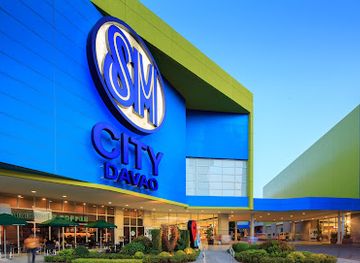
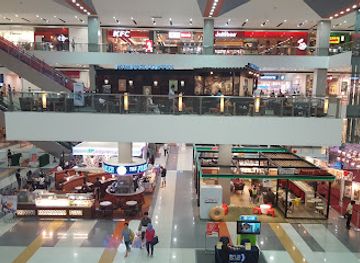
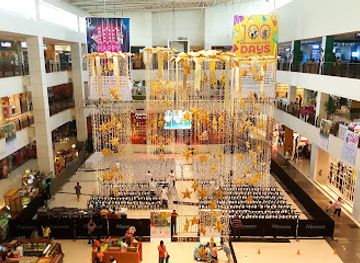
SM City Davao
Discover a world of shopping, dining, and entertainment at SM City Davao, the heart of Davao City's retail scene.
-
Shopping mall
SM Lanang
Discover SM Lanang in Davao City: a vibrant shopping mall filled with diverse shops, delicious dining, and entertainment experiences for all ages.
-
Shopping mall
Gaisano Mall of Davao
Discover shopping, dining, and entertainment at Gaisano Mall of Davao, a vibrant destination in the heart of Davao City.
-
Shopping mall
Ayala Malls Abreeza
Explore Ayala Malls Abreeza: A Shopping Paradise in Davao City, Combining Culture, Cuisine, and Entertainment.
Get your free copy of our complete guide to Mindanao, delivered straight to you.
Everything on this page, from attractions and restaurants to essentials and local phrases, in one PDF you can read offline, print or share.
Already have an account? Sign in
Your Mindanao guide is ready.
We'll send it to · Not you? Sign out

Getting your guide ready…
We are putting together a fresh copy of the Mindanao guide. This can take up to a minute.
This can take a few moments. If your browser asks, choose Allow so the download can start. You'll find the guide in your Downloads folder.
Nothing happened? Download it again
Sorry, the guide is taking longer than usual. Please try again in a minute, or get it by email instead.
Mindanao essentials
Currency and Payment
Safety
Emergency Situations
Do's and Don'ts
Local Tips
From Eve
Local phrases worth knowing
You don't need to get them perfect. A few words go a long way, and locals appreciate the effort.
Basics
| English | Local | Say it |
|---|---|---|
| Hello | Kamusta | [kah-moos-tah] |
| Goodbye | Paalam | [pah-ah-lahm] |
| Yes | Oo | [oh-oh] |
| No | Hindi | [hin-dee] |
| Please/You're welcome | Pakiusap/Walang anuman | [pah-kee-oo-sahp/wah-lang ah-noo-mahn] |
| Thank you | Salamat | [sah-lah-maht] |
| Excuse me/Sorry | Patawad | [pah-tah-wahd] |
| How are you? | Kamusta ka? | [kah-moos-tah kah] |
| Fine. And you? | Ayos lang. Ikaw? | [ah-yohs lahng. ee-kaw] |
| Do you speak English? | Marunong ka bang mag-Ingles? | [mah-roo-nohng kah bahng mag-een-glehs] |
| I don't understand | Hindi ko naiintindihan | [hin-dee koh nah-ee-in-tin-dee-han] |
Eating & Drinking
| English | Local | Say it |
|---|---|---|
| I'd like to see the menu, please | Gusto ko sanang makita ang menu, pakiusap | [goos-toh koh sah-nahng mah-kee-tah ang meh-noo, pah-kee-oo-sahp] |
| I don't eat meat | Hindi ako kumakain ng karne | [hin-dee ah-koh koo-mah-kah-een nang kar-neh] |
| Cheers! | Tagay! | [tah-gah-ee] |
| I would like to pay, please | Gusto ko sanang magbayad, pakiusap | [goos-toh koh sah-nahng mag-bah-yad, pah-kee-oo-sahp] |
Emergencies
| English | Local | Say it |
|---|---|---|
| Help! | Tulong! | [too-long] |
| Go away! | Umalis ka! | [oo-mah-lees kah] |
| Call the Police! | Tawagan ang pulis! | [tah-wah-gahn ang poo-lees] |
| Call a doctor! | Tawagan ang doktor! | [tah-wah-gahn ang dok-tor] |
| I'm lost | Nawala ako | [nah-wah-lah ah-koh] |
| I'm ill | May sakit ako | [mai sah-kit ah-koh] |
Shopping
| English | Local | Say it |
|---|---|---|
| I'd like to buy... | Gusto ko sanang bumili ng... | [goos-toh koh sah-nahng boo-meel-ee nang] |
| I'm just looking | Tumingin lang ako | [too-mee-geen lahng ah-koh] |
| How much is it? | Magkano ito? | [mag-kah-no ee-toh] |
| That's too expensive | Sobrang mahal yan | [soh-brang mah-hahl yahn] |
| Can you lower the price? | Maaari bang ibaba ang presyo? | [mah-ah-ree bahng ee-bah-bah ang preh-syoh] |
Time & Numbers
| English | Local | Say it |
|---|---|---|
| What time is it? | Anong oras na? | [ah-nong oh-rahs nah] |
| It's one o'clock | Isang oras na | [ee-sahng oh-rahs nah] |
| Half past (10) | Kalahating (10) | [kah-lah-hah-ting (10)] |
| Morning | Umaga | [oo-mah-gah] |
| Afternoon | Hapon | [hah-pon] |
| Evening | Gabi | [gah-bee] |
| Yesterday | Kahapon | [kah-hah-pon] |
| Today | Ngayon | [ngah-yohn] |
| Tomorrow | Bukas | [boo-kahs] |
| 1 | Isa | [ee-sah] |
| 2 | Dalawa | [dah-lah-wah] |
| 3 | Tatlo | [taht-loh] |
| 4 | Apat | [ah-paht] |
| 5 | Lima | [lee-mah] |
| 6 | Anim | [ah-neem] |
| 7 | Pito | [pee-toh] |
| 8 | Walo | [wah-loh] |
| 9 | Siyam | [see-yahm] |
| 10 | Sampu | [sahm-poo] |
Transport & Directions
| English | Local | Say it |
|---|---|---|
| Where's a/the...? | Nasaan ang...? | [nah-sah-ahn ang] |
| What's the address? | Ano ang address? | [ah-no ang ah-dres] |
| Can you show me (on the map)? | Maaari mo ba akong ipakita (sa mapa)? | [mah-ah-ree moh bah ah-kohng ee-pah-kee-tah (sah mah-pah)] |
| When's the next (bus)? | Kailan ang susunod na (bus)? | [kai-lahn ang soo-soo-nohd nah (bus)] |
| A ticket (to ....) | Isang tiket (papuntang ...) | [ee-sahng tee-ket (pah-pun-tahng ...)] |
History of Mindanao
Early Maritime Societies and Trade
Long before Spanish rule, Mindanao was connected to trading networks across the Malay world. Archaeological evidence from the Agusan basin, Butuan and other sites points to communities engaged in riverine commerce, metalworking and long-distance exchange. The discovery of the Butuan boats, some of the oldest known watercraft in Southeast Asia, demonstrates sophisticated boatbuilding and maritime connections. Diverse societies developed around coasts, rivers and upland environments, with no single political authority controlling the whole island. These early networks helped shape the region’s continuing links with Borneo, the Moluccas and other parts of maritime Southeast Asia.
Sultanates and Islamic Mindanao
Islam reached parts of Mindanao through maritime trade and religious networks before the arrival of the Spanish. The Sulu Sultanate became a major power in the southwest, while the Maguindanao Sultanate influenced the central river valleys and surrounding areas. Other Muslim polities and communities developed their own political and cultural traditions, including Islamic scholarship, textile production, metalwork and distinctive forms of governance. The legacy remains visible in Maranao, Maguindanao, Tausug, Sama and other communities, as well as in the architecture, arts and social institutions of the Bangsamoro region.
Spanish Expansion and Frontier Conflict
Spanish authorities established coastal settlements and military outposts in Mindanao from the sixteenth century onwards, but their control remained uneven. Zamboanga became an important base, and Spanish influence extended through missions, forts and administrative centres in selected areas. Relations with Muslim sultanates and inland peoples combined diplomacy, trade and prolonged conflict. The fortified settlement at Zamboanga, later associated with Fort Pilar, reflects this contested frontier history. Spanish rule also introduced Catholic institutions and new forms of land administration, while leaving many southern polities outside effective colonial control.
American Rule, Land Settlement and Infrastructure
After the Spanish-American War, the United States expanded administrative control and infrastructure across Mindanao. Roads, schools, plantations and new government centres altered older patterns of movement and landholding. Large-scale migration from the Visayas and Luzon was encouraged during the American period and continued under the Philippine Commonwealth and post-war governments. Commercial agriculture, especially abaca, coconut, timber and later banana production, became increasingly important. These changes stimulated economic growth but also produced disputes over land, ancestral domains and political representation that continued into the modern period.
War in the Pacific and Post-war Reconstruction
Mindanao was drawn deeply into the Second World War. Japanese occupation, guerrilla resistance and the campaigns of returning Allied forces affected cities, ports, farms and rural communities. The Battle of Davao and fighting elsewhere in the southern Philippines caused major disruption, while local resistance networks played an important role in opposing occupation. After 1945, reconstruction, migration and agricultural expansion reshaped the island. Cities including Davao, Cagayan de Oro, Zamboanga and General Santos grew as administrative and commercial centres, linking expanding rural economies with national markets.
Conflict, Autonomy and the Bangsamoro Peace Process
From the late twentieth century, armed conflict in parts of Muslim Mindanao reflected disputes over political power, land, identity and the legacy of unequal development. The Autonomous Region in Muslim Mindanao was created in 1989, followed by further negotiations between the Philippine government and Moro organisations. The Bangsamoro Autonomous Region in Muslim Mindanao was established in 2019 under the Bangsamoro Organic Law, replacing the earlier arrangement. The transition towards devolved governance remains ongoing, but the process has created new institutions and a framework for peace-building, development and recognition of Moro self-determination.
Agriculture, Cities and the Contemporary Economy
Mindanao’s modern economy combines plantation agriculture, fisheries, food processing, mining, logistics, tourism and expanding services. Davao is a major centre for fruit, cacao and regional commerce; General Santos is strongly associated with tuna and fisheries; Bukidnon supplies agricultural produce; and Northern Mindanao has developed manufacturing and agro-industrial activity. Tourism has grown around Siargao, Camiguin, Mount Apo, river adventures and coastal destinations, bringing investment as well as debates about waste, water, land use and community benefit. Contemporary Mindanao is therefore shaped by both economic expansion and efforts to protect cultural and environmental assets.
Mindanao in Photos
Browse through our photo collection highlighting the charm and character of the destination.
Neighbouring regions of Mindanao
The closest regions to Mindanao, if you have time for more than one.
-

-

-

-

-


Swipe for more regions
Explore more
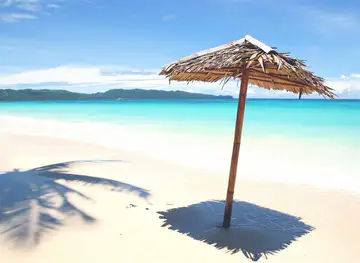
Explore more of Philippines
Discover the Philippines: A tropical paradise of islands, rich history, and warm hospitality, perfect for adventurers and relaxation seekers alike.
Explore Philippines