

Free Zamboanga Peninsula Travel Guide & Mobile App
Explore Zamboanga Peninsula with free travel guides. Discover regional history, expert tips, proposed trips, and audio guides on web or mobile app.


Explore Zamboanga Peninsula for Chavacano culture, historic Dapitan, island beaches, seafood and forested landscapes across southwestern Mindanao.
Read more about Zamboanga Peninsula
When is the best time to visit Zamboanga Peninsula?
Best: February–March, December · 30–31°C| Month | High (°C) | Rainfall (mm) |
|---|---|---|
| January | 30 | 50 |
| February (best) | 30 | 40 |
| March (best) | 31 | 40 |
| April | 31 | 50 |
| May | 31 | 60 |
| June | 31 | 70 |
| July | 31 | 80 |
| August | 31 | 80 |
| September | 31 | 70 |
| October | 31 | 60 |
| November | 30 | 50 |
| December (best) | 30 | 40 |
Getting to and around Zamboanga Peninsula
How to get there
Transportation
Destinations in Zamboanga Peninsula
Resorts, valleys and scenic spots worth a trip of their own.

Swipe for more destinations
Best attractions in Zamboanga Peninsula
Zamboanga Peninsula's attractions range from maritime heritage and historic towns to beaches, islands, waterfalls and upland landscapes. In Zamboanga City, Fort Pilar and the adjacent museum introduce the city's Spanish-era history, while Great Santa Cruz Island offers a carefully managed marine excursion known for its pink-tinged beach and shallow coastal waters. Dapitan's Rizal Shrine is the region's most important heritage complex, preserving the setting of José Rizal's exile and work. Dipolog combines a seafront boulevard with access to northern provincial journeys, while Pagadian provides an urban base in the hilly south. Beyond the cities, Zamboanga del Norte has coastal and island scenery, Zamboanga del Sur includes lake, forest and waterfall country around places such as Lakewood and Merloquet Falls, and Zamboanga Sibugay offers riverine, mangrove and agricultural landscapes. Outdoor activities should be planned with local operators because roads, trails, boat arrangements, weather and conservation rules vary considerably.
-
Tourist attraction
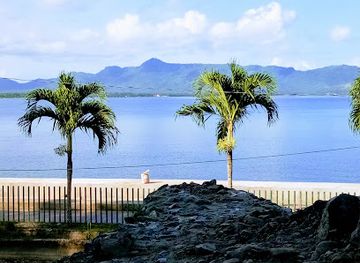
Paseo del Mar
Experience the beauty and culture of Paseo del Mar, Zamboanga's urban oasis with stunning views, lush greenery, and enriching local experiences.
-
 Resort hotel
Dakak Park and Beach Resort
Experience the ultimate tropical getaway at Dakak Park and Beach Resort, where stunning beaches meet luxurious accommodations in Zamboanga del Norte.
-
Amusement park
Glorious Fantasyland
Discover the enchanting world of Glorious Fantasyland, a premier amusement park in Dapitan City, where adventure and magic await every visitor.
-
Tourist attraction
Walkway Dipolog Boulevard
Experience the breathtaking views and vibrant atmosphere at Walkway Dipolog Boulevard, a must-visit destination for relaxation and local culture.
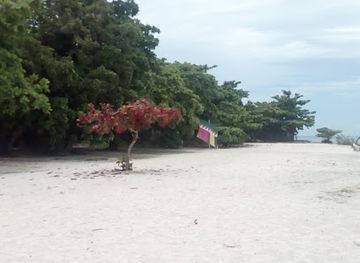
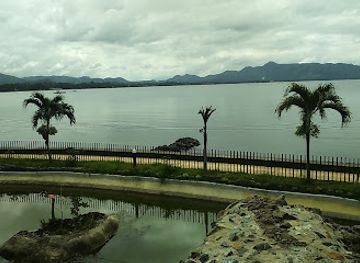
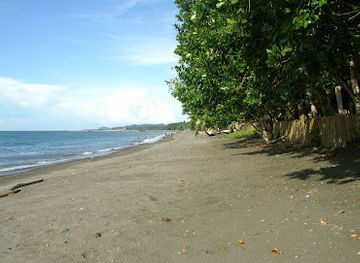
Best landmarks in Zamboanga Peninsula
Fort Pilar in Zamboanga City is the peninsula's most recognisable historic landmark. Built as the Real Fuerza de San José during the Spanish period and later associated with devotion to Our Lady of the Pillar, its surviving walls and waterfront setting express the city's role as a fortified maritime outpost. The Rizal Shrine at Talisay, Dapitan, is a different kind of landmark: its gardens, reconstructed buildings and rural setting commemorate José Rizal's exile and the productive community he established there. In Dipolog, the long Boulevard is a prominent civic and coastal feature, lined with public spaces and views across the water. Pagadian's steep streets and unusual hillside urban form provide a distinctive visual identity, while the region's natural landmarks include the pinkish shore of Great Santa Cruz Island, the layered cascades of Merloquet Falls and the forested uplands around Lakewood. These places are significant not only for scenery but also for the relationship between settlement, water, trade and the peninsula's varied environments.
-
Tourist attraction
Paseo del Mar
Discover the scenic Paseo del Mar in Zamboanga, a vibrant park and cultural hotspot beside Fort Pilar, perfect for relaxation and local cuisine.
-
Amusement park
Glorious Fantasyland
Discover the magic of Glorious Fantasyland, a premier amusement park in Dapitan City, offering thrilling rides, vibrant attractions, and unforgettable family experiences.
-
Museum
Rizal Park and Shrine Dapitan
Explore the tranquil Rizal Park and Shrine Dapitan, a historical site that celebrates Filipino heritage amidst natural beauty and cultural diversity.
-
Landmark
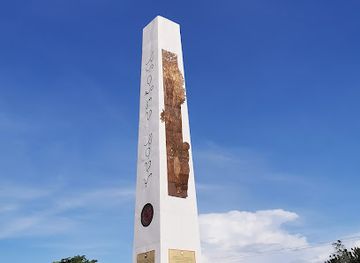
Ipil Rotunda Obelisk
Discover the rich heritage of Zamboanga Sibugay at the iconic Ipil Rotunda Obelisk, a landmark that embodies local culture and history.

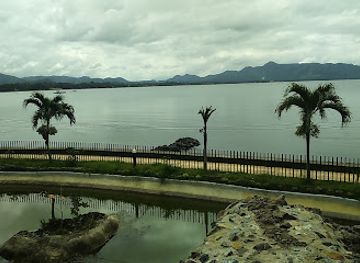
Explore Zamboanga Peninsula on the map
Plan your trip on one map. See where the top cities, national parks and sights are, and book hotels and experiences in a few clicks.
Best hotels in Zamboanga Peninsula
Best restaurants in Zamboanga Peninsula
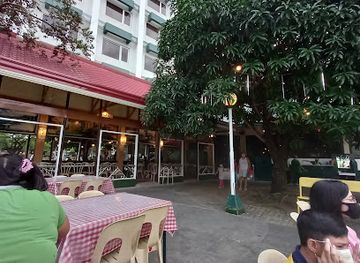
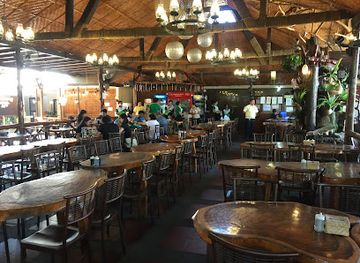
Dining across Zamboanga Peninsula reflects its coastal geography and layered cultural history. Zamboanga City is particularly associated with curacha, the large spanner crab often served with a rich sauce, as well as grilled seafood, shellfish and fish bought through local markets. Satti—small grilled portions accompanied by a spicy, richly coloured sauce—is a notable city speciality with connections to the culinary traditions of southern Mindanao. Restaurants and roadside eateries also serve Filipino staples, rice meals, noodle dishes and tropical fruit, while Dapitan, Dipolog and Pagadian offer seafood restaurants, bakeries, cafés and family-run establishments. Rural markets provide coconut, bananas, mangoes and other seasonal produce, though availability varies by province and weather. In smaller towns, menus can be simpler and opening times less predictable, so early meals and cash are sensible. Food is an important point of contact with the region's diverse communities, but recipes and terminology may differ between households and localities.
-
Restaurant
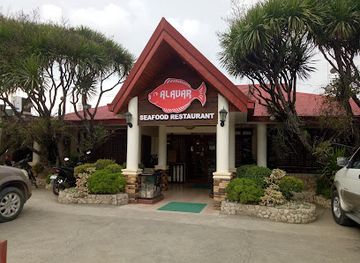
Alavar Seafood Restaurant
Discover fresh seafood delights at Alavar Seafood Restaurant in Zamboanga - where local flavors meet exceptional dining experiences.
-
Family-friendly
Jimmy's Satti Haus
Savor authentic Filipino flavors at Jimmy's Satti Haus - the ultimate family-friendly dining experience in Zamboanga.
-
Restaurant
Village Family Restaurant Zamboanga
Experience Filipino hospitality at Village Family Restaurant Zamboanga - where delicious food meets family-friendly ambiance.
-
Restaurant
Mano-Mano na Greenfields
Discover authentic Filipino flavors at Mano-Mano na Greenfields, a culinary gem in Zamboanga offering delightful dishes in a warm atmosphere.
Best bars in Zamboanga Peninsula
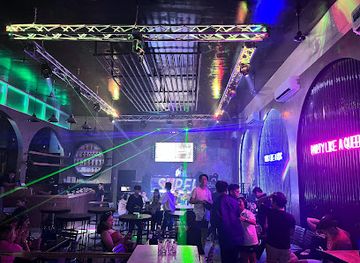
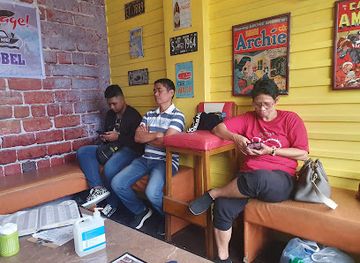
Nightlife is most developed in Zamboanga City, where evening options include casual cafés, karaoke venues, restaurants, hotel lounges, live-music settings and bars serving local beer and mixed drinks. The city also has a strong after-dark food culture, with busy eateries and street-side dining rather than a single concentrated club district. Dipolog and Pagadian offer smaller selections of pubs, karaoke rooms, cafés and restaurants, while Dapitan's evenings are generally quieter and oriented towards dining, promenades and relaxed socialising. In provincial and rural areas, traditional neighbourhood bars and family-run eateries are more common than nightclubs, and entertainment may finish earlier. Venue availability and operating arrangements can change, so local accommodation staff are better placed to confirm current options. Visitors should drink responsibly, use arranged transport after dark and respect the different customs of urban, coastal and Muslim communities.
-
Bar
The Bureau Superclub
Experience the vibrant nightlife of Zamboanga at The Bureau Superclub, where great drinks and lively music create unforgettable memories.
-
Karaoke bar
Retro Jam
Experience the vibrant nightlife of Zamboanga at Retro Jam, the ultimate karaoke bar where fun, food, and music collide.
-
Grill
Kamayan
Discover the rich flavors of Zamboanga at Kamayan, where every meal is a vibrant celebration of Filipino grilled cuisine.
-
Bar
Hype
Discover the vibrant nightlife at Hype Bar in Zamboanga, a perfect blend of local charm and lively atmosphere for an unforgettable experience.
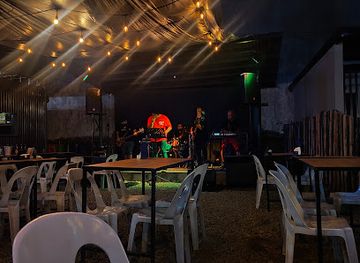

Best nightclubs in Zamboanga Peninsula
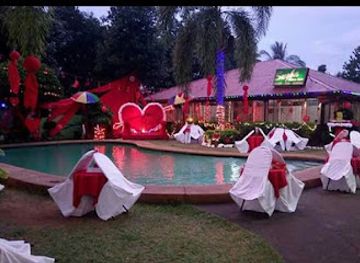
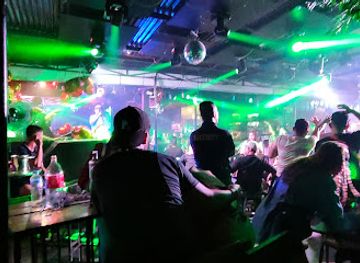
Nightlife is most developed in Zamboanga City, where evening options include casual cafés, karaoke venues, restaurants, hotel lounges, live-music settings and bars serving local beer and mixed drinks. The city also has a strong after-dark food culture, with busy eateries and street-side dining rather than a single concentrated club district. Dipolog and Pagadian offer smaller selections of pubs, karaoke rooms, cafés and restaurants, while Dapitan's evenings are generally quieter and oriented towards dining, promenades and relaxed socialising. In provincial and rural areas, traditional neighbourhood bars and family-run eateries are more common than nightclubs, and entertainment may finish earlier. Venue availability and operating arrangements can change, so local accommodation staff are better placed to confirm current options. Visitors should drink responsibly, use arranged transport after dark and respect the different customs of urban, coastal and Muslim communities.
-
Bar
The Bureau Superclub
Dive into the vibrant nightlife of Zamboanga at The Bureau Superclub, where music, dance, and fun come alive.
-
Bar
Underground Disco
Discover the electrifying nightlife at Underground Disco, a premier bar and live music venue in Ipil, Zamboanga Sibugay, where the dance floor awaits.
-
Karaoke bar
Retro Jam
Experience the vibrant nightlife at Retro Jam, Zamboanga's top karaoke bar where fun and music come together for an unforgettable night out.
-
Bar
La Quatro
Discover the vibrant nightlife at La Quatro, a local bar in Zamboanga perfect for socializing and enjoying delightful drinks.


Best shops in Zamboanga Peninsula
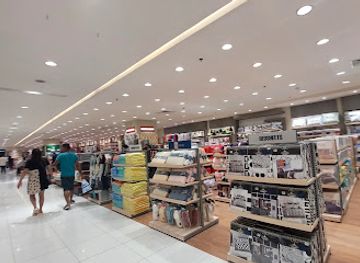
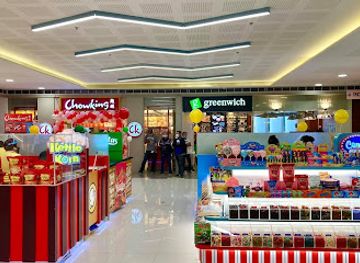
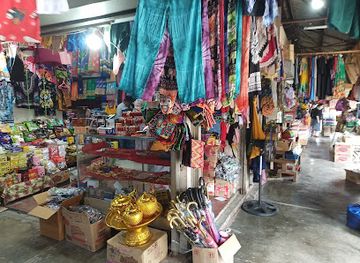
Shopping in Zamboanga Peninsula is centred on public markets, city high streets, small malls and independent shops rather than large luxury retail districts. Zamboanga City is the best place to browse regional food products, woven items, modest handicrafts and gifts associated with the city's Chavacano and wider southwestern Mindanao culture; buy directly from reputable sellers and ask about the origin of handmade goods. Dipolog and Dapitan have practical town-centre shopping, bakeries, cafés and stalls selling local produce, while Pagadian serves as an important commercial centre for Zamboanga del Sur. Fresh seafood, dried fish, coconut products, tropical fruit, snacks and bottled regional specialities make useful food souvenirs, subject to safe packing and airline rules. Markets are strongest early in the day, and small vendors may accept only cash. When purchasing textiles, shell items or wildlife-related products, avoid anything made from protected species or collected from marine habitats.
-
Shopping mall
KCC Mall De Zamboanga
Experience the vibrant shopping, dining, and entertainment scene at KCC Mall De Zamboanga, a top destination for tourists in the heart of Zamboanga.
-
Shopping mall
SM City Mindpro
Experience shopping, dining, and entertainment at SM City Mindpro, the premier shopping destination in Zamboanga.
-
Home goods store
Canelar Barter Trade
Discover Zamboanga's vibrant Canelar Barter Trade, a unique marketplace for local crafts and cultural treasures.
-
Shopping mall
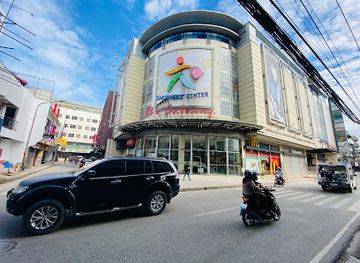
The Gateway Shoppers' Center
Explore a vibrant shopping experience at The Gateway Shoppers' Center, where local culture meets modern retail in Zamboanga.
Get your free copy of our complete guide to Zamboanga Peninsula, delivered straight to you.
Everything on this page, from attractions and restaurants to essentials and local phrases, in one PDF you can read offline, print or share.
Already have an account? Sign in
Your Zamboanga Peninsula guide is ready.
We'll send it to · Not you? Sign out

Getting your guide ready…
We are putting together a fresh copy of the Zamboanga Peninsula guide. This can take up to a minute.
This can take a few moments. If your browser asks, choose Allow so the download can start. You'll find the guide in your Downloads folder.
Nothing happened? Download it again
Sorry, the guide is taking longer than usual. Please try again in a minute, or get it by email instead.
Zamboanga Peninsula essentials
Currency and Payment
Safety
Emergency Situations
Do's and Don'ts
Local Tips
From Eve
Local phrases worth knowing
You don't need to get them perfect. A few words go a long way, and locals appreciate the effort.
Basics
| English | Local | Say it |
|---|---|---|
| Hello | Hola | [O-la] |
| Goodbye | Adios | [A-dee-os] |
| Yes | Si | [See] |
| No | No | [No] |
| Please/You're welcome | Por favor/De nada | [Por fa-vor/De na-da] |
| Thank you | Gracias | [Gra-si-as] |
| Excuse me/Sorry | Disculpa/Lo siento | [Dis-cul-pa/Lo sien-to] |
| How are you? | Como esta? | [Co-mo es-ta?] |
| Fine. And you? | Bien. Y tu? | [Bee-en. Ee tu?] |
| Do you speak English? | Habla Ingles? | [Hab-la In-gles?] |
| I don't understand | No entiendo | [No en-tien-do] |
Eating & Drinking
| English | Local | Say it |
|---|---|---|
| I'd like to see the menu, please | Quiero ver el menu, por favor | [Kee-ro ver el me-nu, por fa-vor] |
| I don't eat meat | No como carne | [No co-mo car-ne] |
| Cheers! | Salud! | [Sa-lud] |
| I would like to pay, please | Quiero pagar, por favor | [Kee-ro pa-gar, por fa-vor] |
Emergencies
| English | Local | Say it |
|---|---|---|
| Help! | Ayuda! | [A-yu-da] |
| Go away! | Vete! | [Ve-te] |
| Call the Police! | Llama a la policia! | [Ya-ma a la po-li-ci-a] |
| Call a doctor! | Llama a un doctor! | [Ya-ma a un doc-tor] |
| I'm lost | Estoy perdido | [Es-toy per-di-do] |
| I'm ill | Estoy enfermo | [Es-toy en-fer-mo] |
Shopping
| English | Local | Say it |
|---|---|---|
| I'd like to buy... | Quiero comprar... | [Kee-ro com-prar] |
| I'm just looking | Solo estoy mirando | [So-lo es-toy mi-ran-do] |
| How much is it? | Cuanto cuesta? | [Quan-to cues-ta?] |
| That's too expensive | Eso es muy caro | [E-so es muy ca-ro] |
| Can you lower the price? | Puede bajar el precio? | [Pwe-de ba-har el pre-cio?] |
Time & Numbers
| English | Local | Say it |
|---|---|---|
| What time is it? | Que hora es? | [Ke o-ra es?] |
| It's one o'clock | Es la una | [Es la u-na] |
| Half past (10) | Y media (10) | [Ee me-dia (10)] |
| Morning | Mañana | [Ma-nya-na] |
| Afternoon | Tarde | [Tar-de] |
| Evening | Noche | [No-che] |
| Yesterday | Ayer | [A-yer] |
| Today | Hoy | [Hoy] |
| Tomorrow | Mañana | [Ma-nya-na] |
| 1 | Uno | [U-no] |
| 2 | Dos | [Dos] |
| 3 | Tres | [Tres] |
| 4 | Cuatro | [Cua-tro] |
| 5 | Cinco | [Cin-co] |
| 6 | Seis | [Seis] |
| 7 | Siete | [Sie-te] |
| 8 | Ocho | [O-cho] |
| 9 | Nueve | [Nue-ve] |
| 10 | Diez | [Diez] |
Transport & Directions
| English | Local | Say it |
|---|---|---|
| Where's a/the...? | Donde esta el...? | [Don-de es-ta el...?] |
| What's the address? | Cual es la direccion? | [Cual es la di-rec-cion?] |
| Can you show me (on the map)? | Puedes mostrarme (en el mapa)? | [Pwe-des mos-trar-me (en el ma-pa)?] |
| When's the next (bus)? | Cuando es el proximo (bus)? | [Quan-do es el pro-xi-mo (bus)?] |
| A ticket (to ....) | Un boleto (a ....) | [Un bo-le-to (a ....)] |
History of Zamboanga Peninsula
Subanen and Earlier Maritime Communities
Long before the modern provinces existed, the peninsula was inhabited by Subanen communities in the river valleys and uplands, alongside maritime peoples living along its coasts and islands. Subanen society developed around agriculture, forest resources, river catchments and local trade, while Sama, Tausug and related seafaring communities connected the western coast to the wider Sulu and Mindanao world. Archaeological evidence and living traditions point to centuries of movement, exchange and adaptation rather than a single, uniform regional culture.
Spanish Fortification at Zamboanga
Spanish authorities established a permanent military presence at Zamboanga in the seventeenth century, constructing the fortress of Real Fuerza de San José in 1635 at the site now associated with Fort Pilar. The outpost formed part of Spain's attempts to defend its settlements and project power towards the Sulu zone. Soldiers, missionaries, traders and local communities shaped the developing town, while the contact between Spanish and regional languages eventually contributed to the growth of Chavacano in Zamboanga.
Dapitan and José Rizal's Exile, 1892–1896
National hero José Rizal was sent to exile in Dapitan in 1892 after the Spanish colonial authorities regarded his reformist writings and political influence as threatening. During almost four years in the town, he practised medicine, taught pupils, undertook scientific and agricultural projects and developed a rural estate at Talisay. The Rizal Shrine preserves elements of this landscape and presents Dapitan as a place of intellectual, educational and practical work rather than merely a site of punishment.
The American Period and New Administrative Connections
After Spanish rule ended, the American colonial administration reorganised local government, expanded public education and developed roads and other infrastructure across Mindanao. Zamboanga became an important administrative and commercial centre, while new links encouraged migration, plantation agriculture and market activity in parts of the peninsula. These changes altered landholding and settlement patterns and brought the region more closely into the political and economic systems of the Philippine state.
War in the Peninsula, 1941–1945
The Japanese occupation and the liberation campaign of the Second World War affected towns, ports and transport routes throughout the peninsula. Zamboanga City was a significant military objective because of its harbour and strategic position near the Sulu Sea. Local civilians, resistance groups and Allied forces all played roles in the wartime experience, while the destruction and population displacement of the period left a lasting mark on the region's communities and urban landscapes.
Post-war Agriculture, Trade and Regional Formation
In the post-war decades, roads, ports and agricultural expansion helped connect the peninsula's towns with markets elsewhere in Mindanao and the Philippines. Coconut, rubber, rice, corn, fisheries and fruit production became important to different local economies, although development was uneven and forest and coastal resources faced pressure. The modern administrative Region IX was established in 1979, formalising a regional framework around the provinces and urban centres that now identify Zamboanga Peninsula.
Contemporary Cultural and Urban Identity
Today the region's identity is shaped by several overlapping histories: Subanen land and cultural traditions, Spanish and Chavacano heritage, Muslim communities linked to the Sulu and western Mindanao world, and Christian migration from other parts of the Philippines. Zamboanga City remains a major urban and maritime hub, while Dapitan, Dipolog, Pagadian and smaller towns have developed distinct civic and commercial roles. Tourism increasingly presents heritage, food, marine environments and rural landscapes together, but these should be approached with respect for local communities and changing conditions.
Zamboanga Peninsula in Photos
Browse through our photo collection highlighting the charm and character of the destination.
Neighbouring regions of Zamboanga Peninsula
The closest regions to Zamboanga Peninsula, if you have time for more than one.
-

-

-

-

-


Swipe for more regions
Explore more
Explore more of Philippines
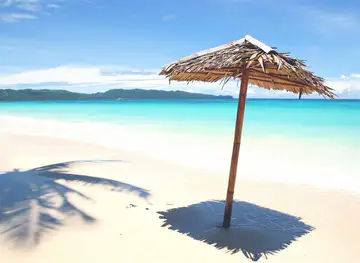
Discover the Philippines: A tropical paradise of islands, rich history, and warm hospitality, perfect for adventurers and relaxation seekers alike.
Explore Philippines