

Free Northern Mindanao Travel Guide & Mobile App
Explore Northern Mindanao with free travel guides. Discover regional history, expert tips, proposed trips, and audio guides on web or mobile app.


Discover Northern Mindanao: A perfect blend of natural beauty, adventure, and rich cultural heritage in the heart of the Philippines.
Read more about Northern Mindanao
When is the best time to visit Northern Mindanao?
Best: February–April · 30–31°C| Month | High (°C) | Rainfall (mm) |
|---|---|---|
| January | 30 | 120 |
| February (best) | 30 | 100 |
| March (best) | 31 | 90 |
| April (best) | 31 | 80 |
| May | 32 | 90 |
| June | 31 | 120 |
| July | 31 | 130 |
| August | 31 | 140 |
| September | 31 | 130 |
| October | 31 | 120 |
| November | 30 | 110 |
| December | 30 | 120 |
Getting to and around Northern Mindanao
How to get there
Transportation
Top city travel guides in Northern Mindanao
The cities of Northern Mindanao, and the easiest places to base yourself.
-

-


Swipe for more cities
Best attractions in Northern Mindanao
Northern Mindanao in the Philippines is a treasure trove of natural beauty and cultural heritage, where visitors can explore the majestic Maria Cristina Falls, often dubbed the 'Twin Falls' for its stunning split cascade, and marvel at the serene beauty of Lake Apo, a crater lake surrounded by lush greenery. Adventure-seekers will relish the thrill of white-water rafting in the Cagayan de Oro River, while history buffs can delve into the region's past at the Macahambus Hill Cave and Gorge, a site of historic battles. The enchanting Enchanted River in Hinatuan, with its crystal-clear, blue waters, offers a mystical swimming experience, and the charming island of Camiguin, known for its hot springs and volcanoes, provides a perfect retreat with its untouched beaches and rich biodiversity. Northern Mindanao promises a diverse array of experiences, from adrenaline-pumping adventures to tranquil nature escapes, making it a captivating destination for all kinds of travelers.
-
Amusement park
Dahilayan Adventure Park
Discover the thrill of adventure amidst the lush landscapes of Dahilayan Adventure Park, an amusement park and resort hotel in Bukidnon, Philippines.
-
Water park
Seven Seas Waterpark and Resort
Dive into adventure at Seven Seas Waterpark and Resort, where thrilling rides and tropical relaxation await in Misamis Oriental.
-
Park
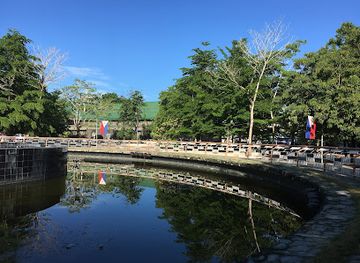
Gaston Park
Explore the tranquil beauty of Gaston Park in Cagayan de Oro, a lush green haven perfect for relaxation, picnics, and cultural immersion.
-
Park
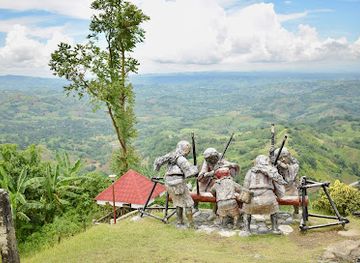
The Overview Park
Explore the natural beauty of Bukidnon at The Overview Park, a serene destination for nature lovers and adventure seekers alike, offering stunning views and peaceful trails.


Best landmarks in Northern Mindanao
Northern Mindanao offers an awe-inspiring medley of natural wonders and historical treasures that captivate every traveler's soul. Marvel at the grandeur of Maria Cristina Falls in Iligan City, also known as the 'twin falls' due to its split cascade, and immerse yourself in the lush serenity of Tinago Falls' hidden paradise. Discover the mystical charm of Camiguin Island, home to the Sunken Cemetery, a hauntingly beautiful relic of volcanic eruptions, and the stoic grandeur of the Old Guiob Church Ruins. Step into history with a visit to the MacArthur Memorial Marker, commemorating the World War II hero's return, and explore the Malasag Eco-Tourism Village for an authentic cultural immersion. For the adventurous, ascend the peaks of Mount Kitanglad and be rewarded with breathtaking panoramic views, or venture into the Enchanted River in Hinatuan, where crystal-clear waters mystify with their vibrant hues. Each landmark in Northern Mindanao invites you to a journey through time, nature, and cultural heritage, offering unforgettable experiences at every turn.
-
City park
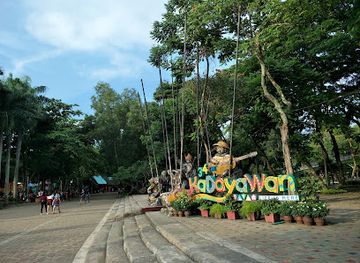
People’s Park Davao
Experience the beauty and culture of Davao City at People's Park, a vibrant urban oasis filled with art and nature.
-
Amusement park
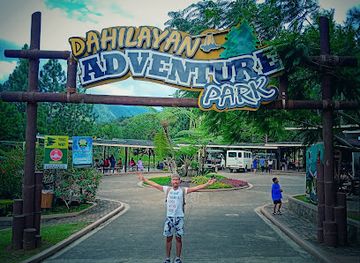
Dahilayan Adventure Park
Experience the thrill of adventure amidst the stunning landscapes of Bukidnon at Dahilayan Adventure Park, the ultimate amusement destination for families and adventure seekers alike.
-
Island
Mindanao
Experience the breathtaking landscapes, rich culture, and warm hospitality of Mindanao, a tropical paradise in the Philippines waiting to be explored.
-
Water park
Seven Seas Waterpark and Resort
Experience the ultimate aquatic adventure at Seven Seas Waterpark and Resort in Misamis Oriental, where fun and relaxation meet.
Explore Northern Mindanao on the map
Plan your trip on one map. See where the top cities, national parks and sights are, and book hotels and experiences in a few clicks.
Best hotels in Northern Mindanao
Best restaurants in Northern Mindanao
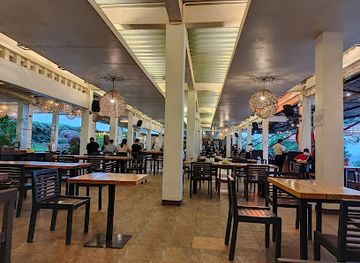
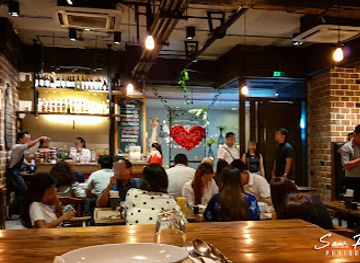
Northern Mindanao offers a culinary adventure that's a feast for the senses, blending the rich flavors of traditional Filipino cuisine with a dash of exotic influences. Visitors can savor the freshest seafood, directly sourced from the abundant local waters, in bustling coastal eateries. The region’s diverse culture is reflected in its food, with vibrant markets brimming with tropical fruits, indigenous delicacies like sinuglaw (a tantalizing mix of grilled pork and ceviche), and sweet treats such as pastel filled with yema. The farm-to-table dining experience is unparalleled, with many restaurants offering organic vegetables and herbs grown in the lush highlands. For the more adventurous palate, local street food stalls serve up crispy balut (fertilized duck egg) and tender lechon (roast pig), making every meal in Northern Mindanao an unforgettable gastronomic journey.
-
Filipino
Cucina Higala
Discover authentic Filipino flavors at Cucina Higala in Cagayan de Oro - where every meal tells a story.
-
Restaurant
High Ridge
Discover culinary delights and stunning vistas at High Ridge in Cagayan de Oro—an unforgettable dining destination.
-
Asian Fusion
Circa 1850
Discover the vibrant flavors of Asian fusion at Circa 1850 in Cagayan de Oro—where every dish tells a story.
-
Restaurant
Del Monte Clubhouse
Discover authentic Filipino cuisine at Del Monte Clubhouse while enjoying breathtaking views in Bukidnon's picturesque landscape.

Best bars in Northern Mindanao
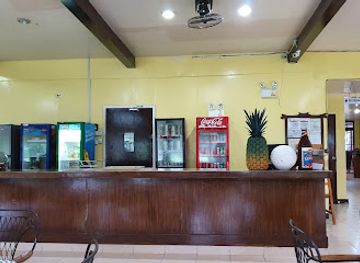
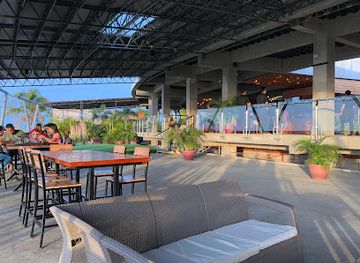
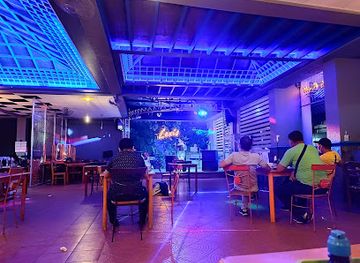
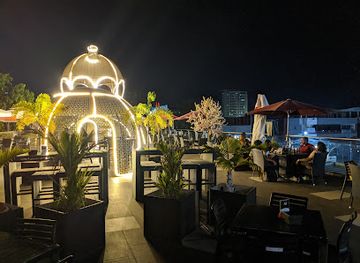
Northern Mindanao offers an eclectic nightlife scene that caters to a wide array of tastes and preferences. In bustling cities like Cagayan de Oro, you’ll find a mix of vibrant nightclubs where DJs spin international hits, cozy bars featuring live acoustic music, and chic lounges with craft cocktails. For a more laid-back evening, head to the coastal towns such as Gingoog or Iligan, where beachfront bars serve fresh seafood and local brews against the backdrop of stunning ocean views. Night markets, like the one in Divisoria, come alive after dusk, offering a unique blend of street food, local crafts, and entertainment. Whether you're into dancing the night away, enjoying a quiet drink by the sea, or exploring local culture, Northern Mindanao's nightlife promises an unforgettable experience.
-
Cafe
Hugo Skye Lounge
Experience the vibrant atmosphere and stunning views at Hugo Skye Lounge, Cagayan de Oro's premier cafe for relaxation and enjoyment.
-
Grill
Lexis Grill
Discover a culinary delight at Lexis Grill, where fresh ingredients meet expert grilling in a vibrant setting in Cagayan de Oro.
-
Bar
Sky Bar CTC
Experience the enchanting skyline and vibrant nightlife at Sky Bar CTC, the perfect rooftop retreat in Cagayan de Oro.
-
Karaoke bar
The Cave Karaoke & Lounge
Experience the vibrant nightlife at The Cave Karaoke & Lounge, where music, laughter, and unforgettable performances come together in Cagayan de Oro.
Best nightclubs in Northern Mindanao
Northern Mindanao offers an eclectic nightlife scene that caters to a wide array of tastes and preferences. In bustling cities like Cagayan de Oro, you’ll find a mix of vibrant nightclubs where DJs spin international hits, cozy bars featuring live acoustic music, and chic lounges with craft cocktails. For a more laid-back evening, head to the coastal towns such as Gingoog or Iligan, where beachfront bars serve fresh seafood and local brews against the backdrop of stunning ocean views. Night markets, like the one in Divisoria, come alive after dusk, offering a unique blend of street food, local crafts, and entertainment. Whether you're into dancing the night away, enjoying a quiet drink by the sea, or exploring local culture, Northern Mindanao's nightlife promises an unforgettable experience.
-
Pub
Club Echelon Davao
Discover the electrifying nightlife of Davao at Club Echelon, a premier pub featuring lively music, delicious drinks, and unforgettable experiences.
-
Karaoke bar
Wat Ever Family KTV
Experience the joy of singing and dining at Wat Ever Family KTV, Cagayan de Oro's lively karaoke bar and restaurant for all ages.
-
Live Music
Pulse Live Music Venue
Pulse Live Music Venue: The ultimate destination for live music and vibrant nightlife in Cagayan de Oro.
-
Dance club
Superstar KTV Lounge and Club
Experience the vibrant nightlife of Cagayan de Oro at Superstar KTV Lounge and Club, the ultimate destination for karaoke, dancing, and live music.


Best shops in Northern Mindanao
Northern Mindanao's shopping scene is a vibrant tapestry of traditional markets and modern retail centers, offering a unique blend of cultural and contemporary experiences. Visitors can immerse themselves in bustling local markets like the Cogon Market in Cagayan de Oro, where they can haggle for fresh produce, indigenous crafts, and exotic spices, providing a sensory overload of sights, sounds, and scents. Meanwhile, upscale malls such as Centrio Mall and Limketkai Center boast a mix of high-end brands, local boutiques, and diverse dining options, ensuring that shoppers can find everything from fashionable apparel to intricate handmade souvenirs. For those seeking a deeper connection to the region's heritage, the Misamis Oriental Provincial Capitol Grounds offer a weekend market brimming with artisanal products and traditional delicacies that reflect the rich cultural fabric of Northern Mindanao.
-
Shopping mall
Gaisano Mall of Davao
Discover Gaisano Mall of Davao, the ultimate shopping destination offering local and international brands, delicious dining, and exciting entertainment options.
-
Pastries
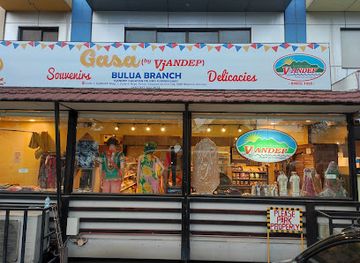
Vjandep Pastel Of Camiguin
Discover the sweet flavors of the Philippines at Vjandep Pastel of Camiguin, a must-visit pastry shop in Cagayan de Oro.
-
Store
Cheding's Peanuts
Experience the authentic taste of Iligan at Cheding's Peanuts, home to the finest peanut snacks in the region.
-
Souvenir store
Pasalubong Center
Explore the vibrant Pasalubong Center in Davao City for authentic souvenirs, local delicacies, and a taste of Filipino craftsmanship.
Get your free copy of our complete guide to Northern Mindanao, delivered straight to you.
Everything on this page, from attractions and restaurants to essentials and local phrases, in one PDF you can read offline, print or share.
Already have an account? Sign in
Your Northern Mindanao guide is ready.
We'll send it to · Not you? Sign out

Getting your guide ready…
We are putting together a fresh copy of the Northern Mindanao guide. This can take up to a minute.
This can take a few moments. If your browser asks, choose Allow so the download can start. You'll find the guide in your Downloads folder.
Nothing happened? Download it again
Sorry, the guide is taking longer than usual. Please try again in a minute, or get it by email instead.
Northern Mindanao essentials
Currency and Payment
Safety
Emergency Situations
Do's and Don'ts
Local Tips
From Eve
Local phrases worth knowing
You don't need to get them perfect. A few words go a long way, and locals appreciate the effort.
Basics
| English | Local | Say it |
|---|---|---|
| Hello | Kumusta | [koo-moos-tah] |
| Goodbye | Paalam | [pah-ah-lahm] |
| Yes | Oo | [oh-oh] |
| No | Hindi | [hin-dee] |
| Please/You’re welcome | Pakiusap/Walang anuman | [pah-kee-oo-sahp/wah-lang ah-noo-mahn] |
| Thank you | Salamat | [sah-lah-maht] |
| Excuse me/Sorry | Patawad | [pah-tah-wahd] |
| How are you? | Kamusta ka? | [koo-moos-tah kah] |
| Fine. And you? | Ayos lang. Ikaw? | [ah-yohs lahng. ee-kaw] |
| Do you speak English? | Marunong ka bang mag-Ingles? | [mah-roo-nohg kah bahng mahg-een-glehs] |
| I don't understand | Hindi ko maintindihan | [hin-dee koh mah-een-tin-dee-han] |
Eating & Drinking
| English | Local | Say it |
|---|---|---|
| I’d like to see the menu, please | Gusto kong makita ang menu, please | [goos-toh kong mah-kee-tah ang meh-noo, please] |
| I don't eat meat | Hindi ako kumakain ng karne | [hin-dee ah-koh koo-mah-kah-een nang kar-neh] |
| Cheers! | Salud! | [sah-lood] |
| I would like to pay, please | Gusto kong magbayad, please | [goos-toh kong mag-bah-yahd, please] |
Emergencies
| English | Local | Say it |
|---|---|---|
| Help! | Tulong! | [too-long] |
| Go away! | Umalis ka! | [oo-mah-lees kah] |
| Call the Police! | Tawagan ang Pulis! | [tah-wah-gan ang poo-lees] |
| Call a doctor! | Tawagan ang doktor! | [tah-wah-gan ang dok-tor] |
| I’m lost | Nawala ako | [nah-wah-lah ah-koh] |
| I’m ill | May sakit ako | [mai sah-kit ah-koh] |
Shopping
| English | Local | Say it |
|---|---|---|
| I’d like to buy... | Gusto kong bumili ng... | [goos-toh kong boo-mee-lee nang...] |
| I’m just looking | Nagmamasid lang ako | [nahg-mah-mah-seed lahng ah-koh] |
| How much is it? | Magkano ito? | [mahg-kah-noh ee-toh] |
| That’s too expensive | Masyadong mahal iyon | [mah-syah-dohng mah-hal ee-yon] |
| Can you lower the price? | Maaari mo bang ibaba ang presyo? | [mah-ah-ree mo bahng ee-bah-bah ang pres-yo] |
Time & Numbers
| English | Local | Say it |
|---|---|---|
| What time is it? | Anong oras na? | [ah-nohng oh-rahs nah] |
| It’s one o’clock | Isang oras na | [ee-sahng oh-rahs nah] |
| Half past (10) | Kalahating (10) | [kah-lah-hah-ting (10)] |
| Morning | Umaga | [oo-mah-gah] |
| Afternoon | Hapon | [hah-pon] |
| Evening | Gabi | [gah-bee] |
| Yesterday | Kahapon | [kah-hah-pon] |
| Today | Ngayon | [ngah-yohn] |
| Tomorrow | Bukas | [boo-kahs] |
| 1 | Isa | [ee-sah] |
| 2 | Dalawa | [dah-lah-wah] |
| 3 | Tatlo | [taht-loh] |
| 4 | Apat | [ah-paht] |
| 5 | Lima | [lee-mah] |
| 6 | Anim | [ah-neem] |
| 7 | Pito | [pee-toh] |
| 8 | Walo | [wah-loh] |
| 9 | Siyam | [see-yahm] |
| 10 | Sampu | [sahm-poo] |
Transport & Directions
| English | Local | Say it |
|---|---|---|
| Where's a/the...? | Saan ang...? | [sah-ahn ang...?] |
| What's the address? | Ano ang address? | [ah-noh ang ad-dres?] |
| Can you show me (on the map)? | Maaari mo bang ipakita sa akin (sa mapa)? | [mah-ah-ree mo bahng ee-pah-kee-tah sah ah-keen (sah mah-pah)?] |
| When's the next (bus)? | Kailan ang susunod na (bus)? | [kai-lahn ang soo-soon-od nah (bus)?] |
| A ticket (to ....) | Isang tiket (papunta sa ...) | [ee-sahng tee-ket (pah-poon-tah sah ...)] |
History of Northern Mindanao
Pre-Colonial Era and Indigenous Cultures
Before the arrival of Spanish colonizers, Northern Mindanao was home to various indigenous groups such as the Higaonon, Manobo, and Maranao. These groups had their own distinct cultures, languages, and social structures. They engaged in trade with neighboring islands and were known for their intricate weaving, beadwork, and metalwork.
Spanish Colonization and Christianization
The Spanish arrived in the Philippines in the 16th century, bringing with them Catholicism. In Northern Mindanao, the colonizers established missions and forts, notably in the areas of Misamis and Cagayan de Oro. The introduction of Christianity led to significant cultural changes, including the construction of churches and the celebration of Catholic feasts.
The Moro Resistance
The Moro people, particularly the Maranao and Maguindanao groups, resisted Spanish colonization fiercely. The Spanish referred to the Muslim inhabitants of Mindanao as 'Moros,' and numerous battles were fought between the two groups. Forts such as Fort Santiago in Misamis were built to defend against Moro raids.
American Occupation and World War II
Following the Spanish-American War in 1898, the Philippines came under American rule. Northern Mindanao saw infrastructure development, including roads and schools. During World War II, the region became a battleground between American and Japanese forces. The Battle of Macajalar Bay and the liberation of Cagayan de Oro are notable events from this period.
Post-War Development and Modern Era
After World War II, Northern Mindanao experienced significant economic growth. The establishment of industries, particularly in Cagayan de Oro and Iligan City, turned these areas into economic hubs. The region also saw improvements in education and healthcare, contributing to its modern development.
Cultural Festivals and Traditions
Northern Mindanao is rich in cultural festivals that reflect its diverse heritage. The Higalaay Festival in Cagayan de Oro celebrates the city's patron saint, while the Kaamulan Festival in Bukidnon showcases the culture of the indigenous peoples. These events feature traditional dances, music, and rituals, offering a glimpse into the region's vibrant cultural life.
Natural Wonders and Heritage Sites
Northern Mindanao is home to numerous natural wonders and heritage sites. The UNESCO World Heritage Site of Mount Kitanglad Range Natural Park in Bukidnon is a biodiversity hotspot. The Maria Cristina Falls in Iligan City, known as the 'Twin Falls,' is a major source of hydroelectric power. These sites are not only natural treasures but also significant to the local communities.
Northern Mindanao in Photos
Browse through our photo collection highlighting the charm and character of the destination.
Neighbouring regions of Northern Mindanao
The closest regions to Northern Mindanao, if you have time for more than one.
-

-

-

-

-


Swipe for more regions
Explore more
Explore more of Philippines
Discover the Philippines: A tropical paradise of islands, rich history, and warm hospitality, perfect for adventurers and relaxation seekers alike.
Explore Philippines