

Free Cagayan Valley Travel Guide & Mobile App
Explore Cagayan Valley with free travel guides. Discover regional history, expert tips, proposed trips, and audio guides on web or mobile app.


Explore Cagayan Valley in the Philippines for river plains, limestone caves, historic churches, mountain scenery and the windswept islands of Batanes.
Read more about Cagayan Valley
When is the best time to visit Cagayan Valley?
Best: December–February · 27–28°C| Month | High (°C) | Rainfall (mm) |
|---|---|---|
| January (best) | 27 | 15 |
| February (best) | 28 | 20 |
| March | 29 | 30 |
| April | 31 | 40 |
| May | 32 | 50 |
| June | 31 | 60 |
| July | 31 | 70 |
| August | 31 | 80 |
| September | 31 | 70 |
| October | 30 | 60 |
| November | 29 | 40 |
| December (best) | 28 | 30 |
Getting to and around Cagayan Valley
How to get there
Transportation
Top city travel guides in Cagayan Valley
The cities of Cagayan Valley, and the easiest places to base yourself.
-

-

-


Swipe for more cities
Destinations in Cagayan Valley
Resorts, valleys and scenic spots worth a trip of their own.

Swipe for more destinations
Best attractions in Cagayan Valley
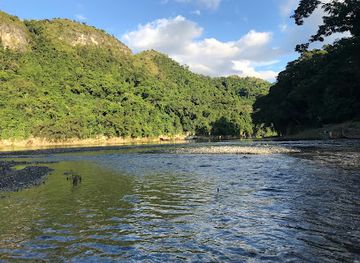
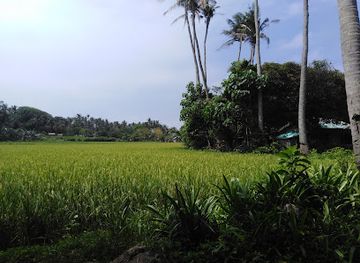
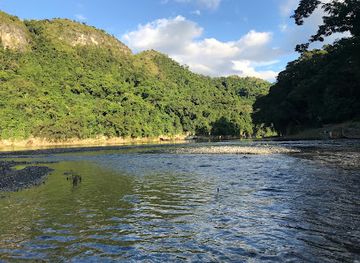
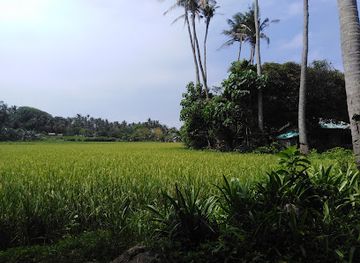
Cagayan Valley offers a broad mixture of archaeology, historic architecture, agricultural landscapes and outdoor adventure. In Cagayan, the limestone formations and chambers of Callao Cave near Peñablanca provide one of the region's most important archaeological and geological experiences, while the Cagayan River and coastal areas support boating, fishing and nature-based excursions. Isabela combines the historic church at Tumauini with rice-country scenery, forests and outdoor attractions around the Sierra Madre foothills. Nueva Vizcaya and Quirino are suited to travellers interested in caves, rivers, waterfalls, forest trails and guided countryside activities, with journeys often passing through changing mountain landscapes. Batanes forms a separate island experience within the administrative region, defined by pasture, stone houses, sea cliffs, lighthouses and weather-shaped coastlines. Activities are highly seasonal: river and sea trips depend on conditions, and remote outdoor sites often require local guides, suitable footwear and flexible timing.
-
Catholic church
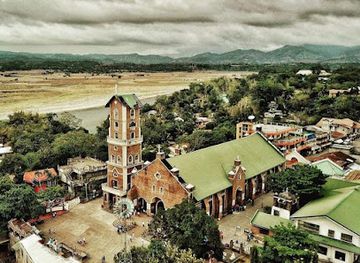
Basilica Minore De Nuestra Senora De La Visitacion De Piat, - Centro, Piat, Cagayan (Archdiocese Of Tuguegarao)
Explore the breathtaking Basilica Minore De Nuestra Senora De La Visitacion De Piat, a cultural and spiritual gem in Cagayan, Philippines.
-
Tourist attraction
Callao Cave
Explore Callao Cave, a breathtaking natural wonder in Cagayan, Philippines, known for its stunning rock formations and rich historical significance.
-
Park
Vicente de Lara Park
Discover tranquility at Vicente de Lara Park, a lush green oasis in Cagayan de Oro perfect for relaxation, picnics, and nature exploration.
-
Bridge
Magapit Suspension Bridge
Explore the breathtaking Magapit Suspension Bridge in Lal-lo, Cagayan – a stunning blend of engineering and nature that offers unforgettable views.
Best landmarks in Cagayan Valley
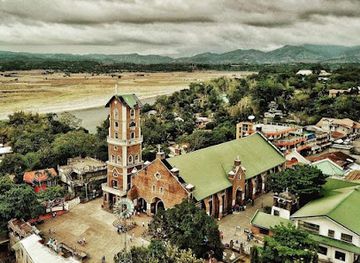
The region's landmarks express its geological variety, colonial history and distinct island cultures. Callao Cave in Peñablanca is both a recognisable limestone formation and an important archaeological site, its chambers overlooking a wider karst landscape associated with the Cagayan River. Tumauini Church in Isabela is one of the valley's most notable historic buildings, distinguished by red-brick construction and elaborate local detailing. Dalton Pass in Nueva Vizcaya is a strategic mountain landmark as well as a Second World War memorial landscape, marking a route through the Caraballo Mountains. In Batanes, the stone houses and settlements of Batan Island, the rolling slopes around Marlboro Country and the lighthouses at Basco and Cape Engaño provide powerful visual symbols of Ivatan life and the exposed maritime environment. Buntun Bridge at Tuguegarao is a major modern crossing over the Cagayan River and an important orientation point in the northern mainland. These places are significant not merely for appearance, but for the way they reveal the region's archaeology, transport history, architecture and relationship with land and sea.
-
Catholic church
Basilica Minore De Nuestra Senora De La Visitacion De Piat, - Centro, Piat, Cagayan (Archdiocese Of Tuguegarao)
Explore the spiritual and cultural treasures at Basilica Minore De Nuestra Senora De La Visitacion De Piat, a serene pilgrimage site in Cagayan, Philippines.
-
Tourist attraction
Callao Cave
Discover the enchanting beauty and historical significance of Callao Cave, a stunning natural wonder in Cagayan, Philippines.
-
Bridge
Magapit Suspension Bridge
Discover the iconic Magapit Suspension Bridge in Lal-lo, Cagayan – a blend of history, culture, and breathtaking views that captivates every traveler.
-
Park
Iguig Calvary Hills
Explore the tranquil beauty of Iguig Calvary Hills, a serene park in Cagayan, perfect for spiritual reflection and nature walks.
Explore Cagayan Valley on the map
Plan your trip on one map. See where the top cities, national parks and sights are, and book hotels and experiences in a few clicks.
Best hotels in Cagayan Valley
Best restaurants in Cagayan Valley
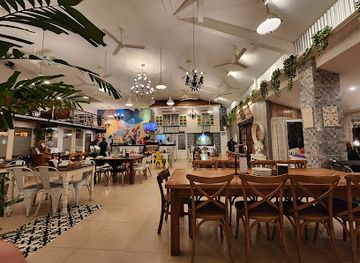
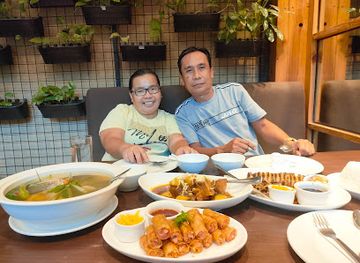
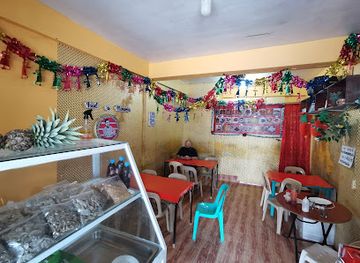
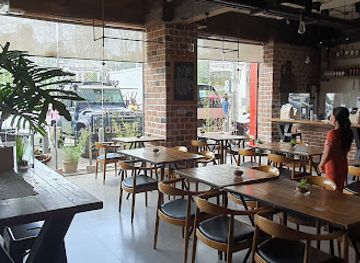
Dining in Cagayan Valley reflects the relationship between fertile plains, river systems, upland farms and the sea. Rice and corn are central to everyday food, while local markets offer vegetables, fruit, freshwater fish, pork, chicken and carabao products. Tuguegarao and other provincial centres have the widest choice of Filipino restaurants, cafés and regional eateries, including dishes associated with northern Luzon such as pancit batil patung, although food traditions cross modern administrative boundaries and should not automatically be labelled exclusive to the region. Rural towns are more likely to centre on carinderias, market stalls and family-run establishments than formal dining rooms. In Batanes, visitors encounter a distinct island cuisine using root crops, pork, fish and locally available produce, with dishes such as uvud and vakul-related food traditions often discussed as part of Ivatan culture. Public markets are useful for understanding seasonal produce, while seafood availability varies with weather and transport.
-
Filipino
Cucina Higala
Experience authentic Mindanaoan cuisine at Cucina Higala in Cagayan de Oro – where every dish tells a story.
-
Filipino
Gerry's Robinsons Tuguegarao (Gerry's Grill)
Experience authentic Filipino cuisine at Gerry's Grill in Tuguegarao – where great food meets live music in a vibrant atmosphere.
-
Indian
Vijay's Biryani Food House
Experience authentic Indian flavors at Vijay's Biryani Food House in Tuguegarao—where tradition meets taste!
-
Asian Fusion
Circa 1850
Experience the best of Asian fusion cuisine at Circa 1850 in Cagayan de Oro – where tradition meets innovation.
Best bars in Cagayan Valley
Nightlife in Cagayan Valley is concentrated in larger towns rather than organised around a single regional entertainment district. Tuguegarao has the broadest selection of bars, karaoke venues, cafés and casual restaurants, while Cauayan, Santiago and other urban centres provide evening dining and social venues. Traditional Filipino drinking places, breweries, live music rooms and small bars are more common than large clubs in rural provinces, and many towns become quiet relatively early outside the main commercial areas. Quirino, Nueva Vizcaya and inland Cagayan generally suit evenings built around local food, conversation and occasional live entertainment rather than late-night clubbing. Batanes has a modest evening scene centred on restaurants, small bars and accommodation areas in and around Basco; visitors should not expect extensive nightlife, particularly in poor weather or outside the busiest travel periods.
-
Bar
Sky Bar CTC
Sky Bar CTC offers stunning views of Cagayan de Oro’s skyline, vibrant nightlife, and an extensive drink menu, making it a top destination for tourists.
-
Karaoke bar
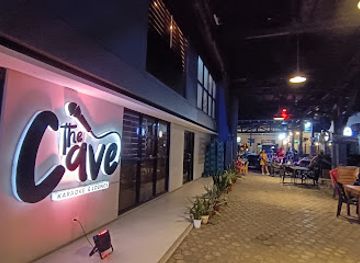
The Cave Karaoke & Lounge
Experience the vibrant nightlife of Cagayan de Oro at The Cave Karaoke & Lounge, where fun, friends, and fantastic music come together.
-
Bar
Jakko's Grill Uptown
Experience the vibrant atmosphere and delicious cuisine at Jakko's Grill Uptown - a top bar destination in Cagayan de Oro.
-
Restaurant
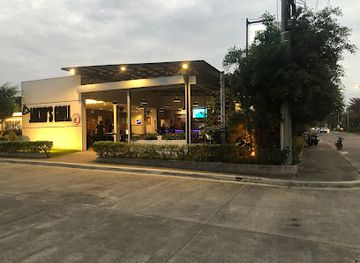
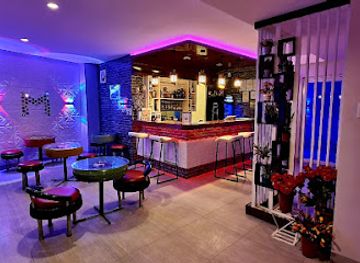
My's Point Restobar & KTV
Experience the ultimate blend of local cuisine and karaoke fun at My's Point Restobar & KTV in Cagayan de Oro.

Best nightclubs in Cagayan Valley
Nightlife in Cagayan Valley is concentrated in larger towns rather than organised around a single regional entertainment district. Tuguegarao has the broadest selection of bars, karaoke venues, cafés and casual restaurants, while Cauayan, Santiago and other urban centres provide evening dining and social venues. Traditional Filipino drinking places, breweries, live music rooms and small bars are more common than large clubs in rural provinces, and many towns become quiet relatively early outside the main commercial areas. Quirino, Nueva Vizcaya and inland Cagayan generally suit evenings built around local food, conversation and occasional live entertainment rather than late-night clubbing. Batanes has a modest evening scene centred on restaurants, small bars and accommodation areas in and around Basco; visitors should not expect extensive nightlife, particularly in poor weather or outside the busiest travel periods.
-
Bar
Pulse Live Music Venue
Discover the vibrant Pulse Live Music Venue in Cagayan de Oro, where live music and great company create unforgettable nights.
-
Karaoke bar
Microphone Hero
Experience the vibrant nightlife of Cagayan de Oro at Microphone Hero, the ultimate karaoke bar for music lovers and party enthusiasts.
-
Bar
The Oak Room
Experience the vibrant nightlife at The Oak Room, Cagayan de Oro’s premier bar offering a delightful ambiance and diverse drink selection.
-
Night club
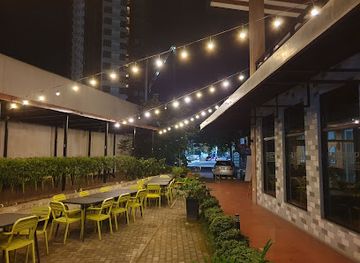
Superstar KTV Lounge and Club
Immerse yourself in the dynamic nightlife of Cagayan de Oro at Superstar KTV Lounge and Club, where music and fun come alive!



Best shops in Cagayan Valley
Shopping in Cagayan Valley is primarily local and practical, with public markets and town-centre shops offering rice, corn, fruit, vegetables, dried fish, snacks and other products from the surrounding countryside. Tuguegarao, Ilagan, Cauayan, Bayombong and other provincial centres have the largest concentration of department stores, supermarkets, pharmacies and everyday retail, while smaller towns are better for market browsing and locally made food products. Visitors may find woven items, baskets, woodwork and regional handicrafts through tourism offices, community cooperatives and cultural retailers, though selection and availability vary. In Batanes, locally produced food, woven crafts and small cultural souvenirs are more appropriate purchases than mass-produced beach merchandise; ask whether items are made locally and respect restrictions on removing natural materials. Carrying cash remains useful in markets and small shops, and travellers should pack food products securely when transporting them between islands or provinces.
-
Shopping mall
Robinsons Tuguegarao
Explore Robinsons Tuguegarao: A vibrant shopping mall offering diverse retail, dining, and leisure experiences in the heart of Tuguegarao.
-
Store
Tuguegarao City Commercial Center
Explore Tuguegarao City Commercial Center - a vibrant shopping destination showcasing local culture and diverse culinary delights.
-
Shopping mall
SM City Tuguegarao
Explore SM City Tuguegarao: A Premier Shopping Mall with Diverse Stores and Dining Options in the Heart of Tuguegarao City.
-
Department store
UNITOP
Explore UNITOP in Tuguegarao for an unforgettable shopping experience with local and international products.

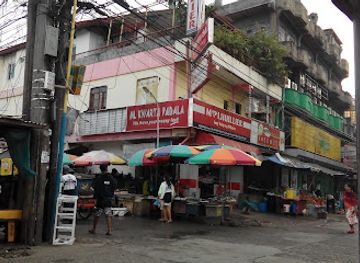
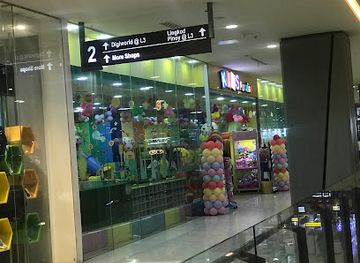
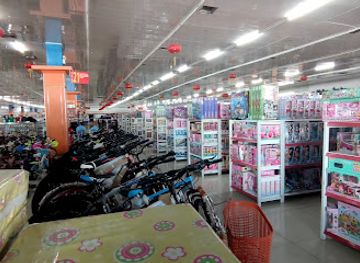
Get your free copy of our complete guide to Cagayan Valley, delivered straight to you.
Everything on this page, from attractions and restaurants to essentials and local phrases, in one PDF you can read offline, print or share.
Already have an account? Sign in
Your Cagayan Valley guide is ready.
We'll send it to · Not you? Sign out

Getting your guide ready…
We are putting together a fresh copy of the Cagayan Valley guide. This can take up to a minute.
This can take a few moments. If your browser asks, choose Allow so the download can start. You'll find the guide in your Downloads folder.
Nothing happened? Download it again
Sorry, the guide is taking longer than usual. Please try again in a minute, or get it by email instead.
Cagayan Valley essentials
Currency and Payment
Safety
Emergency Situations
Do's and Don'ts
Local Tips
From Eve
Local phrases worth knowing
You don't need to get them perfect. A few words go a long way, and locals appreciate the effort.
Basics
| English | Local | Say it |
|---|---|---|
| Hello | Kumusta | [koo-moos-tah] |
| Goodbye | Paalam | [pah-ah-lam] |
| Yes | Oo | [oh-oh] |
| No | Hindi | [hin-dee] |
| Please/You're welcome | Pakiusap/ Walang anuman | [pah-kee-oo-sap/ wah-lang ah-noo-man] |
| Thank you | Salamat | [sah-lah-mat] |
| Excuse me/Sorry | Patawad | [pah-tah-wad] |
| How are you? | Kamusta ka? | [kah-moos-tah kah] |
| Fine. And you? | Ayos lang. Ikaw? | [ah-yos lang. ee-kaw] |
| Do you speak English? | Marunong ka bang mag-Ingles? | [mah-roo-nong kah bang mag-een-gles] |
| I don't understand | Hindi ko naiintindihan | [hin-dee koh nah-ee-in-tin-dee-han] |
Eating & Drinking
| English | Local | Say it |
|---|---|---|
| I'd like to see the menu, please | Gusto kong makita ang menu, pakiusap | [goos-toh kong mah-kee-tah ang meh-noo, pah-kee-oo-sap] |
| I don't eat meat | Hindi ako kumakain ng karne | [hin-dee ah-koh koo-mah-kah-een nang kar-neh] |
| Cheers! | Mabuhay! | [mah-boo-hai] |
| I would like to pay, please | Gusto kong magbayad, pakiusap | [goos-toh kong mag-bah-yad, pah-kee-oo-sap] |
Emergencies
| English | Local | Say it |
|---|---|---|
| Help! | Tulong! | [too-long] |
| Go away! | Umalis ka! | [oo-mah-lis kah] |
| Call the Police! | Tawagin ang Pulis! | [tah-wah-gin ang poo-lees] |
| Call a doctor! | Tawagin ang doktor! | [tah-wah-gin ang dok-tor] |
| I'm lost | Nawawala ako | [nah-wah-lah koh] |
| I'm ill | May sakit ako | [mai sah-kit koh] |
Shopping
| English | Local | Say it |
|---|---|---|
| I'd like to buy... | Gusto kong bumili ng... | [goos-toh kong boo-mee-lee nang] |
| I'm just looking | Tinitingnan ko lang | [tee-nee-ting-nan koh lang] |
| How much is it? | Magkano ito? | [mag-kah-no ee-toh] |
| That's too expensive | Sobrang mahal yan | [so-brang mah-hal yan] |
| Can you lower the price? | Maaari mo bang ibaba ang presyo? | [mah-ah-ree moh bang ee-bah-bah ang pres-yo] |
Time & Numbers
| English | Local | Say it |
|---|---|---|
| What time is it? | Anong oras na? | [ah-nong oh-ras nah] |
| It's one o'clock | Isang oras na | [ee-sang oh-ras nah] |
| Half past (10) | Kalahating (10) | [kah-lah-hah-ting (10)] |
| Morning | Umaga | [oo-mah-gah] |
| Afternoon | Hapon | [hah-pon] |
| Evening | Gabi | [gah-bee] |
| Yesterday | Kahapon | [kah-hah-pon] |
| Today | Ngayon | [nga-yawn] |
| Tomorrow | Bukas | [boo-kas] |
| 1 | Isa | [ee-sah] |
| 2 | Dalawa | [dah-lah-wah] |
| 3 | Tatlo | [taht-loh] |
| 4 | Apat | [ah-paht] |
| 5 | Lima | [lee-mah] |
| 6 | Anim | [ah-nim] |
| 7 | Pito | [pee-toh] |
| 8 | Walo | [wah-loh] |
| 9 | Siyam | [see-yahm] |
| 10 | Sampu | [sahm-poo] |
Transport & Directions
| English | Local | Say it |
|---|---|---|
| Where's a/the...? | Nasaan ang...? | [nah-sahn ang] |
| What's the address? | Ano ang address? | [ah-no ang ah-dress] |
| Can you show me (on the map)? | Maaari mo bang ipakita sa akin (sa mapa)? | [mah-ah-ree moh bang ee-pah-kee-tah sah ah-kin (sah mah-pah)] |
| When's the next (bus)? | Kailan ang susunod na (bus)? | [kai-lan ang soo-soo-nod nah (bus)] |
| A ticket (to ....) | Isang tiket (papanhik sa ...) | [ee-sang tee-ket (pah-pah-nhik sah ...)] |
History of Cagayan Valley
Early Human Settlement and Callao Cave
Cagayan Valley has some of the most important archaeological evidence in the Philippines. Callao Cave in Peñablanca, Cagayan, has produced evidence of human presence dating back tens of thousands of years, including remains associated with Homo luzonensis, formally recognised in 2019. Earlier archaeological work also identified stone tools and animal remains. The cave system is part of a wider limestone landscape along the Cagayan River and demonstrates that human occupation of Luzon was considerably older and more complex than once assumed. Its significance extends beyond tourism: the site has helped reshape understanding of human evolution and movement in island South-East Asia.
Indigenous Peoples and River-Valley Cultures
Long before Spanish colonisation, the valley was home to communities including the Ibanag, Itawes, Gaddang, Isneg and Agta, while Ivatan society developed its own maritime culture in Batanes. River systems, farming, fishing, forest resources and trading routes connected communities across the lowlands and uplands, although languages, social traditions and material cultures differed. Many communities continue to maintain distinctive knowledge of agriculture, crafts, food and the environment. The region's cultural history is therefore not a single narrative of settlement, but a layered interaction among riverine peoples, highland groups, island communities and later migrants.
Spanish Colonial Rule and Mission Towns
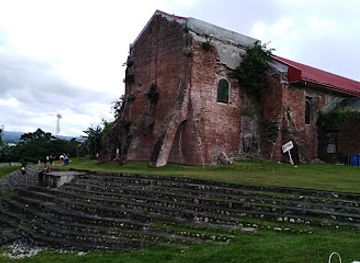
Spanish missionaries and colonial administrators established stronger control in the Cagayan and Isabela lowlands from the late sixteenth century onwards, building settlements around churches, river transport and agricultural production. The mission system brought major religious and political change, while local communities adapted, resisted or negotiated with colonial authorities. Brick churches such as those at Tumauini and other historic towns preserve this period's architectural legacy, using local materials and regional craftsmanship. In Batanes, Spanish influence also transformed political and religious life, though island geography and harsh weather limited outside control compared with the mainland.
Agriculture, Trade and the Colonial Lowlands
The fertile plains of Isabela and Cagayan became increasingly important for rice, corn and other crops during the colonial and post-colonial periods. River transport linked inland settlements with the coast, while roads and later highways connected market towns to Manila and other parts of Luzon. Agricultural expansion altered forests and strengthened the importance of towns such as Tuguegarao, Ilagan and Santiago. Tobacco also became an important crop in parts of the northern valley, reflecting wider Philippine trading patterns. The region's present-day identity as a major agricultural area is rooted in these long processes of cultivation, commerce and transport development.
War in the Valley and the Dalton Pass Campaign
Cagayan Valley and its approaches were affected by the Philippine-American War and, later, by the Second World War. Dalton Pass in Nueva Vizcaya became strategically important because it controls a mountain route between central Luzon and the northern valley. In 1945, fighting there formed part of the Allied campaign to retake northern Luzon from Japanese forces. The pass is now associated with a memorial and with the difficult terrain through which troops and supplies had to move. Its historical importance is also geographical: the same mountain corridor that shaped military operations continues to influence road travel across the region.
Post-war Development and Agricultural Expansion
After 1945, government investment in roads, irrigation, public services and agricultural settlement accelerated economic change across the valley. Isabela in particular expanded its role as a major rice- and corn-producing province, while new roads opened parts of Nueva Vizcaya and Quirino to cultivation, trade and tourism. These developments improved connections but also placed pressure on forests, rivers and upland communities. Contemporary Cagayan Valley reflects this tension between agricultural growth and environmental protection, visible in debates surrounding watershed management, protected landscapes, mining, river use and the conservation of the Sierra Madre and island ecosystems.
Batanes and the Recognition of Ivatan Heritage
Batanes has retained a particularly distinctive cultural landscape shaped by isolation, typhoons and seafaring. Ivatan houses traditionally use thick stone or coral walls, heavy roofs and forms adapted to severe weather, while communal practices and local foodways reflect the limits and opportunities of island life. Modern transport and tourism have made the province more accessible, but its settlements remain visibly different from those of mainland Cagayan Valley. The growing appreciation of Ivatan architecture, language and environmental knowledge has strengthened efforts to protect the islands' cultural character while accommodating visitors.
Cagayan Valley in Photos
Browse through our photo collection highlighting the charm and character of the destination.
Neighbouring regions of Cagayan Valley
The closest regions to Cagayan Valley, if you have time for more than one.
-

-

-

-

-


Swipe for more regions
Explore more

Explore more of Philippines
Discover the Philippines: A tropical paradise of islands, rich history, and warm hospitality, perfect for adventurers and relaxation seekers alike.
Explore Philippines