

Cordillera Administrative Region, Philippines Travel Guide
Discover the Cordillera Administrative Region in the Philippines: a haven of majestic rice terraces, rich indigenous culture, and thrilling mountain adventures.
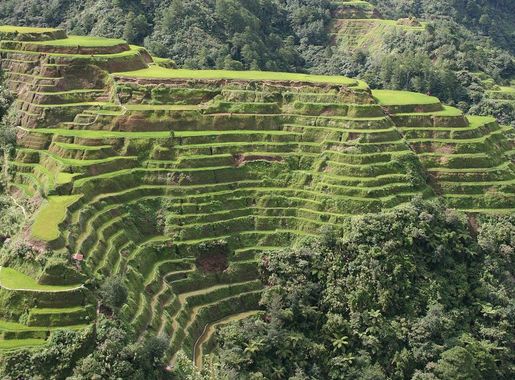
Nestled in the northern part of Luzon, the Cordillera Administrative Region (CAR) is a treasure trove of natural beauty and cultural heritage. This mountainous region offers breathtaking landscapes, from the world-famous Banaue Rice Terraces to the serene Sagada caves. The cool climate and lush greenery provide a refreshing escape from the bustling lowlands. The region is home to many indigenous communities, each with its own unique traditions and crafts. Visiting CAR is not just about enjoying the scenic views; it's also a cultural journey. You can witness traditional weaving in the town of Bontoc or partake in local festivals that celebrate the rich history and customs of the Igorot people. For adventure seekers, the Cordillera region offers numerous hiking trails, waterfalls, and rivers to explore. Mount Pulag, the highest peak in Luzon, provides a challenging yet rewarding trek with a view of the sea of clouds at sunrise. The region's diverse flora and fauna make it a haven for nature lovers and photographers alike.

Know before you go
Hi, I'm Eve. Here are a few practical things to know before exploring Cordillera Administrative Region.
- Bring warm clothing as the highlands can be cold, especially early in the morning and late at night.
- Hire a local guide for treks and tours; they can provide valuable insights and ensure a safer experience.
- Visit during the dry season from November to April to avoid heavy rains that can make travel difficult.
- Respect local customs and traditions, especially when visiting indigenous communities.
- Try local delicacies such as pinikpikan and etag to fully experience the region's culinary heritage.
Top City Travel Guides in Cordillera Administrative Region
The cities of Cordillera Administrative Region, and the easiest places to base yourself.


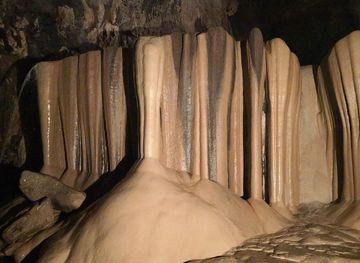

Destinations in Cordillera Administrative Region
Resorts, valleys and scenic spots worth a trip of their own.

Explore Cordillera Administrative Region: Things to Do, Places to Eat, Hotels & More
Handpicked recommendations for top attractions, local dining, accommodations, and more

Top Attractions & Sightseeing in Cordillera Administrative Region
Top-rated picks
Best Attractions
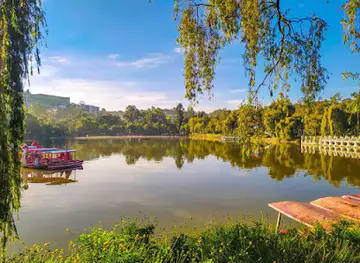
Burnham Park
Experience the breathtaking beauty and serene atmosphere of Burnham Park, the perfect urban retreat in Baguio City, Philippines.

Mines View Observation Deck
Experience the stunning panoramic views of Baguio's mountains at Mines View Observation Deck, a top tourist attraction in the Philippines.

Baguio Botanical Garden
Explore the vibrant flora and cultural heritage at Baguio Botanical Garden, a serene haven in the Summer Capital of the Philippines.

Wright Park
Explore the natural beauty and cultural richness of Wright Park, a must-visit destination in Baguio, Philippines, known for its serene ambiance and vibrant landscapes.

Best landmarks in Cordillera Administrative Region
Top-rated picks
Best Landmarks

Burnham Park
Explore Burnham Park, Baguio City's lush urban oasis filled with scenic views, recreational activities, and a vibrant atmosphere for tourists and locals alike.
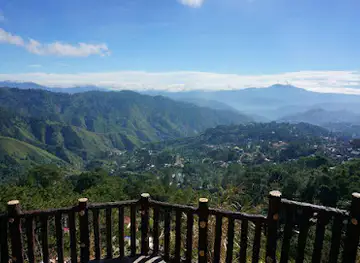
Mines View Observation Deck
Experience breathtaking views and the cool mountain air at Mines View Observation Deck, a must-see tourist attraction in Baguio, Philippines.

Baguio Botanical Garden
Discover the enchanting beauty of Baguio Botanical Garden, where nature meets culture in a stunning floral display nestled in the heart of the Philippines.

Wright Park
Explore Wright Park in Baguio, a serene park filled with lush greenery, horseback riding, and stunning views perfect for relaxation and family fun.

Best restaurants in Cordillera Administrative Region
Top-rated picks
Best Restaurants

GOODTASTE RESTAURANT
Experience authentic Filipino flavors at GoodTaste Restaurant in Baguio – where every meal is a delightful journey into local cuisine.

The Other Office (Villa Cordillera)
Experience authentic Filipino flavors at The Other Office in Baguio – where great food meets warm hospitality.

Uyami's Green View Lodge and Restaurant
Discover authentic Filipino cuisine amidst breathtaking views at Uyami's Green View Lodge and Restaurant in Banaue.

Original Chef Lutong Pangbarangay
Experience authentic Filipino flavors at Original Chef Lutong Pangbarangay in Baguio – a culinary gem that delights both locals and tourists.

Best bars in Cordillera Administrative Region
Top-rated picks
Best Bars

Baguio Craft Brewery
Discover the unique craft brews and vibrant atmosphere at Baguio Craft Brewery, a must-visit destination for beer lovers in the heart of Baguio City.

The Other Office (Villa Cordillera)
Discover the flavors of the Philippines at The Other Office, a cozy restaurant in Baguio offering a delightful menu in a charming atmosphere.

Giligan's Island
Discover the vibrant flavors of Filipino cuisine at Giligan's Island, Baguio's premier bar and grill destination.

Concoctions Bar and Resto
Experience the perfect blend of local flavors and vibrant nightlife at Concoctions Bar and Resto in Baguio, where every visit is a celebration.

Best nightclubs in Cordillera Administrative Region
Top-rated picks
Best Nightclubs

Alberto's Bar
Experience the vibrant nightlife at Alberto's Bar in Baguio, where electrifying music and lively atmosphere await every night.

Spade Superclub
Experience the vibrant nightlife of Baguio City at Spade Superclub, where unforgettable dance parties and lively music create the ultimate clubbing experience.

The Camp
Discover the vibrant nightlife of Baguio at The Camp, a lively night club and restaurant offering delicious food and unforgettable experiences.

Bar
Experience Baguio's vibrant nightlife at this premier bar, where locals and tourists come together to enjoy unforgettable drinks and lively entertainment.

Best shops in Cordillera Administrative Region
Top-rated picks
Best Shops

SM City Baguio
Experience the best of shopping and dining in Baguio City at SM City Baguio, where local charm meets modern convenience.

Baguio City Market
Experience the vibrant culture and local flavors at Baguio City Market, a must-visit destination for every traveler.

Baguio Center Mall
Discover shopping, dining, and entertainment at Baguio Center Mall, your ultimate destination in the City of Pines.

Abanao Square
Discover Abanao Square in Baguio: A vibrant shopping mall offering local crafts, diverse cuisine, and family-friendly entertainment.

Explore Cordillera Administrative Region on the Map
A handpicked selection of must-see spots in Cordillera Administrative Region, mapped for you.
Cordillera Administrative Region Essentials
-
The Cordillera Administrative Region (CAR) in the Philippines is accessible through various modes of transportation. The most common entry point is via Manila, the capital city of the Philippines. From Manila, you can take a bus, van, or private car to Baguio City, which is the gateway to CAR. The journey by road takes approximately 4 to 6 hours. For those who prefer to fly, the nearest airport is Loakan Airport in Baguio, although it has limited flights. Alternatively, you can fly to Clark International Airport in Pampanga and then take a bus or car to CAR.
-
Within CAR, there are several transportation options to get around. Jeepneys and buses are the most common and affordable means of public transport, connecting major towns and cities. Taxis and tricycles are available for shorter distances within cities like Baguio. For a more personalized experience, you can rent a car or hire a private driver. Be prepared for winding and sometimes challenging mountain roads, especially during the rainy season.
-
The official currency in the Philippines is the Philippine Peso (PHP). Credit cards are widely accepted in cities and tourist areas, but it is advisable to carry cash, especially when traveling to rural areas or smaller towns. ATMs are available in major cities like Baguio, but may be scarce in remote areas. Ensure you have enough cash on hand for day-to-day expenses and emergencies.
-
CAR is generally a safe region for tourists, but it is always wise to take standard precautions. Avoid walking alone late at night in unfamiliar areas and keep your belongings secure in crowded places. While Baguio City and Sagada are popular and relatively safe, some areas in the region may have higher crime rates. Always stay informed about the local situation and follow advice from local authorities and tour guides.
-
In case of an emergency, dial 911 for immediate assistance. Baguio City has well-equipped hospitals and medical facilities, but in more remote areas, medical resources may be limited. It is recommended to have travel insurance that covers medical emergencies. For minor health issues, pharmacies are available in most towns where you can purchase over-the-counter medications.
-
Fashion: Do dress modestly, especially when visiting religious sites. Avoid wearing revealing clothing. Religion: Do respect local customs and traditions. Always be respectful when visiting churches and indigenous cultural sites. Public Transport: Do be courteous and give up your seat to elderly passengers. Don't eat or drink on public transport. Greetings: Do greet people with a friendly 'hello' or 'good day'. A handshake is also common. Eating & Drinking: Do try local delicacies and accept food offerings graciously. Don’t refuse hospitality, as it is considered impolite.
-
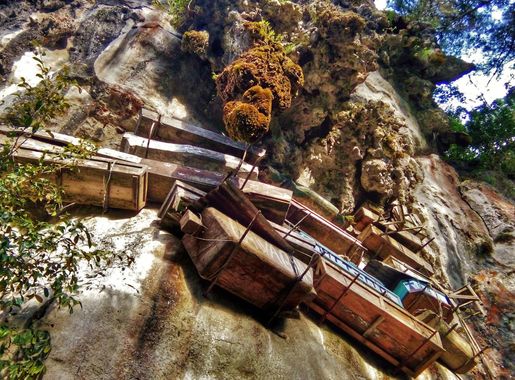
To experience CAR like a local, visit local markets and try the regional cuisine such as pinikpikan, etag, and the famous strawberry products in La Trinidad. Engage with the locals, who are known for their warmth and hospitality. Don't miss visiting the rice terraces of Banaue, a UNESCO World Heritage Site, and the hanging coffins of Sagada. For a unique experience, participate in local festivals such as the Panagbenga Festival in Baguio, which showcases the region's vibrant culture and traditions.
When is the best time to visit Cordillera Administrative Region?
Useful Local Phrases for Cordillera Administrative Region
You don't need to speak the language perfectly. Even learning a few simple words can make conversations warmer—and locals usually appreciate the effort.
— Eve

Here are the phrases I use most often in Cordillera Administrative Region. Try a few—you'll be surprised how far they go! 😊
❤️
-
- HelloKumusta
[koo-moos-tah] - GoodbyePaalam
[pah-ah-lahm] - YesOo
[oh-oh] - NoHindi
[heen-dee] - Please/You're welcomePakiusap/ Walang anuman
[pah-kee-oo-sahp / wah-lang ah-noo-mahn] - Thank youSalamat
[sah-lah-maht] - Excuse me/SorryPatawad
[pah-tah-wahd] - How are you?Kumusta ka?
[koo-moos-tah kah] - Fine. And you?Ayos lang. At ikaw?
[ah-yohs lahng. aht ee-kaw] - Do you speak English?Marunong ka bang mag-Ingles?
[mah-roo-nohng kah bahng mag-eeng-les] - I don't understandHindi ko maintindihan
[heen-dee koh mah-een-tin-dee-hahn]
- HelloKumusta
-
- I'd like to see the menu, pleaseGusto kong makita ang menu, pakiusap
[goos-toh kohng mah-kee-tah ahng men-yoo, pah-kee-oo-sahp] - I don't eat meatHindi ako kumakain ng karne
[heen-dee ah-koh koo-mah-kah-een nahng kar-neh] - Cheers!Mabuhay!
[mah-boo-hai] - I would like to pay, pleaseGusto kong magbayad, pakiusap
[goos-toh kohng mag-bah-yahd, pah-kee-oo-sahp]
- I'd like to see the menu, pleaseGusto kong makita ang menu, pakiusap
-
- Help!Tulong!
[too-long] - Go away!Umalis ka!
[oo-mah-lis kah] - Call the Police!Tawagan ang Pulis!
[taw-ah-gahn ahng poo-lees] - Call a doctor!Tawagan ang doktor!
[taw-ah-gahn ahng dok-tor] - I'm lostNawala ako
[nah-wah-lah ah-koh] - I'm illMay sakit ako
[mai sah-kit ah-koh]
- Help!Tulong!
-
- I'd like to buy...Gusto kong bumili ng...
[goos-toh kohng boo-mee-lee nahng] - I'm just lookingNagmamasid lang ako
[nahg-mah-mah-sid lahng ah-koh] - How much is it?Magkano ito?
[mag-kah-noh ee-toh] - That's too expensiveSobrang mahal yan
[soh-brang mah-hahl yahn] - Can you lower the price?Maaari bang ibaba ang presyo?
[mah-ah-ree bahng ee-bah-bah ahng pres-yoh]
- I'd like to buy...Gusto kong bumili ng...
-
- What time is it?Anong oras na?
[ah-nong oh-ras nah] - It's one o'clockIka-isa na
[ee-kah-ee-sah nah] - Half past (10)Kalahating (10)
[kah-lah-hah-ting (10)] - MorningUmaga
[oo-mah-gah] - AfternoonHapon
[hah-pon] - EveningGabi
[gah-bee] - YesterdayKahapon
[kah-hah-pon] - TodayNgayon
[ngah-yohn] - TomorrowBukas
[boo-kahs] - 1Isa
[ee-sah] - 2Dalawa
[dah-lah-wah] - 3Tatlo
[taht-loh] - 4Apat
[ah-paht] - 5Lima
[lee-mah] - 6Anim
[ah-neem] - 7Pito
[pee-toh] - 8Walo
[wah-loh] - 9Siyam
[see-yahm] - 10Sampu
[sahm-poo]
- What time is it?Anong oras na?
-
- Where's a/the...?Saan ang...?
[sah-ahn ahng] - What's the address?Ano ang address?
[ah-noh ahng ah-dres] - Can you show me (on the map)?Maaari mo ba akong ipakita (sa mapa)?
[mah-ah-ree moh bah ah-kohng ee-pah-kee-tah (sah mah-pah)] - When's the next (bus)?Kailan ang susunod na (bus)?
[kai-lahn ahng soo-soon-od nah (bus)] - A ticket (to ....)Isang tiket (papuntang ...)
[ee-sahng tee-ket (pah-pun-tang ...)]
- Where's a/the...?Saan ang...?
History of Cordillera Administrative Region
-
Long before the Spanish colonization, the Cordillera Administrative Region was home to various indigenous groups, including the Ifugao, Kalinga, Bontoc, and Ibaloi. These groups developed unique cultures and traditions, characterized by intricate wood carvings, weaving, and terraced farming. The Ifugao Rice Terraces, often referred to as the 'Eighth Wonder of the World,' are a testament to the sophisticated agricultural techniques practiced by the Ifugao people for over 2,000 years.
-
During the Spanish colonization in the 16th century, the Cordillera region remained largely unconquered due to its rugged terrain and the fierce resistance of its indigenous inhabitants. The Spanish attempted to subjugate the highland tribes and convert them to Christianity, but their efforts were often met with resistance and rebellion. The Igorot people, in particular, were known for their warrior culture and successfully repelled several Spanish expeditions.
-
The American colonization of the Philippines brought significant changes to the Cordillera region. The construction of the Benguet Road (now known as Kennon Road) in the early 1900s opened up the region to greater accessibility and development. The Americans also established educational institutions and introduced modern agricultural techniques. Baguio City, now known as the 'Summer Capital of the Philippines,' was developed as a hill station to offer respite from the tropical heat.
-
During World War II, the Cordillera region played a strategic role in the fight against Japanese occupation. The rugged terrain provided a natural stronghold for Filipino guerrilla fighters, who launched numerous attacks against Japanese forces. The Battle of Bessang Pass in Ilocos Sur was a significant victory for the Allied forces, leading to the eventual liberation of Northern Luzon. Many indigenous people were involved in the resistance, showcasing their bravery and resilience.
-
After World War II, the Cordillera region experienced significant development and modernization. Efforts to preserve indigenous cultures and traditions were also intensified. In 1987, the Cordillera Administrative Region was officially established through an executive order by then-President Corazon Aquino. This move aimed to recognize the unique cultural identity of the Cordillerans and to promote regional autonomy and development.
-
The Cordillera region is rich in cultural festivals and traditions that reflect its diverse heritage. The Panagbenga Festival in Baguio City, celebrated every February, showcases the region's floral abundance through grand parades and flower floats. The Imbayah Festival in Banaue celebrates the Ifugao culture with traditional games, dances, and rituals. These festivals are vibrant expressions of the region's enduring cultural legacy and offer visitors a glimpse into the life and traditions of the Cordillerans.
Neighbouring Regions of Cordillera Administrative Region
The closest regions to Cordillera Administrative Region, if you have time for more than one.


Your all‑in‑one travel companion app
Explore expert travel guides, compare and book tours, experiences, hotels, and more—all from the palm of your hand. Download now for seamless trip planning wherever your wanderlust takes you.


Explore More of Philippines

Looking beyond Cordillera Administrative Region? Discover Philippines for broader travel guides, local hot-spots, and regional highlights.
Explore PhilippinesCordillera Administrative Region in Photos
Browse through our photo collection highlighting the charm and character of the destination.


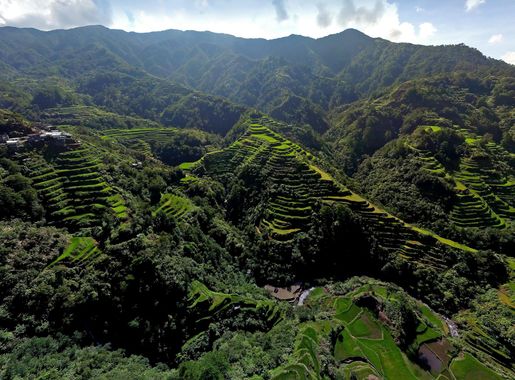



The Enchanting Highlands of the Cordillera Administrative Region
Nestled in the northern part of Luzon, the Cordillera Administrative Region (CAR) is a treasure trove of natural beauty and cultural heritage. This mountainous region offers breathtaking landscapes, from the world-famous Banaue Rice Terraces to the serene Sagada caves. The cool climate and lush greenery provide a refreshing escape from the bustling lowlands. The region is home to many indigenous communities, each with its own unique traditions and crafts. Visiting CAR is not just about enjoying the scenic views; it's also a cultural journey. You can witness traditional weaving in the town of Bontoc or partake in local festivals that celebrate the rich history and customs of the Igorot people. For adventure seekers, the Cordillera region offers numerous hiking trails, waterfalls, and rivers to explore. Mount Pulag, the highest peak in Luzon, provides a challenging yet rewarding trek with a view of the sea of clouds at sunrise. The region's diverse flora and fauna make it a haven for nature lovers and photographers alike.