

Free Ilocos Region Travel Guide & Mobile App
Explore Ilocos Region with free travel guides. Discover regional history, expert tips, proposed trips, and audio guides on web or mobile app.


Explore the Ilocos Region for Spanish-era towns, surf beaches, coastal landscapes, distinctive Ilocano food and Pangasinan's island parks.
Read more about Ilocos Region
When is the best time to visit Ilocos Region?
Best: December–February · 30–31°C| Month | High (°C) | Rainfall (mm) |
|---|---|---|
| January (best) | 30 | 50 |
| February (best) | 31 | 40 |
| March | 32 | 40 |
| April | 34 | 50 |
| May | 34 | 100 |
| June | 33 | 200 |
| July | 33 | 300 |
| August | 33 | 300 |
| September | 33 | 200 |
| October | 32 | 100 |
| November | 32 | 50 |
| December (best) | 31 | 50 |
Getting to and around Ilocos Region
How to get there
Transportation
Top city travel guides in Ilocos Region
The cities of Ilocos Region, and the easiest places to base yourself.
-

-

-


Swipe for more cities
Destinations in Ilocos Region
Resorts, valleys and scenic spots worth a trip of their own.

Swipe for more destinations
Best attractions in Ilocos Region
The Ilocos Region offers a varied collection of attractions spread across four provinces. In Ilocos Norte, visitors can combine the historic church and rural setting of Paoay with the Laoag area, coastal wind farms, the Paoay sand dunes and the beaches and viewpoints of the far north. Ilocos Sur is anchored by Vigan's conserved streets and ancestral houses, while its wider countryside contains churches, river landscapes and coastal communities. La Union centres on the surf coast of San Juan, with inland waterfalls, small farms and cultural sites providing alternatives to the beach. Pangasinan has the broadest range of nature-based experiences, including boat trips among the limestone islands of Hundred Islands National Park, coastal scenery around Bolinao and Patar, caves, waterfalls, mangroves and fishing communities. Museums, churches, markets, workshops and food stops add a human dimension to the landscapes. Because attractions are widely dispersed, the region rewards road itineraries and carefully chosen bases rather than rushed day trips across provincial boundaries.
-
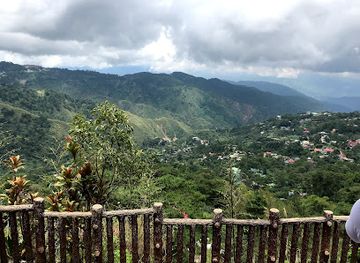
Mines View Observation Deck
Experience stunning panoramic views of the Cordillera mountains at Mines View Observation Deck in Baguio, a must-visit for all travelers.
-
Tourist attraction
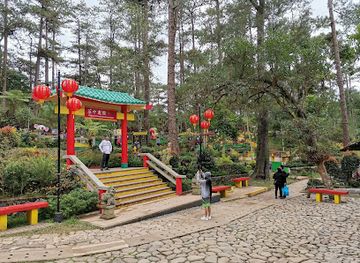
Baguio Botanical Garden
Discover the serene beauty and cultural richness of Baguio Botanical Garden, a perfect getaway for nature lovers and cultural explorers in the heart of Baguio City.
-
Tourist attraction
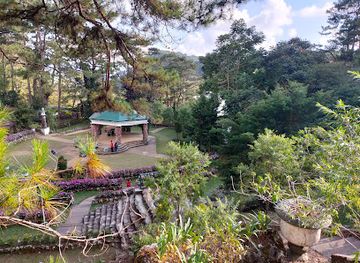
Wright Park
Discover the natural beauty and tranquil ambiance of Wright Park in Baguio, a perfect escape for nature lovers and families alike.
-
Zoo
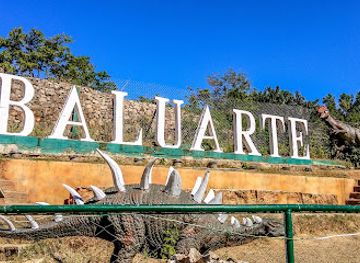
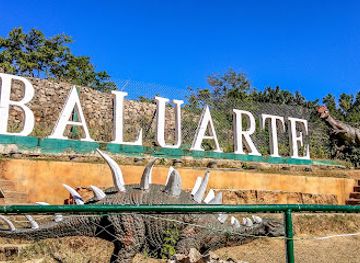
Baluarte Resort and Mini Zoo
Discover exotic wildlife and lush gardens at Baluarte Resort and Mini Zoo, a unique family-friendly attraction in the heart of Vigan, Ilocos Sur.
Best landmarks in Ilocos Region
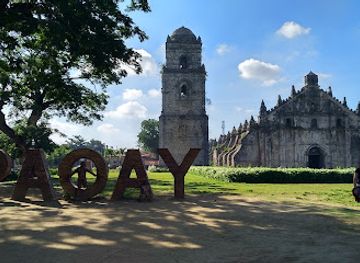
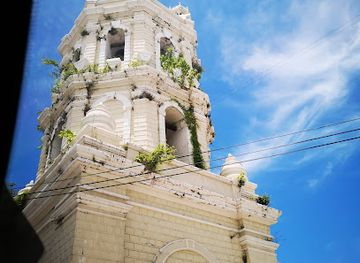
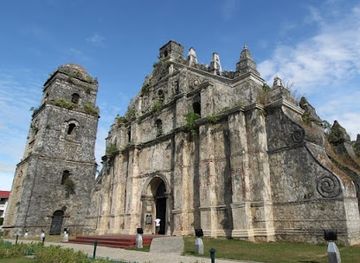
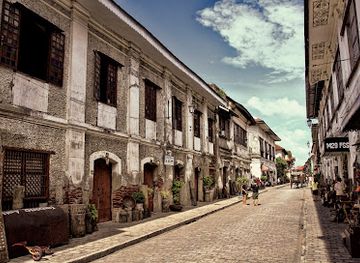
Vigan's historic core is the region's most prominent architectural landmark, with Calle Crisologo, ancestral houses, churches and civic buildings illustrating the survival of a Spanish colonial town plan adapted to local materials and climate. The baroque Church of San Agustin in Paoay is notable for its massive, earthquake-resistant design, while Santa Maria Church in Ilocos Sur occupies an elevated setting above the surrounding plain and is another important example of colonial religious architecture. In Ilocos Norte, the Laoag area contains the distinctive Sinking Bell Tower, and the coastline near Pagudpud is marked by dramatic headlands, coves and the Bangui wind turbines. Pangasinan's most recognisable natural landmark is the limestone island landscape of Hundred Islands National Park; the cliffs, caves and coast around Bolinao provide a different geological character. La Union's surf shoreline is less monumental in architectural terms but has become a defining contemporary symbol of the region's changing coastal identity.
-
Zoo
Baluarte Resort and Mini Zoo
Experience the charm of Baluarte Resort and Mini Zoo, a blend of wildlife adventure and leisure in Vigan City, Ilocos Sur, Philippines.
-
Catholic church
San Agustin Church of Paoay
Explore the stunning San Agustin Church in Paoay, a UNESCO World Heritage Site known for its stunning Baroque architecture and vibrant local culture.
-
Tourist attraction
Calle Crisologo
Discover the historic charm of Calle Crisologo in Vigan City, a UNESCO World Heritage Site showcasing Spanish-era architecture and vibrant local culture.
-
Museum
Malacañang of the North
Explore the rich history and stunning architecture of Malacañang of the North, a museum and former presidential residence overlooking Paoay Lake.
Explore Ilocos Region on the map
Plan your trip on one map. See where the top cities, national parks and sights are, and book hotels and experiences in a few clicks.
Best hotels in Ilocos Region
Best restaurants in Ilocos Region
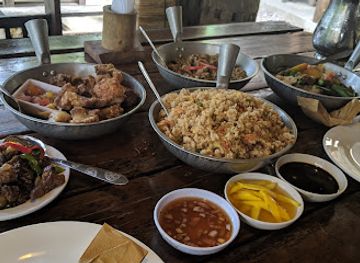
Dining in the Ilocos Region is grounded in robustly seasoned food, vegetables, rice, preserved ingredients and produce from the coast and farming districts. Visitors can look for Ilocano specialities such as pinakbet, bagnet, empanada and vegetable dishes using local bitter melon, leaves and native aromatics, while restaurants and market stalls interpret these traditions in both home-style and contemporary ways. Pangasinan is strongly associated with bangus, or milkfish, prepared in forms ranging from grilled and fried to stuffed or smoked, alongside seafood from Lingayen Gulf and the western coast. Vigan and Laoag have the widest choice of cafés, bakeries and restaurants, while smaller towns are better known for family-run eateries, roadside grills and market food. San Juan and San Fernando add cafés and casual dining shaped by the surf economy. Local rice products, vinegar, tobacco-country produce and regional sweets make useful food discoveries, though recipes and names vary between provinces and households.
-
Restaurant
Hidden Garden
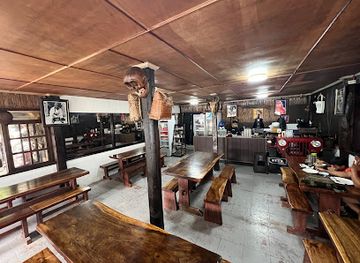
Experience serenity and flavor at Hidden Garden – a picturesque dining oasis in Vigan City offering local delicacies amidst lush greenery.
-
Restaurant
The Farmer's Daughter Restaurant
Experience authentic Filipino cuisine amidst breathtaking views at The Farmer's Daughter Restaurant in Baguio.
-
Restaurant
La Preciosa Ilocos Corp
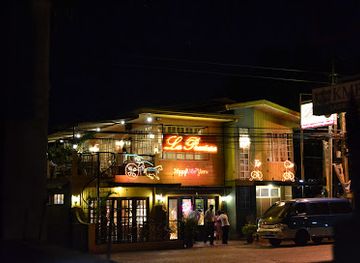
Experience authentic Ilocano cuisine at La Preciosa Ilocos Corp in Laoag City - where tradition meets taste.
-
Restaurant
The Barn
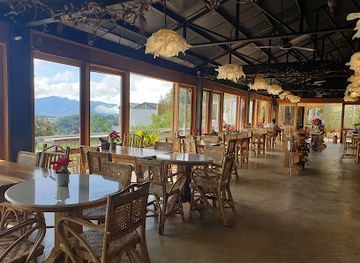
Experience the best of Baguio's culinary scene at The Barn - where fresh local ingredients meet rustic charm.
Best bars in Ilocos Region
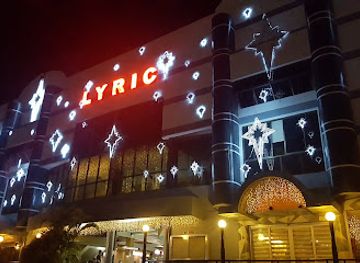
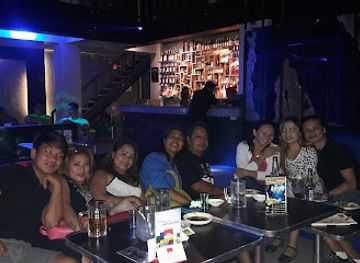
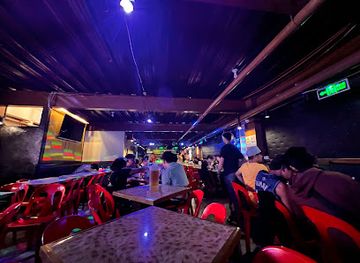
Evening life differs sharply across the region. Vigan's historic centre is suited to relaxed dinners, traditional inns, cafés and occasional cultural performances rather than a large club scene. Laoag and San Fernando have more conventional bars, karaoke venues and casual restaurants, while San Juan in La Union has the region's most recognisable concentration of evening activity, with laid-back bars, small music venues and eateries serving surfers and weekend visitors. Pangasinan's nightlife is generally centred on town establishments, resort areas and restaurants rather than dedicated nightclub districts. Breweries, cocktail bars and live music venues appear mainly in larger urban or coastal centres, but openings and programming can change. In rural areas, evenings are quieter, with family restaurants, local gatherings and roadside food stalls providing the main social atmosphere. Visitors should arrange return transport in advance when staying outside a provincial capital or resort centre.
-
Restaurant
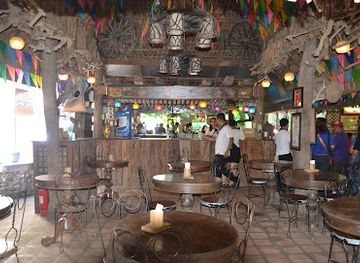
Hidden Garden
Experience the serene beauty and authentic flavors of Vigan at Hidden Garden, a restaurant nestled in nature's embrace.
-
Bar
Rumours Bar and Restaurant
Experience the vibrant atmosphere and delightful cuisine at Rumours Bar and Restaurant in Baguio, a perfect spot for relaxation and socializing.
-
Restaurant
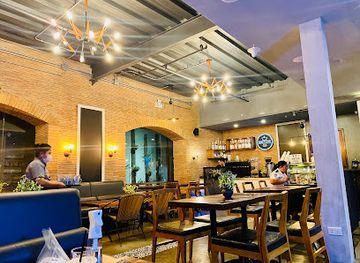
1995 Studio Cafe
Discover a delightful blend of local flavors and cozy ambiance at 1995 Studio Cafe in Vigan City, a must-visit for food enthusiasts.
-
Restaurant
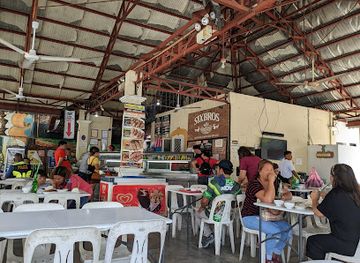
Six Bros. Bar and Grill
Savor the authentic flavors of the Philippines at Six Bros. Bar and Grill, a must-visit dining destination in Vigan City.

Best nightclubs in Ilocos Region
Evening life differs sharply across the region. Vigan's historic centre is suited to relaxed dinners, traditional inns, cafés and occasional cultural performances rather than a large club scene. Laoag and San Fernando have more conventional bars, karaoke venues and casual restaurants, while San Juan in La Union has the region's most recognisable concentration of evening activity, with laid-back bars, small music venues and eateries serving surfers and weekend visitors. Pangasinan's nightlife is generally centred on town establishments, resort areas and restaurants rather than dedicated nightclub districts. Breweries, cocktail bars and live music venues appear mainly in larger urban or coastal centres, but openings and programming can change. In rural areas, evenings are quieter, with family restaurants, local gatherings and roadside food stalls providing the main social atmosphere. Visitors should arrange return transport in advance when staying outside a provincial capital or resort centre.
-
Night club
The Camp
Experience the vibrant nightlife of Baguio at The Camp, a perfect blend of dining and dancing amidst the cool mountain air.
-
Bar
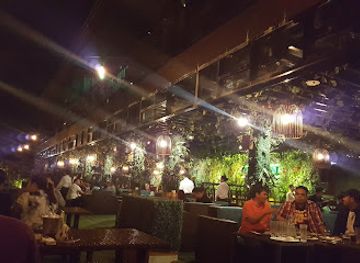
8.88 Restaurant & KTV Bar
Discover the vibrant dining and karaoke experience at 8.88 Restaurant & KTV Bar in Vigan City, where every meal is a celebration!
-
Musical club
District 01 Superclub
Discover the energetic nightlife of Laoag City at District 01 Superclub, where live music and dancing await in a vibrant atmosphere.
-
Bar
Planet G Music Box
Discover the lively nightlife at Planet G Music Box in Baguio, where music and dance create unforgettable memories.
Best shops in Ilocos Region
Shopping is most rewarding in the region's historic towns, provincial capitals and public markets rather than in large luxury centres. Vigan is known for shops selling woven textiles, traditional craftwork, ceramics, wood products, local snacks and souvenir interpretations of its architectural heritage. Laoag and other Ilocos Norte towns offer regional food products, woven goods and practical market shopping, while San Fernando and San Juan combine everyday retail with independent cafés, surf-related merchandise and small lifestyle shops. Pangasinan's markets are useful for bangus, dried seafood, vegetables, rice products and other food items, subject to transport and customs limits when taking perishables home. Look for Ilocano woven fabrics, local vinegar, preserved foods, sweets and craft products, and ask about materials and production rather than assuming every item is locally made. Bargaining is more appropriate in some informal markets than in fixed-price shops; inspect fragile goods carefully and carry cash for smaller vendors.
-
Tourist attraction
Calle Crisologo
Explore the enchanting Calle Crisologo, where history, culture, and local flavors converge in the heart of Vigan City, Philippines.
-
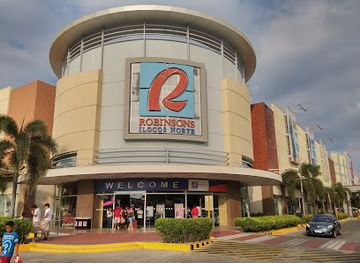
Department store
Robinsons Department Store Ilocos
Explore the vibrant Robinsons Department Store Ilocos, a top shopping destination featuring local and international brands in San Nicolas.
-
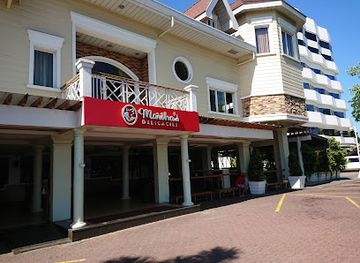
Bakery
Marsha's Delicacies
Discover the delightful flavors of Marsha's Delicacies, a bakery in Bantay, Ilocos Sur, offering a variety of delicious pastries and local treats.
-
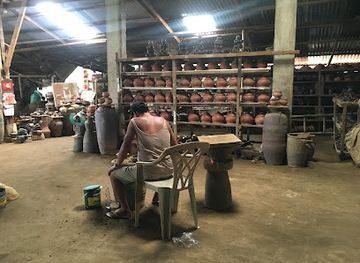
Pottery manufacturer
RG Jar Factory
Discover the art of traditional pottery at RG Jar Factory in Vigan City, a vibrant hub of craftsmanship and cultural heritage.
Get your free copy of our complete guide to Ilocos Region, delivered straight to you.
Everything on this page, from attractions and restaurants to essentials and local phrases, in one PDF you can read offline, print or share.
Already have an account? Sign in
Your Ilocos Region guide is ready.
We'll send it to · Not you? Sign out

Getting your guide ready…
We are putting together a fresh copy of the Ilocos Region guide. This can take up to a minute.
This can take a few moments. If your browser asks, choose Allow so the download can start. You'll find the guide in your Downloads folder.
Nothing happened? Download it again
Sorry, the guide is taking longer than usual. Please try again in a minute, or get it by email instead.
Ilocos Region essentials
Currency and Payment
Safety
Emergency Situations
Do's and Don'ts
Local Tips
From Eve
Local phrases worth knowing
You don't need to get them perfect. A few words go a long way, and locals appreciate the effort.
Basics
| English | Local | Say it |
|---|---|---|
| Hello | Kumusta | [koo-moos-tah] |
| Goodbye | Agyamanak | [ah-gyah-mah-nak] |
| Yes | Wen | [wen] |
| No | Saan | [sah-an] |
| Please/You're welcome | Pakiusap / Walang anuman | [pah-kee-oo-sahp / wah-lang ah-noo-mahn] |
| Thank you | Agyamanak | [ah-gyah-mah-nak] |
| Excuse me/Sorry | Dispensar / Pasensya | [dis-pen-sar / pah-sen-syah] |
| How are you? | Kumusta ka? | [koo-moos-tah kah] |
| Fine. And you? | Naimbag. Kenka? | [nai-mbag. ken-kah] |
| Do you speak English? | Agsasaoka ti English? | [ag-sah-sao-kah tee English] |
| I don't understand | Saan ko maawatan | [sah-an koh mah-wah-tan] |
Eating & Drinking
| English | Local | Say it |
|---|---|---|
| I'd like to see the menu, please | Kayat ko kuma ti menu, pakiusap | [kah-yat koh koo-mah tee menu, pah-kee-oo-sahp] |
| I don't eat meat | Saanak nga mangan ti karne | [sah-an-ak ngah ma-ngan tee kar-ne] |
| Cheers! | Salud! | [sah-lud] |
| I would like to pay, please | Kayat ko kuma nga bayadan, pakiusap | [kah-yat koh koo-mah ngah bah-yah-dan, pah-kee-oo-sahp] |
Emergencies
| English | Local | Say it |
|---|---|---|
| Help! | Tulungan! | [too-loo-ngan] |
| Go away! | Umali ka! | [oo-mah-lee kah] |
| Call the Police! | Tawagan ti pulis! | [tah-wah-gan tee poo-lees] |
| Call a doctor! | Tawagan ti doktor! | [tah-wah-gan tee dok-tor] |
| I'm lost | Nawadanak | [nah-wah-dah-nak] |
| I'm ill | Awan ti salun-at ko | [ah-wan tee sah-loon-aht koh] |
Shopping
| English | Local | Say it |
|---|---|---|
| I'd like to buy... | Kayat ko nga gumatang... | [kah-yat koh ngah goo-ma-tang] |
| I'm just looking | Agpasiar laengak | [ag-pah-see-ar lah-eng-ak] |
| How much is it? | Mano ti presyo na? | [mah-no tee preh-syo nah] |
| That's too expensive | Nasken a napateg | [nas-ken ah nah-pah-teg] |
| Can you lower the price? | Mabalin mo nga ibaba ti presyo? | [mah-bah-lin moh ngah ee-bah-bah tee preh-syo] |
Time & Numbers
| English | Local | Say it |
|---|---|---|
| What time is it? | Ania ti oras? | [ah-nee-ah tee oh-ras] |
| It's one o'clock | Isang oras | [ee-sang oh-ras] |
| Half past (10) | Tungtungan ti (10) | [toong-toong-an tee (10)] |
| Morning | Mornin | [mor-nin] |
| Afternoon | Malem | [mah-lem] |
| Evening | Rabi-i | [rah-bee-ee] |
| Yesterday | Idi kalman | [ee-dee kal-man] |
| Today | Ita | [ee-tah] |
| Tomorrow | Inton bigat | [in-ton bee-gat] |
| 1 | Saan | [sah-ahn] |
| 2 | Dua | [doo-ah] |
| 3 | Tallo | [tahl-loh] |
| 4 | Upat | [oo-pat] |
| 5 | Lima | [lee-mah] |
| 6 | Inem | [ee-nem] |
| 7 | Pito | [pee-toh] |
| 8 | Walo | [wah-loh] |
| 9 | Siyam | [see-yahm] |
| 10 | Sampulo | [sahm-poo-loh] |
Transport & Directions
| English | Local | Say it |
|---|---|---|
| Where's a/the...? | Ayanna ti...? | [ah-yahn-nah tee] |
| What's the address? | Ania ti address? | [ah-nee-ah tee address] |
| Can you show me (on the map)? | Mabalin mo nga ipakita kaniak (iti mapa)? | [mah-bah-lin moh ngah ee-pah-kee-tah kah-nee-ak (ee-tee mah-pah)] |
| When's the next (bus)? | Kailan ti sumaruno (bus)? | [kai-lan tee soo-ma-roo-no (bus)] |
| A ticket (to ....) | Isang tiket (to ....) | [ee-sang tee-ket (to ....)] |
History of Ilocos Region
Early Ilocano and Pangasinan Communities
Before Spanish administration, the north-western coast and river plains were home to established Ilocano and Pangasinan societies, alongside other Indigenous communities in upland areas. Farming, fishing, weaving, local trade and settlement around rivers and coastal routes supported dense communities. Pangasinan's position on Lingayen Gulf connected it to wider maritime exchange, while the Ilocos coast maintained links with neighbouring parts of Luzon and the sea routes of Southeast Asia. Archaeological evidence and continuing linguistic and cultural traditions provide important reminders that the region's history began long before colonial town centres and churches.
Spanish Colonisation and Mission Towns
Spanish colonial rule reshaped the region from the sixteenth century onwards through missions, tribute systems, planned settlements and the growth of coastal administrative centres. Catholic churches, convents and plazas became prominent features of towns such as Vigan, Laoag, Paoay and Santa Maria. Spanish authorities also reorganised older communities and encouraged agricultural production, while Chinese and other merchants contributed to commercial life. The resulting townscapes combined European ecclesiastical planning with local materials, craftsmanship and adaptations to earthquakes, typhoons and the tropical climate.
Trade, Agriculture and Ilocos Industries
For centuries, the region's economy rested on rice cultivation, tobacco, fishing, salt-making, weaving and long-distance trade. Ilocos Norte and Ilocos Sur developed strong tobacco and textile traditions, while Pangasinan became an important agricultural and fishing area, especially around the Lingayen Gulf plain. Coastal ports and roads connected local producers with Manila and other parts of the archipelago. These industries shaped household life and migration patterns, and their legacy remains visible in woven fabrics, food preservation, farm landscapes, historic markets and the continuing importance of agriculture and fisheries.
Revolts and Anti-Colonial Resistance
The region experienced repeated resistance to Spanish authority, often linked to taxation, forced labour, monopolies and restrictions on local economic activity. The Silang revolt of 1762–1763, associated with Diego and Gabriela Silang in Ilocos, became one of the best-known uprisings in Philippine colonial history. It emerged during the wider disruption caused by the British occupation of Manila but reflected deeper local grievances. Resistance and later reform movements contributed to a regional political tradition that remained influential during the transition from Spanish to American rule.
The Philippine Revolution and American Period
The revolutionary period at the end of the nineteenth century brought political upheaval throughout northern Luzon, followed by the establishment of American colonial administration after the Spanish-American War. New systems of public education, roads, municipal government and commercial agriculture changed the relationship between towns and the countryside. Transport improvements strengthened links with Manila and neighbouring provinces, while local elites and emerging professional groups played increasingly important roles in regional public life. Some of the region's modern civic buildings and institutional history date from this period.
War in Northern Luzon
The Second World War left a significant mark on the Ilocos Region and Pangasinan. The Lingayen Gulf area became central to the Allied return to the Philippines in January 1945, when the Gulf served as the landing area for large American forces. Communities across northern Luzon experienced occupation, military movement, resistance and disruption to civilian life. War memorials, cemeteries and local histories preserve different aspects of this period, while the region's post-war roads, towns and industries developed within the wider reconstruction of the Philippines.
Modern Regional Identity and Tourism
In the post-war decades, migration, improved highways, education and changing agricultural economies connected the four provinces more closely while preserving strong provincial identities. Vigan's conservation and recognition as a UNESCO World Heritage Site strengthened interest in Philippine colonial-era urban heritage, while La Union's surf culture developed into a major domestic travel draw. Pangasinan's marine parks and coastal attractions and Ilocos Norte's historic and landscape sites broadened the region's visitor economy. Contemporary Ilocos identity therefore combines living communities and working landscapes with carefully conserved heritage and newer forms of leisure.
Ilocos Region in Photos
Browse through our photo collection highlighting the charm and character of the destination.
Neighbouring regions of Ilocos Region
The closest regions to Ilocos Region, if you have time for more than one.
-

-

-

-

-


Swipe for more regions
Explore more

Explore more of Philippines
Discover the Philippines: A tropical paradise of islands, rich history, and warm hospitality, perfect for adventurers and relaxation seekers alike.
Explore Philippines