

Free National Capital Region (NCR) Travel Guide & Mobile App
Explore National Capital Region (NCR) with free travel guides. Discover regional history, expert tips, proposed trips, and audio guides on web or mobile app.


Explore the Philippines’ National Capital Region through Intramuros, museums, food markets, modern districts and the layered life of Metro Manila.
Read more about National Capital Region (NCR)
When is the best time to visit National Capital Region (NCR)?
Best: December–February · 31°C| Month | High (°C) | Rainfall (mm) |
|---|---|---|
| January (best) | 31 | 24 |
| February (best) | 31 | 14 |
| March | 34 | 26 |
| April | 35 | 37 |
| May | 35 | 59 |
| June | 34 | 111 |
| July | 34 | 156 |
| August | 34 | 160 |
| September | 34 | 137 |
| October | 33 | 95 |
| November | 33 | 52 |
| December (best) | 31 | 41 |
Getting to and around National Capital Region (NCR)
How to get there
Transportation
Top city travel guides in National Capital Region (NCR)
The cities of National Capital Region (NCR), and the easiest places to base yourself.

Swipe for more cities
Best attractions in National Capital Region (NCR)
Metro Manila’s attractions range from the Spanish walls and churches of Intramuros to museums, galleries, parks, theatres and contemporary cultural spaces spread across the region. The National Museum complex in Manila presents major collections of fine art, anthropology and natural history, while Rizal Park provides a civic landscape around important national memorials. The Cultural Center of the Philippines complex is a principal venue for performance and visual arts, and Quezon City offers the Quezon Memorial Circle, the Ninoy Aquino Parks and Wildlife Center and the University of the Philippines Diliman campus. Binondo introduces visitors to Manila’s long Chinese-Filipino commercial history through streets, temples and food businesses. Large malls in Makati, Taguig, Pasay and Quezon City function as shopping, dining and entertainment centres, while the Ayala Museum and other galleries reflect the capital’s modern cultural life. Outdoor experiences are more urban than wilderness-based: riverside walks, city parks and selected cycling routes offer breaks from dense development, and the La Mesa Ecopark area provides a greener setting in the north-east of the region. Because distances are deceptive, attractions are best grouped by district rather than attempted as a single circuit.
-
Historical landmark
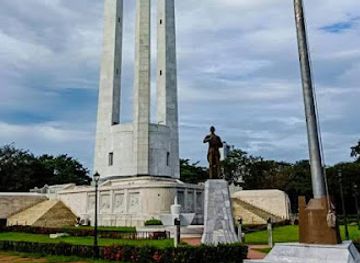
Quezon Memorial Circle
Experience the rich historical tapestry and lush landscapes of Quezon Memorial Circle, a must-visit national park in Quezon City.
-
Theme park
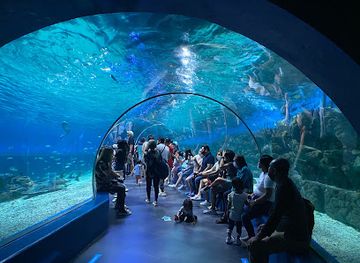
Manila Ocean Park
Explore the wonders of the marine world at Manila Ocean Park, where adventure meets education in a captivating aquatic experience.
-
Historical landmark
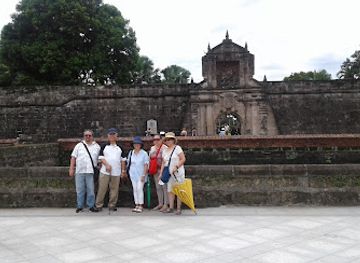
Fort Santiago
Explore Fort Santiago, a historical fortress in Intramuros, Manila, and discover the rich heritage of the Philippines through its captivating architecture and stories.
-
Park
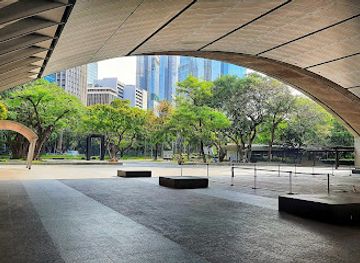
Ayala Triangle Gardens
Discover the lush beauty and cultural vibrancy of Ayala Triangle Gardens, a serene park in the bustling heart of Makati, Metro Manila.

Best landmarks in National Capital Region (NCR)
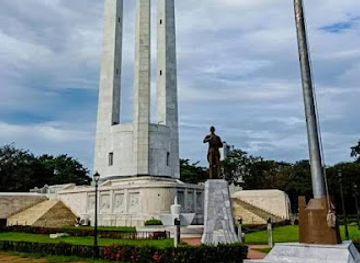
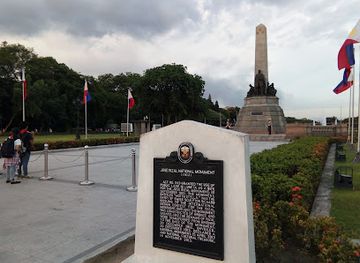
Intramuros is NCR’s defining historic landmark, its surviving walls, gates and Spanish-era churches marking the site of colonial Manila and the extensive wartime destruction of 1945. San Agustin Church, with its long colonial history, is among the most important surviving religious buildings in the walled city, while nearby Manila Cathedral represents the continuing ecclesiastical centre of the capital. Rizal Park is a major civic landmark associated with national hero José Rizal and the political symbolism of the modern Philippines. The National Museum of Fine Arts occupies a significant neoclassical government building near the park, linking architecture with the country’s institutional history. In Quezon City, the Quezon Memorial Circle is recognisable for its tall central monument and marks the former capital’s planned civic core. The EDSA Shrine in Ortigas is associated with the 1986 People Power movement, and the Pasig River remains a geographical landmark that connects the historic centre to the eastern metropolis. Modern skylines in Makati and Bonifacio Global City, although continually changing, express NCR’s transformation into the Philippines’ principal financial and corporate centre.
-
Historical landmark
Quezon Memorial Circle
Discover the rich history and vibrant atmosphere of Quezon Memorial Circle, a national park and historical landmark in Quezon City.
-
Historical landmark
Fort Santiago
Discover the rich history of the Philippines at Fort Santiago, a historical landmark in Intramuros showcasing the legacy of Filipino resilience and heritage.
-
Historical landmark
José Rizal Monument
Explore the José Rizal Monument in Manila, a captivating tribute to the Philippines' national hero, surrounded by lush gardens and rich history.
-
Catholic church
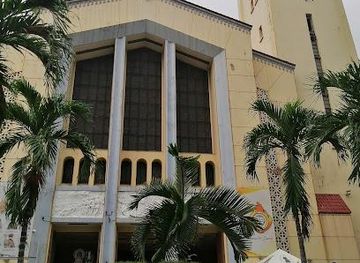
Santo Domingo Church - National Shrine of Our Lady of the Holy Rosary of La Naval de Manila
Explore the awe-inspiring Santo Domingo Church, a national shrine in Quezon City renowned for its stunning architecture and rich spiritual heritage.
Explore National Capital Region (NCR) on the map
Plan your trip on one map. See where the top cities, national parks and sights are, and book hotels and experiences in a few clicks.
Best hotels in National Capital Region (NCR)
Best restaurants in National Capital Region (NCR)
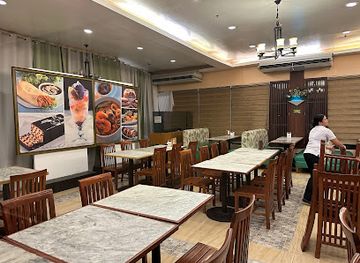
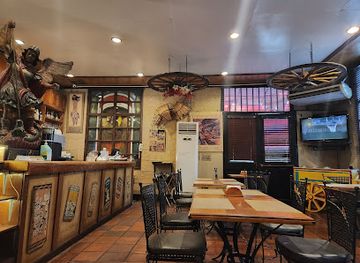
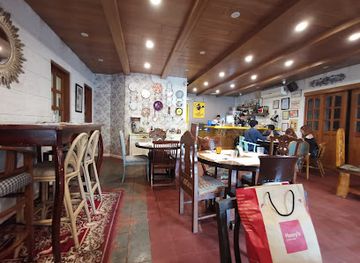
Dining in NCR is a broad survey of Philippine food as well as a reflection of Manila’s own history. Restaurants and food halls serve specialities associated with Luzon, the Visayas and Mindanao alongside Chinese-Filipino cooking, Spanish-influenced dishes and contemporary interpretations of local ingredients. Manila’s Binondo is particularly associated with Chinese-Filipino culinary traditions, while markets and neighbourhood eateries provide accessible ways to try rice dishes, grilled food, noodles, stews, regional snacks and desserts. In Makati, Taguig, Quezon City and central Manila, the range extends from casual carinderias and bakeries to speciality coffee shops, modern Filipino restaurants and international dining. Seafood, tropical fruit, coconut, rice, pork and local vegetables appear in many regional styles rather than one metropolitan cuisine. Filipino breakfasts, merienda snacks and halo-halo are widely available, while craft beverages and contemporary pastry have grown in the capital’s newer dining districts. Check whether a bill includes a service charge, and choose busy, well-maintained food businesses when buying prepared food in hot weather.
-
Restaurant
Victorino's Restaurant
Experience authentic Filipino flavors at Victorino's Restaurant in Quezon City – where every dish is a celebration of culinary heritage.
-
Filipino
The Aristocrat Restaurant
Discover authentic Filipino flavors at The Aristocrat Restaurant in Manila - a culinary landmark steeped in tradition.
-
Filipino
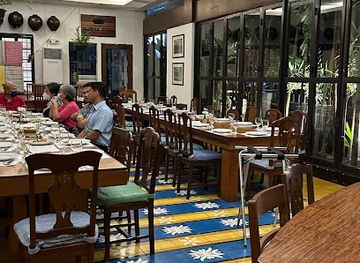
Ilustrado Restaurant
Experience the best of Filipino cuisine amidst the historical charm of Intramuros at Ilustrado Restaurant.
-
Restaurant
The Frazzled Cook
Discover authentic Filipino flavors at The Frazzled Cook in Quezon City - a cozy spot for culinary delights.
Best bars in National Capital Region (NCR)
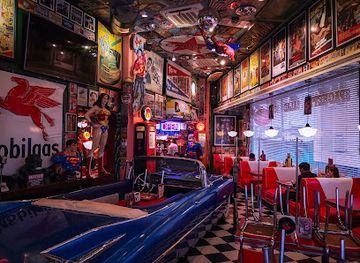
Evening life in NCR is concentrated in different districts rather than one continuous nightlife area. Pubs, cocktail bars, restaurants and live-music venues are especially numerous in parts of Makati, Bonifacio Global City in Taguig and Quezon City, while central Manila offers historic hotels, cultural performances and smaller bars around established commercial streets. Pasay and the entertainment complexes near the airport and Manila Bay also attract evening visitors, although the character varies from large commercial venues to restaurants and lounges. Traditional neighbourhood bars and karaoke remain part of metropolitan social life, while breweries, wine bars and specialist cocktail venues represent newer tastes. Nightclubs exist, but the region’s nightlife is not limited to clubbing: theatre, concerts, late dining, comedy and gallery events are significant alternatives. Traffic and changing venue policies make it sensible to choose one district for an evening, arrange a reliable journey home and check current admission or programme details before travelling.
-
American
Filling Station Bar And Cafe
Discover retro charm at Filling Station Bar And Cafe, where American cuisine meets nostalgic ambiance in the heart of Makati.
-
Bar
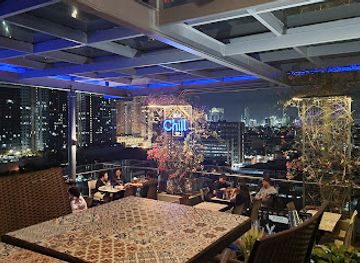
Chill Top Cubao - Roofdeck Restobar
Experience stunning views and vibrant nightlife at Chill Top Cubao, a premier roofdeck restobar in Quezon City, Metro Manila.
-
Bar
Sky Deck View Bar
Experience breathtaking views and vibrant ambiance at the Sky Deck View Bar, a serene escape in Intramuros, Manila.
-
French
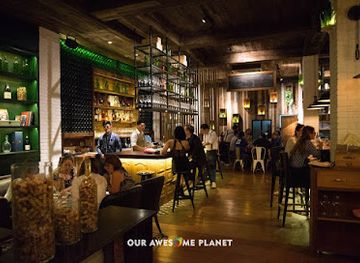
Dr. Wine Manila
Experience the essence of French dining at Dr. Wine Manila, where exquisite cuisine meets exceptional wines in a chic urban setting.
Best nightclubs in National Capital Region (NCR)
Evening life in NCR is concentrated in different districts rather than one continuous nightlife area. Pubs, cocktail bars, restaurants and live-music venues are especially numerous in parts of Makati, Bonifacio Global City in Taguig and Quezon City, while central Manila offers historic hotels, cultural performances and smaller bars around established commercial streets. Pasay and the entertainment complexes near the airport and Manila Bay also attract evening visitors, although the character varies from large commercial venues to restaurants and lounges. Traditional neighbourhood bars and karaoke remain part of metropolitan social life, while breweries, wine bars and specialist cocktail venues represent newer tastes. Nightclubs exist, but the region’s nightlife is not limited to clubbing: theatre, concerts, late dining, comedy and gallery events are significant alternatives. Traffic and changing venue policies make it sensible to choose one district for an evening, arrange a reliable journey home and check current admission or programme details before travelling.
-
Night club
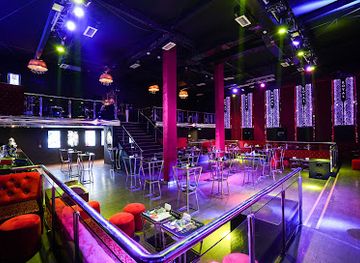
Xylo at The Palace
Discover the exhilarating nightlife at Xylo at The Palace, where Manila's finest DJs and an upscale ambiance create unforgettable nights.
-
Night club
Royal Club
Discover the vibrant nightlife at Royal Club, Makati's premier destination for unforgettable dance parties and a luxurious clubbing experience.
-
Night club
Clubhouse at The Palace
Dive into the exhilarating nightlife of Taguig at Clubhouse, where music, dance, and vibrant energy unite until dawn.
-
Gay night club
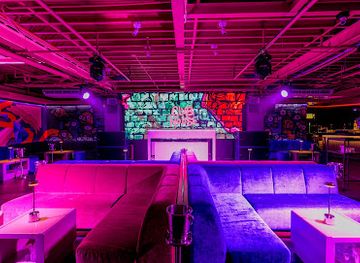
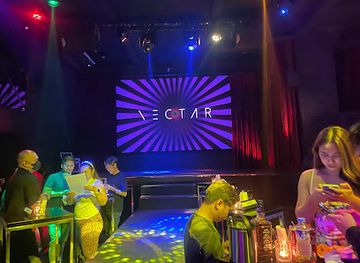
Nectar Nightclub
Experience the vibrant nightlife at Nectar Nightclub, Taguig's premier gay club, where electrifying music meets an inclusive atmosphere.

Best shops in National Capital Region (NCR)
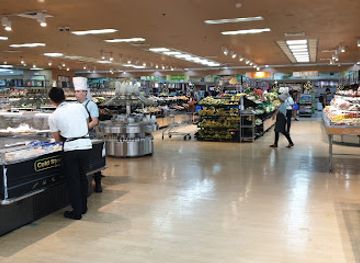
Shopping in NCR ranges from traditional markets and specialist streets to some of Southeast Asia’s largest modern retail complexes. Divisoria and nearby central Manila markets are known for dense wholesale and budget retail, while Binondo combines food shopping, Chinese-Filipino businesses and long-established commercial activity. Makati, Bonifacio Global City, Ortigas and Quezon City offer department stores, independent boutiques, bookshops, galleries, design shops and air-conditioned malls, with distinct choices in fashion, dining and entertainment. Large centres in Pasay and other parts of the metropolis are practical for Filipino brands, technology, household goods and regional food products. Visitors looking for souvenirs can find woven goods, woodcraft, jewellery, textiles, locally made snacks, coffee and packaged delicacies, but quality and provenance vary, so compare items and ask sellers about materials. Farmers’ markets and smaller weekend markets can be useful for produce and artisan goods, while the National Museum and cultural institutions provide context for traditional arts without reducing them to generic souvenirs.
-
Shopping mall
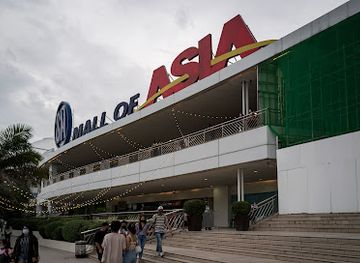
SM Mall of Asia
Experience the ultimate shopping and entertainment at SM Mall of Asia, the largest mall in the Philippines, offering endless options for every visitor.
-
Shopping mall
SM Megamall Building A
Discover the ultimate shopping experience at SM Megamall Building A, featuring diverse retail options, delectable dining, and vibrant entertainment in Metro Manila.
-
Shopping mall
Glorietta
Discover Glorietta, Makati's premier shopping destination offering an array of retail, dining, and entertainment options in Metro Manila.
-
Shopping mall
Venice Grand Canal Mall
Discover the enchanting Venice Grand Canal Mall in Taguig, where shopping meets picturesque Italian charm in the heart of Metro Manila.
Get your free copy of our complete guide to National Capital Region (NCR), delivered straight to you.
Everything on this page, from attractions and restaurants to essentials and local phrases, in one PDF you can read offline, print or share.
Already have an account? Sign in
Your National Capital Region (NCR) guide is ready.
We'll send it to · Not you? Sign out

Getting your guide ready…
We are putting together a fresh copy of the National Capital Region (NCR) guide. This can take up to a minute.
This can take a few moments. If your browser asks, choose Allow so the download can start. You'll find the guide in your Downloads folder.
Nothing happened? Download it again
Sorry, the guide is taking longer than usual. Please try again in a minute, or get it by email instead.
National Capital Region (NCR) essentials
Currency and Payment
Safety
Emergency Situations
Do's and Don'ts
Local Tips
From Eve
Local phrases worth knowing
You don't need to get them perfect. A few words go a long way, and locals appreciate the effort.
Basics
| English | Local | Say it |
|---|---|---|
| Hello | Kamusta | [kah-moos-tah] |
| Goodbye | Paalam | [pah-ah-lahm] |
| Yes | Oo | [oh-oh] |
| No | Hindi | [hin-dee] |
| Please/You're welcome | Pakiusap/Walang anuman | [pah-kee-oo-sap/wah-lang ah-noo-mahn] |
| Thank you | Salamat | [sah-lah-maht] |
| Excuse me/Sorry | Patawad | [pah-tah-wahd] |
| How are you? | Kamusta ka? | [kah-moos-tah kah] |
| Fine. And you? | Ayos lang. Ikaw? | [ah-yohs lahng. ee-kaw] |
| Do you speak English? | Nagsasalita ka ba ng Ingles? | [nahg-sah-sah-lee-tah kah bah ng ing-les] |
| I don't understand | Hindi ko naiintindihan | [hin-dee koh nah-ee-in-tin-dee-han] |
Eating & Drinking
| English | Local | Say it |
|---|---|---|
| I'd like to see the menu, please | Gusto ko sanang makita ang menu, please | [goos-toh koh sah-nang mah-kee-tah ang meh-noo] |
| I don't eat meat | Hindi ako kumakain ng karne | [hin-dee ah-koh koo-mah-kah-een ng kar-neh] |
| Cheers! | Tagay! | [tah-guy] |
| I would like to pay, please | Gusto ko sanang magbayad, please | [goos-toh koh sah-nang mag-bah-yad] |
Emergencies
| English | Local | Say it |
|---|---|---|
| Help! | Tulungan! | [too-loo-ngan] |
| Go away! | Umalis ka! | [oo-mah-lis kah] |
| Call the Police! | Tawagan ang Pulis! | [tah-wah-gan ang poo-lis] |
| Call a doctor! | Tawagan ang doktor! | [tah-wah-gan ang dok-tor] |
| I'm lost | Nawawala ako | [nah-wah-wah-lah ah-koh] |
| I'm ill | May sakit ako | [my sah-ket ah-koh] |
Shopping
| English | Local | Say it |
|---|---|---|
| I'd like to buy... | Gusto ko sanang bumili ng... | [goos-toh koh sah-nang boo-mee-lee ng] |
| I'm just looking | Titingin lang ako | [tee-ting-in lahng ah-koh] |
| How much is it? | Magkano ito? | [mag-kah-no ee-toh] |
| That's too expensive | Masyadong mahal yan | [mah-shah-dong mah-hal yahn] |
| Can you lower the price? | Maaari mo bang ibaba ang presyo? | [mah-ah-ree mo bahng ee-bah-bah ang pres-yo] |
Time & Numbers
| English | Local | Say it |
|---|---|---|
| What time is it? | Anong oras na? | [ah-nong oh-ras nah] |
| It's one o'clock | Isang oras na | [ee-sahng oh-ras nah] |
| Half past (10) | Sampung minuto'y pasado na | [sahm-poong mee-noo-toy pah-sah-doh nah] |
| Morning | Umaga | [oo-mah-gah] |
| Afternoon | Hapon | [hah-pon] |
| Evening | Gabi | [gah-bee] |
| Yesterday | Kahapon | [kah-hah-pon] |
| Today | Ngayon | [ngah-yon] |
| Tomorrow | Bukas | [boo-kas] |
| 1 | Isa | [ee-sah] |
| 2 | Dalawa | [dah-lah-wah] |
| 3 | Tatlo | [taht-loh] |
| 4 | Apat | [ah-paht] |
| 5 | Lima | [lee-mah] |
| 6 | Anim | [ah-neem] |
| 7 | Pito | [pee-toh] |
| 8 | Walo | [wah-loh] |
| 9 | Siyam | [see-yahm] |
| 10 | Sampu | [sahm-poo] |
Transport & Directions
| English | Local | Say it |
|---|---|---|
| Where's a/the...? | Nasaan ang...? | [nah-sah-ahn ang] |
| What's the address? | Ano ang address? | [ah-no ang ah-dres] |
| Can you show me (on the map)? | Maaari mo bang ipakita sa akin (sa mapa)? | [mah-ah-ree mo bahng ee-pah-kee-tah sah ah-keen (sah mah-pah)] |
| When's the next (bus)? | Kailan ang susunod na (bus)? | [kai-lan ang soo-soon-od nah] |
| A ticket (to ....) | Isang tiket (papuntang ...) | [ee-sahng tee-ket (pah-pun-tang)] |
History of National Capital Region (NCR)
Precolonial Manila and the Pasig River
Before Spanish rule, settlements around the Pasig River and Manila Bay formed part of a trading world connected to maritime Southeast Asia and southern China. The polity associated with Maynila occupied an important position near the river’s mouth, while Tondo on the northern bank was another influential centre. Local communities traded goods, cultivated the surrounding plain and used waterways for transport. Although much of the early urban landscape has disappeared beneath later construction, the river, bay and place names preserve the geographical foundations of the capital’s earliest history.
Spanish Manila and the Walled City, 1571 onwards
Miguel López de Legazpi established Spanish Manila in 1571, placing the colonial centre on the southern bank of the Pasig River and building Intramuros as a fortified administrative and religious enclave. Manila became a key port of the Manila-Acapulco galleon trade, linking Asia with New Spain across the Pacific. Churches, monasteries, government buildings and merchant districts expanded around the walls, while older communities and nearby settlements continued to develop outside them. The surviving churches and street plan of Intramuros remain the clearest physical expression of this period.
British Occupation and Late Spanish Rule
British forces captured Manila in 1762 during the Seven Years’ War and held the city until 1764, although Spanish authority continued in much of the surrounding territory. The episode exposed the strategic importance and vulnerability of the port. During the nineteenth century, Manila grew as a commercial centre as Spanish trade restrictions eased, and new roads, bridges and civic institutions connected the walled city with districts such as Binondo and Quiapo. Reformist and nationalist ideas also circulated through the capital, helping create the political climate that preceded the Philippine Revolution.
Revolution, American Planning and the Rise of Quezon City
The Philippine Revolution and the subsequent transition to American rule transformed Manila’s political and physical landscape. American administrators developed public education, civic buildings, parks and wider avenues, with Daniel Burnham’s planning ideas influencing the capital’s modern layout. In 1939, President Manuel L. Quezon founded Quezon City northeast of old Manila to serve as a new national capital. Its government centre and planned districts reflected ambitions for a more spacious administrative city, although Manila remained the country’s principal commercial and cultural focus.
War, Destruction and Reconstruction, 1941–1946
Japanese occupation began in 1942, followed by the Battle of Manila in February 1945. The fighting caused extensive destruction and large-scale civilian casualties, particularly in Intramuros and central Manila. Many historic buildings, archives and homes were lost, leaving the surviving churches and fragments of the old city especially significant. Postwar reconstruction reshaped the capital through new roads, public buildings, housing and commercial development. The wartime experience remains central to the region’s historical memory and explains many of the sharp architectural breaks visible across Manila.
The Creation of Metro Manila, 1975
The national government created the Metropolitan Manila area in 1975 through a presidential decree that brought several municipalities and cities under a metropolitan administration. The arrangement recognised that the capital’s transport, housing, drainage and economic systems had already expanded beyond Manila’s old boundaries. The present National Capital Region comprises 16 cities and the municipality of Pateros. This metropolitan framework helped coordinate a rapidly growing urban area, while also preserving the distinct identities of its component local governments and neighbourhoods.
People Power and Contemporary Metropolitan Life
In February 1986, mass demonstrations along Epifanio de los Santos Avenue, or EDSA, contributed to the fall of Ferdinand Marcos and the restoration of democratic government under Corazon Aquino. The event made EDSA an important symbol of civic mobilisation in the Philippines. Since then, NCR has experienced rapid expansion in finance, information services, retail, higher education and real estate, alongside persistent challenges involving traffic, flooding, housing and inequality. Its contemporary character is therefore defined by both economic dynamism and the continuing negotiation of a very large, densely settled metropolis.
National Capital Region (NCR) in Photos
Browse through our photo collection highlighting the charm and character of the destination.
Neighbouring regions of National Capital Region (NCR)
The closest regions to National Capital Region (NCR), if you have time for more than one.
-

-

-

-

-


Swipe for more regions
Explore more
Explore more of Philippines
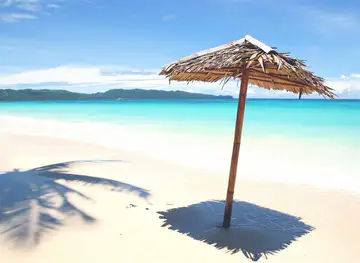
Discover the Philippines: A tropical paradise of islands, rich history, and warm hospitality, perfect for adventurers and relaxation seekers alike.
Explore Philippines