

Luzon, Philippines Travel Guide
Discover Luzon: Explore the heart of the Philippines with its rich history, stunning landscapes, and vibrant culture, offering something for every traveler.
Luzon, the largest island in the Philippines, offers a rich tapestry of history, culture, and natural beauty. It is home to the bustling capital city, Manila, where modern skyscrapers stand alongside centuries-old Spanish colonial architecture. Visitors can explore historic sites like Intramuros, a walled city dating back to the 16th century, and the impressive Rizal Park, dedicated to the country's national hero, José Rizal. Luzon is not just about urban attractions. Nature lovers will find paradise in the island's diverse landscapes. From the stunning peaks of the Cordillera Mountains to the iconic Chocolate Hills, Luzon offers a plethora of outdoor adventures. The Banaue Rice Terraces, often called the 'Eighth Wonder of the World,' are a must-see. These ancient, hand-carved terraces showcase the ingenuity of the Ifugao people and offer breathtaking views. For beach enthusiasts, the coastal areas of Luzon are equally captivating. The pristine beaches of Pagudpud in the north and the crystal-clear waters of Batangas in the south provide perfect spots for relaxation and water activities. Additionally, the island is dotted with charming towns and vibrant festivals that give visitors a glimpse into the local way of life. Whether you are looking for cultural experiences, thrilling adventures, or serene escapes, Luzon has something for every traveler.

Know before you go
Hi, I'm Eve. Here are a few practical things to know before exploring Luzon.
- Visit Intramuros early in the morning to avoid crowds and enjoy cooler temperatures.
- Bring cash when visiting rural areas, as ATMs and card facilities may be scarce.
- Try local delicacies like 'halo-halo' and 'adobo' for an authentic culinary experience.
- Wear comfortable shoes for exploring the Banaue Rice Terraces and other hiking spots.
- Check the weather forecast and plan beach trips during the dry season to avoid monsoon rains.
Top City Travel Guides in Luzon
The cities of Luzon, and the easiest places to base yourself.


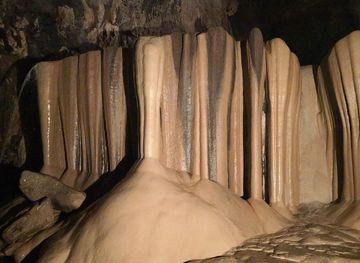
Destinations in Luzon
Resorts, valleys and scenic spots worth a trip of their own.


Explore Luzon: Things to Do, Places to Eat, Hotels & More
Handpicked recommendations for top attractions, local dining, accommodations, and more

Top Attractions & Sightseeing in Luzon
Top-rated picks
Best Attractions

Rizal Park
Explore the historical and cultural treasures of Rizal Park, a lush urban oasis in Manila dedicated to the legacy of Dr. Jose Rizal.

Burnham Park
Burnham Park in Baguio City: A lush urban oasis offering boating, biking, and breathtaking landscapes for an unforgettable experience.

Fort Santiago
Explore Fort Santiago in Intramuros, Manila, a historical fortress that reveals the rich heritage and colonial past of the Philippines.

Boracay
Experience the breathtaking beauty of Boracay, where pristine beaches meet vibrant nightlife in the heart of the Philippines.

Best landmarks in Luzon
Top-rated picks
Best Landmarks

Rizal Park
Experience the heart of Manila at Rizal Park, a vibrant tribute to Philippine history, culture, and the legacy of Dr. José Rizal.

Burnham Park
Explore Burnham Park in Baguio City, a captivating city park with lush landscapes, boating adventures, and vibrant local culture, perfect for all travelers.
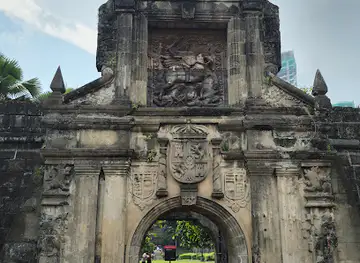
Fort Santiago
Discover the historic Fort Santiago in Intramuros, Manila, where rich Philippine culture and inspiring tales of freedom come to life.
Boracay
Explore Boracay, the Philippine island famed for its white sandy beaches, vibrant nightlife, and pristine waters, perfect for relaxation and adventure.

Best restaurants in Luzon
Top-rated picks
Best Restaurants

Victorino's Restaurant
Discover Victorino's Restaurant in Quezon City for an authentic taste of Filipino cuisine, where tradition meets flavor in every dish.

Manam Netpark
Experience innovative Filipino cuisine at Manam Netpark – where tradition meets modernity in every flavorful dish.

Ilustrado Restaurant
Discover the authentic taste of Filipino cuisine at Ilustrado Restaurant in Intramuros – where culture meets culinary excellence.

Harbor View Restaurant
Experience exquisite Filipino cuisine with breathtaking harbor views at Harbor View Restaurant in Manila's vibrant Ermita district.

Best bars in Luzon
Top-rated picks
Best Bars

Filling Station Bar And Cafe
Discover the unique retro charm of Filling Station Bar And Cafe, serving American comfort food and vibrant drinks in the heart of Makati.

Chill Top Cubao - Roofdeck Restobar
Experience the vibrant atmosphere and stunning views at Chill Top Cubao, the perfect rooftop restobar in Quezon City for food lovers and night owls.

Sky Deck View Bar
Experience breathtaking views and delightful cuisine at Sky Deck View Bar in Intramuros, Manila's rooftop gem.

Skinny Mike's Bar & Restaurant
Experience the vibrant nightlife and delicious dining at Skinny Mike's Bar & Restaurant in Taguig, where every visit is a memorable occasion.

Best nightclubs in Luzon
Top-rated picks
Best Nightclubs

Xylo at The Palace
Experience the electrifying nightlife at Xylo at The Palace, Taguig's premier night club with top DJs, luxury cocktails, and a vibrant atmosphere.

OCTOPUS
Experience the vibrant nightlife at OCTOPUS in Makati, where electrifying parties and diverse crowds create an unforgettable dance adventure.

Royal Club
Discover the vibrant nightlife of Royal Club in Makati, Manila's top destination for late-night fun, dancing, and exceptional service.

Clubhouse at The Palace
Dive into Manila's nightlife at Clubhouse at The Palace, where electrifying beats and vibrant social scenes come together for an unforgettable experience!

Best shops in Luzon
Top-rated picks
Best Shops

168 Shopping Mall
Experience the vibrant shopping scene at 168 Shopping Mall in Binondo, offering diverse shops and delectable food in the heart of Manila.

SM City Manila
Discover the ultimate shopping experience at SM City Manila, where culture, cuisine, and entertainment converge in the heart of the city.

Tiendesitas
Explore Tiendesitas: A Unique Shopping Mall Experience in Pasig with Local Goods, Pet Stores, and Tasty Dining.
Paseo Outlets
Explore Paseo Outlets in Santa Rosa for unparalleled shopping, dining, and entertainment experiences that delight every visitor.

Explore Luzon on the Map
A handpicked selection of must-see spots in Luzon, mapped for you.
Luzon Essentials
-
Luzon, the largest island in the Philippines, can be accessed through several major airports. The main international gateway is Ninoy Aquino International Airport (NAIA) in Manila. Other notable airports include Clark International Airport in Pampanga and Diosdado Macapagal International Airport in Angeles City. From these airports, you can take domestic flights, buses, or private transfers to various destinations within Luzon.
-
Transportation in Luzon is diverse, ranging from modern to traditional modes. For long-distance travel, buses and trains are common, with major bus companies offering routes to most parts of the island. In cities like Manila, the MRT and LRT systems are efficient for getting around. Jeepneys and tricycles are popular and inexpensive ways to travel shorter distances. Ride-hailing apps like Grab are also widely available.
-
The official currency in the Philippines is the Philippine Peso (PHP). Credit cards are widely accepted in urban areas, especially in hotels, restaurants, and shopping centers. However, in rural areas and small establishments, cash is preferred. ATMs are plentiful in cities but may be scarce in remote areas, so it is advisable to carry sufficient cash when traveling.
-
Luzon is generally safe for tourists, but it is important to remain vigilant. Petty crimes like pickpocketing and bag snatching can occur, particularly in crowded areas and public transport. Be cautious in areas such as Quiapo, Tondo, and certain parts of Manila at night. Always keep your belongings secure and avoid displaying valuable items.
-
In case of an emergency, dial 911 for police, fire, or medical assistance. Major hospitals are available in cities like Manila, Quezon City, and Makati. It is advisable to have travel insurance that covers medical emergencies. For minor health issues, pharmacies are widely available. Always keep a list of emergency contacts and the address of your country's embassy or consulate.
-
Fashion: Do dress modestly, especially when visiting religious sites. Avoid wearing revealing clothing. Religion: Do respect local customs and traditions. Remove your shoes when entering homes or religious sites. Public Transport: Do be respectful and give up your seat to elderly passengers. Don’t eat or drink on public transport. Greetings: Do greet people with a smile and a handshake. Use 'Po' and 'Opo' as a sign of respect. Eating & Drinking: Do try local delicacies and accept food offerings graciously. Don’t refuse hospitality, as it is considered impolite.
-
To experience Luzon like a local, visit the public markets where you can buy fresh produce and traditional Filipino goods. Engage with locals, who are known for their hospitality and willingness to share their culture. Don’t miss iconic sites like the Banaue Rice Terraces, Vigan’s colonial architecture, and the pristine beaches of the Bicol region. For a unique experience, try riding a kalesa (horse-drawn carriage) in Intramuros, Manila.
When is the best time to visit Luzon?
Useful Local Phrases for Luzon
You don't need to speak the language perfectly. Even learning a few simple words can make conversations warmer—and locals usually appreciate the effort.
— Eve

Here are the phrases I use most often in Luzon. Try a few—you'll be surprised how far they go! 😊
❤️
-
- HelloKamusta
[kah-moos-tah] - GoodbyePaalam
[pah-ah-lahm] - YesOo
[oh-oh] - NoHindi
[hin-dee] - Please/You're welcomePakiusap/Walang anuman
[pah-kee-ooh-sahp/wah-lang ah-noo-mahn] - Thank youSalamat
[sah-lah-maht] - Excuse me/SorryPatawad
[pah-tah-wahd] - How are you?Kamusta ka?
[kah-moos-tah kah] - Fine. And you?Ayos lang. Ikaw?
[ah-yohs lahng. ee-kahw] - Do you speak English?Marunong ka bang mag-Ingles?
[mah-roo-nohng kah bahng mag-eeng-les] - I don't understandHindi ko naiintindihan
[hin-dee koh nah-ee-in-tin-dee-han]
- HelloKamusta
-
- I'd like to see the menu, pleaseGusto ko sanang makita ang menu, pakiusap
[goos-toh koh sah-nahng mah-kee-tah ang meh-noo, pah-kee-ooh-sahp] - I don't eat meatHindi ako kumakain ng karne
[hin-dee ah-koh koo-mah-kah-een nahng kar-neh] - Cheers!Tagay!
[tah-gah-ee] - I would like to pay, pleaseGusto ko sanang magbayad, pakiusap
[goos-toh koh sah-nahng mag-bah-yahd, pah-kee-ooh-sahp]
- I'd like to see the menu, pleaseGusto ko sanang makita ang menu, pakiusap
-
- Help!Tulungan!
[too-loo-ngan] - Go away!Umalis ka!
[oo-mah-lis kah] - Call the Police!Tawagan ang pulis!
[tah-wah-gahn ang poo-lees] - Call a doctor!Tawagan ang doktor!
[tah-wah-gahn ang dok-tor] - I'm lostNawawala ako
[nah-wah-lah ah-koh] - I'm illMay sakit ako
[mah-ee sah-kit ah-koh]
- Help!Tulungan!
-
- I'd like to buy...Gusto ko sanang bumili ng...
[goos-toh koh sah-nahng boo-mee-lee nahng] - I'm just lookingTumingin lang ako
[too-mee-geen lahng ah-koh] - How much is it?Magkano ito?
[mag-kah-noh ee-toh] - That's too expensiveMasyadong mahal
[mah-shah-dohng mah-hahl] - Can you lower the price?Maaari mo bang ibaba ang presyo?
[mah-ah-ree moh bahng ee-bah-bah ang preh-syo]
- I'd like to buy...Gusto ko sanang bumili ng...
-
- What time is it?Anong oras na?
[ah-nong oh-ras nah] - It's one o'clockIsang oras
[ee-sahng oh-ras] - Half past (10)Kalahating (10)
[kah-lah-hah-ting (10)] - MorningUmaga
[oo-mah-gah] - AfternoonHapon
[hah-pon] - EveningGabi
[gah-bee] - YesterdayKahapon
[kah-hah-pon] - TodayNgayon
[nah-gah-yon] - TomorrowBukas
[boo-kahs] - 1Isa
[ee-sah] - 2Dalawa
[dah-lah-wah] - 3Tatlo
[taht-loh] - 4Apat
[ah-paht] - 5Lima
[lee-mah] - 6Anim
[ah-neem] - 7Pito
[pee-toh] - 8Walo
[wah-loh] - 9Siyam
[see-yahm] - 10Sampu
[sahm-poo]
- What time is it?Anong oras na?
-
- Where's a/the...?Nasaan ang...?
[nah-sah-ahn ang] - What's the address?Ano ang address?
[ah-no ang ah-dres] - Can you show me (on the map)?Maaari mo bang ipakita sa akin (sa mapa)?
[mah-ah-ree moh bahng ee-pah-kee-tah sah ah-keen (sah mah-pah)] - When's the next (bus)?Kailan ang susunod na (bus)?
[kah-ee-lahn ang soo-soo-nohd nah (bus)] - A ticket (to....)Isang tiket (sa....)
[ee-sahng tee-ket (sah)]
- Where's a/the...?Nasaan ang...?
History of Luzon
-
Before the arrival of Spanish colonizers, Luzon was home to various indigenous groups, including the Aetas, Igorots, and Mangyans. These groups had their own distinct cultures, languages, and social structures. The coastal areas were also influenced by trade with neighboring regions such as China, India, and the Malay Archipelago, leading to a diverse cultural landscape.
-
In 1571, Spanish conquistador Miguel López de Legazpi established Manila as the capital of the Spanish East Indies. This marked the beginning of over 300 years of Spanish rule. The Spaniards introduced Christianity, which became deeply ingrained in Filipino culture, and built numerous churches and fortifications, many of which still stand today.
-
From 1565 to 1815, the Manila-Acapulco Galleon Trade connected the Philippines with Mexico and Spain, turning Manila into a bustling port city. This trade route brought goods, people, and ideas between the East and the West, significantly impacting the cultural and economic landscape of Luzon.
-
The late 19th century saw the rise of the Philippine Revolution against Spanish rule. Key figures like José Rizal, Andrés Bonifacio, and Emilio Aguinaldo played crucial roles in the struggle for independence. The revolution led to the declaration of Philippine independence on June 12, 1898, in Kawit, Cavite.
-
Following the Spanish-American War, the Philippines was ceded to the United States in 1898. This period saw significant changes, including the introduction of the public school system, improvements in infrastructure, and the establishment of English as a medium of instruction. However, it was also marked by the Philippine-American War and subsequent resistance movements.
-
Luzon was a major battleground during World War II. In 1941, Japanese forces invaded the Philippines, leading to a brutal occupation that lasted until 1945. The Battle of Manila in 1945 was one of the fiercest urban battles of the war, resulting in significant destruction and loss of life.
-
After World War II, the Philippines gained full independence from the United States on July 4, 1946. Luzon underwent significant reconstruction and development. This period also saw the rise of new political movements and the establishment of key institutions that shaped modern Philippine society.
-
In 1972, President Ferdinand Marcos declared Martial Law, leading to a period of authoritarian rule characterized by political repression and economic challenges. The People Power Revolution in 1986, a peaceful uprising, led to Marcos's ouster and the restoration of democracy, with Corazon Aquino becoming the first female president of the Philippines.
-
Today, Luzon is a vibrant blend of historical and modern influences. The island boasts a rich cultural heritage, with festivals such as the Pahiyas in Quezon and the Panagbenga in Baguio celebrating its diverse traditions. Modern infrastructure, economic zones, and educational institutions make Luzon a dynamic hub of activity and progress.
Neighbouring Regions of Luzon
The closest regions to Luzon, if you have time for more than one.


Your all‑in‑one travel companion app
Explore expert travel guides, compare and book tours, experiences, hotels, and more—all from the palm of your hand. Download now for seamless trip planning wherever your wanderlust takes you.


Explore More of Philippines
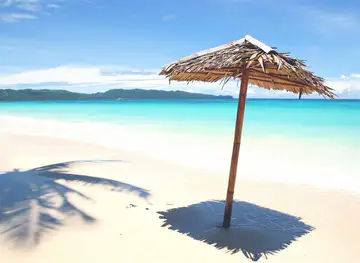
Looking beyond Luzon? Discover Philippines for broader travel guides, local hot-spots, and regional highlights.
Explore PhilippinesLuzon in Photos
Browse through our photo collection highlighting the charm and character of the destination.


The Enchanting Island of Luzon: Heart of the Philippines
Luzon, the largest island in the Philippines, offers a rich tapestry of history, culture, and natural beauty. It is home to the bustling capital city, Manila, where modern skyscrapers stand alongside centuries-old Spanish colonial architecture. Visitors can explore historic sites like Intramuros, a walled city dating back to the 16th century, and the impressive Rizal Park, dedicated to the country's national hero, José Rizal. Luzon is not just about urban attractions. Nature lovers will find paradise in the island's diverse landscapes. From the stunning peaks of the Cordillera Mountains to the iconic Chocolate Hills, Luzon offers a plethora of outdoor adventures. The Banaue Rice Terraces, often called the 'Eighth Wonder of the World,' are a must-see. These ancient, hand-carved terraces showcase the ingenuity of the Ifugao people and offer breathtaking views. For beach enthusiasts, the coastal areas of Luzon are equally captivating. The pristine beaches of Pagudpud in the north and the crystal-clear waters of Batangas in the south provide perfect spots for relaxation and water activities. Additionally, the island is dotted with charming towns and vibrant festivals that give visitors a glimpse into the local way of life. Whether you are looking for cultural experiences, thrilling adventures, or serene escapes, Luzon has something for every traveler.