

Free Central Luzon Travel Guide & Mobile App
Explore Central Luzon with free travel guides. Discover regional history, expert tips, proposed trips, and audio guides on web or mobile app.


Explore Central Luzon for Pampanga cuisine, Clark access, historic Bulacan and Bataan, Mount Pinatubo landscapes, rice plains and Pacific beaches.
Read more about Central Luzon
When is the best time to visit Central Luzon?
Best: December–February · 30–31°C| Month | High (°C) | Rainfall (mm) |
|---|---|---|
| January (best) | 30 | 20 |
| February (best) | 31 | 20 |
| March | 32 | 20 |
| April | 34 | 40 |
| May | 35 | 100 |
| June | 34 | 200 |
| July | 33 | 300 |
| August | 33 | 300 |
| September | 33 | 200 |
| October | 32 | 100 |
| November | 31 | 40 |
| December (best) | 30 | 20 |
Getting to and around Central Luzon
How to get there
Transportation
Top city travel guides in Central Luzon
The cities of Central Luzon, and the easiest places to base yourself.
-

-

-

-

-


Swipe for more cities
Destinations in Central Luzon
Resorts, valleys and scenic spots worth a trip of their own.
-

-

-


Swipe for more destinations
Best attractions in Central Luzon
Central Luzon’s attractions span historic towns, volcanic terrain, agricultural landscapes and long coastlines. In Pampanga, visitors can explore Angeles and San Fernando, the Clark area’s museums and heritage sites, and the province’s distinctive lantern-making and culinary traditions. Bulacan offers the historic setting of Malolos, churches and cultural sites, while Bataan combines wartime memorials with beaches, forests and coastal viewpoints. Zambales is known for boat-accessed coves such as Anawangin and Nagsasa, as well as island and marine excursions from the Subic and San Antonio areas. Aurora brings a different landscape of Pacific surf, rainforest and waterfalls, with Baler as its principal visitor base. Mount Pinatubo excursions cross dramatic lahar country from access points in Tarlac, Zambales or Pampanga, depending on current arrangements. Nueva Ecija and Tarlac are well suited to travellers interested in rural scenery, farm landscapes and inland history rather than concentrated sightseeing. Outdoor activities may include surfing, trekking, camping, swimming and wildlife observation, but conditions and access can be seasonal. The region’s attractions are dispersed, so a short urban stay and a separate guided or self-drive excursion usually work better than attempting a single continuous circuit.
-
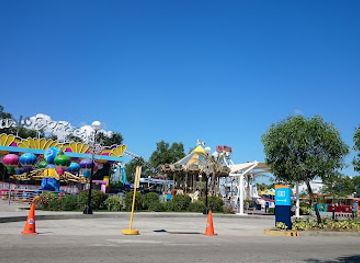
Amusement park
Sky Ranch Pampanga
Discover the excitement of Sky Ranch Pampanga, a premier amusement park offering thrilling rides, family attractions, and memorable experiences for all ages.
-
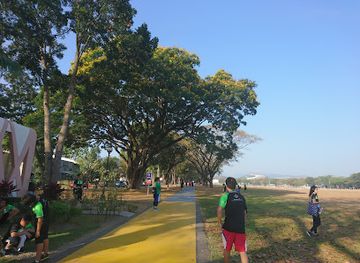
Park
Clark Parade Grounds
Experience the beauty and recreational fun at Clark Parade Grounds, a lush park in Pampanga perfect for families and outdoor enthusiasts.
-
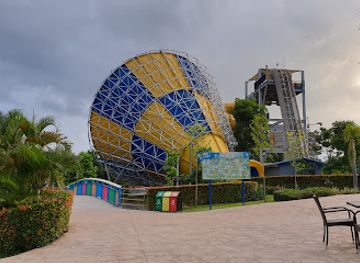
Water park
Clark Aqua Planet
Experience the ultimate water adventure at Clark Aqua Planet, a premier water park in Pampanga featuring thrilling rides, wave pools, and family-friendly attractions.
-
Religious destination
Monasterio de Tarlac
Discover the tranquility and spiritual beauty of Monasterio de Tarlac, a prominent Catholic pilgrimage site surrounded by nature's splendor.

Best landmarks in Central Luzon
Barasoain Church in Malolos is Central Luzon’s most consequential political landmark, associated with the Malolos Congress and the First Philippine Republic; its location also places visitors within a historic Bulacan cityscape of churches, civic buildings and older streets. The Bataan Death March markers, memorials and wartime sites across Bataan record the 1942 campaign and the suffering of Filipino and American prisoners, while Mount Samat National Shrine provides a prominent memorial setting above the peninsula. In Pampanga, San Fernando’s historic churches and civic areas reflect the province’s colonial and post-colonial development, while the Clark area contains landmarks linked to its former military role. Mount Pinatubo is the region’s defining natural landmark, its crater lake and lahar-carved valleys representing a landscape radically altered by the 1991 eruption. Baler’s Pacific-facing coast and the Sierra Madre backdrop provide Aurora’s most recognisable geographical identity, while the Zambales shoreline is marked by forested headlands, volcanic terrain and cove beaches. These landmarks are spread across a large region and represent different layers of political history, war, religion, natural catastrophe and coastal geography rather than a single architectural tradition.
-
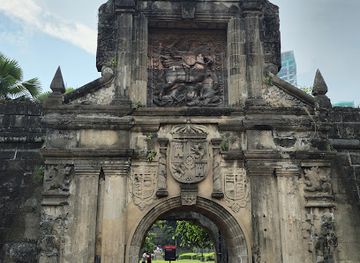
Historical landmark
Fort Santiago
Fort Santiago in Intramuros, Manila: A captivating historical landmark blending rich history, stunning architecture, and beautiful gardens.
-
Amusement park
Sky Ranch Pampanga
Discover endless fun and excitement at Sky Ranch Pampanga, the premier amusement park with thrilling rides and breathtaking views in the Philippines.
-
Park
Luisita Business Park
Discover the tranquility of Luisita Business Park in Tarlac City, featuring lush gardens, recreational activities, and vibrant community events.
-
Religious destination
Monasterio de Tarlac
Discover tranquility at Monasterio de Tarlac, a beautiful Catholic church and pilgrimage site surrounded by nature's beauty, perfect for reflection.


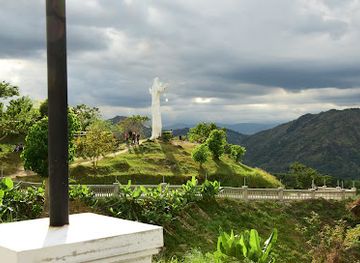
Explore Central Luzon on the map
Plan your trip on one map. See where the top cities, national parks and sights are, and book hotels and experiences in a few clicks.
Best hotels in Central Luzon
Best restaurants in Central Luzon
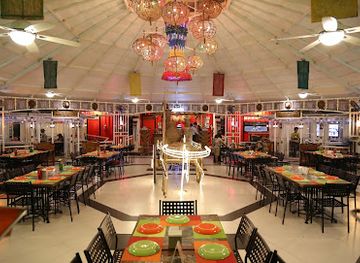
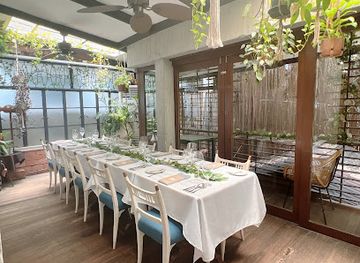
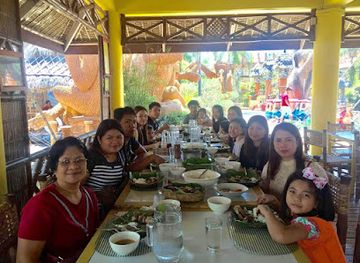
Central Luzon has one of the Philippines’ strongest regional food identities, particularly in Pampanga, whose culinary traditions include carefully prepared festive dishes, grilled and braised meats, preserved foods, noodles, pastries and elaborate celebration cooking. The province is associated with sisig, although versions and interpretations vary, while local restaurants also serve dishes such as bringhe and other Kapampangan specialities. Bulacan is widely known for sweets, pastries and traditional delicacies, and its market towns provide opportunities to sample food produced for fiestas and family occasions. In Nueva Ecija, rice and agricultural produce are central to the food landscape, while Bataan and Zambales add seafood, grilled fish and coastal cooking. Angeles and San Fernando offer the broadest range of established restaurants, cafés and modern Filipino dining, with rural towns providing carinderias, bakeries, eateries and roadside stalls. Markets and neighbourhood food shops are often more useful for discovering local flavours than formal dining rooms. Visitors should distinguish regional dishes from foods found throughout the Philippines, and ask about ingredients when eating at small establishments, particularly where dishes include seafood, offal or preserved products.
-
Filipino
Matam-ih
Experience authentic Filipino flavors at Matam-ih in Clark Freeport Zone—where every dish tells a story.
-
Fine Dining
Ninyo Fusion Cuisine
Discover culinary excellence at Ninyo Fusion Cuisine in Quezon City—where traditional flavors meet modern flair for an unforgettable dining experience.
-
Seafood
Fresh Catch Isdaan Restaurant
Discover authentic Filipino seafood at Fresh Catch Isdaan Restaurant in Gerona - where fresh flavors meet cultural charm.
-
Family-friendly
Vicenticos
Experience authentic Filipino cuisine at Vicenticos - a family-friendly restaurant in Cabanatuan City that delights with traditional flavors.
Best bars in Central Luzon
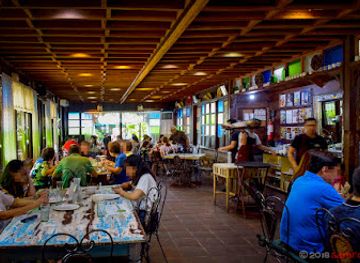
Evening life in Central Luzon is concentrated in Angeles, Clark, Olongapo, Subic and the larger provincial capitals rather than spread evenly across the countryside. Angeles and the Clark area offer the region’s broadest selection of restaurants, hotel bars, cafés, live music and late-night entertainment, while Olongapo and Subic have a long-established commercial nightlife connected with their maritime and military history. San Fernando, Malolos, Tarlac City and other urban centres tend to favour restaurants, karaoke, brewpub-style venues and neighbourhood bars over a large club scene. In provincial towns, the traditional social setting remains the local pub or videoke venue, and evenings often finish earlier than in major Philippine cities. Coastal destinations in Zambales and Aurora may have simple beach bars and seasonal gathering places, but many are quiet outside holiday periods. Nightlife changes quickly, so verify current opening arrangements locally, use reputable transport after dark and do not assume that a coastal or rural resort operates as a permanent party destination.
-
Bar
Waves bar and grill by Nery's resort
Experience the vibrant atmosphere at Waves Bar and Grill, where delicious food, refreshing drinks, and lively entertainment await you in Cabanatuan City.
-
Gastropub
Rob's Gastropub + Sports
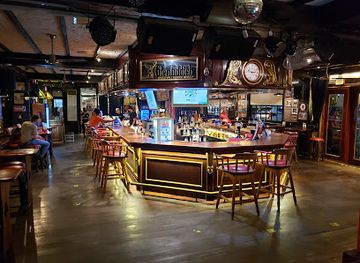
Experience the perfect blend of gourmet cuisine and thrilling sports at Rob's Gastropub + Sports in Angeles, Pampanga.
-
Sports bar
Liberty Sports Bar
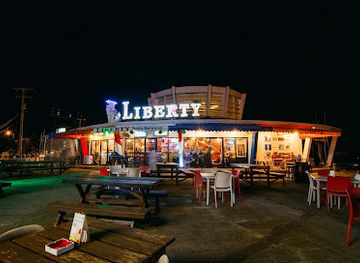
Dive into the excitement at Liberty Sports Bar, where sports, food, and fun collide in Olongapo's vibrant nightlife scene.
-
Bar
The HUB
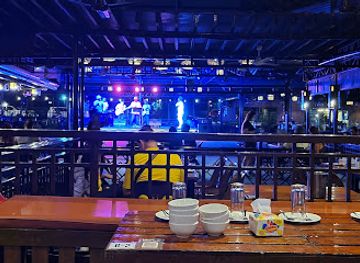
Experience the vibrant nightlife at The HUB in Tarlac City, a bar known for its lively atmosphere, great drinks, and unforgettable evenings.
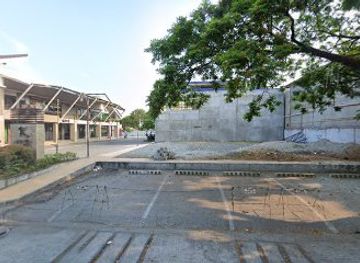
Best nightclubs in Central Luzon
Evening life in Central Luzon is concentrated in Angeles, Clark, Olongapo, Subic and the larger provincial capitals rather than spread evenly across the countryside. Angeles and the Clark area offer the region’s broadest selection of restaurants, hotel bars, cafés, live music and late-night entertainment, while Olongapo and Subic have a long-established commercial nightlife connected with their maritime and military history. San Fernando, Malolos, Tarlac City and other urban centres tend to favour restaurants, karaoke, brewpub-style venues and neighbourhood bars over a large club scene. In provincial towns, the traditional social setting remains the local pub or videoke venue, and evenings often finish earlier than in major Philippine cities. Coastal destinations in Zambales and Aurora may have simple beach bars and seasonal gathering places, but many are quiet outside holiday periods. Nightlife changes quickly, so verify current opening arrangements locally, use reputable transport after dark and do not assume that a coastal or rural resort operates as a permanent party destination.
-
Night club
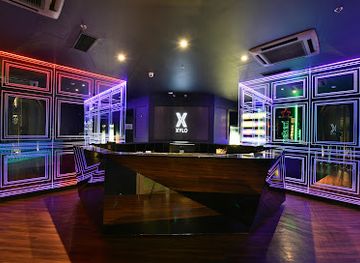
Xylo at The Palace
Experience the electrifying nightlife of Xylo at The Palace, a premier nightclub in Taguig, Metro Manila, for unforgettable parties and top DJs.
-
Night club
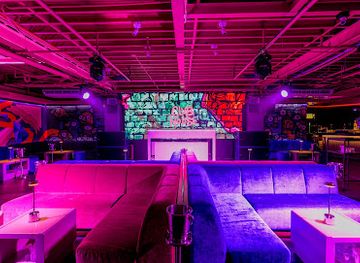
Royal Club
Dive into the vibrant nightlife of Makati at Royal Club, where pulsating beats and exquisite drinks create an unforgettable party experience.
-
Night club
Clubhouse at The Palace
Discover the ultimate nightlife experience at Clubhouse at The Palace, where electrifying music and vibrant energy converge in Taguig, Metro Manila.
-
Bar
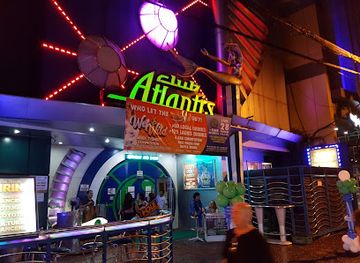
Club Atlantis
Discover the pulsating nightlife at Club Atlantis, a bar in Angeles City offering vibrant ambiance, great drinks, and unforgettable experiences.

Best shops in Central Luzon
Shopping in Central Luzon is strongest in market towns, city centres and the large commercial districts around Angeles, Clark, Malolos, San Fernando and Olongapo. Clark and Angeles provide modern malls, supermarkets, international brands and practical travel shopping, while provincial high streets are better for local food, clothing, household goods and small independent businesses. Bulacan is a useful place to look for traditional sweets, pastries and festive delicacies, and Pampanga’s food shops sell packaged versions of regional ingredients and specialities. San Fernando is associated with lantern-making, although large decorative lanterns are often commissioned rather than bought as casual souvenirs. Bataan, Zambales and Aurora offer locally produced food, woven or handmade items and beach-oriented gifts, with selection varying by town and season. Farmers’ markets and public markets are useful for rice, fruit, preserved foods and regional snacks, but products may need careful packing for international travel. Craft and food shopping is generally more distinctive than luxury retail, while larger malls are the reliable choice for fixed prices, air conditioning, pharmacies and familiar brands.
-
Shopping mall
SM City Clark
Experience the best of shopping, dining, and entertainment at SM City Clark in Pampanga, the ultimate destination for tourists and locals alike.
-
Shopping mall
168 Shopping Mall
Explore the bustling 168 Shopping Mall in Binondo, Manila, a vibrant hub of shopping and local cuisine that captures the spirit of the city.
-
Shopping mall
Ayala Malls Harbor Point
Explore Ayala Malls Harbor Point, a vibrant shopping and dining destination in Subic Bay, offering diverse retail options and breathtaking waterfront views.
-
Shopping mall
Robinsons Starmills Pampanga
Explore the ultimate shopping and dining experience at Robinsons Starmills Pampanga, where every visit is an adventure in retail therapy.

Get your free copy of our complete guide to Central Luzon, delivered straight to you.
Everything on this page, from attractions and restaurants to essentials and local phrases, in one PDF you can read offline, print or share.
Already have an account? Sign in
Your Central Luzon guide is ready.
We'll send it to · Not you? Sign out

Getting your guide ready…
We are putting together a fresh copy of the Central Luzon guide. This can take up to a minute.
This can take a few moments. If your browser asks, choose Allow so the download can start. You'll find the guide in your Downloads folder.
Nothing happened? Download it again
Sorry, the guide is taking longer than usual. Please try again in a minute, or get it by email instead.
Central Luzon essentials
Currency and Payment
Safety
Emergency Situations
Do's and Don'ts
Local Tips
From Eve
Local phrases worth knowing
You don't need to get them perfect. A few words go a long way, and locals appreciate the effort.
Basics
| English | Local | Say it |
|---|---|---|
| Hello | Kamusta | [kah-moos-tah] |
| Goodbye | Paalam | [pah-ah-lahm] |
| Yes | Oo | [oh-oh] |
| No | Hindi | [hin-dee] |
| Please/You're welcome | Pakiusap/Walang anuman | [pah-kee-oo-sahp/wah-lang ah-noo-mahn] |
| Thank you | Salamat | [sah-lah-maht] |
| Excuse me/Sorry | Pasensya na/Sorry | [pah-sen-syah nah/sor-ree] |
| How are you? | Kamusta ka? | [kah-moos-tah kah?] |
| Fine. And you? | Ayos lang. At ikaw? | [ah-yohs lahng. Aht ee-kaw?] |
| Do you speak English? | Marunong ka bang mag-Ingles? | [mah-roo-nohng kah bahng mag-eeng-les?] |
| I don't understand | Hindi ko maintindihan | [hin-dee koh mah-in-tin-dee-han] |
Eating & Drinking
| English | Local | Say it |
|---|---|---|
| I'd like to see the menu, please | Gusto kong makita ang menu, pakiusap | [goos-toh kong mah-kee-tah ang meh-noo, pah-kee-oo-sahp] |
| I don't eat meat | Hindi ako kumakain ng karne | [hin-dee ah-koh koo-mah-kah-een nang kar-neh] |
| Cheers! | Tagay! | [tah-gah-ee] |
| I would like to pay, please | Gusto kong magbayad, pakiusap | [goos-toh kong mag-bah-yahd, pah-kee-oo-sahp] |
Emergencies
| English | Local | Say it |
|---|---|---|
| Help! | Tulong! | [too-long] |
| Go away! | Umalis ka! | [oo-mah-lis kah!] |
| Call the Police! | Tawagan ang Pulis! | [tah-wah-gahn ang poo-lis!] |
| Call a doctor! | Tawagan ang doktor! | [tah-wah-gahn ang dok-tor!] |
| I'm lost | Naligaw ako | [nah-lee-gahw ah-koh] |
| I'm ill | May sakit ako | [mah-ee sah-kit ah-koh] |
Shopping
| English | Local | Say it |
|---|---|---|
| I'd like to buy... | Gusto kong bumili ng... | [goos-toh kong boo-mee-lee nang...] |
| I'm just looking | Nagmamasid lang ako | [nahg-mah-mah-seed lahng ah-koh] |
| How much is it? | Magkano ito? | [mahg-kah-noh ee-toh?] |
| That's too expensive | Sobrang mahal yan | [soh-brang mah-hal yahn] |
| Can you lower the price? | Pwede bang bawasan ang presyo? | [pweh-deh bahng bah-wah-sahn ang preh-syo?] |
Time & Numbers
| English | Local | Say it |
|---|---|---|
| What time is it? | Anong oras na? | [ah-nong oh-ras nah?] |
| It's one o'clock | Ika-isa na | [ee-kah-ee-sah nah] |
| Half past (10) | Kalahating (10) | [kah-lah-hah-ting (10)] |
| Morning | Umaga | [oo-mah-gah] |
| Afternoon | Hapon | [hah-pon] |
| Evening | Gabi | [gah-bee] |
| Yesterday | Kahapon | [kah-hah-pon] |
| Today | Ngayon | [nah-gah-yon] |
| Tomorrow | Bukas | [boo-kahs] |
| 1 | Isa | [ee-sah] |
| 2 | Dalawa | [dah-lah-wah] |
| 3 | Tatlo | [taht-loh] |
| 4 | Apat | [ah-paht] |
| 5 | Lima | [lee-mah] |
| 6 | Anim | [ah-neem] |
| 7 | Pito | [pee-toh] |
| 8 | Walo | [wah-loh] |
| 9 | Siyam | [see-yahm] |
| 10 | Sampu | [sahm-poo] |
Transport & Directions
| English | Local | Say it |
|---|---|---|
| Where's a/the...? | Nasaan ang...? | [nah-sah-ahn ang...?] |
| What's the address? | Ano ang address? | [ah-no ang ah-dres?] |
| Can you show me (on the map)? | Maaari mo ba akong ipakita (sa mapa)? | [mah-ah-ree moh bah ah-kohng ee-pah-kee-tah (sah mah-pah)?] |
| When's the next (bus)? | Kailan ang susunod na (bus)? | [kah-ee-lahn ang soo-soo-nohd nah (bus)?] |
| A ticket (to ....) | Isang tiket (papuntang ...) | [ee-sahng tee-ket (pah-pun-tang ...)] |
History of Central Luzon
Early communities and river plain settlement
Long before colonial rule, the Central Luzon plain supported communities whose livelihoods depended on agriculture, fishing, river transport and exchange. The Pampanga River system and surrounding wetlands provided fertile ground, while coastal settlements in Bataan, Zambales and Aurora maintained links with maritime networks. Archaeological and historical evidence across the wider region points to long-established Austronesian communities with distinct languages and local political structures. The lowland environment later encouraged the growth of larger settlements, although rivers, seasonal flooding and shifting waterways continued to influence where towns developed.
Spanish colonial towns and Catholic institutions
Spanish rule reorganised many Central Luzon communities around colonial towns, parish churches and agricultural estates from the sixteenth century onwards. Bulacan and Pampanga became important centres of farming, river commerce and administration, while Bataan and Zambales gained strategic importance along Manila Bay and the western coast. Churches, convents, town plazas and old street plans remain visible reminders of this period, although many buildings have been altered or rebuilt. Colonial taxation, landholding and religious authority also reshaped relationships between local communities, estates and government.
Agriculture, landholding and the rice economy
The extensive plain made Central Luzon one of the Philippines’ principal agricultural regions. Rice cultivation expanded through improvements in irrigation, land clearance and transport, with Nueva Ecija becoming particularly associated with large-scale rice production and Pampanga and Bulacan developing strong agricultural economies of their own. The history of the countryside also includes contested landholding, tenancy and rural inequality. Today, irrigation works, rice fields, farm towns and seasonal planting and harvesting continue to give the central plain much of its visual and economic character.
Revolution and the Malolos Congress, 1898–1899
Bulacan played a central role in the Philippine struggle against Spanish rule and the formation of the First Philippine Republic. Malolos hosted the revolutionary government and the Malolos Congress, whose constitutional work culminated in the Malolos Constitution. Barasoain Church, where important sessions took place, has become a major symbol of the country’s early republican experiment. The episode gave Central Luzon an enduring place in national political history, linking the region not only to military resistance but also to debates about constitutional government, education and national sovereignty.
Wartime Central Luzon and the Bataan campaign
Central Luzon was a major theatre of the Pacific War after the Japanese invasion of the Philippines in 1941. Allied and Filipino forces withdrew to the Bataan Peninsula, where they resisted until April 1942 before the infamous Bataan Death March began. Fortifications, memorials and museums in Bataan preserve aspects of this history, while Corregidor at the entrance to Manila Bay remains closely connected with the campaign, although it is not within Central Luzon’s provincial boundaries. The region later saw intense fighting during the campaign to retake the Philippines in 1944 and 1945.
Bases, industry and regional transformation after 1945
The post-war period brought major changes to Central Luzon through military installations, highways, industrial estates, expanding cities and migration from other parts of the Philippines. Clark in Pampanga and the Subic Bay area in Zambales were especially influential, first as major American military facilities and later as redevelopment zones after the bases closed. Angeles and Olongapo grew as commercial centres, while new roads strengthened connections with Manila and northern Luzon. The region’s economy consequently broadened beyond agriculture to include logistics, manufacturing, aviation, tourism and service industries.
Mount Pinatubo and environmental change, 1991
The eruption of Mount Pinatubo in June 1991 was one of the twentieth century’s largest volcanic eruptions. Ashfall and lahars affected Pampanga, Tarlac and Zambales, burying settlements, damaging infrastructure and altering river systems and valleys. The eruption also displaced communities, including Aeta groups living around the mountain, and created new landscapes such as the crater lake reached from the Tarlac side. Its consequences remain visible in lahar fields, raised riverbeds and changed agricultural land, while the mountain has become a major destination for guided trekking and four-wheel-drive excursions.
Central Luzon in Photos
Browse through our photo collection highlighting the charm and character of the destination.
Neighbouring regions of Central Luzon
The closest regions to Central Luzon, if you have time for more than one.
-

-

-

-

-


Swipe for more regions
Explore more

Explore more of Philippines
Discover the Philippines: A tropical paradise of islands, rich history, and warm hospitality, perfect for adventurers and relaxation seekers alike.
Explore Philippines