Free Caraga Travel Guide & Mobile App
Explore Caraga with free travel guides. Discover regional history, expert tips, proposed trips, and audio guides on web or mobile app.


Explore Caraga in the Philippines for Siargao surf, Pacific islands, rainforest waterfalls, river heritage and welcoming coastal towns.
Read more about Caraga
When is the best time to visit Caraga?
Best: April–June · 31–32°C| Month | High (°C) | Rainfall (mm) |
|---|---|---|
| January | 29 | 200 |
| February | 30 | 180 |
| March | 31 | 160 |
| April (best) | 31 | 140 |
| May (best) | 32 | 120 |
| June (best) | 31 | 140 |
| July | 31 | 160 |
| August | 31 | 180 |
| September | 31 | 200 |
| October | 30 | 220 |
| November | 30 | 240 |
| December | 29 | 220 |
Getting to and around Caraga
How to get there
Transportation
Top city travel guides in Caraga
The cities of Caraga, and the easiest places to base yourself.
-

-


Swipe for more cities
Best attractions in Caraga
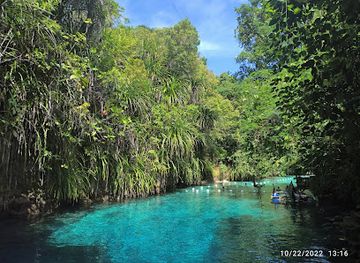
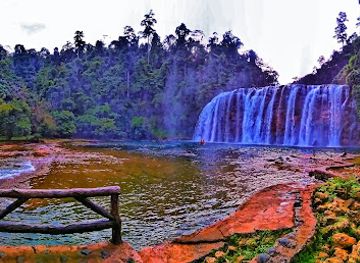
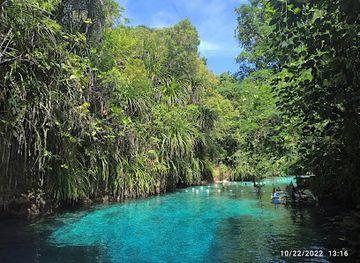
Caraga's attractions range from internationally known surf breaks to river wetlands and forest waterfalls. Siargao's Cloud 9 is associated with advanced surfing, while nearby island trips visit lagoons, sandbars and mangrove-fringed waters; Del Carmen and Pilar provide access to different sides of the island's coastal landscape. In the same broad island province, Bucas Grande's Sohoton Cove is known for limestone scenery, enclosed waterways and cave systems reached by boat. Dinagat Islands offers coastal excursions through steep, green island terrain. On the mainland, Butuan's balangay heritage and museum collections introduce the region's pre-colonial maritime history, while Agusan Marsh provides a quieter wetland experience shaped by seasonal water levels and local communities. Surigao del Sur contains two of Caraga's best-known natural sites: the broad cascades of Tinuy-an Falls near Bislig and the vivid blue waters of Hinatuan River. Beaches, caves, mangrove areas and diving sites are distributed across the coast, but access can be seasonal and often requires advance transport planning.
-
Tourist attraction
Cloud 9 Surfing Area
Explore the breathtaking Cloud 9 Surfing Area on Siargao Island, the ultimate destination for surfing and tropical adventures in the Philippines.
-
Tourist attraction
Enchanted River
Experience the enchanting beauty of crystal-clear waters at Enchanted River in Hinatuan, Surigao del Sur – a must-visit natural paradise.
-
Tourist attraction
Tinuy-an Falls
Experience the breathtaking beauty of Tinuy-an Falls, a stunning three-tiered waterfall in Surigao del Sur, Philippines.
-
Park
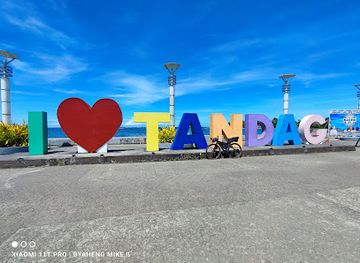
Tandag City Bay walk Boulevard
Experience the breathtaking beauty of Tandag City Bay Walk Boulevard, a serene park perfect for leisurely strolls, local cuisine, and stunning sunsets.
Best landmarks in Caraga
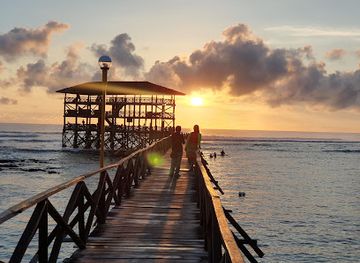
The balangay boat discoveries associated with Butuan are among Caraga's most important cultural landmarks, linking the modern city to an early maritime trading world; the Balanghai Shrine and the National Museum in Butuan help explain that legacy. Butuan's Bood Promontory is also associated with an early Spanish-era Christian observance and provides a historic viewpoint over the river landscape. In Surigao del Norte, the white, irregular limestone forms of Bucas Grande and Sohoton Cove create a recognisable natural landmark reached from the island province's coastal communities. Siargao's Cloud 9 boardwalk and break are emblematic of the region's modern surf identity, while the island's coconut-lined roads provide a broader visual signature. Inland, Tinuy-an Falls near Bislig is distinguished by its wide, tiered curtain of water, and Hinatuan River is recognised for its deep blue channel amid limestone and forest. The Agusan River and Agusan Marsh are less monumental in a single viewpoint but are fundamental geographical landmarks whose waterways have shaped settlement, ecology and local history.
-
Tourist attraction
Cloud 9 Surfing Area
Discover the pristine beauty and exhilarating waves of Cloud 9 Surfing Area on Siargao Island, a premier destination for surfers and beach lovers.
-
Island
Mindanao
Explore Mindanao Island, a stunning destination in the Philippines known for its breathtaking landscapes, rich culture, and diverse ecosystems.
-
Park
Gaston Park
Discover the beauty and culture of Cagayan de Oro at Gaston Park, a serene oasis filled with lush greenery and local delights.
-
Tourist attraction
Enchanted River
Explore the enchanting beauty of Enchanted River in Hinatuan, a mesmerizing natural wonder with crystal-clear waters and lush landscapes.
Explore Caraga on the map
Plan your trip on one map. See where the top cities, national parks and sights are, and book hotels and experiences in a few clicks.
Best hotels in Caraga
Best restaurants in Caraga
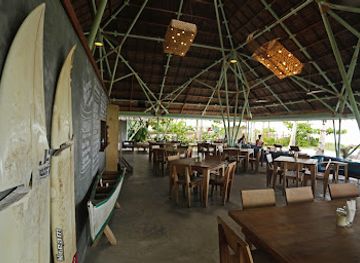
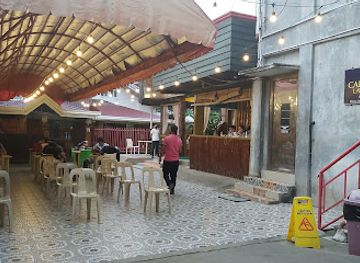
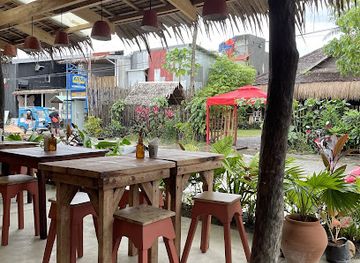
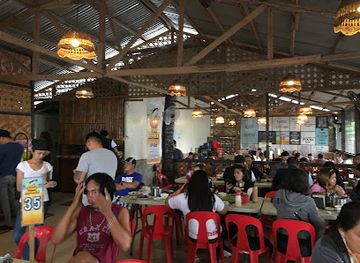
Caraga's food culture follows its geography: coastal towns serve grilled fish, shellfish, squid and kinilaw, the Philippine preparation of fresh seafood with vinegar, citrus and aromatics, while inland communities draw on river fish, pork, chicken, rice and tropical produce. Small eateries, public markets and roadside grills are often more representative of everyday dining than formal restaurants. In Siargao, General Luna has the widest range of cafés, international options and contemporary Filipino cooking, while other islands and provincial towns rely more on family-run carinderias and seafood stalls. Look for regional rice cakes such as sayongsong, a steamed preparation associated with parts of Surigao, alongside bananas, coconuts, mangoes and other seasonal fruit. Food availability may be narrower in remote coastal and waterfall areas, so carrying water and a snack is sensible. Ask about ingredients when ordering, especially where dishes include seafood or chilli.
-
Restaurant
Bravo Restaurant
Experience the best of local cuisine at Bravo Restaurant in General Luna – where every dish tells a story!
-
Restaurant
Andi's SnackBreak Delight
Discover authentic Filipino flavors at Andi's SnackBreak Delight in Buenavista - where every bite tells a story.
-
Italian
La Carinderia
Discover La Carinderia: where Italian meets Filipino flavors in a charming setting on Siargao Island.
-
Restaurant
Tuna Republik Butuan
Experience fresh and delectable tuna dishes at Tuna Republik Butuan – your gateway to authentic Filipino seafood cuisine.
Best bars in Caraga
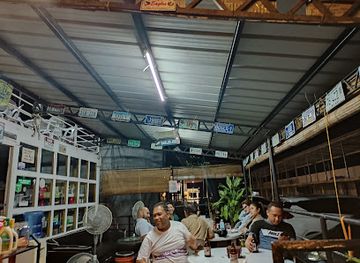
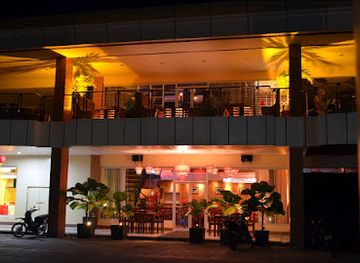
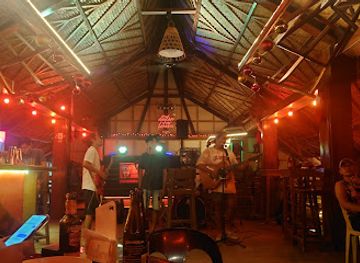
General Luna on Siargao has Caraga's most developed evening scene, with bars, small clubs, live music and changing nightly venues serving a strongly international surfing and backpacking clientele. Activity is often seasonal and can shift between establishments, so local notices are more reliable than old listings. In Butuan and Surigao City, nightlife is more urban and usually centres on restaurants, karaoke venues, cafés, hotel bars and informal drinking places rather than a concentrated club district. Provincial towns such as Tandag, Bislig and Bayugan tend to favour neighbourhood bars, videoke and family-oriented evening dining. Outside the main centres, evenings are generally quiet, with social life focused on homes, eateries and community events. Drink responsibly, arrange transport back to accommodation and remember that boats and remote roads are particularly unsuitable for late-night improvisation.
-
American
Pit Stop American Style Cafe
Discover the heart of American cuisine at Pit Stop American Style Cafe in Butuan City, where flavors and friendly service come together.
-
Bar
Boy's Bar and Wine Room
Discover a delightful selection of wines and cocktails at Boy's Bar and Wine Room in Butuan City, where great taste meets a cozy atmosphere.
-
Bar
Woodstock Resto Bar & Events Arena
Discover the pulse of Butuan City at Woodstock Resto Bar & Events Arena, where nightlife meets vibrant culture and unforgettable experiences await.
-
Bistro
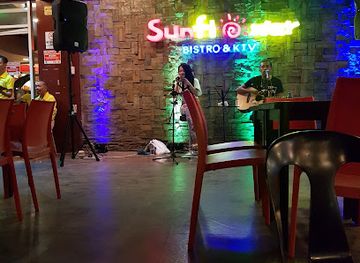
Sunflower Bistro & KTV
Experience the vibrant blend of local cuisine and karaoke fun at Sunflower Bistro & KTV in Butuan City, where every meal is a celebration.
Best nightclubs in Caraga
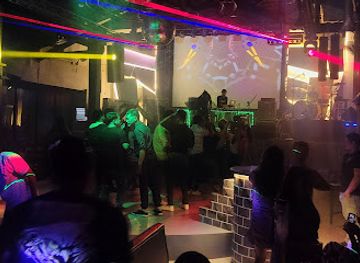
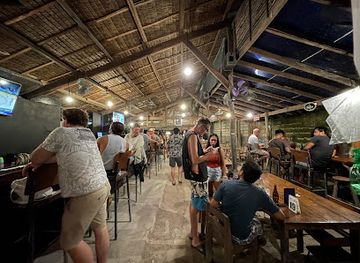
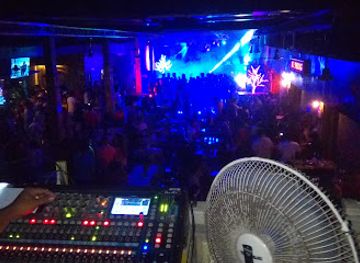
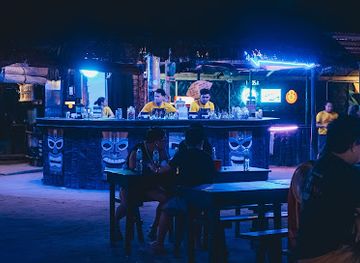
General Luna on Siargao has Caraga's most developed evening scene, with bars, small clubs, live music and changing nightly venues serving a strongly international surfing and backpacking clientele. Activity is often seasonal and can shift between establishments, so local notices are more reliable than old listings. In Butuan and Surigao City, nightlife is more urban and usually centres on restaurants, karaoke venues, cafés, hotel bars and informal drinking places rather than a concentrated club district. Provincial towns such as Tandag, Bislig and Bayugan tend to favour neighbourhood bars, videoke and family-oriented evening dining. Outside the main centres, evenings are generally quiet, with social life focused on homes, eateries and community events. Drink responsibly, arrange transport back to accommodation and remember that boats and remote roads are particularly unsuitable for late-night improvisation.
-
Bar
BARREL: Beachfront Sports Bar (Siargao)
Experience the vibrant energy and tropical flavors at BARREL: Beachfront Sports Bar in Siargao, a must-visit destination for food and sports lovers.
-
Bar
Woodstock Resto Bar & Events Arena
Discover the heartbeat of Butuan City nightlife at Woodstock Resto Bar & Events Arena, where food meets fun and music fills the air.
-
Night club
Siargao Beach Club
Discover Siargao Beach Club, the ultimate nightlife destination on Siargao Island, blending stunning views with electrifying music and delicious cuisine.
-
Bar
El Lobo Siargao
Experience the vibrant nightlife at El Lobo Siargao, where cocktails, live music, and an island atmosphere come together for an unforgettable evening.
Best shops in Caraga
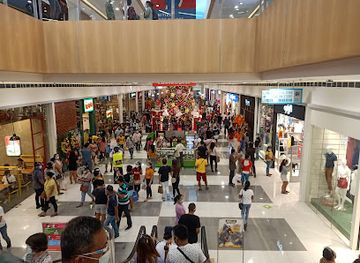
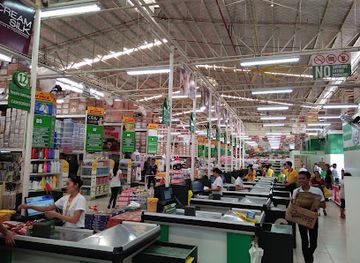
Shopping in Caraga is primarily local and practical rather than centred on large luxury malls. Butuan and Surigao City offer the broadest choice of department stores, supermarkets, pharmacies and market shopping, while smaller provincial towns are useful for fresh produce, dried seafood, woven items and everyday goods. General Luna has the region's most developed visitor-oriented retail, including surf clothing, island-themed souvenirs, cafés with small design shops and locally made crafts, although stock changes frequently. Public markets are good places to find tropical fruit, rice cakes, fish products and regional snacks, but check packaging and transport requirements before buying food for a long journey. Crafts may include baskets, shell-derived items and woven products, but avoid anything made from protected wildlife, coral or archaeological material. Buying directly from legitimate community producers and asking about the origin of Indigenous-inspired designs helps support local makers without treating cultural objects as anonymous souvenirs.
-
Shopping mall
SM City Butuan
Experience vibrant shopping, dining, and entertainment at SM City Butuan, a premier destination in Butuan City, Philippines.
-
Hypermarket
Prince Hypermart – Bayugan
Explore Prince Hypermart in Bayugan for a diverse shopping experience, featuring local goods, fresh produce, and friendly service.
-
Department store
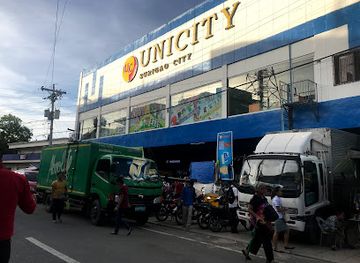
UNICITY
Experience the vibrant shopping culture at UNICITY, Surigao City's premier department store for groceries, home goods, and local treasures.
-
Department store
Bayugan Central Warehouse Club, Inc.
Explore the vibrant Bayugan Central Warehouse Club, a premier shopping destination with a mix of local and imported goods in Bayugan City.
Get your free copy of our complete guide to Caraga, delivered straight to you.
Everything on this page, from attractions and restaurants to essentials and local phrases, in one PDF you can read offline, print or share.
Already have an account? Sign in
Your Caraga guide is ready.
We'll send it to · Not you? Sign out

Getting your guide ready…
We are putting together a fresh copy of the Caraga guide. This can take up to a minute.
This can take a few moments. If your browser asks, choose Allow so the download can start. You'll find the guide in your Downloads folder.
Nothing happened? Download it again
Sorry, the guide is taking longer than usual. Please try again in a minute, or get it by email instead.
Caraga essentials
Currency and Payment
Safety
Emergency Situations
Do's and Don'ts
Local Tips
From Eve
Local phrases worth knowing
You don't need to get them perfect. A few words go a long way, and locals appreciate the effort.
Basics
| English | Local | Say it |
|---|---|---|
| Hello | Kumusta | [koo-moos-tah] |
| Goodbye | Paalam | [pah-ah-lahm] |
| Yes | Oo | [oh-oh] |
| No | Hindi | [heen-dee] |
| Please/You're welcome | Pakiusap/ Walang anuman | [pah-kee-oo-sahp / wah-lang ah-noo-mahn] |
| Thank you | Salamat | [sah-lah-maht] |
| Excuse me/Sorry | Pasensya na | [pah-sen-shah nah] |
| How are you? | Kamusta ka? | [kah-moos-tah kah] |
| Fine. And you? | Ayos lang. Ikaw? | [ah-yohs lahng. ee-kahw?] |
| Do you speak English? | Marunong ka bang mag-Ingles? | [mah-roo-noong kah bahng mahg-ing-les?] |
| I don't understand | Hindi ko naiintindihan | [heen-dee koh nah-ee-in-tin-dee-han] |
Eating & Drinking
| English | Local | Say it |
|---|---|---|
| I'd like to see the menu, please | Gusto kong makita ang menu, please | [goos-toh kong mah-kee-tah ahng meh-noo, please] |
| I don't eat meat | Hindi ako kumakain ng karne | [heen-dee ah-koh koo-mah-kah-een nahng kar-neh] |
| Cheers! | Tagay! | [tah-gai] |
| I would like to pay, please | Gusto kong magbayad, please | [goos-toh kong mahg-bah-yahd, please] |
Emergencies
| English | Local | Say it |
|---|---|---|
| Help! | Tulong! | [too-long] |
| Go away! | Umalis ka! | [oo-mah-lis kah] |
| Call the Police! | Tawagin ang Pulis! | [tah-wah-gin ahng poo-lees] |
| Call a doctor! | Tawagin ang doktor! | [tah-wah-gin ahng dok-tor] |
| I'm lost | Nawawala ako | [nah-wah-lah ah-koh] |
| I'm ill | May sakit ako | [mai sah-kit ah-koh] |
Shopping
| English | Local | Say it |
|---|---|---|
| I'd like to buy... | Gusto kong bumili ng... | [goos-toh kong boo-mee-lee nahng...] |
| I'm just looking | Titingin lang ako | [tee-ting-in lahng ah-koh] |
| How much is it? | Magkano ito? | [mahg-kah-noh ee-toh] |
| That's too expensive | Sobrang mahal iyon | [soh-brang mah-hahl ee-yohn] |
| Can you lower the price? | Pwede bang ibaba ang presyo? | [pwede bahng ee-bah-bah ahng pres-yoh] |
Time & Numbers
| English | Local | Say it |
|---|---|---|
| What time is it? | Anong oras na? | [ah-nong oh-ras nah?] |
| It's one o'clock | Isang oras na | [ee-sahng oh-ras nah] |
| Half past (10) | Sampung minuto na | [sahm-poong mee-noo-toh nah] |
| Morning | Umaga | [oo-mah-gah] |
| Afternoon | Hapon | [hah-pon] |
| Evening | Gabi | [gah-bee] |
| Yesterday | Kahapon | [kah-hah-pon] |
| Today | Ngayon | [nah-gai-yon] |
| Tomorrow | Bukas | [boo-kahs] |
| 1 | Isa | [ee-sah] |
| 2 | Dalawa | [dah-lah-wah] |
| 3 | Tatlo | [taht-loh] |
| 4 | Apat | [ah-paht] |
| 5 | Lima | [lee-mah] |
| 6 | Anim | [ah-neem] |
| 7 | Pito | [pee-toh] |
| 8 | Walo | [wah-loh] |
| 9 | Siyam | [see-yahm] |
| 10 | Sampu | [sahm-poo] |
Transport & Directions
| English | Local | Say it |
|---|---|---|
| Where's a/the...? | Saan ang...? | [sah-ahn ahng...?] |
| What's the address? | Ano ang address? | [ah-noh ahng ah-dres?] |
| Can you show me (on the map)? | Maaari mo ba akong ipakita (sa mapa)? | [mah-ah-ree moh bah ah-kohng ee-pah-kee-tah (sah mah-pah)?] |
| When's the next (bus)? | Kailan ang susunod na (bus)? | [kai-lahn ahng soo-soo-nohd nah (bus)?] |
| A ticket (to ....) | Isang tiket (papuntang ...) | [ee-sahng tee-ket (pah-pun-tang ...)] |
History of Caraga
Early Maritime Communities and the Balangay Boats
The Butuan area preserves important evidence of early maritime society in the Philippines. Several ancient plank-built boats, commonly known as balangay or Butuan boats, were found near the city and are generally dated to the first millennium CE. Their construction demonstrates advanced woodworking and seafaring knowledge, while associated finds point towards trade connections across the wider maritime region. The boats are significant not simply as archaeological objects but as reminders that Caraga's rivers and coastal waters supported organised settlement, commerce and long-distance movement centuries before European rule.
River Landscapes and Indigenous Societies
The Agusan River basin and surrounding forests have long been inhabited by Indigenous peoples, including Manobo communities with distinct languages, traditions and relationships with land and waterways. Agusan Marsh remains an important environmental and cultural landscape, supporting fishing, transport and seasonal livelihoods. External accounts often described the interior through colonial or later commercial perspectives, but the region's history also belongs to communities that maintained social systems and knowledge in riverine and upland environments beyond direct state control.
Spanish Colonial Expansion
Spanish influence expanded unevenly across north-eastern Mindanao from the seventeenth century onwards. Mission settlements, churches and administrative centres developed along accessible coasts and rivers, while many interior areas remained difficult for colonial authorities to control. Butuan and Surigao became important points for administration, religion and trade, and Catholic buildings in established towns still reflect this period. Colonial rule also altered patterns of landholding, commerce and settlement, although local and Indigenous authority continued to shape life beyond the main centres.
Ports, Timber and Mineral Economies
During the late nineteenth and twentieth centuries, Caraga's rivers, ports and forests became increasingly connected to commercial extraction and national markets. Timber, agricultural products and minerals shaped the growth of towns in Agusan and Surigao, while port facilities supported movement between Mindanao and other Philippine islands. Logging brought roads, employment and urban expansion but also severe pressure on forests and watersheds. Mining remains economically important in parts of the region, alongside continuing debates about environmental protection, Indigenous rights and sustainable development.
War and Reconstruction in Mindanao
Caraga experienced disruption during the Second World War, when Japanese occupation, resistance activity and military operations affected towns, transport and civilian life across Mindanao. Coastal and river routes were strategically important, and the region's difficult terrain influenced movement and communications. After the war, reconstruction encouraged renewed investment in roads, ports, agriculture and resource industries. The expansion of public administration helped consolidate the modern provincial and city structure, while remote communities continued to experience uneven access to services and infrastructure.
The Formation of Caraga Region
Caraga was established as an administrative region in 1995, bringing together the provinces of Agusan del Norte, Agusan del Sur, Surigao del Norte and Surigao del Sur; Dinagat Islands was created as a separate province in 2006. The regional framework strengthened cooperation around transport, development and natural-resource management, while Butuan developed as the main administrative and commercial centre. In the twenty-first century, tourism has grown rapidly in Siargao and other coastal destinations, adding a new economic layer to a region still shaped by agriculture, fishing, mining, forestry and Indigenous communities.
Caraga in Photos
Browse through our photo collection highlighting the charm and character of the destination.
Neighbouring regions of Caraga
The closest regions to Caraga, if you have time for more than one.
-

-

-

-

-


Swipe for more regions