

Bory Tucholskie Travel Guide - Free Web & App
Your ultimate guide to Bory Tucholskie. Discover top landmarks, proposed trips, and local tips. Free on the web or via the Evendo companion app.


Discover Bory Tucholskie, an enchanting forest haven in Poland, perfect for nature lovers, hikers, and cultural explorers seeking tranquility and adventure.
Read more about Bory Tucholskie
When is the best time to visit Bory Tucholskie?
Best: May–June, August · 22–26°C| Month | High (°C) | Rainfall (mm) |
|---|---|---|
| January | 1 | 30 |
| February | 1 | 25 |
| March | 6 | 25 |
| April | 14 | 25 |
| May (best) | 22 | 30 |
| June (best) | 25 | 40 |
| July | 27 | 50 |
| August (best) | 26 | 45 |
| September | 20 | 40 |
| October | 14 | 35 |
| November | 7 | 35 |
| December | 3 | 30 |
Getting to and around Bory Tucholskie
How to get there
Transportation
Best attractions in Bory Tucholskie
Bory Tucholskie in Poland offers visitors a unique blend of natural beauty and rich history. From dense forests and crystal-clear lakes to charming villages and historic sites, there is something for everyone to enjoy. Take a leisurely hike through the picturesque landscape, go kayaking on the tranquil waters, or explore ancient castles and ruins that date back centuries. With plenty of outdoor activities, cultural experiences, and stunning scenery to take in, Bory Tucholskie is a hidden gem waiting to be discovered.
-
Tourist attraction
Park Narodowy Bory Tucholskie
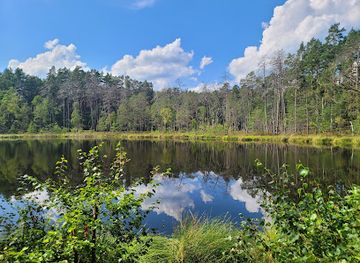
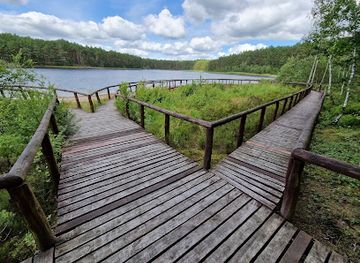
Discover the breathtaking beauty of Bory Tucholskie National Park, a paradise for outdoor adventures and nature lovers in Poland.
-
Tourist attraction
Akwedukt w Fojutowie
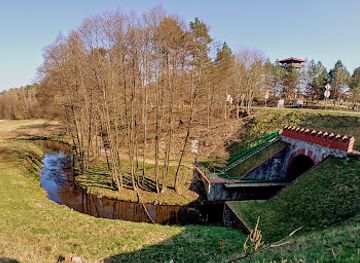
Explore the Aqueduct of Fojutowo, a stunning historical landmark showcasing remarkable engineering and breathtaking scenery in Poland.
-
Tourist attraction
Wda Landscape Park
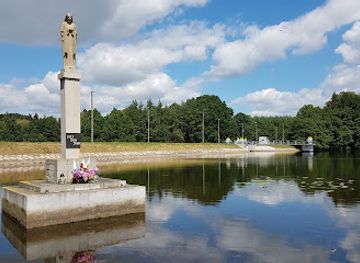
Discover the tranquil beauty of Wda Landscape Park, a natural gem in Poland, perfect for outdoor adventures and relaxation amidst stunning landscapes.
-
Tourist attraction
Mining village - the village Thematic
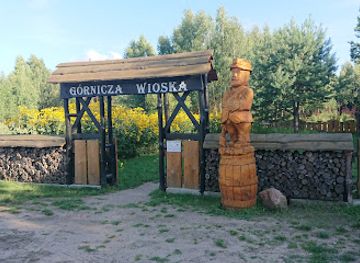
Explore the Mining Village in Piła-Młyn, a captivating tourist attraction celebrating the rich history and culture of the mining industry.
Best landmarks in Bory Tucholskie
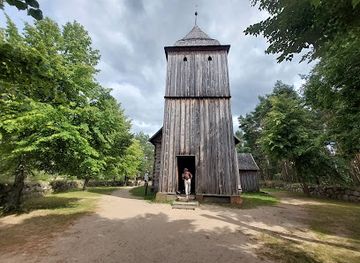
Bory Tucholskie in Poland offers visitors a unique blend of natural beauty and rich history. From the vast Bory Tucholskie National Park, with its pristine forests, tranquil lakes, and diverse wildlife, to the historic town of Tuchola with its charming architecture and cultural heritage, there is something for every traveller to enjoy. Explore ancient burial mounds, go hiking or biking along scenic trails, or learn about the region's fascinating history in local museums. Whether you are a nature lover, history buff, or simply seeking a peaceful retreat, Bory Tucholskie has something special to offer.
-
Ecological park
Wdzydze Landscape Park
Explore the enchanting Wdzydze Landscape Park: Poland's ecological gem with stunning lakes, lush forests, and a wildlife haven for nature lovers.
-
National park
Park Narodowy Bory Tucholskie
Explore the captivating beauty of Bory Tucholskie National Park, a natural gem in Poland offering serene lakes, lush forests, and abundant wildlife.
-
Historical landmark
Akwedukt w Fojutowie
Discover the architectural splendor and historical significance of the Akwedukt w Fojutowie, a must-visit landmark in the heart of Poland.
-
Nature preserve
Rezerwat Przyrody Kręgi Kamienne w Odrach
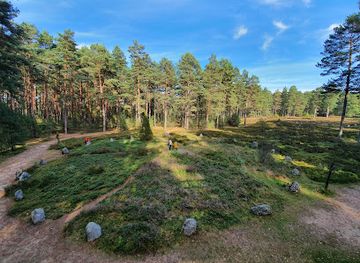
Explore the ancient wonders of the Rezerwat Przyrody Kręgi Kamienne w Odrach, Poland's largest stone circles and a serene nature preserve.
Explore Bory Tucholskie on the map
Plan your trip on one map. See where the top attractions, landmarks, restaurants and hotels are, and book hotels and experiences in a few clicks.
Best hotels in Bory Tucholskie
Best restaurants in Bory Tucholskie
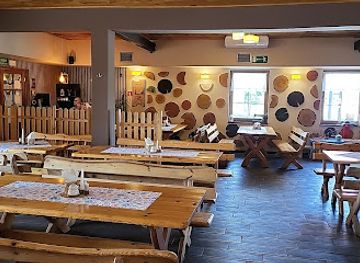
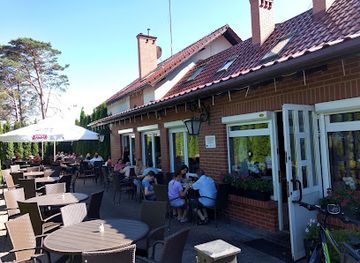
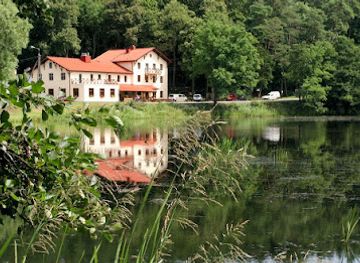
The dining scene in Bory Tucholskie offers a delightful mix of traditional Polish cuisine and modern culinary experiences, catering to all tastes and preferences. From cozy cafes serving freshly baked pastries to rustic taverns offering hearty local dishes, visitors can expect to indulge in flavorful pierogi, comforting soups, and succulent grilled meats. For those seeking a more upscale dining experience, there are elegant restaurants showcasing innovative dishes made with locally sourced ingredients. With charming ambiance and warm hospitality, dining in Bory Tucholskie is not just a meal, but a memorable cultural experience that will leave visitors craving for more.
-
Restaurant
Restauracja Gościniec Konopielka
Experience the best of Polish cuisine at Restauracja Gościniec Konopielka - a delightful restaurant and bed & breakfast in Zblewo.
-
Restaurant
Restauracja Aga
Experience authentic Polish cuisine at Restauracja Aga in Rytel - where every meal tells a story.
-
Restaurant
Przystanek Tleń Restauracja - Pensjonat - Browar
Discover culinary delights and craft brews at Przystanek Tleń, where Polish tradition meets modern flavors in a picturesque setting.
-
Restaurant
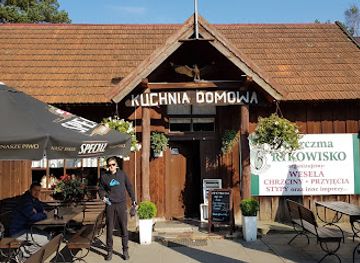
Karczma RYKOWISKO
Discover authentic Polish cuisine at Karczma RYKOWISKO in Błądzim—where tradition meets flavor in a cozy setting.
Best bars in Bory Tucholskie
The nightlife scene in Bory Tucholskie offers a unique blend of traditional Polish charm and modern entertainment. Visitors can enjoy cozy local pubs serving up regional beers and spirits, where they can mingle with friendly locals and listen to live music. For those looking for a more upbeat atmosphere, there are trendy nightclubs with top DJs spinning the latest hits. Whether you prefer a laid-back evening or a night of dancing, Bory Tucholskie has something for every nightlife enthusiast.
-
Restaurant
Przystanek Tleń Restauracja - Pensjonat - Browar
Discover the flavors of Poland at Przystanek Tleń, where delicious cuisine meets handcrafted brews in a charming atmosphere.
-
Bar
Restauracja Pod Sosną
Experience the authentic flavors of Poland at Restauracja Pod Sosną in Śliwice, where delicious cuisine meets a warm, inviting atmosphere.
-
Restaurant
Leśna Oaza Ośrodek Wczasowy
Discover tranquility at Leśna Oaza Ośrodek Wczasowy, a perfect blend of nature, comfort, and delicious dining in Okoniny Nadjeziorne.
-
Bar
Bar u Stacha
Discover the serene ambiance of Bar u Stacha in Okoniny Nadjeziorne, where relaxation meets refreshing drinks by the lakeside.

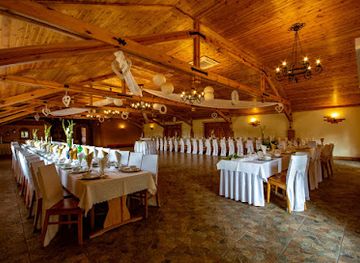
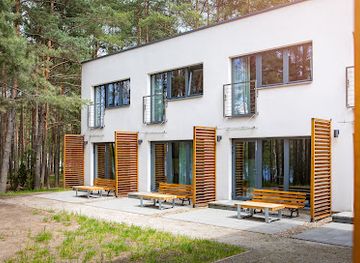
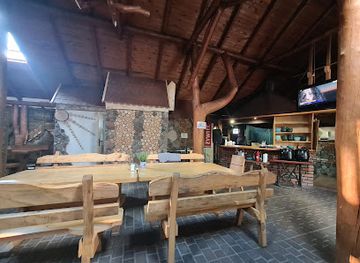
Best nightclubs in Bory Tucholskie
The nightlife scene in Bory Tucholskie offers a unique blend of traditional Polish charm and modern entertainment. Visitors can enjoy cozy local pubs serving up regional beers and spirits, where they can mingle with friendly locals and listen to live music. For those looking for a more upbeat atmosphere, there are trendy nightclubs with top DJs spinning the latest hits. Whether you prefer a laid-back evening or a night of dancing, Bory Tucholskie has something for every nightlife enthusiast.
-
Bar
Bar u Stacha
Discover Bar u Stacha: A cozy lakeside bar in Okoniny Nadjeziorne, offering a perfect blend of relaxation and social ambiance.
-
Disco club
FACE CLUB
Experience the electrifying nightlife at FACE CLUB in Grudziądz, where music, dance, and unforgettable moments come together.
-
Night club
Concordia Club Skarszewy
Discover the dynamic nightlife of Concordia Club Skarszewy, where great music and vibrant atmosphere come together for an unforgettable experience.
-
 Night club
Marcin Garage. Prywatne miejsce spotkań.
Experience the electrifying nightlife at Marcin Garage, a vibrant night club in Stara Kiszewa, perfect for dancing, music, and local culture.
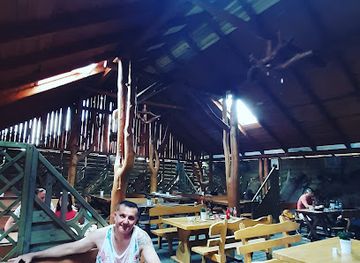


Best shops in Bory Tucholskie
The shopping scene in Bory Tucholskie offers a unique and charming experience for visitors. From quaint local shops selling handmade crafts and traditional Polish goods, to bustling markets filled with fresh produce and unique souvenirs, there is something for everyone to enjoy. Visitors can immerse themselves in the local culture while browsing through a variety of items, including pottery, textiles, and delicious regional delicacies. Whether you're looking for a special gift to bring back home or simply want to explore the vibrant atmosphere of the area, the shopping scene in Bory Tucholskie is sure to delight and surprise visitors.
-
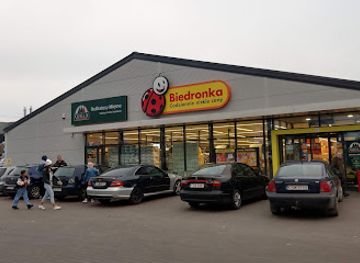
Discount supermarket
Biedronka
Discover Biedronka, the leading discount supermarket in Osie, offering fresh produce, local delicacies, and unbeatable prices for tourists and locals alike.
-
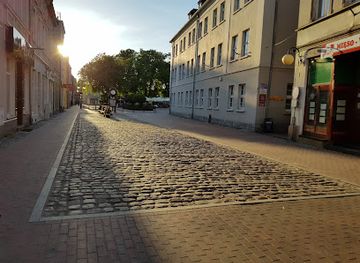
Woods
Tuchola Forest
Explore Tuchola Forest: A breathtaking haven of towering trees, serene lakes, and diverse wildlife, perfect for hiking, biking, and reconnecting with nature.
-
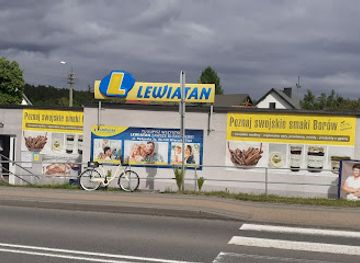
Grocery store
Lewiatan
Discover the convenience of Lewiatan, a local grocery store in Tleń, offering fresh produce and essential supplies for your vacation.
-
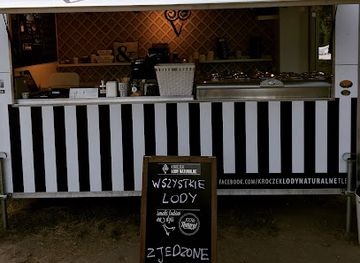
Ice Cream
Kroczek Lody Naturalne
Kroczek Lody Naturalne: The delightful ice cream shop in Tleń, offering natural flavors and a charming atmosphere for all ice cream lovers.
Get your free copy of our complete guide to Bory Tucholskie, delivered straight to you.
Everything on this page, from attractions and restaurants to essentials and local phrases, in one PDF you can read offline, print or share.
Already have an account? Sign in
Your Bory Tucholskie guide is ready.
We'll send it to · Not you? Sign out

Getting your guide ready…
We are putting together a fresh copy of the Bory Tucholskie guide. This can take up to a minute.
This can take a few moments. If your browser asks, choose Allow so the download can start. You'll find the guide in your Downloads folder.
Nothing happened? Download it again
Sorry, the guide is taking longer than usual. Please try again in a minute, or get it by email instead.
Bory Tucholskie essentials
Currency and Payment
Safety
Emergency Situations
Do's and Don'ts
Local Tips
From Eve
Local phrases worth knowing
You don't need to get them perfect. A few words go a long way, and locals appreciate the effort.
Basics
| English | Local | Say it |
|---|---|---|
| Hello | Cześć | [cheh-shch] |
| Goodbye | Do widzenia | [doh veed-zen-ya] |
| Yes | Tak | [tahk] |
| No | Nie | [nyeh] |
| Please/You're welcome | Proszę | [proh-sheh] |
| Thank you | Dziękuję | [jyen-koo-yeh] |
| Excuse me/Sorry | Przepraszam | [psh-eh-prah-sham] |
| How are you? | Jak się masz? | [yahk sh-eh mah-sh] |
| Fine. And you? | Dobrze. A ty? | [doh-bzheh. ah tih] |
| Do you speak English? | Czy mówisz po angielsku? | [chih mo-vish poh ahn-gyehl-skoo] |
| I don't understand | Nie rozumiem | [nyeh roh-zoo-myem] |
Eating & Drinking
| English | Local | Say it |
|---|---|---|
| I'd like to see the menu, please | Chciałbym zobaczyć menu, proszę | [h-chahl-bim zoh-bah-chich meh-noo, proh-sheh] |
| I don't eat meat | Nie jem mięsa | [nyeh yem myen-sah] |
| Cheers! | Na zdrowie! | [nah zdroh-vee-eh] |
| I would like to pay, please | Chciałbym zapłacić, proszę | [h-chahl-bim zah-plah-cheech, proh-sheh] |
Emergencies
| English | Local | Say it |
|---|---|---|
| Help! | Pomocy! | [poh-mo-tsi] |
| Go away! | Idź sobie! | [eedzh soh-bee-yeh] |
| Call the Police! | Zadzwoń po policję! | [zah-dzvohn poh po-lit-syeh] |
| Call a doctor! | Zadzwoń po lekarza! | [zah-dzvohn poh leh-kah-zah] |
| I'm lost | Zgubiłem się | [zgoo-bi-wem syeh] |
| I'm ill | Jestem chory | [yeh-stem hoh-ri] |
Shopping
| English | Local | Say it |
|---|---|---|
| I'd like to buy... | Chciałbym kupić... | [h-chahl-bim koo-peech] |
| I'm just looking | Tylko się rozglądam | [tih-koh sh-eh rohz-gwah-dahm] |
| How much is it? | Ile to kosztuje? | [ee-leh toh kohs-too-yeh] |
| That's too expensive | To jest zbyt drogie | [toh yest zbit droh-gyeh] |
| Can you lower the price? | Czy można obniżyć cenę? | [chih moh-nah ohb-nee-zhich cheh-neh] |
Time & Numbers
| English | Local | Say it |
|---|---|---|
| What time is it? | Która jest godzina? | [ktoo-rah yest goh-dzih-nah] |
| It's one o'clock | Jest pierwsza | [yest pyehr-vshah] |
| Half past (10) | Pół do dziesiątej | [poow doh dzyeh-shon-teh] |
| Morning | Rano | [rah-noh] |
| Afternoon | Popołudnie | [poh-poo-wood-nyeh] |
| Evening | Wieczór | [vyeh-choor] |
| Yesterday | Wczoraj | [v-choh-rye] |
| Today | Dziś | [jish] |
| Tomorrow | Jutro | [yoo-troh] |
| 1 | Jeden | [yeh-den] |
| 2 | Dwa | [dvah] |
| 3 | Trzy | [tshih] |
| 4 | Cztery | [ch-ter-eh] |
| 5 | Pięć | [pyehnch] |
| 6 | Sześć | [sheh-shch] |
| 7 | Siedem | [shyeh-dem] |
| 8 | Osiem | [oh-shyem] |
| 9 | Dziewięć | [dzyeh-vee-nyeh] |
| 10 | Dziesięć | [dzyeh-shon-ch] |
Transport & Directions
| English | Local | Say it |
|---|---|---|
| Where's a/the...? | Gdzie jest...? | [gdzhe yest] |
| What's the address? | Jaki jest adres? | [yah-kee yest ah-drehs] |
| Can you show me (on the map)? | Czy możesz mi pokazać (na mapie)? | [chih moh-zhesh mee poh-kah-zahch (nah mah-pyeh)] |
| When's the next (bus)? | Kiedy jest następny (autobus)? | [kyeh-dih yest nah-stehp-nih (ow-toh-boos)] |
| A ticket (to ....) | Bilet (do ....) | [bee-let (doh)] |
History of Bory Tucholskie
The Origins of Bory Tucholskie
The Bory Tucholskie, also known as the Tuchola Forest, is a vast woodland area located in northern Poland. The forest's origins date back to the last Ice Age, roughly 10,000 years ago, when glaciers sculpted the landscape, leaving behind a diverse array of lakes, rivers, and moraines. This natural beauty has been preserved through centuries, shaping the region's ecological and cultural history.
Medieval Times and the Teutonic Order
In the 13th century, the Teutonic Order began to exert control over the region. They established a series of fortifications and settlements throughout the Bory Tucholskie, using the dense forests both as a resource and a natural defense. The remnants of these medieval fortifications can still be found, offering a glimpse into the region's strategic importance during the Middle Ages.
The Rise of Ethnographic Culture
The Bory Tucholskie region is rich in ethnographic culture, particularly that of the Kashubians, an indigenous Slavic ethnic group. The Kashubians have preserved their unique language, customs, and traditions despite various political changes over the centuries. Visitors can explore local museums and cultural centers to learn more about the Kashubian heritage, which is deeply intertwined with the history of Bory Tucholskie.
World War II and the Partisan Movement
During World War II, the dense forests of Bory Tucholskie served as a refuge for Polish partisans fighting against German occupation. The area's difficult terrain provided ideal cover for guerrilla warfare, and numerous battles and skirmishes took place in these woods. Memorials and monuments scattered throughout the forest commemorate the bravery and sacrifice of these partisans.
Post-War Conservation Efforts
After World War II, the Polish government initiated efforts to preserve the natural beauty and biodiversity of Bory Tucholskie. In 1996, the Tuchola Forest National Park was established, covering an area of 46.13 square kilometers. The park aims to protect the unique flora and fauna of the region, including rare species of birds, mammals, and plants. Today, it stands as a testament to the successful conservation efforts that have safeguarded this natural treasure.
Bory Tucholskie in Photos
Browse through our photo collection highlighting the charm and character of the destination.
Cities in Bory Tucholskie
The towns and cities of Bory Tucholskie, and the easiest places to base yourself.
-

-

-


Swipe for more cities
Neighbouring destination travel guides
The closest destinations to Bory Tucholskie, if you have time for more than one.
-

-
-

-

-


Swipe for more destinations
Explore more

Explore more of Kociewie
Discover Kociewie: A serene region in northern Poland, offering rich history, stunning nature, and unforgettable culinary experiences. Ideal for explorers and nature lovers.
Explore Kociewie
Explore more of Poland
Discover Poland's rich history, vibrant cities, and scenic landscapes, from the medieval streets of Kraków to the serene beauty of the Tatra Mountains and Masurian Lakes.
Explore Poland