

Free Żuławy Travel Guide & Mobile App
Explore Żuławy with free travel guides. Discover regional history, expert tips, proposed trips, and audio guides on web or mobile app.


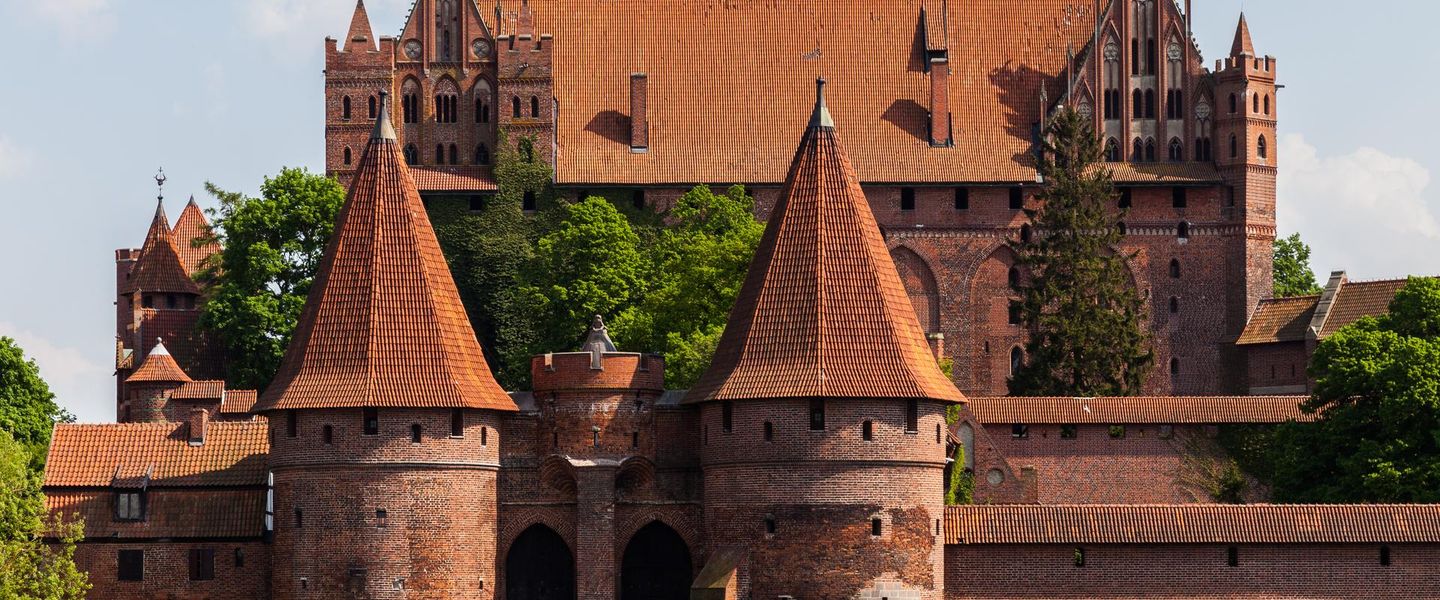


Discover Żuławy: Poland's scenic lowlands with a rich history, charming villages, and stunning landscapes perfect for nature lovers and history buffs alike.
Read more about Żuławy
When is the best time to visit Żuławy?
Best: June–August · 22–25°C| Month | High (°C) | Rainfall (mm) |
|---|---|---|
| January | 2 | 40 |
| February | 2 | 35 |
| March | 7 | 40 |
| April | 13 | 45 |
| May | 19 | 55 |
| June (best) | 22 | 65 |
| July (best) | 25 | 75 |
| August (best) | 25 | 75 |
| September | 21 | 65 |
| October | 15 | 55 |
| November | 8 | 50 |
| December | 3 | 45 |
Getting to and around Żuławy
How to get there
Transportation
Top city travel guides in Żuławy
The cities of Żuławy, and the easiest places to base yourself.
-

-

-


Swipe for more cities
Best attractions in Żuławy
Nestled in the heart of northern Poland, Żuławy offers an enchanting blend of historical intrigue and natural beauty, perfect for any traveler seeking a unique adventure. Wander through the picturesque, flat landscapes crisscrossed by a network of canals and dykes, remnants of the Dutch settlers who shaped this area. Explore the charming, red-brick Gothic churches and medieval castles that dot the region, each narrating a tale from centuries past. Don't miss the unique wooden arcaded houses, characteristic of the local architecture, and the picturesque windmills that stand as silent witnesses to the area's rich agricultural heritage. Żuławy's captivating history is further brought to life in its many museums, including the Żuławy Museum in Nowy Dwór Gdański, where exhibits delve into the region's fascinating past. Nature enthusiasts can revel in the serene beauty of the Vistula River and indulge in bird-watching at the many reserves, while cyclists and hikers will find plenty of scenic trails to explore. Whether you're a history buff, nature lover, or simply in search of a tranquil escape, Żuławy's diverse attractions promise a memorable experience.
-
Tourist attraction
Sopot Pier
Experience the enchanting Sopot Pier, where stunning views, vibrant culture, and delicious cuisine meet on the beautiful Baltic Sea.
-
Castle
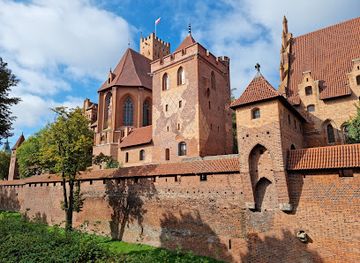
Malbork Castle
Discover Malbork Castle, a UNESCO World Heritage site, where history comes alive through stunning architecture and captivating tales of the past.
-
War museum
Museum of the Second World War
Discover the profound narratives of the Second World War at the Museum of the Second World War in Gdańsk, where history comes alive through immersive exhibitions.
-
Tourist attraction
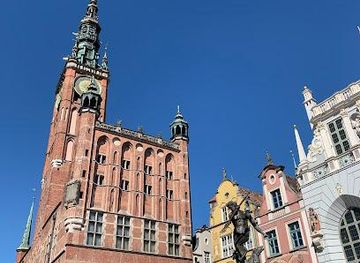
Neptune's Fountain
Discover the enchanting Neptune's Fountain in Gdańsk, a stunning historical landmark that embodies the city’s maritime heritage and artistic beauty.


Best landmarks in Żuławy
Żuławy, often referred to as the 'Polish Netherlands,' offers a mesmerizing blend of history and natural beauty. Visitors can explore the breathtaking Malbork Castle, a UNESCO World Heritage site and the largest brick castle in the world, which stands as a testament to medieval architecture. The region is dotted with charming Dutch-style windmills, remnants of the settlers who once drained these lands. Don't miss the historic Mennonite cemeteries, which offer a poignant glimpse into the lives of early settlers. The Elbląg Canal, an engineering marvel, allows you to experience a unique boat ride over land, thanks to its ingenious system of inclined planes. Wander through the serene landscapes of the Vistula Lagoon, where lush meadows and tranquil waterways create a picturesque setting perfect for cycling and leisurely strolls. Żuławy's rich tapestry of cultural heritage and scenic vistas beckons travelers to uncover its hidden treasures.
-
Plaza
Rynek Główny
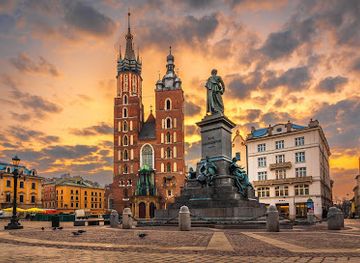
Discover the charm and history of Kraków at Rynek Główny, a vibrant plaza filled with culture, shopping, and dining experiences.
-
Park
Royal Łazienki Park
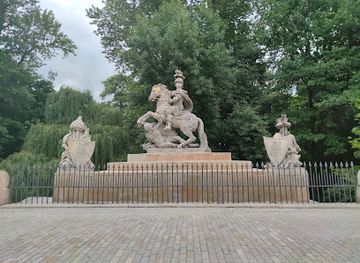
Discover the serene beauty and cultural richness of Royal Łazienki Park, a must-visit destination in Warsaw, perfect for nature lovers and history enthusiasts alike.
-
Castle
Malbork Castle
Explore the grandeur of Malbork Castle, the largest brick castle in the world, a UNESCO site filled with history and breathtaking architecture.
-
 Event venue
Palace of Culture and Science
Discover the historic Palace of Culture and Science in Warsaw, where culture meets history in an iconic architectural masterpiece.
Explore Żuławy on the map
Plan your trip on one map. See where the top cities, national parks and sights are, and book hotels and experiences in a few clicks.
Best hotels in Żuławy
Best restaurants in Żuławy
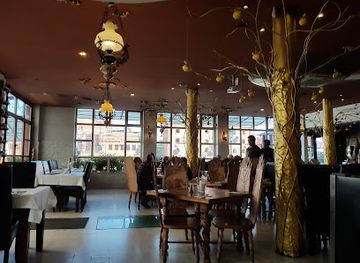
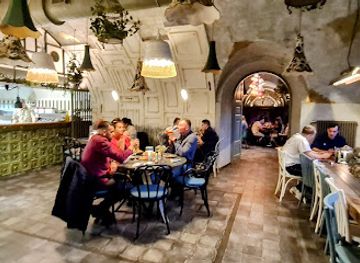
Żuławy offers a delightful culinary journey, blending traditional Polish flavors with unique regional twists that reflect its rich history and diverse cultural influences. Visitors can expect to savor hearty dishes like pierogi and bigos, enriched with locally-sourced ingredients from the fertile delta. The area is dotted with charming eateries, from rustic countryside taverns to sophisticated restaurants housed in historic buildings, where chefs take pride in reviving centuries-old recipes. Don't miss the chance to taste fresh fish straight from the Vistula River, accompanied by locally brewed beers and artisanal vodkas that add a spirited touch to any meal. For dessert, indulge in sweet treats like szarlotka (apple pie) or makowiec (poppy seed cake), often served with a side of Żuławy's renowned honey. Each dining experience in Żuławy is a feast for the senses, offering a true taste of the region’s culinary heritage.
-
Polish
GOŚCINIEC Polskie Pierogi
Experience authentic Polish cuisine at GOŚCINIEC Polskie Pierogi - where tradition meets flavor in the heart of Warsaw.
-
Restaurant
Tawerna Dominikańska
Discover authentic Polish cuisine at Tawerna Dominikańska in Gdańsk – where fresh seafood meets traditional flavors.
-
Italian
Dziurka od Klucza
Experience authentic Italian cuisine at Dziurka od Klucza in Warsaw - where every dish tells a story.
-
Food court
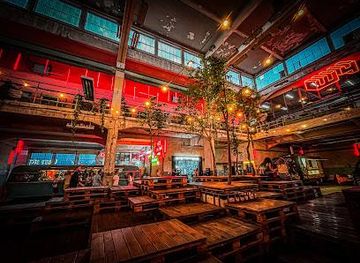
Ulica Elektryków
Industrial heritage meets contemporary culture in Gdańsk's most electrifying post-shipyard venue.
Best bars in Żuławy
Żuławy's nightlife offers a unique blend of historic charm and modern vibrancy, inviting visitors to explore cozy, atmospheric taverns housed in centuries-old buildings, where traditional Polish folk music and dance often enliven the evening. The region also boasts a selection of contemporary bars and clubs, many of which feature live music performances ranging from local folk bands to more modern genres, ensuring there's something for every taste. Whether you're sipping a locally brewed beer under the rustic beams of a 19th-century inn or dancing the night away in a sleek, modern club, the nightlife in Żuławy promises an engaging and memorable experience.
-
Cocktail bar
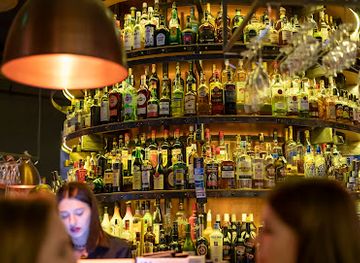
Coctail Bar Max & Dom Whisky
Discover the Essence of Warsaw's Nightlife at Coctail Bar Max & Dom Whisky, a Premier Cocktail Destination in the Heart of the City.
-
Brewpub
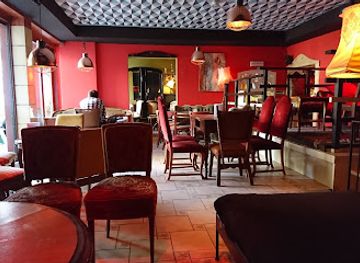
Pub Red Light
Discover the vibrant atmosphere and unique craft beers at Pub Red Light, a must-visit brewpub in the heart of Gdańsk, Poland.
-
Cocktail bar
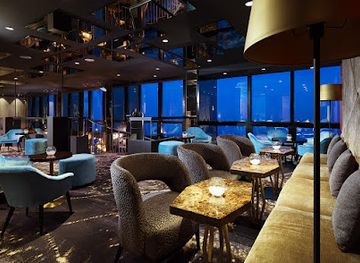
Panorama Sky Bar
Experience the breathtaking views and exquisite cocktails at Panorama Sky Bar, Warsaw's premier destination for nightlife.
-
Bar
Kraken Rum Bar
Discover the lively Kraken Rum Bar in Warsaw, a top destination for tapas and an impressive rum selection in a vibrant atmosphere.
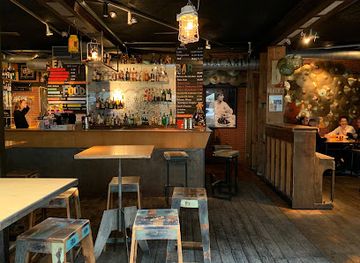
Best nightclubs in Żuławy
Żuławy's nightlife offers a unique blend of historic charm and modern vibrancy, inviting visitors to explore cozy, atmospheric taverns housed in centuries-old buildings, where traditional Polish folk music and dance often enliven the evening. The region also boasts a selection of contemporary bars and clubs, many of which feature live music performances ranging from local folk bands to more modern genres, ensuring there's something for every taste. Whether you're sipping a locally brewed beer under the rustic beams of a 19th-century inn or dancing the night away in a sleek, modern club, the nightlife in Żuławy promises an engaging and memorable experience.
-
Night club
Level 27
Discover the pulsating nightlife of Warsaw at Level 27, where breathtaking views meet electrifying music and exquisite cocktails.
-
Live Music
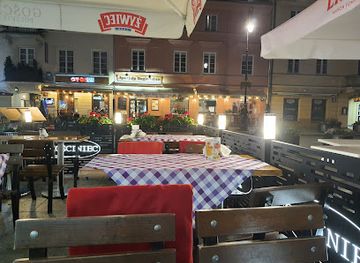
NIEBO
Discover NIEBO in Warsaw: A vibrant live music venue, art gallery, and cultural center offering unforgettable experiences for every visitor.
-
Night club
RITUAL Cocktail Club
Experience the vibrant nightlife of Warsaw at RITUAL Cocktail Club, where exquisite cocktails and live music create unforgettable memories.
-
Night club
Chmielna 101 Cooltura
Experience Gdańsk's vibrant nightlife at Chmielna 101 Cooltura, the city's top night club and cocktail bar, where unforgettable moments await.

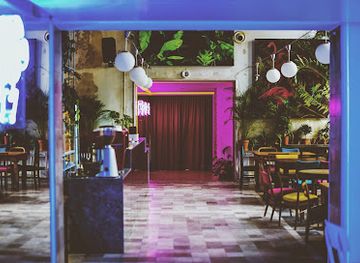
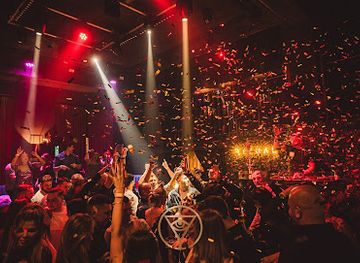
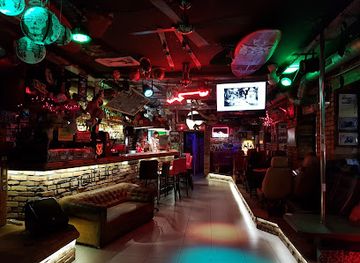
Best shops in Żuławy
Żuławy's shopping scene is a unique blend of charming local markets, quaint artisan shops, and modern conveniences that cater to both the history enthusiast and the casual shopper. Visitors can explore bustling open-air markets offering fresh, locally-sourced produce and traditional Polish delicacies, while picturesque village boutiques showcase handcrafted pottery, intricate lacework, and other local crafts that reflect the area's rich cultural heritage. For those seeking contemporary retail therapy, the region also boasts a selection of modern stores and shopping centers where you can find the latest fashion trends and global brands. Whether you're hunting for a unique souvenir or simply enjoying the vibrant atmosphere, shopping in Żuławy offers a delightful experience infused with local charm and historical ambiance.
-
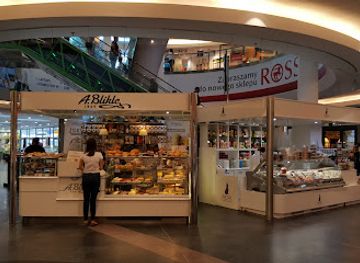
Shopping mall
Złote Tarasy
Discover Złote Tarasy: Warsaw's premier shopping destination blending stylish retail, diverse dining, and cultural experiences.
-
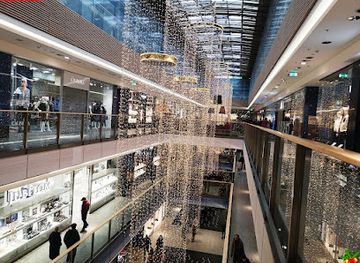
Shopping mall
Galeria Krakowska
Explore Galeria Krakowska for a unique shopping experience featuring a blend of international brands, local delicacies, and cultural events in the heart of Kraków.
-
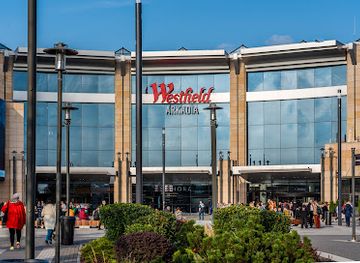
Shopping mall
Westfield Arkadia
Discover the ultimate shopping experience at Westfield Arkadia, Warsaw's largest shopping mall, featuring top brands, dining, and entertainment.
-
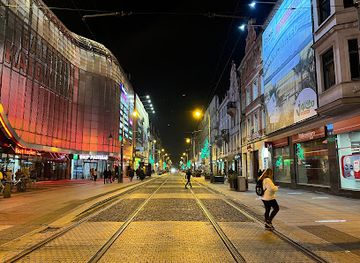
Shopping mall
Galeria Katowicka
Explore Galeria Katowicka, where shopping meets leisure in a vibrant atmosphere, right in the heart of Katowice.
Get your free copy of our complete guide to Żuławy, delivered straight to you.
Everything on this page, from attractions and restaurants to essentials and local phrases, in one PDF you can read offline, print or share.
Already have an account? Sign in
Your Żuławy guide is ready.
We'll send it to · Not you? Sign out

Getting your guide ready…
We are putting together a fresh copy of the Żuławy guide. This can take up to a minute.
This can take a few moments. If your browser asks, choose Allow so the download can start. You'll find the guide in your Downloads folder.
Nothing happened? Download it again
Sorry, the guide is taking longer than usual. Please try again in a minute, or get it by email instead.
Żuławy essentials
Currency and Payment
Safety
Emergency Situations
Do's and Don'ts
Local Tips
From Eve
Local phrases worth knowing
You don't need to get them perfect. A few words go a long way, and locals appreciate the effort.
Basics
| English | Local | Say it |
|---|---|---|
| Hello | Cześć | [cheh-shch] |
| Goodbye | Do widzenia | [doh veed-zen-ya] |
| Yes | Tak | [tahk] |
| No | Nie | [nyeh] |
| Please/You're welcome | Proszę | [proh-sheh] |
| Thank you | Dziękuję | [jen-koo-yeh] |
| Excuse me/Sorry | Przepraszam | [psheh-prah-sham] |
| How are you? | Jak się masz? | [yak shay mahsh?] |
| Fine. And you? | Dobrze. A ty? | [dob-zheh. ah tih?] |
| Do you speak English? | Czy mówisz po angielsku? | [chee moo-veesh poh an-gyehls-koo?] |
| I don't understand | Nie rozumiem | [nyeh roh-zoo-myem] |
Eating & Drinking
| English | Local | Say it |
|---|---|---|
| I'd like to see the menu, please | Chciałbym zobaczyć menu, proszę | [hchow-bim zo-bah-chih men-oo, proh-sheh] |
| I don't eat meat | Nie jem mięsa | [nyeh yem myen-sah] |
| Cheers! | Na zdrowie! | [nah zdro-vyeh] |
| I would like to pay, please | Chciałbym zapłacić, proszę | [hchow-bim zah-pwa-chih, proh-sheh] |
Emergencies
| English | Local | Say it |
|---|---|---|
| Help! | Pomocy! | [poh-moh-tsih] |
| Go away! | Idź stąd! | [eej sh-tond] |
| Call the Police! | Zadzwoń na policję! | [zahdz-voyn nah poh-leet-see-eh?] |
| Call a doctor! | Zadzwoń po lekarza! | [zahdz-voyn poh leh-kah-zha?] |
| I'm lost | Zgubiłem się | [zgoo-bee-lem shay] |
| I'm ill | Jestem chory | [yeh-stem khoh-ree] |
Shopping
| English | Local | Say it |
|---|---|---|
| I'd like to buy... | Chciałbym kupić... | [hchow-bim koo-peach] |
| I'm just looking | Tylko się rozglądam | [til-koh shay rohz-glah-dahm] |
| How much is it? | Ile to kosztuje? | [ee-leh toh kosh-too-yeh?] |
| That's too expensive | To za drogie | [toh zah droh-gyeh] |
| Can you lower the price? | Czy możesz obniżyć cenę? | [chee moh-zhehsh ob-nee-zhich tseh-neh?] |
Time & Numbers
| English | Local | Say it |
|---|---|---|
| What time is it? | Która godzina? | [ktoo-rah goh-dzeen-ah?] |
| It's one o'clock | Jest pierwsza | [yeh-st pyer-shah] |
| Half past (10) | Wpół do (11) | [vpool doh (yeden-aste)] |
| Morning | Poranek | [poh-ra-nek] |
| Afternoon | Popołudnie | [poh-poh-ood-nyeh] |
| Evening | Wieczór | [vyeh-choor] |
| Yesterday | Wczoraj | [vcho-rai] |
| Today | Dziś | [jeesh] |
| Tomorrow | Jutro | [yoo-troh] |
| 1 | 1 | [1] |
| 2 | 2 | [2] |
| 3 | 3 | [3] |
| 4 | 4 | [4] |
| 5 | 5 | [5] |
| 6 | 6 | [6] |
| 7 | 7 | [7] |
| 8 | 8 | [8] |
| 9 | 9 | [9] |
| 10 | 10 | [10] |
Transport & Directions
| English | Local | Say it |
|---|---|---|
| Where's a/the...? | Gdzie jest...? | [gdyeh yest...?] |
| What's the address? | Jaki jest adres? | [yah-kee yest ah-dres?] |
| Can you show me (on the map)? | Czy możesz mi pokazać (na mapie)? | [chee moh-zhehsh mee poh-kah-zahch (nah mah-pyeh)?] |
| When's the next (bus)? | Kiedy jest następny (autobus)? | [kyeh-dih yest nah-stemp-nee (ow-toh-boos)?] |
| A ticket (to ....) | Bilet (do ....) | [bee-let (doh ....)] |
History of Żuławy
The Early Settlers
Żuławy, a region in northern Poland, has a rich history that dates back to the early Middle Ages. The area was initially settled by Slavic tribes. By the 13th century, the Teutonic Knights began to exert control over the region, introducing advanced agricultural techniques that helped shape the landscape into fertile farmland.
The Dutch Mennonites
In the 16th century, Żuławy became a significant refuge for Dutch Mennonites fleeing religious persecution. These settlers brought with them innovative methods of water management, including an intricate system of canals, dikes, and windmills, which allowed for effective drainage of the marshlands. Their influence is still visible today in the region's landscape and architecture.
The Prussian Era
In the late 18th century, Żuławy came under Prussian control following the partitions of Poland. During this period, the region experienced significant economic development and modernization. The Prussian administration continued to improve the water management systems and expanded the agricultural capabilities of the area.
World War II and Its Aftermath
Żuławy was heavily impacted during World War II. The region saw intense fighting, and the extensive network of canals and dikes was damaged. After the war, Żuławy became part of Poland again, and a massive effort was undertaken to rebuild and restore the water management infrastructure. The post-war period also saw the displacement of German residents and the resettlement of Poles from other regions.
Modern Żuławy
Today, Żuławy is known for its unique cultural and historical heritage. Visitors can explore the picturesque villages, historic Mennonite cemeteries, and well-preserved Dutch-style architecture. The region's complex network of canals and dikes remains a testament to centuries of human ingenuity in water management. Żuławy is also a popular destination for cycling and bird-watching, offering a serene escape into nature.
Żuławy in Photos
Browse through our photo collection highlighting the charm and character of the destination.
Neighbouring regions of Żuławy
The closest regions to Żuławy, if you have time for more than one.
-

-

-

-

-


Swipe for more regions
Explore more

Explore more of Poland
Discover Poland's rich history, vibrant cities, and scenic landscapes, from the medieval streets of Kraków to the serene beauty of the Tatra Mountains and Masurian Lakes.
Explore Poland