

Free Kociewie Travel Guide & Mobile App
Explore Kociewie with free travel guides. Discover regional history, expert tips, proposed trips, and audio guides on web or mobile app.


Discover Kociewie in northern Poland for Vistula landscapes, Gothic heritage, rural cycling, local cuisine and living Pomeranian traditions.
Read more about Kociewie
When is the best time to visit Kociewie?
Best: June–August · 22–24°C| Month | High (°C) | Rainfall (mm) |
|---|---|---|
| January | 3 | 35 |
| February | 4 | 30 |
| March | 9 | 35 |
| April | 14 | 40 |
| May | 19 | 45 |
| June (best) | 22 | 50 |
| July (best) | 24 | 55 |
| August (best) | 23 | 55 |
| September | 19 | 50 |
| October | 13 | 45 |
| November | 8 | 40 |
| December | 3 | 35 |
Getting to and around Kociewie
How to get there
Transportation
Top city travel guides in Kociewie
The cities of Kociewie, and the easiest places to base yourself.
-

-

-


Swipe for more cities
Destinations in Kociewie
Resorts, valleys and scenic spots worth a trip of their own.
-

-


Swipe for more destinations
Best attractions in Kociewie
Kociewie's attractions bring together medieval heritage, river history and outdoor recreation rather than one concentrated sightseeing circuit. Pelplin is the region's major cultural stop, with its former Cistercian complex, Gothic cathedral and Diocesan Museum. Gniew offers a powerful Teutonic castle setting above the Vistula, while Tczew interprets the river's engineering, bridges and transport through its museums and waterfront heritage. Starogard Gdański provides a useful introduction to Kociewian history and culture, and smaller towns such as Skarszewy and Nowe add historic churches, market squares and regional atmosphere. Beyond the towns, the Wda and Wierzyca valleys, Vistula embankments and forest districts support walking, cycling, canoeing, birdwatching and nature photography. Rural museums, seasonal folklore events and local craft presentations provide insight into Kociewian traditions, while agricultural landscapes reveal a working countryside rather than a purely preserved historical setting. Travellers should allow time between sites, since the most rewarding experiences often involve moving from a major monument to a village, riverside route or forest trail rather than following a dense urban sightseeing itinerary.
-
Tourist attraction
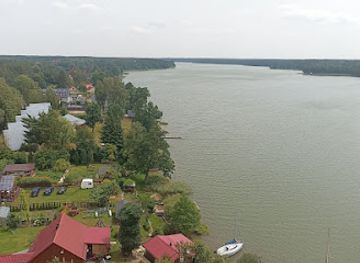
Wdzydze Landscape Park
Discover the stunning landscapes and diverse wildlife at Wdzydze Landscape Park, an ecological gem in Poland's natural beauty.
-
Open air museum
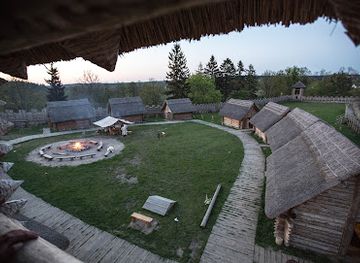
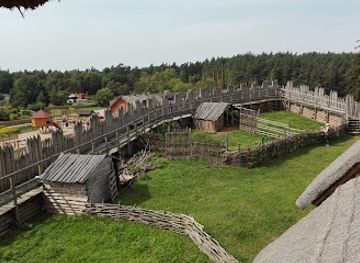
Grodzisko Owidz
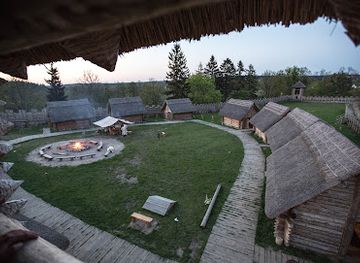
Discover the history of Poland at Grodzisko Owidz, an engaging open-air museum filled with medieval architecture and interactive experiences.
-
Tourist attraction
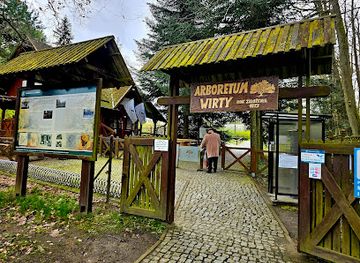
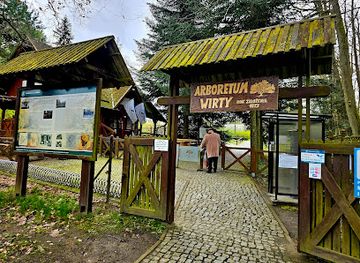
Nadleśnictwo Kaliska - Arboretum Wirty
Explore the serene beauty of Nadleśnictwo Kaliska - Arboretum Wirty, an enchanting arboretum in Borzechowo, perfect for nature lovers and peace seekers alike.
-
Tourist attraction
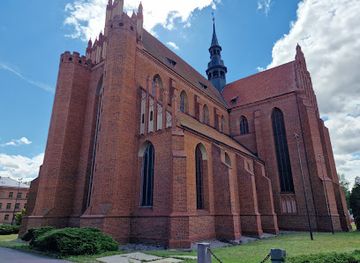
Church of the Assumption of the Blessed Virgin Mary
Explore the stunning Church of the Assumption of the Blessed Virgin Mary in Pelplin, a Gothic masterpiece rich in history and spiritual significance.
Best landmarks in Kociewie
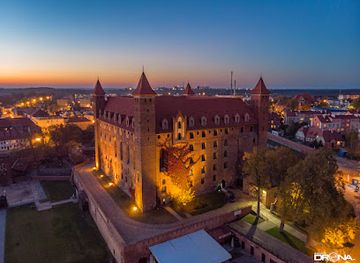
Pelplin Cathedral Basilica is Kociewie's most important architectural landmark, a vast brick Gothic church whose scale and preserved ecclesiastical furnishings reflect the influence of the Cistercian abbey that once occupied the complex. The nearby Diocesan Museum adds cultural importance through its historic manuscripts and religious art. Gniew Castle, raised by the Teutonic Order on a commanding site above the Vistula, remains the region's most recognisable medieval fortress and anchors the town's historic identity. Tczew's historic Vistula bridges are significant engineering landmarks, representing the nineteenth-century transformation of river transport and railway travel; the older railway bridge is particularly associated with the town's industrial heritage. Starogard Gdański's historic centre and surviving sections of its medieval urban fabric provide a more intimate expression of Kociewian town history. Outside the built environment, the broad Vistula valley, the wooded Wda country and the rolling Wierzyca landscape are geographical landmarks in their own right, explaining the region's settlement, agriculture and recreational character.
-
Open air museum
Grodzisko Owidz
Explore Grodzisko Owidz, a stunning open-air museum that offers a captivating glimpse into Poland's medieval history amidst beautiful landscapes.
-
Arboretum
Nadleśnictwo Kaliska - Arboretum Wirty
Discover the serene beauty of Nadleśnictwo Kaliska - Arboretum Wirty, a lush botanical paradise in Borzechowo welcoming nature lovers and tourists.
-
Theme park
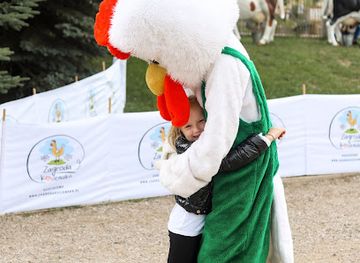
Park Zagroda Kociewska
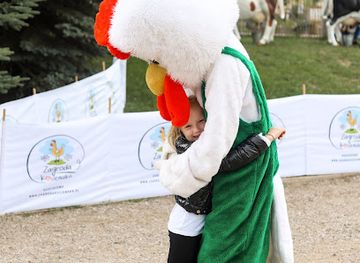
Experience the vibrant culture and fun-filled attractions at Park Zagroda Kociewska, the enchanting theme park in Godziszewo.
-
Museum
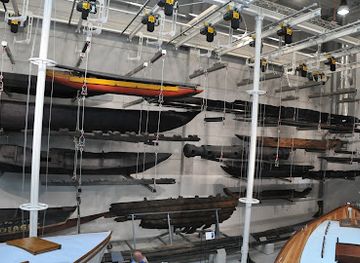
Vistula Museum. National Nautical Museum Branch.
Discover the maritime history of Poland at the Vistula Museum, where the past of the Vistula River unfolds through engaging exhibits and captivating displays.
Explore Kociewie on the map
Plan your trip on one map. See where the top cities, national parks and sights are, and book hotels and experiences in a few clicks.
Best hotels in Kociewie
Best restaurants in Kociewie
Kociewian food reflects the resources of northern Poland's farms, forests and rivers, with potatoes, grains, dairy, seasonal vegetables, fruit, mushrooms and preserved foods appearing frequently in traditional cooking. Ruchanki, small yeast-based pancakes, are among the region's best-known specialities and may appear at heritage events or restaurants presenting local cuisine. Rural inns and traditional Polish restaurants often serve soups, dumplings, potato dishes, pork, poultry and baked goods, while cafés in Pelplin, Tczew and Starogard Gdański provide more contemporary settings. Farmers' markets and local food events are useful places to find honey, preserves, breads and seasonal produce, although availability changes through the year. Along the Vistula, fish may feature on menus, but it should not be assumed that every riverside establishment serves locally caught fish. Dining in Kociewie is generally more informal and regional in character than destination fine dining, with recipes and hospitality varying between towns and villages.
-
Restaurant
Hotel Gniew Castle
Discover the charm of Hotel Gniew Castle - where medieval history meets modern luxury in stunning surroundings.
-
American
Whiskey in the Jar
Experience authentic American cuisine at Whiskey in the Jar - where delicious flavors meet vibrant ambiance in Łódź.
-
Restaurant
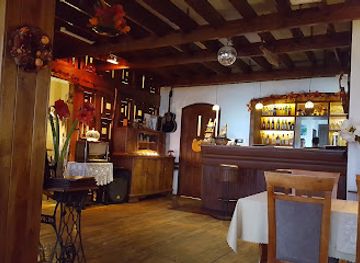
Zajazd GNIEWKO
Discover the culinary delights of Poland at Zajazd GNIEWKO – where tradition meets taste in the heart of Rakowiec.
-
Polish
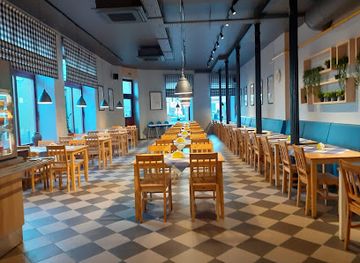
Milk Bar "Kociewiak"
Experience authentic Polish cuisine at Milk Bar 'Kociewiak', where tradition meets affordability in Tczew.
Best bars in Kociewie
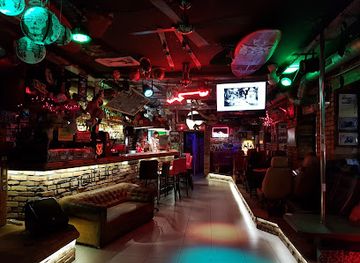
Evening life in Kociewie is centred on cafés, restaurants, traditional pubs and hotel bars rather than a large club scene. Starogard Gdański and Tczew have the broadest choice of places for an evening drink, casual dining or occasional live music, while Pelplin and Gniew offer quieter evenings shaped by historic surroundings and local events. In smaller towns and villages, social life often takes place in family-run restaurants, community venues or seasonal cultural programmes rather than dedicated nightlife districts. Beer is widely available, alongside Polish spirits, soft drinks and coffee, but alcohol is not necessary to experience the region's evening culture. Opening arrangements can vary considerably outside the main towns, so visitors staying in rural areas should plan dinner and return transport in advance. Summer outdoor events and town festivals may add temporary music and food stalls, but they should be checked locally rather than assumed to occur on fixed dates.
-
Restaurant
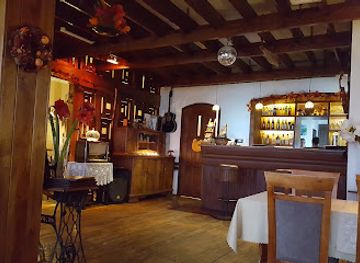
Zajazd GNIEWKO
Experience authentic Polish cuisine at Zajazd GNIEWKO, a charming restaurant and hotel in the heart of Rakowiec, perfect for culinary enthusiasts and travelers alike.
-
Brewpub
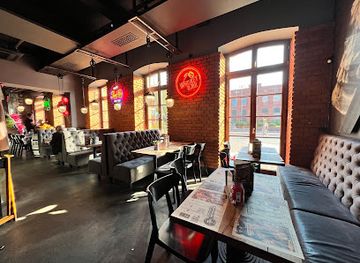
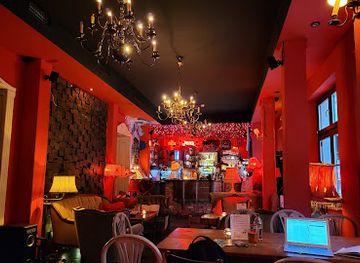
Pub Red Light
Experience local brews and vibrant atmosphere at Gdańsk's beloved Pub Red Light, a brewpub that captures the spirit of Polish hospitality.
-
Lounge
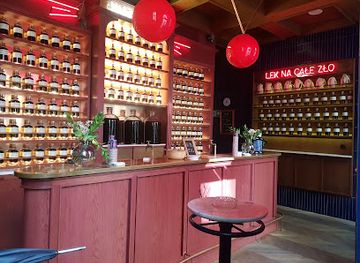
Wiśniewski Gdańsk
Discover Wiśniewski Gdańsk, a lively lounge and cocktail bar that captures the essence of nightlife in Gdańsk with its vibrant atmosphere and delicious offerings.
-
Pub
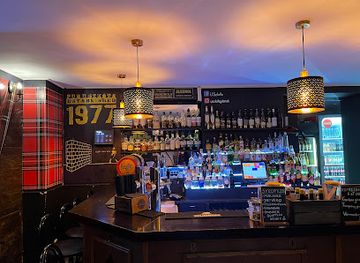
U Szkota
Discover the vibrant ambiance of U Szkota in Gdańsk, where traditional Irish pub meets modern cocktail culture, perfect for unwinding and socializing.
Best nightclubs in Kociewie
Evening life in Kociewie is centred on cafés, restaurants, traditional pubs and hotel bars rather than a large club scene. Starogard Gdański and Tczew have the broadest choice of places for an evening drink, casual dining or occasional live music, while Pelplin and Gniew offer quieter evenings shaped by historic surroundings and local events. In smaller towns and villages, social life often takes place in family-run restaurants, community venues or seasonal cultural programmes rather than dedicated nightlife districts. Beer is widely available, alongside Polish spirits, soft drinks and coffee, but alcohol is not necessary to experience the region's evening culture. Opening arrangements can vary considerably outside the main towns, so visitors staying in rural areas should plan dinner and return transport in advance. Summer outdoor events and town festivals may add temporary music and food stalls, but they should be checked locally rather than assumed to occur on fixed dates.
-
Night club
Level 27
Discover the electrifying nightlife at Level 27, Warsaw's premier destination for music, dance, and stunning city views.
-
Night club
ENKLAWA Art & Music Club
Experience the vibrant nightlife of Warsaw at ENKLAWA Art & Music Club, where music and art unite for an unforgettable evening.
-
Night club
Chmielna 101 Cooltura
Experience the energetic nightlife at Chmielna 101 Cooltura, Gdańsk's top destination for dancing and cocktails.
-
Night club
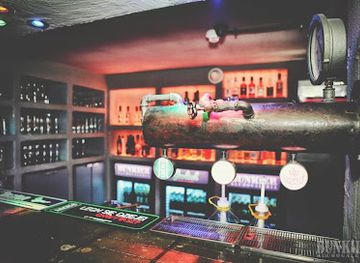
Bunkier Music Club
Discover the nightlife of Gdańsk at Bunkier Music Club, where live music, craft brews, and an electrifying atmosphere await.


Best shops in Kociewie
Shopping in Kociewie is led by practical town centres, independent retailers and local food rather than large-scale designer destinations. Tczew and Starogard Gdański offer the widest everyday choice, including high-street shops, supermarkets, cafés and services, while Pelplin and Gniew are better suited to browsing small retailers, bookshops, religious items and visitor-oriented products near their historic centres. Markets and seasonal fairs may offer honey, preserves, baked goods, fruit, vegetables and other regional produce, with availability varying between towns and dates. Visitors interested in Kociewian identity can look for embroidered textiles, folk-inspired decorations, handmade souvenirs and locally produced foods at cultural events or tourist information outlets. Rural shops are useful for picnic supplies but normally have a narrower range and shorter opening patterns. As elsewhere in Poland, established shops generally accept cards, whereas market stalls, craft sellers and small-scale producers may require cash in złoty.
-
Shopping mall
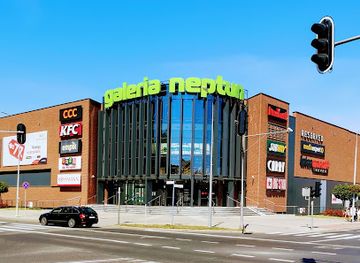
Galeria Neptun
Discover Galeria Neptun in Starogard Gdański: Your ultimate shopping and dining experience in a vibrant atmosphere.
-
Shopping mall
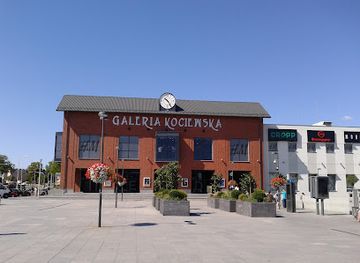
Galeria Kociewska
Explore Galeria Kociewska in Tczew for a unique shopping experience filled with local culture, diverse shops, and delicious dining options.
-
Open air museum
Grodzisko Owidz
Explore Grodzisko Owidz, an open-air museum that brings Poland's rich history to life with authentic architecture, cultural exhibits, and engaging activities.
-
Theme park
Park Zagroda Kociewska
Experience joy and adventure in the heart of Kociewie at Park Zagroda Kociewska, a captivating theme park for all ages.
Get your free copy of our complete guide to Kociewie, delivered straight to you.
Everything on this page, from attractions and restaurants to essentials and local phrases, in one PDF you can read offline, print or share.
Already have an account? Sign in
Your Kociewie guide is ready.
We'll send it to · Not you? Sign out

Getting your guide ready…
We are putting together a fresh copy of the Kociewie guide. This can take up to a minute.
This can take a few moments. If your browser asks, choose Allow so the download can start. You'll find the guide in your Downloads folder.
Nothing happened? Download it again
Sorry, the guide is taking longer than usual. Please try again in a minute, or get it by email instead.
Kociewie essentials
Currency and Payment
Safety
Emergency Situations
Do's and Don'ts
Local Tips
From Eve
Local phrases worth knowing
You don't need to get them perfect. A few words go a long way, and locals appreciate the effort.
Basics
| English | Local | Say it |
|---|---|---|
| Hello | Cześć | [cheh-shch] |
| Goodbye | Do widzenia | [doh vee-dzen-yah] |
| Yes | Tak | [tak] |
| No | Nie | [nyeh] |
| Please/You're welcome | Proszę | [proh-sheh] |
| Thank you | Dziękuję | [jen-koo-yeh] |
| Excuse me/Sorry | Przepraszam | [psheh-prah-sham] |
| How are you? | Jak się masz? | [yak shay mahsh] |
| Fine. And you? | Dobrze. A ty? | [doh-bzheh. ah tih] |
| Do you speak English? | Czy mówisz po angielsku? | [chih moo-veesh poh an-gyehl-skoo] |
| I don't understand | Nie rozumiem | [nyeh roh-zoo-myem] |
Eating & Drinking
| English | Local | Say it |
|---|---|---|
| I'd like to see the menu, please | Chciałbym zobaczyć menu, proszę | [hch-yahl-bihm zo-bah-chihch meh-noo, proh-sheh] |
| I don't eat meat | Nie jem mięsa | [nyeh yem myen-sah] |
| Cheers! | Na zdrowie! | [nah zdroh-vyeh] |
| I would like to pay, please | Chciałbym zapłacić, proszę | [hch-yahl-bihm zah-pwah-chihch, proh-sheh] |
Emergencies
| English | Local | Say it |
|---|---|---|
| Help! | Pomocy! | [poh-moh-tsih] |
| Go away! | Idź stąd! | [eedj stond] |
| Call the Police! | Zadzwoń na policję! | [zahdz-vohn nah poh-leet-syeh] |
| Call a doctor! | Zadzwoń po lekarza! | [zahdz-vohn poh leh-kah-rzah] |
| I'm lost | Zgubiłem się | [zgoo-bee-wem shay] |
| I'm ill | Jestem chory | [yes-tem khoh-ree] |
Shopping
| English | Local | Say it |
|---|---|---|
| I'd like to buy... | Chciałbym kupić... | [hch-yahl-bihm koo-pich] |
| I'm just looking | Tylko oglądam | [til-koh oh-glondahm] |
| How much is it? | Ile to kosztuje? | [ee-leh toh kosh-too-yeh] |
| That's too expensive | To jest za drogie | [to yest zah droh-gyeh] |
| Can you lower the price? | Możesz obniżyć cenę? | [moh-zhesh ob-nee-zhihch tseh-neh] |
Time & Numbers
| English | Local | Say it |
|---|---|---|
| What time is it? | Która godzina? | [ktoo-rah goh-dzi-nah] |
| It's one o'clock | Jest pierwsza | [yest pyer-vshah] |
| Half past (10) | Wpół do (11) | [fpoo-doh (yed-eena-stah)] |
| Morning | Rano | [rah-noh] |
| Afternoon | Po południu | [poh poh-ood-nyoo] |
| Evening | Wieczorem | [vyet-cho-rem] |
| Yesterday | Wczoraj | [fcho-rai] |
| Today | Dziś | [jish] |
| Tomorrow | Jutro | [yoo-troh] |
| 1 | 1 | [1] |
| 2 | 2 | [2] |
| 3 | 3 | [3] |
| 4 | 4 | [4] |
| 5 | 5 | [5] |
| 6 | 6 | [6] |
| 7 | 7 | [7] |
| 8 | 8 | [8] |
| 9 | 9 | [9] |
| 10 | 10 | [10] |
Transport & Directions
| English | Local | Say it |
|---|---|---|
| Where's a/the...? | Gdzie jest...? | [gd-yeh yest] |
| What's the address? | Jakie jest adres? | [yah-kyeh yest ah-dres] |
| Can you show me (on the map)? | Możesz mi pokazać (na mapie)? | [moh-zhesh mee poh-kah-zhatch (nah mah-pyeh)] |
| When's the next (bus)? | Kiedy następny (autobus)? | [ky-eh-dih nah-stemp-nee (ow-toh-boos)] |
| A ticket (to ....) | Bilet (do ....) | [bee-let (doh)] |
History of Kociewie
Early Settlement and Pomeranian Communities
The Kociewie landscape was occupied long before the region acquired its modern name. Archaeological evidence from the lower Vistula and neighbouring river basins records prehistoric farming, settlement and trade, followed by communities associated with the wider Pomeranian cultural world. Rivers, fertile terraces and forest resources supported movement and exchange, while the Vistula connected local settlements with the Baltic hinterland and inland Poland. Much of this early history is known through archaeology rather than surviving written records, but it established the settlement patterns and landscape relationships that later medieval authorities inherited.
Medieval Pomerania and the Teutonic Order
During the medieval period, Kociewie lay within the shifting political landscape of Pomerania and the lower Vistula. The Teutonic Order consolidated its authority in the thirteenth and fourteenth centuries, founding or developing fortified towns and administrative centres. Gniew Castle, built for the Order above the Vistula, is the most imposing reminder of this era. Pelplin's Cistercian abbey, established in the thirteenth century after the monks moved from nearby Pogódki, became a major religious, cultural and economic institution. Brick Gothic churches and town layouts across the region reflect these medieval transformations.
The Polish-Lithuanian Commonwealth and Royal Prussia
After the Thirteen Years' War, much of Kociewie became part of Royal Prussia under the Polish Crown, while local towns participated in the commercial life of the Vistula corridor. Grain, timber and other agricultural products moved towards the river and the Baltic ports. Pelplin's abbey remained an important landowner and centre of learning, and towns such as Tczew and Gniew developed within a political and economic system linking regional farming to wider Polish markets. The area's architecture and church collections preserve material evidence of this long period within the Polish-Lithuanian Commonwealth.
Partitions and Prussian Administration
The partitions of Poland at the end of the eighteenth century placed Kociewie under Prussian rule. Administrative, legal and economic reforms altered local institutions, while German became increasingly important in official life. The nineteenth century brought stronger roads, railways and market connections, helping towns such as Tczew and Starogard Gdański participate in modern trade and manufacturing. At the same time, Polish language, Catholic institutions and regional customs remained important markers of identity. The period left visible traces in civic buildings, transport infrastructure and the layered cultural character of the lower Vistula region.
Railways, Industry and the Vistula Corridor
Nineteenth-century transport development changed Kociewie's relationship with neighbouring cities and markets. Tczew became a significant railway and bridge centre, while Starogard Gdański developed as an industrial and administrative town. The Vistula remained a major geographic presence, even as railways increasingly carried passengers and freight. Agriculture continued to dominate much of the countryside, but food processing, timber-related activity and urban manufacturing expanded. This combination of rural production and improving transport helped create the regional pattern of compact towns surrounded by highly cultivated farmland and forest districts.
Kociewian Identity and the Modern Region
The name Kociewie is documented from the early nineteenth century, but a more self-conscious regional identity developed through language, folklore, associations and cultural work over time. Kociewian speech is treated as a distinctive dialect of northern Poland, and local traditions include embroidery, music, seasonal customs and foodways. Following the restoration of Polish independence in 1918, the region became part of the Second Polish Republic; after the Second World War it was incorporated into the post-war administrative structure of northern Poland. Today Kociewie is promoted and interpreted as a cultural region spanning modern county boundaries.
War, Occupation and Post-war Reconstruction
The Second World War brought occupation, repression and severe disruption to communities throughout Kociewie. Polish clergy, teachers, public officials and other local leaders were among those targeted by German authorities, while the region's Jewish communities suffered the destruction and persecution experienced across occupied Poland. After 1945, towns and villages were rebuilt within a new political and economic system, and population movements reshaped local society. Memorials, cemeteries, museums and surviving historic buildings provide important reminders that Kociewie's attractive rural landscapes also contain a difficult twentieth-century history.
Kociewie in Photos
Browse through our photo collection highlighting the charm and character of the destination.
Neighbouring regions of Kociewie
The closest regions to Kociewie, if you have time for more than one.
-

-

-

-

-


Swipe for more regions
Explore more

Explore more of Poland
Discover Poland's rich history, vibrant cities, and scenic landscapes, from the medieval streets of Kraków to the serene beauty of the Tatra Mountains and Masurian Lakes.
Explore Poland