

Free Pomerania Travel Guide & Mobile App
Explore Pomerania with free travel guides. Discover regional history, expert tips, proposed trips, and audio guides on web or mobile app.


Explore Pomerania for Baltic beaches, Gdańsk’s history, Kashubian lakes, maritime cities, coastal parks and Poland’s northern culinary traditions.
Read more about Pomerania
When is the best time to visit Pomerania?
Best: June–August · 21–23°C| Month | High (°C) | Rainfall (mm) |
|---|---|---|
| January | 1 | 40 |
| February | 2 | 35 |
| March | 7 | 40 |
| April | 13 | 45 |
| May | 18 | 50 |
| June (best) | 21 | 60 |
| July (best) | 23 | 65 |
| August (best) | 22 | 60 |
| September | 19 | 55 |
| October | 13 | 50 |
| November | 7 | 45 |
| December | 2 | 40 |
Getting to and around Pomerania
How to get there
Transportation
Top city travel guides in Pomerania
The cities of Pomerania, and the easiest places to base yourself.
-

-

-

-

-


Swipe for more cities
Destinations in Pomerania
Resorts, valleys and scenic spots worth a trip of their own.
-

-

-

-

-
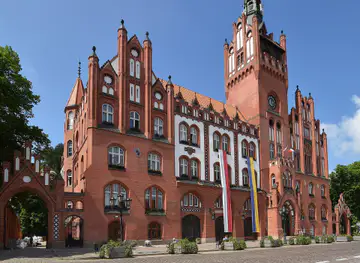


Swipe for more destinations
Best attractions in Pomerania
Pomerania’s attractions are broadly divided between historic cities, Baltic landscapes and inland nature. Gdańsk offers reconstructed merchant streets, major churches, maritime collections and the European Solidarity Centre, while Sopot and Gdynia add spa architecture, a seafront promenade and a modern port-city perspective. Malbork Castle, east of Gdańsk, is one of the region’s defining medieval monuments. Along the coast, the Hel Peninsula, Vistula Spit and western resorts provide beaches, pine forests, sailing opportunities and walks beside lagoons and the open Baltic. Słowiński National Park is distinguished by its moving dunes, lakes and coastal habitats, while Wolin National Park combines wooded cliffs, beaches and wildlife landscapes. Inland Pomerania brings a quieter mix of Kashubian villages, lakes, canoeing routes and Bory Tucholskie forest. Museums, open-air heritage sites, lighthouses and former military installations add cultural depth, although opening arrangements can vary seasonally. The region rewards visitors who balance urban sightseeing with slower days outdoors rather than treating the entire coast as a single resort strip.
-
Tourist attraction
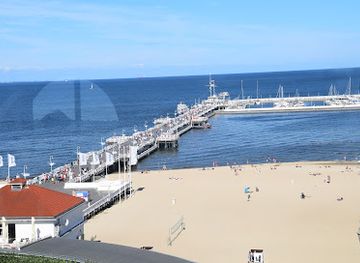
Sopot Pier
Experience the charm of Sopot Pier, Poland's iconic seaside destination offering stunning views, local delights, and vibrant cultural experiences.
-
War museum
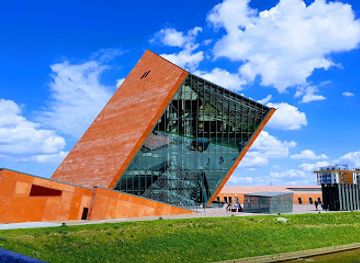
Museum of the Second World War
Explore the Museum of the Second World War in Gdańsk for an immersive experience into Poland's rich and complex wartime history.
-
Tourist attraction
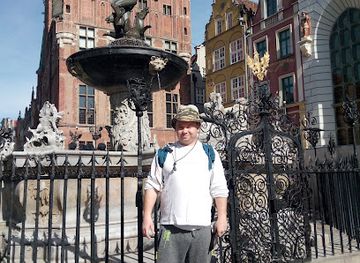
Neptune's Fountain
Discover the timeless beauty of Neptune's Fountain, a historic landmark in Gdańsk symbolizing maritime heritage amidst vibrant city life.
-
 Tourist attraction
Oliwski Park
Discover the tranquil beauty of Oliwski Park in Gdańsk, where nature and history intertwine for a perfect escape.
Best landmarks in Pomerania
Gdańsk’s Long Market and Main Town form Pomerania’s most recognisable urban ensemble, with the Artus Court, Neptune Fountain, waterfront crane and soaring St Mary’s Church expressing the city’s medieval mercantile importance. The European Solidarity Centre and the surviving shipyard setting represent a different but equally significant landmark landscape connected with Poland’s democratic transformation. Malbork Castle, built in red brick for the Teutonic Order on the Nogat River, is a monumental reminder of medieval military and political power. In Szczecin, the Ducal Castle and the monumental Wały Chrobrego riverfront illustrate the city’s former dynastic and port roles, while the extensive star-shaped street plan reflects military planning. The seaside pier at Sopot is a defining coastal structure, and the lighthouses of the Baltic towns mark the region’s navigational heritage. Natural landmarks include the shifting dunes of Słowiński National Park, the cliffs and forests of Wolin Island and the narrow landforms of the Hel Peninsula, where water, wind and settlement are closely connected.
-
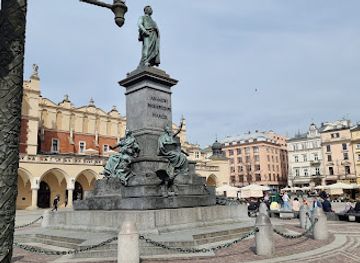
Plaza
Rynek Główny
Experience the vibrant heart of Kraków at Rynek Główny, a UNESCO World Heritage site filled with history, culture, and local charm.
-
Park
Royal Łazienki Park
Explore the beauty and history of Royal Łazienki Park, a serene retreat in Warsaw filled with lush gardens, historic palaces, and cultural treasures.
-
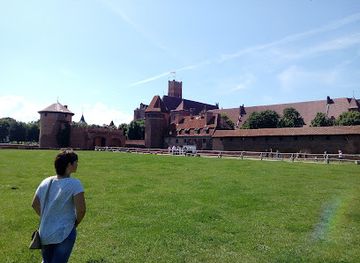
Castle
Malbork Castle
Discover the grandeur of Malbork Castle, a magnificent UNESCO World Heritage site and the largest brick castle in the world, steeped in history.
-
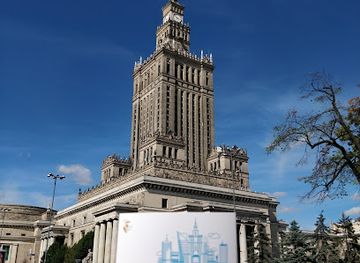
Event venue
Palace of Culture and Science
Discover the grandeur of the Palace of Culture and Science in Warsaw, a cultural hub filled with history, exhibitions, and stunning city views.

Explore Pomerania on the map
Plan your trip on one map. See where the top cities, national parks and sights are, and book hotels and experiences in a few clicks.
Best hotels in Pomerania
Best restaurants in Pomerania
Pomeranian cooking reflects the Baltic, the forested interior and the region’s complex settlement history. Fish is prominent in coastal towns, with herring, Baltic cod and other locally available species appearing in simple cafés, market stalls and more modern restaurants, although provenance and season can vary. Kashubian cuisine is associated with potatoes, rye, buckwheat, dairy, preserved foods and hearty soups, while regional bakeries offer rye breads, cakes and pastries influenced by both Polish and northern European traditions. In Gdańsk and Szczecin, the strongest dining scenes range from contemporary Polish cooking to international restaurants, whereas seaside towns concentrate on relaxed fish restaurants, cafés and seasonal terraces. Inland villages and market towns are good places to look for local preserves, honey, mushrooms and berry products. Try regional dishes without assuming that every advertised speciality is an ancient local recipe; Pomeranian food has been shaped by migration, trade and post-war resettlement as much as by continuity.
-
Steak
Whiskey in the Jar
Experience the ultimate steak indulgence at Whiskey in the Jar – where flavor meets ambiance in Gdańsk.
-
Dumpling
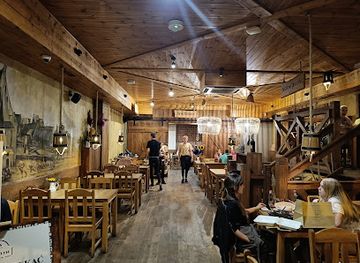
Pierogarnia Stary Młyn
Discover the authentic taste of Poland at Pierogarnia Stary Młyn in Gdańsk – home of exquisite pierogi crafted with love.
-
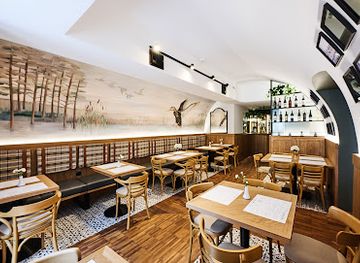
Polish
Czarna Kaczka/ Black Duck
Discover authentic Polish cuisine at Czarna Kaczka in Kraków – where tradition meets taste in a cozy atmosphere.
-
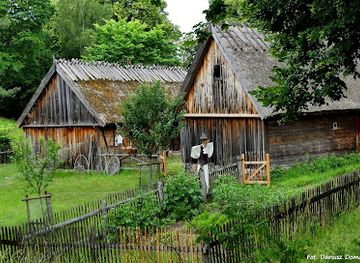
Ethnographic museum
Kashubian Ethnographic Park in Wdzydze
Explore the vibrant traditions of the Kashubian people at this captivating open-air ethnographic museum set amidst stunning natural landscapes.
Best bars in Pomerania
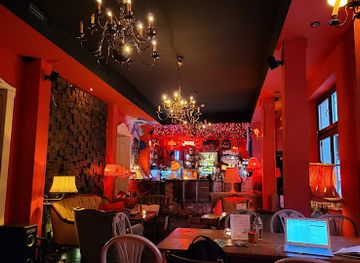
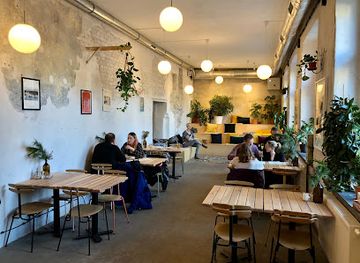
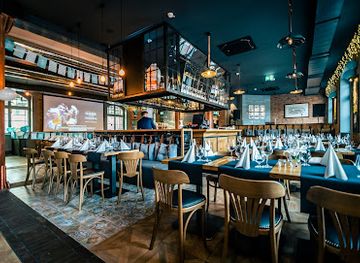
Nightlife is most varied in Gdańsk, Sopot, Gdynia and Szczecin, where the offer ranges from traditional pubs and craft-beer bars to cocktail venues, live music rooms and late-night clubs. Sopot is particularly associated with evening activity around its central pedestrian streets and seafront, while Gdańsk combines historic-centre bars with venues linked to its student and cultural communities. Gdynia has a more modern, metropolitan atmosphere, and Szczecin’s broad city centre supports pubs, music venues and restaurants open into the evening. In smaller coastal resorts, nightlife tends to be seasonal and centres on promenade cafés, bars, dance venues and hotel entertainment. Inland Pomerania is quieter, with evenings focused on restaurants, village inns and occasional cultural events rather than a substantial club scene. Summer weekends are livelier, but visitors should not assume that every resort operates at full capacity outside the holiday period.
-
Polish
Gdański Bowke
Experience the authentic flavors of Poland at Gdański Bowke, a must-visit restaurant in the heart of Gdańsk's scenic waterfront.
-
Brewpub
Pub Red Light
Discover the vibrant brewpub experience at Pub Red Light in Gdańsk, where local craft beers meet a lively atmosphere.
-
Bar
Łąka Bar
Discover the vibrant fusion of flavors and art at Łąka Bar in Gdańsk, where every dish tells a unique story.
-
Restaurant
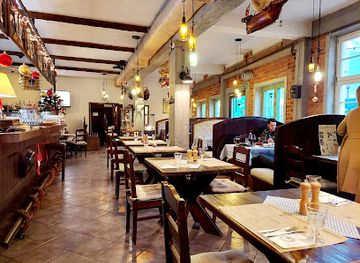
Browar & Restauracja PG4 Gdańsk
Experience the best of Polish and German cuisine at Browar & Restauracja PG4 in Gdańsk, where fresh craft beer meets delectable dishes.
Best nightclubs in Pomerania
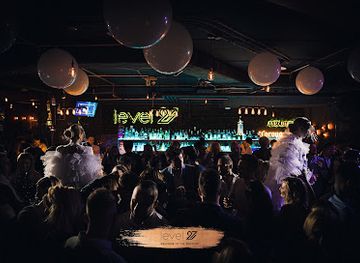
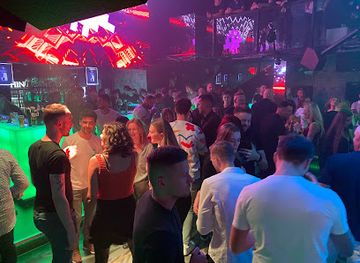
Nightlife is most varied in Gdańsk, Sopot, Gdynia and Szczecin, where the offer ranges from traditional pubs and craft-beer bars to cocktail venues, live music rooms and late-night clubs. Sopot is particularly associated with evening activity around its central pedestrian streets and seafront, while Gdańsk combines historic-centre bars with venues linked to its student and cultural communities. Gdynia has a more modern, metropolitan atmosphere, and Szczecin’s broad city centre supports pubs, music venues and restaurants open into the evening. In smaller coastal resorts, nightlife tends to be seasonal and centres on promenade cafés, bars, dance venues and hotel entertainment. Inland Pomerania is quieter, with evenings focused on restaurants, village inns and occasional cultural events rather than a substantial club scene. Summer weekends are livelier, but visitors should not assume that every resort operates at full capacity outside the holiday period.
-
Night club
Level 27
Discover Warsaw's nightlife at Level 27, where stunning views, live music, and exquisite cocktails create an unforgettable experience.
-
Live Music
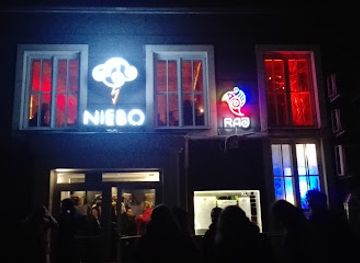
NIEBO
Discover NIEBO: Warsaw's Premier Destination for Live Music, Art, and Culinary Delights in a Vibrant Cultural Atmosphere.
-
Night club
Shine Club Kraków
Shine Club Kraków - Discover the ultimate nightlife experience with live music, vibrant cocktails, and an unforgettable atmosphere in the heart of Kraków.
-
Night club
RITUAL Cocktail Club
Discover the vibrant nightlife at RITUAL Cocktail Club, Warsaw's premier destination for cocktails, live music, and an unforgettable atmosphere.

Best shops in Pomerania
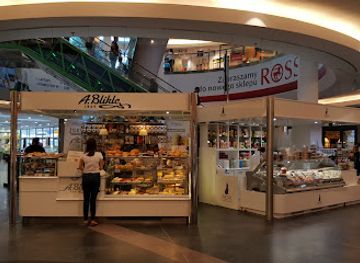
Shopping in Pomerania ranges from historic-centre boutiques and modern retail in the Tri-City to weekly markets, craft workshops and food stalls in smaller towns. Gdańsk is strongly associated with amber, and reputable jewellers and galleries offer pieces in varied styles; buyers should request clear information about materials and provenance. Market halls and food shops are useful for rye bread, preserves, honey, smoked products and sweets, while Kashubian areas are known for regional crafts, ceramics, embroidery and patterned textiles. Sopot has independent boutiques, art galleries and resort-oriented shops, whereas Gdynia offers a more contemporary mix of design, fashion and maritime-themed retail. Szczecin’s central streets and shopping areas combine everyday Polish brands with cafés, bookshops and independent businesses. Coastal resorts sell beachwear and souvenirs, but much of this retail is seasonal and repetitive. For distinctive purchases, choose locally made food, amber from an established seller or documented regional craft rather than generic merchandise.
-
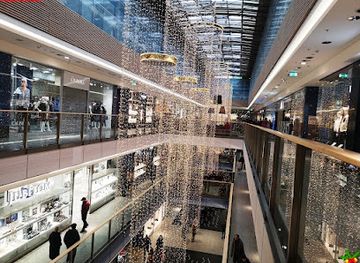
Shopping mall
Złote Tarasy
Experience the best of shopping, dining, and entertainment at Złote Tarasy, Warsaw's iconic shopping mall with something for everyone.
-
Shopping mall
Galeria Krakowska
Explore Galeria Krakowska: A bustling shopping haven in Kraków with diverse shops, dining, and entertainment options for every traveler.
-
Shopping mall
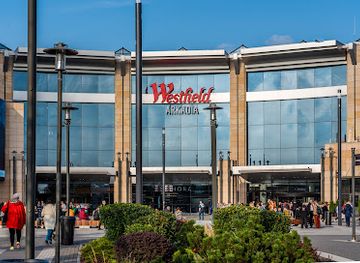
Westfield Arkadia
Explore Westfield Arkadia, Warsaw’s premier shopping mall with diverse retail, delicious dining, and vibrant entertainment options.
-
Shopping mall
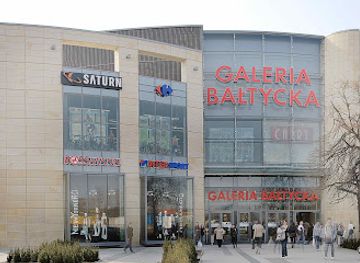
Galeria Bałtycka
Explore Galeria Bałtycka in Gdańsk: The ultimate shopping and dining destination filled with exciting brands and local flavor.
Get your free copy of our complete guide to Pomerania, delivered straight to you.
Everything on this page, from attractions and restaurants to essentials and local phrases, in one PDF you can read offline, print or share.
Already have an account? Sign in
Your Pomerania guide is ready.
We'll send it to · Not you? Sign out

Getting your guide ready…
We are putting together a fresh copy of the Pomerania guide. This can take up to a minute.
This can take a few moments. If your browser asks, choose Allow so the download can start. You'll find the guide in your Downloads folder.
Nothing happened? Download it again
Sorry, the guide is taking longer than usual. Please try again in a minute, or get it by email instead.
Pomerania essentials
Currency and Payment
Safety
Emergency Situations
Do's and Don'ts
Local Tips
From Eve
Local phrases worth knowing
You don't need to get them perfect. A few words go a long way, and locals appreciate the effort.
Basics
| English | Local | Say it |
|---|---|---|
| Hello | Cześć | [cheh-shch] |
| Goodbye | Do widzenia | [doh veed-zhen-yah] |
| Yes | Tak | [tahk] |
| No | Nie | [nyeh] |
| Please/You're welcome | Proszę | [proh-sheh] |
| Thank you | Dziękuję | [jen-koo-yeh] |
| Excuse me/Sorry | Przepraszam | [psheh-prah-sham] |
| How are you? | Jak się masz? | [yak shay mahsh] |
| Fine. And you? | Dobrze. A ty? | [doh-bzheh. ah tih?] |
| Do you speak English? | Czy mówisz po angielsku? | [chih moo-vish poh ahn-gyehl-skoo] |
| I don't understand | Nie rozumiem | [nyeh roh-zoo-myem] |
Eating & Drinking
| English | Local | Say it |
|---|---|---|
| I'd like to see the menu, please | Chciałbym zobaczyć menu, proszę | [hchah-wihm zo-bah-chihch meh-noo, proh-sheh] |
| I don't eat meat | Nie jem mięsa | [nyeh yem myen-sah] |
| Cheers! | Na zdrowie! | [nah zdroh-vyeh] |
| I would like to pay, please | Chciałbym zapłacić, proszę | [hchah-wihm zah-pwah-chihch, proh-sheh] |
Emergencies
| English | Local | Say it |
|---|---|---|
| Help! | Pomocy! | [poh-moh-tsih] |
| Go away! | Idź stąd! | [eetch stont] |
| Call the Police! | Zadzwoń po policję! | [zahd-zvohn poh poh-leet-see-eh] |
| Call a doctor! | Zadzwoń po lekarza! | [zahd-zvohn poh leh-kah-rzah] |
| I'm lost | Zgubiłem się | [zgoo-bee-wem shay] |
| I'm ill | Jestem chory | [yes-tem khoh-rih] |
Shopping
| English | Local | Say it |
|---|---|---|
| I'd like to buy... | Chciałbym kupić... | [hchah-wihm koo-peach] |
| I'm just looking | Tylko się rozglądam | [til-koh shay roh-zglah-dahm] |
| How much is it? | Ile to kosztuje? | [ee-leh toh kosh-too-yeh] |
| That's too expensive | To za drogie | [toh zah droh-gyeh] |
| Can you lower the price? | Czy możesz obniżyć cenę? | [chih moh-zhehsh ob-nee-zhihch tseh-neh] |
Time & Numbers
| English | Local | Say it |
|---|---|---|
| What time is it? | Która godzina? | [ktoo-rah goh-jee-nah] |
| It's one o'clock | Jest pierwsza | [yest pyerv-shah] |
| Half past (10) | Wpół do (11) | [fpoo-doh (jedenaście)] |
| Morning | Poranek | [poh-rah-nek] |
| Afternoon | Popołudnie | [poh-poh-ood-nyeh] |
| Evening | Wieczór | [vyeh-choor] |
| Yesterday | Wczoraj | [fcho-rah-y] |
| Today | Dziś | [dzhihsh] |
| Tomorrow | Jutro | [yoo-troh] |
| 1 | 1 | [1] |
| 2 | 2 | [2] |
| 3 | 3 | [3] |
| 4 | 4 | [4] |
| 5 | 5 | [5] |
| 6 | 6 | [6] |
| 7 | 7 | [7] |
| 8 | 8 | [8] |
| 9 | 9 | [9] |
| 10 | 10 | [10] |
Transport & Directions
| English | Local | Say it |
|---|---|---|
| Where's a/the...? | Gdzie jest...? | [gdzyeh yest...?] |
| What's the address? | Jaki jest adres? | [yah-kee yest ah-dres?] |
| Can you show me (on the map)? | Czy możesz mi pokazać (na mapie)? | [chih moh-zhehsh mee poh-kah-zach (nah mah-pyeh)?] |
| When's the next (bus)? | Kiedy jest następny (autobus)? | [kyeh-dih yest nah-stemp-ny (ow-toh-boos)?] |
| A ticket (to ....) | Bilet (do ...) | [bee-let (doh ...)] |
History of Pomerania
Early Settlement and the Baltic Slavs
Pomerania has been inhabited since prehistoric times, but its medieval identity developed among West Slavic communities living along the Baltic coast and the lower Oder and Vistula. Fishing, farming, amber gathering and river trade connected settlements to wider Baltic networks. Gdańsk and Szczecin grew around navigable waterways, while inland communities developed distinctive cultural traditions, including those later associated with the Kashubians. Archaeological evidence and surviving settlement patterns reveal a region shaped by both the sea and its major rivers.
Christianisation and Medieval Duchies
From the twelfth century, Christianisation brought new political and ecclesiastical structures to Pomerania. Missionary activity, monasteries and emerging towns linked the coast more closely to the wider medieval states of Central Europe. The Duchy of Pomerania, ruled by the Griffin dynasty, developed around Szczecin and other centres in the west, while eastern areas came increasingly under Polish and later Teutonic influence. Medieval churches, town plans and monastic remnants still reflect this period of political fragmentation and religious transformation.
Hanseatic Trade and the Teutonic State
The Baltic became a major commercial highway during the later Middle Ages. Gdańsk, then known as Danzig in many historical sources, prospered through grain, timber and other exports moving along the Vistula towards northern Europe. It became one of the most important cities of the Hanseatic trading world. In the eastern part of the region, the Teutonic Order established castles and towns, leaving its most imposing legacy at Malbork, the immense brick fortress on the Nogat. Maritime trade brought wealth but also intensified political competition.
Partitions, Prussia and Changing Sovereignty
Pomerania was divided among shifting political powers for centuries. Much of the eastern coast entered the Polish-Lithuanian Commonwealth, while western territories were absorbed into Brandenburg-Prussia; Gdańsk itself experienced changing degrees of autonomy before the partitions of Poland. Prussian administration, German settlement and military development left a strong architectural and demographic imprint, particularly around Szczecin and the western coast. These layers help explain why Pomeranian towns contain overlapping Polish, German, Kashubian and Baltic historical memories.
Ports, Railways and Modern Coastal Tourism
The nineteenth century brought industrial expansion, railways and the modern port economy. Szczecin became an important maritime and shipbuilding centre, while Gdańsk developed large harbour facilities and manufacturing. Rail connections made Baltic resorts more accessible and encouraged the growth of spa and seaside tourism in places such as Sopot, Kołobrzeg and Świnoujście. New resort architecture, promenades and villas appeared beside older fishing communities, creating the mixed urban and coastal landscapes visible today.
War, Borders and Population Change after 1945
The Second World War caused immense destruction and persecution in Pomerania, including the devastation of Gdańsk and the loss of Jewish communities that had formed part of the region’s urban life. After 1945, borders shifted westwards and most of the German population was displaced, while Polish settlers arrived from other parts of the country and from territories annexed by the Soviet Union. Cities and villages were rebuilt within a new political and demographic framework, often preserving fragments of earlier architectural layers.
Solidarity and the Democratic Transformation
Gdańsk became a defining centre of modern European political history when strikes at the Lenin Shipyard in 1980 led to the formation of Solidarity, the independent trade union associated with Lech Wałęsa. The movement challenged communist rule and helped shape the peaceful political transformation of 1989. The European Solidarity Centre and the shipyard area preserve this history, while the wider region’s ports, shipyards and industrial communities continue to reflect the economic and social changes that followed Poland’s return to democracy.
Pomerania in Photos
Browse through our photo collection highlighting the charm and character of the destination.
Neighbouring regions of Pomerania
The closest regions to Pomerania, if you have time for more than one.
-

-

-

-

-


Swipe for more regions
Explore more

Explore more of Poland
Discover Poland's rich history, vibrant cities, and scenic landscapes, from the medieval streets of Kraków to the serene beauty of the Tatra Mountains and Masurian Lakes.
Explore Poland