

Jeżyce (Poznan) Travel Guide - Free
Explore Jeżyce in Poznan with Evendo's free guide. Find the best shops, historic streets, restaurants, and gems on web or mobile.


Jeżyce in Poznań blends ornate tenements, Jeżycki Market, independent cafés, theatres and creative nightlife with easy access to the city centre.
Tenement Streets and Local Character
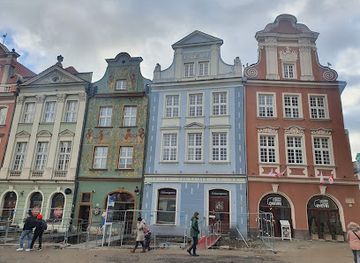
Jeżyce lies just west of central Poznań, a largely urban neighbourhood shaped by late nineteenth- and early twentieth-century expansion. Its streets are lined with ornate tenements, enclosed courtyards and quieter residential lanes, while Dąbrowskiego, Kościelna, Kraszewskiego and Szamarzewskiego provide the area’s principal movement and meeting points. The architecture is not preserved as a museum piece: doorways, small businesses, cafés and everyday traffic give the district a lived-in character.Read more about Jeżyce
Markets, Culture and Everyday Life
A Walkable Part of Poznań
Best attractions in Jeżyce
Jeżyce’s attractions are closely woven into its streets and everyday institutions. Rynek Jeżycki provides the clearest introduction, with market activity, food stalls and surrounding shops offering a view of local routines rather than a staged visitor spectacle. An architectural walk along Dąbrowskiego, Kościelna, Kraszewskiego and Szamarzewskiego reveals ornate tenements, narrow frontages, gateways and courtyards built during the neighbourhood’s major expansion. Teatr Nowy im. Tadeusza Łomnickiego brings theatre to Dąbrowskiego, while Kino Rialto offers a historic cinema setting and a programme centred on film. The Old Zoo on Zwierzyniecka, at the eastern edge of the district, adds open space, paths and animal enclosures to the dense urban experience. Cafés, independent food businesses and small cultural venues complete the sightseeing, making Jeżyce particularly rewarding for visitors who prefer to explore a neighbourhood through its public spaces and local rhythms.
-
Tourist attraction
Park Cytadela
Explore Park Cytadela: A lush, historic park in Poznań, Poland, featuring beautiful landscapes, monuments, and recreational spaces for all ages.
7 min drive · 2.3 km from neighbourhood centre
-
Tourist attraction
Royal Castle
Explore the Royal Castle in Poznań, a historical gem showcasing Poland's royal heritage and stunning architecture in the heart of the city.
6 min drive · 1.9 km from neighbourhood centre
-
Tourist attraction
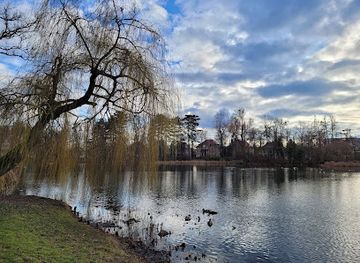
Monumentalna Wierzba Płacząca
Experience the serene beauty of Poznań's Weeping Willow, a tranquil oasis perfect for reflection and relaxation in the heart of the city.
10 min walk · 0.8 km from neighbourhood centre
-
Tourist attraction
Zespół rzeźb plenerowych Magdaleny Abakanowicz
Discover the profound artistry of Magdalena Abakanowicz at her outdoor sculpture ensemble in Poznań, where art and nature harmoniously intertwine.
13 min walk · 1.0 km from neighbourhood centre


Best landmarks in Jeżyce
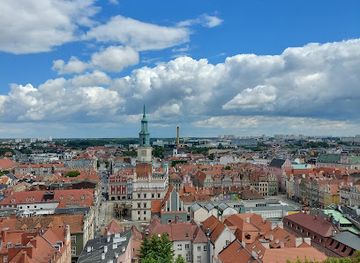
Jeżyce’s most significant landmarks are the urban structures that record its transformation from village-edge settlement to turn-of-the-century district. The tenement frontages along Dąbrowskiego, Kościelna, Kraszewskiego and Szamarzewskiego form a coherent architectural setting, with decorative façades, gateways and enclosed courtyards revealing the scale of early urban expansion. Rynek Jeżycki is important not simply as a market but as a continuing civic and commercial focus for the neighbourhood. Teatr Nowy on Dąbrowskiego is a major cultural address, while Kino Rialto represents the district’s long-standing relationship with public film culture. The Old Zoo on Zwierzyniecka, near the eastern side of Jeżyce, provides a contrasting landscaped landmark within the metropolitan setting. Together these places show how housing, commerce, public culture and recreation developed alongside one another rather than around a single monumental centre.
-
Tourist attraction
Old Market Square
Experience the vibrant heart of Poznań at the Old Market Square, where history meets culture in a picturesque setting.
6 min drive · 2.1 km from neighbourhood centre
-
City park
Park Cytadela
Explore the enchanting Park Cytadela in Poznań, where history meets nature in a stunning urban park experience.
7 min drive · 2.3 km from neighbourhood centre
-
Park
Sołacki Park
Discover the beauty of Sołacki Park in Poznań, a lush green oasis perfect for relaxation, family outings, and enjoying nature's splendor.
13 min walk · 1.0 km from neighbourhood centre
-
Botanical garden
University Botanical Garden
Explore the enchanting University Botanical Garden in Poznań, a lush sanctuary showcasing diverse plant species and stunning floral displays.
5 min drive · 1.8 km from neighbourhood centre


Explore Jeżyce on the map
A handpicked selection of must-see spots in Jeżyce, mapped for you.
Best hotels in Jeżyce
Best restaurants in Jeżyce
Jeżyce has one of Poznań’s best-known concentrations of independent cafés and restaurants, particularly around Dąbrowskiego, Jeżycka, Kościelna, Kraszewskiego and the streets leading towards Rynek Jeżycki. The dining scene ranges from bakeries, coffee shops and informal lunch places to contemporary restaurants working in compact former shopfronts or renovated tenement interiors. Rynek Jeżycki remains important for fresh produce and food shopping, while nearby businesses reflect the neighbourhood’s mixed residential and creative character. Menus vary rather than forming a single strongly defined cuisine, with Polish cooking appearing alongside vegetarian food, modern European dishes, bakery goods and international influences. Jeżyce is also a useful place to look for a daytime coffee or an unhurried evening meal away from the most concentrated tourist areas of the Old Town. Individual venues change over time, so current opening information is worth checking before planning a meal.
-
Restaurant
WYPAS
Discover WYPAS, Poznań's top vegan restaurant offering innovative dishes in a cozy atmosphere perfect for food lovers.
9 min walk · 0.7 km from neighbourhood centre
-
Restaurant
Modra Kuchnia
Experience the heart of Polish cuisine at Modra Kuchnia in Poznań, where tradition meets flavor in a cozy setting.
8 min walk · 0.6 km from neighbourhood centre
-
Breakfast
Święty
Explore Święty in Poznań: A cozy café offering delicious breakfasts, refreshing drinks, and a warm atmosphere perfect for any occasion.
6 min walk · 0.5 km from neighbourhood centre
-
Italian
Restauracja iT.
Experience authentic Italian cuisine at Restauracja iT., where every dish tells a story and every bite is a delight.
9 min walk · 0.7 km from neighbourhood centre


Best bars in Jeżyce
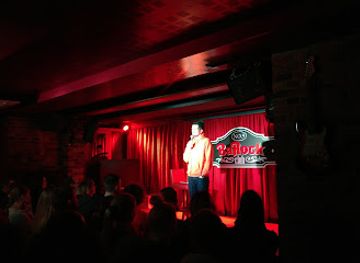
Jeżyce’s nightlife is more neighbourhood-oriented than club-centred, with bars, cafés and restaurants occupying ground floors along Dąbrowskiego, Jeżycka and nearby residential streets. Evenings can revolve around conversation, food, small cultural events and informal gatherings rather than large dance venues. Teatr Nowy and Kino Rialto extend the area’s cultural life after dark, while independent establishments periodically host music, screenings or other programmed events; availability varies, so visitors should consult current listings. The atmosphere changes according to the street, with busy clusters around popular venues giving way quickly to quiet apartment blocks and courtyards. Jeżyce is therefore best approached as a mixed-use district whose evening appeal lies in its local bars, cultural programme and walkable concentration of places to meet, not in a single nightlife strip or a guaranteed late-night club scene.
-
Brewpub
Jeżycówka
Discover the heart of Poznań's craft beer scene at Jeżycówka, where flavors meet a cozy atmosphere for an unforgettable experience.
9 min walk · 0.7 km from neighbourhood centre
-
Bar
U Boćka
Experience the vibrant atmosphere and diverse drink selection at U Boćka, a must-visit bar in the heart of Poznań, perfect for tourists.
5 min walk · 0.4 km from neighbourhood centre
-
Brewpub
Klubokawiarnia LALKA
Discover the vibrant atmosphere and exquisite craft beers at Klubokawiarnia LALKA in Poznań, a must-visit brewpub for every tourist.
5 min walk · 0.4 km from neighbourhood centre
-
Restaurant
Na Językach
Experience the best of Poznań at Na Językach, where fresh flavors meet live music in a cozy atmosphere.
7 min walk · 0.6 km from neighbourhood centre


Best nightclubs in Jeżyce
Jeżyce’s nightlife is more neighbourhood-oriented than club-centred, with bars, cafés and restaurants occupying ground floors along Dąbrowskiego, Jeżycka and nearby residential streets. Evenings can revolve around conversation, food, small cultural events and informal gatherings rather than large dance venues. Teatr Nowy and Kino Rialto extend the area’s cultural life after dark, while independent establishments periodically host music, screenings or other programmed events; availability varies, so visitors should consult current listings. The atmosphere changes according to the street, with busy clusters around popular venues giving way quickly to quiet apartment blocks and courtyards. Jeżyce is therefore best approached as a mixed-use district whose evening appeal lies in its local bars, cultural programme and walkable concentration of places to meet, not in a single nightlife strip or a guaranteed late-night club scene.
-
Disco club
Pacha Poznań
Experience the electric nightlife of Poznań at Pacha, a premier disco club where music and energy collide for an unforgettable night out.
6 min drive · 2.0 km from neighbourhood centre
-
Night club
BAROCK KLUB MUZYCZNY
Discover the electrifying nightlife at Barock Club MuzYCZNY in Poznań, where unforgettable moments and great music collide.
7 min drive · 2.3 km from neighbourhood centre
-
Night club
HAH Poznań
Dive into the dynamic nightlife of Poznań at HAH, a vibrant night club offering live music, themed parties, and an inclusive atmosphere.
7 min drive · 2.2 km from neighbourhood centre
-
Night club
Extravagance
Discover the vibrant nightlife at Extravagance, Poznań's premier night club, where music, style, and unforgettable moments collide.
6 min drive · 2.1 km from neighbourhood centre


Best shops in Jeżyce
Shopping in Jeżyce is grounded in local provision rather than large-scale retail. Rynek Jeżycki remains the central destination for fresh food, market produce and specialist stalls, with surrounding bakeries, delicatessens and independent food shops extending the experience into neighbouring streets. Dąbrowskiego, Jeżycka, Kraszewskiego and Kościelna contain a changing mix of small retailers, cafés and service businesses, many set into historic tenement ground floors. Visitors may also encounter independent design, book, clothing and craft-oriented shops, although the exact retail offer changes more quickly than the architecture. Jeżyce is not a conventional shopping district with a single pedestrianised commercial avenue; its appeal comes from browsing dispersed businesses while walking between the market, cultural venues and residential streets. For a more contemporary retail selection, visitors can continue towards central Poznań, while Jeżyce is better suited to everyday goods, food shopping and independent local businesses.
-
Clothing store
London Look Second Hand
Explore sustainable fashion and uncover unique vintage pieces at London Look Second Hand in Poznań, a must-visit for eco-conscious shoppers.
5 min walk · 0.4 km from neighbourhood centre
-
Used clothing store
Loca Second Hand
Explore Loca Second Hand in Poznań for unique vintage and contemporary fashion that promotes sustainable shopping and individual style.
4 min walk · 0.3 km from neighbourhood centre
-
Store
Indian Store
Explore authentic Indian spices, snacks, and groceries at the vibrant Indian Store in Poznań's Jeżyce district.
7 min walk · 0.6 km from neighbourhood centre
-
Clothing store
Odzież używana
Discover trendy, sustainable fashion at Odzież Używana in Poznań's Jeżyce district - a second-hand clothing store with unique finds for every style.
4 min walk · 0.3 km from neighbourhood centre


Jeżyce essentials
Getting There
Getting Around
Safety
Emergency Situations
Do's and Don'ts
Local Tips

From Eve
Local phrases worth knowing
You don't need to get them perfect. A few words go a long way, and locals appreciate the effort.
Basics
| English | Local | Say it |
|---|---|---|
| Hello | Cześć | [ch-eshch] |
| Goodbye | Do widzenia | [doh veed-zeh-nyah] |
| Yes | Tak | [tahk] |
| No | Nie | [nyeh] |
| Please/You're welcome | Proszę | [proh-sheh] |
| Thank you | Dziękuję | [jyen-koo-yeh] |
| Excuse me/Sorry | Przepraszam | [psheh-prah-sham] |
| How are you? | Jak się masz? | [yahk shyeh mahsh] |
| Fine. And you? | Dobrze. A ty? | [doh-bzheh. ah tih] |
| Do you speak English? | Czy mówisz po angielsku? | [chi moo-veesh poh ahn-gyehl-skoo] |
| I don't understand | Nie rozumiem | [nyeh roh-zoo-myem] |
Eating & Drinking
| English | Local | Say it |
|---|---|---|
| I'd like to see the menu, please | Poproszę kartę dań | [poh-proh-sheh kar-teh dahn] |
| I don't eat meat | Nie jem mięsa | [nyeh yem myen-sah] |
| Cheers! | Na zdrowie! | [nah zdroh-vee-eh] |
| I would like to pay, please | Chciałbym zapłacić, proszę | [h-chyah-bim zah-plah-cheech, proh-sheh] |
Emergencies
| English | Local | Say it |
|---|---|---|
| Help! | Pomocy! | [poh-moh-tsi] |
| Go away! | Idź sobie! | [ee-j shoh-bee-eh] |
| Call the Police! | Zadzwoń po policję! | [zahd-vohn poh poh-leets-yeh] |
| Call a doctor! | Zadzwoń po lekarza! | [zahd-vohn poh leh-kah-zah] |
| I'm lost | Zgubiłem się | [zgoo-bi-wem shyeh] |
| I'm ill | Jestem chory | [yeh-stem hoh-ri] |
Shopping
| English | Local | Say it |
|---|---|---|
| I'd like to buy... | Chciałbym kupić... | [h-chyah-bim koo-peech] |
| I'm just looking | Tylko się rozglądam | [tih-ko shyeh rohz-gwon-dahm] |
| How much is it? | Ile to kosztuje? | [ee-leh toh kohs-too-yeh] |
| That's too expensive | To jest za drogie | [toh yest zah droh-gyeh] |
| Can you lower the price? | Czy możesz obniżyć cenę? | [chi moo-zhesh ohb-nee-zhoo-ch cheh-neh] |
Time & Numbers
| English | Local | Say it |
|---|---|---|
| What time is it? | Która jest godzina? | [ktoo-rah yest goh-dzee-nah] |
| It's one o'clock | Jest pierwsza | [yest pyehr-vshah] |
| Half past (10) | Pół do dziesiątej | [poow doh dzyeh-shoohn-teh] |
| Morning | Rano | [rah-noh] |
| Afternoon | Popołudnie | [poh-poo-wood-nyeh] |
| Evening | Wieczór | [vyeh-choor] |
| Yesterday | Wczoraj | [v-choh-rye] |
| Today | Dziś | [jish] |
| Tomorrow | Jutro | [yoo-troh] |
| 1 | Jeden | [yeh-den] |
| 2 | Dwa | [dvah] |
| 3 | Trzy | [tshih] |
| 4 | Cztery | [ch-teh-ri] |
| 5 | Pięć | [pyehnch] |
| 6 | Sześć | [sheshch] |
| 7 | Siedem | [shyeh-dem] |
| 8 | Osiem | [oh-shyem] |
| 9 | Dziewięć | [dzyeh-vyenhch] |
| 10 | Dziesięć | [dzyeh-shyenhch] |
Transport & Directions
| English | Local | Say it |
|---|---|---|
| Where's a/the...? | Gdzie jest... | [gdzyeh yest] |
| What's the address? | Jaki jest adres? | [yah-kee yest ah-drehs] |
| Can you show me (on the map)? | Czy możesz mi pokazać (na mapie)? | [chi moo-zhesh mee poh-kah-zahtch (nah mah-pyeh)] |
| When's the next (bus)? | Kiedy jest następny (autobus)? | [kyeh-dih yest nah-stehp-neh (ow-toh-boos)] |
| A ticket (to ....) | Bilet (do ...) | [bee-let (doh)] |
History of Jeżyce
From Village to Urban District
Jeżyce began as a settlement outside Poznań rather than as part of the medieval core. Its rural character changed as the expanding city reached westwards during the nineteenth century, bringing roads, new housing and closer economic ties with Poznań. The name Jeżyce is associated with the historic village, whose transformation explains the contrast still visible between older street alignments and the regular urban blocks that followed. The area was incorporated into Poznań in 1900, after which development accelerated and Jeżyce became part of the city’s expanding built-up fabric.
Tenements and Imperial Expansion
Around the turn of the twentieth century, Jeżyce filled with multi-storey tenements intended for the growing urban population. Streets such as Dąbrowskiego, Kościelna, Kraszewskiego and Szamarzewskiego acquired dense frontages, decorated façades and internal courtyards characteristic of Poznań’s period of expansion under Prussian rule. Shops and workshops occupied ground floors, while apartments above housed a socially mixed population of workers, clerks and families. The resulting urban landscape remains one of Jeżyce’s defining historical features, even where later repairs and alterations have changed individual buildings.
Markets, Transport and Civic Life
The development of tram routes and major streets strengthened Jeżyce’s connection with central Poznań and encouraged the growth of local commerce. Rynek Jeżycki became an important everyday market, linking the neighbourhood’s residents with farmers, food traders and specialist sellers. Public institutions, schools, religious buildings and cultural venues added civic weight to the district, while cafés, shops and small businesses made its streets more self-sufficient than a purely residential suburb. This combination of transport access and local services helped Jeżyce retain a clear identity within the wider city.
Cultural Renewal and Changing Streets
After the political and economic changes of the late twentieth century, parts of Jeżyce experienced building decline, followed by gradual renovation and renewed commercial interest. Independent cafés, restaurants, creative businesses and cultural organisations moved into or adapted older premises, contributing to a new public image without erasing the neighbourhood’s residential base. Rising attention to the historic tenement environment has also brought debates familiar to many central European inner districts, including restoration, changing rents and the balance between local businesses and visitor-oriented venues. Today Jeżyce is valued both as a lived-in district and as one of Poznań’s most recognisable urban quarters.
Jeżyce in Photos
Browse through our photo collection highlighting the charm and character of the destination.
Neighbourhoods near Jeżyce
The closest neighbourhoods to Jeżyce, if you have time for more than one stop.
-

-
-


Swipe for more neighbourhoods
Explore more

Explore more of Poznan
Poznań, Poland blends Renaissance architecture, cathedral history, lively cafés, local cuisine and green spaces for city breaks and cultural discoveries.
Explore Poznan