

Free Vrancea Travel Guide & Mobile App
Explore Vrancea with free travel guides. Discover regional history, expert tips, proposed trips, and audio guides on web or mobile app.


Explore Vrancea in Romania for Carpathian forests, historic battlefields, vineyard towns, traditional villages and the cultural life of Focșani.
Read more about Vrancea
When is the best time to visit Vrancea?
Best: June, August–September · 22–28°C| Month | High (°C) | Rainfall (mm) |
|---|---|---|
| January | 3 | 30 |
| February | 5 | 28 |
| March | 11 | 36 |
| April | 17 | 44 |
| May | 22 | 56 |
| June (best) | 26 | 69 |
| July | 28 | 62 |
| August (best) | 28 | 54 |
| September (best) | 22 | 49 |
| October | 16 | 37 |
| November | 9 | 35 |
| December | 4 | 32 |
Getting to and around Vrancea
How to get there
Transportation
Top city travel guides in Vrancea
The cities of Vrancea, and the easiest places to base yourself.

Swipe for more cities
Best attractions in Vrancea
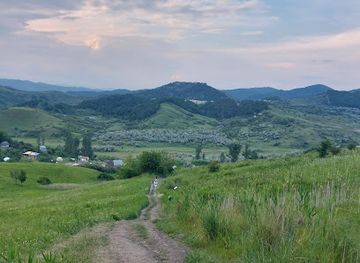
Vrancea's attractions range from urban museums and Union-era institutions in Focșani to vineyards, rural settlements and protected mountain landscapes. The Focșani area is the natural starting point for learning about the 1859 union of the Romanian principalities, local history and regional ethnography. Around Odobești and Panciu, wine tourism centres on vineyard scenery, cellars and tastings arranged with producers. The First World War heritage of the county is represented most powerfully by the Mausoleum of the Heroes at Mărășești, with further memorial sites around Mărăști and Soveja. In the west, Putna-Vrancea Natural Park offers forest walks, wildlife habitats and mountain scenery rather than heavily developed resort infrastructure. The Tisăița Gorge, the Putna Waterfall and the valleys around Lepșa and Tulnici are among the principal outdoor destinations, with hiking opportunities varying by season and weather. Traditional villages and local cultural institutions add a human dimension to the landscape, particularly for visitors interested in craft, architecture and mountain livelihoods. Because many sites are dispersed, Vrancea rewards an itinerary built around several bases or a car journey rather than a hurried circuit from Focșani.
-
Nature preserve
Vulcanii Noroioși Pâclele Mari
Experience the stunning mud volcanoes of Vulcanii Noroioși Pâclele Mari, a unique nature preserve in Romania that showcases the beauty of natural geological phenomena.
-
Historical landmark
The Mausoleum of Mărășești
Discover the solemn beauty of The Mausoleum of Mărășești, a historical landmark honoring Romania's brave soldiers of World War I, set in tranquil gardens.
-
Wildlife park
Parcul Natural Putna - Vrancea
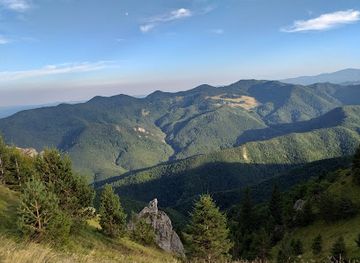
Explore the breathtaking Parcul Natural Putna - Vrancea, a wildlife park rich in biodiversity and natural beauty, perfect for all nature lovers.
-
Tourist attraction
Cascada Putnei
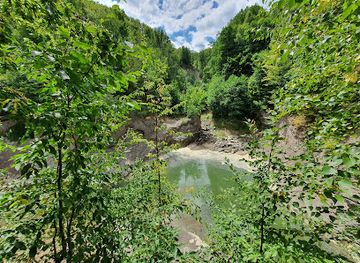
Discover the enchanting beauty of Cascada Putnei, a stunning waterfall in Romania, perfect for nature lovers and adventure seekers.

Best landmarks in Vrancea
The Mausoleum of the Heroes at Mărășești is Vrancea's most recognisable historic landmark: its monumental architecture and memorial inscriptions commemorate Romanian soldiers killed in the 1917 battle and give the surrounding plain a powerful historical focus. In Focșani, the Union-related buildings and museums associated with the Central Commission recall the city's role in bringing Moldavia and Wallachia's administrations closer together after 1859. The Mausoleum at Mărăști marks another key battlefield in the county's First World War landscape, while the memorial ensemble at Soveja links military remembrance with a wooded mountain setting. For a different kind of landmark, the Tisăița Gorge cuts through the forested Vrancea Mountains in Putna-Vrancea Natural Park, where rock walls, water and woodland create a clearly defined natural feature. The Putna Waterfall, in the Lepșa area, is another well-known geographical sight. Together these places express the county's principal identities: a historic frontier and union city, a landscape of wartime remembrance, and the forested Carpathian bend.
-
Historical landmark
The Mausoleum of Mărășești
Discover the Mausoleum of Mărășești, a powerful historical landmark honoring Romanian soldiers' bravery in World War I amidst breathtaking landscapes.
-
Wildlife park
Parcul Natural Putna - Vrancea
Experience the tranquility and natural beauty of Parcul Natural Putna - Vrancea, a wildlife park and nature preserve in Romania.
-
Tourist attraction
Cascada Putnei
Immerse yourself in the natural beauty of Cascada Putnei, Romania's enchanting waterfall surrounded by lush landscapes and tranquil hiking trails.
-
Restaurant
Casa Vrânceană
Discover the rich flavors of Romanian cuisine at Casa Vrânceană, where tradition meets modernity in a vibrant gastropub atmosphere.


Explore Vrancea on the map
Plan your trip on one map. See where the top cities, national parks and sights are, and book hotels and experiences in a few clicks.
Best hotels in Vrancea
Best restaurants in Vrancea
Dining in Vrancea connects the food of eastern Romania with the produce of the county's vineyards, lowlands and mountain villages. Focșani has the broadest choice of restaurants, cafés and bakeries, while smaller towns and villages are more likely to offer family-run eateries, traditional cooking and rural guesthouse meals. Expect dishes such as sarmale, soups, grilled meats, freshwater fish where available, mămăligă and seasonal vegetables, with local variations rather than a separate, rigidly defined Vrancean cuisine. In the hills and mountains, cheese, smoked products, preserves and forest-influenced ingredients may appear on rustic menus. The Odobești and Panciu districts are particularly suited to pairing meals with regional wines, including white, red and sparkling styles produced in the wider vineyard zone. Farmers' markets and food shops are useful for fruit, vegetables, honey, bread and other provisions. Visitors should distinguish between formal winery tastings, which may require arrangements, and ordinary restaurants that simply serve local bottles. Rural dining can be generous and informal, but opening arrangements and menu choices are less predictable than in Focșani.
-
Restaurant
Casa Vrânceană
Discover the flavors of Romania at Casa Vrânceană, where traditional cuisine meets modern dining in Focșani.
-
Restaurant
Tamboiesti Restaurant
Experience authentic Romanian flavors at Tamboiesti Restaurant in Obrejița - where every dish tells a story.
-
Restaurant
Restaurant Hanul lui Ureche
Experience authentic Romanian cuisine in a cozy setting at Restaurant Hanul lui Ureche – a must-visit culinary destination in Popești.
-
Restaurant
Intim
Experience culinary excellence at Intim in Focșani, where traditional flavors meet modern dining in a cozy atmosphere.


Best bars in Vrancea
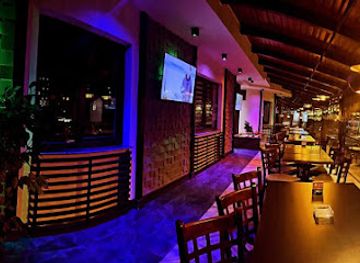
Vrancea's evening life is concentrated in Focșani, where cafés, restaurants, wine bars and a modest selection of late venues provide the county's broadest choice. The city is especially well suited to sampling wines from Odobești and Panciu in an unhurried setting, with local social life extending more through restaurants and cafés than through a large club scene. In smaller towns such as Panciu and Odobești, evenings generally revolve around restaurants, neighbourhood bars and occasional live entertainment rather than a dense nightlife district. Mountain settlements including Lepșa and Soveja cater mainly to visitors staying in guesthouses, so evenings are often spent over dinner, local wine or conversation rather than in dedicated nightclubs. Seasonal events and private celebrations can change the atmosphere, but should not be treated as permanent fixtures. Travellers heading into the mountains should arrange transport and accommodation in advance, as late public transport and taxi availability are limited. Responsible drinking matters on rural roads and trails, where distances and rescue options are less convenient.
-
Pub
HavanaFocsani
Discover HavanaFocsani, a lively pub in Focșani offering local drinks, a cozy atmosphere, and a taste of Romanian nightlife.
-
Pub
Queen Pub
Experience the warm atmosphere, delicious local cuisine, and refreshing brews at Queen Pub in Focșani.
-
Gastropub
Restaurant Perla Neagra
Experience the perfect blend of traditional Romanian flavors and modern culinary artistry at Restaurant Perla Neagra in Focșani.
-
Pub
Taranciuc Pub
Discover the heart of Odobești at Taranciuc Pub, where local flavors meet a lively atmosphere and memorable experiences.



Best nightclubs in Vrancea
Vrancea's evening life is concentrated in Focșani, where cafés, restaurants, wine bars and a modest selection of late venues provide the county's broadest choice. The city is especially well suited to sampling wines from Odobești and Panciu in an unhurried setting, with local social life extending more through restaurants and cafés than through a large club scene. In smaller towns such as Panciu and Odobești, evenings generally revolve around restaurants, neighbourhood bars and occasional live entertainment rather than a dense nightlife district. Mountain settlements including Lepșa and Soveja cater mainly to visitors staying in guesthouses, so evenings are often spent over dinner, local wine or conversation rather than in dedicated nightclubs. Seasonal events and private celebrations can change the atmosphere, but should not be treated as permanent fixtures. Travellers heading into the mountains should arrange transport and accommodation in advance, as late public transport and taxi availability are limited. Responsible drinking matters on rural roads and trails, where distances and rescue options are less convenient.
-
Pub
HavanaFocsani
Discover the lively atmosphere of HavanaFocsani, a top pub and lounge in Focșani, Romania, perfect for relaxation and social gatherings.
-
Disco club
Club Vission Blidari (MUSIC BOX)
Discover the ultimate nightlife experience at Club Vission Blidari, where music and dance unite in an electrifying environment.
-
Club
Texas
Dive into the energetic nightlife at Texas, where vibrant music and a lively atmosphere await every visitor.
-
Disco club
Club Full Moon
Experience the vibrant nightlife at Club Full Moon, the premier disco club in Vârteșcoiu for unforgettable dance and music.


Best shops in Vrancea
Shopping in Vrancea is centred on the market life and everyday high streets of Focșani, with smaller-scale options in Odobești, Panciu and other county towns. Focșani offers supermarkets, general retail, cafés and independent shops, while its markets are useful for seasonal fruit and vegetables, honey, cheese, preserves and other regional provisions. In vineyard country, the most characteristic purchases are bottles from Odobești and Panciu, though visitors should buy directly from established producers or reputable shops and check how wine can be transported. Rural guesthouses and craft outlets may sell woven goods, carved wooden objects, preserves or honey, but availability varies by season and location. Traditional products are more likely to be found through local markets and producer contacts than in a single dedicated souvenir district. The mountain villages are places to buy food and small local goods rather than to expect extensive retail. For gifts, regional wine, honey, preserves and carefully labelled artisanal products provide a stronger connection to Vrancea than generic Romanian souvenirs.
-
Shopping mall
Focșani Mall
Explore Focșani Mall, where shopping meets dining and entertainment in a vibrant atmosphere.
-
Bakery
Brutaria Vranceana
Discover the authentic taste of Romania at Brutaria Vranceana, a charming bakery offering delicious artisanal bread and pastries in Găgești.
-
Discount supermarket
Paco Supermarket
Experience local shopping at Paco Supermarket in Odobești for fresh produce and great deals, perfect for budget-conscious travelers.
-
Supermarket
Betty Market
Discover a vibrant shopping experience at Betty Market, Panciu's local supermarket offering fresh produce, local delicacies, and a taste of Romanian culture.


Get your free copy of our complete guide to Vrancea, delivered straight to you.
Everything on this page, from attractions and restaurants to essentials and local phrases, in one PDF you can read offline, print or share.
Already have an account? Sign in
Your Vrancea guide is ready.
We'll send it to · Not you? Sign out

Getting your guide ready…
We are putting together a fresh copy of the Vrancea guide. This can take up to a minute.
This can take a few moments. If your browser asks, choose Allow so the download can start. You'll find the guide in your Downloads folder.
Nothing happened? Download it again
Sorry, the guide is taking longer than usual. Please try again in a minute, or get it by email instead.
Vrancea essentials
Currency and Payment
Safety
Emergency Situations
Do's and Don'ts
Local Tips
From Eve
Local phrases worth knowing
You don't need to get them perfect. A few words go a long way, and locals appreciate the effort.
Basics
| English | Local | Say it |
|---|---|---|
| Hello | Salut | [sah-loot] |
| Goodbye | La revedere | [lah reh-veh-deh-reh] |
| Yes | Da | [dah] |
| No | Nu | [noo] |
| Please/You're welcome | Te rog/ Cu plăcere | [teh rog/ koo plah-cheh-reh] |
| Thank you | Mulțumesc | [mool-tsoo-mesk] |
| Excuse me/Sorry | Scuză-mă/Îmi pare rău | [skoo-zah-mah/ uhm pah-reh rah-oo] |
| How are you? | Ce mai faci? | [cheh my fahch] |
| Fine. And you? | Bine. Și tu? | [bee-neh. shee too] |
| Do you speak English? | Vorbești engleză? | [vor-besht eng-leh-zah] |
| I don't understand | Nu înțeleg | [noo un-tseh-lehg] |
Eating & Drinking
| English | Local | Say it |
|---|---|---|
| I'd like to see the menu, please | Aș dori să văd meniul, vă rog | [ash doh-ree sah vehd meh-nee-ul, vah rog] |
| I don't eat meat | Nu mănânc carne | [noo muh-nuhnk kar-neh] |
| Cheers! | Noroc! | [noh-rok] |
| I would like to pay, please | Aș dori să plătesc, vă rog | [ash doh-ree sah plah-tesk, vah rog] |
Emergencies
| English | Local | Say it |
|---|---|---|
| Help! | Ajutor! | [ah-zhoo-tor] |
| Go away! | Du-te! | [doo-teh] |
| Call the Police! | Sunați la Poliție! | [soo-nahts lah poh-lee-tsee-eh] |
| Call a doctor! | Sunați un doctor! | [soo-nahts oon doh-tor] |
| I'm lost | M-am rătăcit | [mahm rah-tah-cheet] |
| I'm ill | Sunt bolnav | [soont bol-nav] |
Shopping
| English | Local | Say it |
|---|---|---|
| I'd like to buy... | Aș dori să cumpăr... | [ash doh-ree sah koom-pair] |
| I'm just looking | Doar mă uit | [dwar muh uit] |
| How much is it? | Cât costă? | [kuht koh-stah] |
| That's too expensive | Asta e prea scump | [ahs-tah eh pree-ah skoomp] |
| Can you lower the price? | Poți să scazi prețul? | [pots sah skahz prehts-ul] |
Time & Numbers
| English | Local | Say it |
|---|---|---|
| What time is it? | Ce oră este? | [cheh oh-rah yeh-steh] |
| It's one o'clock | E ora unu | [eh oh-rah oo-noo] |
| Half past (10) | Jumătate peste (10) | [joo-mah-tah-teh peh-steh] |
| Morning | Dimineața | [dee-mee-neh-ah-tsah] |
| Afternoon | După-amiază | [doo-pah-ah-mee-ah-zah] |
| Evening | Seara | [sah-rah] |
| Yesterday | Ieri | [yehr] |
| Today | Astăzi | [ahs-tahz] |
| Tomorrow | Mâine | [mee-neh] |
| 1 | 1 | [unu] |
| 2 | 2 | [doi] |
| 3 | 3 | [trei] |
| 4 | 4 | [patru] |
| 5 | 5 | [cinci] |
| 6 | 6 | [șase] |
| 7 | 7 | [șapte] |
| 8 | 8 | [opt] |
| 9 | 9 | [nouă] |
| 10 | 10 | [zece] |
Transport & Directions
| English | Local | Say it |
|---|---|---|
| Where's a/the...? | Unde este un...? | [oon-deh yeh-steh oon] |
| What's the address? | Care este adresa? | [kah-reh yeh-steh ah-dreh-sah] |
| Can you show me (on the map)? | Poți să-mi arăți (pe hartă)? | [pots sahm ah-rah-ts (peh har-tah)] |
| When's the next (bus)? | Când vine următorul (autobuz)? | [knd vee-neh oor-mah-tor-ul (ow-toh-booz)] |
| A ticket (to ....) | Un bilet (la....) | [oon bee-let (lah....)] |
History of Vrancea
Early Settlement and Dacian-Roman Frontierlands
The Vrancea area has been inhabited since prehistoric times, and archaeological evidence from the wider county reflects successive communities working the fertile lowlands and foothills. In antiquity, the region lay near the meeting zone of the eastern Carpathians, the lower Siret basin and territories associated with the Dacians. Roman power did not transform the county into a heavily urbanised province in the way it did parts of Transylvania, but Roman influence reached the surrounding frontier and trade networks. The landscape's position between mountain passes and the Moldavian plain continued to give it strategic and commercial importance long after Roman rule ended.
The Medieval Vrancea Community
Medieval Vrancea developed a distinctive tradition of local self-government among mountain communities. Often described as the Vrancea free peasant community, this social and political structure preserved a degree of autonomy under the broader authority of the Principality of Moldavia. Villages were organised around customary rights, shared forests and pasture, and communal decision-making. The area's rugged terrain helped sustain this independence, while mountain routes connected it with neighbouring parts of Moldavia and Transylvania. Although later administrative systems altered the old community, its memory remains important to Vrancea's regional identity and appears in local historical and ethnographic interpretation.
Moldavian Rule and the Growth of Market Towns
During the medieval and early modern periods, Vrancea formed part of Moldavia and was shaped by the principality's political institutions, Orthodox religious culture and trade routes. Settlements in the lowlands grew as places for exchange between agricultural districts, mountain communities and merchants travelling along the Siret corridor. Focșani became especially significant because it stood near the historic boundary between Moldavia and Wallachia. Odobești and Panciu developed a strong agricultural and viticultural character, while monasteries, churches and estates helped organise rural life. Later Ottoman influence over Moldavia also affected commerce and taxation, though the county remained primarily rural.
Focșani and the Union of the Principalities
The location of Focșani gave it an important role in the movement that united Moldavia and Wallachia in the nineteenth century. After Alexandru Ioan Cuza was elected ruler of both principalities in 1859, Focșani hosted the Central Commission, an institution created to harmonise legislation and administration between the two territories. The commission worked in the former border city until the political union was consolidated in Bucharest. This episode made Focșani a symbol of Romanian state formation, and the city's Union-related museums and monuments remain central to understanding its place in national history.
Vineyards, Railways and Modernisation
The nineteenth and early twentieth centuries brought stronger commercial links to Vrancea's agricultural districts. Vine-growing around Odobești, Panciu and neighbouring localities expanded in importance, while improvements in roads and railway connections linked Focșani and the Siret corridor to larger markets. The railway also supported movement of people, goods and military forces. Viticulture faced severe disruption from phylloxera in the late nineteenth century, as did vineyards elsewhere in Europe, but replanting and later investment preserved the region's wine tradition. These changes helped create the contrast still visible today between urban Focșani, vineyard country and the more remote mountain settlements.
The First World War Battles of 1917
Vrancea was one of the principal theatres of Romania's campaign on the Eastern Front in 1917. Romanian forces fought major defensive battles at Mărăști and Mărășești, while nearby Oituz formed part of the same wider struggle to prevent the Central Powers from advancing through the Carpathian approaches. The fighting caused extensive destruction and loss of life but became a foundational episode in Romanian wartime memory. The Mausoleum of the Heroes at Mărășești and memorials at Mărăști and Soveja preserve the names of the fallen and help visitors understand the scale of the campaign.
Earthquakes and Contemporary Vrancea
Vrancea is internationally known for earthquakes generated in a deep seismically active zone beneath the Carpathian bend. Major earthquakes, including those of 1940 and 1977, affected large parts of Romania and caused serious damage well beyond the county. This geological reality has influenced building standards, public awareness and national scientific research. Contemporary Vrancea combines that modern scientific identity with older rural, viticultural and military landscapes. Focșani has expanded as an administrative and service centre, while the mountain districts increasingly draw visitors interested in hiking, protected habitats and cultural tourism.
Vrancea in Photos
Browse through our photo collection highlighting the charm and character of the destination.
Neighbouring regions of Vrancea
The closest regions to Vrancea, if you have time for more than one.
-

-

-
-

-


Swipe for more regions
Explore more

Explore more of Romania
Discover Romania's blend of mystical castles, enchanting landscapes, and vibrant culture. Experience the rich history and natural beauty that make Romania a unique travel destination.
Explore Romania