

Free Buzău Travel Guide & Mobile App
Explore Buzău with free travel guides. Discover regional history, expert tips, proposed trips, and audio guides on web or mobile app.


Explore Buzău’s mud volcanoes, Carpathian valleys, rupestrian churches, vineyards and rural heritage in eastern Romania.
Read more about Buzău
When is the best time to visit Buzău?
Best: June, August–September · 23–27°C| Month | High (°C) | Rainfall (mm) |
|---|---|---|
| January | 2 | 25 |
| February | 4 | 22 |
| March | 11 | 27 |
| April | 17 | 35 |
| May | 21 | 45 |
| June (best) | 25 | 50 |
| July | 28 | 45 |
| August (best) | 27 | 40 |
| September (best) | 23 | 35 |
| October | 17 | 30 |
| November | 9 | 35 |
| December | 3 | 30 |
Getting to and around Buzău
How to get there
Transportation
Top city travel guides in Buzău
The cities of Buzău, and the easiest places to base yourself.

Swipe for more cities
Best attractions in Buzău
Buzău County’s attractions combine geology, religious heritage, archaeology and outdoor landscapes rather than concentrating in one visitor district. The Berca Mud Volcanoes are the best-known natural site, where gas-driven mud cones create a barren, shifting terrain unlike the surrounding farmland. The Meledic Plateau near Mânzălești adds salt formations, caves and karst scenery, while the Siriu area offers lake views, forested slopes and access to the Curvature Carpathians. Around Bozioru and Nucu, visitors can explore a dispersed group of rupestrian churches and hermit sites with a guide or careful local planning. Colți’s Amber Museum explains the geology and use of the region’s rumanite, and Pietroasele combines vineyards with archaeological associations. Ciolanu Monastery and the Măgura Sculpture Camp bring together religious architecture and modern art in a wooded setting. Smaller museums, village churches, market towns and rural guesthouses complete the landscape of attractions, with walking, cycling and scenic driving especially rewarding away from the main roads.
-
Nature preserve
Vulcanii Noroioși Pâclele Mari
Explore the unique mud volcanoes and stunning landscapes of Vulcanii Noroioși Pâclele Mari, a must-see natural wonder in Romania.
-
Park
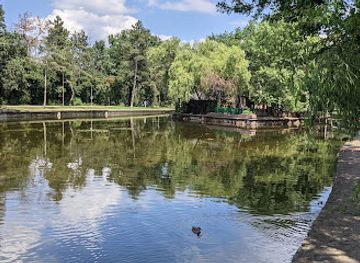
Crâng Park
Experience the tranquility and beauty of Crâng Park, a lush oasis in Buzău, Romania, perfect for nature lovers and families alike.
-
Park
Park "Marghiloman" Buzau
Explore the enchanting Park Marghiloman in Buzau, Romania—where history meets nature in a stunning urban retreat.
-
Monastery
Ciolanu Monastery
Explore Ciolanu Monastery: A historical and spiritual sanctuary in Romania's tranquil landscapes, showcasing rich culture and breathtaking architecture.

Best landmarks in Buzău
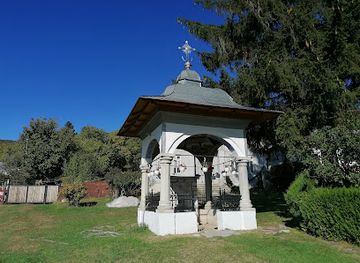
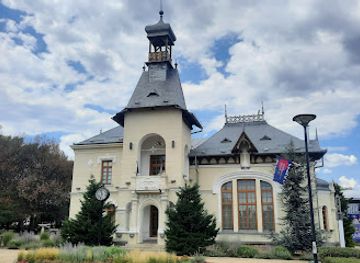
The Buzău Mud Volcanoes near Berca are the county’s most recognisable natural landmark, their grey cones and fissured surfaces standing out sharply against the surrounding agricultural landscape. The sandstone rupestrian churches around Nucu and Bozioru are more discreet but deeply significant, preserving carved or adapted sacred spaces in wooded hills. Ciolanu Monastery provides a contrasting landmark of Orthodox religious architecture, set near the sculptural landscape of Măgura. In the northern county, Siriu Lake forms a major geographical marker beneath the Carpathian slopes, while the Buzău Valley creates a natural corridor between plain and mountain. Pietroasele is associated with both vineyards and the discovery of the celebrated late-antique treasure, giving the locality archaeological as well as agricultural importance. The old urban fabric of Buzău and Râmnicu Sărat is less monumental than that of Romania’s best-known historic cities, but churches, civic buildings and market-town streets reveal the region’s development as a commercial and administrative centre.
-
Park
Crâng Park
Discover the lush landscapes and vibrant culture of Crâng Park in Buzău, Romania, a serene destination for relaxation and recreation.
-
Monastery
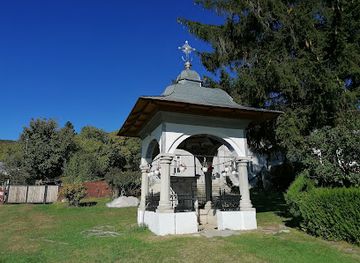
Ciolanu Monastery
Experience spiritual serenity and breathtaking beauty at Ciolanu Monastery, a hidden gem in the heart of Buzau County, Romania.
-
Historical landmark
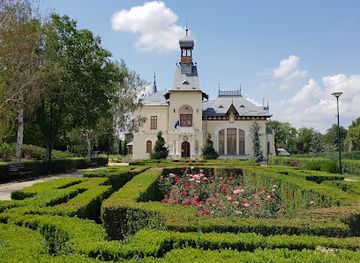
Conacul Marghiloman
Conacul Marghiloman: A stunning historical landmark in Buzău, Romania, where aristocratic heritage meets serene garden beauty.
-
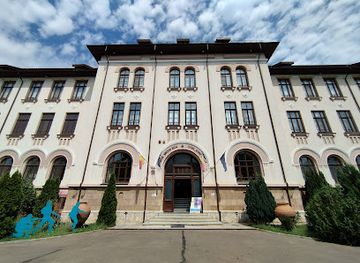
Museum
Buzau County Museum
Explore Buzau County Museum, a treasure trove of Romanian art and history, ideal for tourists seeking cultural enrichment in Buzau.
Explore Buzău on the map
Plan your trip on one map. See where the top cities, national parks and sights are, and book hotels and experiences in a few clicks.
Best hotels in Buzău
Best restaurants in Buzău
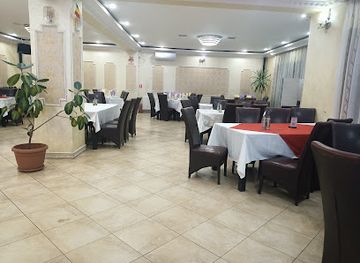
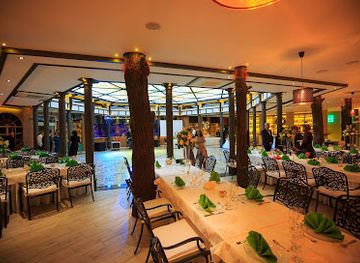
Buzău’s food culture reflects both the Wallachian plain and the Carpathian foothills. In the city and larger towns, restaurants serve Romanian staples such as soups, grilled meats, stuffed cabbage, polenta and seasonal vegetable dishes, while rural inns and guesthouses are more likely to emphasise home-style cooking. Local produce includes sheep’s and cow’s cheeses, smoked or cured meats, orchard fruit, honey and vegetables from the plain. The hills around Pietroasele are associated with viticulture, and wine tasting can form part of a visit when arranged with a producer in advance. Markets and small food shops are useful for bread, preserves, dairy products and fruit in season. Menus vary considerably between urban restaurants and village kitchens, so visitors should ask about regional specialities rather than expect a single dish to represent the county. In mountain areas, hearty soups, stews and grilled meats are practical choices after walking, while cafés and bakeries provide simpler options in Buzău and Râmnicu Sărat.
-
Restaurant
Bistro Junior
Experience delightful dining at Bistro Junior in Buzău - where great food meets fun entertainment!
-
Restaurant
Restaurant Spataru
Experience authentic Romanian cuisine at Restaurant Spataru in Buzău - where tradition meets modern culinary excellence.
-
Fast Food
Jabbar
Experience the vibrant flavors at Jabbar, Buzău's favorite fast food destination with delicious meals and friendly service.
-
Restaurant
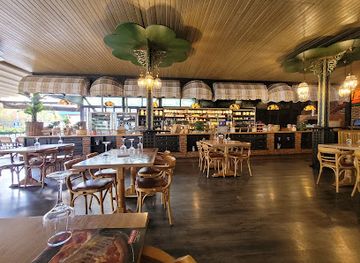
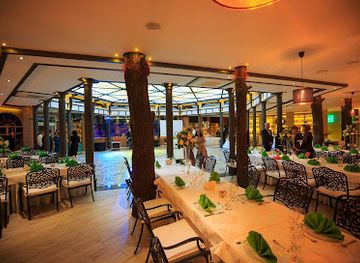
Garden Restaurant Buzau
Experience exquisite cuisine amidst lush gardens at Garden Restaurant Buzau - where culinary delight meets natural beauty.
Best bars in Buzău
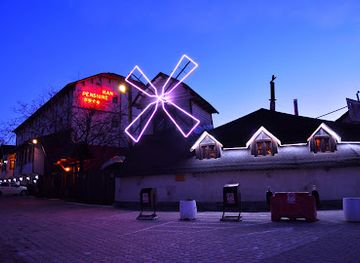
Evening life in Buzău County is concentrated in Buzău city, with cafés, beer venues, restaurants and a modest selection of bars providing the broadest choice. Râmnicu Sărat has a smaller local scene, while in mountain towns such as Nehoiu the evening rhythm is more closely connected with restaurants, guesthouses and social venues than with dedicated clubbing. Traditional pubs and modern cafés are suitable places to try Romanian beer, wine from the surrounding hills or non-alcoholic drinks, and some venues host live music or seasonal events. Rural accommodation may offer a communal dining room or terrace rather than a formal bar, so late-night options can be limited outside the main towns. Visitors should check current opening arrangements locally, particularly outside summer and at the end of the working week, and should not rely on nightlife services in remote valleys.
-
Inn
Complex Moara Dragaicilor
Discover the charm of Complex Moara Dragaicilor, where comfortable stays meet authentic Romanian experiences in Buzău.
-
Restaurant
Garden Restaurant Buzau
Discover the enchanting Garden Restaurant Buzau, where culinary delights meet a serene garden setting for an unforgettable dining experience.
-
Restaurant
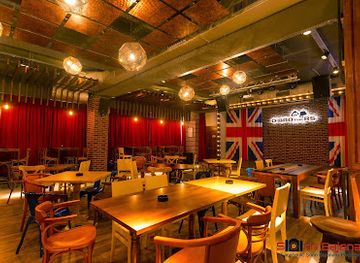
O'Brothers Social Pub
Discover the best of Buzău at O'Brothers Social Pub - where great food, live music, and a lively atmosphere await.
-
Restaurant
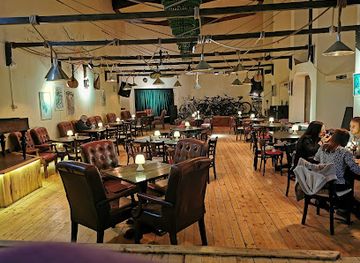
Casa Berarilor
Discover the authentic flavors of Romania at Casa Berarilor in Buzău, where traditional cuisine meets a lively atmosphere.
Best nightclubs in Buzău
Evening life in Buzău County is concentrated in Buzău city, with cafés, beer venues, restaurants and a modest selection of bars providing the broadest choice. Râmnicu Sărat has a smaller local scene, while in mountain towns such as Nehoiu the evening rhythm is more closely connected with restaurants, guesthouses and social venues than with dedicated clubbing. Traditional pubs and modern cafés are suitable places to try Romanian beer, wine from the surrounding hills or non-alcoholic drinks, and some venues host live music or seasonal events. Rural accommodation may offer a communal dining room or terrace rather than a formal bar, so late-night options can be limited outside the main towns. Visitors should check current opening arrangements locally, particularly outside summer and at the end of the working week, and should not rely on nightlife services in remote valleys.
-
Restaurant
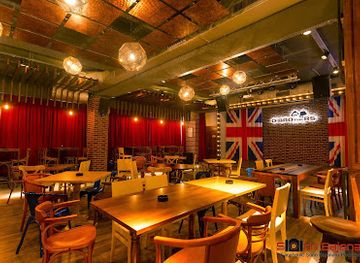
O'Brothers Social Pub
Discover O'Brothers Social Pub, a lively restaurant and pub in Buzău offering great food, drinks, and live music in a welcoming atmosphere.
-
Pub
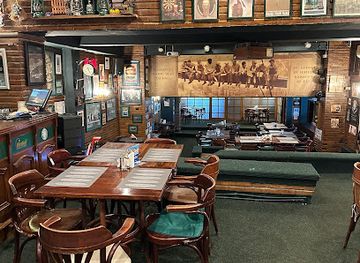
Sport's Pub B90
Discover the vibrant Sport's Pub B90 in Buzău, where delicious Romanian cuisine meets live sports action in a friendly atmosphere.
-
Disco club
Club Ok
Discover the vibrant nightlife of Pietroasele at Club Ok, the ultimate disco club for unforgettable dancing and entertainment.
-
Night club
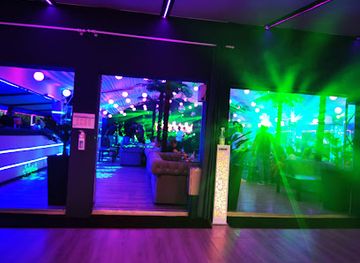
Club Șic
Experience the vibrant nightlife and cozy atmosphere of Club Șic, a unique multi-functional venue in Căldărăști, Romania.
Best shops in Buzău
Shopping in Buzău County is strongest in the county seat, where ordinary high-street retail, supermarkets, specialist food shops and independent businesses provide the widest selection. Râmnicu Sărat has the character of a smaller market town, with local shops and everyday services rather than a major destination shopping district. For regional products, look for cheeses, honey, preserves, wine from the Pietroasele area, fruit products and traditional baked goods at markets or directly from established producers. Rural fairs and village markets vary by season and location, so ask locally for current days rather than relying on a fixed itinerary. Craft and souvenir choices are generally modest but may include ceramics, carved wood, textiles and small items connected with monasteries or local heritage. The Amber Museum at Colți can provide context for rumanite and related local products, although visitors should distinguish certified material from generic amber sold in tourist settings. Independent galleries and cultural venues in Buzău may offer contemporary work linked to the county’s sculptural tradition.
-
Store
Shopping City Buzau
Discover a vibrant shopping experience at Shopping City Buzau, featuring top brands, delightful dining options, and a lively atmosphere.
-
Hypermarket
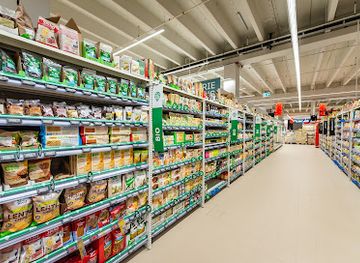
Carrefour
Explore Carrefour in Buzău for a diverse shopping experience offering local and international products in a friendly atmosphere.
-
Shopping mall
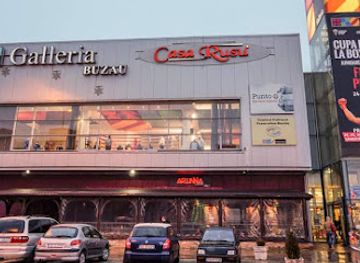
Galleria Mall
Experience Buzău's premier shopping destination at Galleria Mall, featuring diverse stores, delightful dining, and entertainment for all ages.
-
Produce market
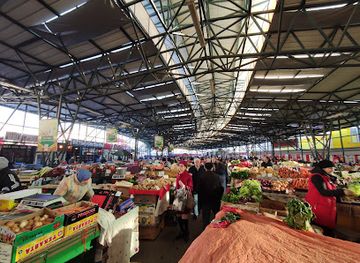
Piața centrală
Discover the vibrant atmosphere of Piața Centrală in Buzău, where fresh produce and local culture come together in a delightful market experience.

Get your free copy of our complete guide to Buzău, delivered straight to you.
Everything on this page, from attractions and restaurants to essentials and local phrases, in one PDF you can read offline, print or share.
Already have an account? Sign in
Your Buzău guide is ready.
We'll send it to · Not you? Sign out

Getting your guide ready…
We are putting together a fresh copy of the Buzău guide. This can take up to a minute.
This can take a few moments. If your browser asks, choose Allow so the download can start. You'll find the guide in your Downloads folder.
Nothing happened? Download it again
Sorry, the guide is taking longer than usual. Please try again in a minute, or get it by email instead.
Buzău essentials
Currency and Payment
Safety
Emergency Situations
Do's and Don'ts
Local Tips
From Eve
Local phrases worth knowing
You don't need to get them perfect. A few words go a long way, and locals appreciate the effort.
Basics
| English | Local | Say it |
|---|---|---|
| Hello | Salut | [sah-loot] |
| Goodbye | La revedere | [lah reh-veh-deh-reh] |
| Yes | Da | [dah] |
| No | Nu | [noo] |
| Please/You're welcome | Te rog/ Cu plăcere | [teh rog/ koo plah-cheh-reh] |
| Thank you | Mulțumesc | [mool-tsoo-mesk] |
| Excuse me/Sorry | Scuză-mă/ Îmi pare rău | [skoo-zah-muh/ eem pah-reh row] |
| How are you? | Ce mai faci? | [cheh my fahch] |
| Fine. And you? | Bine. Tu? | [bee-neh. too?] |
| Do you speak English? | Vorbești engleză? | [vor-besht en-gleh-zah?] |
| I don't understand | Nu înțeleg | [noo uhn-tseh-leg] |
Eating & Drinking
| English | Local | Say it |
|---|---|---|
| I'd like to see the menu, please | Aș dori să văd meniul, vă rog | [ahsh doh-ree sah vehd men-yool, vah rog] |
| I don't eat meat | Nu mănânc carne | [noo muh-nank kar-neh] |
| Cheers! | Noroc! | [noh-rok] |
| I would like to pay, please | Aș dori să plătesc, vă rog | [ahsh doh-ree sah plah-tesk, vah rog] |
Emergencies
| English | Local | Say it |
|---|---|---|
| Help! | Ajutor! | [ah-joo-tor] |
| Go away! | Du-te! | [doo-teh] |
| Call the Police! | Sună la poliție! | [soo-nah lah poh-lee-tsee-eh] |
| Call a doctor! | Sună un doctor! | [soo-nah oon dok-tor] |
| I'm lost | M-am pierdut | [m-ahm pyehr-doot] |
| I'm ill | Sunt bolnav | [soont bol-nav] |
Shopping
| English | Local | Say it |
|---|---|---|
| I'd like to buy... | Aș dori să cumpăr... | [ahsh doh-ree sah koom-pair] |
| I'm just looking | Mă uit doar | [muh uit doar] |
| How much is it? | Cât costă? | [koot kos-tah?] |
| That's too expensive | Asta e prea scump | [ahs-tah eh preh-ah skoomp] |
| Can you lower the price? | Poți să scazi prețul? | [pohts sah skahz preh-tsool?] |
Time & Numbers
| English | Local | Say it |
|---|---|---|
| What time is it? | Ce oră este? | [cheh oh-rah yeh-steh?] |
| It's one o'clock | Este o'clock | [yeh-steh oh-clock] |
| Half past (10) | Două jumătate | [doo-eh zhoo-mah-tah-teh] |
| Morning | Dimineața | [dee-mee-neh-ah-tsah] |
| Afternoon | După-amiază | [doo-pah ah-mee-ah-zah] |
| Evening | Seara | [sah-rah] |
| Yesterday | Ieri | [yehr] |
| Today | Astăzi | [ahs-tahz] |
| Tomorrow | Mâine | [mee-neh] |
| 1 | 1 | [un] |
| 2 | 2 | [doi] |
| 3 | 3 | [trei] |
| 4 | 4 | [patru] |
| 5 | 5 | [cinci] |
| 6 | 6 | [șase] |
| 7 | 7 | [șapte] |
| 8 | 8 | [opt] |
| 9 | 9 | [nouă] |
| 10 | 10 | [zece] |
Transport & Directions
| English | Local | Say it |
|---|---|---|
| Where's a/the...? | Unde este un/ă...? | [oon-deh yeh-steh oon-uh?] |
| What's the address? | Care este adresa? | [kah-reh yeh-steh ah-dreh-sah?] |
| Can you show me (on the map)? | Poți să-mi arăți (pe hartă)? | [pohts sahm ah-rah-ts (peh har-tah)?] |
| When's the next (bus)? | Când vine următorul (autobuz)? | [kand vee-neh oor-mah-tor-ul (ow-toh-booz)?] |
| A ticket (to ....) | Un bilet (la....) | [oon bee-let (lah....)] |
History of Buzău
Prehistoric settlements and Pietroasele’s ancient legacy
Buzău County has a long archaeological record, including prehistoric settlements and artefacts associated with communities that farmed and traded across the lower Carpathian approaches. The Pietroasele area is especially important: Roman-period remains and the famous Pietroasele Treasure, discovered in the nineteenth century, demonstrate the wealth and movement of peoples through the region in late antiquity. The treasure, commonly associated with the Goths, is now preserved in Romania’s national collections, but its discovery made Pietroasele one of the county’s best-known archaeological names.
The medieval Buzău settlement and episcopate
The town of Buzău developed at a strategic meeting point between the Wallachian plain and routes towards the Carpathians. It is documented in the fifteenth century, while the Orthodox episcopate of Buzău was established in 1502, confirming the town’s growing religious and administrative importance. The episcopal institution helped shape the county’s cultural life through churches, schooling and manuscript traditions. Although later rebuilding has altered much of the old town, Buzău’s continuing role as a regional centre reflects these medieval foundations.
Rupestrian monastic life in the Carpathian foothills
The sandstone hills around Bozioru and Nucu preserve traces of medieval and early-modern ascetic communities. Hermits and monks adapted natural overhangs and rock shelters into small chapels, cells and places of prayer, creating a scattered sacred landscape rather than a single monumental monastery. Their survival in remote valleys was linked to the protective character of the terrain and to enduring Orthodox traditions. Today, the rupestrian churches are valued both for their religious significance and for the way they reveal a distinctive form of vernacular sacred architecture.
Trade, estates and the growth of market towns
From the eighteenth century onwards, Buzău’s position between Wallachian agricultural districts and the mountain passes supported fairs, livestock trading and the movement of salt, timber and farm produce. Râmnicu Sărat developed as an important market town in the eastern part of the county, while villages and estates supplied grain, wine, fruit and animal products. The region’s roads and commercial links tied the plain to the Carpathian valleys, helping create the economic geography that still distinguishes urban Buzău from the county’s mountain communities.
Nineteenth-century modernisation and the railway
The formation and modernisation of the Romanian state brought administrative reorganisation, improved roads and new commercial connections to Buzău. Railway development in the nineteenth century strengthened links between Bucharest, Moldova and the lower Danube, making Buzău a more important transport and trading centre. Urban institutions, schools and civic buildings expanded during this period, while vineyards and agricultural production remained central to the surrounding economy. The railway continues to give the county’s main city a practical connection with the national network.
Industry, oil and agricultural transformation
During the late nineteenth and twentieth centuries, Buzău County experienced a mixture of industrial and agricultural development. Food processing, metalworking and other urban industries expanded, while the wider county continued to produce grain, wine, fruit and livestock. Oil extraction and related activity affected parts of the region, particularly around the foothills, although Buzău never became defined by a single industrial sector. Socialist-era planning increased the scale of urban industry and infrastructure before the economic transition of the 1990s reshaped employment and local commerce.
Modern heritage and rural revival
Since the late twentieth century, Buzău’s identity has increasingly been interpreted through its landscapes and dispersed heritage. The Buzău Land Geopark initiative has linked geological sites, villages, archaeological remains and local traditions within a broader conservation and tourism framework. The Măgura Sculpture Camp, established during the communist period, added a significant modern-art layer to the countryside, while guesthouses, wineries and small cultural projects have brought renewed attention to rural districts. These developments complement rather than replace the county’s agricultural and religious traditions.
Buzău in Photos
Browse through our photo collection highlighting the charm and character of the destination.
Neighbouring regions of Buzău
The closest regions to Buzău, if you have time for more than one.
-

-

-

-

-


Swipe for more regions
Explore more

Explore more of Romania
Discover Romania's blend of mystical castles, enchanting landscapes, and vibrant culture. Experience the rich history and natural beauty that make Romania a unique travel destination.
Explore Romania