

Herastrau (Bucharest) Travel Guide - Free
Explore Herastrau in Bucharest with Evendo's free guide. Find the best shops, historic streets, restaurants, and gems on web or mobile.


Herastrau in Bucharest pairs King Michael I Park, lakeside walks, Village Museum culture and northern dining with easy access to the city’s green edge.
Parkland and Water
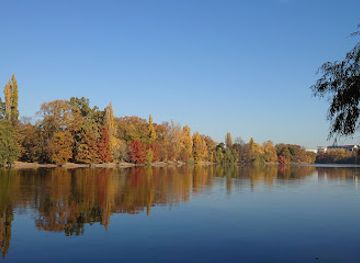
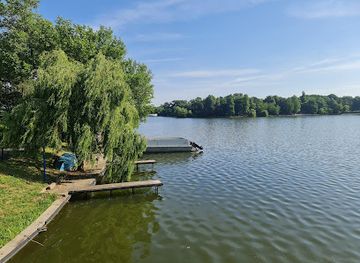
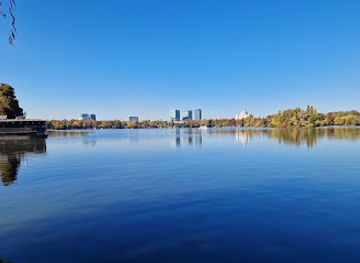
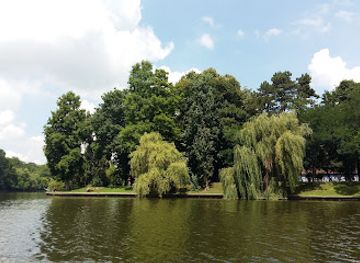
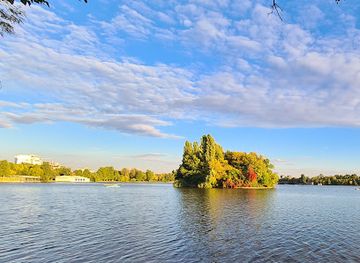
\n\nHerastrau, commonly written Herăstrău in Romanian, occupies the northern edge of central Bucharest around King Michael I Park, the capital’s broadest urban green space. Once associated with the Colentina river and its lakes, the area now offers long waterside paths, lawns, mature trees, bridges and open views that feel markedly different from the dense streets south of the city centre. The lake is the neighbourhood’s organising feature: rowing boats and seasonal recreational activities share the water with birdlife, while cafés and terraces overlook the shoreline.\n\nCulture Among the Trees
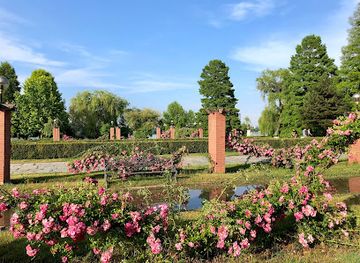
\n\nThe park is more than a place for exercise. The Dimitrie Gusti National Village Museum occupies its western side, bringing historic rural houses, churches and farm buildings from across Romania into a carefully landscaped setting. Nearby, Elisabeta Palace and the park’s formal gardens reflect the area’s royal and civic associations, while the Japanese Garden and Rose Island provide quieter routes away from the busiest paths. The neighbourhood’s cultural identity is therefore tied to both recreation and the presentation of Romanian heritage.\n\nUrban Edge and Everyday Life
\n\nAround the park, the atmosphere shifts between residential avenues, embassies, office developments and restaurants, particularly towards Aviatorilor, Dorobanti and Floreasca. Weekends bring families, runners, cyclists and visitors to the lake; weekday mornings are calmer, with commuters crossing the area towards the metro and business districts. Herastrau is not a traditional historic quarter with a dense old-town street plan, but a spacious northern landscape where Bucharest’s leisure culture, royal history and contemporary dining meet.Best attractions in Herastrau
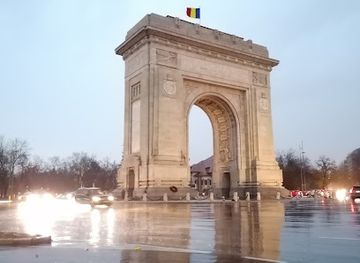
King Michael I Park is Herastrau’s defining attraction, offering broad lawns, shaded paths, lakeside promenades, bridges and changing views across the water. Its most culturally important destination is the Dimitrie Gusti National Village Museum, an open-air collection of historic houses, churches, mills and farm buildings relocated from different parts of Romania and arranged among gardens beside the lake. The Japanese Garden provides a more formal, contemplative setting, while Rose Island and the park’s smaller footpaths offer quieter pauses away from the main recreation routes. Visitors can also see Elisabeta Palace from the surrounding park area and explore the lakeside restaurant zone, where outdoor terraces become particularly active in warm weather. The nearby Arc de Triomphe lies just south of the park, outside Herastrau’s core, and can be incorporated into a wider walk through northern central Bucharest.
-
Tourist attraction
King Mihai I Park
Explore the natural beauty and cultural richness of King Mihai I Park, Bucharest's premier green oasis for relaxation, recreation, and scenic views.
13 min walk · 1.0 km from neighbourhood centre
-
Park
Bucharest Herăstrău Park
Experience the tranquility of nature at Bucharest's Herăstrău Park, a perfect blend of recreation, culture, and relaxation in the heart of the city.
8 min walk · 0.6 km from neighbourhood centre
-
Tourist attraction
Panorama Herăstrău
Experience the natural beauty and tranquility of Panorama Herăstrău, a serene escape in Bucharest's Herăstrău Park with scenic views and recreational activities.
11 min walk · 0.8 km from neighbourhood centre
-
Tourist attraction
The Fight of Heracles with the Centaur
Explore the captivating world of Greek mythology at 'The Fight of Heracles with the Centaur' in Bucharest, a must-visit cultural landmark.
8 min walk · 0.7 km from neighbourhood centre
Best landmarks in Herastrau
The Dimitrie Gusti National Village Museum is Herastrau’s most significant cultural landmark, preserving representative rural architecture from across Romania in an open-air setting beside the lake. Its churches, wooden houses, watermills and farm structures make the country’s regional building traditions visible within the capital. Elisabeta Palace, associated with the Romanian royal family, adds a royal dimension to the park, although access and viewing arrangements are distinct from the surrounding public gardens. The lake itself is a defining piece of the neighbourhood’s urban landscape, formed through the management of the Colentina water system and surrounded by planned parkland. The Japanese Garden and Rose Island are smaller but recognisable features within the park. The Arcul de Triumf, an important Bucharest monument, stands nearby towards the south rather than within the park’s central landscape.
-
Park
King Mihai I Park
Explore the lush landscapes and serene lakes of King Mihai I Park, Bucharest's premier green oasis for relaxation and recreation.
13 min walk · 1.0 km from neighbourhood centre
-
Park
Bucharest Herăstrău Park
Discover the tranquility and beauty of Bucharest Herăstrău Park, a lush urban sanctuary perfect for leisurely strolls and outdoor activities.
8 min walk · 0.6 km from neighbourhood centre
-
Amusement center
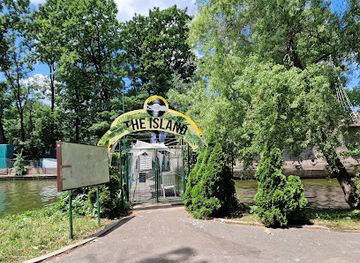
Insula Copiilor
Explore Insula Copiilor in Bucharest: A family-friendly amusement center with fun rides, beautiful nature, and ecological charm for all ages.
5 min walk · 0.4 km from neighbourhood centre
-
Lake
Herăstrău Lake
Experience the tranquility and vibrant atmosphere of Herăstrău Lake, a beautiful natural oasis in the heart of Bucharest, perfect for relaxation and adventure.
6 min walk · 0.4 km from neighbourhood centre
Explore Herastrau on the map
A handpicked selection of must-see spots in Herastrau, mapped for you.
Best hotels in Herastrau
Best restaurants in Herastrau
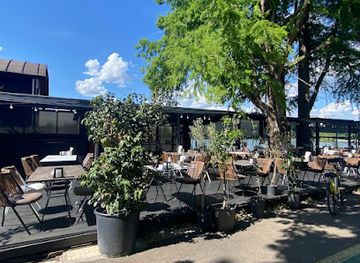
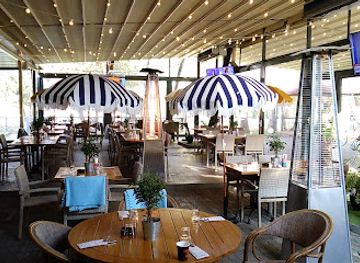
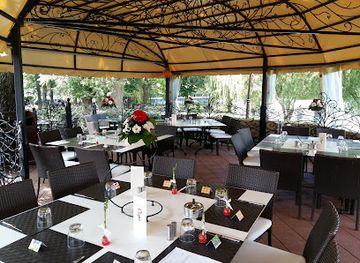
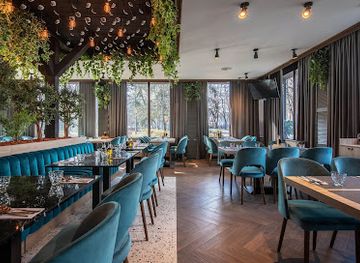
Dining in Herastrau is shaped by the lake and the park’s leisure culture, with terraces, cafés and restaurants positioned along or close to the waterfront. Menus range from Romanian cooking and familiar European dishes to contemporary international fare, while the Aviatorilor, Dorobanti and Floreasca edges add a wider selection of cafés, bakeries and restaurant addresses outside the park. The setting is a major part of the experience: meals may take place beneath mature trees, beside paths used by runners and cyclists, or with views across the water. The Village Museum area is primarily cultural rather than a dining quarter, so visitors seeking a broader choice should explore the surrounding avenues. Herastrau’s food scene is more suited to leisurely lunches, coffee stops and evening meals than to a concentrated street-food or traditional market circuit.
-
Seafood
Taverna Racilor Herăstrău
Discover Taverna Racilor Herăstrău: where exquisite seafood meets stunning park views in Bucharest's culinary scene.
10 min walk · 0.8 km from neighbourhood centre
-
Italian
Stadio Park
Experience authentic Italian cuisine amidst the serene beauty of Herastrau Park at Stadio Park in Bucharest.
4 min walk · 0.3 km from neighbourhood centre
-
Restaurant
Complex Herăstrău
Experience gourmet dining and breathtaking lake views at Complex Herăstrău – Bucharest's premier venue for relaxation and celebration.
3 min walk · 0.3 km from neighbourhood centre
-
Restaurant
Il Calcio
Experience authentic Italian cuisine at Il Calcio in Bucharest; where every meal becomes a delightful celebration of flavors.
6 min walk · 0.5 km from neighbourhood centre
Best bars in Herastrau
Herastrau is not one of Bucharest’s principal late-night club districts. After dark, activity centres on the park’s restaurant terraces and bars, particularly during the warmer months, when the lakeside becomes a social setting for dinners, drinks and relaxed gatherings. The surrounding Aviatorilor, Dorobanti and Floreasca areas provide additional cocktail bars, wine venues and restaurants, although these are outside or around the informal neighbourhood rather than concentrated on a single nightlife street. Evening walks inside the park are more limited than daytime visits once quieter paths lose foot traffic, so visitors should distinguish the busy dining edges from the darker interior routes. For nightclubs and a denser late-night scene, central Bucharest generally offers more choice than Herastrau.
-
Restaurant
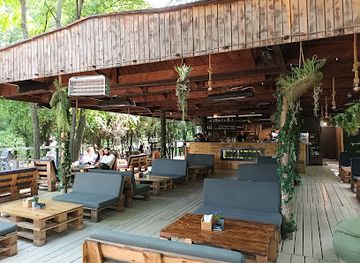
Biutiful By The Lake
Experience the perfect blend of exquisite dining and stunning lakeside views at Biutiful By The Lake in Bucharest.
6 min walk · 0.5 km from neighbourhood centre
-
Restaurant
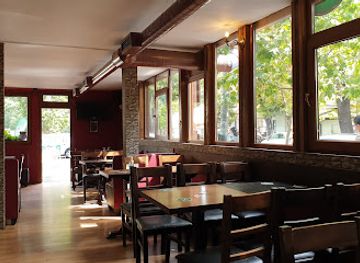
Bordo Caffe & Pub
Experience the charm of Bordo Caffe & Pub in Bucharest, where coffee, cuisine, and camaraderie come together in a cozy atmosphere.
13 min walk · 1.1 km from neighbourhood centre
-
Bar
Biblioteca Herăstrău
Experience a vibrant blend of culinary delights at Biblioteca Herăstrău, where delicious hamburgers and pizzas meet stunning park views.
15 min walk · 1.2 km from neighbourhood centre
-
Restaurant
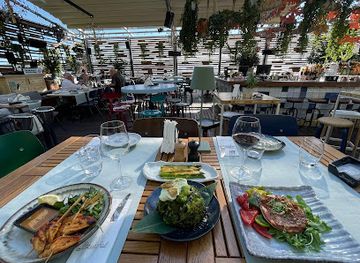
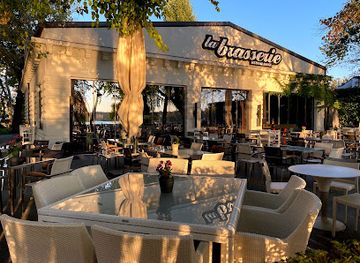
La Brasserie
Discover La Brasserie, Bucharest's premier restaurant where local flavors meet international flair in a chic bistro-lounge setting.
8 min walk · 0.7 km from neighbourhood centre
Best nightclubs in Herastrau
Herastrau is not one of Bucharest’s principal late-night club districts. After dark, activity centres on the park’s restaurant terraces and bars, particularly during the warmer months, when the lakeside becomes a social setting for dinners, drinks and relaxed gatherings. The surrounding Aviatorilor, Dorobanti and Floreasca areas provide additional cocktail bars, wine venues and restaurants, although these are outside or around the informal neighbourhood rather than concentrated on a single nightlife street. Evening walks inside the park are more limited than daytime visits once quieter paths lose foot traffic, so visitors should distinguish the busy dining edges from the darker interior routes. For nightclubs and a denser late-night scene, central Bucharest generally offers more choice than Herastrau.
-
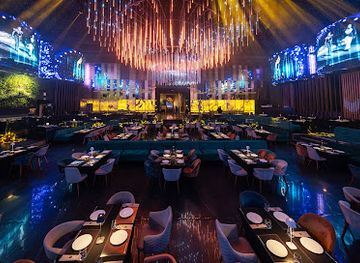
Night club
Face Club Bucharest
Discover the electrifying nightlife of Bucharest at Face Club, where great music, vibrant atmosphere, and unforgettable memories await.
12 min walk · 1.0 km from neighbourhood centre
-
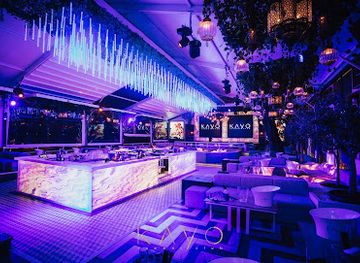
Night club
KAYO Club
Discover the vibrant nightlife of Bucharest at KAYO Club – where luxury meets electrifying entertainment in an unforgettable atmosphere.
7 min walk · 0.6 km from neighbourhood centre
-
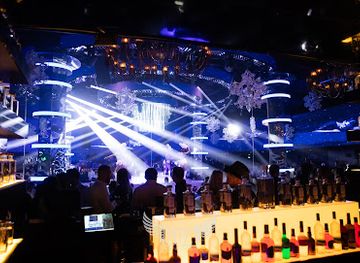
Night club
BOA - Beat of Angels Bucharest
Discover Bucharest's nightlife at BOA - Beat of Angels, a stylish night club known for its vibrant atmosphere and top-notch entertainment.
8 min walk · 0.6 km from neighbourhood centre
-
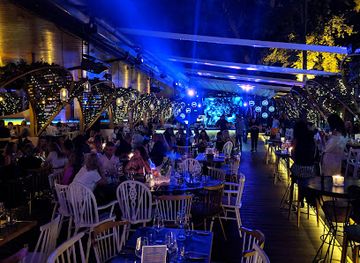
Night club
Nuba Summervibes
Discover the vibrant nightlife of Bucharest at Nuba Summervibes, where music, dancing, and an electric atmosphere await you.
5 min walk · 0.4 km from neighbourhood centre
Best shops in Herastrau
Shopping is relatively limited inside Herastrau because the area is organised around parkland, museums, leisure venues and residential avenues rather than a historic retail street. Visitors may find small convenience shops and seasonal retail activity around busy park entrances, but the principal reasons to come are the lake, museum and restaurants rather than specialist shopping. For independent cafés, boutiques and everyday services, the neighbouring Dorobanti and Floreasca streets offer a more substantial urban mix, while larger commercial centres lie farther east and south outside the neighbourhood. The Village Museum’s shop is the most directly relevant cultural retail stop, with Romanian-themed books, crafts and souvenirs connected to the museum’s interpretation of rural heritage. Stock and opening arrangements vary, so it is best treated as an adjunct to the museum visit rather than a standalone shopping destination.
-
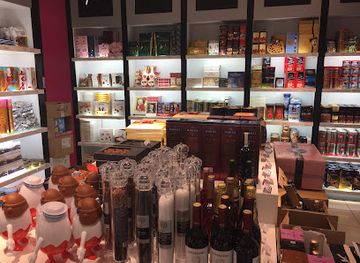
Duty free store
Diplomatic Shop
Experience the elegance of duty-free shopping at Diplomatic Shop in Bucharest, where luxury meets exclusivity and savings.
11 min walk · 0.8 km from neighbourhood centre
-
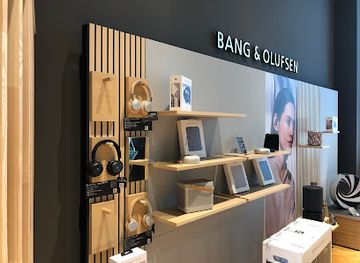
Electronics store
AVstore Herastrau
Explore the latest electronics at AVstore Herastrau, Bucharest's premier destination for tech enthusiasts and casual shoppers alike.
14 min walk · 1.1 km from neighbourhood centre
-
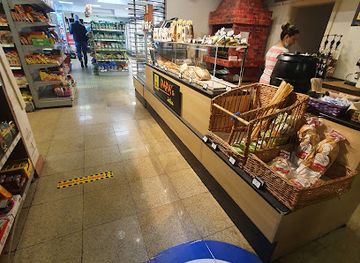
Grocery store
Market Nord
Explore the vibrant and diverse offerings of Market Nord, a premier grocery store in Bucharest, where local flavors meet international delicacies.
7 min walk · 0.6 km from neighbourhood centre
-
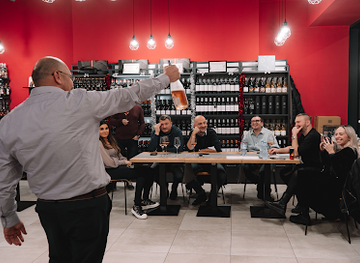
Wine store
Wine Territory
Explore the finest wines at Wine Territory, Bucharest's premier destination for wine lovers, offering a curated selection and exceptional tasting experiences.
12 min walk · 0.9 km from neighbourhood centre
Herastrau essentials
Getting There
Getting Around
Safety
Emergency Situations
Do's and Don'ts
Local Tips

From Eve
Local phrases worth knowing
You don't need to get them perfect. A few words go a long way, and locals appreciate the effort.
Basics
| English | Local | Say it |
|---|---|---|
| Hello | Salut | [sah-LOOT] |
| Goodbye | La revedere | [lah reh-veh-DEH-reh] |
| Yes | Da | [dah] |
| No | Nu | [noo] |
| Please/You're welcome | Te rog | [teh rohg] |
| Thank you | Multumesc | [mool-too-MESK] |
| Excuse me/Sorry | Scuza-ma | [SKOO-zah mah] |
| How are you? | Ce faci? | [cheh FAH-chee] |
| Fine. And you? | Bine. Si tu? | [BEE-neh. she too] |
| Do you speak English? | Vorbesti engleza? | [vor-BES-tee ehn-GLEH-zah] |
| I don't understand | Nu inteleg | [noo een-teh-LEG] |
Eating & Drinking
| English | Local | Say it |
|---|---|---|
| I'd like to see the menu, please | As dori meniul, va rog | [ahss doh-REE meh-NYOOHL vah rohg] |
| I don't eat meat | Nu mananc carne | [noo mah-NAHNC kahr-neh] |
| Cheers! | Noroc! | [noh-ROHK] |
| I would like to pay, please | As dori sa platesc, va rog | [ahss doh-REE sah PLAH-tesk vah rohg] |
Emergencies
| English | Local | Say it |
|---|---|---|
| Help! | Ajutor! | [ah-ZHOO-tor] |
| Go away! | Du-te! | [doo-teh] |
| Call the Police! | Chemati politia! | [keh-MAH-tee poh-lee-TSEE-ah] |
| Call a doctor! | Chemati un doctor! | [keh-MAH-tee oon DOHK-tor] |
| I'm lost | M-am pierdut | [mahm pyehr-DOOT] |
| I'm ill | Sunt bolnav | [soont bohl-NAHV] |
Shopping
| English | Local | Say it |
|---|---|---|
| I'd like to buy... | As dori sa cumpar... | [ahss doh-REE sah KOOM-pahr] |
| I'm just looking | Doar ma uit | [doh-ahr mah ooit] |
| How much is it? | Cat costa? | [kaht KOHS-tah] |
| That's too expensive | Este prea scump | [ehs-teh preh-ah skoomp] |
| Can you lower the price? | Puteti sa scadeti pretul? | [poo-TEH-tee sah SKAH-deh-tee PREH-tool] |
Time & Numbers
| English | Local | Say it |
|---|---|---|
| What time is it? | Cate este ora? | [KAH-teh ehs-teh OH-rah] |
| It's one o'clock | Este ora unu | [ehs-teh OH-rah OON-oo] |
| Half past (10) | Zece si jumatate | [ZEH-chee see zha-mah-TAH-teh] |
| Morning | Dimineata | [dee-mee-NEAH-tah] |
| Afternoon | Dupa-amiaza | [DOO-pah ah-MEE-ah-zah] |
| Evening | Seara | [seh-AH-rah] |
| Yesterday | Ieri | [YEH-ree] |
| Today | Astazi | [ah-stahz] |
| Tomorrow | Maine | [MY-neh] |
| 1 | Unu | [oo-NOO] |
| 2 | Doi | [doy] |
| 3 | Trei | [tray] |
| 4 | Patru | [PAH-troo] |
| 5 | Cinci | [cheench] |
| 6 | Sase | [SAH-seh] |
| 7 | Sapte | [SAHP-teh] |
| 8 | Opt | [opt] |
| 9 | Noua | [NOH-wah] |
| 10 | Zece | [ZEH-chee] |
Transport & Directions
| English | Local | Say it |
|---|---|---|
| Where's a/the...? | Unde este...? | [OON-deh ehs-teh] |
| What's the address? | Care este adresa? | [KAH-reh ehs-teh ah-DREH-sah] |
| Can you show me (on the map)? | Ma puteti arata (pe harta)? | [mah poo-TEH-tee ah-RAH-tah peh HAHR-tah] |
| When's the next (bus)? | Cand vine urmatorul (autobuz)? | [kahnd VEE-neh oor-mah-TOHR-ool ow-TOH-booz] |
| A ticket (to ....) | Un bilet (spre....) | [oon bee-LET spre] |
History of Herastrau
From River Marsh to Sawmill Lake
The name Herăstrău is generally linked to a former sawmill, or herăstrău, associated with the Colentina water system. Before the modern park was created, this northern part of Bucharest consisted largely of wet ground, ponds and agricultural land on the city’s outskirts. The lake and surrounding waterways were gradually reshaped as Bucharest expanded northwards, turning a marginal landscape into a managed recreational environment. The area’s identity has therefore always been closely connected to water management and the transformation of the Colentina valley.
The Royal Park Takes Shape
The principal park was developed during the interwar period under King Carol II and opened to the public in 1936. Its creation formed part of a broader effort to provide Bucharest with substantial public greenery and carefully planned leisure spaces. The same year saw the opening of the Village Museum, founded by sociologist Dimitrie Gusti, on the park’s western side. Historic rural buildings were moved from across Romania and arranged as an open-air museum, giving the new park a national cultural dimension alongside its gardens, lake and recreational facilities.
A Changing Name and Civic Landscape
During the communist period the park was known as Parcul Herăstrău, and its public spaces continued to serve as a major recreational area in northern Bucharest. After 1989, restaurants, terraces and leisure businesses expanded around the lake, while nearby avenues attracted offices, embassies and higher-end residential development. In 2017 the park was officially renamed King Michael I Park, honouring Romania’s former monarch, although Herăstrău remains the name most commonly used in everyday speech. The surrounding area now combines inherited park infrastructure with contemporary commercial and residential growth.
Herastrau in Photos
Browse through our photo collection highlighting the charm and character of the destination.
Neighbourhoods near Herastrau
The closest neighbourhoods to Herastrau, if you have time for more than one stop.
-

-

-

-

-


Swipe for more neighbourhoods
Explore more

Explore more of Bucharest
Bucharest blends Belle Époque architecture, communist-era landmarks, lively cafés, museums and Romanian culture in a fascinating capital city to explore.
Explore Bucharest