

Victoriei (Bucharest) Travel Guide - Free
Explore Victoriei in Bucharest with Evendo's free guide. Find the best shops, historic streets, restaurants, and gems on web or mobile.


Victoriei, Bucharest, explores royal palaces, museums, the Athenaeum, Calea Victoriei cafés, and central Romanian culture on a walkable historic boulevard.
A ceremonial spine through central Bucharest
Victoriei is best understood as the urban corridor surrounding Calea Victoriei and Piața Victoriei, one of central Bucharest’s most historically charged and architecturally rewarding areas. The avenue runs south from Piața Victoriei towards the old centre, passing royal institutions, museums, churches, theatres, hotels, cafés and grand nineteenth-century residences. It is not a formally bounded neighbourhood in the way a municipality might define one, and its edges overlap with central districts including the old city centre and Dorobanți, but locals and visitors commonly use Victoriei to describe this prestigious central stretch.Read more about Victoriei
Palaces, museums and shifting architectural eras
Street life on Calea Victoriei
Best attractions in Victoriei
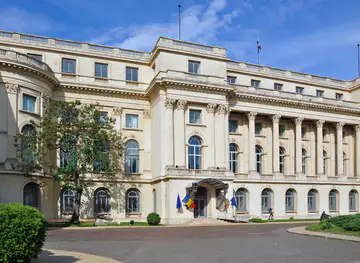
Victoriei’s principal attractions line or closely surround Calea Victoriei. The National Museum of Art of Romania occupies the former Royal Palace and presents major collections in a building closely tied to the country’s modern history, while the Romanian Athenaeum is one of Bucharest’s most celebrated concert halls and an architectural highlight near Piața Revoluției. The George Enescu Museum, housed in the Cantacuzino Palace, introduces visitors to the life and work of Romania’s leading composer. Piața Revoluției brings together the Royal Palace, the former Central Committee building, the Memorial of Rebirth and other reminders of the 1989 Revolution. Further along the avenue, the historic Kretzulescu Church, Pasajul Macca-Villacrosse and the façades of old hotels and commercial buildings reward close observation. The pleasure lies in connecting these institutions on foot rather than viewing them as isolated stops.
-
 Performing arts theater
The Romanian Athenaeum
Discover the enchanting Romanian Athenaeum, a historical concert hall that encapsulates Bucharest's rich musical heritage and stunning architectural beauty.
11 min walk · 0.9 km from neighbourhood centre
-
Monument
The Triumphal Arch
Discover the rich history and architectural beauty of Bucharest at the iconic Triumphal Arch, a symbol of national pride and resilience.
7 min drive · 2.4 km from neighbourhood centre
-
Park
Kiseleff Park
Discover the tranquility of Kiseleff Park, an urban oasis in Bucharest filled with lush greenery, charming pathways, and cultural experiences.
15 min walk · 1.2 km from neighbourhood centre
-
National museum
The Museum of Bucharest
Explore the heart of Bucharest's history and culture at The Museum of Bucharest, a must-visit destination for every traveler.
5 min drive · 1.7 km from neighbourhood centre


Best landmarks in Victoriei
Calea Victoriei’s landmarks express Bucharest’s transformation from a princely road into a national boulevard. The former Royal Palace, now home to the National Museum of Art of Romania, anchors the historic ceremonial zone around Piața Revoluției. Nearby, the Romanian Athenaeum’s circular auditorium and ornate exterior represent the cultural ambitions of late nineteenth-century Romania, while the Cantacuzino Palace, home to the George Enescu Museum, preserves one of the avenue’s most distinctive aristocratic residences. The Kretzulescu Church adds an older religious presence beside the palace grounds, and the Memorial of Rebirth marks the public memory of the 1989 Revolution. Along the route, French-influenced mansions, Neo-Romanian details, interwar commercial buildings and later additions form an uneven but revealing architectural record. Pasajul Macca-Villacrosse, near the southern end, remains a memorable covered passage linking the boulevard with the old commercial centre.
-
National museum
National Museum of Romanian History
Explore Romania's rich heritage at the National Museum of Romanian History, where the past comes alive in captivating exhibits and treasures.
6 min drive · 1.9 km from neighbourhood centre
-
Art museum
Museum of Art Collections
Uncover the rich tapestry of Romanian art at the Museum of Art Collections, a cultural haven in the heart of Bucharest.
4 min walk · 0.3 km from neighbourhood centre
-
Historical landmark
The Royal Palace of Bucharest
Explore the Royal Palace of Bucharest, a historical gem showcasing Romania's regal past amidst stunning architecture and lush gardens.
12 min walk · 1.0 km from neighbourhood centre
-
Bank
Palace of the Deposits and Consignments
Explore the Palace of the Deposits and Consignments in Bucharest, a stunning historical landmark showcasing exquisite architecture and rich Romanian heritage.
5 min drive · 1.8 km from neighbourhood centre


Explore Victoriei on the map
A handpicked selection of must-see spots in Victoriei, mapped for you.
Best hotels in Victoriei
Best restaurants in Victoriei
Dining around Victoriei combines central Bucharest cafés, hotel restaurants, established Romanian cooking and contemporary venues occupying historic or renovated buildings. Calea Victoriei and the streets leading towards Piața Romană and Piața Amzei offer the broadest choice, with meals ranging from familiar Romanian dishes to international menus shaped by the area’s office, cultural and diplomatic presence. Coffee and pastry stops work naturally between museum visits, while restaurants around the side streets provide a less ceremonial setting than the main boulevard. Romanian specialities, including soups, grilled meats, stuffed cabbage and seasonal vegetable dishes, may appear alongside modern interpretations, but the area is not defined by one single culinary tradition. Reservations can be sensible for well-known dining rooms and concert evenings, while opening arrangements and menus vary between establishments.
-
Restaurant
Innocent & Delicious
Experience the best of Romanian cuisine blended with modern culinary artistry at Innocent & Delicious in Bucharest.
2 min walk · 0.2 km from neighbourhood centre
-
Restaurant
TANO Victoriei
Discover TANO Victoriei in Bucharest: where exquisite cuisine meets an impressive wine selection in an elegant setting.
6 min walk · 0.5 km from neighbourhood centre
-
Restaurant
Noa Restoclub
Discover Noa Restoclub: A culinary hotspot in Bucharest blending local flavors with international flair in a vibrant setting.
5 min drive · 1.7 km from neighbourhood centre
-
Gastropub
Balkon Resto Garden
Discover exquisite dining at Balkon Resto Garden, where stunning views meet innovative cuisine in the heart of Bucharest.
8 min walk · 0.6 km from neighbourhood centre


Best bars in Victoriei
Victoriei is more a district of evening cafés, hotel bars, wine spots, restaurants and cultural performances than a concentrated nightclub quarter. After dark, Calea Victoriei remains an attractive route between the Athenaeum, theatres and central dining rooms, with the area around Piața Amzei and nearby side streets offering a more informal bar scene. Concerts at the Romanian Athenaeum and performances at venues such as the Odeon Theatre add a distinctly cultural dimension to the evening, while bars serve visitors, office workers and theatre-goers rather than functioning as a single late-night strip. Nightlife is generally dispersed, so distances and closing arrangements should be checked locally. Those seeking larger clubs will usually need to continue towards other parts of the city rather than treating Victoriei as Bucharest’s main club district.
-
Beer hall
Zăganu
Experience the essence of Romanian craft brewing at Zăganu, a vibrant beer hall and gastropub in the heart of Bucharest.
7 min walk · 0.6 km from neighbourhood centre
-
Bar
Green Hours Jazz Cafe
Discover the cultural heartbeat of Bucharest at Green Hours Jazz Cafe, where music, art, and culinary delights come together in a unique atmosphere.
7 min walk · 0.6 km from neighbourhood centre
-
Restaurant
TANO Victoriei
Discover the exquisite flavors of Romania at TANO Victoriei, a premier restaurant and wine bar in Bucharest's vibrant Calea Victoriei.
6 min walk · 0.5 km from neighbourhood centre
-
Bar
Nativ Bar Romanesc
Experience the vibrant culture and flavors of Romania at Nativ Bar Romanesc, a premier destination for drinks and traditional cuisine in Bucharest.
8 min walk · 0.7 km from neighbourhood centre


Best nightclubs in Victoriei
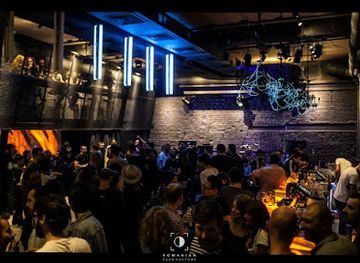
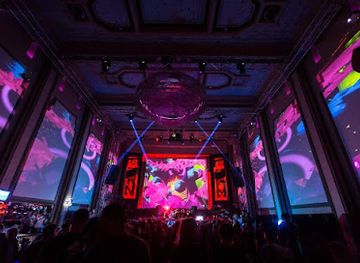
Victoriei is more a district of evening cafés, hotel bars, wine spots, restaurants and cultural performances than a concentrated nightclub quarter. After dark, Calea Victoriei remains an attractive route between the Athenaeum, theatres and central dining rooms, with the area around Piața Amzei and nearby side streets offering a more informal bar scene. Concerts at the Romanian Athenaeum and performances at venues such as the Odeon Theatre add a distinctly cultural dimension to the evening, while bars serve visitors, office workers and theatre-goers rather than functioning as a single late-night strip. Nightlife is generally dispersed, so distances and closing arrangements should be checked locally. Those seeking larger clubs will usually need to continue towards other parts of the city rather than treating Victoriei as Bucharest’s main club district.
-
Night club
Control Club
Discover the lively nightlife of Bucharest at Control Club, where great music and an electric atmosphere come together for an unforgettable experience.
18 min walk · 1.4 km from neighbourhood centre
-
Dance club
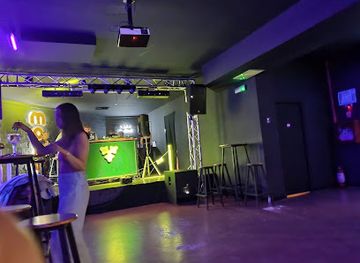
Club Mono
Unleash your energy at Club Mono, Bucharest's premier dance club, where electrifying music and an unforgettable atmosphere ignite your night.
19 min walk · 1.5 km from neighbourhood centre
-
Disco club
Club Spice
Dive into Bucharest's nightlife at Club Spice, where the beats are infectious, and the atmosphere is electric, offering an unforgettable disco experience.
5 min drive · 1.7 km from neighbourhood centre
-
Night club
Kristal Club
Discover Bucharest's electrifying nightlife at Kristal Club, where world-class DJs and an energetic atmosphere await every weekend.
18 min walk · 1.5 km from neighbourhood centre

Best shops in Victoriei
Shopping in Victoriei is concentrated in specialist boutiques, bookshops, galleries, cafés and small urban retailers rather than a single traditional market or large pedestrian shopping precinct. Calea Victoriei has historically been one of Bucharest’s important commercial addresses, and its surviving historic passages and façades still suggest that former role. Visitors may find Romanian design, jewellery, fashion, art books and locally made gifts in independent businesses around the central boulevard and its adjoining streets, while the area towards Piața Amzei has a more everyday food-shopping character. The strongest retail experience comes from combining browsing with architectural walks and museum visits, since individual shops are scattered. For a much larger market experience, visitors should travel elsewhere in Bucharest rather than expecting Victoriei to function as a dedicated bazaar.
-
Jewelry store
Diamond Boutique
Explore the exquisite collections at Diamond Boutique, Bucharest's premier jewelry store, where luxury and craftsmanship come together.
5 min drive · 1.6 km from neighbourhood centre
-
Clothing store
Mengotti
Explore Mengotti, a stylish clothing store in Bucharest offering a curated selection of fashionable apparel for every style and occasion.
17 min walk · 1.4 km from neighbourhood centre
-
Dress store
Joyz
Explore Joyz, a chic dress store in Bucharest offering fashionable clothing and unique accessories, perfect for tourists looking to enhance their style.
16 min walk · 1.2 km from neighbourhood centre
-
Vintage clothing store
Faine Vintage Shop
Explore Faine Vintage Shop in Bucharest for unique vintage clothing and accessories, perfect for fashion enthusiasts seeking one-of-a-kind treasures.
6 min walk · 0.5 km from neighbourhood centre


Victoriei essentials
Getting There
Getting Around
Safety
Emergency Situations
Do's and Don'ts
Local Tips

From Eve
Local phrases worth knowing
You don't need to get them perfect. A few words go a long way, and locals appreciate the effort.
Basics
| English | Local | Say it |
|---|---|---|
| Hello | Salut | [sah-loot] |
| Goodbye | La revedere | [lah reh-veh-deh-reh] |
| Yes | Da | [dah] |
| No | Nu | [noo] |
| Please/You're welcome | Te rog/Cu plăcere | [teh rohg/koo pluh-cheh-reh] |
| Thank you | Mulțumesc | [mool-tsoo-mesk] |
| Excuse me/Sorry | Scuzați-mă/Scuze | [skoo-zahts mah/skoo-tseh] |
| How are you? | Ce faci? | [cheh fahch] |
| Fine. And you? | Bine. Și tu? | [bee-neh. shih too] |
| Do you speak English? | Vorbiți engleză? | [vor-beets eng-leh-zah] |
| I don't understand | Nu înțeleg | [noo uhn-tseh-leg] |
Eating & Drinking
| English | Local | Say it |
|---|---|---|
| I'd like to see the menu, please | Aș dori să văd meniul, vă rog | [ahsh doh-ree sah vad meh-nee-ool, vuh rohg] |
| I don't eat meat | Nu mănânc carne | [noo muh-nuhnk kahr-neh] |
| Cheers! | Noroc! | [noh-rohk] |
| I would like to pay, please | Aș dori să plătesc, vă rog | [ahsh doh-ree sah pluh-tesk, vuh rohg] |
Emergencies
| English | Local | Say it |
|---|---|---|
| Help! | Ajutor! | [ah-yoo-tohr] |
| Go away! | Du-te! | [doo-teh] |
| Call the Police! | Sună la Poliție! | [soo-nuh lah poh-leet-see-eh] |
| Call a doctor! | Sună un doctor! | [soo-nuh oon dohk-tohr] |
| I'm lost | M-am rătăcit | [mahm ruh-tuh-cheet] |
| I'm ill | Sunt bolnav | [soont bohl-nahv] |
Shopping
| English | Local | Say it |
|---|---|---|
| I'd like to buy... | Aș dori să cumpăr... | [ahsh doh-ree sah koom-par] |
| I'm just looking | Doar mă uit | [do-ahr muh ooyt] |
| How much is it? | Cât costă? | [kaht kohs-tah] |
| That's too expensive | Este prea scump | [ehs-teh preh-ah skoomp] |
| Can you lower the price? | Puteți reduce prețul? | [poo-tehts reh-oo-cheh preh-tsool] |
Time & Numbers
| English | Local | Say it |
|---|---|---|
| What time is it? | Cât este ora? | [kaht yehs-teh oh-rah] |
| It's one o'clock | Este ora unu | [ehs-teh oh-rah oo-noo] |
| Half past (10) | Jumătate (la zece) | [zhoo-muh-tah-teh (lah zeh-che)] |
| Morning | Dimineața | [dee-mee-neh-tsa] |
| Afternoon | După-amiază | [doo-puh ah-mee-ah-zuh] |
| Evening | Seara | [seh-ah-rah] |
| Yesterday | Ieri | [yehr] |
| Today | Astăzi | [ah-stuhz] |
| Tomorrow | Mâine | [muhy-neh] |
| 1 | Unu | [oo-noo] |
| 2 | Doi | [doy] |
| 3 | Trei | [treh-ee] |
| 4 | Patru | [paht-roo] |
| 5 | Cinci | [cheen-chee] |
| 6 | Șase | [shah-seh] |
| 7 | Șapte | [shahp-teh] |
| 8 | Opt | [ohpt] |
| 9 | Nouă | [noo-wuh] |
| 10 | Zece | [zeh-che] |
Transport & Directions
| English | Local | Say it |
|---|---|---|
| Where's a/the...? | Unde este unul/...? | [oon-deh yehs-teh oo-noo/...] |
| What's the address? | Care este adresa? | [kah-reh yehs-teh ah-dreh-sah] |
| Can you show me (on the map)? | Puteți să-mi arătați (pe hartă)? | [poo-tehts suh-mee ah-rah-tahts (peh hahr-tah)] |
| When's the next (bus)? | Când este următorul (autobuz)? | [kahnd yehs-teh oor-muh-tohr-ool (ow-toh-booz)] |
| A ticket (to ....) | Un bilet (spre ....) | [oon bee-let (spreh ....)] |
History of Victoriei
From Mogoșoaia Road to Calea Victoriei
The route now known as Calea Victoriei began as Podul Mogoșoaiei, a road connecting Bucharest with the Mogoșoaia estate north of the city. It was paved with wooden beams in the late seventeenth century, an improvement that gave the route its older name, ‘pod’. After Romania’s victory in the War of Independence in 1877–78, it was renamed Calea Victoriei. The road’s importance grew as Bucharest expanded beyond its older core, becoming a prestigious address for aristocratic residences, commercial establishments and public institutions.
A Royal and Cultural Boulevard
During the nineteenth and early twentieth centuries, Calea Victoriei acquired the grand civic and cultural character still visible today. The Romanian Athenaeum opened in 1888, while the Royal Palace and other representative buildings helped establish the area around what is now Piața Revoluției as a centre of national ceremony. The avenue also attracted hotels, cafés, theatres and fashionable shops. Its architecture reflected Bucharest’s close cultural links with Western Europe, while local architects increasingly developed the Neo-Romanian style by combining Byzantine, Ottoman and vernacular Romanian references.
Interwar Modernity and Urban Change
Bucharest’s interwar expansion brought new office buildings, cinemas, department stores and modernist façades to the established boulevard. The area around Calea Victoriei became one of the capital’s most visible public stages, balancing royal, commercial and cultural functions. Institutions connected with art, music and national administration reinforced its central role. The resulting streetscape was never architecturally uniform: historic mansions, purpose-built cultural buildings and modern commercial structures stood together, producing the layered appearance that remains characteristic of Victoriei.
Communism, 1989 and the Contemporary Centre
The communist period altered the social and architectural setting of central Bucharest through nationalisation, changing institutional uses and major redevelopment elsewhere in the city. Calea Victoriei retained many important buildings, although some historic surroundings were transformed. The area around Piața Revoluției gained particular historical weight during the Romanian Revolution of December 1989, when the collapse of Nicolae Ceaușescu’s regime unfolded around the former Central Committee building and the Royal Palace. Since 1989, museums, hotels, cafés and restored façades have strengthened Victoriei’s role as a cultural and ceremonial axis, while redevelopment continues to shape its everyday identity.
Victoriei in Photos
Browse through our photo collection highlighting the charm and character of the destination.
Neighbourhoods near Victoriei
The closest neighbourhoods to Victoriei, if you have time for more than one stop.
-

-
-

-

-


Swipe for more neighbourhoods
Explore more

Explore more of Bucharest
Bucharest blends Belle Époque architecture, communist-era landmarks, lively cafés, museums and Romanian culture in a fascinating capital city to explore.
Explore Bucharest