

Calea Victoriei (Bucharest) Travel Guide - Free
Explore Calea Victoriei in Bucharest with Evendo's free guide. Find the best shops, historic streets, restaurants, and gems on web or mobile.


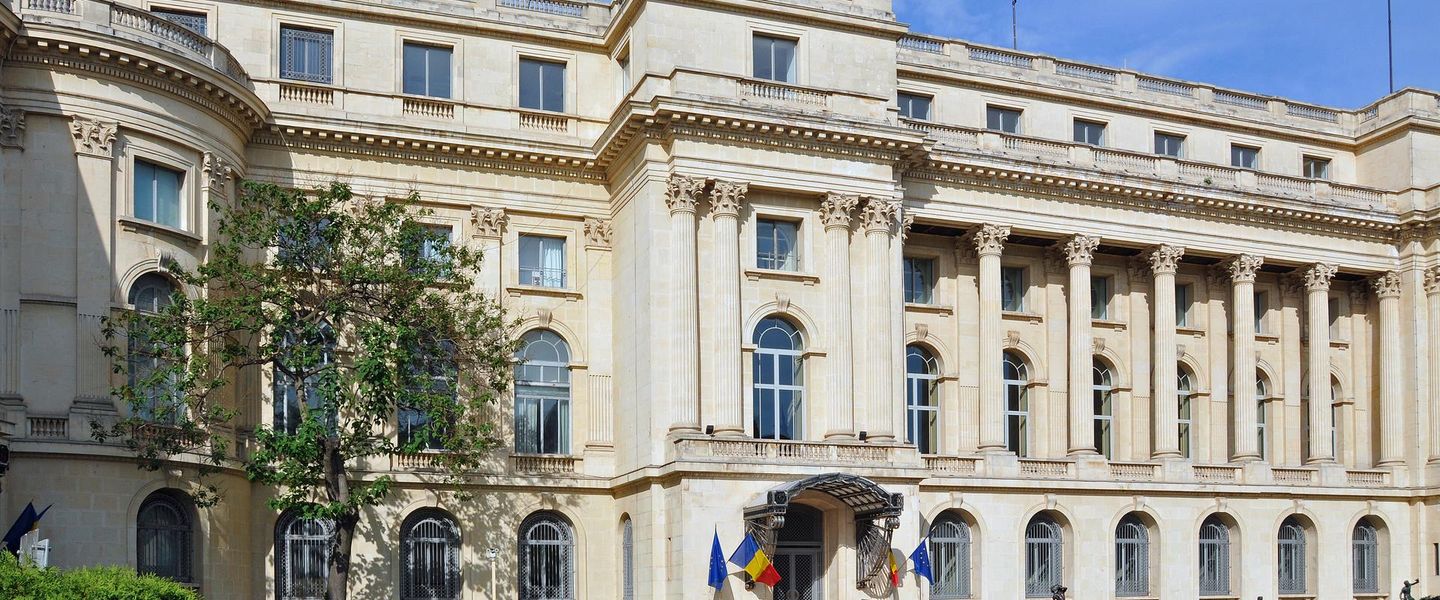


Calea Victoriei in Bucharest links royal palaces, museums, churches, cafés and historic architecture along Romania’s most celebrated urban avenue.
A Royal Route Through the City
Calea Victoriei is less a conventional residential neighbourhood than Bucharest’s most historically charged avenue, running northwards from the edge of the old centre towards Piața Victoriei. Known until 1878 as Podul Mogoșoaiei, it was established in the late seventeenth century as a route linking the princely court with the road to Mogoșoaia. Its present name commemorates Romania’s victory in the War of Independence, and its buildings chart the capital’s successive Ottoman, princely, Francophile and modern identities.Read more about Calea Victoriei
Palaces, Museums and Public Life
Cafés, Culture and the Central City
Best attractions in Calea Victoriei
Calea Victoriei’s attractions form a sequence of museums, ceremonial spaces and historic interiors rather than one enclosed visitor complex. The National Museum of Romanian History introduces the country’s archaeological and national story, while the former Royal Palace houses the National Museum of Art of Romania, whose collections occupy a building closely tied to Romania’s monarchy. The Romanian Athenaeum remains one of Bucharest’s principal concert venues, and the George Enescu National Museum presents the life and work of Romania’s internationally known composer in Cantacuzino Palace. Revolution Square offers monuments, public buildings and a direct connection with the events of 1989. Short detours lead to Stavropoleos Church, the Odeon Theatre and the old centre, making the avenue particularly rewarding for visitors who combine indoor culture with architectural walking.
-
 Park
Grădina Cișmigiu
Discover the beauty of Grădina Cișmigiu, Bucharest's oldest park, where nature and culture blend in a serene urban retreat.
6 min walk · 0.5 km from neighbourhood centre
-
Art museum
National Museum of Art
Explore the rich artistic heritage of Romania at the National Museum of Art, a top cultural destination in Bucharest that showcases masterpieces across centuries.
2 min walk · 0.2 km from neighbourhood centre
-
Government office
Palace of Parliament
Discover the grandeur of the Palace of Parliament in Bucharest, a monumental symbol of Romania's complex history and architectural brilliance.
5 min drive · 1.6 km from neighbourhood centre
-
Tourist attraction
Macca-Vilacrosse Passage
Discover the charm of Macca-Vilacrosse Passage, a beautifully restored arcade in Bucharest, offering shopping, dining, and a glimpse into the city's rich history.
11 min walk · 0.9 km from neighbourhood centre


Best landmarks in Calea Victoriei
The avenue’s landmark sequence begins with the National Museum of Romanian History and the ornate CEC Palace, whose nineteenth-century façade and dome face the historic centre. Further north, the former Royal Palace, now the National Museum of Art of Romania, anchors Revolution Square alongside the Romanian Athenaeum, a major architectural and musical symbol of Bucharest. Cantacuzino Palace, with its elaborate exterior and association with George Enescu, adds a distinct Belle Époque presence. Casa Capșa represents the avenue’s older café and hotel culture, while the Athénée Palace remains an important historic hotel address beside the Athenaeum. On adjoining streets, Stavropoleos Church contributes a smaller but especially significant example of Romanian religious architecture; it is close to the avenue but not directly on it.
-
Art museum
National Museum of Art
Explore the National Museum of Art in Bucharest, where history, culture, and exceptional art converge in a stunning neoclassical setting.
2 min walk · 0.2 km from neighbourhood centre
-
National museum
National Museum of Romanian History
Uncover Romania's fascinating history at the National Museum of Romanian History, a must-visit cultural gem in Bucharest.
13 min walk · 1.0 km from neighbourhood centre
-
Art museum
Museum of Art Collections
Explore the Museum of Art Collections in Bucharest, a cultural gem showcasing exquisite Romanian and international art in a captivating setting.
7 min walk · 0.5 km from neighbourhood centre
-
Historical landmark
The Royal Palace of Bucharest
Explore the majestic Royal Palace of Bucharest, a historical landmark reflecting Romania's rich royal heritage and architectural splendor.
2 min walk · 0.1 km from neighbourhood centre


Explore Calea Victoriei on the map
A handpicked selection of must-see spots in Calea Victoriei, mapped for you.
Best hotels in Calea Victoriei
Best restaurants in Calea Victoriei
Dining along and around Calea Victoriei reflects the avenue’s long role as a central social and commercial address. Historic names such as Casa Capșa evoke the café and confectionery culture associated with nineteenth-century Bucharest, while contemporary cafés, hotel restaurants and polished central venues occupy later buildings and restored premises. The southern end connects naturally with the old centre, where Strada Stavropoleos and the surrounding lanes offer Romanian cooking, beer halls and international dining, including the well-known Caru’ cu Bere just off the avenue. Visitors should distinguish this concentrated restaurant area from the quieter northern stretch, where options are more dispersed among offices, museums and hotels. Romanian dishes, pastries and coffee can be sampled alongside modern European menus, but the avenue is better understood as a varied central dining corridor than as a single specialist food quarter.
-
Restaurant
TANO Victoriei
Experience exquisite cuisine and fine wines at TANO Victoriei – Bucharest's premier dining destination.
17 min walk · 1.3 km from neighbourhood centre
-
Restaurant
Noa Restoclub
Discover Noa Restoclub: A culinary oasis in Bucharest offering vibrant dishes and live music for an unforgettable dining experience.
10 min walk · 0.8 km from neighbourhood centre
-
Gastropub
Balkon Resto Garden
Discover the vibrant atmosphere and stunning views at Balkon Resto Garden, Bucharest's premier rooftop gastropub offering delicious local cuisine.
3 min walk · 0.2 km from neighbourhood centre
-
Brasserie
Coclintă Brasserie
Discover the culinary delights at Coclintă Brasserie in Bucharest, where traditional flavors meet modern elegance.
16 min walk · 1.3 km from neighbourhood centre


Best bars in Calea Victoriei
Calea Victoriei is primarily a cultural and ceremonial avenue rather than a dedicated club district. Evening activity centres on hotel bars, cafés and restaurants, with the most concentrated late-night choice appearing a short walk south around Lipscani and the old centre. The stretch near the Athenaeum and Revolution Square is suited to a quieter drink or an evening performance, while the southern end benefits from the surrounding historic lanes and their informal bar culture. The Odeon Theatre and the Romanian Athenaeum provide established forms of after-dark entertainment, although performances and programmes vary. Visitors seeking clubs should check current listings in the wider centre and plan their return route, rather than assuming that every section of the long avenue remains busy late into the night.
-
Beer hall
Zăganu
Discover Zăganu, Bucharest's premier beer hall offering exquisite craft beers and a delicious menu in a vibrant, welcoming atmosphere.
4 min walk · 0.3 km from neighbourhood centre
-
Bar
Green Hours Jazz Cafe
Experience the heart of Bucharest's jazz scene at Green Hours Jazz Cafe, where music and culinary excellence blend in a cozy atmosphere.
3 min walk · 0.3 km from neighbourhood centre
-
Restaurant
TANO Victoriei
Discover culinary excellence at TANO Victoriei, where exquisite dishes and a fine selection of wines create an unforgettable dining experience in Bucharest.
17 min walk · 1.3 km from neighbourhood centre
-
Bar
Nativ Bar Romanesc
Discover Nativ Bar Romanesc in Bucharest - a vibrant bar blending traditional Romanian culture with a modern nightlife experience.
3 min walk · 0.2 km from neighbourhood centre


Best nightclubs in Calea Victoriei
Calea Victoriei is primarily a cultural and ceremonial avenue rather than a dedicated club district. Evening activity centres on hotel bars, cafés and restaurants, with the most concentrated late-night choice appearing a short walk south around Lipscani and the old centre. The stretch near the Athenaeum and Revolution Square is suited to a quieter drink or an evening performance, while the southern end benefits from the surrounding historic lanes and their informal bar culture. The Odeon Theatre and the Romanian Athenaeum provide established forms of after-dark entertainment, although performances and programmes vary. Visitors seeking clubs should check current listings in the wider centre and plan their return route, rather than assuming that every section of the long avenue remains busy late into the night.
-
Night club
Control Club
Experience Bucharest's nightlife at Control Club, a vibrant night club and live music venue that showcases local and international artists in an electrifying atmosphere.
8 min walk · 0.6 km from neighbourhood centre
-
Night club
Music Club
Experience the pulsating nightlife of Bucharest at Music Club, where electrifying beats and vibrant energy create unforgettable nights.
17 min walk · 1.4 km from neighbourhood centre
-
Night club
Beluga Music & Cocktails
Discover the heart of Bucharest's nightlife at Beluga Music & Cocktails, where live music and signature cocktails come together for an unforgettable experience.
13 min walk · 1.1 km from neighbourhood centre
-
Dance club
Club Mono
Discover the pulsating heart of Bucharest's nightlife at Club Mono, where vibrant music and electrifying atmosphere await.
8 min walk · 0.7 km from neighbourhood centre

Best shops in Calea Victoriei
Shopping on Calea Victoriei is concentrated in a mix of department-store premises, fashion retailers, jewellers, cafés, galleries and independent businesses occupying central historic buildings. The avenue is more associated with polished urban retail and cultural browsing than with a traditional produce market or a single specialist craft quarter. Visitors can combine bookshops, design-oriented stores and museum shops with the old centre’s smaller retailers on nearby lanes, while the area around Revolution Square and Piața Romană offers further commercial options beyond the historic core. Stock, tenants and shop identities change more quickly than the protected façades, so the strongest reason to browse here is the relationship between retail interiors and the avenue’s architecture. For food shopping and local market culture, visitors generally need to travel beyond Calea Victoriei to other parts of Bucharest.
-
Clothing store
BOSS Store
Explore the BOSS Store in Bucharest for a luxurious shopping experience featuring stylish menswear and expert image consultancy services.
1 min walk · 0.1 km from neighbourhood centre
-
Dress store
Joyz
Explore Joyz in Bucharest for stylish dresses and unique fashion accessories, blending modern trends with vintage charm.
5 min walk · 0.4 km from neighbourhood centre
-
Vintage clothing store
Faine Vintage Shop
Explore Faine Vintage Shop in Bucharest for a unique selection of vintage clothing and accessories, celebrating the charm of fashion history.
4 min walk · 0.3 km from neighbourhood centre
-
Dress store
Zaza Boutique
Explore Zaza Boutique in Bucharest for bespoke dresses and a unique fashion experience tailored just for you.
14 min walk · 1.1 km from neighbourhood centre


Calea Victoriei essentials
Getting There
Getting Around
Safety
Emergency Situations
Do's and Don'ts
Local Tips

From Eve
Local phrases worth knowing
You don't need to get them perfect. A few words go a long way, and locals appreciate the effort.
Basics
| English | Local | Say it |
|---|---|---|
| Hello | Salut | [saˈlut] |
| Goodbye | La revedere | [la re.veˈde.re] |
| Yes | Da | [da] |
| No | Nu | [nu] |
| Please/You're welcome | Te rog | [te roɡ] |
| Thank you | Mulțumesc | [mul.t͡suˈmesk] |
| Excuse me/Sorry | Scuzați-mă | [skuˈzaʦi mə] |
| How are you? | Ce faci? | [t͡ʃe fak] |
| Fine. And you? | Bine. Și tu? | [biˈne ʃi tu] |
| Do you speak English? | Vorbiți engleză? | [vorˈbit͡s iŋˈle.zə] |
| I don't understand | Nu înțeleg | [nu ɨnˈt͡se.leɡ] |
Eating & Drinking
| English | Local | Say it |
|---|---|---|
| I'd like to see the menu, please | Aș dori să văd meniul, vă rog | [aʃ ˈdo.ri sə vad meˈni.ul və roɡ] |
| I don't eat meat | Nu mănânc carne | [nu məˈnɨŋk karˈne] |
| Cheers! | Noroc! | [noˈrok] |
| I would like to pay, please | Aș dori să plătesc, vă rog | [aʃ ˈdo.ri sə pləˈtesk və roɡ] |
Emergencies
| English | Local | Say it |
|---|---|---|
| Help! | Ajutor! | [aʒuˈtor] |
| Go away! | Du-te! | [du.te] |
| Call the Police! | Apelați Poliția! | [a.peˈlat͡s ˈpo.li.t͡si.a] |
| Call a doctor! | Apelați un doctor! | [a.peˈlat͡s un docˈtor] |
| I'm lost | M-am pierdut | [mam piˈer.dut] |
| I'm ill | Sunt bolnav | [sunt bolˈnav] |
Shopping
| English | Local | Say it |
|---|---|---|
| I'd like to buy... | Aș dori să cumpăr... | [aʃ ˈdo.ri sə kumˈpar] |
| I'm just looking | Doar mă uit | [do.ar mə uit] |
| How much is it? | Cât costă? | [kɨt kosˈtə] |
| That's too expensive | Este prea scump | [ˈeste pre̯a skump] |
| Can you lower the price? | Puteți să scădeți prețul? | [puˈteʦ sə ˈskə.deʦi pre̯ət͡sul] |
Time & Numbers
| English | Local | Say it |
|---|---|---|
| What time is it? | Cât este ceasul? | [kɨt ˈeste t͡ʃe̯a.sul] |
| It's one o'clock | Este ora unu | [ˈeste ora unu] |
| Half past (10) | Jumătate (la zece) | [ʒu.məˈtate (la ˈze.ʧe)] |
| Morning | Dimineața | [di.miˈne̯at͡sa] |
| Afternoon | După-amiază | [du.pə a.miˈa.zə] |
| Evening | Seara | [ˈse̯a.ra] |
| Yesterday | Ieri | [ˈjerj] |
| Today | Astăzi | [asˈtəz] |
| Tomorrow | Mâine | [mɨˈne] |
| 1 | Unu | [unu] |
| 2 | Doi | [doj] |
| 3 | Trei | [trej] |
| 4 | Patru | [ˈpa.tru] |
| 5 | Cinci | [ˈt͡ʃinʧ] |
| 6 | Șase | [ʃa.se] |
| 7 | Șapte | [ˈʃap.te] |
| 8 | Opt | [opt] |
| 9 | Nouă | [no.uə] |
| 10 | Zece | [ˈʦe.t͡ʃe] |
Transport & Directions
| English | Local | Say it |
|---|---|---|
| Where's a/the...? | Unde este un/...? | [ˈun.de ˈeste un] |
| What's the address? | Care este adresa? | [ˈka.re ˈeste aˈdresə] |
| Can you show me (on the map)? | Puteți să-mi arătați (pe hartă)? | [puˈteʦ sə.mi aˈrətət͡s (pe harˈtə)] |
| When's the next (bus)? | Când este următorul (autobuz)? | [kɨnd ˈeste urˈməto.rul (au.toˈbuz)] |
| A ticket (to ....) | Un bilet (către ....) | [un biˈlet (kəˈtre)] |
History of Calea Victoriei
The Road to Mogoșoaia
Calea Victoriei began as Podul Mogoșoaiei, a road associated with the princely court and the route towards Mogoșoaia. Its development is generally linked to the reign of Constantin Brâncoveanu, who established the road in 1692. The name pod referred to a roadway surfaced with wooden planks, a practical response to the muddy conditions of Bucharest’s unpaved streets. The route gradually acquired importance because it connected the courtly centre with estates, gardens and roads leading north, while houses and institutions began to line its edges.
From Princely Road to Urban Avenue
During the nineteenth century, Podul Mogoșoaiei became one of Bucharest’s principal urban thoroughfares. The growth of the modern Romanian state brought administrative buildings, hotels, shops, cultural institutions and residences associated with the political and commercial elite. Gas lighting, improved paving and more formal street planning transformed the road from a muddy route into a representative boulevard. In 1878, after Romania’s victory in the War of Independence, it was renamed Calea Victoriei, a title that linked the street directly to the new state’s national aspirations.
A Francophile Capital Takes Shape
Late nineteenth- and early twentieth-century Bucharest gave Calea Victoriei much of the architectural character visible today. Architects and patrons drew on French academic models, Romanian Revival motifs and increasingly modern urban ideas. The Romanian Athenaeum, the Cantacuzino Palace, CEC Palace and the Royal Palace formed part of a cultural and institutional landscape that made the avenue a showcase for the capital. Hotels such as Athénée Palace, cafés including Casa Capșa and theatres helped establish the street as a centre of political conversation, public ceremony and fashionable social life.
War, Communism and Political Memory
The avenue experienced the disruptions that affected Bucharest during the Second World War, the post-war communist period and the 1977 earthquake. Some historic buildings were altered, damaged or threatened by changing planning priorities, while state institutions and public functions were reorganised around the central avenue. Revolution Square, at the northern end of the historic core, became especially important in December 1989, when protests against Nicolae Ceaușescu’s regime gathered there and the communist government collapsed. The square and its memorials remain essential to understanding the avenue’s modern political symbolism.
Heritage and Renewal
Since the late twentieth century, Calea Victoriei has combined restoration with the pressures of central-city redevelopment. Museums, galleries, hotels, offices, cafés and retailers have occupied historic premises, while conservation initiatives have sought to protect façades and institutional landmarks. The avenue’s identity now depends on this coexistence: it remains a ceremonial and cultural route, but also a working commercial street used by residents, commuters and visitors. Periodic public-space initiatives and pedestrian-friendly events have encouraged people to experience it as an urban promenade rather than only as a traffic corridor.
Calea Victoriei in Photos
Browse through our photo collection highlighting the charm and character of the destination.
Neighbourhoods near Calea Victoriei
The closest neighbourhoods to Calea Victoriei, if you have time for more than one stop.
-

-

-

-

-


Swipe for more neighbourhoods
Explore more

Explore more of Bucharest
Bucharest blends Belle Époque architecture, communist-era landmarks, lively cafés, museums and Romanian culture in a fascinating capital city to explore.
Explore Bucharest