

Cismigiu (Bucharest) Travel Guide - Free
Explore Cismigiu in Bucharest with Evendo's free guide. Find the best shops, historic streets, restaurants, and gems on web or mobile.


Cismigiu in Bucharest pairs Romania’s oldest public garden with lakeside walks, historic churches, theatres and cafés beside the city’s central boulevards.
A Historic Urban Garden
Cismigiu is the neighbourhood gathered around Bucharest’s oldest public garden, a leafy central district where formal paths, mature trees and a small boating lake soften the city’s grand boulevards. The park lies between Regina Elisabeta Boulevard, Schitu Măgureanu Street and Știrbei Vodă Street, close enough to the historic centre for an easy walk but distinct in mood. Its name is commonly linked to the Turkish word çeşme, meaning fountain, recalling the water administrator who once lived beside an earlier spring.Read more about Cismigiu
Streets, Buildings and Culture
Life Around the Park
Best attractions in Cismigiu
Cismigiu Gardens are the neighbourhood’s principal attraction, offering a lake, tree-lined paths, bridges, lawns, statues and the Writers’ Rotunda within a compact central setting. A walk through the garden reveals several different moods, from the open promenades near Regina Elisabeta Boulevard to quieter planted corners and shaded benches. The Kretzulescu Church stands near the eastern edge, while the streets around Știrbei Vodă provide an architectural extension to the park experience, with historic façades and institutional buildings. The garden is also a useful starting point for nearby, but separate, visits to Calea Victoriei, the Romanian Athenaeum and the Old Town. Rather than a district filled with large museums, Cismigiu offers a slower form of sightseeing: observing Bucharest’s public life, tracing its historic centre on foot and seeing how a nineteenth-century garden remains part of the city’s everyday routine.
-
Tourist attraction
Izvor Park
Explore the lush green landscapes and serene atmosphere of Izvor Park, a tranquil escape in the vibrant heart of Bucharest's urban life.
8 min walk · 0.6 km from neighbourhood centre
-
Tourist attraction
National Museum of Romanian History
Explore Romania's past at the National Museum of Romanian History - a hub of culture, heritage, and extraordinary artifacts.
10 min walk · 0.8 km from neighbourhood centre
-
Tourist attraction
The Citadel
Discover the rich history and stunning architecture of The Citadel, a must-visit tourist attraction in the heart of Bucharest.
4 min walk · 0.3 km from neighbourhood centre
-
Park
The Mound
Discover tranquility at The Mound, Bucharest's serene park, ideal for leisurely strolls, picnics, and immersing in nature's beauty.
1 min walk · 0.1 km from neighbourhood centre


Best landmarks in Cismigiu
Cismigiu Gardens themselves are the defining landmark: created as a public garden in the nineteenth century, they preserve a designed landscape of water, bridges, mature planting and civic monuments in the centre of Bucharest. The Kretzulescu Church, near the garden’s eastern side, adds an important religious and architectural reference point, while Știrbei Vodă leads towards the former Știrbei residence and related historic buildings. The National Archives on the edge of the area reflect Cismigiu’s connection with the institutions of the Romanian state. Regina Elisabeta Boulevard is significant as both a transport corridor and a historic urban boundary to the garden. Individual façades and institutions vary in condition and access, but together they explain why Cismigiu feels more like a historic civic landscape than simply a patch of greenery.
-
 Park
Grădina Cișmigiu
Explore Grădina Cișmigiu, Bucharest's historic park, where lush landscapes and cultural treasures converge for a tranquil escape.
1 min walk · 0.1 km from neighbourhood centre
-
Park
Izvor Park
Discover Izvor Park in Bucharest: A serene escape with lush landscapes and stunning views of the iconic Palace of the Parliament.
8 min walk · 0.6 km from neighbourhood centre
-
Tourist attraction
The Citadel
Explore The Citadel in Bucharest, a historical landmark that offers panoramic views, rich culture, and a deep dive into Romania's fascinating past.
4 min walk · 0.3 km from neighbourhood centre
-
Lake
Lake Cișmigiu
Discover the serene beauty of Lake Cișmigiu, Bucharest's oldest park, offering a tranquil escape amidst lush gardens and vibrant city life.
2 min walk · 0.2 km from neighbourhood centre


Explore Cismigiu on the map
A handpicked selection of must-see spots in Cismigiu, mapped for you.
Best hotels in Cismigiu
Best restaurants in Cismigiu
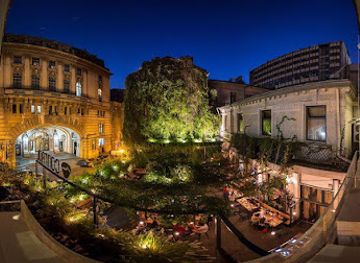
Dining in Cismigiu is shaped by its central location and by the contrast between the quiet interior of the gardens and the traffic-bearing streets around them. Cafés, casual restaurants and bakeries are found along Regina Elisabeta, Știrbei Vodă, Brezoianu and nearby central streets, with a mixture of Romanian cooking, familiar European dishes, coffee and quick meals rather than a single neighbourhood cuisine. The park itself is primarily a place for walking and relaxing, so visitors should look to its edges for most food options and check current opening arrangements locally. The surrounding central area also makes it easy to continue towards Calea Victoriei or the Old Town for a broader choice of restaurants, though those districts should not be confused with Cismigiu. Dining here works well as part of a park walk, an architectural stroll or an evening theatre visit.
-
Romanian
Caru' cu bere
Discover Caru' cu Bere - A Historic Restaurant Offering Authentic Romanian Cuisine and Lively Atmosphere in Bucharest.
11 min walk · 0.8 km from neighbourhood centre
-
Gastropub
Energiea
Discover Energiea in Bucharest: A vibrant gastropub offering delicious local cuisine and a lively atmosphere perfect for any traveler.
7 min walk · 0.6 km from neighbourhood centre
-
Gastropub
Alt Shift
Discover Alt Shift in Bucharest - where traditional flavors meet modern dining in a cozy gastropub atmosphere.
7 min walk · 0.6 km from neighbourhood centre
-
Romanian
Vatra
Discover the heart of Romanian cuisine at Vatra – where tradition meets flavor in a cozy Bucharest setting.
5 min walk · 0.4 km from neighbourhood centre


Best bars in Cismigiu
Cismigiu is not one of Bucharest’s principal clubbing districts, and evenings around the garden are generally quieter than those in the Old Town. The neighbourhood’s after-dark character comes from cafés, restaurants and cultural venues on the surrounding streets, with the central boulevard remaining active because of public transport and city traffic. Theatre and cinema-going can provide a more characteristic evening than a dedicated nightlife circuit, while nearby Brezoianu Street, Calea Victoriei and the Old Town offer a wider selection of bars and clubs outside the neighbourhood’s informal boundaries. Visitors should distinguish venues around the park from the larger entertainment areas east of it. Late-night movement is best planned around well-lit main streets, especially when leaving quieter parts of the garden after dark.
-
Gastropub
Energiea
Discover Energiea, Bucharest's trendy gastropub, offering modern Romanian cuisine, craft drinks, and a vibrant atmosphere perfect for all occasions.
7 min walk · 0.6 km from neighbourhood centre
-
Gastropub
Alt Shift
Discover the vibrant flavors of Bucharest at Alt Shift, a gastropub that combines culinary creativity with a cozy atmosphere.
7 min walk · 0.6 km from neighbourhood centre
-
Pub
The PUB Bucharest
Experience the vibrant nightlife of Bucharest at The PUB, where live music and delicious cuisine create unforgettable memories.
10 min walk · 0.8 km from neighbourhood centre
-
Restaurant
Gambrinus
Discover the heart of Romanian cuisine and craft beers at Gambrinus, Bucharest's vibrant restaurant and brewpub.
6 min walk · 0.4 km from neighbourhood centre


Best nightclubs in Cismigiu
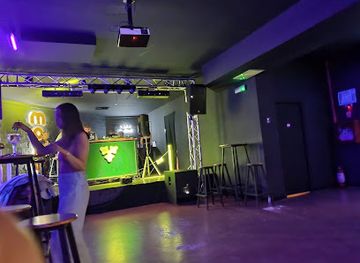
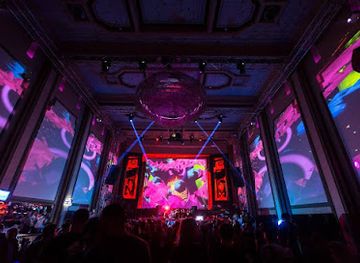
Cismigiu is not one of Bucharest’s principal clubbing districts, and evenings around the garden are generally quieter than those in the Old Town. The neighbourhood’s after-dark character comes from cafés, restaurants and cultural venues on the surrounding streets, with the central boulevard remaining active because of public transport and city traffic. Theatre and cinema-going can provide a more characteristic evening than a dedicated nightlife circuit, while nearby Brezoianu Street, Calea Victoriei and the Old Town offer a wider selection of bars and clubs outside the neighbourhood’s informal boundaries. Visitors should distinguish venues around the park from the larger entertainment areas east of it. Late-night movement is best planned around well-lit main streets, especially when leaving quieter parts of the garden after dark.
-
Night club
Control Club
Experience the electrifying nightlife of Bucharest at Control Club, a vibrant hub for live music and unforgettable parties.
7 min walk · 0.6 km from neighbourhood centre
-
Dance club
Club Mono
Dive into Bucharest's nightlife at Club Mono, where electrifying music and vibrant crowds create unforgettable dance experiences.
11 min walk · 0.9 km from neighbourhood centre
-
Night club
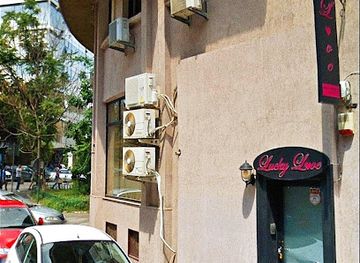
Lucky Love Striptease and Night Club
Immerse yourself in Bucharest's nightlife at Lucky Love Striptease and Night Club, where electrifying performances and vibrant music create unforgettable evenings.
4 min walk · 0.3 km from neighbourhood centre
-
Night club
Kristal Club
Discover the electrifying atmosphere of Kristal Club, Bucharest's premier nightlife destination for unforgettable evenings filled with music, dancing, and excitement.
6 min walk · 0.5 km from neighbourhood centre
Best shops in Cismigiu
Shopping within Cismigiu is modest and secondary to the park’s public and cultural role. Visitors will find everyday services, cafés, small food retailers and independent businesses along the surrounding central streets rather than a dedicated market or concentrated boutique quarter. Regina Elisabeta, Brezoianu and Știrbei Vodă are useful streets to browse while walking between the garden and the wider centre, with bookshops, convenience stores and small specialist premises appearing among offices and apartment buildings. For larger retail areas, the commercial streets around Universitate and central Calea Victoriei are nearby but lie beyond the neighbourhood’s informal limits. Cismigiu is therefore better suited to combining a park visit with incidental browsing than to a planned shopping expedition, and its most distinctive purchase is likely to come from an independent central-city business rather than a specifically local craft tradition.
-
Souvenir store
my romanian store
Explore My Romanian Store for authentic souvenirs and handicrafts that embody the essence of Romanian culture and artistry.
9 min walk · 0.7 km from neighbourhood centre
-
Vintage clothing store
OPSHOP Vintage
Explore OPSHOP Vintage in Bucharest for a unique shopping experience filled with timeless fashion treasures and sustainable clothing options.
4 min walk · 0.3 km from neighbourhood centre
-
Rare book store
Anticariat Galeriile Cismigiu
Explore Bucharest's literary treasures at Anticariat Galeriile Cismigiu, a rare book store filled with unique finds and rich history.
4 min walk · 0.3 km from neighbourhood centre
-
Clothing store
Entrance Store
Explore Entrance Store in Bucharest for unique clothing that blends contemporary style with local craftsmanship, perfect for every fashion enthusiast.
5 min walk · 0.4 km from neighbourhood centre


Cismigiu essentials
Getting There
Getting Around
Safety
Emergency Situations
Do's and Don'ts
Local Tips

From Eve
Local phrases worth knowing
You don't need to get them perfect. A few words go a long way, and locals appreciate the effort.
Basics
| English | Local | Say it |
|---|---|---|
| Hello | Salut | [saˈlut] |
| Goodbye | La revedere | [la re.veˈde.re] |
| Yes | Da | [da] |
| No | Nu | [nu] |
| Please/You're welcome | Te rog | [te roɡ] |
| Thank you | Mulțumesc | [mul.tuˈmesk] |
| Excuse me/Sorry | Scuzați-mă | [sku.zaˈtsi mə] |
| How are you? | Ce mai faci? | [t͡ʃe maɪ ˈfat͡ʃʲ] |
| Fine. And you? | Bine. Și tu? | [biːne ʃi tu] |
| Do you speak English? | Vorbiți engleză? | [vorˈbit͡si enˈɡle.zə] |
| I don't understand | Nu înțeleg | [nu ɨnˈt͡se.leɡ] |
Eating & Drinking
| English | Local | Say it |
|---|---|---|
| I'd like to see the menu, please | Aș dori să văd meniul, vă rog | [əʃ do.ˈri sə vəd ˈmeni.ul və roɡ] |
| I don't eat meat | Nu mănânc carne | [nu mɨˈnɨŋk ˈkar.ne] |
| Cheers! | Noroc! | [ˈnorok] |
| I would like to pay, please | Aș dori să plătesc, vă rog | [əʃ do.ˈri sə ˈplə.tesk və roɡ] |
Emergencies
| English | Local | Say it |
|---|---|---|
| Help! | Ajutor! | [aˈʒu.tor] |
| Go away! | Du-te! | [du.te] |
| Call the Police! | Sunați Poliția! | [suˈnat͡sʲ poˈlit͡si.a] |
| Call a doctor! | Sunați un doctor! | [suˈnat͡sʲ un dokˈtor] |
| I'm lost | M-am rătăcit | [mam rətəˈt͡ʃit] |
| I'm ill | Sunt bolnav | [sunt bolˈnav] |
Shopping
| English | Local | Say it |
|---|---|---|
| I'd like to buy... | Aș dori să cumpăr... | [əʃ do.ˈri sə kum.ˈpar] |
| I'm just looking | Doar mă uit | [do.ar mə uit] |
| How much is it? | Cât costă? | [kɨt kosˈtə] |
| That's too expensive | Este prea scump | [ˈeste pre̯a skump] |
| Can you lower the price? | Puteți să scădeți prețul? | [puˈteɨt͡si sə ˈskə.det͡si pre̯et͡sul] |
Time & Numbers
| English | Local | Say it |
|---|---|---|
| What time is it? | Cât este ora? | [kɨt ˈeste o.ra] |
| It's one o'clock | Este ora unu | [ˈeste o.ra unu] |
| Half past (10) | Jumătate (la zece) | [ʒu.məˈtate (la ˈze.ʧe)] |
| Morning | Dimineața | [di.mi.ne̯a.t͡sa] |
| Afternoon | După-amiază | [du.pə a.mjazə] |
| Evening | Seara | [ˈse̯a.ra] |
| Yesterday | Ieri | [ˈjerʲ] |
| Today | Astăzi | [asˈtəzʲ] |
| Tomorrow | Mâine | [mɨˈjne] |
| 1 | Unu | [un.u] |
| 2 | Doi | [doj] |
| 3 | Trei | [trej] |
| 4 | Patru | [ˈpatru] |
| 5 | Cinci | [ˈt͡ʃint͡ʃʲ] |
| 6 | Șase | [ʃaʃe] |
| 7 | Șapte | [ʃapte] |
| 8 | Opt | [opt] |
| 9 | Nouă | [no.uə] |
| 10 | Zece | [ˈze.ʧe] |
Transport & Directions
| English | Local | Say it |
|---|---|---|
| Where's a/the...? | Unde este unul/una/... | [un.de ˈeste u.nul u.na] |
| What's the address? | Care este adresa? | [kaˈre ˈeste aˈdresə] |
| Can you show me (on the map)? | Puteți să-mi arătați (pe hartă)? | [puˈteɨt͡si səˈmi aˈrətəts (pe harˈtə)] |
| When's the next (bus)? | Când vine următorul (autobuz)? | [kɨnd ˈvine urməˈtorul (awˈto.buz)] |
| A ticket (to ....) | Un bilet (spre ....) | [un biˈlet spre] |
History of Cismigiu
From Marshland to Public Garden
The area now occupied by Cismigiu Gardens was formerly low-lying land associated with springs, ponds and watercourses outside the settled core of Bucharest. Its name is generally connected with the Turkish term çeşme, meaning fountain, and with the title of the person responsible for the city’s water supply. During the first half of the nineteenth century, authorities began transforming the wet ground into an organised pleasure garden. The work formed part of Bucharest’s broader modernisation under the influence of European urban planning, replacing an unstructured landscape with paths, planting and managed water.
The Garden Opens in 1847
Cismigiu was opened to the public in 1847 after landscaping directed by Wilhelm Friedrich Carl Mayer, a horticultural specialist invited to improve Bucharest’s public gardens. The lake, planted avenues and carefully arranged promenades gave the capital a new civic leisure space at a time when the city was adopting institutions and urban habits associated with modern European life. The garden quickly became a setting for strolling, conversation and public display, while its position beside the road later known as Regina Elisabeta connected it to the expanding central city.
A City Garden Takes Shape
In the later nineteenth century, Cismigiu developed into a recognisable urban landmark as Bucharest’s central streets acquired more substantial public and private buildings. Paths, bridges, planting and small monuments gave the garden its familiar picturesque character, and the lake became a defining feature. The neighbourhood around it filled with villas, apartment houses, churches and institutions serving the capital’s administrative and cultural life. Cismigiu’s importance therefore extended beyond recreation: it provided a shared public landscape within a rapidly changing city and helped shape the civic identity of central Bucharest.
Cultural Institutions Around the Park
The streets surrounding Cismigiu acquired further historical weight through institutions and buildings associated with Romania’s modern state and cultural life. The Kretzulescu Church, the Știrbei family’s former residence and the National Archives remain reminders of the area’s religious, aristocratic and administrative connections. The boulevard beside the garden became an important public route, while theatres, cinemas and publishing-related institutions in the central district reinforced Bucharest’s cultural concentration. These developments made Cismigiu both a green retreat and a setting for the city’s architectural and intellectual life.
Cismigiu in Contemporary Bucharest
During the twentieth century, the garden survived the major transformations that altered central Bucharest, although the wider neighbourhood experienced changing traffic patterns, building uses and maintenance pressures. Its mature trees and open paths continued to provide a widely used public space amid the dense centre. Since the end of communism, surrounding buildings have accommodated a mixture of offices, cultural venues, cafés and homes, while restoration and conservation debates have shaped the park’s future. Cismigiu remains significant not because it forms a separate historic town, but because its landscape preserves a continuous public meeting place within the capital.
Cismigiu in Photos
Browse through our photo collection highlighting the charm and character of the destination.
Neighbourhoods near Cismigiu
The closest neighbourhoods to Cismigiu, if you have time for more than one stop.
-
-

-

-

-


Swipe for more neighbourhoods
Explore more

Explore more of Bucharest
Bucharest blends Belle Époque architecture, communist-era landmarks, lively cafés, museums and Romanian culture in a fascinating capital city to explore.
Explore Bucharest