

Old Town (Bucharest) Travel Guide - Free
Explore Old Town in Bucharest with Evendo's free guide. Find the best shops, historic streets, restaurants, and gems on web or mobile.


Old Town Bucharest pairs medieval lanes, Curtea Veche, Stavropoleos Monastery, lively cafés, restaurants and bars in Romania’s historic centre.
Medieval Core and Urban Layers
Known locally as Centrul Vechi, Bucharest’s Old Town occupies the historic commercial heart of the capital, between the Dâmbovița River, Calea Victoriei, Bulevardul Ion C. Brătianu and the broad approaches to Piața Unirii. Its compact streets preserve the medieval and early-modern pattern of the city more clearly than most central districts, although the buildings reveal successive periods of rebuilding. Strada Lipscani, Strada Șelari, Strada Smârdan and Strada Franceză form the principal web of lanes, where ornate nineteenth-century façades stand alongside restored houses, worn plaster and buildings still awaiting renovation.Read more about Old Town
Courts, Churches and Commerce
Street Life After Dark
Best attractions in Old Town
Old Town’s principal attractions are close enough to explore in a single walk, beginning with Curtea Veche and its archaeological remains on Strada Franceză, the site of the former princely court associated with medieval Bucharest. The nearby Stavropoleos Monastery is admired for its intimate courtyard, carved stone details and eighteenth-century church, while Hanul lui Manuc preserves the scale and atmosphere of a traditional Balkan-style inn. Strada Lipscani and the adjoining lanes provide the main sightseeing experience, with ornate nineteenth-century façades, small courtyards, bookshops, cafés and traces of former commercial buildings. The National Bank of Romania, on the edge of the historic quarter, adds a grand institutional counterpoint, while the Dâmbovița riverfront is close enough for a change of pace. Museums and major civic institutions elsewhere in central Bucharest can be reached easily, but should not be confused with attractions inside Old Town itself.
-
Park
Union Park
Explore the lush landscapes and cultural treasures of Union Park, Bucharest's urban oasis, perfect for relaxation and adventure.
5 min walk · 0.4 km from neighbourhood centre
-
Tourist attraction
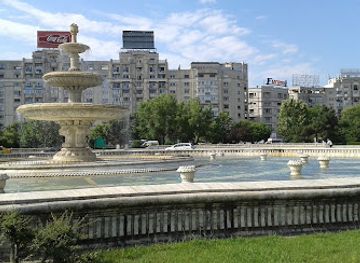
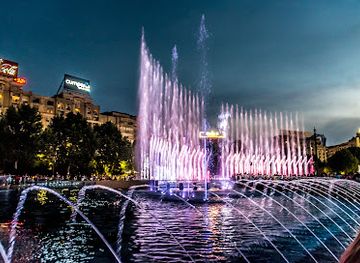
Bucharest Fountains
Experience the mesmerizing Bucharest Fountains, a harmonious blend of water, music, and lights in the heart of Romania's vibrant capital.
6 min walk · 0.5 km from neighbourhood centre
-
National museum
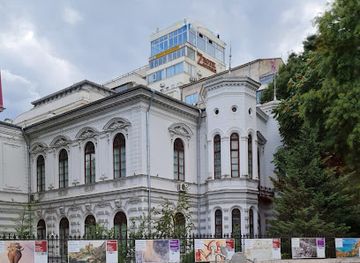
The Museum of Bucharest
Discover the captivating history of Bucharest at The Museum of Bucharest, where culture and heritage come alive through engaging exhibits.
5 min walk · 0.4 km from neighbourhood centre
-
Tourist attraction
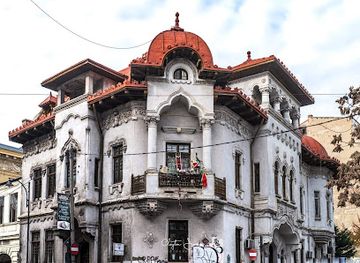
Interesting Times Bureau
Unravel the fascinating stories of Romania at the Interesting Times Bureau, Bucharest's unique tourist attraction for curious minds.
1 min walk · 0.1 km from neighbourhood centre
Best landmarks in Old Town
Curtea Veche is Old Town’s most important historic landmark, representing the former princely court around which medieval and early-modern Bucharest developed; its surviving walls and archaeological remains convey the site’s significance more effectively than its modest scale might suggest. Stavropoleos Monastery, founded in 1724, is a finely detailed religious complex whose church and courtyard preserve an intimate eighteenth-century architectural character. Hanul lui Manuc, established in 1808, represents the commercial inn tradition that once shaped the quarter’s economy and streetscape. The National Bank of Romania, with its grand nineteenth-century buildings at the edge of the district, reflects the later financial importance of the centre. Across the neighbourhood, decorative façades, arcaded passages, old shopfronts and irregular plots are landmarks in a broader sense, recording the transition from merchant quarter to modern entertainment district.
-
Tourist attraction
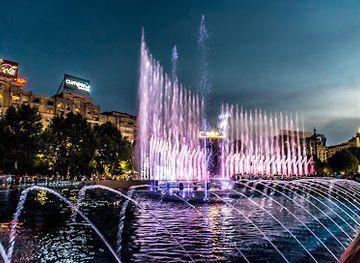
Bucharest Fountains
Experience the captivating Bucharest Fountains, where music and water unite in a spectacular dance of lights and heritage.
6 min walk · 0.5 km from neighbourhood centre
-
Historical landmark
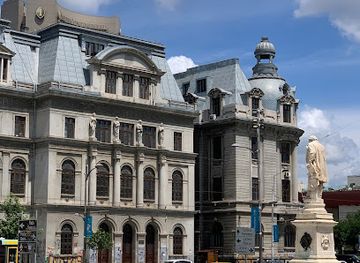
University's Square
Explore University’s Square, a historic landmark in Bucharest, where culture, history, and vibrant local life come together in a remarkable urban experience.
5 min walk · 0.4 km from neighbourhood centre
-
 National museum
National Museum of Romanian History
Explore Romania's vibrant history at the National Museum of Romanian History, showcasing artifacts from prehistoric to modern times in Bucharest.
4 min walk · 0.3 km from neighbourhood centre
-
National museum
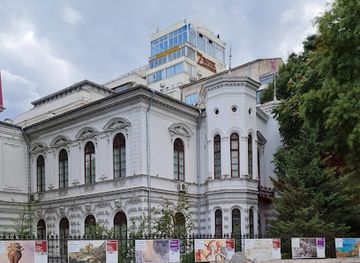
The Museum of Bucharest
Explore the rich heritage of Bucharest at The Museum of Bucharest, where history comes alive through captivating exhibits and stunning architecture.
5 min walk · 0.4 km from neighbourhood centre
Explore Old Town on the map
A handpicked selection of must-see spots in Old Town, mapped for you.
Best hotels in Old Town
Best restaurants in Old Town
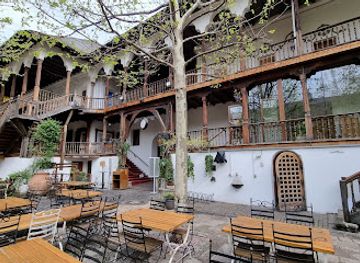
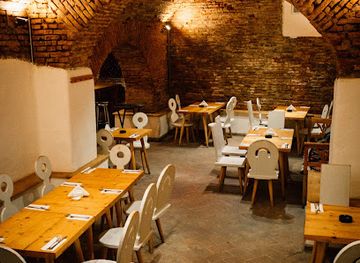
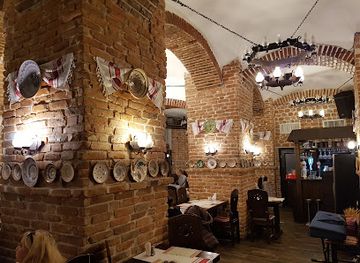
Dining in Old Town ranges from traditional Romanian cooking and historic inn-style restaurants to cafés, bakeries, international menus and late-night casual food. Hanu’ lui Manuc and Caru’ cu Bere are among the best-known established names associated with the historic centre, although the district’s wider food scene is spread through many small premises on Lipscani, Franceză, Covaci, Smârdan and nearby lanes. Menus may include familiar Romanian dishes such as sarmale, mici, soups and polenta alongside contemporary interpretations and international cuisine. Street-facing terraces dominate the warmer months, while courtyards and vaulted interiors provide a different setting in older buildings. The concentration is convenient but heavily oriented towards visitors, so diners seeking a more everyday neighbourhood atmosphere may wish to compare menus and prices before settling at a table.
-
Romanian
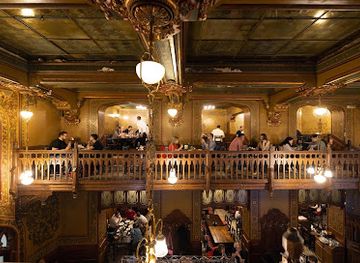
Caru' cu bere
Experience the essence of Romanian culture at Caru' cu bere - where tradition meets taste in Bucharest's historic heart.
3 min walk · 0.2 km from neighbourhood centre
-
Restaurant
Manuc's Inn Restaurant
Experience the rich flavors of Eastern European and Middle Eastern cuisine at Manuc's Inn Restaurant in Bucharest's historic center.
2 min walk · 0.2 km from neighbourhood centre
-
Romanian
Lacrimi și Sfinți
Discover authentic Romanian cuisine at Lacrimi și Sfinți in Bucharest - where tradition meets innovation in every bite.
2 min walk · 0.2 km from neighbourhood centre
-
Romanian
Taverna Covaci
Experience authentic Romanian cuisine at Taverna Covaci in Bucharest - where tradition meets flavor in every dish.
1 min walk · 0.1 km from neighbourhood centre
Best bars in Old Town
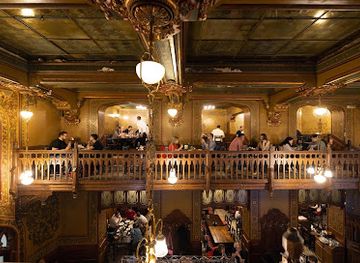
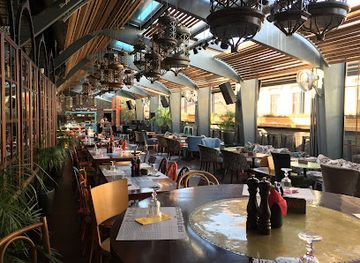
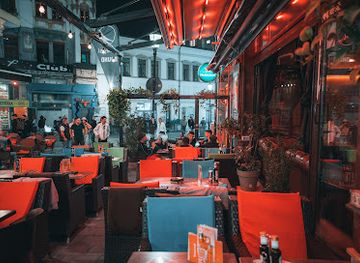
After dark, Old Town becomes Bucharest’s most concentrated nightlife district, with bars, pubs, cocktail rooms, beer venues, dance spaces and late-opening restaurants occupying former shops, inns and upper-floor premises. The busiest concentration lies around Lipscani, Smârdan, Șelari, Covaci and the connecting lanes, where outdoor terraces and narrow interiors create a very social atmosphere. Entertainment ranges from casual drinks and sports bars to electronic music, dancing and venues aimed at visitors, with the exact mix changing as businesses open and close. The area can be noisy and crowded at night, particularly at weekends, while a short walk towards the river or the outer streets brings a quieter setting. Nightlife is a central part of Old Town’s present identity, but it sits alongside residents, historic buildings and religious sites that require considerate behaviour.
-
Romanian
Caru' cu bere
Discover authentic Romanian flavors at Caru' cu Bere, a historic restaurant in the heart of Bucharest, where traditional dishes meet vibrant culture.
3 min walk · 0.2 km from neighbourhood centre
-
Bar
Nomad Skybar
Discover the vibrant atmosphere and stunning views at Nomad Skybar, Bucharest's premier rooftop destination for unforgettable nights.
1 min walk · 0.1 km from neighbourhood centre
-
Pub
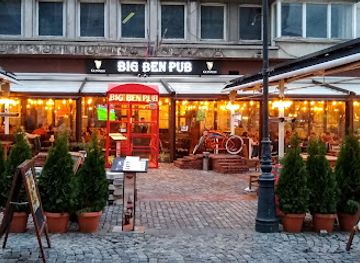
Big Ben Pub
Discover the lively spirit of Bucharest at Big Ben Pub, where great food, drinks, and local culture come together in a vibrant atmosphere.
2 min walk · 0.2 km from neighbourhood centre
-
Pub
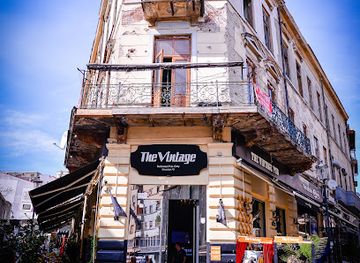
The Vintage Pub
Discover the lively ambiance of The Vintage Pub in Bucharest, where great drinks and vibrant nightlife come together for an unforgettable experience.
1 min walk · 0.1 km from neighbourhood centre
Best nightclubs in Old Town
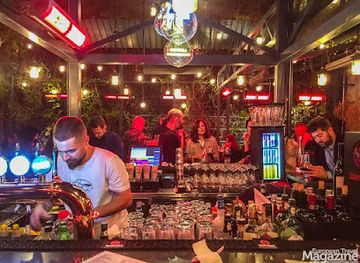
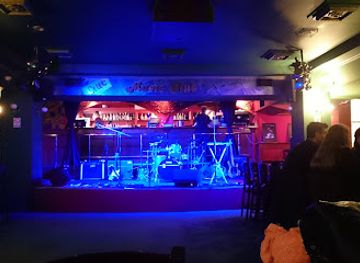
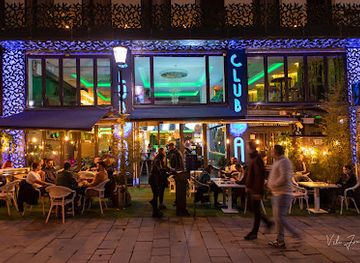
After dark, Old Town becomes Bucharest’s most concentrated nightlife district, with bars, pubs, cocktail rooms, beer venues, dance spaces and late-opening restaurants occupying former shops, inns and upper-floor premises. The busiest concentration lies around Lipscani, Smârdan, Șelari, Covaci and the connecting lanes, where outdoor terraces and narrow interiors create a very social atmosphere. Entertainment ranges from casual drinks and sports bars to electronic music, dancing and venues aimed at visitors, with the exact mix changing as businesses open and close. The area can be noisy and crowded at night, particularly at weekends, while a short walk towards the river or the outer streets brings a quieter setting. Nightlife is a central part of Old Town’s present identity, but it sits alongside residents, historic buildings and religious sites that require considerate behaviour.
-
Night club
Control Club
Discover Bucharest's nightlife at Control Club, a premier destination for live music and unforgettable nights out in the city.
7 min walk · 0.6 km from neighbourhood centre
-
Bar
Club Bound
Experience Bucharest's nightlife at Club Bound, where vibrant energy meets an unforgettable dance experience in the heart of the city.
1 min walk · 0.1 km from neighbourhood centre
-
Night club
Music Club
Dive into the heart of Bucharest's nightlife at the Music Club, where dance and music create unforgettable memories in a vibrant atmosphere.
4 min walk · 0.3 km from neighbourhood centre
-
Club
Club A the Disco
Discover the lively atmosphere and affordable drinks at Club A the Disco, a must-visit nightlife spot in Bucharest for an unforgettable experience.
1 min walk · 0.1 km from neighbourhood centre
Best shops in Old Town
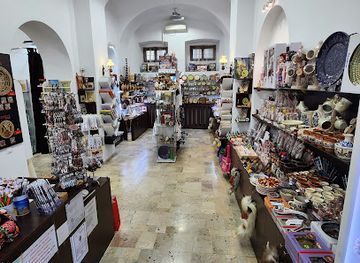
Shopping in Old Town is concentrated in small independent premises, souvenir shops, bookshops, jewellery stores, art and craft retailers, cafés selling packaged Romanian products and boutiques occupying historic ground floors. The main browsing streets are Lipscani, Smârdan, Șelari, Covaci and Franceză, although the retail mix changes frequently and is closely tied to tourism. Visitors may find Romanian food products, traditional design items, prints, clothing, handmade objects and gifts rather than the large department stores or international chains found elsewhere in Bucharest. Hanul cu Tei, a historic passage between Lipscani and Blănari, adds architectural interest to the shopping walk, even when individual tenants change. The best reason to browse here is the relationship between retail and the old street pattern: merchandise, cafés and workshops occupy buildings that once served merchants, inns and craft trades.
-
Souvenir store
Romanian Boutique
Explore the heart of Romanian craftsmanship at the Romanian Boutique, offering a unique selection of authentic souvenirs in Bucharest.
3 min walk · 0.3 km from neighbourhood centre
-
Clothing store
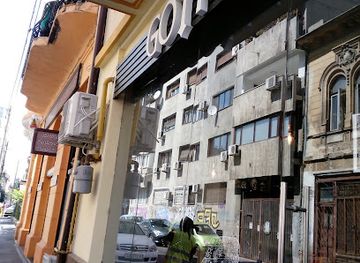
Gotica.ro
Discover the latest fashion trends, exquisite jewelry, and stylish footwear at Gotica.ro, your go-to clothing store in Bucharest.
7 min walk · 0.5 km from neighbourhood centre
-
Souvenir store
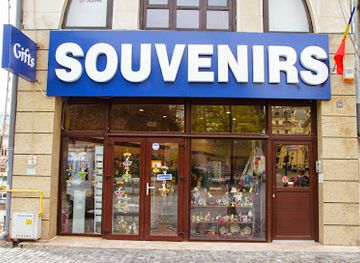
The Souvenir Shop
Explore The Souvenir Shop in Bucharest, a vibrant hub of unique Romanian gifts and crafts that capture the essence of your travels.
2 min walk · 0.2 km from neighbourhood centre
-
Souvenir store
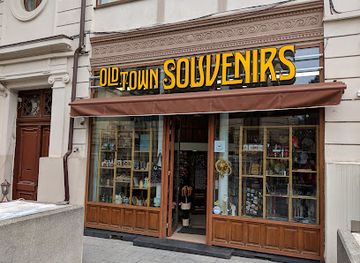
Old Town Souvenirs
Discover the essence of Romania at Old Town Souvenirs, where authentic crafts and local art come together for the perfect keepsake.
2 min walk · 0.1 km from neighbourhood centre
Old Town essentials
Getting There
Getting Around
Safety
Emergency Situations
Do's and Don'ts
Local Tips

From Eve
Local phrases worth knowing
You don't need to get them perfect. A few words go a long way, and locals appreciate the effort.
Basics
| English | Local | Say it |
|---|---|---|
| Hello | Salut | [sah-loot] |
| Goodbye | La revedere | [lah reh-veh-deh-reh] |
| Yes | Da | [dah] |
| No | Nu | [noo] |
| Please/You're welcome | Te rog | [teh rog] |
| Thank you | Mulțumesc | [mool-tsoo-mesk] |
| Excuse me/Sorry | Scuzați-mă | [skoo-za-tsi muh] |
| How are you? | Ce mai faci? | [cheh mye fa-chee] |
| Fine. And you? | Bine. Și tu? | [bee-neh. shee too] |
| Do you speak English? | Vorbiți engleză? | [vor-beetsee en-glez-uh] |
| I don't understand | Nu înțeleg | [noo in-tseh-leg] |
Eating & Drinking
| English | Local | Say it |
|---|---|---|
| I'd like to see the menu, please | Aș dori să văd meniul, vă rog | [ush doh-ree suh vad meh-nyool, vuh rog] |
| I don't eat meat | Nu mănânc carne | [noo muh-nuhnk kar-neh] |
| Cheers! | Noroc! | [noh-rok] |
| I would like to pay, please | Aș dori să plătesc, vă rog | [ush doh-ree suh pluh-tesk, vuh rog] |
Emergencies
| English | Local | Say it |
|---|---|---|
| Help! | Ajutor! | [ah-yoo-tor] |
| Go away! | Du-te! | [doo-teh] |
| Call the Police! | Apelați Poliția! | [ah-peh-la-tsi po-leet-see-ah] |
| Call a doctor! | Apelați un doctor! | [ah-peh-la-tsi oon dohk-tor] |
| I'm lost | M-am pierdut | [muhm pyer-dooot] |
| I'm ill | Sunt bolnav | [soon bol-nav] |
Shopping
| English | Local | Say it |
|---|---|---|
| I'd like to buy... | Aș dori să cumpăr... | [ush doh-ree suh koomp-ur] |
| I'm just looking | Doar mă uit | [doh-ar muh ooyt] |
| How much is it? | Cât costă? | [kaht kohs-tuh] |
| That's too expensive | Este prea scump | [es-teh prah skoomp] |
| Can you lower the price? | Puteți reduce prețul? | [poo-tehtsee reh-doo-che preh-tsool] |
Time & Numbers
| English | Local | Say it |
|---|---|---|
| What time is it? | Cât este ora? | [kaht es-teh oh-rah] |
| It's one o'clock | Este ora unu | [es-teh oh-rah oo-noo] |
| Half past (10) | Jumătate (la zece) | [zhoo-muh-ta-teh (lah zeh-che)] |
| Morning | Dimineața | [dee-myeh-na-tsa] |
| Afternoon | După-amiază | [doo-puh ah-mee-ah-zuh] |
| Evening | Seara | [seh-ah-rah] |
| Yesterday | Ieri | [yehr] |
| Today | Astăzi | [ahs-tuhz] |
| Tomorrow | Mâine | [muh-yeh-neh] |
| 1 | Unu | [oo-noo] |
| 2 | Doi | [doy] |
| 3 | Trei | [tray] |
| 4 | Patru | [pa-troo] |
| 5 | Cinci | [cheen-chee] |
| 6 | Șase | [shah-seh] |
| 7 | Șapte | [shahp-teh] |
| 8 | Opt | [opt] |
| 9 | Nouă | [noo-wuh] |
| 10 | Zece | [zeh-che] |
Transport & Directions
| English | Local | Say it |
|---|---|---|
| Where's a/the...? | Unde este unul/o... | [oon-deh es-teh oon-ool/oh] |
| What's the address? | Care este adresa? | [ka-re es-teh ah-dre-sah] |
| Can you show me (on the map)? | Puteți să-mi arătați (pe hartă)? | [poo-teh-tsi suh-mee ah-ra-tsu (peh har-tuh)] |
| When's the next (bus)? | Când este următorul (autobuz)? | [kund es-teh oor-muh-toh-rool (ow-toh-booz)] |
| A ticket (to ....) | Un bilet (spre ...) | [oon bee-let (spreh)] |
History of Old Town
From Settlement to Princely Court
The area that became Bucharest’s Old Town developed around the Dâmbovița River and the princely residence known as Curtea Veche, or the Old Court. The court is associated with the fifteenth-century reign of Vlad III, although the complex was enlarged and altered by later rulers. Its presence helped establish this part of the city as a political and commercial focus, while nearby routes connected river transport, markets and roads leading towards the surrounding settlements. The surviving archaeological remains and church ruins offer only fragments of that early landscape, but they mark the place where Bucharest’s medieval urban history became especially concentrated.
Merchants on Lipscani
From the early modern period onwards, the streets around the princely court became a dense mercantile quarter. Traders, craftsmen and innkeepers occupied narrow plots and dealt in textiles, household goods, food and imported merchandise. Strada Lipscani takes its name from merchants connected with Leipzig, called Lipsca in Romanian, reflecting the district’s links with wider European trade. The lanes were not laid out as a formal monumental boulevard; they grew through commerce, courtyards and changing property boundaries. That irregular pattern remains one of the Old Town’s defining physical characteristics.
Eighteenth-Century Religious Foundations
The neighbourhood also acquired religious and cultural institutions during the eighteenth century. Stavropoleos Monastery was founded in 1724 by the Greek monk Ioannikios Stratonikeas, who established a church and monastic complex amid the commercial streets. Its Brâncovenesc-influenced decoration, carved details and intimate courtyard introduced a refined architectural presence into a busy trading quarter. Churches, inns and merchants’ premises stood close together, making the district a place where worship, hospitality and commercial activity were woven into the same urban fabric.
Nineteenth-Century Commerce and Modern Decline
During the nineteenth century, Bucharest’s expanding economy brought new shops, banks, inns and commercial buildings to the historic centre. Hanul lui Manuc, founded in 1808 by the Armenian merchant Emanuel Mârzaian, became one of the best-known surviving inns, combining accommodation, trade and social exchange. Later modernisation shifted prestige towards broader avenues and newer commercial areas, while the old quarter gradually lost investment. The buildings survived, but many suffered from neglect, piecemeal alterations and structural deterioration during the twentieth century.
Restoration and New Urban Life
After the fall of communism in 1989, the historic centre regained commercial and cultural attention, but restoration was uneven and prolonged. Rehabilitation of streets and public spaces in the early twenty-first century encouraged restaurants, cafés, bars and small businesses to return, while also creating debate about noise, tourism, building conservation and the displacement of older uses. The result is a district where restored façades and medieval remains share space with vacant upper floors, construction work and a highly active evening economy. Old Town’s contemporary identity therefore continues to balance heritage protection with intensive commercial use.
Old Town in Photos
Browse through our photo collection highlighting the charm and character of the destination.
Neighbourhoods near Old Town
The closest neighbourhoods to Old Town, if you have time for more than one stop.
-

-

-

-

-


Swipe for more neighbourhoods
Explore more

Explore more of Bucharest
Bucharest blends Belle Époque architecture, communist-era landmarks, lively cafés, museums and Romanian culture in a fascinating capital city to explore.
Explore Bucharest