

Free Covasna Travel Guide & Mobile App
Explore Covasna with free travel guides. Discover regional history, expert tips, proposed trips, and audio guides on web or mobile app.


Explore Covasna in eastern Transylvania for mineral springs, Szekler culture, forested Carpathian landscapes, historic towns and rural food traditions.
Read more about Covasna
When is the best time to visit Covasna?
Best: June–August · 24–27°C| Month | High (°C) | Rainfall (mm) |
|---|---|---|
| January | 2 | 35 |
| February | 4 | 30 |
| March | 10 | 40 |
| April | 15 | 50 |
| May | 20 | 70 |
| June (best) | 24 | 80 |
| July (best) | 27 | 80 |
| August (best) | 26 | 70 |
| September | 21 | 60 |
| October | 16 | 50 |
| November | 8 | 40 |
| December | 3 | 35 |
Getting to and around Covasna
How to get there
Transportation
Top city travel guides in Covasna
The cities of Covasna, and the easiest places to base yourself.

Swipe for more cities
Destinations in Covasna
Resorts, valleys and scenic spots worth a trip of their own.
-

-

-


Swipe for more destinations
Best attractions in Covasna
Covasna's attractions combine living culture, mineral-water traditions and accessible mountain scenery rather than a single concentration of monumental sights. In Sfântu Gheorghe, the Székely National Museum provides a strong introduction to local history, ethnography and art, while the town's theatres and cultural venues reflect the county's bilingual character. Târgu Secuiesc rewards a slower exploration of its historic centre and craft heritage, and Covasna offers spa facilities, mineral springs and the distinctive mofette phenomenon. Around Balvanyos, wooded slopes, volcanic geology and wellness traditions create a different kind of visitor experience, with walking routes leading into the Carpathian foothills. The historic churches of rural settlements, the manor houses at Micloșoara and Zăbala, and the railway and forestry heritage around Comandău add architectural and industrial interest. Nature lovers can visit the Reci protected area, known for sandy habitats and birch woodland, or seek longer excursions towards Întorsura Buzăului and the eastern mountains. Conditions and access vary considerably, so local advice is useful for remote paths and seasonal activities.
-
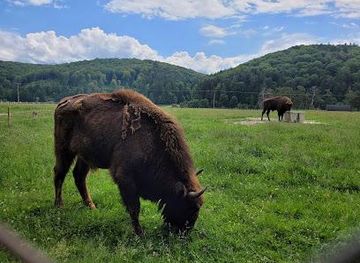
Valea Zimbrilor
Explore the beauty of Valea Zimbrilor, a nature preserve and zoo in Romania, home to diverse wildlife and stunning landscapes.
-
Hotel
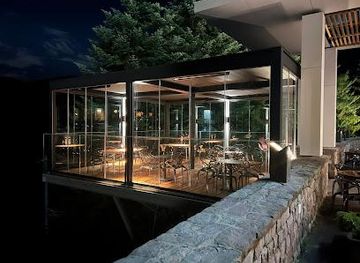
Balvanyos Resort
Discover the serene beauty and wellness offerings at Balvanyos Resort, a perfect getaway in Romania's Turia region.
-
Tourist attraction
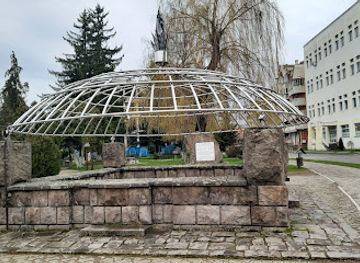
The Devil's Pond
Discover the captivating beauty and intriguing legends of The Devil's Pond in Covasna, Romania – a serene escape for nature lovers and adventurers.
-
Monastery
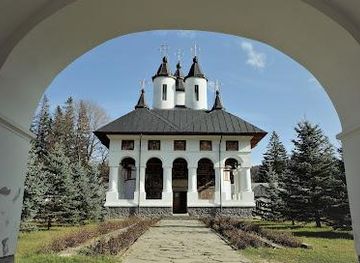
Cheia Monastery
Experience the serenity and beauty of Cheia Monastery, a spiritual retreat nestled in the breathtaking Carpathian Mountains of Romania.
Best landmarks in Covasna
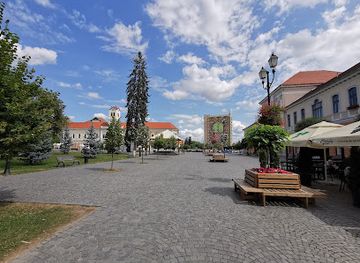
The most recognisable landmarks of Covasna are closely tied to its towns, mineral springs and Szekler cultural landscape. In Sfântu Gheorghe, the Székely National Museum complex is an important architectural and cultural reference point, while the town's historic civic buildings and churches express its long urban development. Târgu Secuiesc is distinguished by its central square and distinctive connected courtyard passages, known locally as udvarterek, which recall the town's historic craft and trading life. Covasna's spa landscape includes mineral-water installations and the natural mofette tradition for which the town is widely known. In the countryside, the church at Ghelința is notable for its medieval fabric and historic wall paintings, and the manor complex at Micloșoara represents the former estate culture of the region. The forested volcanic setting around Balvanyos and the historic inclined railway infrastructure at Comandău provide geographical and industrial landmarks rather than conventional monuments. Together these places show how geology, settlement and local culture have shaped Covasna's visual identity.
-
Park
Elizabeth Park
Explore the tranquil beauty of Elizabeth Park in Sfântu Gheorghe, a perfect blend of nature, culture, and relaxation for every tourist.
-
Tourist attraction
The Devil's Pond
Discover the enchanting beauty of the Devil's Pond in Covasna, Romania - a unique natural phenomenon steeped in folklore and breathtaking landscapes.
-
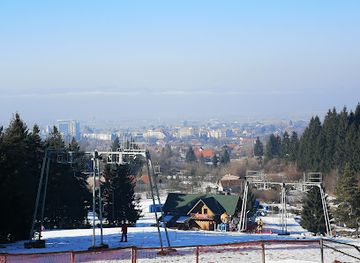
Ski resort
“Lőrincz Zsigmond” Partie Ski Covasna
Experience the thrill of skiing and the beauty of nature at Lőrincz Zsigmond Ski Resort in Covasna, Romania's ultimate winter paradise.
-
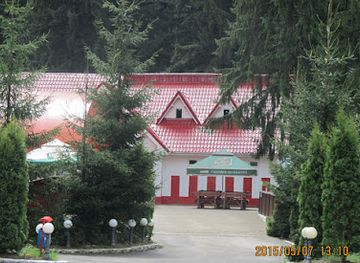
Hotel
TURISM COVASNA S.A.
Experience the serene beauty and wellness of Covasna, Romania, where nature meets relaxation in a picturesque mountain setting.
Explore Covasna on the map
Plan your trip on one map. See where the top cities, national parks and sights are, and book hotels and experiences in a few clicks.
Best hotels in Covasna
Best restaurants in Covasna
Dining in Covasna reflects the county's Szekler and Transylvanian setting, with substantial soups, stews, potatoes, cabbage, smoked meats, dairy products and pastries appearing alongside Romanian regional cooking. Kürtőskalács, the spiral chimney cake associated with Hungarian-speaking communities, is common at fairs and outdoor events, while breads, fruit preserves and cakes are often made according to household or village traditions. Sfântu Gheorghe and Târgu Secuiesc offer the widest choice of cafés, restaurants and contemporary interpretations, whereas Covasna and the mountain resorts combine hotel dining with traditional menus and guesthouse cooking. Local mineral waters accompany meals, and forest districts may feature mushroom, berry or game-based specialities when legally sourced and seasonally available. Farmers' markets and small food shops are useful for cheese, honey, smoked products and baked goods, although labels and opening patterns can vary. In rural areas, meals may need to be arranged in advance, making guesthouses an important part of the region's food culture.
-
 Hotel
HotelHotel Clermont
Discover tranquility at Hotel Clermont in Covasna - where luxury meets nature's beauty.
-
Hotel
Hotel TTS Covasna
Discover serenity at Hotel TTS Covasna - where comfort meets nature in the heart of Romania.
-
Hotel
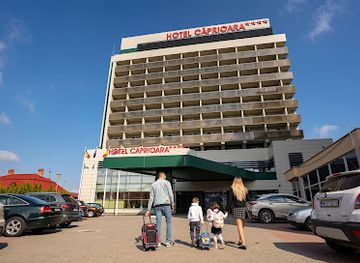
Hotel Căprioara
Experience serenity at Hotel Căprioara in Covasna, where nature meets comfort for an unforgettable getaway.
-
Supermarket
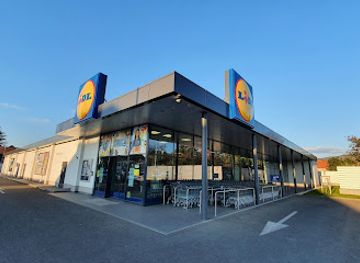
Lidl
Explore Lidl in Covasna for fresh produce, local delicacies, and budget-friendly shopping that captures the essence of Romanian flavors.
Best bars in Covasna
Evenings in Covasna are generally sociable but measured, centred on cafés, restaurants, hotel lounges, wine bars and traditional pubs rather than a large club circuit. Sfântu Gheorghe has the broadest choice, with cultural events, theatre performances, live music and late-opening cafés providing alternatives to drinking-focused nightlife. Târgu Secuiesc offers a smaller town atmosphere, while Covasna's evening life is closely connected with spa hotels, restaurants and seasonal visitors. In Balvanyos and the mountain villages, rural guesthouses and resort establishments are more relevant than dedicated nightclubs. Local beer, wine, fruit brandies and non-alcoholic mineral waters may appear on menus, but the region's evening culture is equally suited to conversation and food. Opening hours, performances and seasonal activity change, so checking current local listings or asking accommodation staff is more reliable than expecting a fixed nightlife district.
-
Tourist attraction
The Devil's Pond
Explore the enchanting Devil's Pond in Covasna, Romania, where nature meets folklore in a serene and breathtaking setting.
-
Restaurant
Hotel TTS Covasna
Experience ultimate relaxation at Hotel TTS Covasna, a perfect blend of comfort, nature, and exquisite dining in Romania's scenic landscapes.
-
Bistro
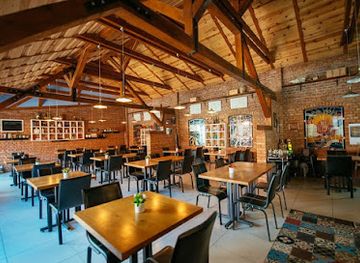
Jazz Bistro & Winery
Discover the perfect blend of culinary delights and live jazz at Jazz Bistro & Winery in Târgu Secuiesc, where every meal is a celebration.
-
Bar
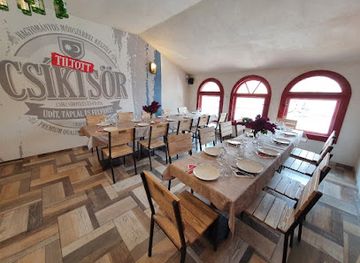
Tiltott Csíki Söröző & Étterem
Discover the flavors of Târgu Secuiesc at Tiltott Csíki Söröző & Étterem, where local cuisine and a vibrant bar atmosphere come together.
Best nightclubs in Covasna
Evenings in Covasna are generally sociable but measured, centred on cafés, restaurants, hotel lounges, wine bars and traditional pubs rather than a large club circuit. Sfântu Gheorghe has the broadest choice, with cultural events, theatre performances, live music and late-opening cafés providing alternatives to drinking-focused nightlife. Târgu Secuiesc offers a smaller town atmosphere, while Covasna's evening life is closely connected with spa hotels, restaurants and seasonal visitors. In Balvanyos and the mountain villages, rural guesthouses and resort establishments are more relevant than dedicated nightclubs. Local beer, wine, fruit brandies and non-alcoholic mineral waters may appear on menus, but the region's evening culture is equally suited to conversation and food. Opening hours, performances and seasonal activity change, so checking current local listings or asking accommodation staff is more reliable than expecting a fixed nightlife district.
-
Disco club
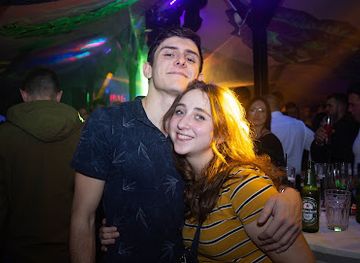
CLUB AFTER MOON
Dance the night away at Club After Moon, Târgu Secuiesc's top disco club, where vibrant beats and a lively atmosphere await every night.
-
Night club
Kult-Űr
Experience the vibrant nightlife of Covasna at Kult-Űr, where music, dance, and cultural exchange come alive in an unforgettable setting.
Best shops in Covasna
Shopping in Covasna is strongest in market towns, small food shops and cultural craft outlets rather than large retail districts. Sfântu Gheorghe has the widest selection of everyday shops, books, galleries and locally made goods, while Târgu Secuiesc is known for its historic town setting and independent businesses. Markets and seasonal fairs can be good places to look for honey, jams, cheeses, smoked products, herbal goods and baked specialities from the surrounding countryside. Visitors may also find embroidered textiles, carved wood, ceramics and other Szekler-inspired crafts, although quality and provenance vary, so ask whether an item is locally made. Covasna's mineral waters and spa products can make practical souvenirs, and small producers sometimes sell regional drinks or preserves directly. Rural shopping is limited and many villages have only basic provisions, so buy specialist food gifts and cash before leaving the principal towns.
-
Tourist attraction
The Devil's Pond
Explore the serene beauty of The Devil's Pond in Covasna, Romania, a perfect escape into nature with breathtaking landscapes and tranquil waters.
-
Shopping mall
Sepsi Value Centre
Discover the vibrant Sepsi Value Centre in Sfântu Gheorghe, your ultimate shopping destination for local and international delights.
-
Supermarket
Lidl
Discover quality groceries at Lidl in Covasna, Romania: your trusted supermarket for fresh foods and baked goods at affordable prices.
-
Supermarket
PENNY
Explore local flavors and fresh produce at PENNY Supermarket in Covasna, a must-visit for culinary enthusiasts.
Get your free copy of our complete guide to Covasna, delivered straight to you.
Everything on this page, from attractions and restaurants to essentials and local phrases, in one PDF you can read offline, print or share.
Already have an account? Sign in
Your Covasna guide is ready.
We'll send it to · Not you? Sign out

Getting your guide ready…
We are putting together a fresh copy of the Covasna guide. This can take up to a minute.
This can take a few moments. If your browser asks, choose Allow so the download can start. You'll find the guide in your Downloads folder.
Nothing happened? Download it again
Sorry, the guide is taking longer than usual. Please try again in a minute, or get it by email instead.
Covasna essentials
Currency and Payment
Safety
Emergency Situations
Do's and Don'ts
Local Tips
From Eve
Local phrases worth knowing
You don't need to get them perfect. A few words go a long way, and locals appreciate the effort.
Basics
| English | Local | Say it |
|---|---|---|
| Hello | Bună | [Boo-nuh] |
| Goodbye | La revedere | [Lah reh-veh-deh-reh] |
| Yes | Da | [Dah] |
| No | Nu | [Noo] |
| Please/You're welcome | Te rog/ Cu plăcere | [Teh rog/ Koo plah-cheh-reh] |
| Thank you | Mulțumesc | [Mool-tzoo-mesk] |
| Excuse me/Sorry | Scuză-mă/Îmi pare rău | [Skoo-zah-mah/ Uhm pah-reh rah-oo] |
| How are you? | Ce mai faci? | [Cheh my fahch?] |
| Fine. And you? | Bine. Și tu? | [Bee-neh. Shee too?] |
| Do you speak English? | Vorbești engleză? | [Vor-besht eng-leh-zah?] |
| I don't understand | Nu înțeleg | [Noo uhn-tzeh-leg] |
Eating & Drinking
| English | Local | Say it |
|---|---|---|
| I'd like to see the menu, please | Aș dori să văd meniul, vă rog | [Ash doh-ree sah vehd men-yool, vah rog] |
| I don't eat meat | Nu mănânc carne | [Noo mah-nank kar-neh] |
| Cheers! | Noroc! | [No-rok] |
| I would like to pay, please | Aș dori să plătesc, vă rog | [Ash doh-ree sah plah-tesk, vah rog] |
Emergencies
| English | Local | Say it |
|---|---|---|
| Help! | Ajutor! | [Ah-joo-tor] |
| Go away! | Du-te! | [Doo-teh] |
| Call the Police! | Sună Poliția! | [Soo-nah Poh-lee-tsee-ah] |
| Call a doctor! | Sună un doctor! | [Soo-nah oon dohk-tor] |
| I'm lost | M-am pierdut | [Mahm pyehr-doot] |
| I'm ill | Sunt bolnav | [Soont bol-nahv] |
Shopping
| English | Local | Say it |
|---|---|---|
| I'd like to buy... | Aș dori să cumpăr... | [Ash doh-ree sah koom-par] |
| I'm just looking | Mă uit doar | [Muh oo-eet doar] |
| How much is it? | Cât costă? | [Koot koh-stah?] |
| That's too expensive | Asta e prea scump | [As-tah eh preh-ah skoomp] |
| Can you lower the price? | Poți să reduci prețul? | [Pots sah reh-dooch preh-tsool?] |
Time & Numbers
| English | Local | Say it |
|---|---|---|
| What time is it? | Cât e ceasul? | [Koot eh chah-sool?] |
| It's one o'clock | E ora unu | [Eh oh-rah oo-noo] |
| Half past (10) | Jumătate peste (10) | [Joo-mah-tah-teh pes-teh (10)] |
| Morning | Dimineața | [Dee-mee-neh-ah-tsah] |
| Afternoon | După-amiaza | [Doo-pah ah-mee-ah-zah] |
| Evening | Seara | [Sear-ah] |
| Yesterday | Ieri | [Yair] |
| Today | Astăzi | [As-tahz] |
| Tomorrow | Mâine | [Mih-neh] |
| 1 | 1 | [Unu] |
| 2 | 2 | [Doi] |
| 3 | 3 | [Trei] |
| 4 | 4 | [Patru] |
| 5 | 5 | [Cinci] |
| 6 | 6 | [Șase] |
| 7 | 7 | [Șapte] |
| 8 | 8 | [Opt] |
| 9 | 9 | [Nouă] |
| 10 | 10 | [Zece] |
Transport & Directions
| English | Local | Say it |
|---|---|---|
| Where's a/the...? | Unde e...? | [Oon-deh eh...?] |
| What's the address? | Care e adresa? | [Kah-reh eh ah-dreh-sah?] |
| Can you show me (on the map)? | Îmi poți arăta (pe hartă)? | [Uhm pots ah-rah-tah (peh har-tah)?] |
| When's the next (bus)? | Când e următorul (autobuz)? | [Kund eh oor-mah-tor-ool (ow-toh-booz)?] |
| A ticket (to ....) | Un bilet (la ....) | [Oon bee-let (lah....)] |
History of Covasna
Early settlement and the Carpathian frontier
The valleys and plateaux of present-day Covasna have supported human settlement since prehistoric times, with archaeological evidence from several periods showing the importance of agriculture, craft and movement through the eastern Transylvanian landscape. Later communities used the area as a passage between the inner basin of Transylvania and the Carpathian routes leading towards Moldavia and Wallachia. The region's geography, rather than a single early political centre, shaped its historical importance: river corridors, wooded passes and upland clearings connected otherwise separate communities.
The medieval Szekler settlement
From the medieval period, much of the area became associated with the Szeklers, a Hungarian-speaking population whose communities formed part of the defensive and administrative system of the Kingdom of Hungary and later the Principality of Transylvania. Villages, parish churches and market settlements developed across the valleys, while customary landholding and military obligations influenced local society. The legacy remains visible in the county's bilingual public life, village layouts, historic churches and strong cultural links between rural settlements and towns such as Sfântu Gheorghe and Târgu Secuiesc.
Fortified churches, estates and religious change
Between the late Middle Ages and the early modern period, communities built stone churches, defensive enclosures and substantial manor houses in response to political insecurity and changing patterns of power. The Reformation also reshaped religious life, with several local communities adopting Protestant traditions while others remained Roman Catholic or Orthodox. Historic churches in villages such as Ghelința preserve evidence of this layered past through their architecture, furnishings and wall paintings. Manor estates at places including Micloșoara and Zăbala reflect the role of noble families in the county's rural economy.
The early modern borderland
Covasna lay within the shifting political world of Transylvania, influenced by the Habsburgs, the Ottoman Empire and the neighbouring Romanian principalities. Trade and seasonal movement used the mountain passes, while local settlements experienced the consequences of military campaigns and border administration. Târgu Secuiesc grew as a market and craft centre, and villages continued to combine agriculture, forestry and small-scale production. This period helped establish the regional pattern of compact towns surrounded by farming communities and mountain settlements connected through difficult but important routes.
1848 and the transformation of political life
The revolutionary year 1848 brought debates about national rights, representation, social reform and the future of Transylvania. As elsewhere in the region, the events affected relations between Hungarian, Romanian and imperial political projects, while the abolition of feudal obligations began to alter rural society. The later nineteenth century brought stronger bureaucratic integration, improvements in roads and railways, and an expanding civic culture in towns. Public buildings, schools, associations and printing activity from this era contributed to the urban character still visible in Sfântu Gheorghe and Târgu Secuiesc.
Mineral springs and the rise of spa tourism
The carbonated springs of Covasna, Balvanyos and other localities became increasingly important during the nineteenth and twentieth centuries. Physicians, entrepreneurs and travellers promoted the waters and mofettes for therapeutic purposes, leading to the development of hotels, treatment facilities, parks and bathing infrastructure. Covasna town in particular acquired a national reputation as a spa destination. The tradition continues today, although visitors should distinguish between supervised medical or wellness facilities and untreated natural sources.
Twentieth-century borders and industrial change
After the First World War, Covasna became part of Romania, while the interwar period brought new administrative and political arrangements. The Second World War and its aftermath again altered borders and public life. Under communism, towns expanded, agriculture was reorganised and forestry, food processing and light industry became significant employers. State investment also enlarged spa facilities and urban housing. These changes left a mixed landscape of historic centres, planned neighbourhoods, industrial sites and rural communities, rather than erasing the county's earlier cultural divisions.
Post-1989 cultural renewal
Since 1989, Covasna has experienced the wider Romanian transition towards private enterprise, tourism development and renewed local cultural activity. Museums, theatres, heritage associations and rural guesthouses have helped present Szekler and Transylvanian traditions to visitors, while former industrial and railway infrastructure has acquired new historical interest. The county's contemporary identity continues to be shaped by Romanian and Hungarian institutions, bilingual public life, spa tourism and efforts to balance economic development with the conservation of forests, villages and historic buildings.
Covasna in Photos
Browse through our photo collection highlighting the charm and character of the destination.
Neighbouring regions of Covasna
The closest regions to Covasna, if you have time for more than one.
-

-

-

-

-


Swipe for more regions
Explore more

Explore more of Romania
Discover Romania's blend of mystical castles, enchanting landscapes, and vibrant culture. Experience the rich history and natural beauty that make Romania a unique travel destination.
Explore Romania