

Free Prahova Travel Guide & Mobile App
Explore Prahova with free travel guides. Discover regional history, expert tips, proposed trips, and audio guides on web or mobile app.


Explore Prahova’s royal castles, wine villages, historic Ploiești, salt mines and Carpathian resorts between Romania’s plain and mountains.
Read more about Prahova
When is the best time to visit Prahova?
Best: June–August · 24–26°C| Month | High (°C) | Rainfall (mm) |
|---|---|---|
| January | 2 | 30 |
| February | 4 | 30 |
| March | 10 | 40 |
| April | 15 | 50 |
| May | 20 | 60 |
| June (best) | 24 | 70 |
| July (best) | 26 | 60 |
| August (best) | 25 | 60 |
| September | 21 | 50 |
| October | 15 | 40 |
| November | 9 | 40 |
| December | 3 | 30 |
Getting to and around Prahova
How to get there
Transportation
Top city travel guides in Prahova
The cities of Prahova, and the easiest places to base yourself.

Swipe for more cities
Destinations in Prahova
Resorts, valleys and scenic spots worth a trip of their own.
-

-

-

-

-

-


Swipe for more destinations
Best attractions in Prahova
Prahova’s attractions range from royal architecture and industrial museums to mountain scenery, vineyards and underground salt workings. In Sinaia, the Peleș and Pelișor castles form the county’s most famous heritage ensemble, while Sinaia Monastery provides the religious and historical setting from which the resort developed. Ploiești offers museums devoted to petroleum, local history and literary figures, giving context to the county’s industrial and cultural transformation. Câmpina, Breaza and the surrounding hills add memorial houses, villas and quieter walking landscapes. In the north, Bușteni and Azuga provide access to skiing, forest trails and the Bucegi Mountains, with routes varying from accessible resort walks to demanding high-altitude hikes. Slănic’s salt mine is a distinctive subterranean attraction, and the Teleajen and Doftana valleys provide opportunities for rural excursions and nature-based travel. South of Ploiești, Dealu Mare’s wineries introduce visitors to cultivated hills, cellars and regional wine traditions. The attraction landscape is therefore not concentrated in one resort: it links royal history, working industry, mountain recreation and agricultural heritage across markedly different parts of the county.
-
Castle
Peleș Castle
Explore the majestic Peleș Castle, a stunning Neo-Renaissance masterpiece nestled in Romania's Carpathian Mountains, rich in history and architectural splendor.
-
Monastery
Sinaia Monastery
Discover the spiritual and historical treasures of Sinaia Monastery, an architectural gem nestled in the Carpathian Mountains of Romania.
-
Tourist attraction
Salina Slănic Prahova (Mina Unirea)
Discover the enchanting underground world of Salina Slănic Prahova, where history, health, and adventure intertwine in Romania's iconic salt mine.
-
Tourist attraction
Lacul Paltinu - Parcare&Camping
Explore the serene beauty of Lacul Paltinu, a stunning lake in Romania, perfect for nature lovers and outdoor enthusiasts seeking tranquility.


Best landmarks in Prahova
Peleș Castle is Prahova’s defining architectural landmark, an elaborate royal residence in Sinaia whose timber, stone and German Renaissance-inspired forms reflect the ambitions of late nineteenth-century Romania. Nearby Pelișor Castle has a smaller scale and a distinctive connection with King Ferdinand and Queen Marie. Sinaia Monastery, founded in the seventeenth century, supplies the resort’s older spiritual and historical anchor. In Bușteni, the Caraiman Cross stands high above the Prahova Valley as a prominent memorial and mountain landmark, visible from the town and associated with the rugged skyline of the Bucegi. The Cross itself is reached in a high mountain environment, not by an ordinary urban walk. Ploiești’s industrial identity is represented less by a single monumental structure than by its petroleum heritage, historic civic fabric and museums documenting the oil economy and wartime destruction. Slănic’s salt mine is both a geological and industrial landmark, revealing the scale of underground extraction and the continuing importance of salt in the town’s history. The vineyards and rounded hills of Dealu Mare form a broader cultural landscape, where estates, villages and cultivated slopes mark Prahova’s southern transition from city and plain to wine country.
-
Castle
Bran Castle
Experience the allure of Bran Castle, a stunning medieval fortress steeped in history and legends, nestled in the heart of Romania's breathtaking Carpathian Mountains.
-
 Castle
Peleș Castle
Explore the magnificent Peleș Castle, an architectural gem in the heart of Romania, surrounded by stunning natural landscapes and rich royal history.
-
Park
King Mihai I Park
Discover the beauty of King Mihai I Park, a tranquil haven in Bucharest, where nature meets history amidst vibrant greenery.
-
Castle
Castelul Corvinilor (Corvins' Castle)
Explore the majestic Castelul Corvinilor, a stunning medieval castle in Romania, rich in history, culture, and breathtaking architecture for every traveler.


Explore Prahova on the map
Plan your trip on one map. See where the top cities, national parks and sights are, and book hotels and experiences in a few clicks.
Best hotels in Prahova
Best restaurants in Prahova
Prahova’s food scene reflects the transition from Wallachian plain to Carpathian foothills. In Ploiești and the larger resorts, restaurants serve Romanian staples alongside contemporary European cooking, while traditional establishments and rural inns are useful places to try soups, grilled meats, stuffed vegetables, polenta, fresh cheeses and seasonal preserves. Mountain resorts often feature hearty dishes suited to cold weather, including pork, poultry, potatoes and pickled vegetables. Around the county’s villages and market towns, bakery products, dairy foods, honey and homemade preserves are common local purchases. The Dealu Mare area adds wine-focused dining, with red wines from the vineyards around Tohani, Urlați and nearby communities frequently paired with substantial regional cooking; these settlements are in Prahova’s southern wine country, not merely extensions of Ploiești’s urban scene. Cafés and pastry shops are most plentiful in Ploiești and Sinaia, while rural dining can be less formal and may require advance arrangements. Menus and recipes vary by establishment, so local specialities are best understood as part of wider Romanian and Wallachian culinary traditions rather than as dishes exclusive to the county.
-
Restaurant
Dragului
Experience the rich flavors of Romanian cuisine at Dragului Restaurant in Predeal, where tradition meets modern hospitality amidst stunning mountain views.
-
Restaurant
Kuib
Experience unique Romanian flavors at Kuib, a top-rated restaurant in Sinaia offering delicious dishes amidst stunning mountain views.
-
Restaurant
Cabana Schiori
Discover the flavors of Romania at Cabana Schiori, where traditional dishes meet stunning mountain views in Sinaia.
-
Restaurant
Casa Seciu
Experience authentic Romanian flavors at Casa Seciu in Boldești-Scăeni - where hospitality meets culinary excellence.


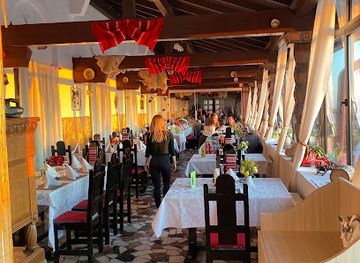
Best bars in Prahova
Prahova’s evening culture is strongest in Ploiești and the mountain resorts, while smaller towns and rural valleys tend towards early dinners, cafés, wine tastings and traditional pubs. Ploiești has the broadest choice of bars, restaurants, live music and late-night venues, with a more local urban atmosphere than the resort towns. Sinaia, Bușteni and Azuga offer hotel bars, cafés, restaurants and seasonal après-ski or live-music settings, especially during winter and summer holiday periods, but they do not form one continuous nightlife district. Wine bars and cellar tastings are a natural feature of the Dealu Mare area, where visits often depend on advance booking and transport between producers. In villages, evening social life commonly centres on family-run restaurants, inns or cafés rather than nightclubs. Opening arrangements and venue status change, so visitors should check locally rather than relying on old listings. Responsible drinking is particularly important when travelling on mountain roads or returning from remote wineries.
-
Restaurant
Casa Seciu
Experience authentic Romanian cuisine at Casa Seciu, a cozy restaurant and hotel in Boldești-Scăeni, where tradition meets hospitality.
-
Restaurant
Pub-Restaurant Bulevard
Experience the vibrant flavors and warm hospitality of Pub-Restaurant Bulevard in Ploiești, where every meal tells a story.
-
Bar
The Fable
Discover The Fable, Ploiești's charming bar offering delightful drinks and a vibrant atmosphere, perfect for relaxation and socializing.
-
Pub
Dublin Pub
Discover the vibrant atmosphere of Dublin Pub, a perfect blend of Irish culture, delicious cuisine, and live entertainment in Ploiești.


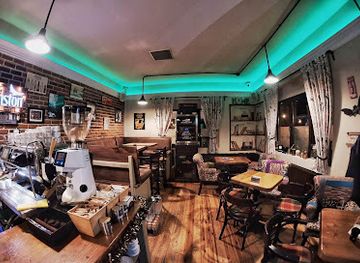

Best nightclubs in Prahova
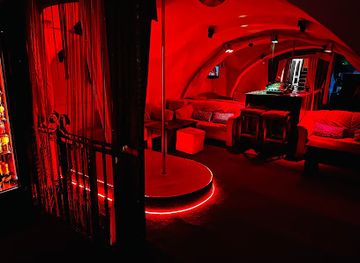
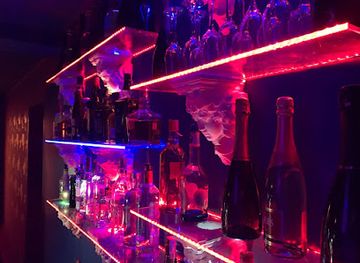
Prahova’s evening culture is strongest in Ploiești and the mountain resorts, while smaller towns and rural valleys tend towards early dinners, cafés, wine tastings and traditional pubs. Ploiești has the broadest choice of bars, restaurants, live music and late-night venues, with a more local urban atmosphere than the resort towns. Sinaia, Bușteni and Azuga offer hotel bars, cafés, restaurants and seasonal après-ski or live-music settings, especially during winter and summer holiday periods, but they do not form one continuous nightlife district. Wine bars and cellar tastings are a natural feature of the Dealu Mare area, where visits often depend on advance booking and transport between producers. In villages, evening social life commonly centres on family-run restaurants, inns or cafés rather than nightclubs. Opening arrangements and venue status change, so visitors should check locally rather than relying on old listings. Responsible drinking is particularly important when travelling on mountain roads or returning from remote wineries.
-
Bar
Club Touche
Discover the vibrant nightlife at Club Touche, Băicoi's favorite bar for affordable drinks and a lively atmosphere.
-
Club
NoX Lounge & Terrace
Discover the vibrant nightlife at NoX Lounge & Terrace in Ploiești, a stylish club and lounge perfect for drinks, dancing, and unforgettable experiences.
-
Night club
Pussycat night club brasov
Discover the energetic nightlife of Brașov at Pussycat Night Club, where music, fun, and excitement await every night of the week.
-
Adult entertainment club
Night Club Iceberg
Immerse yourself in the vibrant nightlife of Brașov at Night Club Iceberg, where unforgettable experiences await!


Best shops in Prahova
Ploiești provides Prahova’s broadest retail choice, with modern commercial areas, established high streets, supermarkets, bookshops and independent businesses. Sinaia, Bușteni and Azuga are oriented more towards visitors, offering outdoor equipment, winter-sports clothing, souvenirs, local food products and small craft shops rather than extensive designer shopping. Market towns such as Câmpina, Vălenii de Munte and Slănic are useful for everyday produce, seasonal fruit and vegetables, dairy goods, preserves and regional bakery items. Wine is the most distinctive purchase from southern Prahova: bottles from Dealu Mare producers can be found in specialist shops, winery cellars and some larger retailers, although transport and tasting arrangements should be considered before buying several bottles. Honey, jams, herbal products and locally made cheeses are practical gifts when purchased from reputable sellers. Traditional pottery, textiles and decorative objects appear in craft outlets and cultural venues, but availability varies. Markets are primarily places for local trade rather than permanent tourist attractions, so opening days and stock can change; smaller settlements generally offer a more limited and practical shopping experience than Ploiești or the mountain resorts.
-
Shopping mall
Coresi Shopping Center
Discover modern shopping and dining at Coresi Shopping Center in Brașov, a vibrant hub for tourists and locals alike.
-
Shopping mall
Ploiești Shopping City
Explore a world of shopping, dining, and entertainment at Ploiești Shopping City, the ultimate destination for tourists in Romania.
-
Store
AFI
Discover AFI Brașov, a vibrant shopping mall offering a unique blend of retail, dining, and entertainment experiences in the heart of Romania.
-
Shopping mall
Winmarkt Ploiești
Explore Winmarkt Ploiești, the ultimate shopping mall experience in Romania with diverse shops, delicious dining, and vibrant entertainment.



Get your free copy of our complete guide to Prahova, delivered straight to you.
Everything on this page, from attractions and restaurants to essentials and local phrases, in one PDF you can read offline, print or share.
Already have an account? Sign in
Your Prahova guide is ready.
We'll send it to · Not you? Sign out

Getting your guide ready…
We are putting together a fresh copy of the Prahova guide. This can take up to a minute.
This can take a few moments. If your browser asks, choose Allow so the download can start. You'll find the guide in your Downloads folder.
Nothing happened? Download it again
Sorry, the guide is taking longer than usual. Please try again in a minute, or get it by email instead.
Prahova essentials
Currency and Payment
Safety
Emergency Situations
Do's and Don'ts
Local Tips
From Eve
Local phrases worth knowing
You don't need to get them perfect. A few words go a long way, and locals appreciate the effort.
Basics
| English | Local | Say it |
|---|---|---|
| Hello | Salut | [sah-loot] |
| Goodbye | La revedere | [lah reh-veh-deh-reh] |
| Yes | Da | [dah] |
| No | Nu | [new] |
| Please/You're welcome | Te rog/ Cu plăcere | [teh rog / koo plah-cheh-reh] |
| Thank you | Mulțumesc | [mool-tsoo-mesk] |
| Excuse me/Sorry | Scuză-mă/Îmi pare rău | [skoo-zah-mah / im pah-reh roh] |
| How are you? | Ce mai faci? | [cheh mai fahch] |
| Fine. And you? | Bine. Și tu? | [bee-neh. shee too] |
| Do you speak English? | Vorbești engleză? | [vor-besht eng-leh-zah] |
| I don't understand | Nu înțeleg | [new un-tzeh-lehg] |
Eating & Drinking
| English | Local | Say it |
|---|---|---|
| I'd like to see the menu, please | Aș dori să văd meniul, vă rog | [ash doh-ree sah vahd meh-nee-ul, vah rog] |
| I don't eat meat | Nu mănânc carne | [new mah-nank kar-neh] |
| Cheers! | Noroc! | [noh-rok] |
| I would like to pay, please | Aș dori să plătesc, vă rog | [ash doh-ree sah plah-tessk, vah rog] |
Emergencies
| English | Local | Say it |
|---|---|---|
| Help! | Ajutor! | [ah-zhoo-tor] |
| Go away! | Pleacă! | [pleh-ah-kah] |
| Call the Police! | Suniți Poliția! | [soo-neets poh-leet-see-ah] |
| Call a doctor! | Suniți un doctor! | [soo-neets oon dok-tor] |
| I'm lost | M-am pierdut | [mam pee-er-doot] |
| I'm ill | Sunt bolnav | [soont bol-nahv] |
Shopping
| English | Local | Say it |
|---|---|---|
| I'd like to buy... | Aș dori să cumpăr... | [ash doh-ree sah koom-pair] |
| I'm just looking | Mă uit doar | [muh uit dor] |
| How much is it? | Cât costă? | [kut koh-stah] |
| That's too expensive | Asta e prea scump | [ahs-tah eh pree-ah skoomp] |
| Can you lower the price? | Poți să reduci prețul? | [pots sah reh-dooch preh-tzul] |
Time & Numbers
| English | Local | Say it |
|---|---|---|
| What time is it? | Ce oră este? | [cheh or-uh yeh-steh] |
| It's one o'clock | Este ora unu | [eh-steh or-uh oo-noo] |
| Half past (10) | Jumătate peste (10) | [joo-mah-tah-teh pes-teh] |
| Morning | Dimineața | [dee-mee-nya-tsah] |
| Afternoon | După-amiază | [doo-pah ah-mee-ah-zah] |
| Evening | Seara | [seh-ah-rah] |
| Yesterday | Ieri | [yehr] |
| Today | Astăzi | [ahs-tuhz] |
| Tomorrow | Mâine | [mee-neh] |
| 1 | 1 | [unu] |
| 2 | 2 | [doi] |
| 3 | 3 | [trei] |
| 4 | 4 | [patru] |
| 5 | 5 | [cinci] |
| 6 | 6 | [șase] |
| 7 | 7 | [șapte] |
| 8 | 8 | [opt] |
| 9 | 9 | [nouă] |
| 10 | 10 | [zece] |
Transport & Directions
| English | Local | Say it |
|---|---|---|
| Where's a/the...? | Unde e un/... | [oon-deh eh oon] |
| What's the address? | Care este adresa? | [kah-reh yeh-steh ah-dreh-sah] |
| Can you show me (on the map)? | Poți să-mi arăți (pe hartă)? | [pots sahm ah-rah-ts (peh hahr-tah)] |
| When's the next (bus)? | Când vine următorul (autobuz)? | [kund vee-neh oor-mah-toh-rul (ow-toh-booz)] |
| A ticket (to ....) | Un bilet (pentru ....) | [oon bee-let (pen-troo)] |
History of Prahova
Dacian and Roman Frontiers
The Prahova area formed part of the wider landscape inhabited by Dacian communities before the Roman conquest of Dacia in the early second century. Roman power was concentrated more strongly in neighbouring Transylvania and along the Danube than in every part of modern Prahova, but the valleys and passes linking Wallachia with the Carpathians were significant routes of movement. Archaeological evidence from the broader region records settlements, roads and material exchange across the mountain approaches. Later communities inherited a strategic corridor between the plains and the Transylvanian passes, a role that continued to shape Prahova’s medieval and modern development.
Medieval Trade Through the Carpathian Passes
From the Middle Ages, the Prahova Valley became an important route between Wallachia and Transylvania. Roads crossing the mountains carried merchants, livestock, salt and other goods, while customs points and settlements developed around the movement of people and merchandise. Sinaia grew around its monastery and mountain route, and Comarnic, Bușteni and other communities benefited from traffic through the valley. The region’s position also made it politically sensitive, as rulers of Wallachia sought to control access towards the passes and the commercial centres beyond them.
Monasteries, Estates and the Rise of Sinaia
Sinaia Monastery was founded in the late seventeenth century by Prince Mihail Cantacuzino after a pilgrimage to the Sinai Peninsula, giving the settlement both its name and an enduring religious landmark. During the nineteenth century, improved roads, railways and Romania’s emergence as a modern kingdom transformed the surrounding valley into a fashionable mountain retreat. The royal family selected Sinaia for a summer residence, and the resulting estates, villas and public buildings established the town’s distinctive architectural character. The monastery and royal complex remain central to Prahova’s cultural identity.
Oil, Industry and Modern Ploiești
Prahova became one of Romania’s principal petroleum regions during the nineteenth century, with extraction and refining expanding around Ploiești and the surrounding plain. The industry stimulated investment, engineering, rail connections and urban growth, while also creating difficult working and environmental conditions. Ploiești’s museums preserve the story of petroleum technology and the people who built the region’s industrial economy. Oil wealth helped distinguish the county from nearby agricultural districts and connected Prahova to international markets long before the twentieth-century expansion of mass tourism in the mountains.
The Royal Castles of Peleș and Pelișor
King Carol I chose the Sinaia area for Peleș Castle, built from the 1870s onwards as a summer residence for the Romanian royal family. Its elaborate architecture, interiors and collections reflected the ambitions of the newly independent kingdom and the European connections of its court. Pelișor Castle, completed later for Ferdinand and Marie, has a more intimate character and is particularly associated with Queen Marie’s taste and artistic influence. Together with the surrounding estate, the buildings illustrate how monarchy, architecture and tourism reshaped Sinaia at the turn of the twentieth century.
The 1943 Oil Campaign and Wartime Destruction
During the Second World War, the refineries and oil installations around Ploiești were among the most strategically important fuel targets in Europe. On 1 August 1943, Allied aircraft carried out Operation Tidal Wave, a major low-level attack intended to reduce petroleum production for the Axis war effort. The raid caused extensive destruction and heavy losses among the attacking forces, while later bombing and wartime disruption further affected the city and its industrial zone. The campaign remains an important part of Ploiești’s twentieth-century history and Romania’s wartime landscape.
Communism and Post-1989 Transformation
After 1945, Prahova’s oil industry, railways and factories were incorporated into Romania’s centrally planned economy. Ploiești expanded as an industrial city, while the mountain resorts developed accommodation and facilities for state-organised holidays and winter tourism. The communist period also left its mark on urban architecture and industrial landscapes. Following the 1989 revolution, private enterprise, heritage tourism, wine production and international travel brought new investment, although some industrial sites and resort buildings still reveal the uneven transition from a planned economy to a more commercial system.
Prahova in Photos
Browse through our photo collection highlighting the charm and character of the destination.
Neighbouring regions of Prahova
The closest regions to Prahova, if you have time for more than one.
-

-

-

-

-


Swipe for more regions
Explore more

Explore more of Romania
Discover Romania's blend of mystical castles, enchanting landscapes, and vibrant culture. Experience the rich history and natural beauty that make Romania a unique travel destination.
Explore Romania