

Free Caraș-Severin Travel Guide & Mobile App
Explore Caraș-Severin with free travel guides. Discover regional history, expert tips, proposed trips, and audio guides on web or mobile app.


Explore Caraș-Severin for Carpathian gorges, Danube landscapes, historic spas, industrial heritage and adventurous walking in south-western Romania.
Read more about Caraș-Severin
When is the best time to visit Caraș-Severin?
Best: June, August–September · 23–28°C| Month | High (°C) | Rainfall (mm) |
|---|---|---|
| January | 4 | 41 |
| February | 5 | 35 |
| March | 11 | 47 |
| April | 16 | 55 |
| May | 22 | 70 |
| June (best) | 26 | 69 |
| July | 28 | 59 |
| August (best) | 28 | 55 |
| September (best) | 23 | 50 |
| October | 16 | 48 |
| November | 9 | 50 |
| December | 4 | 44 |
Getting to and around Caraș-Severin
How to get there
Transportation
Top city travel guides in Caraș-Severin
The cities of Caraș-Severin, and the easiest places to base yourself.
-

-


Swipe for more cities
Destinations in Caraș-Severin
Resorts, valleys and scenic spots worth a trip of their own.
-

-


Swipe for more destinations
Best attractions in Caraș-Severin
Caraș-Severin’s attractions are shaped by its mountains and by the long relationship between people, minerals and transport. Cheile Nerei–Beușnița National Park is the county’s outstanding destination for walking, with limestone gorges, blue-green pools, caves, forest paths and waterfalls reached from several rural approaches. Domogled–Valea Cernei National Park offers a different mountain setting around the Cerna valley, combining rugged cliffs, karst formations, hiking routes and the thermal resort of Băile Herculane. The Semenic Mountains provide upland scenery, forest recreation and winter sports near Reșița. For history and culture, visitors can explore Reșița’s industrial heritage, the older urban character of Caransebeș, Oravița’s theatre and the engineering story of the Oravița–Anina railway. The Danube corridor around Moldova Nouă adds river viewpoints, borderland villages and boating possibilities, while caves, churches, rural guesthouses and traditional food extend the experience beyond the principal sights.
-
Tourist attraction
Rock Sculpture of Decebalus
Explore the towering Rock Sculpture of Decebalus, a historical marvel that showcases the rich heritage and stunning landscapes of Romania.
-
Tourist attraction
Bigar Cascade Falls
Explore the breathtaking beauty of Bigar Cascade Falls, a serene natural wonder in Romania, perfect for nature lovers and photography enthusiasts alike.
-
Tourist attraction
The Statue of Heracles
Discover the awe-inspiring Statue of Heracles in Băile Herculane, a blend of history, artistry, and breathtaking natural beauty.
-
Tourist attraction
Izvorul Bigar
Discover the breathtaking Izvorul Bigar, a hidden gem in Romania featuring a stunning waterfall and lush nature trails perfect for adventurers and nature lovers.


Best landmarks in Caraș-Severin
The most recognisable landmarks of Caraș-Severin range from industrial structures to mountain scenery. Reșița’s industrial heritage is expressed through its long-established ironworking landscape and the city’s locomotive tradition, which distinguish it from Romania’s more conventionally historic towns. In Oravița, the Mihai Eminescu Theatre, opened in the nineteenth century, reflects the cultural ambitions of a former mining and administrative centre. The Oravița–Anina railway is itself a landmark of engineering, crossing the Anina Mountains by viaducts, tunnels and steep alignments. Băile Herculane’s historic spa buildings and the Roman thermal legacy of Ad Aquas Herculi evoke successive eras of healing and imperial leisure, even though the architectural ensemble is unevenly preserved. In the natural world, the limestone walls of Cheile Nerei, the cascades of Beușnița, the Cerna valley’s rugged slopes and the Danube gorge near Moldova Nouă provide the county’s most powerful visual markers. Together they show how geology, industry and resort culture have shaped its identity.
-
Tourist attraction
Bigar Cascade Falls
Experience the breathtaking beauty of Bigar Cascade Falls, a hidden gem in Romania perfect for nature lovers and adventurers.
-
Nature preserve
Izvorul Bigar
Explore the natural beauty of Izvorul Bigar, home to Romania's enchanting waterfall and breathtaking landscapes, perfect for nature lovers and adventurers.
-
Fortress
The Fortress of Severin
Discover the Fortress of Severin, a historic site on the banks of the Danube, offering stunning views and a journey through Romania's rich past.
-
National park
Cheile Nerei-Beușnița National Park
Explore Cheile Nerei-Beușnița National Park, Romania's breathtaking natural wonderland filled with majestic gorges, stunning waterfalls, and rich biodiversity.


Explore Caraș-Severin on the map
Plan your trip on one map. See where the top cities, national parks and sights are, and book hotels and experiences in a few clicks.
Best hotels in Caraș-Severin
Best restaurants in Caraș-Severin
Dining in Caraș-Severin reflects the meeting of Romanian, Banat, Serbian and Central European influences. Town restaurants and rural guesthouses commonly serve soups, stews, grilled meats, freshwater fish, stuffed vegetables and baked dishes, while menus may include regional versions of ćevapi, papanași and savoury pastries. Around the Danube, fish dishes and peppers are natural features of local cooking; in upland villages, hearty pork, poultry, cabbage and potato preparations suit the cooler climate. Plum brandy and other homemade fruit spirits are traditional offerings, though visitors should drink cautiously and only accept products from reputable sources. Reșița, Caransebeș and Băile Herculane provide the broadest choice of cafés, bakeries and restaurants, while village accommodation often offers meals based on seasonal produce. Markets and small food shops are useful for cheese, bread, preserves, honey and fruit when travelling between trailheads.
-
Restaurant
Restaurant Taverna Sârbului
Discover the rich flavors of Romania at Taverna Sârbului, where tradition meets modern cuisine amidst stunning views.
-
Pizza
Pizzeria Roberto
Experience authentic Italian cuisine at Pizzeria Roberto in Caransebeș - where every slice tells a story.
-
Restaurant
La Mărgan
Discover the flavors of Romania at La Mărgan, where local cuisine meets inviting ambiance in the heart of Caransebeș.
-
Bistro
”OPIUM” - CAFFE-BAR & LOUNGE
Discover the vibrant charm of OPIUM Caffe-Bar & Lounge in Caransebeș—where great food meets lively ambiance!


Best bars in Caraș-Severin
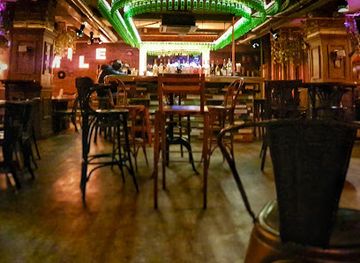
Evening life in Caraș-Severin is concentrated in Reșița, Caransebeș and Băile Herculane rather than spread across the countryside. Reșița and Caransebeș have cafés, beer bars and restaurants where residents meet after work, with occasional live music or late-night entertainment; the atmosphere is generally local and informal rather than built around a large club scene. Băile Herculane’s evenings tend to centre on hotel bars, terraces and restaurants, especially during the warmer season, when spa visitors and hikers remain in town after dark. In smaller settlements, traditional pubs and guesthouse dining are more realistic than dedicated nightlife venues. Craft beer, Romanian wines, coffee and regional fruit spirits may appear on menus, but evening culture is not dependent on drinking. Check current arrangements locally, as seasonal businesses and entertainment schedules can change.
-
Bar
”OPIUM” - CAFFE-BAR & LOUNGE
Experience the vibrant atmosphere and delightful flavors at OPIUM - CAFFE-BAR & LOUNGE in Caransebeș, where every visit is a memorable adventure.
-
Pub
C’PUB
Experience the vibrant atmosphere and local charm of C’PUB, a top destination for drinks and socializing in Drobeta-Turnu Severin.
-
Pub
Mood Factory
Discover Mood Factory, Reșița's vibrant pub offering a perfect blend of local charm, diverse drinks, and lively entertainment for an unforgettable evening.
-
Bar
SBSCHILNICEANUSRL
Experience the vibrant atmosphere and local flavors at SBSCHILNICEANUSRL, Bocșa's beloved bar for relaxation and social fun.



Best nightclubs in Caraș-Severin
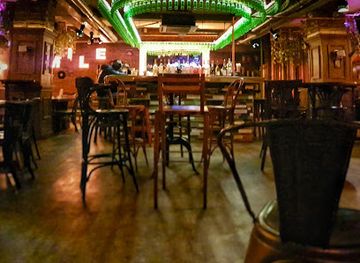
Evening life in Caraș-Severin is concentrated in Reșița, Caransebeș and Băile Herculane rather than spread across the countryside. Reșița and Caransebeș have cafés, beer bars and restaurants where residents meet after work, with occasional live music or late-night entertainment; the atmosphere is generally local and informal rather than built around a large club scene. Băile Herculane’s evenings tend to centre on hotel bars, terraces and restaurants, especially during the warmer season, when spa visitors and hikers remain in town after dark. In smaller settlements, traditional pubs and guesthouse dining are more realistic than dedicated nightlife venues. Craft beer, Romanian wines, coffee and regional fruit spirits may appear on menus, but evening culture is not dependent on drinking. Check current arrangements locally, as seasonal businesses and entertainment schedules can change.
-
Pub
Soho House
Discover the vibrant Soho House in Reșița, a pub offering delicious cuisine, refreshing drinks, and a lively atmosphere perfect for socializing.
-
Night club
Ponton Casa Baraj
Experience the vibrant nightlife at Ponton Casa Baraj, a lively club and bar offering stunning lakeside views and delightful drinks in Văliug.
-
Bar
”OPIUM” - CAFFE-BAR & LOUNGE
Discover the vibrant atmosphere of OPIUM Caffe-Bar & Lounge in Caransebeș, where contemporary design meets local charm.
-
Pub
C’PUB
Experience the vibrant atmosphere of C’PUB in Drobeta-Turnu Severin, offering a great selection of drinks and a lively social scene.


Best shops in Caraș-Severin
Shopping in Caraș-Severin is primarily local and practical, with the broadest choice in Reșița, Caransebeș and Băile Herculane. Town high streets, food shops and markets are useful for bread, cheese, honey, preserves, seasonal fruit and locally produced spirits, while smaller villages may offer goods through guesthouses or informal roadside stalls. Visitors looking for souvenirs should consider regional food products, woven items, pottery, woodwork and small craft pieces, but availability varies and provenance is worth asking about. Reșița is the best place to look for books or objects connected with the county’s industrial and railway heritage, while spa shops in Băile Herculane cater more to visitors seeking regional products and holiday essentials. Weekly markets and open-air stalls can be more interesting than conventional retail, although their days and scale differ between communities. Larger Romanian retail chains are found in the principal towns rather than in national park areas.
-
Store
Severin Shopping Center
Explore the vibrant Severin Shopping Center in Drobeta-Turnu Severin: a shopping haven with diverse stores, delicious food, and exciting events.
-
Shopping mall
Nera Shopping Center
Experience the vibrant shopping and dining scene at Nera Shopping Center in Reșița, a must-visit destination for all tourists.
-
Discount store
Travel FREE Shop Turnu-Severin
Explore incredible discounts and local finds at Travel FREE Shop in Drobeta-Turnu Severin, the ultimate shopping destination for savvy tourists.
-
Produce market
Piața Agroalimentară Reșița Sud
Experience local flavors and vibrant culture at Piața Agroalimentară Reșița Sud, a must-visit produce market in Reșița, Romania.


Get your free copy of our complete guide to Caraș-Severin, delivered straight to you.
Everything on this page, from attractions and restaurants to essentials and local phrases, in one PDF you can read offline, print or share.
Already have an account? Sign in
Your Caraș-Severin guide is ready.
We'll send it to · Not you? Sign out

Getting your guide ready…
We are putting together a fresh copy of the Caraș-Severin guide. This can take up to a minute.
This can take a few moments. If your browser asks, choose Allow so the download can start. You'll find the guide in your Downloads folder.
Nothing happened? Download it again
Sorry, the guide is taking longer than usual. Please try again in a minute, or get it by email instead.
Caraș-Severin essentials
Currency and Payment
Safety
Emergency Situations
Do's and Don'ts
Local Tips
From Eve
Local phrases worth knowing
You don't need to get them perfect. A few words go a long way, and locals appreciate the effort.
Basics
| English | Local | Say it |
|---|---|---|
| Hello | Salut | [sah-loot] |
| Goodbye | La revedere | [lah reh-veh-deh-reh] |
| Yes | Da | [dah] |
| No | Nu | [noo] |
| Please/You’re welcome | Te rog/ Cu plăcere | [teh rog/ koo plah-cheh-reh] |
| Thank you | Mulțumesc | [mool-tsoo-mesk] |
| Excuse me/Sorry | Scuză-mă/Îmi pare rău | [skoo-zah-muh/ uhm pah-reh rah-oo] |
| How are you? | Ce mai faci? | [cheh mai fahch] |
| Fine. And you? | Bine. Tu? | [bee-neh. too?] |
| Do you speak English? | Vorbești engleză? | [vor-besht en-gleh-zuh] |
| I don't understand | Nu înțeleg | [noo uhn-tseh-leg] |
Eating & Drinking
| English | Local | Say it |
|---|---|---|
| I’d like to see the menu, please | Aș dori să văd meniul, vă rog | [ahsh doh-ree sah vehd meh-nee-ul, vah rog] |
| I don't eat meat | Nu mănânc carne | [noo muh-nuhnch kar-neh] |
| Cheers! | Noroc! | [noh-rok] |
| I would like to pay, please | Aș dori să plătesc, vă rog | [ahsh doh-ree sah plah-tehsk, vah rog] |
Emergencies
| English | Local | Say it |
|---|---|---|
| Help! | Ajutor! | [ah-zhoo-tor] |
| Go away! | Du-te! | [doo-teh] |
| Call the Police! | Sună Poliția! | [soo-nah poh-lee-tsee-ah] |
| Call a doctor! | Sună un doctor! | [soo-nah oon dok-tor] |
| I’m lost | M-am pierdut | [mahm pyehr-doot] |
| I’m ill | Sunt bolnav | [soont bol-nahv] |
Shopping
| English | Local | Say it |
|---|---|---|
| I’d like to buy... | Aș dori să cumpăr... | [ahsh doh-ree sah koom-pair...] |
| I’m just looking | Mă uit doar | [muh uit doar] |
| How much is it? | Cât costă? | [kuht koh-stah] |
| That’s too expensive | Asta e prea scump | [ahs-tah eh preh-ah skoomp] |
| Can you lower the price? | Poți să scazi prețul? | [poh-tsih sah skahz prehts-ul] |
Time & Numbers
| English | Local | Say it |
|---|---|---|
| What time is it? | Ce oră e? | [cheh oh-rah eh] |
| It’s one o'clock | E o oră | [eh oh oh-rah] |
| Half past (10) | Jumătate după (10) | [zhoo-mah-tah-teh doo-pah (10)] |
| Morning | Dimineața | [dee-mee-neh-ah-tsah] |
| Afternoon | După-amiaza | [doo-pah ah-mee-ah-zah] |
| Evening | Seara | [sah-rah] |
| Yesterday | Ieri | [yeh-ree] |
| Today | Astăzi | [ahs-tahz] |
| Tomorrow | Mâine | [mee-neh] |
| 1 | 1 | [unu] |
| 2 | 2 | [doi] |
| 3 | 3 | [trei] |
| 4 | 4 | [patru] |
| 5 | 5 | [cinci] |
| 6 | 6 | [șase] |
| 7 | 7 | [șapte] |
| 8 | 8 | [opt] |
| 9 | 9 | [nouă] |
| 10 | 10 | [zece] |
Transport & Directions
| English | Local | Say it |
|---|---|---|
| Where's a/the...? | Unde este un/...? | [oon-deh yeh-steh oon...?] |
| What’s the address? | Care este adresa? | [kah-reh yeh-steh ah-dreh-sah] |
| Can you show me (on the map)? | Îmi poți arăta (pe hartă)? | [uhem pohtz ah-rah-tah (peh hahr-tah)?] |
| When’s the next (bus)? | Când vine următorul (autobuz)? | [kand vee-neh oor-mah-toh-rool (ow-toh-booz)?] |
| A ticket (to ....) | Un bilet (spre ...) | [oon bee-let (spre ...)] |
History of Caraș-Severin
Ancient Communities and Roman Dacia
The region’s mountains and river valleys have supported settlement since prehistoric times, with traces of mining, farming and fortified communities appearing across the Banat uplands. Roman power reached the area after the conquest of Dacia in the early second century. The spa at modern Băile Herculane was developed as Ad Aquas Herculi, a thermal settlement associated with the cult of Hercules and linked to the wider Roman military and administrative system. Roman roads, military movement and mineral resources helped connect the area to the empire, although later centuries brought major political and demographic change.
Medieval Fortresses and the Banat Frontier
During the medieval period, the corridor around the Timiș, Cerna and Danube rivers acquired strategic importance between the Hungarian Kingdom, local political authorities and the Ottoman world. Fortified sites such as Mehadia guarded routes through the mountains, while Caransebeș became an important ecclesiastical and commercial centre. The region’s position on a frontier meant that settlements experienced shifting loyalties, military pressure and population movement. Medieval churches, archaeological remains and the plans of older towns preserve elements of this long history, even where later reconstruction has altered the visible fabric.
Ottoman Rule and Habsburg Reconquest
From the sixteenth century, much of the Banat was drawn into the Ottoman sphere, and the area around the Danube and mountain passes became a contested military zone. Habsburg forces reconquered the Banat in the early eighteenth century, after which the territory was reorganised as a frontier province of the Habsburg Monarchy. New administrative systems, military settlements and planned colonisation brought Romanians, Serbs, Germans and other communities into closer contact. The region’s later multicultural character and many village layouts reflect these imperial transformations.
Mining, Ironworking and Reșița’s Rise
Industrial development accelerated under Habsburg administration, particularly through mining and metal production. Reșița became the centre of an important ironworking complex in the eighteenth century, drawing on local ore, timber and water power. Its furnaces, workshops and engineering works expanded through the nineteenth century, when the town became closely associated with railway equipment, locomotives and heavy industry. Industrialisation changed employment, settlement patterns and regional identity, leaving a powerful legacy in Reșița’s museums, former industrial sites and urban landscape.
Railways Through the Mountains
Railway construction transformed access to the Banat mountains during the nineteenth century. The Oravița–Anina line, opened in stages in the 1860s, crossed steep terrain with tunnels, viaducts and tight curves, linking the mining district with wider transport networks. It is remembered both as an engineering achievement and as evidence of the economic importance once attached to the region’s mineral resources. Other railway connections strengthened Caransebeș and Reșița, helped move industrial goods and gradually integrated mountain settlements with the larger markets of the Habsburg lands.
Băile Herculane as an Imperial Spa
The thermal springs at Băile Herculane attracted renewed attention in the eighteenth and nineteenth centuries, when the resort was developed under Habsburg patronage. Neoclassical and historicist buildings, promenades and treatment facilities gave the town an elegant spa character, and members of the imperial court visited during the resort’s nineteenth-century heyday. Although parts of the historic ensemble have suffered neglect and uneven restoration, the town still reveals how bathing culture, medical tourism and imperial leisure reshaped an ancient thermal site.
Twentieth-Century Industry and Environmental Heritage
The twentieth century brought nationalisation, expanded heavy industry and major social change to Reșița and other industrial settlements. After the collapse of state-socialist industry, employment and infrastructure faced difficult adjustment, while the county’s natural assets gained greater prominence in tourism and conservation. Cheile Nerei–Beușnița National Park, Domogled–Valea Cernei National Park and the Semenic area now represent a different form of regional value, centred on forests, karst landscapes, biodiversity and outdoor recreation. The contemporary county therefore carries both an industrial memory and a growing environmental identity.
Caraș-Severin in Photos
Browse through our photo collection highlighting the charm and character of the destination.
Neighbouring regions of Caraș-Severin
The closest regions to Caraș-Severin, if you have time for more than one.
-

-
-

-

-


Swipe for more regions
Explore more

Explore more of Romania
Discover Romania's blend of mystical castles, enchanting landscapes, and vibrant culture. Experience the rich history and natural beauty that make Romania a unique travel destination.
Explore Romania