

Gorj, Romania Travel Guide
Discover Gorj in Romania: A blend of natural beauty, rich history, and vibrant culture with stunning landscapes, cultural landmarks, and traditional Romanian villages.
Nestled in the southwestern part of Romania, Gorj is a hidden gem offering a blend of natural beauty, rich history, and vibrant culture. This county is renowned for its stunning landscapes, including the majestic Carpathian Mountains and the serene meadows that stretch as far as the eye can see. The Jiu River meanders through the region, providing picturesque views and opportunities for outdoor activities like hiking, fishing, and boating. Gorj is also steeped in history and culture, making it a fascinating destination for history buffs and art lovers alike. The town of Târgu Jiu is home to the famous sculptor Constantin Brâncuși's masterpieces, including the Endless Column, the Gate of the Kiss, and the Table of Silence. These works of art are not only significant for their aesthetic value but also for their deep cultural and historical meanings. The region is dotted with charming villages where traditional Romanian life continues much as it has for centuries. Visitors can explore local crafts, taste authentic Romanian cuisine, and experience the warm hospitality of the Gorj people. Don't miss the chance to visit the Polovragi Cave, a natural wonder filled with stalactites and stalagmites that tell the story of the earth's ancient history.

Know before you go
Hi, I'm Eve. Here are a few practical things to know before exploring Gorj.
- Visit Târgu Jiu to see Constantin Brâncuși's famous sculptures.
- Explore the Polovragi Cave for a unique geological experience.
- Take a hike in the Carpathian Mountains to enjoy breathtaking views.
- Try local Romanian dishes at traditional village restaurants.
- Visit during local festivals to experience the region's vibrant culture and traditions.
Top City Travel Guides in Gorj
The cities of Gorj, and the easiest places to base yourself.

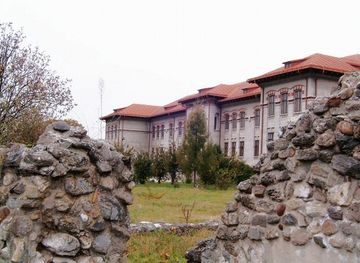
Destinations in Gorj
Resorts, valleys and scenic spots worth a trip of their own.


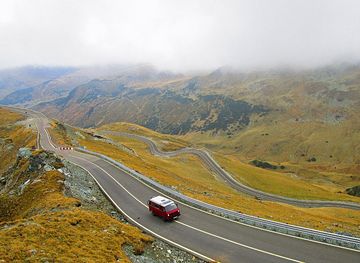
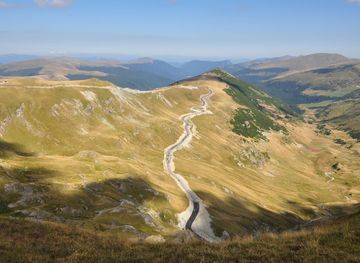
Explore Gorj: Things to Do, Places to Eat, Hotels & More
Handpicked recommendations for top attractions, local dining, accommodations, and more

Top Attractions & Sightseeing in Gorj
Top-rated picks
Best Attractions

The Gate of the Kiss
Explore The Gate of the Kiss in Târgu Jiu—an iconic monument by Constantin Brâncuși, symbolizing love amidst the beauty of Romanian culture.

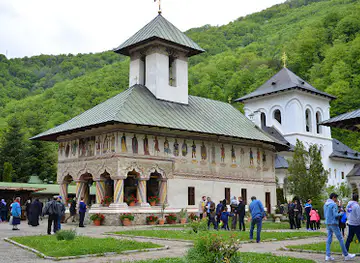
Lainici Monastery
Experience tranquility and spirituality at Lainici Monastery, a stunning Romanian convent surrounded by breathtaking landscapes.
"Defileul Jiului" National Park
Explore the breathtaking landscapes and diverse wildlife of Defileul Jiului National Park, a hidden gem in Romania for nature lovers and adventure seekers.

The Table of Silence
Explore The Table of Silence in Târgu Jiu, a masterpiece by Constantin Brâncuși that embodies peace and artistic brilliance amidst nature.

Best landmarks in Gorj
Top-rated picks
Best Landmarks

The Infinite Column
Explore the Infinite Column in Târgu Jiu, a stunning monument by sculptor Constantin Brâncuși, symbolizing Romanian culture and history.

The Gate of the Kiss
Explore the Gate of the Kiss in Târgu Jiu, a monumental tribute to love and artistry by Constantin Brâncuși, set in a beautiful park.

Lainici Monastery
Discover the spiritual beauty and rich heritage of Lainici Monastery, a serene sanctuary in Romania surrounded by stunning landscapes.

Park of the Infinite Column
Explore the breathtaking Park of the Infinite Column in Târgu Jiu, a masterpiece by Constantin Brâncuși, and immerse yourself in Romanian culture.

Best restaurants in Gorj
Top-rated picks
Best Restaurants

Terasa ANNA
Experience delightful local cuisine at Terasa ANNA in Târgu Jiu – where every meal is a celebration of flavor.

Complex turistic Cheile Butii
Savor authentic Romanian cuisine at Complex Turistic Cheile Butii amidst breathtaking landscapes in Câmpu lui Neag.

Restaurant Casa Vera
Experience authentic Romanian flavors at Restaurant Casa Vera in Târgu Jiu - where every dish tells a story.

Ambasador
Experience culinary delights at Ambasador in Târgu Jiu - home to delicious pizzas and exquisite desserts in a welcoming atmosphere.

Best bars in Gorj
Top-rated picks
Best Bars

Terasa ANNA
Experience authentic Romanian cuisine at Terasa ANNA, Târgu Jiu's charming restaurant with a delightful terrace and inviting ambiance.

Hanul Domnesc
Experience authentic Romanian cuisine at Hanul Domnesc in Târgu Jiu, where tradition meets modern dining in a warm, inviting atmosphere.

Madam Terrasse gibt nicht mehr !
Discover the heart of Romanian cuisine at Madam Terrasse in Târgu Jiu, where every dish tells a story of tradition and flavor.

Rebecca Events
Discover the culinary delights of Târgu Jiu at Rebecca Events, where local flavors meet exceptional service in a welcoming atmosphere.

Best nightclubs in Gorj
Top-rated picks
Best Nightclubs

Anna Summer Events
Enjoy summer bliss at Anna Summer Events, Târgu Jiu's top public swimming pool, where relaxation meets fun for the whole family.

IRISH PUB (Colofan SRL)
Discover the heart of Irish hospitality at Târgu Jiu's IRISH PUB, a vibrant spot for food, drinks, and live entertainment.

Caractere
Experience the heart of Târgu Jiu at Caractere, where cozy ambiance meets delicious coffee and local culture.

WILD NOVICOFF EVENTS
Discover electrifying nightlife at Wild Novicoff Events in Hirișești, where great music, beautiful gardens, and delightful cocktails await you.

Best shops in Gorj
Top-rated picks
Best Shops

Shopping City
Discover Shopping City in Târgu Jiu: Your go-to destination for shopping, dining, and entertainment in a lively atmosphere.

Carrefour
Discover Carrefour in Târgu Jiu: Your one-stop hypermarket for groceries, local flavors, and exceptional shopping experiences.

KFC
Experience the iconic flavors of KFC in Târgu Jiu, where delicious fried chicken meets a welcoming atmosphere for all.

B&B Collection
Explore the exquisite jewelry and watch collections at B&B Collection, a top destination in Târgu Jiu for discerning shoppers.

Explore Gorj on the Map
A handpicked selection of must-see spots in Gorj, mapped for you.
Gorj Essentials
-
Gorj County is located in the southwestern part of Romania. The nearest major airport is Craiova International Airport (CRA), which is about 120 kilometers away. Alternatively, you can fly into Henri Coandă International Airport (OTP) in Bucharest, approximately 300 kilometers from Gorj. From either airport, you can take a train or bus to Târgu Jiu, the main city in Gorj. Trains operated by CFR (Romanian Railways) offer a scenic and comfortable way to travel, while buses provide a more direct route.
-
Within Gorj, public transportation is available, including buses and taxis. Târgu Jiu, the county seat, has a reliable bus system that connects major points of interest. For more flexibility, consider renting a car, which allows you to explore the picturesque countryside and smaller villages at your own pace. Biking is another great option for those looking to enjoy the natural beauty of the region.
-
The official currency of Romania is the Romanian Leu (RON). Credit and debit cards are widely accepted in major hotels, restaurants, and shops in Târgu Jiu and other larger towns. However, in rural areas and small establishments, cash is often preferred. ATMs are readily available in urban areas, so it is advisable to withdraw sufficient cash before venturing into more remote parts of Gorj.
-
Gorj is generally a safe destination for tourists. Standard precautions should still be taken, such as avoiding poorly lit areas at night and keeping an eye on personal belongings. While there are no specific high-crime areas targeting tourists, it is always best to stay vigilant. Târgu Jiu and its surroundings are known for their welcoming and friendly atmosphere.
-
In case of an emergency, dial 112, the European emergency number, which connects you to police, fire, and medical services. Târgu Jiu has a well-equipped hospital and several clinics. Pharmacies are also available in most towns for minor health issues. It is highly recommended to have travel insurance that covers medical emergencies.
-
Fashion: Do dress conservatively, especially when visiting religious sites. Avoid overly casual or revealing clothing. Religion: Do respect local customs. When entering churches or monasteries, cover your head and dress modestly. Public Transport: Do give up your seat to elderly passengers. Don't speak loudly or eat on public transportation. Greetings: Do greet people with a handshake and maintain eye contact. Eating & Drinking: Do try local dishes and accept food offerings graciously. Don't refuse hospitality, as it is considered impolite.
-
To experience Gorj like a local, visit the local markets in Târgu Jiu where you can buy fresh produce and traditional Romanian goods. Engage with locals, who are often friendly and eager to share stories about the region's history and culture. Don't miss the chance to see the works of Constantin Brâncuși, a famous Romanian sculptor, in Târgu Jiu. For a unique experience, explore the natural parks and hiking trails that offer stunning views of the Carpathian Mountains.
When is the best time to visit Gorj?
Useful Local Phrases for Gorj
You don't need to speak the language perfectly. Even learning a few simple words can make conversations warmer—and locals usually appreciate the effort.
— Eve

Here are the phrases I use most often in Gorj. Try a few—you'll be surprised how far they go! 😊
❤️
-
- HelloBună
[Boo-nuh] - GoodbyeLa revedere
[Lah reh-veh-deh-reh] - YesDa
[Dah] - NoNu
[Noo] - Please/You’re welcomeTe rog
[Teh rog] - Thank youMulțumesc
[Mool-tzoo-mesc] - Excuse me/SorryScuză-mă
[Skoo-zuh-muh] - How are you?Ce mai faci?
[Cheh my fahch?] - Fine. And you?Bine. Și tu?
[Bee-neh. Shee too?] - Do you speak English?Vorbești engleză?
[Vor-besht eng-leh-zuh?] - I don’t understandNu înțeleg
[Noo un-tzeh-leg]
- HelloBună
-
- I’d like to see the menu, pleaseAș dori să văd meniul, te rog
[Ash doh-ree suh vehd meh-nee-ul, teh rog] - I don’t eat meatNu mănânc carne
[Noo muh-neenk kar-neh] - Cheers!Noroc!
[No-rok!] - I would like to pay, pleaseAș dori să plătesc, te rog
[Ash doh-ree suh plah-tesk, teh rog]
- I’d like to see the menu, pleaseAș dori să văd meniul, te rog
-
- Help!Ajutor!
[Ah-joo-tor!] - Go away!Du-te!
[Doo-teh!] - Call the Police!Sună Poliția!
[Soo-nah Poh-lee-tsee-uh!] - Call a doctor!Sună un doctor!
[Soo-nah oon dok-tor!] - I’m lostM-am pierdut
[Mahm pee-er-doot] - I’m illSunt bolnav
[Soont bol-nahv]
- Help!Ajutor!
-
- I’d like to buy...Aș dori să cumpăr...
[Ash doh-ree suh koom-per...] - I’m just lookingMă uit doar
[Muh oot dor] - How much is it?Cât costă?
[Koot kos-tuh?] - That’s too expensiveE prea scump
[Eh preh skoomp] - Can you lower the price?Poți să scazi prețul?
[Poh-tsee suh skahz preh-tzul?]
- I’d like to buy...Aș dori să cumpăr...
-
- What time is it?Cât e ceasul?
[Koot eh chah-sool?] - It’s one o’clockE o oră
[Eh o oh-rah] - Half past (10)Jumătate după (10)
[Joo-muh-tah-teh doo-pah (10)] - MorningDimineața
[Dee-mee-nya-tsa] - AfternoonDupă-amiaza
[Doo-pah ah-mee-ah-zah] - EveningSeara
[Sear-ah] - YesterdayIeri
[Yair] - TodayAstăzi
[As-tuhz] - TomorrowMâine
[Mih-neh] - 11
[1] - 22
[2] - 33
[3] - 44
[4] - 55
[5] - 66
[6] - 77
[7] - 88
[8] - 99
[9] - 1010
[10]
- What time is it?Cât e ceasul?
-
- Where's a/the...?Unde e...?
[Oon-deh eh...?] - What's the address?Care e adresa?
[Kah-reh eh ah-dreh-sah?] - Can you show me (on the map)?Îmi poți arăta (pe hartă)?
[Uhmee pohts ah-rah-tah (peh har-tuh)?] - When's the next (bus)?Când e următorul (autobuz)?
[Kund eh oor-mah-toh-rool (ow-toh-booz)?] - A ticket (to ....)Un bilet (la....)
[Oon bee-let (lah....)]
- Where's a/the...?Unde e...?
History of Gorj
-
Gorj County is steeped in the ancient history of the Dacians, the indigenous people who inhabited the area before the Roman conquest. Archaeological findings in sites like Polovragi Cave and the ruins of Sarmizegetusa Regia reveal a complex society that thrived through agriculture, metalworking, and trade. These sites offer a glimpse into the advanced craftsmanship and spiritual life of the Dacians, whose influence is still felt in local traditions and folklore.
-
In 106 AD, Gorj was incorporated into the Roman Empire after the defeat of the Dacian Kingdom. The Romans left an indelible mark on the region, constructing roads, fortifications, and settlements. The remnants of Roman architecture can be seen at numerous archaeological sites, including the well-preserved fortress at Bumbești-Jiu. These relics speak to the strategic importance of Gorj in the Roman era and its integration into the broader empire.
-
During the Middle Ages, Gorj was a contested frontier between various regional powers. The construction of fortresses such as Tismana and Polovragi Monasteries served both defensive and religious purposes. Tismana Monastery, founded in the 14th century, is particularly notable for its architectural beauty and significant role in the cultural and spiritual life of the region. These sites continue to draw visitors with their historical depth and serene ambiance.
-
Vlad the Impaler, also known as Vlad Dracula, had a significant impact on Gorj in the 15th century. Known for his fierce defense against Ottoman incursions, Vlad's legacy is intertwined with the region's fortresses and battle sites. The town of Târgu Jiu, the administrative center of Gorj, features statues and memorials that commemorate his role in Romanian history. His connection to the area adds a layer of intrigue and drama to Gorj's historical narrative.
-
Constantin Brâncuși, one of the most influential sculptors of the 20th century, was born in Hobița, a village in Gorj. His works, such as the Endless Column, the Gate of the Kiss, and the Table of Silence, are monumental sculptures that grace the city of Târgu Jiu. These masterpieces not only highlight Brâncuși's innovative approach to art but also serve as cultural landmarks that attract art enthusiasts from around the world. His legacy is a source of immense pride for the residents of Gorj.
-
Gorj played a crucial role during World War II, serving as a battleground and a strategic location. The county endured significant hardships, including bombings and military occupations. The remnants of this tumultuous period, such as war memorials and cemeteries, serve as poignant reminders of the sacrifices made by the local population. These sites provide an important historical context for understanding the broader impact of the war on Romania.
-
In recent years, Gorj has experienced a cultural revival, with efforts to preserve and promote its rich heritage. Festivals, traditional crafts, and local cuisine are being celebrated more vigorously, drawing both domestic and international tourists. Initiatives to restore historical buildings and promote eco-tourism have also gained momentum, highlighting Gorj's unique blend of history, culture, and natural beauty.
Neighbouring Regions of Gorj
The closest regions to Gorj, if you have time for more than one.




Your all‑in‑one travel companion app
Explore expert travel guides, compare and book tours, experiences, hotels, and more—all from the palm of your hand. Download now for seamless trip planning wherever your wanderlust takes you.


Explore More of Romania

Looking beyond Gorj? Discover Romania for broader travel guides, local hot-spots, and regional highlights.
Explore RomaniaGorj in Photos
Browse through our photo collection highlighting the charm and character of the destination.


Gorj: The Heart of Romania's Scenic and Historic Wonders
Nestled in the southwestern part of Romania, Gorj is a hidden gem offering a blend of natural beauty, rich history, and vibrant culture. This county is renowned for its stunning landscapes, including the majestic Carpathian Mountains and the serene meadows that stretch as far as the eye can see. The Jiu River meanders through the region, providing picturesque views and opportunities for outdoor activities like hiking, fishing, and boating. Gorj is also steeped in history and culture, making it a fascinating destination for history buffs and art lovers alike. The town of Târgu Jiu is home to the famous sculptor Constantin Brâncuși's masterpieces, including the Endless Column, the Gate of the Kiss, and the Table of Silence. These works of art are not only significant for their aesthetic value but also for their deep cultural and historical meanings. The region is dotted with charming villages where traditional Romanian life continues much as it has for centuries. Visitors can explore local crafts, taste authentic Romanian cuisine, and experience the warm hospitality of the Gorj people. Don't miss the chance to visit the Polovragi Cave, a natural wonder filled with stalactites and stalagmites that tell the story of the earth's ancient history.