

Free Timiș Travel Guide & Mobile App
Explore Timiș with free travel guides. Discover regional history, expert tips, proposed trips, and audio guides on web or mobile app.


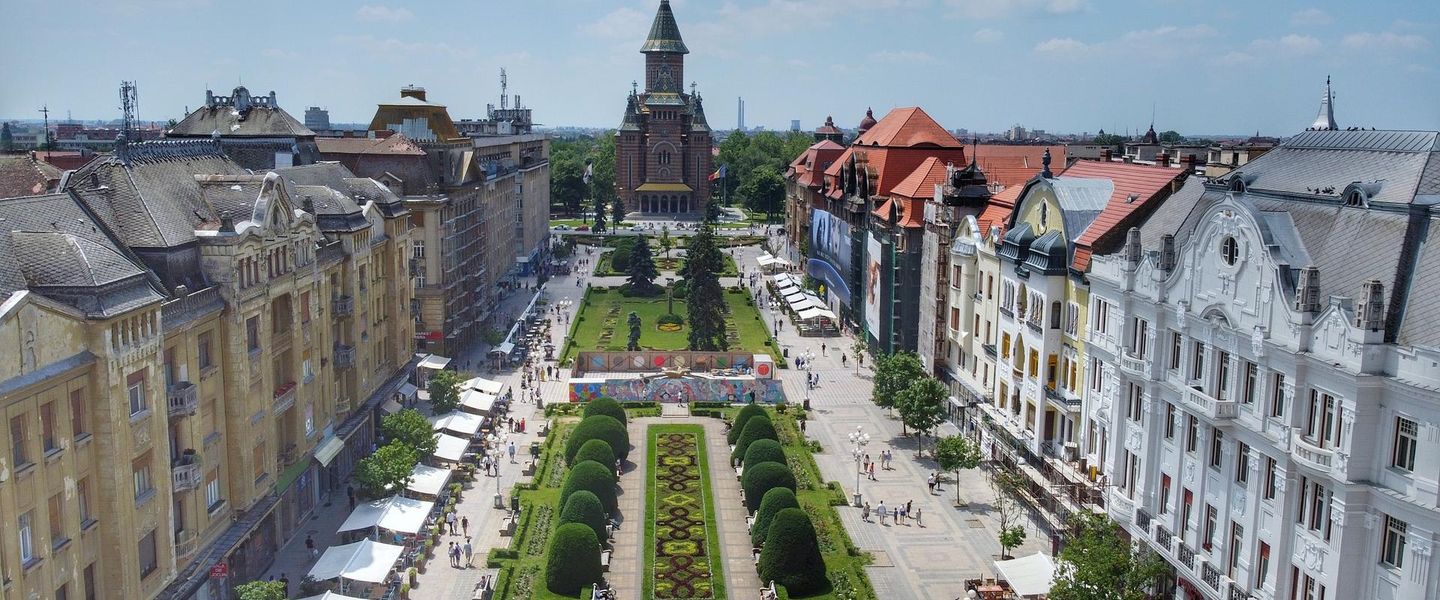


Explore Timiș in western Romania for Habsburg-era Timișoara, Banat villages, Recaș wines, spa towns, wetlands and wooded eastern landscapes.
Read more about Timiș
When is the best time to visit Timiș?
Best: June, August–September · 22–27°C| Month | High (°C) | Rainfall (mm) |
|---|---|---|
| January | 3 | 40 |
| February | 6 | 35 |
| March | 10 | 45 |
| April | 16 | 50 |
| May | 21 | 60 |
| June (best) | 25 | 70 |
| July | 27 | 65 |
| August (best) | 27 | 55 |
| September (best) | 22 | 50 |
| October | 15 | 45 |
| November | 8 | 40 |
| December | 4 | 45 |
Getting to and around Timiș
How to get there
Transportation
Top city travel guides in Timiș
The cities of Timiș, and the easiest places to base yourself.

Swipe for more cities
Destinations in Timiș
Resorts, valleys and scenic spots worth a trip of their own.

Swipe for more destinations
Best attractions in Timiș
Timiș offers a varied attraction landscape centred on Timișoara but extending into wine country, spa towns, wetlands and wooded eastern districts. In the county capital, visitors can explore the restored squares and churches of the historic centre, the Banat Village Museum, the Bega waterfront and a wide range of museums, galleries and performance venues. The archaeological site at Parța provides a window onto Neolithic ritual life, while Buziaș combines mineral-water heritage with a historic park and colonnade. Recaș is associated with vineyard visits and wine tasting, subject to advance arrangements. Nature-focused excursions include the bird-rich wetlands around Satchinez and the forested landscapes near Făget and Lake Surduc. Lugoj adds riverside scenery, civic architecture and cultural institutions, while smaller towns and villages reveal Banat’s agricultural traditions and multi-confessional heritage. The county is well suited to itineraries that alternate between urban heritage, gentle outdoor activity, food and drink, and short drives through the open western plain.
-
Tourist attraction
Victory Square
Explore the vibrant Victory Square in Timișoara, a historic plaza surrounded by stunning architecture and rich culture, perfect for tourists.
-
Plaza
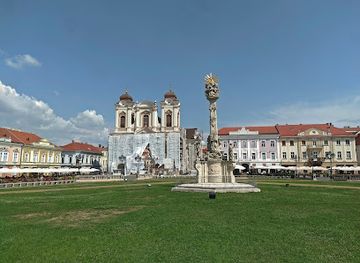
Union Square
Discover the vibrant heart of Timișoara at Union Square, featuring stunning architecture, rich history, and a lively atmosphere perfect for exploration.
-
Plaza
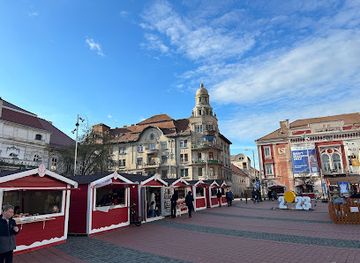
Liberty Square
Discover the charm of Liberty Square in Timișoara, a vibrant plaza filled with rich history, stunning architecture, and lively cultural experiences.
-
Cathedral
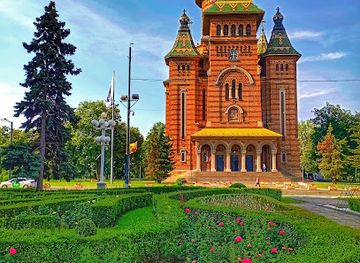
"Three Holy Hierarchs" Metropolitan Cathedral
Discover the spiritual and architectural beauty of the Three Holy Hierarchs Metropolitan Cathedral in Timișoara, a landmark of Orthodox heritage.
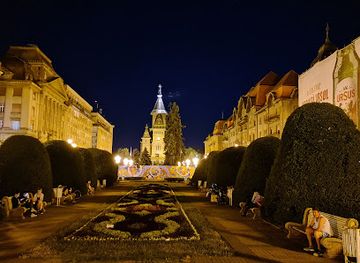
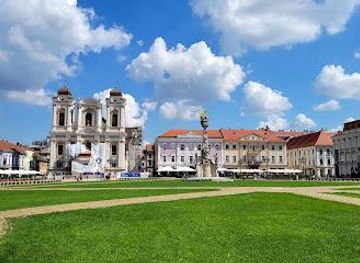


Best landmarks in Timiș
Timișoara’s historic core contains the county’s most recognisable group of landmarks. Union Square is defined by the Habsburg-era fabric of colourful façades, the Roman Catholic Dome, the Serbian Orthodox Cathedral and the Baroque Palace, while Victory Square forms a grand urban axis between the Metropolitan Cathedral and the National Opera House. The Lloyd Palace, Huniade Castle and the Fabric district add different chapters of the city’s architectural history. Outside the capital, Buziaș’s covered colonnade and spa park recall the resort’s nineteenth-century development, and Lugoj’s riverside churches and civic buildings reflect the town’s Banat heritage. The Neolithic sanctuary at Parța is an archaeological landmark of national importance, even though much of its significance lies in interpretation rather than monumental remains above ground. Lake Surduc and the wetlands at Satchinez provide natural landmarks, representing the contrast between the county’s wooded eastern edge and its open, water-shaped western plain.
-
Tourist attraction
Victory Square
Discover the vibrant history and cultural significance of Victory Square in Timișoara, Romania, a must-visit destination for tourists.
-
Tourist attraction
The Old Town of Timișoara
Discover the historical beauty and vibrant culture of Timișoara's Old Town, a must-visit destination in Romania, brimming with charm and unforgettable experiences.
-
Plaza
Union Square
Discover the charm of Union Square, Timișoara's vibrant plaza filled with history, stunning architecture, and lively cultural experiences.
-
Plaza
Liberty Square
Discover the charm of Liberty Square, Timișoara's historical plaza adorned with stunning architecture and vibrant local culture.
Explore Timiș on the map
Plan your trip on one map. See where the top cities, national parks and sights are, and book hotels and experiences in a few clicks.
Best hotels in Timiș
Best restaurants in Timiș
Dining in Timiș reflects the layered culinary culture of Banat, where Romanian traditions meet Central European, Serbian, Hungarian and German influences. In Timișoara, the historic centre and surrounding neighbourhoods offer cafés, bakeries, contemporary restaurants and traditional establishments, with menus ranging from soups and paprika-seasoned dishes to grilled meats, seasonal vegetables and carefully prepared pastries. Lugoj, Buziaș and other towns provide more informal local dining, while rural inns and family-run venues may focus on regional home cooking. Fresh produce from the Banat plain features strongly in season, and bakery counters are useful for quick meals or sweet treats. Recaș wines are the county’s most recognisable local drinks, and tastings can often be paired with regional food when arranged with a producer. Markets and small food shops are good places to look for cheeses, preserves, bread and seasonal fruit, although the range varies by town and market day.
-
Restaurant
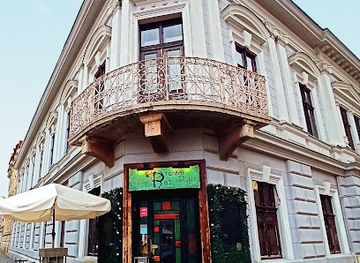
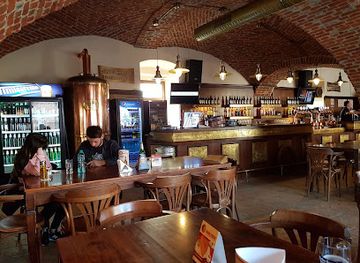
Berăria 700
Experience authentic Romanian cuisine at Berăria 700 in Timișoara – where tradition meets modern dining.
-
Restaurant
Rivière Brasserie
Experience the best of Romanian cuisine at Rivière Brasserie in Timișoara - where every meal is a celebration of flavor.
-
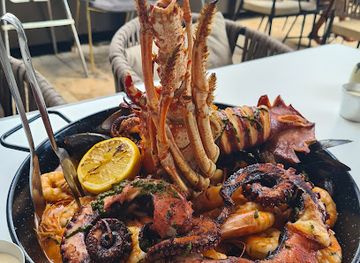
Seafood
Taverna Racilor
Discover exquisite seafood dishes at Taverna Racilor in Timișoara - where freshness meets flavor in a cozy atmosphere.
-
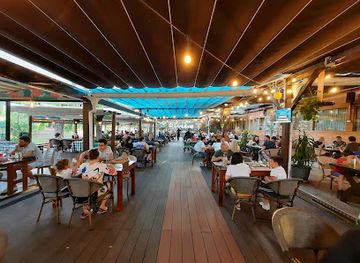
Restaurant
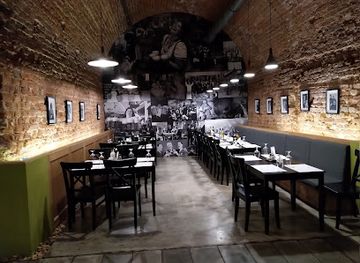
Drunken Rat
Discover Drunken Rat in Timișoara: where vibrant ambiance meets delicious cuisine for an unforgettable dining experience.
Best bars in Timiș
Timișoara has the county’s broadest evening scene, concentrated around the historic centre and nearby districts, where cafés, pubs, wine bars, cocktail venues and live-music spaces occupy both restored historic buildings and contemporary interiors. Student life and the city’s substantial cultural calendar support a busy programme of concerts, theatre, exhibitions and late-evening events, though individual venues and schedules change. Craft beer and wine from the wider Banat area are commonly available, including bottles from Recaș, while traditional pubs provide a quieter alternative to clubs. In Lugoj and the smaller towns, nightlife is more local and tends to centre on restaurants, cafés, community events and occasional live music rather than a large club circuit. Buziaș and rural destinations are generally suited to relaxed evenings, with hotel restaurants, terraces or winery hospitality rather than late-night entertainment.
-
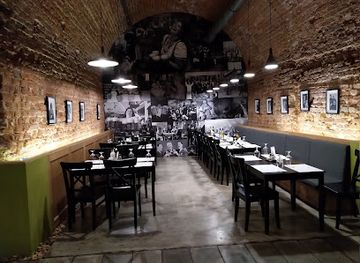
Restaurant
Berăria 700
Discover the essence of Timișoara's nightlife at Berăria 700, where delicious food and local craft beers meet in a vibrant atmosphere.
-
Brewpub
Curtea Berarilor Timisoreana La Han
Discover the vibrant flavors of Timișoara at Curtea Berarilor Timisoreana La Han, a premier brewpub with local craft beers and a rich menu.
-
Bistro
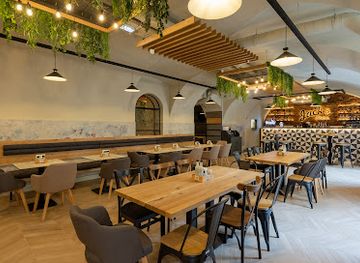
Jack's Bistro
Experience the vibrant flavors of American cuisine at Jack's Bistro in Timișoara, where every meal is a celebration of taste and hospitality.
-
Gastropub
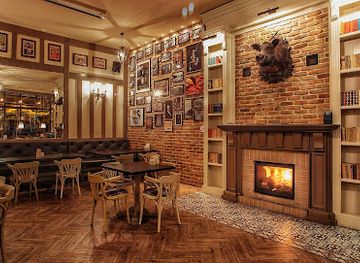
The Scotland Yard
Savor the flavors of Timișoara at The Scotland Yard, a lively gastropub offering delicious cuisine and a vibrant atmosphere.
Best nightclubs in Timiș
Timișoara has the county’s broadest evening scene, concentrated around the historic centre and nearby districts, where cafés, pubs, wine bars, cocktail venues and live-music spaces occupy both restored historic buildings and contemporary interiors. Student life and the city’s substantial cultural calendar support a busy programme of concerts, theatre, exhibitions and late-evening events, though individual venues and schedules change. Craft beer and wine from the wider Banat area are commonly available, including bottles from Recaș, while traditional pubs provide a quieter alternative to clubs. In Lugoj and the smaller towns, nightlife is more local and tends to centre on restaurants, cafés, community events and occasional live music rather than a large club circuit. Buziaș and rural destinations are generally suited to relaxed evenings, with hotel restaurants, terraces or winery hospitality rather than late-night entertainment.
-
Pub
The 80's Pub
Discover the vibrant nightlife of Timișoara at The 80's Pub, where nostalgia meets great drinks in a lively atmosphere.
-
Night club
Fratelli Lounge&Club
Experience the vibrant nightlife at Fratelli Lounge & Club in Timișoara, where unforgettable moments and lively music await.
-
Night club
D'arc
Discover Timișoara's vibrant nightlife at D'arc, where music, drinks, and fun come together in an unforgettable experience.
-
Night club
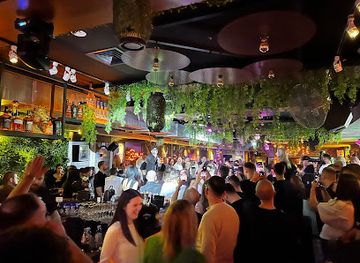
Epic Society
Discover the pulsating heart of Timișoara's nightlife at Epic Society, a top-notch nightclub offering unforgettable experiences and vibrant music.


Best shops in Timiș
Timișoara provides the county’s widest choice of shopping, from pedestrian streets and department stores to independent boutiques, bookshops, design studios, galleries and food retailers around the central districts. Its historic centre is particularly useful for combining everyday shopping with cafés and architectural sightseeing. Local and seasonal markets offer fruit, vegetables, cheese, bread and preserves, while specialist shops may stock wines from Recaș and other Banat producers. In Lugoj, Buziaș, Recaș and smaller towns, shopping is more practical and market-oriented, with fewer destination retail streets but a closer connection to local produce. Craft and folk items are best chosen carefully from reputable galleries, museums or makers rather than treated as generic souvenirs. Visitors may also find ceramics, embroidered textiles, regional sweets and bottles from local wineries, but availability varies by season and town. For larger retail selections, Timișoara is the county’s principal centre.
-
Store
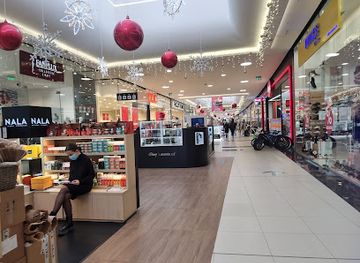
Shopping City Timișoara
Discover the ultimate shopping experience at Shopping City Timișoara, where retail therapy meets culinary delights and entertainment.
-
Shopping mall
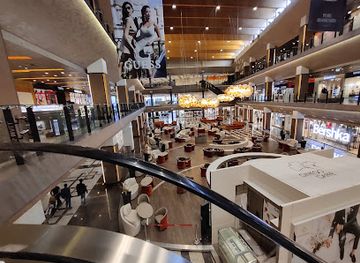
Iulius Town
Discover Iulius Town: A vibrant shopping mall in Timișoara featuring a variety of stores, dining options, and beautiful parks for a complete leisure experience.
-
Sporting goods store
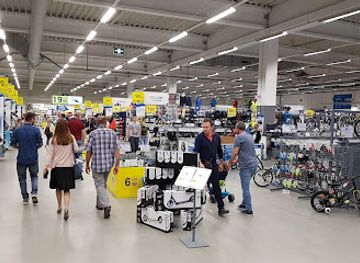
Decathlon
Explore Decathlon in Timișoara for top-quality sports gear and apparel, perfect for every adventurer and fitness enthusiast.
-
Toy store
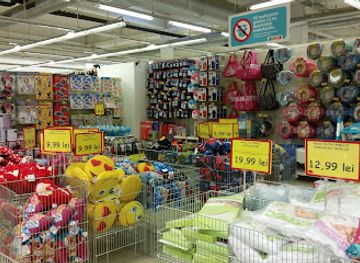
Jumbo
Explore Jumbo in Ghiroda, your ultimate destination for an extensive range of toys and games, perfect for all ages and occasions.
Get your free copy of our complete guide to Timiș, delivered straight to you.
Everything on this page, from attractions and restaurants to essentials and local phrases, in one PDF you can read offline, print or share.
Already have an account? Sign in
Your Timiș guide is ready.
We'll send it to · Not you? Sign out

Getting your guide ready…
We are putting together a fresh copy of the Timiș guide. This can take up to a minute.
This can take a few moments. If your browser asks, choose Allow so the download can start. You'll find the guide in your Downloads folder.
Nothing happened? Download it again
Sorry, the guide is taking longer than usual. Please try again in a minute, or get it by email instead.
Timiș essentials
Currency and Payment
Safety
Emergency Situations
Do's and Don'ts
Local Tips
From Eve
Local phrases worth knowing
You don't need to get them perfect. A few words go a long way, and locals appreciate the effort.
Basics
| English | Local | Say it |
|---|---|---|
| Hello | Bună | [boo-nuh] |
| Goodbye | La revedere | [lah reh-veh-deh-reh] |
| Yes | Da | [dah] |
| No | Nu | [noo] |
| Please/You're welcome | Te rog | [teh rog] |
| Thank you | Mulțumesc | [mool-tzoo-mesk] |
| Excuse me/Sorry | Scuzați-mă | [skoo-zats-mah] |
| How are you? | Ce mai faci? | [cheh my fahch] |
| Fine. And you? | Bine. Dar tu? | [bee-neh. dar too?] |
| Do you speak English? | Vorbiți engleză? | [vor-beetsee eng-leh-zah?] |
| I don't understand | Nu înțeleg | [noo un-tze-leg] |
Eating & Drinking
| English | Local | Say it |
|---|---|---|
| I'd like to see the menu, please | Aș dori să văd meniul, vă rog | [ahsh doh-ree sah vehd meh-nyool, vah rog] |
| I don't eat meat | Nu mănânc carne | [noo mah-nank kar-neh] |
| Cheers! | Noroc! | [no-rok] |
| I would like to pay, please | Aș dori să plătesc, vă rog | [ahsh doh-ree sah plah-tesk, vah rog] |
Emergencies
| English | Local | Say it |
|---|---|---|
| Help! | Ajutor! | [ah-zhoo-tor] |
| Go away! | Du-te! | [doo-teh] |
| Call the Police! | Sună poliția! | [soo-nah poh-lee-tsyah] |
| Call a doctor! | Sună un doctor! | [soo-nah oon dok-tor] |
| I'm lost | M-am pierdut | [m-ahm pyehr-doot] |
| I'm ill | Sunt bolnav | [soont bol-nahv] |
Shopping
| English | Local | Say it |
|---|---|---|
| I'd like to buy... | Aș dori să cumpăr... | [ahsh doh-ree sah koom-per] |
| I'm just looking | Mă uit doar | [muh uit doar] |
| How much is it? | Cât costă? | [kuht koh-stah?] |
| That's too expensive | Asta e prea scump | [ahs-tah eh preh-ah skoomp] |
| Can you lower the price? | Poți să reduci prețul? | [pots sah reh-dooch preh-tsool?] |
Time & Numbers
| English | Local | Say it |
|---|---|---|
| What time is it? | Ce oră este? | [cheh oh-rah yeh-steh?] |
| It's one o'clock | Este o'clock | [yeh-steh o-clock] |
| Half past (10) | Jumătate peste (10) | [joo-mah-tah-teh peh-steh (10)] |
| Morning | Dimineața | [dee-mee-neh-ah-tsah] |
| Afternoon | După-amiază | [doo-pah ah-mee-ah-zah] |
| Evening | Seara | [sah-rah] |
| Yesterday | Ieri | [yehr] |
| Today | Astăzi | [ahs-tahz] |
| Tomorrow | Mâine | [mee-neh] |
| 1 | 1 | [1] |
| 2 | 2 | [2] |
| 3 | 3 | [3] |
| 4 | 4 | [4] |
| 5 | 5 | [5] |
| 6 | 6 | [6] |
| 7 | 7 | [7] |
| 8 | 8 | [8] |
| 9 | 9 | [9] |
| 10 | 10 | [10] |
Transport & Directions
| English | Local | Say it |
|---|---|---|
| Where's a/the...? | Unde este un...? | [oon-deh yeh-steh oon...?] |
| What's the address? | Care este adresa? | [kah-reh yeh-steh ah-dreh-sah?] |
| Can you show me (on the map)? | Îmi poți arăta (pe hartă)? | [eem pots ah-rah-tah (peh hahr-tuh)?] |
| When's the next (bus)? | Când vine următorul (autobuz)? | [kand vee-neh oor-mah-tor-ul (ow-toh-booz)?] |
| A ticket (to ....) | Un bilet (către ...) | [oon bee-let (keh-treh ...)] |
History of Timiș
Neolithic Parța and Early Settlement
The sanctuary at Parța, south of Timișoara, belongs to the Late Neolithic period and is among the most important prehistoric discoveries in the Banat area. Its excavated ritual architecture and symbolic objects provide evidence of organised communities living in the region thousands of years ago. The site is significant not because it represents a modern ethnic or political identity, but because it reveals the social and religious complexity of prehistoric societies in the lower Timiș-Bega landscape. Archaeological work across the county also records long-term settlement on the fertile western plain.
Medieval Timiș and the Banat Frontier
During the medieval period, the area around present-day Timișoara formed part of the Kingdom of Hungary and developed within a frontier zone shaped by trade, agriculture and military concerns. Temesvár, the medieval predecessor of Timișoara, grew in importance because of its position near the Timiș and Bega waterways and its proximity to contested southeastern borders. Fortifications, administrative institutions and ecclesiastical foundations helped establish the settlement as a regional centre, while villages and estates supported its economy.
Ottoman Rule, 1552–1716
The Ottoman capture of Timișoara in 1552 created the Eyalet of Temeşvar, an Ottoman administrative province that endured for more than 160 years. The city became a significant military and governmental centre, and the surrounding territory experienced the instability typical of a heavily contested frontier. Ottoman rule left an important layer in Timiș’s complex history, even though later Habsburg rebuilding transformed much of the visible urban fabric. The conquest and subsequent wars also altered settlement patterns and regional economic life.
Habsburg Reconstruction and Banat Colonisation
After the Habsburg conquest of Timișoara in 1716, the region was reorganised under imperial administration and underwent extensive reconstruction. New fortifications, planned streets, civic buildings and waterways reshaped the city, while authorities encouraged settlers from several parts of Central Europe to develop the sparsely populated Banat. Germans, Romanians, Serbs, Hungarians and other communities contributed to the region’s cultural and economic character. Much of Timișoara’s Baroque architectural legacy and the county’s multi-confessional heritage date from this period and its aftermath.
Railways, Industry and Urban Growth
The nineteenth century brought major changes through improved roads, railway connections, commerce and industrial development. Timișoara expanded as a manufacturing and administrative centre, while Lugoj and other county towns benefited from regional trade and agricultural production. The Bega Canal, improved and maintained over successive periods, supported transport and water management in the low-lying plain. Urban society became increasingly diverse, with schools, newspapers, theatres and civic organisations helping to shape a modern Banat public culture.
The 1989 Revolution in Timișoara
Timișoara occupies a central place in the history of Romania’s 1989 revolution. Demonstrations began in the city in December around opposition to the removal of Reformed pastor László Tőkés and quickly developed into mass protests against Nicolae Ceaușescu’s regime. The authorities used force, but resistance continued and Timișoara was declared the first free city of Romania on 20 December 1989. Memorial sites and plaques across the city preserve the memory of those killed and of the events that helped bring down the dictatorship.
Timișoara as European Capital of Culture, 2023
Timișoara’s selection as European Capital of Culture for 2023 reflected its longstanding artistic institutions, multicultural history and active civic culture. The programme encouraged restoration, exhibitions, performance, public art and collaboration across the county and beyond. Although the title was temporary, it reinforced the city’s role as a major cultural centre in western Romania and drew renewed attention to its historic neighbourhoods, independent venues and public spaces. The wider county benefited from increased interest in Banat heritage, food, wine and rural destinations.
Timiș in Photos
Browse through our photo collection highlighting the charm and character of the destination.
Neighbouring regions of Timiș
The closest regions to Timiș, if you have time for more than one.
-

-

-

-

-


Swipe for more regions
Explore more

Explore more of Romania
Discover Romania's blend of mystical castles, enchanting landscapes, and vibrant culture. Experience the rich history and natural beauty that make Romania a unique travel destination.
Explore Romania