

Teleorman, Romania Travel Guide
Discover Teleorman, Romania: A land of stunning natural landscapes, historical treasures, and rich cultural experiences.
Teleorman, located in southern Romania, is a hidden gem waiting to be discovered by avid travelers. This picturesque county is filled with lush landscapes, rich history, and vibrant local culture that promise a unique and memorable experience for visitors. Nature enthusiasts will find Teleorman's diverse scenery captivating. From the serene Danube River to the tranquil lakes and forests, there are plenty of opportunities for hiking, bird watching, and fishing. Visiting the Danube's scenic banks allows tourists to enjoy breathtaking views and connect with nature. History buffs will appreciate the region's historical sites, such as the ruins of ancient fortresses and churches. One notable site is the medieval fortress in Turnu Măgurele, which offers a glimpse into the past with its well-preserved walls and towers. The local museums also offer fascinating exhibitions on the local heritage and traditions. Teleorman is not just about natural beauty and history; it also boasts a rich culinary tradition. Visitors can indulge in local dishes like sarmale (stuffed cabbage rolls) and mămăligă (cornmeal porridge) at traditional restaurants. The warm hospitality of the local people adds to the charm of this Romanian county, making it a must-visit destination.

Know before you go
Hi, I'm Eve. Here are a few practical things to know before exploring Teleorman.
- Visit during spring or autumn for the best weather and fewer crowds.
- Bring comfortable walking shoes for exploring the historical sites and nature trails.
- Try the local cuisine at family-owned restaurants for an authentic taste of Teleorman.
- Learn a few basic Romanian phrases; locals appreciate the effort and it enhances your experience.
- Check local festivities and events beforehand to experience the vibrant local culture.
Top City Travel Guides in Teleorman
The cities of Teleorman, and the easiest places to base yourself.

Explore Teleorman: Things to Do, Places to Eat, Hotels & More
Handpicked recommendations for top attractions, local dining, accommodations, and more

Top Attractions & Sightseeing in Teleorman
Top-rated picks
Best Attractions

Brancoveanu's Palace
Explore the majestic Brancoveanu's Palace, a hidden gem in Potlogi, Romania, showcasing rich history and stunning architecture.

Parcul Constantin Poroineanu
Discover the serene beauty of Parcul Constantin Poroineanu in Caracal, a perfect escape for nature lovers and families seeking tranquility.

Hanul Cocoșul
Experience authentic Romanian hospitality at Hanul Cocoșul, a scenic hotel and restaurant in the heart of Vitănești, perfect for travelers seeking comfort and culture.

Central Park Turnu Magurele
Explore the serene beauty of Central Park Turnu Magurele, an idyllic state park perfect for relaxation, family outings, and cultural experiences.

Best landmarks in Teleorman
Top-rated picks
Best Landmarks

Parc Pădurea Vedea
Explore the serene beauty of Parc Pădurea Vedea in Alexandria, Romania – a perfect nature escape for relaxation, recreation, and unforgettable memories.

Water Tower
Explore the Water Tower, a historical landmark in Turnu Măgurele, Romania, showcasing architectural beauty and cultural significance.

Fântâna de la granița județelor Teleorman și Olt
Discover the charm of Fântâna de la Granița, a historical landmark where the counties of Teleorman and Olt meet, rich in culture and serene beauty.

La Cetate - Așezarea geto-dacică fortificată de la Orbeasca de Sus
Explore La Cetate, a breathtaking Geto-Dacian fortress in Orbeasca de Sus, reflecting Romania's rich historical tapestry amidst stunning natural beauty.

Best restaurants in Teleorman
Top-rated picks
Best Restaurants

Rovi's
Experience the rich flavors of Romania at Rovi's, where traditional cuisine meets modern elegance in Alexandria.
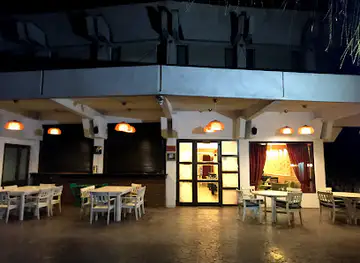
Conciato Restaurant-Livrari-Evenimente-Teatru
Experience the rich flavors of Romania at Conciato Restaurant in Alexandria - where tradition meets modern cuisine.

Entourage Club
Discover Entourage Club in Roșiorii de Vede – where exquisite cuisine meets vibrant atmosphere for an unforgettable dining experience.

Lexi American Diner
Discover classic American comfort food at Lexi American Diner in Alexandria—where delicious meals meet a nostalgic atmosphere.

Best bars in Teleorman
Top-rated picks
Best Bars

Rovi's
Experience the vibrant flavors and inviting atmosphere of Rovi's, a top-rated restaurant in Alexandria offering diverse cuisine for every palate.

Conciato Restaurant-Livrari-Evenimente-Teatru
Experience the rich flavors of Romania at Conciato Restaurant in Alexandria, where culinary excellence meets a vibrant atmosphere.

Hanul Cu Noroc
Experience the essence of Romanian cuisine at Hanul Cu Noroc, a delightful restaurant in Alexandria offering authentic flavors and a warm atmosphere.

Hanul Cocoșul
Experience authentic Romanian cuisine and hospitality at Hanul Cocoșul, a scenic retreat in Vitănești that delights tourists with its charm and comfort.

Best nightclubs in Teleorman
Top-rated picks
Best Nightclubs

Control Club
Experience the vibrant nightlife of Bucharest at Control Club, where live music and a lively pub atmosphere await you.

Music Club
Discover Bucharest's Music Club, a vibrant night club offering unforgettable dance experiences and live performances in the heart of the city.

Club Mono
Discover Club Mono, Bucharest's vibrant dance club, where unforgettable nights filled with music and fun await every visitor.

Piri
Discover the lively atmosphere of Piri, Vedea's leading disco club, featuring top DJs and an electrifying nightlife experience.

Best shops in Teleorman
Top-rated picks
Best Shops

Kaufland
Explore Kaufland in Alexandria for a diverse shopping experience featuring fresh produce, local delicacies, and budget-friendly options.

Altex Alexandria
Explore Altex Alexandria, where cutting-edge electronics meet unbeatable prices in a vibrant shopping environment.

Funshop Park Rosiori
Explore Funshop Park Rosiori, the ultimate shopping destination in Roșiorii de Vede, blending retail, dining, and entertainment for a perfect day out.

Winmarkt
Experience shopping and dining at Winmarkt, Alexandria's vibrant mall offering diverse brands, delicious food, and a lively atmosphere.

Explore Teleorman on the Map
A handpicked selection of must-see spots in Teleorman, mapped for you.
Teleorman Essentials
-
Teleorman is located in the southern part of Romania. The nearest major airport is Henri Coandă International Airport in Bucharest, approximately 100 kilometers away. From Bucharest, you can take a train or bus to Teleorman. The journey typically takes around 2 to 3 hours by road or rail. Alternatively, you can rent a car for a more flexible travel experience.
-
Teleorman is well-connected by a network of roads and public transportation. Local buses and minibuses (maxi-taxis) operate within the county and connect to nearby towns and villages. Taxis are also available and relatively inexpensive. Renting a car can be a convenient option for exploring the region at your own pace, especially for visiting remote areas.
-
The official currency in Romania is the Romanian Leu (RON). Credit cards are accepted in most hotels, restaurants, and shops, but it is advisable to carry cash, especially in smaller establishments and rural areas. ATMs are widely available in towns and cities, so you can withdraw cash as needed.
-
Teleorman is generally a safe destination for tourists. However, it is advisable to take standard precautions to ensure your safety. Avoid walking alone at night in unfamiliar areas and keep an eye on your belongings in crowded places. While there are no specific high-crime areas targeting tourists, it is always best to stay vigilant and aware of your surroundings.
-
In case of emergency, dial 112 for immediate assistance. The local police station and medical facilities are available in Teleorman. It is recommended to have travel insurance that covers medical emergencies. For minor health issues, there are pharmacies in towns where you can purchase over-the-counter medications.
-
Fashion: Do dress modestly, especially when visiting religious sites. Avoid wearing overly revealing clothing. Religion: Do respect local customs and traditions. Always cover your head when entering churches and monasteries. Public Transport: Do be respectful and give up your seat to elderly passengers. Don't eat or drink on public transport. Greetings: Do greet people with a handshake. A slight bow of the head is also a sign of respect. Eating & Drinking: Do try local delicacies and accept food offerings graciously. Don't refuse hospitality, as it is considered impolite.
-
To experience Teleorman like a local, visit the local markets where you can buy fresh produce and traditional Romanian goods. Engage with locals, as they are often friendly and willing to share stories about the area's history and culture. Don't miss visiting the historical sites such as the ruins of the ancient fortress of Turnu and the beautiful monasteries in the region. For a unique experience, explore the natural beauty of the Danube River and the surrounding landscapes.
When is the best time to visit Teleorman?
Useful Local Phrases for Teleorman
You don't need to speak the language perfectly. Even learning a few simple words can make conversations warmer—and locals usually appreciate the effort.
— Eve

Here are the phrases I use most often in Teleorman. Try a few—you'll be surprised how far they go! 😊
❤️
-
- HelloSalut
[sah-loot] - GoodbyeLa revedere
[lah reh-veh-deh-reh] - YesDa
[dah] - NoNu
[noo] - Please/You're welcomeTe rog/ Cu plăcere
[teh rog/ koo plah-cheh-reh] - Thank youMulțumesc
[mool-tsoo-mesk] - Excuse me/SorryScuză-mă/Îmi pare rău
[skoo-zah-mah/ eem pah-reh rah-oo] - How are you?Ce mai faci?
[cheh mai fahch] - Fine. And you?Bine. Tu?
[bee-neh. too?] - Do you speak English?Vorbești engleză?
[vor-besht eng-leh-zah?] - I don't understandNu înțeleg
[noo in-tzeh-leg]
- HelloSalut
-
- I'd like to see the menu, pleaseAș dori să văd meniul, vă rog
[ash doh-ree sah vehd meh-nee-ul, vah rog] - I don't eat meatNu mănânc carne
[noo mah-nank kar-neh] - Cheers!Noroc!
[noh-rok] - I would like to pay, pleaseAș dori să plătesc, vă rog
[ash doh-ree sah plah-tesk, vah rog]
- I'd like to see the menu, pleaseAș dori să văd meniul, vă rog
-
- Help!Ajutor!
[ah-joo-tor] - Go away!Du-te de aici!
[doo-teh deh ah-eech!] - Call the Police!Sunați Poliția!
[soo-nahts poh-lee-tsi-ah!] - Call a doctor!Sunați un doctor!
[soo-nahts oon dok-tor!] - I'm lostM-am pierdut
[mahm pyehr-doot] - I'm illSunt bolnav
[soont bohn-lahv]
- Help!Ajutor!
-
- I'd like to buy...Aș dori să cumpăr...
[ash doh-ree sah koom-per] - I'm just lookingMă uit doar
[muh oo-eet doo-ar] - How much is it?Cât costă?
[kuht koh-stah?] - That's too expensiveE prea scump
[eh preh skoomp] - Can you lower the price?Poți să reduci prețul?
[poh-tsee sah reh-dooch preh-tsool?]
- I'd like to buy...Aș dori să cumpăr...
-
- What time is it?Cât e ceasul?
[kuht eh chah-sool?] - It's one o'clockE o oră
[eh oh or-ah] - Half past (10)Jumătate după (10)
[joo-muh-tah-teh doo-pah (10)] - MorningDimineața
[dee-mee-nya-tsah] - AfternoonDupă-amiaza
[doo-pah-ah-mee-ah-zah] - EveningSeara
[sah-rah] - YesterdayIeri
[yehr] - TodayAstăzi
[ahs-tahz] - TomorrowMâine
[muh-eh-neh] - 11
[unu] - 22
[doi] - 33
[trei] - 44
[patru] - 55
[cinci] - 66
[șase] - 77
[șapte] - 88
[opt] - 99
[nouă] - 1010
[zece]
- What time is it?Cât e ceasul?
-
- Where's a/the...?Unde este un/ă...?
[oon-deh yeh-steh oon-uh...?] - What's the address?Care este adresa?
[kah-reh yeh-steh ah-dreh-sah?] - Can you show me (on the map)?Îmi poți arăta (pe hartă)?
[eem pots ah-rah-tah (peh har-tah)?] - When's the next (bus)?Când vine următorul (autobuz)?
[kuhn dee-neh oor-mah-toh-rool (ow-toh-booz)?] - A ticket (to ....)Un bilet (către ....)
[oon bee-let (keh-treh ....)]
- Where's a/the...?Unde este un/ă...?
History of Teleorman
-
Teleorman's history dates back to the ancient times when the region was inhabited by the Dacians, a Thracian tribe known for their fierce independence and warrior culture. Archaeological discoveries, such as tools, pottery, and fortifications, provide evidence of a vibrant Dacian community that thrived in the area before the Roman conquest.
-
In the 2nd century AD, the Roman Empire expanded into Dacia, including the region now known as Teleorman. The area became an integral part of the Roman province of Moesia Inferior. Roman influence is evident through the remnants of roads, fortresses, and settlements. The Roman legacy continues to influence the local culture and traditions.
-
During the medieval period, Teleorman played a crucial role in the formation of Wallachia, a principality that emerged in the 14th century. The region was strategically important due to its fertile lands and location along trade routes. Notable historical figures, such as Mircea the Elder, fought to defend the region against Ottoman incursions.
-
Teleorman, like much of Wallachia, fell under Ottoman suzerainty in the late 14th century. Despite this, local rulers maintained a degree of autonomy and frequently resisted Ottoman control. The region's history is marked by numerous uprisings and battles, reflecting the enduring spirit of resistance among the local population.
-
The 19th century was a period of significant change for Teleorman. As Wallachia and Moldavia united to form modern Romania in 1859, Teleorman saw a revival of national identity and cultural pride. The region contributed to the intellectual and political movements that shaped the new nation, fostering a sense of unity and progress.
-
Teleorman, like the rest of Romania, was deeply affected by the tumultuous events of the 20th century. The region experienced the hardships of both World Wars, with significant impacts on its population and infrastructure. Following World War II, Teleorman underwent industrialization and development under the communist regime, leaving a complex legacy that continues to influence the area.
-
Teleorman is renowned for its rich cultural heritage, encompassing traditional crafts, folklore, and festivals. The region's artisanal practices, such as pottery and weaving, reflect centuries-old techniques passed down through generations. Folk music and dance, often performed during local festivals, offer a glimpse into the vibrant cultural life that defines Teleorman.
Neighbouring Regions of Teleorman
The closest regions to Teleorman, if you have time for more than one.



Your all‑in‑one travel companion app
Explore expert travel guides, compare and book tours, experiences, hotels, and more—all from the palm of your hand. Download now for seamless trip planning wherever your wanderlust takes you.


Explore More of Romania

Looking beyond Teleorman? Discover Romania for broader travel guides, local hot-spots, and regional highlights.
Explore RomaniaTeleorman in Photos
Browse through our photo collection highlighting the charm and character of the destination.


Teleorman: A Romanian Gem of Natural Beauty and History
Teleorman, located in southern Romania, is a hidden gem waiting to be discovered by avid travelers. This picturesque county is filled with lush landscapes, rich history, and vibrant local culture that promise a unique and memorable experience for visitors. Nature enthusiasts will find Teleorman's diverse scenery captivating. From the serene Danube River to the tranquil lakes and forests, there are plenty of opportunities for hiking, bird watching, and fishing. Visiting the Danube's scenic banks allows tourists to enjoy breathtaking views and connect with nature. History buffs will appreciate the region's historical sites, such as the ruins of ancient fortresses and churches. One notable site is the medieval fortress in Turnu Măgurele, which offers a glimpse into the past with its well-preserved walls and towers. The local museums also offer fascinating exhibitions on the local heritage and traditions. Teleorman is not just about natural beauty and history; it also boasts a rich culinary tradition. Visitors can indulge in local dishes like sarmale (stuffed cabbage rolls) and mămăligă (cornmeal porridge) at traditional restaurants. The warm hospitality of the local people adds to the charm of this Romanian county, making it a must-visit destination.