

Free Dâmbovița Travel Guide & Mobile App
Explore Dâmbovița with free travel guides. Discover regional history, expert tips, proposed trips, and audio guides on web or mobile app.


Explore Dâmbovița for Târgoviște’s Wallachian heritage, Brâncovenesc architecture, spa towns and Bucegi mountain landscapes.
Read more about Dâmbovița
When is the best time to visit Dâmbovița?
Best: May–June, September · 23–27°C| Month | High (°C) | Rainfall (mm) |
|---|---|---|
| January | 6 | 40 |
| February | 9 | 35 |
| March | 13 | 40 |
| April | 18 | 50 |
| May (best) | 23 | 60 |
| June (best) | 27 | 70 |
| July | 30 | 65 |
| August | 29 | 60 |
| September (best) | 25 | 50 |
| October | 17 | 40 |
| November | 10 | 45 |
| December | 6 | 50 |
Getting to and around Dâmbovița
How to get there
Transportation
Top city travel guides in Dâmbovița
The cities of Dâmbovița, and the easiest places to base yourself.
-

-


Swipe for more cities
Destinations in Dâmbovița
Resorts, valleys and scenic spots worth a trip of their own.
-

-

-

-


Swipe for more destinations
Best attractions in Dâmbovița
Dâmbovița’s attractions range from the museums and archaeological remains of Târgoviște to the highland landscapes of the Bucegi Mountains. The Princely Court, Chindia Tower and the city’s religious buildings explain the county’s importance in Wallachian history, while museums explore art, archaeology, printing and local culture. Potlogi Palace offers a more intimate encounter with Brâncovenesc architecture, and Dealu and Viforâta monasteries combine historic buildings with active Orthodox religious life. In the north, the natural focus shifts to Ialomița Cave, the monastery at its entrance, Bolboci Lake, the Padina valley and marked mountain routes around Moroeni, Peștera and the Bucegi plateau. Pucioasa provides a slower spa-town experience, and Moreni reflects the county’s petroleum heritage. The attractions are widely dispersed, so the region is best explored through complementary day trips rather than a single compact sightseeing circuit. Weather, road conditions and seasonal accessibility matter particularly in the mountain sector.
-
Park
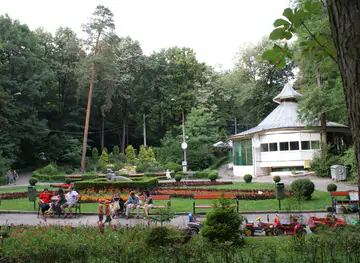
Parcul Chindia
Explore the beauty of Parcul Chindia in Târgoviște, a serene park with a lake, zoo, and vibrant attractions perfect for relaxation and family fun.
-
Monastery
Mănăstirea Dealu
Explore the serene beauty and rich history of Mănăstirea Dealu, a significant monastery in Romania that captivates visitors with its spiritual ambiance.
-
Historical landmark
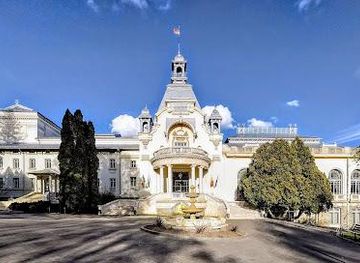
The Casino of Sinaia
Explore the Casino of Sinaia: A historical landmark blending exquisite architecture and vibrant culture amidst stunning mountain scenery.
-
Park
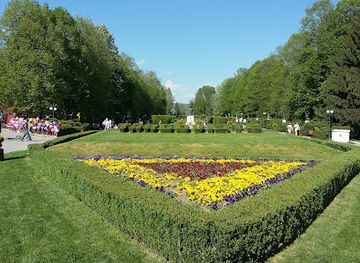
Parcul Mitropoliei
Explore the stunning landscapes and historical charm of Parcul Mitropoliei, a serene park in Târgoviște, Romania, perfect for relaxation and recreation.
Best landmarks in Dâmbovița
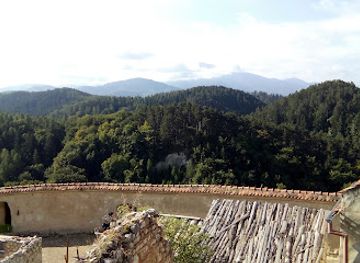
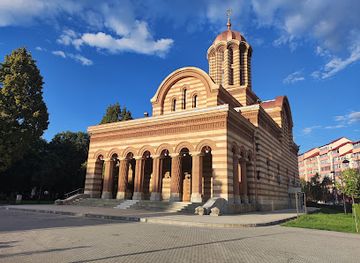
The Princely Court of Târgoviște is Dâmbovița’s defining historic landmark, a layered complex of royal residences, churches, archaeological remains and defensive features that recalls the city’s role as a Wallachian capital. Chindia Tower, associated with the court and now a symbol of Târgoviște, offers the most recognisable visual marker of the historic centre. Dealu Monastery, set on a wooded rise near the city, is important for its architecture, royal associations and early printing history, while Viforâta Monastery represents the continuing religious heritage of the surrounding landscape. Potlogi Palace is a major example of Brâncovenesc architecture, distinguished by its formal composition and decorative details. In the north, the limestone interior of Ialomița Cave and the surrounding Bucegi valleys form natural landmarks rather than built monuments; Bolboci Lake adds a contrasting highland landscape. Together these places express the county’s unusual combination of princely history, Orthodox heritage and mountain geology.
-
Castle
Bran Castle
Explore Bran Castle, a historical gem in Romania, famous for its connection to Dracula and stunning medieval architecture.
-
 Castle
Peleș Castle
Discover the enchanting Peleș Castle, a historical masterpiece nestled in the Carpathian Mountains, showcasing Romania's royal heritage and architectural splendor.
-
Performing arts theater
The Romanian Athenaeum
Experience the grandeur of the Romanian Athenaeum, a historic concert hall and cultural landmark in Bucharest, showcasing timeless musical artistry.
-
Monument
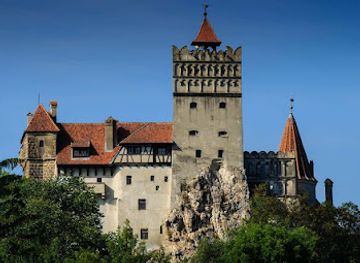
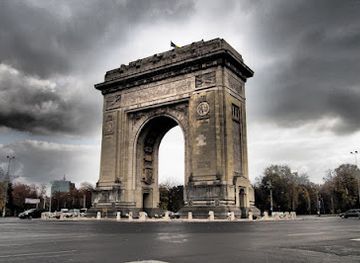
The Triumphal Arch
Explore the grandeur of the Triumphal Arch in Bucharest, a historical monument symbolizing Romania's rich heritage and cultural pride.
Explore Dâmbovița on the map
Plan your trip on one map. See where the top cities, national parks and sights are, and book hotels and experiences in a few clicks.
Best hotels in Dâmbovița
Best restaurants in Dâmbovița
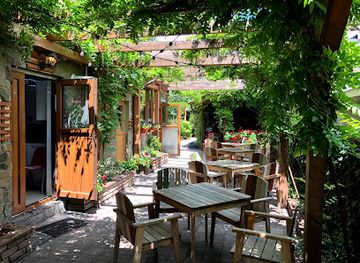
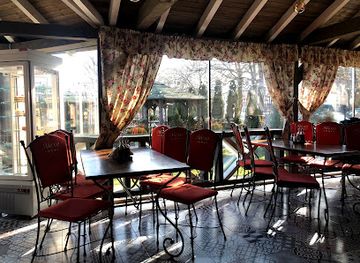
Târgoviște has the county’s broadest choice of restaurants, cafés and traditional establishments, with menus that combine Romanian home cooking and contemporary interpretations. Expect soups such as ciorbă, grilled meats, stews, polenta, fresh or smoked cheeses, seasonal vegetables, pickles and baked goods. Around rural market towns and villages, small restaurants and family-run eateries may offer more limited menus but provide a useful introduction to southern Romanian cooking. Local produce from the plain is important, while mountain areas tend to favour hearty dishes suitable for colder weather. Bakeries and pastry shops are practical stops for breakfast or provisions before travelling north. Farmers’ markets are useful for fruit, vegetables, cheeses, honey and preserves, although selection changes with the season. Dining times and service can be relaxed outside the county town, and visitors should not assume that every mountain attraction has a full restaurant nearby.
-
Hotel
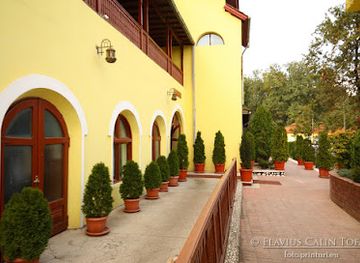
Hanul Dragodana
Discover comfort and culinary delights at Hanul Dragodana - your perfect getaway in Romania's scenic countryside.
-
Restaurant
Tower’s Pub Parc
Discover culinary delights at Tower’s Pub Parc - Târgoviște's charming restaurant offering a blend of local flavors and international cuisine.
-
Restaurant
Alexo
Discover delicious pizzas and authentic flavors at Alexo in Târgoviște – where every bite tells a story.
-
Guest house
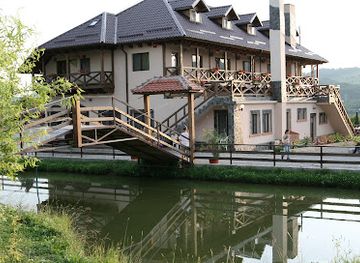
Hanul din Meri
Discover serenity and culinary delights at Hanul din Meri in Buciumeni - your perfect getaway destination.
Best bars in Dâmbovița
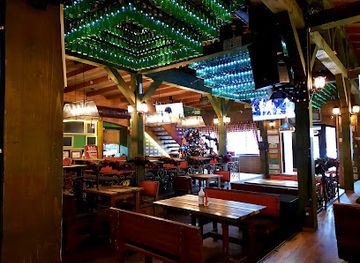
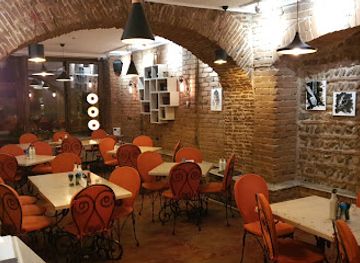
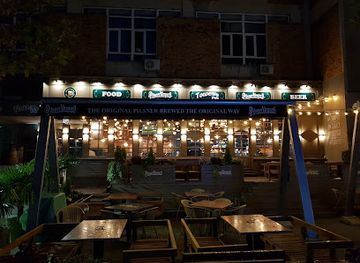
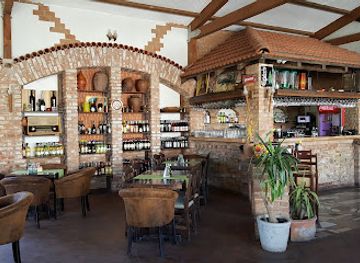
Evening life in Dâmbovița is concentrated in Târgoviște, where cafés, pubs, restaurants and a modest selection of contemporary bars provide the main choice after dark. The city’s nightlife is more oriented towards conversation, dining, televised sport and occasional live music than towards a large club circuit. Pucioasa and other towns have local bars and restaurants, while villages and mountain settlements generally become quiet in the evening, particularly outside holiday periods. Traditional pubs and hotel lounges are useful places to try Romanian beer, wine or non-alcoholic drinks, and the growing interest in local and national craft beverages can be found mainly in urban venues. Check current arrangements locally because individual businesses and seasonal entertainment change. Night-time travel in rural areas requires more planning, as taxis and public transport are less readily available than in Târgoviște.
-
Restaurant
Tower’s Pub Parc
Experience the vibrant flavors of Romania at Tower’s Pub Parc, Târgoviște's premier dining destination with a diverse menu and welcoming atmosphere.
-
Restaurant
Casa Veche
Discover the authentic flavors of Romania at Casa Veche, Târgoviște's charming restaurant, where tradition meets culinary excellence.
-
Restaurant
Towers Pub Centru Vechi
Discover the vibrant atmosphere and delicious cuisine at Towers Pub Centru Vechi in Târgoviște, where culinary delight meets local culture.
-
Restaurant
Berăria Vlad Țepeș
Experience the essence of Romanian culture at Berăria Vlad Țepeș, where traditional flavors meet a vibrant atmosphere in Târgoviște.
Best nightclubs in Dâmbovița
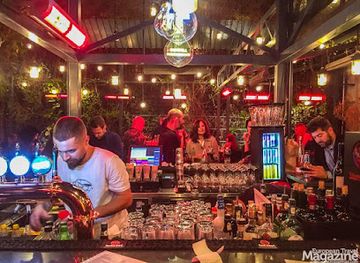
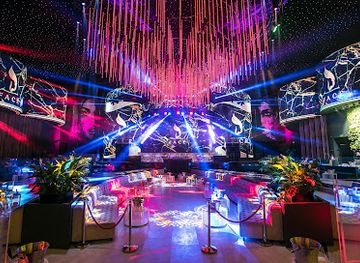
Evening life in Dâmbovița is concentrated in Târgoviște, where cafés, pubs, restaurants and a modest selection of contemporary bars provide the main choice after dark. The city’s nightlife is more oriented towards conversation, dining, televised sport and occasional live music than towards a large club circuit. Pucioasa and other towns have local bars and restaurants, while villages and mountain settlements generally become quiet in the evening, particularly outside holiday periods. Traditional pubs and hotel lounges are useful places to try Romanian beer, wine or non-alcoholic drinks, and the growing interest in local and national craft beverages can be found mainly in urban venues. Check current arrangements locally because individual businesses and seasonal entertainment change. Night-time travel in rural areas requires more planning, as taxis and public transport are less readily available than in Târgoviște.
-
Night club
Control Club
Discover Bucharest's nightlife at Control Club, a top spot for live music, dancing, and unforgettable experiences in the heart of the city.
-
Night club
Face Club Bucharest
Dive into Bucharest's electrifying nightlife at Face Club, where music, dance, and unforgettable moments await every weekend.
-
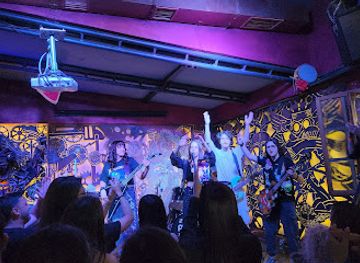
Club
Fiord Club RockStillery
Discover the pulse of Târgoviște at Fiord Club RockStillery, where music, drinks, and vibrant nightlife converge for an unforgettable experience.
-
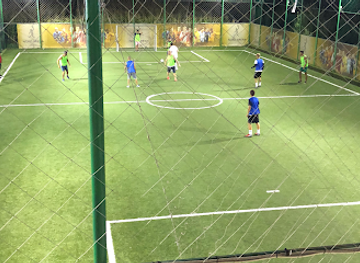
Sports complex
Nord Arena Sport Club
Experience the thrill of sports and the taste of local cuisine at Nord Arena Sport Club, Târgoviște's premier sports complex and gastropub.
Best shops in Dâmbovița
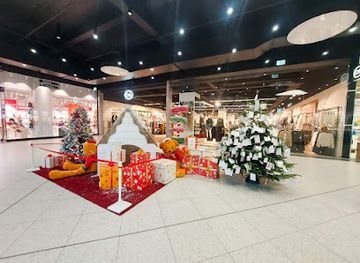
Shopping in Dâmbovița is centred on Târgoviște’s high streets, supermarkets, independent retailers and traditional markets rather than large-scale luxury districts. The county town is the most convenient place to buy books, Romanian crafts, clothing, food gifts and practical outdoor equipment before heading into the mountains. Market stalls and food shops provide seasonal fruit and vegetables, cheeses, honey, preserves, baked products and other regional provisions, with the range varying through the year. Smaller towns such as Pucioasa and Găești offer everyday shopping and market-town services, while rural areas are better suited to buying produce directly from small vendors when available. Monastery shops may sell religious items, candles, books and locally made foods, but visitors should treat these as devotional or regional purchases rather than generic souvenirs. For a useful memento, look for Romanian ceramics, woven goods, traditional food products or books on Wallachian history, and check packaging and transport requirements before buying perishable items.
-
Shopping mall
Dâmbovița Mall
Discover diverse shopping, dining, and entertainment at Dâmbovița Mall, Târgoviște's vibrant shopping hub for tourists and locals alike.
-
Hypermarket
Carrefour
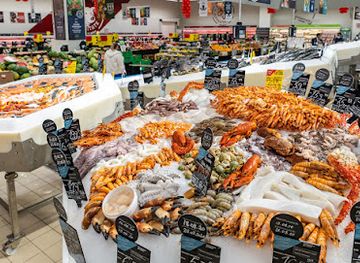
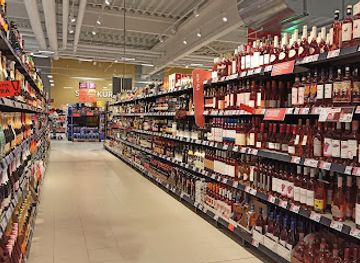
Explore Carrefour in Târgoviște – your ultimate shopping destination for local flavors and diverse products in Romania.
-
Shopping mall
Muntenia Shopping Center
Explore the Muntenia Shopping Center in Târgoviște for an unforgettable shopping experience filled with diverse brands and delightful dining options.
-
Supermarket
Kaufland Targoviste Magrini
Discover the best of Romanian and international products at Kaufland Târgoviște Magrini, your ultimate supermarket experience.

Get your free copy of our complete guide to Dâmbovița, delivered straight to you.
Everything on this page, from attractions and restaurants to essentials and local phrases, in one PDF you can read offline, print or share.
Already have an account? Sign in
Your Dâmbovița guide is ready.
We'll send it to · Not you? Sign out

Getting your guide ready…
We are putting together a fresh copy of the Dâmbovița guide. This can take up to a minute.
This can take a few moments. If your browser asks, choose Allow so the download can start. You'll find the guide in your Downloads folder.
Nothing happened? Download it again
Sorry, the guide is taking longer than usual. Please try again in a minute, or get it by email instead.
Dâmbovița essentials
Currency and Payment
Safety
Emergency Situations
Do's and Don'ts
Local Tips
From Eve
Local phrases worth knowing
You don't need to get them perfect. A few words go a long way, and locals appreciate the effort.
Basics
| English | Local | Say it |
|---|---|---|
| Hello | Salut | [sah-loot] |
| Goodbye | La revedere | [lah reh-veh-deh-reh] |
| Yes | Da | [dah] |
| No | Nu | [noo] |
| Please/You're welcome | Te rog / Cu plăcere | [teh rog / koo plah-cheh-reh] |
| Thank you | Mulțumesc | [mool-tsoo-mesk] |
| Excuse me/Sorry | Scuză-mă | [skoo-zah-muh] |
| How are you? | Ce mai faci? | [che mai fahch] |
| Fine. And you? | Bine. Și tu? | [bee-neh. shee too] |
| Do you speak English? | Vorbești engleză? | [vor-besht eng-leh-zah] |
| I don't understand | Nu înțeleg | [noo un-tseh-leh] |
Eating & Drinking
| English | Local | Say it |
|---|---|---|
| I'd like to see the menu, please | Aș dori să văd meniul, vă rog | [ash doh-ree sah vehd meh-nee-ul, vah rog] |
| I don't eat meat | Nu mănânc carne | [noo mah-nank kar-neh] |
| Cheers! | Noroc! | [noh-rok] |
| I would like to pay, please | Aș dori să plătesc, vă rog | [ash doh-ree sah plah-tesk, vah rog] |
Emergencies
| English | Local | Say it |
|---|---|---|
| Help! | Ajutor! | [ah-zhoo-tor] |
| Go away! | Du-te! | [doo-teh] |
| Call the Police! | Sună Poliția! | [soo-nah poh-lee-tsi-ah] |
| Call a doctor! | Sună un doctor! | [soo-nah oon dok-tor] |
| I'm lost | M-am rătăcit | [mahm rah-tuh-cheet] |
| I'm ill | Sunt bolnav | [soont bol-nahv] |
Shopping
| English | Local | Say it |
|---|---|---|
| I'd like to buy... | Aș dori să cumpăr... | [ash doh-ree sah koom-pair] |
| I'm just looking | Mă uit doar | [muh oot dwaar] |
| How much is it? | Cât costă? | [koot koh-stah] |
| That's too expensive | Asta e prea scump | [ahs-tah eh preh-ah skoomp] |
| Can you lower the price? | Poți să scazi prețul? | [poh-tsi sah skahz preh-tul] |
Time & Numbers
| English | Local | Say it |
|---|---|---|
| What time is it? | Ce oră este? | [che o-rah yeh-steh] |
| It's one o'clock | Este ora unu | [yeh-steh oh-rah oo-noo] |
| Half past (10) | Și jumătate | [shee joo-mah-tah-teh] |
| Morning | Dimineața | [dee-mee-neh-ah-tsah] |
| Afternoon | După-amiază | [doo-pah ah-mee-ah-zah] |
| Evening | Seara | [seh-ah-rah] |
| Yesterday | Ieri | [yehr] |
| Today | Astăzi | [ahs-tahz] |
| Tomorrow | Mâine | [mee-neh] |
| 1 | 1 | [unu] |
| 2 | 2 | [doi] |
| 3 | 3 | [trei] |
| 4 | 4 | [patru] |
| 5 | 5 | [cinci] |
| 6 | 6 | [șase] |
| 7 | 7 | [șapte] |
| 8 | 8 | [opt] |
| 9 | 9 | [nouă] |
| 10 | 10 | [zece] |
Transport & Directions
| English | Local | Say it |
|---|---|---|
| Where's a/the...? | Unde este un/ ...? | [oon-deh yeh-steh oon/ ...?] |
| What's the address? | Care este adresa? | [kah-reh yeh-steh ah-dreh-sah] |
| Can you show me (on the map)? | Îmi poți arăta (pe hartă)? | [uhm pohts ah-rah-tah (peh har-tah)?] |
| When's the next (bus)? | Când vine următorul (autobuz)? | [kand vee-neh oor-mah-toh-rool (ow-toh-booz)?] |
| A ticket (to ....) | Un bilet (către ...) | [oon bee-let (keh-treh ...)] |
History of Dâmbovița
Prehistoric and Ancient Settlement
The Dâmbovița area has been inhabited since prehistoric times, with archaeological evidence revealing farming communities, ceramics and changing settlement patterns across the river valleys and plains. The county lay within the wider cultural zone of ancient Wallachia, where communities interacted across the Carpathian foothills and the Danubian lowlands. Later centuries brought Dacian and Roman influence to the broader region, although Dâmbovița was not simply a Roman urban province. Archaeological remains and museum collections provide evidence of long-term occupation rather than a single uninterrupted political tradition.
The Rise of Târgoviște in Medieval Wallachia
Târgoviște emerged as one of the principal centres of medieval Wallachia and became the residence of its rulers by the late fourteenth or early fifteenth century. Its position between the Carpathian passes and the southern plain supported administration, trade and military movement. The Princely Court developed over successive reigns, with churches, defensive works and ceremonial buildings reflecting the growing authority of the voivodes. Târgoviște remained a major political centre for several centuries, and its medieval importance explains the concentration of historic monuments in the modern city.
Wallachian Princes and the Princely Court
Rulers such as Mircea the Elder, Vlad Dracul and Vlad Țepeș are associated with Târgoviște, although the city’s history extends beyond the legends surrounding any one prince. Vlad Țepeș used the court during a period of conflict with the Ottoman Empire, and the settlement’s fortifications and strategic position were important to Wallachian government. The surviving Chindia Tower is a later reconstruction, but it stands within the historic court complex that preserves fragments of the medieval capital. Târgoviște’s churches and archaeological remains reveal how political, religious and residential functions were combined.
The Brâncovenesc Cultural Period
During the reign of Constantin Brâncoveanu, Wallachia experienced a notable flowering of architecture, religious patronage and artistic production. Potlogi Palace, built in 1698 in present-day Dâmbovița County, was one of the prince’s residences and demonstrates the ornamental style now known as Brâncovenesc. Its arcaded loggias, decorative stonework and relationship between palace, gardens and service buildings reflect the cultural connections of the period. Monasteries and churches in the county also preserve elements of this architectural tradition, which combined local forms with Byzantine, Ottoman and Renaissance influences.
Monastic and Educational Traditions
Monasteries at Dealu, Viforâta and other sites played religious, cultural and economic roles in the history of Dâmbovița. Dealu Monastery, above Târgoviște, is particularly significant for its church, royal associations and connection with early Romanian printing. Religious foundations preserved manuscripts, supported clergy and maintained links with princely patrons and local communities. Their estates also formed part of the historic rural economy. Today, these monasteries remain active places of worship as well as architectural and cultural landmarks, and they should be approached as living institutions rather than museum pieces alone.
Modernisation, Spa Culture and Petroleum
In the nineteenth and early twentieth centuries, Dâmbovița was drawn into Romania’s modern administrative, transport and industrial development. Pucioasa became known for spa treatment, while Moreni developed as a petroleum centre during the expansion of Romania’s oil industry. Agriculture remained important across the southern plain, but new roads, railways, factories and urban services changed the relationship between towns and surrounding villages. The county’s modern history therefore combines traditional market-town life with industrial activity, resource extraction and the gradual growth of domestic tourism.
The 1989 Revolution and Contemporary Memory
Târgoviște became associated with one of the most consequential episodes of Romania’s 1989 Revolution. Nicolae and Elena Ceaușescu were detained and tried at a military facility in the city before their execution on 25 December 1989. The event marked the violent end of the communist regime and remains part of Romania’s contested modern memory. Sites connected with the episode are approached through the wider history of the revolution, communism and the country’s transition, rather than as an isolated historical curiosity.
Dâmbovița in Photos
Browse through our photo collection highlighting the charm and character of the destination.
Neighbouring regions of Dâmbovița
The closest regions to Dâmbovița, if you have time for more than one.
-

-

-

-

-


Swipe for more regions
Explore more

Explore more of Romania
Discover Romania's blend of mystical castles, enchanting landscapes, and vibrant culture. Experience the rich history and natural beauty that make Romania a unique travel destination.
Explore Romania