

Free Sibiu Travel Guide & Mobile App
Explore Sibiu with free travel guides. Discover regional history, expert tips, proposed trips, and audio guides on web or mobile app.


Explore Sibiu’s medieval squares, fortified villages, Transylvanian food traditions and Carpathian trails across central Romania.
Read more about Sibiu
When is the best time to visit Sibiu?
Best: June–August · 23–25°C| Month | High (°C) | Rainfall (mm) |
|---|---|---|
| January | 2 | 25 |
| February | 5 | 25 |
| March | 11 | 30 |
| April | 16 | 45 |
| May | 20 | 70 |
| June (best) | 23 | 85 |
| July (best) | 25 | 85 |
| August (best) | 25 | 70 |
| September | 20 | 55 |
| October | 15 | 45 |
| November | 7 | 35 |
| December | 3 | 30 |
Getting to and around Sibiu
How to get there
Transportation
Top city travel guides in Sibiu
The cities of Sibiu, and the easiest places to base yourself.

Swipe for more cities
Destinations in Sibiu
Resorts, valleys and scenic spots worth a trip of their own.
-

-

-

-

-

-


Swipe for more destinations
Best attractions in Sibiu
Sibiu County offers a broad combination of urban heritage, village architecture, museums and outdoor landscapes. In Sibiu, the Brukenthal National Museum, the ASTRA National Museum Complex and the historic Upper and Lower Towns provide different perspectives on art, urban history and Romanian rural life. Mediaș and Cisnădie add smaller historic centres with their own fortified churches and civic traditions. The fortified churches of Biertan and Valea Viilor are especially important examples of Transylvanian defensive architecture and form part of a UNESCO World Heritage inscription. Rural roads across the Târnava Mare and Hârtibaciu areas lead through fields, orchards and villages where traditional building forms remain visible. South of the city, Păltiniș and the Cindrel Mountains support walking, cycling and winter sports, while the Făgăraș Mountains offer more demanding alpine excursions. The county also suits visitors interested in craft traditions, local food, church music and cultural festivals, although many rural sights require advance planning because public transport and opening arrangements are less predictable than in Sibiu itself.
-
National park
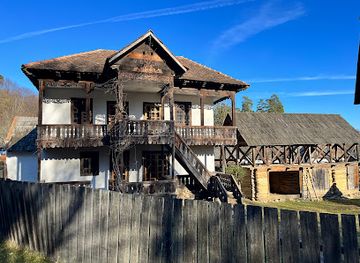
Dumbrava Sibiului Natural Park
Discover the natural splendor of Dumbrava Sibiului Natural Park, a serene escape filled with lush forests, diverse wildlife, and cultural heritage.
-
Historical landmark
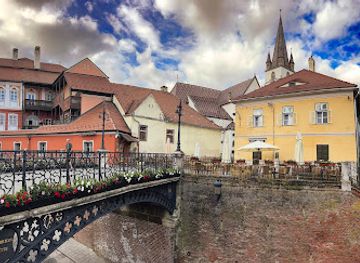
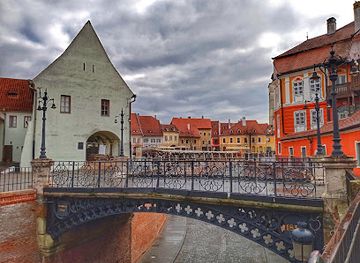
The Bridge of Lies
Discover the enchanting Bridge of Lies in Sibiu, Romania - a historical landmark rich in legend and architectural beauty.
-
Tourist attraction
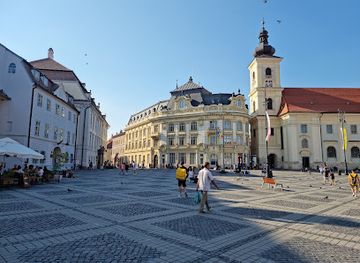
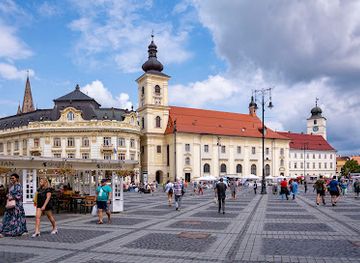
The Large Square
Experience the historical charm and cultural vibrancy of The Large Square in Sibiu, a must-visit destination for every traveler.
-
Zoo
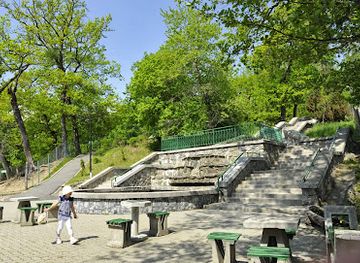
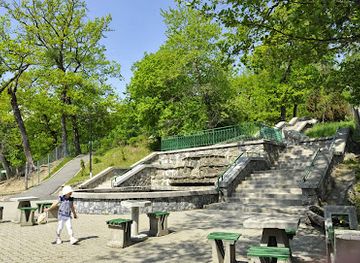
Sibiu Zoological Garden
Explore the Sibiu Zoological Garden, a vibrant wildlife sanctuary in Romania, offering educational experiences and a chance to connect with nature.
Best landmarks in Sibiu
Sibiu’s historic centre is the county’s defining architectural landmark, with the Great Square, Little Square, Council Tower, Evangelical Cathedral and the Bridge of Lies forming a compact sequence of civic and religious spaces. The rooflines and attic windows of the old town are among its most recognisable visual features. Mediaș is marked by the Church of Saint Margaret and its defensive enclosure, whose towers and walls reflect the town’s medieval importance. In the countryside, Biertan’s fortified church rises within a village landscape of Saxon houses and remains one of the best-known monuments of Transylvanian ecclesiastical defence; Valea Viilor provides another significant example of the same tradition. The ASTRA museum’s traditional buildings are landmarks of rural architectural heritage rather than a single historic settlement. Farther south, the forested slopes around Păltiniș and the high ridges of the Cindrel and Făgăraș Mountains form the county’s principal natural landmarks, contrasting with the masonry and compact streets of its historic towns.
-
National park
Dumbrava Sibiului Natural Park
Experience the breathtaking beauty of Dumbrava Sibiului Natural Park in Romania, a haven for nature lovers and adventure seekers alike.
-
Historical landmark
The Bridge of Lies
Discover the captivating legends and stunning views at Sibiu's iconic Bridge of Lies, a historical landmark steeped in folklore and charm.
-
Tourist attraction
The Large Square
Discover the vibrant charm of The Large Square in Sibiu, a UNESCO Heritage site filled with history, culture, and stunning architecture.
-
Zoo
Sibiu Zoological Garden
Explore the enchanting Sibiu Zoological Garden, where diverse wildlife meets beautiful landscapes in a family-friendly atmosphere.

Explore Sibiu on the map
Plan your trip on one map. See where the top cities, national parks and sights are, and book hotels and experiences in a few clicks.
Best hotels in Sibiu
Best restaurants in Sibiu
Sibiu’s dining scene ranges from traditional restaurants and long-established pubs to contemporary kitchens using Transylvanian ingredients. Regional menus commonly include soups, stews, pork and poultry, polenta, cabbage, beans, mushrooms, local cheeses and breads, with pastries and fruit-based desserts appearing alongside more familiar Romanian specialities. In the surrounding countryside, guesthouses and farm stays may serve seasonal produce, smoked meats, preserves and baked goods, while the area around the Târnava Mare valley is well suited to discovering village-based food traditions. Sibiu’s markets and food events can provide opportunities to sample cheeses, charcuterie, honey, preserves and bakery products from nearby producers. Mediaș and other market towns have a more local, everyday dining character, with cafés and family-run restaurants rather than a concentrated fine-dining district. Romanian wine, fruit brandies and locally produced beers may appear on menus, but responsible drinking is advisable when driving or walking in the mountains.
-
Restaurant
Albota, Trout Farm
Discover culinary delights and serene natural beauty at Albota Trout Farm – your perfect getaway in Romania.
-
Restaurant
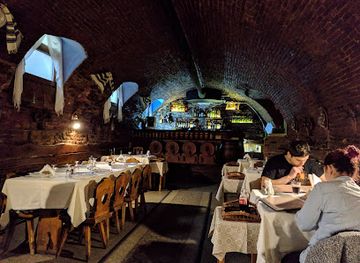
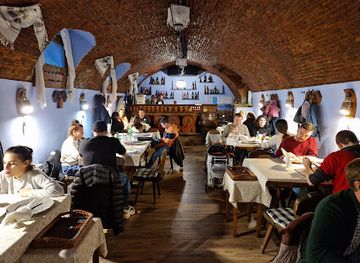
Crama Sibiul Vechi
Experience authentic Romanian flavors at Crama Sibiul Vechi - where tradition meets taste in the heart of Sibiu.
-
Restaurant
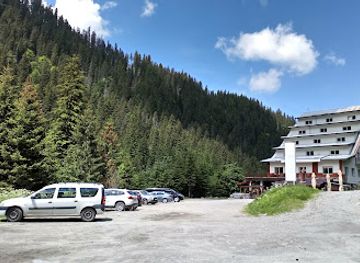
Cabana Bâlea Cascadă
Discover Cabana Bâlea Cascadă: A scenic restaurant and hotel nestled in Romania's breathtaking Transfăgărășan mountains.
-
Steak
Benjamin Steakhouse & Bar
Experience culinary excellence at Benjamin Steakhouse & Bar in Sibiu – where premium steaks meet fine Romanian wines.

Best bars in Sibiu
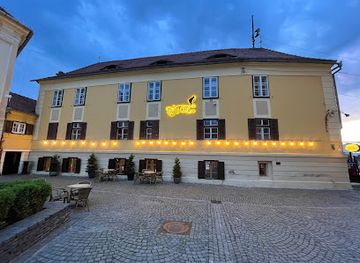
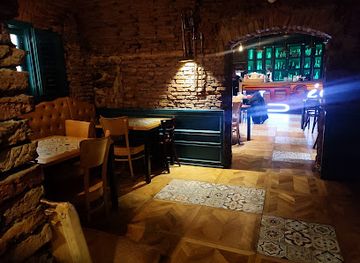
Sibiu has the county’s most developed evening scene, centred mainly on the historic centre, where cafés, wine bars, pubs and restaurants occupy medieval buildings and small squares. Evenings often focus on conversation, food, concerts and cultural programming rather than a large club circuit, although later venues and occasional live-music nights are available. The city’s theatres, festivals and concert spaces broaden the choice beyond drinking establishments. Mediaș has a smaller scene of cafés, pubs and restaurants, while towns and villages elsewhere in the county generally rely on traditional inns, guesthouse dining and community events. Păltiniș offers a seasonal mountain-resort atmosphere, particularly when winter activities are operating, but it is not a major nightlife destination. Opening arrangements vary, so visitors should check current information locally rather than assume that rural venues stay open late.
-
Restaurant
Crama Sibiul Vechi
Discover the authentic taste of Romania at Crama Sibiul Vechi, where every dish tells a story of tradition and flavor.
-
Bar
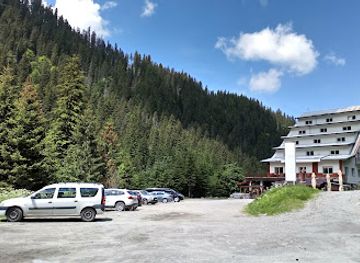
Cabana Bâlea Cascadă
Discover the enchanting Cabana Bâlea Cascadă, a perfect blend of nature, authentic Romanian cuisine, and cozy hospitality in the Făgăraș Mountains.
-
Cafe
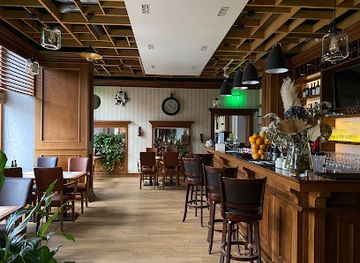
Cafe Wien
Discover Cafe Wien in Sibiu: an Austrian cafe offering delightful breakfasts, a cozy ambiance, and live piano music, perfect for your culinary journey.
-
Pub
Music Pub
Discover the vibrant nightlife at Music Pub in Sibiu, where live music meets great food in a cozy atmosphere.
Best nightclubs in Sibiu
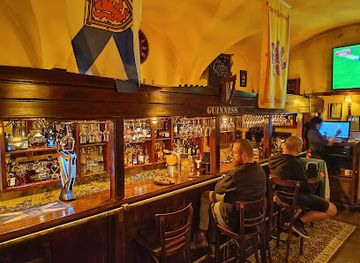
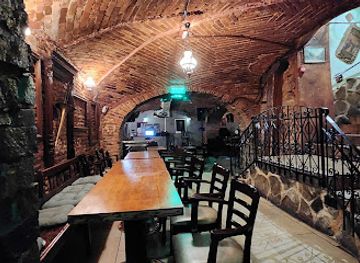
Sibiu has the county’s most developed evening scene, centred mainly on the historic centre, where cafés, wine bars, pubs and restaurants occupy medieval buildings and small squares. Evenings often focus on conversation, food, concerts and cultural programming rather than a large club circuit, although later venues and occasional live-music nights are available. The city’s theatres, festivals and concert spaces broaden the choice beyond drinking establishments. Mediaș has a smaller scene of cafés, pubs and restaurants, while towns and villages elsewhere in the county generally rely on traditional inns, guesthouse dining and community events. Păltiniș offers a seasonal mountain-resort atmosphere, particularly when winter activities are operating, but it is not a major nightlife destination. Opening arrangements vary, so visitors should check current information locally rather than assume that rural venues stay open late.
-
Pub
St. Andrew's Scottish Pub
Discover the warmth of Scottish hospitality at St. Andrew's Pub in Sibiu, where traditional flavors and vibrant atmosphere unite for an unforgettable experience.
-
Bar
Imperium Pub
Experience the lively nightlife of Sibiu at Imperium Pub, where karaoke and live music come together for a memorable evening.
-
Cocktail bar
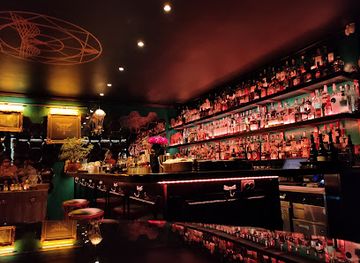
House of Ellixirz - Cocktail Bar
Experience the finest cocktails at the House of Ellixirz, Sibiu's premier cocktail bar, where creativity meets flavor in a vibrant setting.
-
Bar
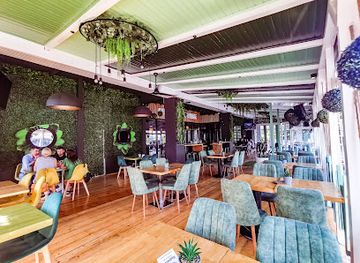
SUMMER BREEZE LOUNGE
Experience the charm of Sibiu at Summer Breeze Lounge, where every sip is a moment of relaxation in a vibrant atmosphere.
Best shops in Sibiu
Sibiu provides the widest choice of shopping in the county, combining independent boutiques, bookshops, galleries, craft outlets and everyday retail around the historic centre with larger commercial areas beyond it. Visitors can look for ceramics, textiles, woodwork, woven goods, illustrated books and design products, while the ASTRA museum shop and local cultural venues are useful places to seek regionally themed crafts. Food markets and specialist shops offer cheeses, honey, preserves, bakery products, smoked meats and wines from Transylvania, although provenance and production methods vary between sellers. Mediaș and other market towns are better suited to practical shopping, antiques, small independent stores and local produce than to luxury retail. Rural villages may have few conventional shops but can provide direct access to seasonal food or handmade goods through guesthouses and community initiatives. Market days and opening arrangements differ, so carrying cash and checking locally is sensible when shopping outside Sibiu.
-
Shopping mall
Shopping City Sibiu
Explore Shopping City Sibiu: Your Ultimate Destination for Shopping, Dining, and Entertainment in Romania.
-
Restaurant
Albota, Trout Farm
Experience the Best of Nature and Cuisine at Albota Trout Farm - A Unique Restaurant and Retreat in Arpașu de Sus, Romania.
-
Home improvement store
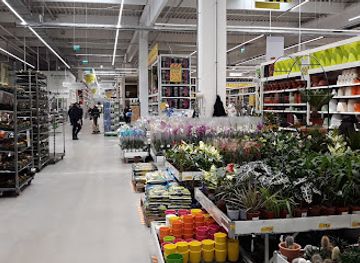
Leroy Merlin
Explore Leroy Merlin in Șelimbăr for all your home improvement and DIY needs, featuring a vast array of products and expert assistance.
-
Store
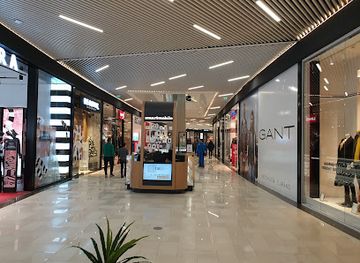
Promenada Sibiu
Discover a vibrant shopping experience at Promenada Sibiu, blending retail, dining, and local culture in a stunning modern setting.
Get your free copy of our complete guide to Sibiu, delivered straight to you.
Everything on this page, from attractions and restaurants to essentials and local phrases, in one PDF you can read offline, print or share.
Already have an account? Sign in
Your Sibiu guide is ready.
We'll send it to · Not you? Sign out

Getting your guide ready…
We are putting together a fresh copy of the Sibiu guide. This can take up to a minute.
This can take a few moments. If your browser asks, choose Allow so the download can start. You'll find the guide in your Downloads folder.
Nothing happened? Download it again
Sorry, the guide is taking longer than usual. Please try again in a minute, or get it by email instead.
Sibiu essentials
Currency and Payment
Safety
Emergency Situations
Do's and Don'ts
Local Tips
From Eve
Local phrases worth knowing
You don't need to get them perfect. A few words go a long way, and locals appreciate the effort.
Basics
| English | Local | Say it |
|---|---|---|
| Hello | Salut | [sah-loot] |
| Goodbye | La revedere | [lah reh-veh-deh-reh] |
| Yes | Da | [dah] |
| No | Nu | [noo] |
| Please/You're welcome | Te rog/ Cu plăcere | [teh rog/ koo plah-cheh-reh] |
| Thank you | Mulțumesc | [mool-tsoo-mesk] |
| Excuse me/Sorry | Scuză-mă/Îmi pare rău | [skoozah-muh/ im pah-reh rah-ooh] |
| How are you? | Ce mai faci? | [cheh my fahch] |
| Fine. And you? | Bine. Și tu? | [bee-neh. shee too?] |
| Do you speak English? | Vorbești engleză? | [vor-besh-teh en-gleh-zah?] |
| I don't understand | Nu înțeleg | [noo in-tseh-leg] |
Eating & Drinking
| English | Local | Say it |
|---|---|---|
| I'd like to see the menu, please | Aș dori să văd meniul, vă rog | [ash doh-ree sah vehd men-yool, vah rog] |
| I don't eat meat | Nu mănânc carne | [noo muh-nank kar-neh] |
| Cheers! | Noroc! | [noh-rok] |
| I would like to pay, please | Aș dori să plătesc, vă rog | [ash doh-ree sah plah-tessk, vah rog] |
Emergencies
| English | Local | Say it |
|---|---|---|
| Help! | Ajutor! | [ah-zhoo-tor] |
| Go away! | Du-te! | [doo-teh] |
| Call the Police! | Chemați poliția! | [keh-mahts poh-lee-tsee-ah!] |
| Call a doctor! | Chemați un doctor! | [keh-mahts oon dok-tor!] |
| I'm lost | M-am pierdut | [mahm pyehr-doot] |
| I'm ill | Sunt bolnav | [soont bol-nav] |
Shopping
| English | Local | Say it |
|---|---|---|
| I'd like to buy... | Aș dori să cumpăr... | [ash doh-ree sah koom-pair...] |
| I'm just looking | Mă uit doar | [muh oo-eet dor] |
| How much is it? | Cât costă? | [kaht koh-stah?] |
| That's too expensive | Asta e prea scump | [ahs-tah eh preh-ah skoomp] |
| Can you lower the price? | Poți să scazi prețul? | [pots sah skahz pret-sool?] |
Time & Numbers
| English | Local | Say it |
|---|---|---|
| What time is it? | Ce oră e? | [cheh or-ah eh?] |
| It's one o'clock | E o’clock | [eh oh-clock] |
| Half past (10) | Jumătate peste (10) | [joo-muh-tah-teh peh-steh (10)] |
| Morning | Dimineața | [dee-mee-nya-tsah] |
| Afternoon | După-amiază | [doo-pah-ah-mee-ah-zah] |
| Evening | Seara | [se-ah-rah] |
| Yesterday | Ieri | [yeh-ree] |
| Today | Astăzi | [ahs-tahz] |
| Tomorrow | Mâine | [mee-neh] |
| 1 | 1 | [1] |
| 2 | 2 | [2] |
| 3 | 3 | [3] |
| 4 | 4 | [4] |
| 5 | 5 | [5] |
| 6 | 6 | [6] |
| 7 | 7 | [7] |
| 8 | 8 | [8] |
| 9 | 9 | [9] |
| 10 | 10 | [10] |
Transport & Directions
| English | Local | Say it |
|---|---|---|
| Where's a/the...? | Unde este un/a...? | [oon-deh yeh-steh oon/ah...?] |
| What's the address? | Care este adresa? | [kah-reh yeh-steh ah-dreh-sah?] |
| Can you show me (on the map)? | Poți să-mi arăți (pe hartă)? | [pots sahm ah-ruh-tsee (peh har-tah)?] |
| When's the next (bus)? | Când e următorul (autobuz)? | [kand eh oor-mah-toh-rool (ow-toh-booz)?] |
| A ticket (to ....) | Un bilet (la ...) | [oon bee-let (lah ...)] |
History of Sibiu
Dacian and Roman Foundations
The territory of present-day Sibiu County formed part of the wider ancient landscape inhabited by Dacian communities before the Roman conquest of Transylvania in the early second century. Roman control brought roads, military organisation, administration and new settlement patterns to parts of the region, although the most prominent Roman centres lay elsewhere in the province of Dacia. Archaeological remains and the broader Roman legacy help explain how Transylvania became connected to imperial networks linking the Carpathian basin with the Danube frontier.
Saxon Settlement in Southern Transylvania
From the twelfth century, the Hungarian Crown encouraged German-speaking settlers, later known as Transylvanian Saxons, to establish communities in southern Transylvania. Sibiu, called Hermannstadt in German, became their principal political and commercial centre. Settlers developed market towns, villages, guilds and fortified churches, creating a distinctive urban and rural landscape. Their legal privileges and trading connections helped Sibiu grow into one of the region’s most important medieval centres, while German, Romanian and Hungarian communities shaped its society over subsequent centuries.
Medieval Sibiu and Its Fortifications
Medieval Sibiu grew from a settlement associated with the Saxon colonisation into a fortified town with strong guild organisation and regional influence. Its walls, towers and gates were repeatedly strengthened as conflict affected Transylvania, particularly during periods of Ottoman pressure. The surviving Upper and Lower Towns, connected by lanes and stairways, preserve the relationship between civic, commercial and religious spaces. Nearby fortified villages such as Biertan and Valea Viilor reflect the same defensive culture, though on a community scale centred on fortified churches.
The Habsburg Era and Religious Change
After the seventeenth-century reorganisation of Transylvania, Sibiu became an important administrative and military centre within the Habsburg sphere and later the Austrian Empire. The period brought new political institutions, architectural influences and stronger connections with Central European commerce. The Transylvanian Saxon Lutheran tradition remained especially visible in Sibiu and the surrounding villages, while Romanian and Hungarian communities continued to shape the county. Baroque buildings, civic institutions and the development of collections such as those associated with the Brukenthal legacy belong to this broader era.
The Brukenthal Legacy and Enlightenment Culture
Samuel von Brukenthal, a Transylvanian Saxon statesman who served as governor of Transylvania in the eighteenth century, established one of the region’s most important art collections. His residence in Sibiu became the basis of the Brukenthal National Museum, one of the oldest museums in Romania. The collection reflects the intellectual and artistic connections between Transylvania and wider Europe. Brukenthal’s career also illustrates the political importance achieved by Sibiu’s Saxon elite within the Habsburg administration.
Industry, Railways and Urban Transformation
During the nineteenth and early twentieth centuries, Sibiu County experienced industrial and transport development alongside the expansion of modern civic life. Rail connections improved links between Sibiu, Mediaș and other Transylvanian centres, encouraging trade, manufacturing and the movement of people. Mediaș became particularly associated with industrial activity, while Sibiu developed factories, educational institutions and new neighbourhoods beyond its medieval core. These changes altered the relationship between the historic towns and their surrounding agricultural communities without erasing older craft and market traditions.
Twentieth-Century Borders and Cultural Change
The incorporation of Transylvania into Romania after the First World War transformed the political framework of Sibiu County. The Second World War, communist rule, nationalisation and industrialisation brought further disruption, including changes to property ownership and urban life. Large numbers of Transylvanian Saxons emigrated to Germany during the later twentieth century, reshaping many villages and towns. Since 1989, restoration, cultural tourism and heritage initiatives have helped preserve historic centres and fortified churches, while contemporary Sibiu has developed a strong reputation for arts and cultural events.
Sibiu in Photos
Browse through our photo collection highlighting the charm and character of the destination.
Neighbouring regions of Sibiu
The closest regions to Sibiu, if you have time for more than one.
-

-

-

-

-


Swipe for more regions
Explore more

Explore more of Romania
Discover Romania's blend of mystical castles, enchanting landscapes, and vibrant culture. Experience the rich history and natural beauty that make Romania a unique travel destination.
Explore Romania