

Free Olt Travel Guide & Mobile App
Explore Olt with free travel guides. Discover regional history, expert tips, proposed trips, and audio guides on web or mobile app.


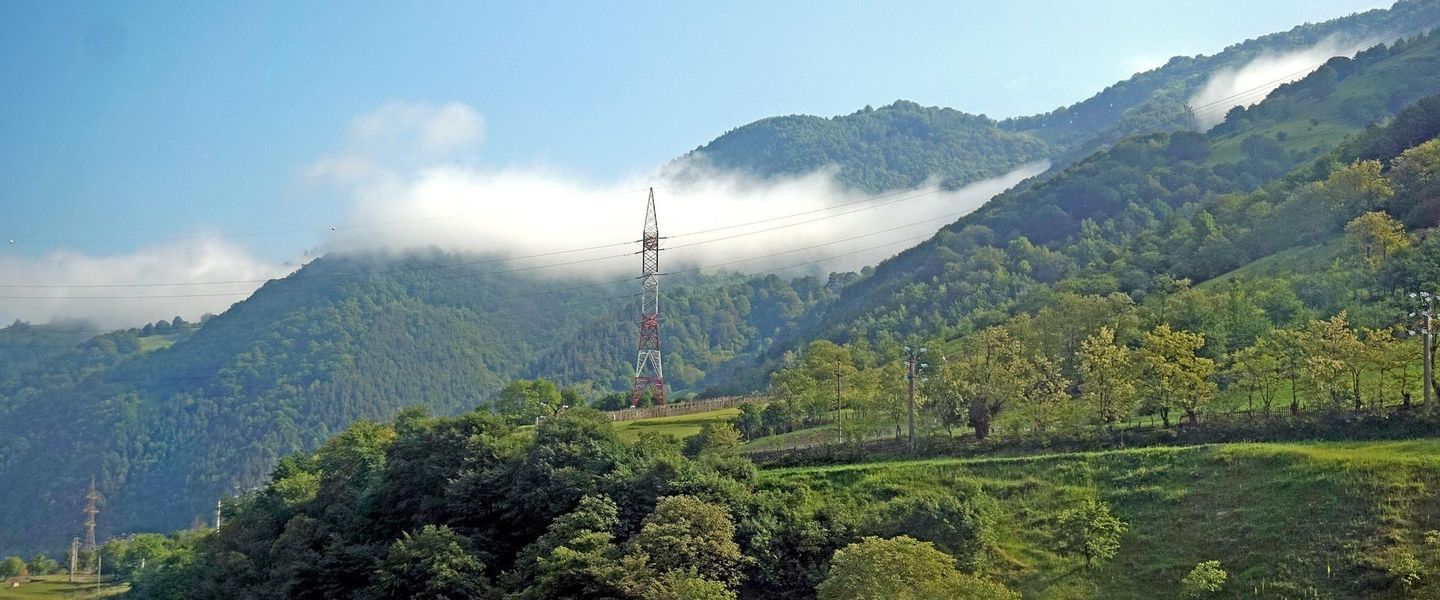
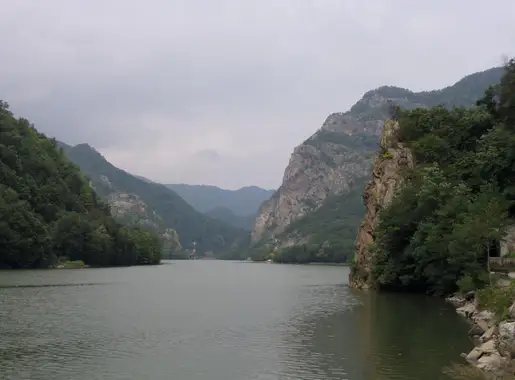

Discover Olt, Romania: A captivating blend of historic charm, natural beauty, and cultural richness in the heart of Southern Romania.
Read more about Olt
When is the best time to visit Olt?
Best: June–August · 25–27°C| Month | High (°C) | Rainfall (mm) |
|---|---|---|
| January | 3 | 40 |
| February | 5 | 35 |
| March | 11 | 45 |
| April | 16 | 50 |
| May | 21 | 60 |
| June (best) | 25 | 65 |
| July (best) | 27 | 60 |
| August (best) | 26 | 55 |
| September | 22 | 50 |
| October | 17 | 45 |
| November | 10 | 40 |
| December | 5 | 45 |
Getting to and around Olt
How to get there
Transportation
Top city travel guides in Olt
The cities of Olt, and the easiest places to base yourself.
-
 Craiova
Discover Craiova, a captivating Romanian city where history blends with modern charm, offering rich cultural experiences, beautiful parks, and vibrant local life.
Craiova
Discover Craiova, a captivating Romanian city where history blends with modern charm, offering rich cultural experiences, beautiful parks, and vibrant local life.
-
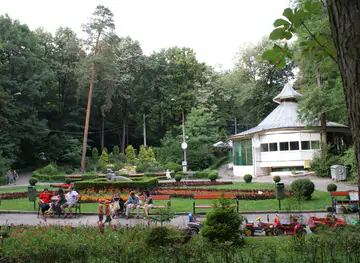 Pitesti
Discover Pitesti: A Captivating Blend of History, Nature, and Culture in the Heart of Southern Romania
Pitesti
Discover Pitesti: A Captivating Blend of History, Nature, and Culture in the Heart of Southern Romania
Swipe for more cities
Best attractions in Olt
Nestled in the heart of Romania, Olt County invites visitors to explore a tapestry of historical and cultural treasures. Wander through the medieval corridors of Slatina's Strehareț Monastery, marvel at the architectural elegance of the Olt Citadel, and step back in time with the ancient ruins of Sucidava Fortress. The picturesque Olt River provides a serene backdrop for nature enthusiasts, while the vibrant local markets offer a taste of traditional Romanian life. Don't miss the unique opportunity to witness the intricate crafts and folklore at the Dragănești-Olt Ethnographic Museum, and immerse yourself in the region's rich heritage at the Nicolae Titulescu Memorial House. With its blend of history, culture, and natural beauty, Olt is a hidden gem waiting to be discovered.
-
Museum
Boian Plain Museum
Explore the cultural heritage of Romania at Boian Plain Museum, a captivating destination for art and history lovers in Drăgănești-Olt.
-
Museum
Muzeul Județean Olt
Explore the captivating history and culture of Olt County at Muzeul Județean Olt, a must-visit museum in Slatina.
-
Tourist attraction
Racoviță -OLT
Discover the enchanting beauty and rich culture of Racovița in OLT County, a must-visit destination for nature lovers and cultural enthusiasts alike.
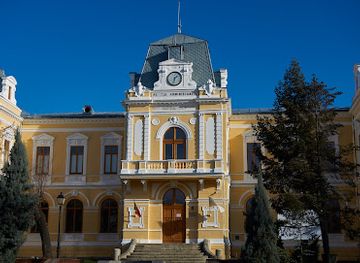
Best landmarks in Olt
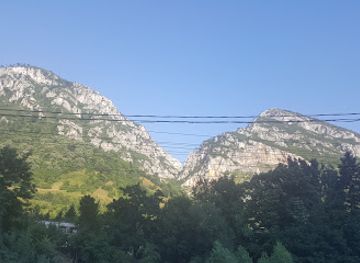
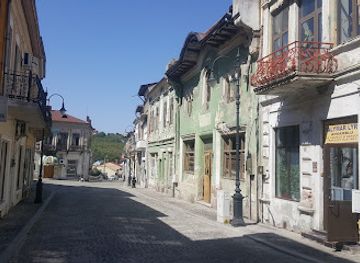
Olt, a gem in southern Romania, entices visitors with its rich historical tapestry and natural beauty. The city of Slatina, with its charming old town and vibrant market squares, offers a glimpse into traditional Romanian life. The impressive Olt River meanders through, providing stunning views and opportunities for water-based activities. History enthusiasts will be captivated by the medieval fortress of Drăgănești-Olt, offering a journey back in time with its well-preserved architecture. The serene Strehareți Monastery, nestled amongst lush greenery, provides a peaceful retreat and a touch of spiritual history. For those seeking a blend of culture and nature, the region's rolling hills and vast vineyards invite exploration, promising a taste of local wines and breathtaking landscapes.
-
Castle
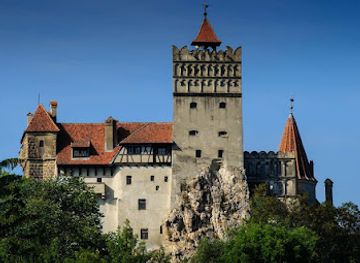
Bran Castle
Discover the mysteries of Bran Castle, the legendary fortress linked to Dracula, nestled in the picturesque landscapes of Transylvania.
-
 Castle
Peleș Castle
Explore the majestic Peleș Castle, a stunning symbol of Romania's royal heritage nestled in the enchanting Carpathian Mountains.
-
Castle
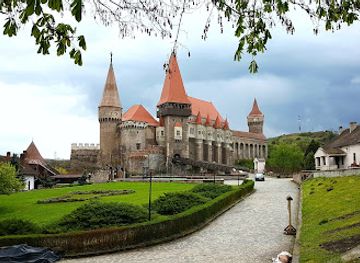
Castelul Corvinilor (Corvins' Castle)
Discover the enchanting Corvin Castle, a stunning medieval fortress in Hunedoara, Romania, rich in history and architectural beauty.
-
Fortress
Alba-Carolina Citadel
Explore the rich history and stunning architecture of Alba-Carolina Citadel, a premier fortress and cultural landmark in Romania.
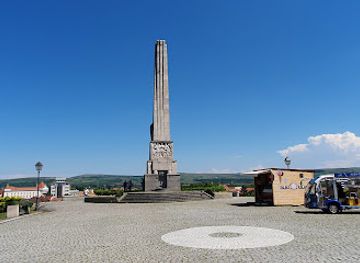
Explore Olt on the map
Plan your trip on one map. See where the top cities, national parks and sights are, and book hotels and experiences in a few clicks.
Best hotels in Olt
Best restaurants in Olt
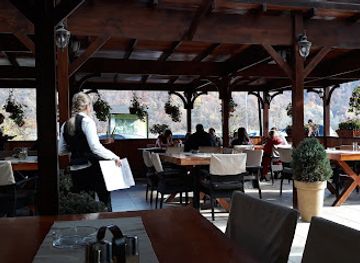
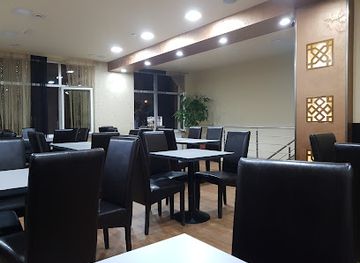
The dining scene in Olt, Romania, is a delightful tapestry of traditional Romanian flavors and modern culinary creativity. Visitors can expect to savor hearty dishes like sarmale (cabbage rolls filled with spiced meat and rice) and mămăligă (a rich cornmeal porridge often served with cheese and sour cream), alongside more contemporary cuisine that showcases the region's fresh, locally-sourced ingredients. The rustic charm of family-run bistros and open-air markets offers an authentic taste of Olt, while stylish restaurants in the larger towns provide a more upscale dining experience. Don't miss the opportunity to sample local wines and homemade desserts, which add an extra layer of indulgence to your culinary journey through this picturesque part of Romania.
-
Restaurant
Restaurant DADA
Discover authentic Romanian cuisine at Restaurant DADA in Călimănești - where every dish tells a story of tradition and flavor.
-
Restaurant
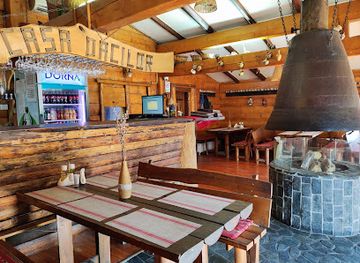
Casa Dacilor
Discover authentic Romanian flavors at Casa Dacilor in Boița, Sibiu – where tradition meets taste in every dish.
-
Fast Food
Happy Mix Grill & Cofee
Discover delicious fast food and coffee at Happy Mix Grill & Coffee in Slatina – where local flavors meet modern tastes.
-
Restaurant
Donald
Experience the flavors of Romania at Donald - where culinary delight meets exceptional events in Jitaru.
Best bars in Olt
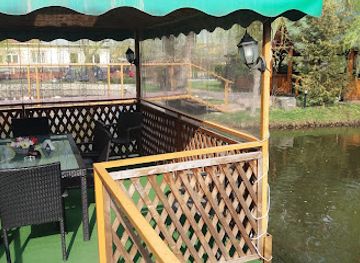
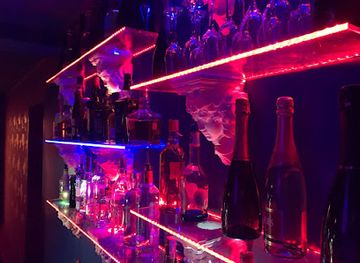
Nestled in the heart of Romania, Olt's nightlife scene offers an eclectic blend of experiences that cater to all tastes. Visitors can start their evening at one of the many cozy, traditional pubs that serve local brews and regional dishes, providing an authentic Romanian atmosphere. As the night progresses, the vibrant clubs and bars in Slatina, the county seat, come alive with pulsating music ranging from modern electronic beats to classic rock tunes. For those seeking a more laid-back experience, the riverside cafes offer a serene ambiance with live acoustic performances, perfect for enjoying a glass of locally-produced wine under the starlit sky. Whether you're a party enthusiast looking to dance the night away or someone who prefers a more relaxed evening, Olt's nightlife promises a memorable experience for every traveler.
-
Pub
Memphis
Experience the vibrant nightlife and local flavors at Memphis Pub in Slatina, a must-visit destination for travelers.
-
Bar
Baroc Cafe Pub
Discover the lively ambiance of Baroc Cafe Pub in Slatina, a perfect spot for drinks and local culture.
-
Wine bar
Fiore Bianco
Experience the charm of Fiore Bianco, a perfect blend of wine bar elegance and fast food convenience in the heart of Slatina.
-
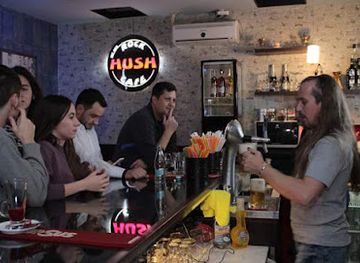
Bar
Hush Rockcafe
Experience the vibrant nightlife of Caracal at Hush Rockcafe, where excellent drinks and live music meet in a lively atmosphere.
Best nightclubs in Olt
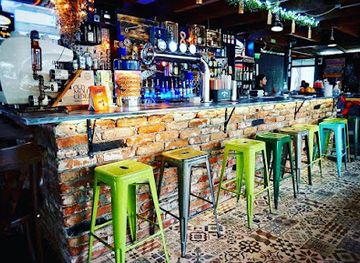
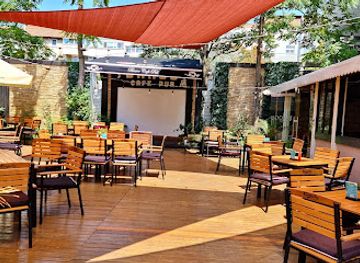
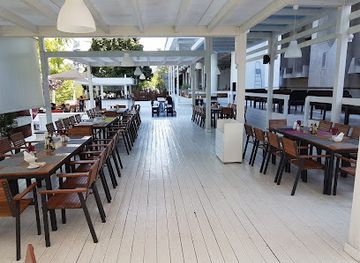
Nestled in the heart of Romania, Olt's nightlife scene offers an eclectic blend of experiences that cater to all tastes. Visitors can start their evening at one of the many cozy, traditional pubs that serve local brews and regional dishes, providing an authentic Romanian atmosphere. As the night progresses, the vibrant clubs and bars in Slatina, the county seat, come alive with pulsating music ranging from modern electronic beats to classic rock tunes. For those seeking a more laid-back experience, the riverside cafes offer a serene ambiance with live acoustic performances, perfect for enjoying a glass of locally-produced wine under the starlit sky. Whether you're a party enthusiast looking to dance the night away or someone who prefers a more relaxed evening, Olt's nightlife promises a memorable experience for every traveler.
-
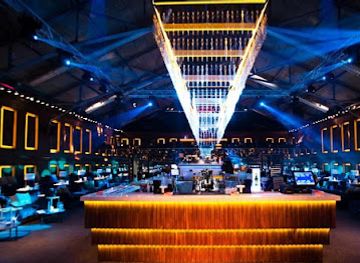
Night club
Liquid The Club
Discover the pulse of Sibiu's nightlife at Liquid The Club, where electrifying music and vibrant energy create unforgettable nights.
-
Night club
Pussycat night club brasov
Discover the electric nightlife of Brașov at Pussycat Night Club, where music, dance, and vibrant performances await every night.
-
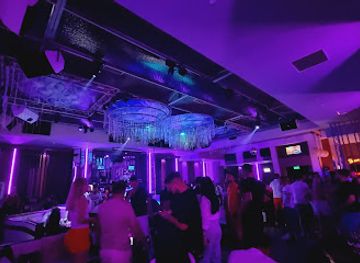
Night club
El Passo Club
Discover the vibrant nightlife of El Passo Club in Găneasa, where music, dancing, and unforgettable experiences await every weekend.
-
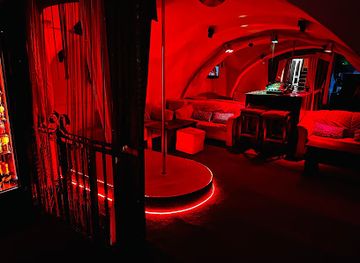
Adult entertainment club
Night Club Iceberg
Unleash your nightlife spirit at Night Club Iceberg, Brașov's premier adult entertainment venue with captivating performances and an electrifying atmosphere.
Best shops in Olt
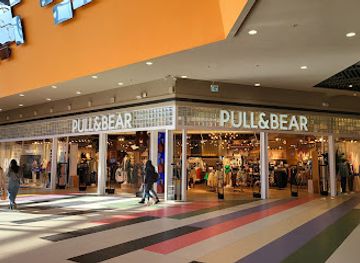
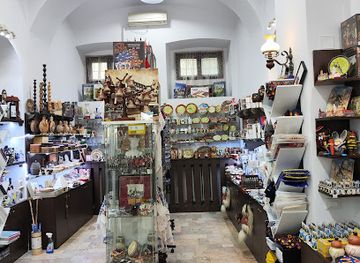
Olt's shopping scene is a delightful blend of traditional and modern offerings, perfect for any avid shopper. As you wander through the bustling markets, you'll find an array of local handicrafts, from intricately woven textiles to beautifully painted ceramics, reflecting the rich cultural heritage of the region. Don't miss the chance to explore the charming boutiques that line the old town streets, where you can discover unique fashion pieces and artisanal jewelry. For a more contemporary shopping experience, head to the local malls that offer a mix of international brands and Romanian designers. Whether you're looking for a special souvenir or the latest fashion trends, Olt's diverse shopping venues promise a memorable retail adventure.
-
Shopping mall
Coresi Shopping Center
Coresi Shopping Center: A vibrant shopping and entertainment destination in Brașov, Romania, perfect for every traveler.
-
Shopping mall
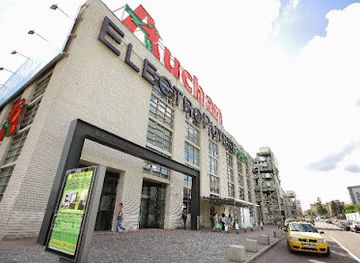
Electroputere Mall
Discover the vibrant shopping experience at Electroputere Mall in Craiova, where fashion, dining, and culture come together for a delightful day out.
-
Shopping mall
Winmarkt Shopping Center
Discover the Winmarkt Shopping Center in Slatina, a vibrant hub for shopping, dining, and entertainment that showcases both local charm and global brands.
-
Souvenir store
Romanian Boutique
Explore the heart of Romania through unique souvenirs, handcrafted treasures, and local artistry at Romanian Boutique in Bucharest.
Get your free copy of our complete guide to Olt, delivered straight to you.
Everything on this page, from attractions and restaurants to essentials and local phrases, in one PDF you can read offline, print or share.
Already have an account? Sign in
Your Olt guide is ready.
We'll send it to · Not you? Sign out

Getting your guide ready…
We are putting together a fresh copy of the Olt guide. This can take up to a minute.
This can take a few moments. If your browser asks, choose Allow so the download can start. You'll find the guide in your Downloads folder.
Nothing happened? Download it again
Sorry, the guide is taking longer than usual. Please try again in a minute, or get it by email instead.
Olt essentials
Currency and Payment
Safety
Emergency Situations
Do's and Don'ts
Local Tips
From Eve
Local phrases worth knowing
You don't need to get them perfect. A few words go a long way, and locals appreciate the effort.
Basics
| English | Local | Say it |
|---|---|---|
| Hello | Salut | [sah-loot] |
| Goodbye | La revedere | [lah reh-veh-deh-reh] |
| Yes | Da | [dah] |
| No | Nu | [noo] |
| Please/You're welcome | Te rog/ Cu plăcere | [teh rog/ koo plah-cheh-reh] |
| Thank you | Mulțumesc | [mool-tsoo-mesk] |
| Excuse me/Sorry | Scuză-mă/Îmi pare rău | [skoo-zah-muh/ uhm pah-reh rah-oo] |
| How are you? | Ce mai faci? | [cheh my fahch] |
| Fine. And you? | Bine. Și tu? | [bee-neh. shee too?] |
| Do you speak English? | Vorbești engleză? | [vor-beshtee eng-leh-zah?] |
| I don't understand | Nu înțeleg | [noo un-tseh-leg] |
Eating & Drinking
| English | Local | Say it |
|---|---|---|
| I'd like to see the menu, please | Aș dori să văd meniul, vă rog | [ahsh doh-ree sah vehd meh-nee-ul, vah rog] |
| I don't eat meat | Nu mănânc carne | [noo mah-nank kar-neh] |
| Cheers! | Noroc! | [noh-rok] |
| I would like to pay, please | Aș dori să plătesc, vă rog | [ahsh doh-ree sah plah-tesk, vah rog] |
Emergencies
| English | Local | Say it |
|---|---|---|
| Help! | Ajutor! | [ah-zhoo-tor] |
| Go away! | Du-te! | [doo-teh] |
| Call the Police! | Sună la poliție! | [soo-nah lah poh-lee-tsee-eh] |
| Call a doctor! | Sună un doctor! | [soo-nah oon dok-tor] |
| I'm lost | M-am pierdut | [mahm pee-er-doot] |
| I'm ill | Sunt bolnav | [soont bol-nav] |
Shopping
| English | Local | Say it |
|---|---|---|
| I'd like to buy... | Aș dori să cumpăr... | [ahsh doh-ree sah koom-pair...] |
| I'm just looking | Mă uit doar | [muh oot doar] |
| How much is it? | Cât costă? | [kuht koh-stah?] |
| That's too expensive | Asta e prea scump | [ahs-tah eh preh-ah skoomp] |
| Can you lower the price? | Poți să scazi prețul? | [pots sah skahz pret-sool?] |
Time & Numbers
| English | Local | Say it |
|---|---|---|
| What time is it? | Ce oră e? | [cheh oh-rah eh?] |
| It's one o'clock | Este o oră | [yeh-steh oh oh-rah] |
| Half past (10) | Jumătate după (10) | [joo-mah-tah-teh doo-pah (10)] |
| Morning | Dimineața | [dee-mee-neh-ah-tsah] |
| Afternoon | După-amiaza | [doo-pah ah-mee-ah-zah] |
| Evening | Seara | [seh-ah-rah] |
| Yesterday | Ieri | [yehr-ee] |
| Today | Astăzi | [ahs-tahz] |
| Tomorrow | Mâine | [mee-neh] |
| 1 | 1 | [unu] |
| 2 | 2 | [doi] |
| 3 | 3 | [trei] |
| 4 | 4 | [patru] |
| 5 | 5 | [cinci] |
| 6 | 6 | [șase] |
| 7 | 7 | [șapte] |
| 8 | 8 | [opt] |
| 9 | 9 | [nouă] |
| 10 | 10 | [zece] |
Transport & Directions
| English | Local | Say it |
|---|---|---|
| Where's a/the...? | Unde este un/ă...? | [oon-deh yeh-steh oon/ah...?] |
| What's the address? | Care este adresa? | [kah-reh yeh-steh ah-dreh-sah?] |
| Can you show me (on the map)? | Poți să-mi arăți (pe hartă)? | [pots sahm ah-rah-tz (peh har-tah)?] |
| When's the next (bus)? | Când vine următorul (autobuz)? | [kand vee-neh oor-mah-toh-rool (ow-toh-booz)?] |
| A ticket (to ....) | Un bilet (la ....) | [oon bee-let (lah ....)] |
History of Olt
Prehistoric Settlements
The Olt region boasts evidence of human settlements dating back to the Neolithic era. Archaeological discoveries have unearthed tools, pottery, and remnants of early dwellings, revealing the rich prehistoric culture that once thrived in this area. The region's fertile plains and access to the Olt River provided ideal conditions for early agriculture and development.
Daco-Roman Period
Olt played a significant role during the Daco-Roman period. The indigenous Dacian tribes, known for their warrior culture, were eventually conquered by the Romans in the early 2nd century AD. The Roman influence is evident in the remains of roads, fortifications, and settlements scattered throughout the region. Roman artifacts and ruins, such as those found in the town of Slatina, offer glimpses into this transformative era.
Medieval Fortresses
During the medieval period, Olt was a focal point of various military and political conflicts. The region is dotted with the ruins of fortresses and castles, such as the medieval fortress in Caracal, which served as important defensive structures against invasions. These fortresses were often built on strategic locations, providing defense and control over the surrounding lands.
Ottoman Influence
From the 15th to the 19th centuries, Olt was under the influence of the Ottoman Empire. This period saw the construction of numerous architectural and cultural landmarks, including mosques and inns, which reflect the Ottoman style. The influence of this era is still visible in the region's architecture and cultural practices, contributing to the diverse heritage of Olt.
Modern Era Development
The modern era brought significant changes to Olt, particularly in the 19th and 20th centuries. The region saw the development of infrastructure, industrialization, and urbanization. Slatina, the administrative center of Olt, grew rapidly during this period, becoming an important industrial hub. The establishment of factories, railways, and modern buildings marked a new chapter in the region's history.
Cultural Heritage and Traditions
Olt's cultural heritage is rich and diverse, with traditions that have been preserved over centuries. The region is known for its folk music, dance, and crafts. Traditional festivals, such as the 'Hora de la Prislop' and 'Călușul', are celebrated with enthusiasm, showcasing the vibrant cultural life of the locals. The craftsmanship of pottery, weaving, and wood carving continues to be an integral part of Olt's cultural identity.
Significant Personalities
Olt has been the birthplace and home of many notable personalities who have contributed to Romania's cultural and historical landscape. Figures such as the poet Eugen Ionescu, the composer Ion Vidu, and the historian Nicolae Iorga have roots in this region. Their works and legacies are celebrated and remembered, adding to the rich historical tapestry of Olt.
Olt in Photos
Browse through our photo collection highlighting the charm and character of the destination.
Neighbouring regions of Olt
The closest regions to Olt, if you have time for more than one.
-
 Oltenia
Discover Oltenia: Romania's untamed region of cultural richness, stunning landscapes, and hearty cuisine. Explore history, nature, and local traditions off the beaten path.
Oltenia
Discover Oltenia: Romania's untamed region of cultural richness, stunning landscapes, and hearty cuisine. Explore history, nature, and local traditions off the beaten path.
-
 Dolj
Explore Dolj, Romania: A captivating blend of history, nature, and culture in the heart of Oltenia.
Dolj
Explore Dolj, Romania: A captivating blend of history, nature, and culture in the heart of Oltenia.
-
 Wallachia
Discover Wallachia: A blend of medieval history, breathtaking landscapes, and traditional Romanian charm in the heart of Romania.
Wallachia
Discover Wallachia: A blend of medieval history, breathtaking landscapes, and traditional Romanian charm in the heart of Romania.
-
 Teleorman
Discover Teleorman, Romania: A land of stunning natural landscapes, historical treasures, and rich cultural experiences.
Teleorman
Discover Teleorman, Romania: A land of stunning natural landscapes, historical treasures, and rich cultural experiences.
-
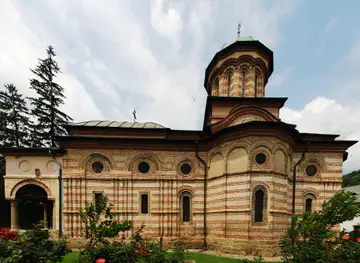 Vâlcea
Discover Vâlcea, Romania's hidden gem, where natural beauty, rich history, and cultural treasures await amidst serene landscapes and warm hospitality.
Vâlcea
Discover Vâlcea, Romania's hidden gem, where natural beauty, rich history, and cultural treasures await amidst serene landscapes and warm hospitality.
Swipe for more regions

