

Free Gitarama Travel Guide & Mobile App
Explore Gitarama with free travel guides. Discover regional history, expert tips, proposed trips, and audio guides on web or mobile app.


Explore Gitarama, now Muhanga, for Rwanda’s republican history, Kabgayi heritage, highland landscapes and everyday southern-road culture.
Read more about Gitarama
When is the best time to visit Gitarama?
Best: January, July–August · 26°C| Month | High (°C) | Rainfall (mm) |
|---|---|---|
| January (best) | 26 | 75 |
| February | 27 | 100 |
| March | 27 | 125 |
| April | 27 | 150 |
| May | 27 | 125 |
| June | 26 | 75 |
| July (best) | 26 | 50 |
| August (best) | 26 | 50 |
| September | 27 | 75 |
| October | 27 | 125 |
| November | 27 | 150 |
| December | 27 | 100 |
Getting to and around Gitarama
How to get there
Transportation
Top city travel guides in Gitarama
The cities of Gitarama, and the easiest places to base yourself.
-
-

-

-

-


Swipe for more cities
Destinations in Gitarama
Resorts, valleys and scenic spots worth a trip of their own.
-

-


Swipe for more destinations
Best attractions in Gitarama
Gitarama’s attractions are concentrated around history, religious heritage and the surrounding highland landscape rather than a large collection of purpose-built visitor sites. Kabgayi is the principal cultural stop, with its cathedral and longstanding Catholic institutions providing insight into the development of education, healthcare and Christianity in Rwanda. In Muhanga, markets, workshops and the busy road corridor reveal the town’s role as a regional service centre. Beyond the built-up area, the hills and cultivated valleys are suited to short walks, scenic drives and observation of everyday agricultural life, provided visitors arrange access respectfully. The town’s political history is another important attraction: Gitarama was the site of the 1961 proclamation of the republic, so local interpretation and knowledgeable guides can add meaning to an otherwise ordinary-looking urban setting. Travellers should not expect the concentrated wildlife experiences found in Rwanda’s national parks, which lie elsewhere in the country. Gitarama works best as a historically significant stop on a wider journey between Kigali and southern Rwanda, with the emphasis on context, landscape and local life rather than a packed sightseeing schedule.
-
Tourist attraction
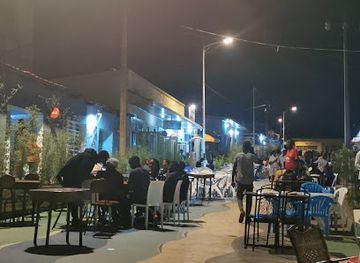
Biryogo Car Free Food Street
Discover the vibrant flavors of Kigali at Biryogo Car Free Food Street, a must-visit culinary destination for every traveler.
-
National park
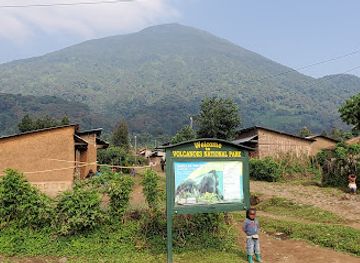
Volcanoes National Park Headquarters
Explore the breathtaking Volcanoes National Park Headquarters in Rwanda, home to majestic mountain gorillas and a stunning natural landscape.
-
Tourist attraction
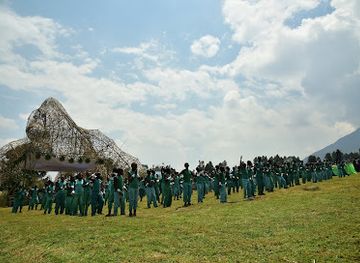
Gorilla naming place (Kwita izina - KinigiKong)
Experience the vibrant culture and conservation efforts at Rwanda's iconic Gorilla Naming Ceremony in Kinigi, a must-visit for wildlife enthusiasts.
-
Wedding venue
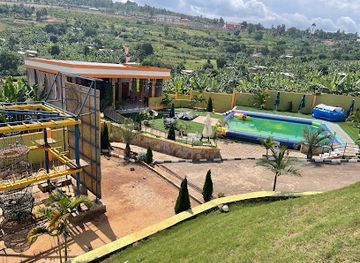
Tedga's Recreation Center
Discover the lively atmosphere of Tedga's Recreation Center in Kigali, where entertainment, dining, and celebrations come together in a beautiful setting.
Best landmarks in Gitarama
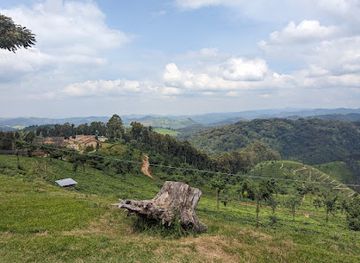
Kabgayi Cathedral is Gitarama’s most recognisable architectural landmark. Its scale and continuing religious use reflect Kabgayi’s importance as a Catholic centre, while the surrounding institutional buildings represent the long relationship between mission activity, education and public life in Rwanda. The wider Kabgayi complex should be visited with sensitivity because it remains a working community rather than a preserved museum quarter. Gitarama’s political significance is less visibly monumental but equally important: the town is associated with the 28 January 1961 proclamation of the Rwandan republic, an event that gives its streets and civic setting a place in the national historical imagination. Muhanga’s surrounding hills are also defining geographical landmarks, with steep cultivated slopes and valleys forming the landscape seen from roads approaching the town. These are lived-in agricultural environments, not empty wilderness, so viewpoints and walks should avoid damaging crops or entering homes and compounds. Together, Kabgayi, the historic town setting and the central highland terrain express Gitarama’s distinctive combination of religious, political and rural identity.
-
History museum
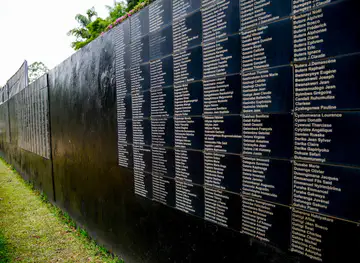
Kigali Genocide Memorial
Visit the Kigali Genocide Memorial to explore the poignant history of Rwanda, honoring the victims while promoting peace and reconciliation.
-
Stadium
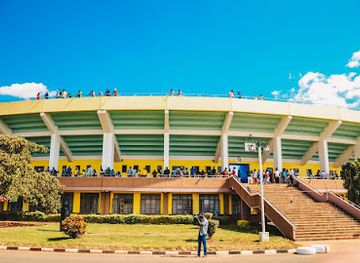
Amahoro National Stadium
Discover the vibrant spirit of Kigali at Amahoro National Stadium, a hub for sports, culture, and community events in Rwanda.
-
Art center
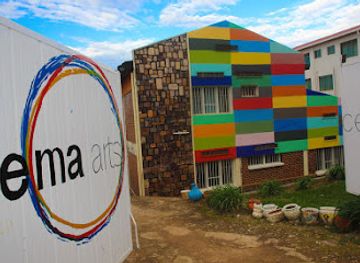
Inema Arts Centre
Explore the vibrant art scene at Inema Arts Centre, a must-see cultural hub in Kigali showcasing contemporary Rwandan artists.
-
National park
Nyungwe Forest National Park
Experience the breathtaking beauty and rich biodiversity of Nyungwe Forest National Park, a paradise for nature lovers and adventure seekers in Rwanda.
Explore Gitarama on the map
Plan your trip on one map. See where the top cities, national parks and sights are, and book hotels and experiences in a few clicks.
Best hotels in Gitarama
Best restaurants in Gitarama
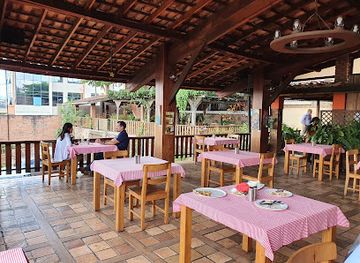
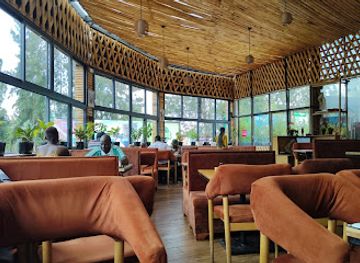
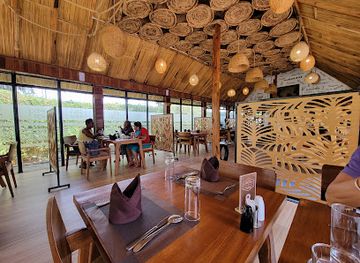
Dining in Gitarama and Muhanga is primarily local and practical, centred on modest restaurants, cafés, market food and roadside establishments rather than an extensive destination fine-dining scene. Common meals in Rwanda include rice, beans, potatoes, bananas, vegetables, grilled meat and brochettes, with portions often accompanied by sauces or plantain. Visitors may also encounter tilapia or other freshwater fish, although availability depends on the establishment. Chapati, sambusa and sweet tea are useful choices for a quick meal, while fresh fruit and locally produced drinks appear in markets and small shops. Kabgayi and the town centre have the greatest concentration of places to eat, but opening times and menus can be informal. Larger hotels and established restaurants are more likely to accept cards, whereas local cafés and food stalls generally require cash or mobile payment. Kigali offers a broader international dining scene outside the region; in Gitarama, the appeal lies in affordable everyday food and the chance to observe how meals fit into ordinary commercial and social life.
-
Restaurant
Sole Luna
Experience the true taste of Italy at Sole Luna in Kigali - a haven for food lovers seeking authentic Italian cuisine.
-
Arab restaurant
The house of mandi
Experience authentic Arabian flavors at The House of Mandi in Kigali - a culinary journey awaits every food lover!
-
Indian
Kurry Kingdom
Discover authentic Indian flavors at Kurry Kingdom in Kigali - a culinary haven blending tradition with modernity for an unforgettable dining experience.
-
Restaurant
Repub Lounge
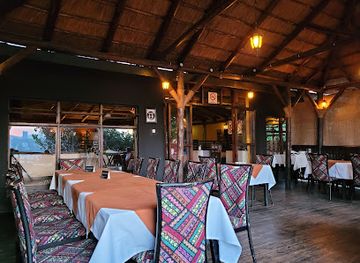
Discover the flavors of Rwanda at Repub Lounge – where tradition meets modernity in a vibrant atmosphere.
Best bars in Gitarama
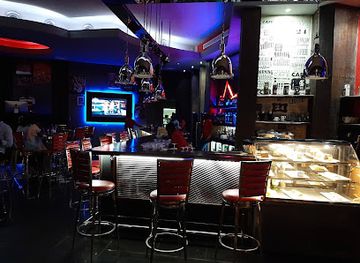
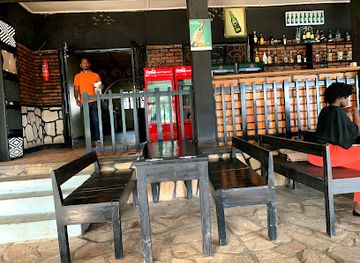
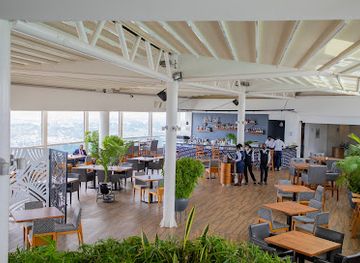
Evening life in Gitarama is modest and generally revolves around neighbourhood bars, cafés, restaurants and hotel lounges rather than a substantial nightclub district. Local venues may serve Rwandan beer, soft drinks and spirits, with music and conversation becoming livelier at weekends or around televised sport. Muhanga’s commercial centre has more choice than the surrounding rural sectors, while smaller communities tend to close earlier and offer little organised nightlife. Visitors should choose busy, reputable establishments, keep valuables secure and arrange their return transport before drinking. Live music and larger club nights are more characteristic of Kigali, outside the region, than of Gitarama. The town’s evening culture is best approached as an opportunity to share a meal, listen to local music or observe ordinary social life, not as a destination built around late-night entertainment.
-
Restaurant
Riders Lounge Kigali
Discover Kigali's nightlife at Riders Lounge, a vibrant restaurant and bar offering exquisite cuisine and lively entertainment.
-
Bar
Repub Lounge
Repub Lounge: A Vibrant Bar and Lounge Experience in the Heart of Kigali, Perfect for Unwinding and Socializing.
-
Grill
Choma'd Bar & Grill
Discover the vibrant flavors of Kigali at Choma'd Bar & Grill, where delicious grilled dishes meet a welcoming atmosphere.
-
Bar
Rooftop Rendezvous
Experience breathtaking views and exquisite cuisine at Rooftop Rendezvous, Kigali's premier rooftop bar and restaurant.
Best nightclubs in Gitarama
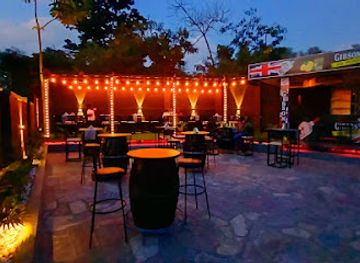
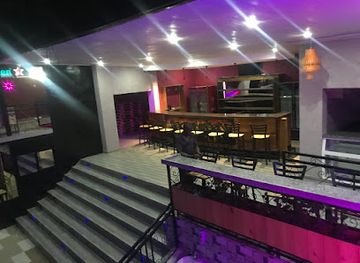
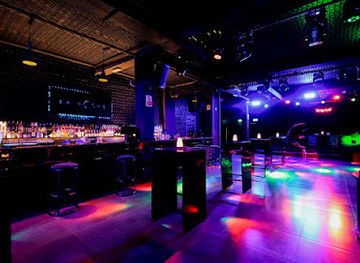
Evening life in Gitarama is modest and generally revolves around neighbourhood bars, cafés, restaurants and hotel lounges rather than a substantial nightclub district. Local venues may serve Rwandan beer, soft drinks and spirits, with music and conversation becoming livelier at weekends or around televised sport. Muhanga’s commercial centre has more choice than the surrounding rural sectors, while smaller communities tend to close earlier and offer little organised nightlife. Visitors should choose busy, reputable establishments, keep valuables secure and arrange their return transport before drinking. Live music and larger club nights are more characteristic of Kigali, outside the region, than of Gitarama. The town’s evening culture is best approached as an opportunity to share a meal, listen to local music or observe ordinary social life, not as a destination built around late-night entertainment.
-
Lounge
Copenhagen Lounge
Experience the vibrant atmosphere and diverse menu at Copenhagen Lounge, Kigali's top destination for relaxation and culinary delight.
-
Lounge
The Green Lounge Bar & Restaurant
Discover The Green Lounge Bar & Restaurant in Kigali: where breathtaking views meet exquisite cuisine in a vibrant atmosphere.
-
Lounge
Deep Lounge
Discover the lively atmosphere of Deep Lounge in Kigali, where vibrant music and delicious drinks create the perfect backdrop for your evening out.
-
Disco club
La Noche
Experience the vibrant nightlife of Kigali at La Noche, the ultimate disco destination for music lovers and party-goers.

Best shops in Gitarama
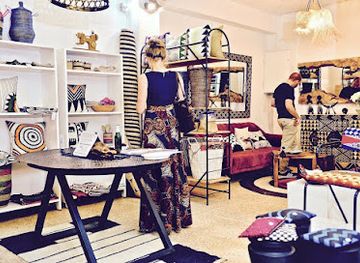
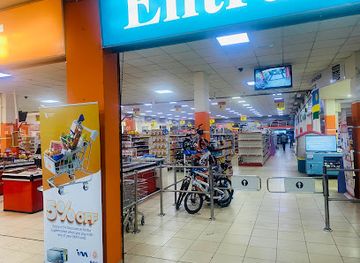
Shopping in Gitarama is centred on Muhanga’s everyday commercial streets, market activity and small independent businesses rather than branded retail or large shopping centres. Markets are useful for seeing the movement of local produce, household goods, clothing and prepared food, while shops and roadside stalls sell fruit, vegetables, baskets, fabrics and practical travel supplies. Visitors may find small craft items and woven products, but should buy only from reputable sellers and ask permission before photographing trading activity. Rwandan coffee, tea and locally produced food products can make appropriate souvenirs, although packaging and availability vary. Bargaining is not equally customary everywhere; ask the seller’s price and negotiate courteously only when the setting suggests it is normal. Kigali, outside the region, provides a wider selection of galleries, crafts and internationally oriented retail. In Muhanga, shopping is more valuable as an encounter with regional commerce and agricultural exchange than as a specialist souvenir experience.
-
Clothing store
Rwanda Clothing Store
Explore authentic Rwandan fashion at the Rwanda Clothing Store in Kigali, where vibrant designs meet rich cultural heritage.
-
Art studio
Azizi Life Studio
Experience the vibrant Rwandan culture through exquisite handicrafts at Azizi Life Studio in Kigali, a must-visit for art enthusiasts.
-
Supermarket
Lumina Supermaket
Explore Muhanga's vibrant local culture at Lumina Supermarket, your go-to spot for fresh produce and Rwandan delicacies.
-
E-commerce service
Roots Rwanda Online Shopping
Discover a unique blend of local products and international brands at Roots Rwanda Online Shopping, your go-to e-commerce destination in Kigali.

Get your free copy of our complete guide to Gitarama, delivered straight to you.
Everything on this page, from attractions and restaurants to essentials and local phrases, in one PDF you can read offline, print or share.
Already have an account? Sign in
Your Gitarama guide is ready.
We'll send it to · Not you? Sign out

Getting your guide ready…
We are putting together a fresh copy of the Gitarama guide. This can take up to a minute.
This can take a few moments. If your browser asks, choose Allow so the download can start. You'll find the guide in your Downloads folder.
Nothing happened? Download it again
Sorry, the guide is taking longer than usual. Please try again in a minute, or get it by email instead.
Gitarama essentials
Currency and Payment
Safety
Emergency Situations
Do's and Don'ts
Local Tips
From Eve
Local phrases worth knowing
You don't need to get them perfect. A few words go a long way, and locals appreciate the effort.
Basics
| English | Local | Say it |
|---|---|---|
| Hello | Muraho | [moo-rah-ho] |
| Goodbye | Nkwifurije iherezo ryiza | [nkoo-ee-foo-ree-zay ee-heh-reh-zo ree-zee-za] |
| Yes | Yego | [yeh-go] |
| No | Oya | [oh-yah] |
| Please/You're welcome | Nyabuneka | [nyah-boo-neh-kah] |
| Thank you | Urakoze | [oo-rah-koh-zeh] |
| Excuse me/Sorry | Mbabarira | [mm-bah-bah-ree-rah] |
| How are you? | Amakuru yawe? | [ah-mah-koo-roo yah-weh] |
| Fine. And you? | Meze neza. Nawe se? | [meh-zeh neh-zah. nah-weh seh?] |
| Do you speak English? | Uravuga Icyongereza? | [oo-rah-vah-goo ee-chohn-geh-rah-zah] |
| I don't understand | Sinumva | [see-noom-vah] |
Eating & Drinking
| English | Local | Say it |
|---|---|---|
| I'd like to see the menu, please | Nashaka kureba menu, nyabuneka | [nah-shah-kah koo-reh-bah meh-noo, nyah-boo-neh-kah] |
| I don't eat meat | Sinarya inyama | [see-nah-ree-ah ee-nyah-mah] |
| Cheers! | Nishimiye! | [nee-shee-mee-yeh] |
| I would like to pay, please | Nashaka kwishyura, nyabuneka | [nah-shah-kah kwee-shee-oo-rah, nyah-boo-neh-kah] |
Emergencies
| English | Local | Say it |
|---|---|---|
| Help! | Mfasha! | [mm-fah-shah] |
| Go away! | Genda kure! | [gen-dah koo-reh] |
| Call the Police! | Hamagarira Polisi! | [hah-mah-gah-ree-rah poh-lee-see] |
| Call a doctor! | Hamagarira umuganga! | [hah-mah-gah-ree-rah oo-moo-gahng-ah] |
| I'm lost | Nabuze | [nah-boo-zeh] |
| I'm ill | Ndi indwara | [n-dee een-dwah-rah] |
Shopping
| English | Local | Say it |
|---|---|---|
| I'd like to buy... | Nashaka kugura... | [nah-shah-kah koo-goo-rah] |
| I'm just looking | Ndi kureba gusa | [n-dee koo-reh-bah goo-sah] |
| How much is it? | Ihatari angahe? | [ee-hah-tah-ree ahn-gah-heh] |
| That's too expensive | Birahenze cyane | [bee-rah-hen-zeh chah-neh] |
| Can you lower the price? | Wabasha kugabanya igiciro? | [wah-bah-shah koo-gah-bah-nyah ee-gee-chee-roh] |
Time & Numbers
| English | Local | Say it |
|---|---|---|
| What time is it? | Ni saa ingahe? | [nee sah ahn-gah-heh] |
| It's one o'clock | Ni saa imwe | [nee sah eem-weh] |
| Half past (10) | Igihe cy'igice cy'icumi | [ee-gee-heh chee ee-gee-cheh chee ee-choo-mee] |
| Morning | Mu gitondo | [moo gee-ton-do] |
| Afternoon | Nyuma ya saa | [nyoo-mah yah sah] |
| Evening | N'ijoro | [nee-ee-jo-roh] |
| Yesterday | Ejo hashize | [eh-jo hah-shee-zeh] |
| Today | Uyu munsi | [oo-yoo moon-sigh] |
| Tomorrow | Ejo hazaza | [eh-jo hah-zah-zah] |
| 1 | 1 | [mwe] |
| 2 | 2 | [kabiri] |
| 3 | 3 | [katatu] |
| 4 | 4 | [kane] |
| 5 | 5 | [gatanu] |
| 6 | 6 | [gatandatu] |
| 7 | 7 | [karindwi] |
| 8 | 8 | [umunani] |
| 9 | 9 | [icyenda] |
| 10 | 10 | [icumi] |
Transport & Directions
| English | Local | Say it |
|---|---|---|
| Where's a/the...? | Aho hantu...? | [ah-hoo hahn-too] |
| What's the address? | Ni iyihe adresse? | [nee ee-yee-heh ah-dress] |
| Can you show me (on the map)? | Ushobora kumfasha (ku ikarita)? | [oo-sho-boo-rah koom-fah-shah (koo ee-kah-ree-tah)] |
| When's the next (bus)? | Igihe kizakurikiraho (bus) ? | [ee-gee-heh kee-zah-kur-ee-kee-rah-ho (boos) ?] |
| A ticket (to ....) | Itike (ku ....) | [ee-tee-keh (koo ....)] |
History of Gitarama
Early Kingdom and Central Highland Settlement
The hills around present-day Muhanga formed part of the territory of the Rwandan kingdom, whose authority expanded and changed over centuries through royal administration, alliances and local power structures. Settlement was shaped by intensive cultivation of the highland slopes, with farming communities relying on carefully managed land in a densely populated environment. Much of the early history is preserved through oral traditions and broader accounts of the Rwandan kingdom rather than through monumental ruins within Gitarama itself.
German and Belgian Colonial Rule
Rwanda came under German influence at the end of the nineteenth century and was administered by Belgium after the First World War as part of Ruanda-Urundi. Colonial rule strengthened administrative hierarchies, taxation and compulsory labour systems while expanding the influence of Christian missions. The Gitarama area became increasingly connected to regional government, roads, schools and churches. These developments altered existing institutions and contributed to social classifications and political tensions that would become particularly important in the mid-twentieth century.
Kabgayi and the Growth of Catholic Institutions
Kabgayi developed into one of Rwanda’s most important Catholic centres during the twentieth century. Its cathedral, mission institutions, schools, healthcare facilities and publishing activities gave the area influence well beyond its immediate surroundings. Mission education produced some of the country’s early literate elites, while the church became deeply involved in public life during the colonial period and after independence. Kabgayi’s buildings and continuing religious activity remain a major part of Gitarama’s historical landscape.
The 1959 Revolution and the End of the Monarchy
The political crisis that began in 1959 transformed Rwanda’s social and constitutional order. Violence, displacement and the collapse of the monarchy unfolded during the final years of Belgian trusteeship, affecting communities across the country, including the central highlands. Gitarama became an important political centre during this transition. The period is difficult and contested, and visitors should understand it as a time of profound upheaval rather than a simple change of government.
The Gitarama Republic, 1961
On 28 January 1961, a meeting at Gitarama proclaimed Rwanda a republic and abolished the monarchy, an event often known as the Gitarama coup or revolution. The declaration was made during a period of Belgian-supervised political change and was followed by further constitutional developments before independence. It made Gitarama one of the most symbolically important political places in modern Rwanda. The episode also reflected the intense disputes and unequal power relations that shaped the country’s route to statehood.
Independence and the Muhanga Era
Rwanda became independent in 1962, and Gitarama continued as an important administrative and transport centre in the country’s south-central interior. Later administrative reforms changed the organisation of local government, and the town became officially associated with Muhanga District in Southern Province. The historic name remains prominent in national memory and everyday speech. Contemporary Muhanga combines a growing service economy with surrounding agricultural communities, while Kabgayi continues to preserve a strong institutional and religious presence.
Reconstruction and Contemporary Rwanda
The 1994 genocide against the Tutsi devastated Rwanda and caused suffering throughout the country. In the decades since, national reconstruction has reshaped public administration, infrastructure, education and urban development, including in Muhanga. New roads and services have strengthened the town’s role as a southern transport junction, while local communities continue to confront the responsibilities of remembrance and reconciliation. Modern Gitarama is therefore both a functioning commercial centre and a place connected to some of Rwanda’s most consequential political histories.
Gitarama in Photos
Browse through our photo collection highlighting the charm and character of the destination.
Neighbouring regions of Gitarama
The closest regions to Gitarama, if you have time for more than one.
-

-

-

-

-


Swipe for more regions
Explore more

Explore more of Rwanda
Discover Rwanda: A land of rolling hills, rich culture, and unforgettable wildlife experiences. From mountain gorillas to serene lakes, adventure awaits in every corner.
Explore Rwanda