

Free Kibuye Travel Guide & Mobile App
Plan your Kibuye trip with Evendo. Get free guides to top attractions, restaurants, hotels, and bars. Web access or download the mobile app.


Kibuye, Rwanda, pairs Lake Kivu scenery with genocide remembrance, island boat trips, hillside views, kayaking and access to the Congo Nile Trail.
Lake, Hills and Open Horizons
Kibuye, officially associated with Karongi District, occupies one of the most scenic stretches of Rwanda’s Lake Kivu shoreline. The town spreads across green hills and peninsulas above deep blue water, with quiet inlets, small islands and distant mountains shaping its outlook. Unlike Kigali, Kibuye feels unhurried and closely connected to the landscape; daily life revolves around lakeside communities, small businesses, fishing activity and the winding roads that climb into the surrounding countryside.Read more about Kibuye
A Town of Memory
Lakeside Life and Outdoor Discovery
When is the best time to visit Kibuye?
Best: June–August · 26°C| Month | High (°C) | Rainfall (mm) |
|---|---|---|
| January | 27 | 102 |
| February | 27 | 115 |
| March | 27 | 181 |
| April | 27 | 250 |
| May | 27 | 278 |
| June (best) | 26 | 50 |
| July (best) | 26 | 18 |
| August (best) | 26 | 22 |
| September | 26 | 100 |
| October | 27 | 220 |
| November | 27 | 260 |
| December | 27 | 170 |
Getting to and around Kibuye
How to get there
Transportation
Best attractions in Kibuye
Kibuye’s principal attractions combine Lake Kivu scenery with places of remembrance and outdoor discovery. The Kibuye Genocide Memorial offers a solemn, important account of victims of the 1994 Genocide against the Tutsi, while the town’s lakeshore provides changing views across inlets, hills and forested islands. Boat excursions commonly explore nearby islands such as Napoleon Island, known for its natural setting and birdlife, although conditions and access should be confirmed locally. Visitors can also walk sections of the Congo Nile Trail, a network following Rwanda’s western highlands between lakeside communities, or arrange kayaking and other water-based activities where conditions permit. The small town centre, local market and roadside viewpoints reveal more of everyday life than a conventional resort itinerary, while Bisesero offers a significant memorial visit outside Kibuye for those making a separate road journey. The attractions are best experienced at a measured pace, allowing both landscape and history their proper weight.
-
Museum
Museum of Environment
Explore Rwanda's ecological treasures at the Museum of Environment in Kibuye, where nature and culture intertwine beautifully.
2 min walk · 0.2 km from city centre
-
Tour operator
Blue Monkey Tours Rwanda, Boat tour agency, tour operator ,lake kivu boat, wildlife safari,gorilla trekking ,congo nile trail
Discover the beauty of Rwanda with Blue Monkey Tours, offering boat tours, wildlife safaris, and unforgettable gorilla trekking experiences in stunning natural landscapes.
1 min walk · 0.1 km from city centre
-
Boat tour agency
Kibuye Lake kivu boat tours
Explore Kibuye’s breathtaking boat tours on Lake Kivu, where stunning landscapes and rich culture come together for an unforgettable experience.
1 min walk · 0.1 km from city centre
-
Tourist attraction
Les Chutes de Ndaba
Experience the breathtaking beauty of Les Chutes de Ndaba, a stunning waterfall in Rwanda, perfect for nature lovers and adventure seekers.
34 min drive · 14 km from city centre
Best landmarks in Kibuye
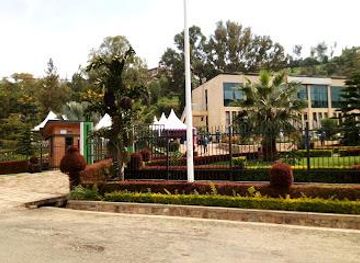
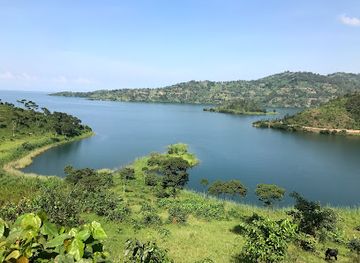
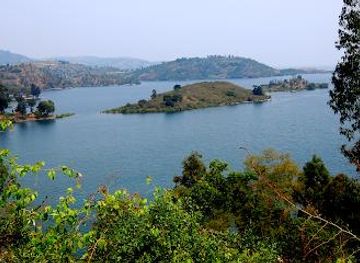
Kibuye’s most significant landmarks express both the town’s lakeside identity and Rwanda’s recent history. The Kibuye Genocide Memorial is the town’s central place of remembrance, commemorating victims of the 1994 Genocide against the Tutsi and giving the surrounding landscape a significance beyond its scenic appeal. Lake Kivu itself is the defining natural landmark, with steep green shores, small islands and broad water views shaping the town’s geography. Napoleon Island, reached by boat when conditions allow, is a recognisable feature of the nearby lake and is associated with its distinctive vegetation and birdlife. The wider hills and roads towards Bisesero form part of a separate memorial landscape connected with resistance and genocide history, although Bisesero is outside Kibuye. Together, these places show how geography, memory and contemporary identity are closely linked in the town.
-
Hotel
Bethany Hotel A
Discover the ideal blend of modern comfort and local charm at Bethany Hotel A, your home away from home in Rwanda's vibrant landscape.
15 min walk · 1.2 km from city centre
-
 Hotel
Cormoran Lodge
Experience the beauty of Lake Kivu at Cormoran Lodge in Kibuye, a perfect blend of comfort, nature, and culinary delights.
15 min walk · 1.2 km from city centre
-
Hotel
Moriah Hill Resort
Experience tranquility and breathtaking views at Moriah Hill Resort, your perfect getaway in the heart of Rwanda's stunning scenery.
6 min drive · 1.8 km from city centre
-
Guest house
Home Saint Jean
Discover tranquility at Home Saint Jean, a charming guest house on the shores of Lake Kivu, offering comfort and stunning views in Kibuye, Rwanda.
14 min walk · 1.1 km from city centre
Explore Kibuye on the map
Plan your Kibuye trip on one map. See where the top attractions, landmarks, restaurants, bars and hotels are, find what's near where you're staying, and book hotels and experiences in a few clicks.
Best hotels in Kibuye
Best restaurants in Kibuye
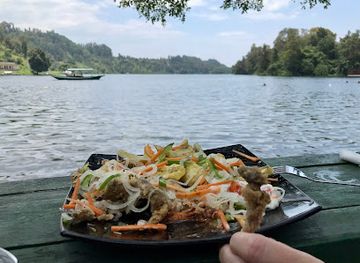
Kibuye’s dining scene is modest and locally focused, with restaurants and cafés attached to guesthouses, hotels and businesses around the town centre and lakeshore. Menus commonly reflect Rwandan staples such as beans, plantain, potatoes, cassava, rice, grilled meat and vegetables, alongside fish from the Lake Kivu region where supplies and regulations permit. Brochettes, skewered and grilled meat, are a familiar casual choice across Rwanda, while tea and coffee connect the town to the country’s highland agricultural culture. Lakeside establishments may offer an appealing setting for a slow meal, but service can be relaxed and menus may depend on daily supplies. Small local eateries provide a more everyday experience than formal dining rooms, although visitors should choose busy, well-kept premises and take normal care with water and food hygiene. Kibuye is better suited to simple, fresh meals than an elaborate restaurant circuit.
-
Hotel
Bethany Hotel A
Experience comfort and warmth at Bethany Hotel A in Rwanda – your perfect base for adventure and relaxation amidst stunning landscapes.
15 min walk · 1.2 km from city centre
-
Restaurant
Cormoran Lodge
Discover Cormoran Lodge: where exquisite dining meets breathtaking views on the shores of Lake Kivu in Kibuye.
15 min walk · 1.2 km from city centre
-
Hotel
Cleo Lake Kivu Hotel
Experience unparalleled tranquility at Cleo Lake Kivu Hotel with stunning lake views, exceptional dining, and warm hospitality in beautiful Rwanda.
18 min walk · 1.5 km from city centre
-
Hotel
Rebero Kivu Resort
Experience luxury and tranquility at Rebero Kivu Resort near Lake Kivu – your gateway to adventure and relaxation in Rwanda.
3 min walk · 0.2 km from city centre
Best bars in Kibuye
Kibuye’s evening life is generally quiet and social rather than centred on large nightclubs. Hotel bars, small local bars and lakeside establishments provide places for a beer, soft drink or conversation, with activity often concentrated around the town centre and accommodation areas. Rwanda’s well-known beer brands are commonly available, while tea and coffee offer non-alcoholic alternatives. Some venues play recorded music, and occasional local entertainment may appear, but schedules and opening arrangements are not consistent enough to plan around. After dark, the lake and hills create a peaceful atmosphere rather than a brightly lit entertainment district, and roads beyond the centre can be poorly lit. Visitors should arrange their return transport in advance, drink responsibly and respect the quieter character of residential areas and the solemn setting of nearby memorial sites.
-
Restaurant
Cormoran Lodge
Experience the breathtaking beauty of Kibuye at Cormoran Lodge, where exceptional dining meets stunning lakeside views.
15 min walk · 1.2 km from city centre
-
Grill
JIDOS PLAZA
Discover the rich culinary traditions at JIDOS PLAZA in Kibuye, where every dish tells a story of flavor and hospitality.
6 min drive · 2.1 km from city centre
-
Bar
Golf Lake Beach
Experience the tranquil charm of Golf Lake Beach in Kibuye, where serene waters meet stunning landscapes, perfect for relaxation and adventure.
1 min walk · 0.1 km from city centre
-
Bar
Kimwe pub
Discover the lively atmosphere of Kimwe Pub in Gitesi, where vibrant nightlife meets authentic Rwandan culture.
12 min walk · 0.9 km from city centre
Best shops in Kibuye
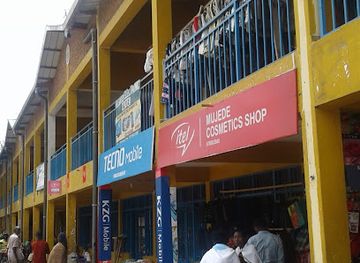
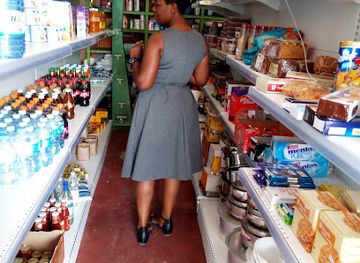
Shopping in Kibuye is practical and local rather than centred on major retail districts. The town market and small shops provide everyday produce, household goods, clothing and basic travel supplies, while roadside stalls may sell fruit, vegetables and locally made items. Visitors looking for souvenirs may find woven goods, baskets, textiles, carved objects or other Rwandan handicrafts through local sellers and craft initiatives, although selection and availability vary. Coffee and tea from Rwanda’s highland-growing regions can make appropriate gifts when purchased from reputable businesses, with packaging and transport considerations checked before departure. Bargaining should be polite and proportionate, and photographs of vendors or workshops should be taken only with permission. Kibuye’s shopping experience is closely tied to its role as a small regional centre, so it is more about observing everyday commerce and finding locally produced goods than browsing a concentrated tourist marketplace.
-
Market
Karongi Market
Explore Karongi Market in Gitesi, Rwanda: A colorful marketplace offering fresh produce, unique crafts, and a taste of local culture.
11 min walk · 0.9 km from city centre
-
Grocery store
Future Supermarket Ltd
Discover local flavors at Future Supermarket Ltd in Gitesi, your gateway to fresh produce and authentic Rwandan culinary delights.
14 min walk · 1.1 km from city centre
-
Supermarket
Agaciro Legacy
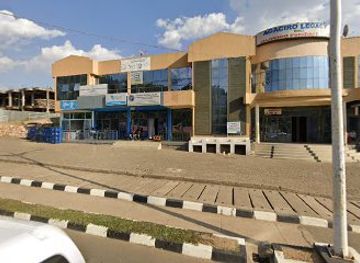
Discover the essence of Rwanda at Agaciro Legacy, a vibrant supermarket filled with local flavors and community spirit.
10 min walk · 0.8 km from city centre
-
Shopping mall
Gitikinini Market
Discover the vibrant Gitikinini Market in Mabanza, where local culture, delectable street food, and unique crafts await every traveler.
22 min drive · 7.4 km from city centre
Get your free copy of our complete guide to Kibuye, delivered straight to you.
Everything on this page, from attractions and restaurants to essentials and local phrases, in one PDF you can read offline, print or share.
Already have an account? Sign in
Your Kibuye guide is ready.
We'll send it to · Not you? Sign out

Getting your guide ready…
We are putting together a fresh copy of the Kibuye guide. This can take up to a minute.
This can take a few moments. If your browser asks, choose Allow so the download can start. You'll find the guide in your Downloads folder.
Nothing happened? Download it again
Sorry, the guide is taking longer than usual. Please try again in a minute, or get it by email instead.
Kibuye essentials
Currency and Payment
Safety
Emergency Situations
Do's and Don'ts
Local Tips
From Eve
Local phrases worth knowing
You don't need to get them perfect. A few words go a long way, and locals appreciate the effort.
Basics
| English | Local | Say it |
|---|---|---|
| Hello | Muraho | [moo-rah-ho] |
| Goodbye | Murabeho | [moo-rah-beh-ho] |
| Yes | Yego | [ye-go] |
| No | Oya | [oh-ya] |
| Please/You're welcome | Murakoze | [moo-rah-ko-zay] |
| Thank you | Murakoze cyane | [moo-rah-ko-zay chya-nay] |
| Excuse me/Sorry | Ndasubirwaho | [n-da-soo-bee-raw-ho] |
| How are you? | Amakuru | [ah-ma-koo-roo] |
| Fine. And you? | Nziza. Na wewe? | [n-zee-zah. nah way-way] |
| Do you speak English? | Mwakoresheje ikinyarwanda? | [mwa-ko-ray-sheh-jay ee-keen-yah-rwan-da] |
| I don't understand | Ntakindi kumenya | [n-ta-kin-dee koo-men-ya] |
Eating & Drinking
| English | Local | Say it |
|---|---|---|
| I'd like to see the menu, please | Nifite kandi menu, cyane | [nee-fee-tay kan-dee meh-noo, chya-nay] |
| I don't eat meat | Si kunywa ibiryo | [see koo-ny-wa ee-beer-yo] |
| Cheers! | Amahoro! | [ah-ma-ho-ro] |
| I would like to pay, please | Nifite kugurisha, cyane | [nee-fee-tay koo-goo-ree-sha, chya-nay] |
Emergencies
| English | Local | Say it |
|---|---|---|
| Help! | Ubwicanyi! | [oo-wee-chan-yee] |
| Go away! | Tora ubu! | [to-rah oo-boo] |
| Call the Police! | Sibyaza polisi! | [see-byah-zah po-lee-see] |
| Call a doctor! | Sibyaza daktari! | [see-byah-zah dak-ta-ree] |
| I'm lost | Ndaravuze | [n-da-ra-voo-zay] |
| I'm ill | Ndi mubwi | [n-dee moo-bee] |
Shopping
| English | Local | Say it |
|---|---|---|
| I'd like to buy... | Nifite kugura... | [nee-fee-tay koo-goo-rah...] |
| I'm just looking | Ndagira icyo nshaka | [n-da-gee-ra ee-cho n-sha-ka] |
| How much is it? | Ni iki gici? | [nee ee-kee gee-chee?] |
| That's too expensive | Ni byiza byinshi | [nee bee-zah bee-n-shee] |
| Can you lower the price? | Mwemereze umukino | [mwe-may-ray-zay oo-moo-kee-no] |
Time & Numbers
| English | Local | Say it |
|---|---|---|
| What time is it? | Saa ngapi? | [sah ngah-pee] |
| It's one o'clock | Ni saa rimwe | [nee sah reem-way] |
| Half past (10) | Saa munani | [sah moo-nah-nee] |
| Morning | Umugoroba | [oo-moo-go-ro-ba] |
| Afternoon | Igihe cya mu gitondo | [ee-gee-hay cha moo gee-ton-do] |
| Evening | Umusi | [oo-moo-see] |
| Yesterday | Ejo | [ay-joh] |
| Today | Ejo | [ay-joh] |
| Tomorrow | Ejo | [ay-joh] |
| 1 | Rimwe | [reem-way] |
| 2 | Kabiri | [ka-bee-ree] |
| 3 | Gatatu | [ga-ta-too] |
| 4 | Kane | [ka-nay] |
| 5 | Gatanu | [ga-ta-noo] |
| 6 | Gatandatu | [ga-tan-da-too] |
| 7 | Kumwe | [koom-way] |
| 8 | Ruhoko | [roo-ho-ko] |
| 9 | Ruguru | [roo-goo-roo] |
| 10 | Icyumweru | [ee-choom-way-roo] |
Transport & Directions
| English | Local | Say it |
|---|---|---|
| Where's a/the...? | Ejo he? | [ay-joh hay] |
| What's the address? | Aho ni cyangwa? | [ah-ho nee chya-ngwah] |
| Can you show me (on the map)? | Mwemereze undi (mu masaha)? | [mwe-may-ray-zay oon-dee (moo mah-sa-ha)] |
| When's the next (bus)? | Ni iki cy'ubucuruzi kiboneka? | [nee ee-kee chyo-boo-chu-roo-zee kee-bo-ne-kah] |
| A ticket (to ....) | Igiciro (ku ....) | [ee-gee-chee-roh koo] |
History of Kibuye
Before the Modern Town
The hills around present-day Kibuye formed part of the territory governed by the precolonial Kingdom of Rwanda. Communities farmed the highlands, kept livestock and traded across the ridges and valleys surrounding Lake Kivu, whose shoreline was less urbanised than it is today. The lake connected settlements and provided food and transport, but the steep terrain and scattered habitation meant that no large lakeside city developed in the manner of an ancient commercial capital. Kibuye’s later importance grew from its position as an administrative and transport centre rather than from a single ancient foundation. The surrounding landscape still reflects this history: cultivated slopes, village settlements and narrow roads link the town to a densely inhabited rural hinterland.
Colonial Administration and Missionary Change
German authority was established over Rwanda at the end of the nineteenth century, followed by Belgian administration after the First World War under a League of Nations mandate and later a United Nations trusteeship. During the colonial period, administrative structures, taxation, mission activity and new road connections altered life in the western highlands. Kibuye developed as a local administrative centre on the Lake Kivu shore, gaining importance through its position between the interior and lakeside settlements. Missionary Christianity and colonial schooling expanded alongside systems of rule that hardened social categories and reshaped older political relationships. These changes affected the wider region as much as the town itself, laying foundations for the institutions and tensions inherited by independent Rwanda.
Independence and Regional Development
Rwanda became independent in 1962, and Kibuye continued as an administrative and commercial centre for the western part of the country. Its economy remained connected to subsistence farming, fishing, small-scale trade and movement along the Lake Kivu corridor. The town’s dramatic setting encouraged modest lakeside tourism, while roads linked it with Gisenyi, Rubavu, Kigali and settlements farther south. For much of the post-independence period, Kibuye was associated with the former Kibuye Prefecture. Later decentralisation reforms reorganised local government, and the area became part of Karongi District in Western Province. The names Kibuye and Karongi therefore coexist in present-day usage, with Kibuye generally referring to the town and Karongi to the administrative district.
The 1994 Genocide against the Tutsi
In 1994, during the Genocide against the Tutsi, Kibuye and the surrounding prefecture witnessed mass killings. Thousands of people sought refuge in churches, public buildings and other sites, but many were murdered during the genocide. The Kibuye Genocide Memorial now preserves the memory of victims and supports Rwanda’s national work of remembrance and education. Bisesero, in the wider region west of Kibuye, is especially associated with organised resistance by Tutsi who attempted to defend themselves before being overwhelmed; it is a separate destination requiring a journey beyond the town. Accounts of this period should be approached through memorial institutions and established historical scholarship rather than simplified travel narratives.
Rebuilding Kibuye and Karongi
Since the 1994 genocide, Rwanda has pursued reconstruction, reconciliation and economic development, and Kibuye has changed alongside the country. Roads, public services, accommodation and visitor facilities have gradually strengthened its role as a base on Lake Kivu. The town remains smaller and quieter than Kigali, with its identity shaped by both remembrance and the natural environment. Lake-based tourism, the Congo Nile Trail and connections with other western destinations have brought new attention to the area, while farming, fishing and local commerce remain central to everyday life. Contemporary Kibuye is therefore not simply a resort town: its lakeside scenery exists alongside a serious memorial landscape and a community still connected to the rural hills around it.
Kibuye in Photos
Browse through our photo collection highlighting the charm and character of the destination.
Cities near Kibuye
The closest cities to Kibuye, if you have time for more than one stop.
-

-

-

-

-


Swipe for more cities
Explore more

Explore more of Rwanda
Discover Rwanda: A land of rolling hills, rich culture, and unforgettable wildlife experiences. From mountain gorillas to serene lakes, adventure awaits in every corner.
Explore Rwanda