

Black Rocks Travel Guide - Free Web & App
Your ultimate guide to Black Rocks. Discover top landmarks, proposed trips, and local tips. Free on the web or via the Evendo companion app.


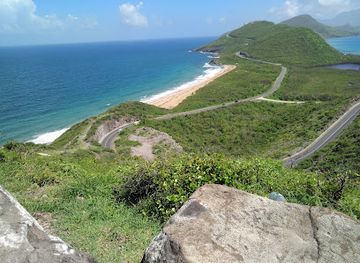
Black Rocks in Saint Kitts and Nevis reveals Nevis's volcanic coast, dark lava formations, sea views and quiet island routes near historic villages.
A Shoreline Shaped by Fire
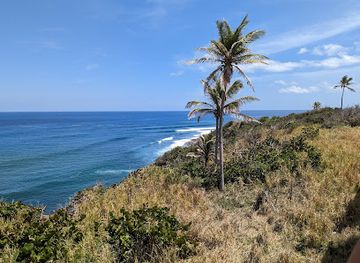
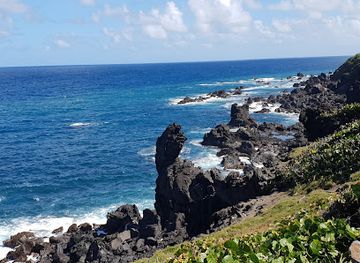
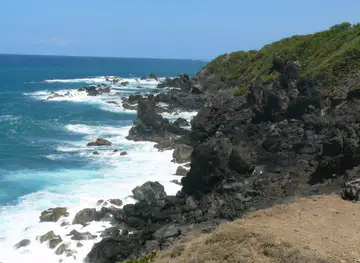
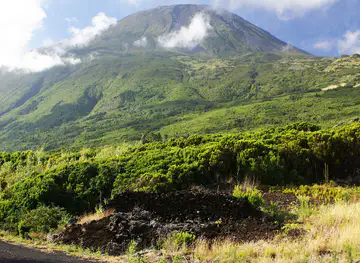
Black Rocks is a rugged coastal landscape on the island of Nevis, part of the Federation of Saint Kitts and Nevis in the eastern Caribbean. Its name refers to dark volcanic rock formations along the island’s north-eastern coast, where ancient lava flows meet the sea. The rocks create a strong contrast with Nevis’s green volcanic slopes and provide a concentrated glimpse of the geological forces that shaped the island around Nevis Peak. This is a natural site rather than a developed resort, so the appeal lies in its textures, coastal views and quiet atmosphere.Read more about Black Rocks
Nevisian Landscapes and Local Character
Exploring the Area
When is the best time to visit Black Rocks?
Best: June–August · 31°C| Month | High (°C) | Rainfall (mm) |
|---|---|---|
| January | 30 | 68 |
| February | 31 | 63 |
| March | 31 | 60 |
| April | 31 | 56 |
| May | 31 | 53 |
| June (best) | 31 | 49 |
| July (best) | 31 | 48 |
| August (best) | 31 | 49 |
| September | 30 | 52 |
| October | 30 | 55 |
| November | 30 | 59 |
| December | 30 | 64 |
Getting to and around Black Rocks
How to get there
Transportation
Best attractions in Black Rocks
The principal attraction at Black Rocks is the dark, irregular volcanic shoreline itself, where lava-derived rock contrasts with the blue Caribbean and the green slopes of Nevis. It is a compact natural stop suited to geology, landscape photography and quiet coastal observation rather than a full-service beach visit. The surrounding island broadens the experience: Charlestown offers historic streets and the Alexander Hamilton Museum, while Bath Village is associated with the island’s thermal springs and the Bath Hotel site. Inland, Nevis Peak provides a forested mountain setting for guided hiking, although routes and conditions require local advice. Former plantation properties, including Montpelier Plantation and Hermitage Inn, connect the rural landscape with Nevis’s sugar history. Along the coast, visitors can combine Black Rocks with drives through small villages and views towards Saint Kitts, keeping in mind that some attractions and roads lie outside the immediate formation and that access arrangements can vary.
-
Grill
Reggae Beach Bar-Grill
Discover the vibrant atmosphere and delicious Caribbean cuisine at Reggae Beach Bar-Grill in St. Kitts & Nevis, where every meal is a celebration.
-
Tourist attraction
Brimstone Hill Fortress National Park
Discover the historical significance and breathtaking views at Brimstone Hill Fortress National Park in St. Kitts.
-
Restaurant
Shipwreck Beach Bar
Experience the vibrant Caribbean culture at Shipwreck Beach Bar, a top dining destination in St. Kitts offering delicious food, refreshing drinks, and stunning ocean views.
-
Tourist attraction
St. Kitts Scenic Railway
Discover the breathtaking landscapes and rich history of St. Kitts aboard the scenic railway, a unique heritage experience for all travelers.


Best landmarks in Black Rocks
Black Rocks is chiefly a geological landmark: its dark lava formations reveal the volcanic character of Nevis and form a stark coastal counterpoint to the vegetation rising towards Nevis Peak. The site has greater meaning when read alongside the island’s principal natural landmark, the central mountain that dominates views from the coast and shaped Nevis’s terrain. Elsewhere on the island, Charlestown’s Georgian architecture, the Alexander Hamilton Museum and the Bath Hotel site represent important historical landmarks, while plantation properties and surviving estate structures recall the sugar economy and the society built around it. These places are not all within Black Rocks itself; they belong to the wider Nevis setting and can be linked by road. The force of the sea, fertility of the volcanic soil and long history of settlement are brought together in this compact island landscape.
-
Tourist attraction
Timothy Hill Overlook
Discover the stunning beauty of St. Kitts at Timothy Hill Overlook, a must-visit spot for breathtaking views and serene moments.
-
Fortress
Brimstone Hill Fortress National Park
Discover the historical significance and stunning vistas of Brimstone Hill Fortress National Park, a UNESCO World Heritage site in St. Kitts & Nevis.
-
Cruise terminal
Port Zante
Experience the vibrant culture and stunning scenery of St. Kitts at Port Zante, your gateway to Caribbean adventure and local flavors.
-
Heritage railroad
St. Kitts Scenic Railway
Experience the breathtaking landscapes and rich history of St. Kitts aboard the scenic railway, a memorable journey through the island's heritage.
Explore Black Rocks on the map
Plan your trip on one map. See where the top attractions, landmarks, restaurants and hotels are, and book hotels and experiences in a few clicks.
Best hotels in Black Rocks
Best restaurants in Black Rocks
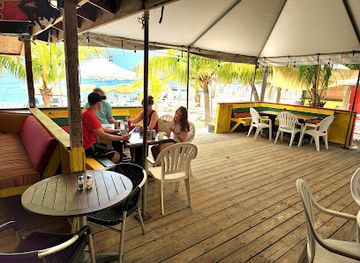
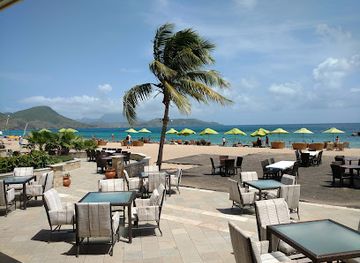
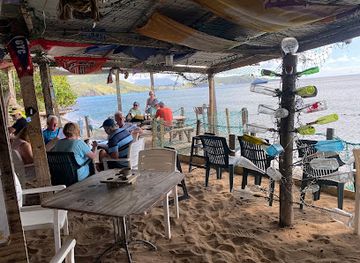
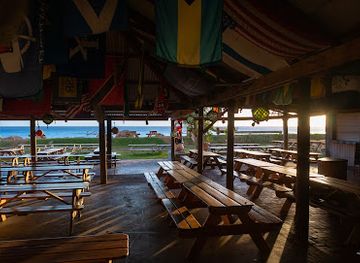
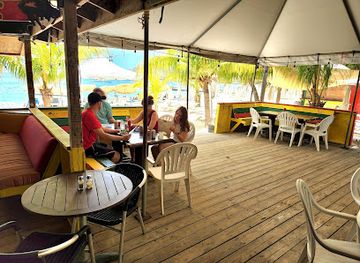
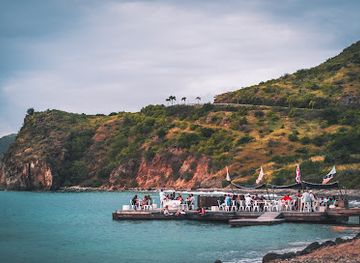
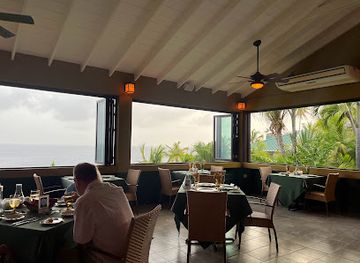
There is no established restaurant strip at Black Rocks, so visitors normally eat in Charlestown, at accommodation properties or in villages around Nevis. The island’s food culture draws on Caribbean home cooking, locally grown produce, seafood, rice and peas, plantain, goat water and other dishes shaped by African, British and wider Caribbean traditions. Menus and opening patterns vary, particularly outside the main settlements, making it sensible to plan meals before travelling along the quieter northern and eastern coast. Charlestown has the broadest concentration of cafés, restaurants and provisions, while hotels, guesthouses and plantation properties may offer dining for guests and sometimes other visitors. Farm shops and small local vendors can provide fruit, drinks or prepared food, but these should not be assumed at the Black Rocks site itself.
-
Grill
Reggae Beach Bar-Grill
Experience Caribbean flavors at Reggae Beach Bar-Grill in St. Kitts & Nevis - where delicious food meets vibrant reggae culture.
-
Restaurant
Carambola Beach Club
Discover culinary delights and breathtaking views at Carambola Beach Club in St. Kitts - your perfect tropical escape.
-
Restaurant
Shipwreck Beach Bar
Experience Caribbean flavors at Shipwreck Beach Bar in St. Kitts – where vibrant atmosphere meets stunning ocean views.
-
Restaurant
Sprat Net
Experience authentic Caribbean flavors at Sprat Net, where fresh seafood meets stunning views in St. Kitts.
Best bars in Black Rocks
Evening entertainment around Black Rocks is limited because the site lies in a rural coastal setting without a recognised nightlife district. The more characteristic Nevisian evening is a relaxed meal, a drink at a hotel or guesthouse, or conversation at a village bar, with activity concentrated around Charlestown and established accommodation areas rather than the formation. Live music, community gatherings and seasonal cultural events may occur, but they are not permanent attractions and should be checked locally. Visitors seeking a larger choice of bars or late evening venues may find more options in Basseterre on Saint Kitts, although that is outside Nevis and requires separate inter-island travel. At Black Rocks itself, sunset observation and the sound of the sea are more realistic evening experiences than organised nightlife.
-
Grill
Reggae Beach Bar-Grill
Discover the vibrant flavors and relaxing atmosphere of Reggae Beach Bar-Grill in St. Kitts & Nevis, where the Caribbean spirit comes alive.
-
Caribbean
Salt Plage at Christophe Harbour
Discover the tropical charm and exquisite flavors at Salt Plage, a premier dining destination in St. Kitts' Christophe Harbour.
-
Restaurant
Rock Lobster Seafood & Grill
Experience the best of Caribbean seafood at Rock Lobster Seafood & Grill, where fresh flavors and stunning vistas meet for an unforgettable dining experience.
-
Caribbean
Marshall's
Experience the vibrant flavors of the Caribbean at Marshall's in Frigate Bay, a dining destination that pairs exquisite cuisine with breathtaking views.

Best nightclubs in Black Rocks
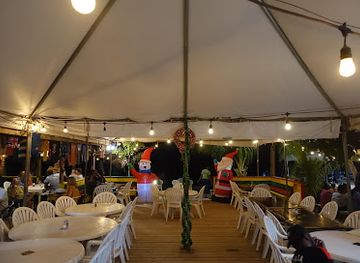
Evening entertainment around Black Rocks is limited because the site lies in a rural coastal setting without a recognised nightlife district. The more characteristic Nevisian evening is a relaxed meal, a drink at a hotel or guesthouse, or conversation at a village bar, with activity concentrated around Charlestown and established accommodation areas rather than the formation. Live music, community gatherings and seasonal cultural events may occur, but they are not permanent attractions and should be checked locally. Visitors seeking a larger choice of bars or late evening venues may find more options in Basseterre on Saint Kitts, although that is outside Nevis and requires separate inter-island travel. At Black Rocks itself, sunset observation and the sound of the sea are more realistic evening experiences than organised nightlife.
-
Grill
Reggae Beach Bar-Grill
Experience the vibrant flavors and lively atmosphere of Reggae Beach Bar-Grill in St. Kitts & Nevis – a must-visit for beach lovers and food enthusiasts.
-
Beach entertainment shop
Blackrocks Gift Shops
Discover the vibrant charm of Blackrocks Gift Shops in Belle Vue, offering unique local crafts and beach-themed souvenirs in a picturesque setting.
-
Restaurant
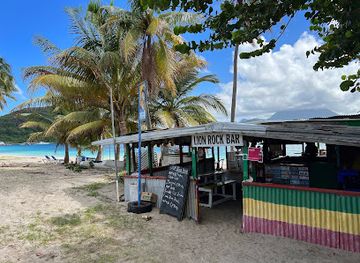
Lion Rock Beach Bar & Grill
Experience the flavors of the Caribbean at Lion Rock Beach Bar & Grill, a must-visit restaurant in St. Kitts with stunning ocean views.
-
Bar
Last Lap Bar and Lounge
Discover the lively nightlife at Last Lap Bar and Lounge in Basseterre, a top spot for drinks and entertainment in St. Kitts & Nevis.
Best shops in Black Rocks
Black Rocks has no dedicated shopping area, and retail opportunities are concentrated in Charlestown and other settled parts of Nevis. Visitors may find locally made crafts, artwork, island-themed products, clothing, provisions and gifts through small shops, galleries, hotel outlets and occasional community or cultural events. Food products and fresh produce may also be available from local vendors, although stock and trading times are variable. Charlestown is the most dependable place to obtain essentials before travelling around the coast, while larger purchases may require planning through accommodation or local businesses. Shopping on Nevis is generally modest and practical rather than centred on department stores or designer retail, with the most meaningful purchases often connected to local food, art and the island’s heritage.
-
Supermarket
Best Buy Supermarket
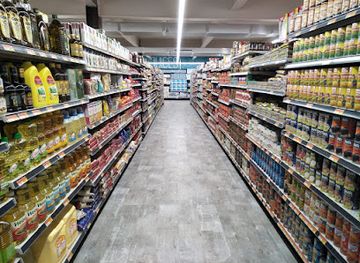
Explore the vibrant flavors of St. Kitts at Best Buy Supermarket, your one-stop shop for groceries and local delights.
-
Recreation center
Sky Safari Zipline
Experience the thrill of ziplining through the breathtaking landscapes of St. Kitts at Sky Safari Zipline, a must-visit adventure destination.
-
Supermarket
Ram’s Supermarket - Bird Rock
Discover local flavors and essentials at Ram's Supermarket in Bird Rock, your go-to destination for shopping in St. Kitts & Nevis.
-
Tourist attraction
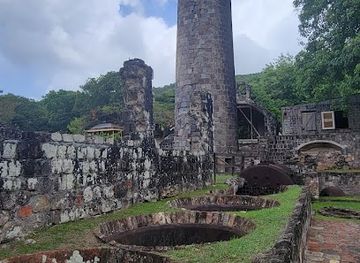
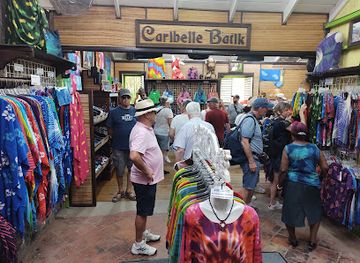
Caribelle Batik at Romney Manor
Experience the vibrant artistry and natural beauty of Caribelle Batik at Romney Manor, a hidden gem in St. Kitts offering rich culture and stunning botanical gardens.
Get your free copy of our complete guide to Black Rocks, delivered straight to you.
Everything on this page, from attractions and restaurants to essentials and local phrases, in one PDF you can read offline, print or share.
Already have an account? Sign in
Your Black Rocks guide is ready.
We'll send it to · Not you? Sign out

Getting your guide ready…
We are putting together a fresh copy of the Black Rocks guide. This can take up to a minute.
This can take a few moments. If your browser asks, choose Allow so the download can start. You'll find the guide in your Downloads folder.
Nothing happened? Download it again
Sorry, the guide is taking longer than usual. Please try again in a minute, or get it by email instead.
Black Rocks essentials
Currency and Payment
Safety
Emergency Situations
Do's and Don'ts
Local Tips
From Eve
Local phrases worth knowing
You don't need to get them perfect. A few words go a long way, and locals appreciate the effort.
Basics
| English | Local | Say it |
|---|---|---|
| Hello | Wagwan | [wag-wan] |
| Goodbye | Later | [lay-ter] |
| Yes | Yeah man | [yeah man] |
| No | Nah man | [nah man] |
| Please/You're welcome | Bless up | [ble-ss up] |
| Thank you | Respect | [re-spekt] |
| Excuse me/Sorry | Pardon | [par-don] |
| How are you? | How you doin'? | [how you do-in] |
| Fine. And you? | Irie. An' you? | [eye-ree. an' you] |
| Do you speak English? | You speak English? | [you speak english] |
| I don't understand | I eh catch that | [i eh katch that] |
Eating & Drinking
| English | Local | Say it |
|---|---|---|
| I'd like to see the menu, please | Lemme see de menu, please | [lem-me see de menu, please] |
| I don't eat meat | I eh eat no meat | [i eh eat no meat] |
| Cheers! | Big up! | [big up] |
| I would like to pay, please | I would like to pay, please | [i would like to pay, please] |
Emergencies
| English | Local | Say it |
|---|---|---|
| Help! | Help me nah! | [help me nah] |
| Go away! | Move from me! | [move from me] |
| Call the Police! | Ring de Police! | [ring de police] |
| Call a doctor! | Ring de doctor! | [ring de doctor] |
| I'm lost | I lost | [i lost] |
| I'm ill | I sick | [i sick] |
Shopping
| English | Local | Say it |
|---|---|---|
| I'd like to buy... | I want to buy... | [i want to buy] |
| I'm just looking | I just browsing | [i just browsing] |
| How much is it? | How much dat dey? | [how much dat dey] |
| That's too expensive | Dat too much money | [dat too much money] |
| Can you lower the price? | You could drop de price? | [you could drop de price] |
Time & Numbers
| English | Local | Say it |
|---|---|---|
| What time is it? | What time it be? | [what time it be] |
| It's one o'clock | It one o'clock | [it one o'clock] |
| Half past (10) | Ten thirty | [ten thirty] |
| Morning | Mornin' | [mornin'] |
| Afternoon | Afternoon time | [afternoon time] |
| Evening | Evenin' | [evenin'] |
| Yesterday | Yesterday | [yesterday] |
| Today | Today | [today] |
| Tomorrow | Tomorrow | [tomorrow] |
| 1 | One | [one] |
| 2 | Two | [two] |
| 3 | Three | [three] |
| 4 | Four | [four] |
| 5 | Five | [five] |
| 6 | Six | [six] |
| 7 | Seven | [seven] |
| 8 | Eight | [eight] |
| 9 | Nine | [nine] |
| 10 | Ten | [ten] |
Transport & Directions
| English | Local | Say it |
|---|---|---|
| Where's a/the...? | Wey de... | [wey de] |
| What's the address? | Where de address dey? | [where de address dey] |
| Can you show me (on the map)? | Show me pon de map? | [show me pon de map] |
| When's the next (bus)? | When de next bus dey? | [when de next bus dey] |
| A ticket (to ....) | A ticket to ... | [a ticket to ...] |
History of Black Rocks
Volcanic Origins of Nevis
Black Rocks is a product of Nevis’s volcanic geology rather than a human-built landmark. Nevis Peak dominates the island and forms part of the volcanic arc of the Lesser Antilles, created by tectonic processes in which the Caribbean and Atlantic plates interact. Lava and other volcanic materials shaped the island’s steep central massif and its shorelines, leaving dark rock formations in places along the coast. At Black Rocks, the exposed volcanic material provides a visible connection between the island’s mountainous interior and its marine edge. The formation should not be confused with a historical monument: its significance is primarily geological and landscape-based.
Kalinago and European Settlement
Before European colonisation, Nevis was inhabited by Indigenous Caribbean peoples, including communities associated with the Kalinago world of the Lesser Antilles. European settlement altered the island’s population, land ownership and economy during the seventeenth century, as English colonists established plantations and coastal settlements. Charlestown became the principal town and administrative centre, while smaller communities developed along routes around the island. Although Black Rocks itself is not known primarily for surviving buildings or archaeological structures, its coastal setting belongs to a landscape transformed by centuries of settlement, cultivation and movement between villages.
Sugar, Plantations and Nevisian Society
From the seventeenth century into the nineteenth century, sugar production shaped Nevis’s economy and social order. Plantation estates occupied much of the more fertile land, while enslaved Africans performed the majority of the labour under a system that connected Nevis to the wider Atlantic world. Estate houses, ruins, windmill towers and former agricultural landscapes remain important reminders of this period at sites elsewhere on the island. After emancipation in the British Empire in 1834, plantation society changed, although economic inequalities and the legacy of slavery continued to influence Nevisian life. The northern coast around Black Rocks is part of this wider historical landscape rather than an isolated natural feature.
From Plantation Island to Heritage Destination
The decline of sugar agriculture reshaped Nevis, encouraging smaller-scale farming, public-sector employment, tourism and overseas connections. Historic estates and Charlestown’s Georgian streetscape became increasingly important to the island’s cultural identity, while Nevis Peak and the coast attracted visitors interested in walking, scenery and natural history. Black Rocks represents the geological side of this heritage: a modest but distinctive site within an island where volcanic terrain, plantation history and village life remain closely connected. Contemporary visits are generally low-key, and the landscape is best approached with care for erosion, vegetation and the interests of local communities.
Black Rocks in Photos
Browse through our photo collection highlighting the charm and character of the destination.
Cities in Black Rocks
The towns and cities of Black Rocks, and the easiest places to base yourself.
-

-

-

-

-

-


Swipe for more cities
Neighbouring destination travel guides
The closest destinations to Black Rocks, if you have time for more than one.
-
-

-

-

-


Swipe for more destinations
Explore more

Explore more of Saint John Capisterre Parish
Explore Saint John Capisterre on Saint Kitts for dark-sand beaches, Dieppe Bay, sugar landscapes and access to volcanic mountain country.
Explore Saint John Capisterre Parish
Explore more of Saint Kitts and Nevis
Discover the pristine beaches, lush landscapes, and rich history of Saint Kitts and Nevis, a hidden gem in the Caribbean offering adventure and relaxation.
Explore Saint Kitts and Nevis