
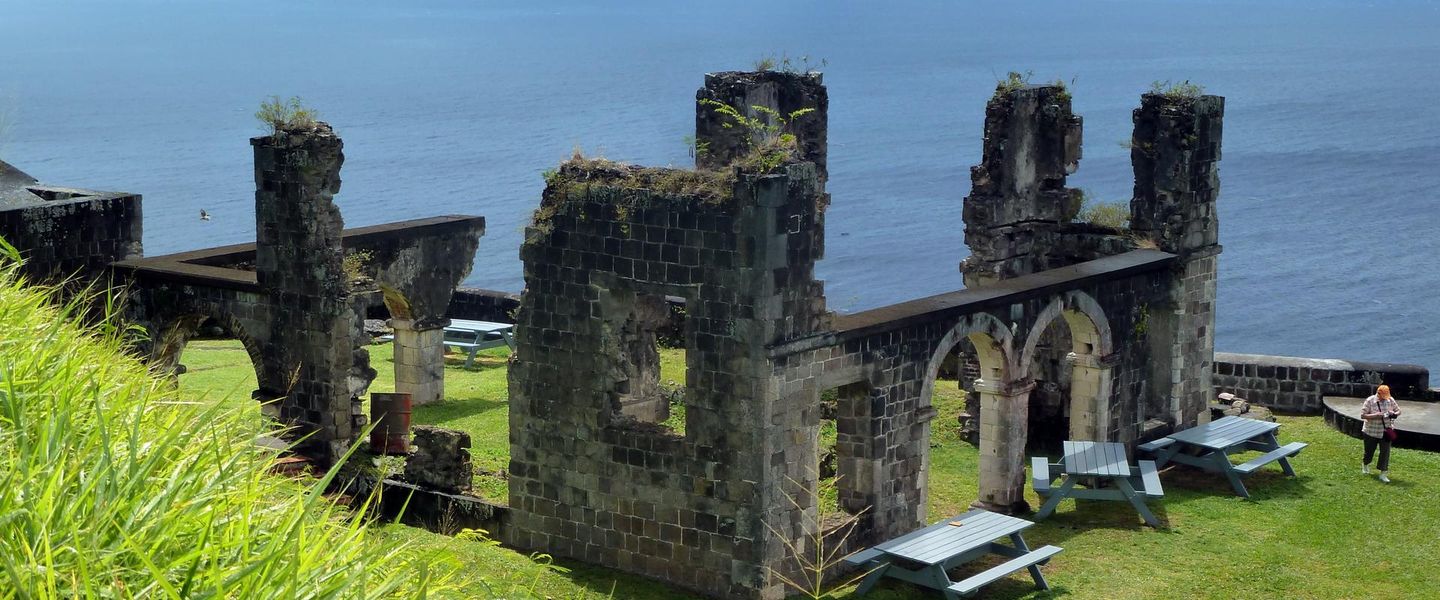
Middle Island, Saint Kitts and Nevis Travel Guide
Discover the tranquil charm and historical richness of Middle Island in Saint Kitts and Nevis, a perfect retreat for nature lovers and history buffs alike.
Nestled between lush greenery and the Caribbean Sea, Middle Island offers a tranquil escape from bustling city life. This serene village is rich in history and natural beauty, making it a perfect getaway for those looking to explore the quieter side of Saint Kitts and Nevis. Middle Island is home to the historic St. Thomas Anglican Church, the oldest Anglican church in the Caribbean, dating back to 1625. Visitors can stroll through the churchyard and soak in the centuries-old history while enjoying the stunning views of the coastline. For nature lovers, the nearby rainforests and hiking trails provide ample opportunities to witness the island's native flora and fauna. Adventure seekers can also explore the offshore reefs, which offer some of the best snorkeling and diving experiences in the region. Despite its small size, Middle Island boasts a warm and welcoming community. Local eateries serve up delicious Caribbean cuisine, and the island's friendly residents are always eager to share their stories and traditions with visitors.

Know before you go
Hi, I'm Eve. Here are a few practical things to know before exploring Middle Island.
- Visit St. Thomas Anglican Church early in the morning for the best light for photographs.
- Pack comfortable shoes for hiking; the trails can be steep and rocky.
- Try local dishes such as goat water and saltfish at the village eateries.
- Snorkeling equipment can be rented locally; don't miss the vibrant marine life just offshore.
- Engage with locals to learn about the island's history and culture; they are very welcoming.
Explore Middle Island: Things to Do, Places to Eat, Hotels & More
Handpicked recommendations for top attractions, local dining, accommodations, and more

Best attractions in Middle Island
Top-rated picks
Best Attractions

Brimstone Hill Fortress National Park
Discover the historic Brimstone Hill Fortress National Park, a UNESCO World Heritage Site showcasing colonial architecture and breathtaking Caribbean views.

Saint Kitts
Experience the breathtaking beauty and rich culture of Saint Kitts, a tropical paradise in the heart of the Caribbean.

Fairview Great House & Botanical Gardens
Discover the enchanting Fairview Great House & Botanical Gardens in St. Kitts, where history and nature intertwine for an unforgettable experience.

Caribelle Batik at Romney Manor
Discover the vibrant world of batik art and lush gardens at Caribelle Batik, St. Kitts' enchanting cultural and botanical attraction.

Best landmarks in Middle Island
Top-rated picks
Best Landmarks

Brimstone Hill Fortress National Park
Discover the breathtaking history and stunning views at Brimstone Hill Fortress National Park, a UNESCO World Heritage Site in St. Kitts.

Fairview Great House and Botanical Gardens
Explore the rich history and breathtaking beauty of Fairview Great House and Botanical Gardens, a captivating historical landmark in St. Kitts.

Romney Manor
Discover the historical charm of Romney Manor in St. Kitts, where lush gardens meet the rich heritage of Caribbean culture.

Sky Safari Zipline
Soar high above lush landscapes at Sky Safari Zipline in St. Kitts—an unforgettable adventure blending thrill and breathtaking views.

Best restaurants in Middle Island
Top-rated picks
Best Restaurants

Sprat Net
Experience authentic Caribbean dining at Sprat Net in St. Kitts & Nevis - great food, live music, and stunning views await.

Railway Bar And Grill
Experience authentic Caribbean flavors at Railway Bar and Grill in Nevis - a culinary gem for food lovers seeking grilled delights.

Best bars in Middle Island
Top-rated picks
Best Bars

Railway Bar And Grill
Experience the authentic taste of Nevis at Railway Bar And Grill, where Caribbean flavors meet a welcoming atmosphere for an unforgettable dining experience.

Rum Dawg Beach Bar & Grill
Experience the vibrant flavors and stunning views at Rum Dawg Beach Bar & Grill, a Caribbean paradise in Sandy Point Town.

Best nightclubs in Middle Island
Top-rated picks
Best Nightclubs

Railway Bar And Grill
Discover the flavors of Nevis at Railway Bar And Grill, where delicious grill dishes and vibrant ambiance create unforgettable dining experiences.

Rum Dawg Beach Bar & Grill
Experience the vibrant flavors and stunning views at Rum Dawg Beach Bar & Grill in Sandy Point Town, St. Kitts & Nevis.

CocoPlums Garden Bar & Grill
Experience the vibrant flavors and tropical ambiance at CocoPlums Garden Bar & Grill in Sandy Point Town, St. Kitts & Nevis.

Meri & Tone Snackette
Experience the vibrant local culture at Meri & Tone Snackette, a must-visit bar in Old Road Town, St. Kitts & Nevis, for authentic drinks and snacks.

Explore Middle Island on the Map
A handpicked selection of must-see spots in Middle Island, mapped for you.
Middle Island Essentials
-
Middle Island is located in the western part of Saint Kitts. The nearest international airport is Robert L. Bradshaw International Airport (SKB) in Basseterre, approximately 20 kilometers away. From the airport, you can take a taxi or rent a car to reach Middle Island. The journey typically takes around 30 minutes by road.
-
Middle Island is a small area, and many of its attractions are within walking distance. For longer trips, local taxis are readily available and relatively inexpensive. Public buses operate along the main roads and connect to nearby towns and villages. Car rentals are also available and can be a convenient option for exploring the island at your own pace.
-
The official currency in Saint Kitts and Nevis is the Eastern Caribbean Dollar (XCD). US Dollars are also widely accepted. Credit cards are accepted in most hotels, restaurants, and shops, but it is advisable to carry some cash, especially in smaller establishments. ATMs are available in Basseterre and other major towns, but it is wise to withdraw sufficient cash before heading to more remote areas.
-
Middle Island is generally a safe destination for tourists. However, it is advisable to take standard precautions. Avoid walking alone at night in unfamiliar areas and keep an eye on your belongings in crowded places. While the crime rate is low, it is always best to stay vigilant and aware of your surroundings.
-
In case of emergency, dial 911 for immediate assistance. The local police station and medical facilities are available in Basseterre, which is a short drive from Middle Island. It is recommended to have travel insurance that covers medical emergencies. For minor health issues, there are pharmacies in Basseterre where you can purchase over-the-counter medications.
-
Fashion: Do dress modestly, especially when visiting religious sites. Avoid wearing overly revealing clothing. Religion: Do respect local customs and traditions. Always dress respectfully when entering churches. Public Transport: Do be respectful and give up your seat to elderly passengers. Don’t eat or drink on public transport. Greetings: Do greet people with a friendly 'Good morning' or 'Good afternoon.' A handshake is customary. Eating & Drinking: Do try local delicacies and accept food offerings graciously. Don’t refuse hospitality, as it is considered impolite.
-
To experience Middle Island like a local, visit the local markets where you can buy fresh produce and traditional goods. Engage with locals, as they are often friendly and willing to share stories about the island's history and culture. Don't miss visiting the Romney Manor and the Wingfield Estate, which offer a glimpse into the island's colonial past. For a unique experience, take a hike up Mount Liamuiga, the highest peak on Saint Kitts, offering breathtaking views of the island.
When is the best time to visit Middle Island?
Useful Local Phrases for Middle Island
You don't need to speak the language perfectly. Even learning a few simple words can make conversations warmer—and locals usually appreciate the effort.
— Eve

Here are the phrases I use most often in Middle Island. Try a few—you'll be surprised how far they go! 😊
❤️
-
- HelloWagwan
[wag-wan] - GoodbyeLater
[lay-ter] - YesYeah man
[yeah man] - NoNah man
[nah man] - Please/You're welcomePlease/No problem
[please/no pro-blem] - Thank youRespect
[re-spect] - Excuse me/SorryScuse me
[skews me] - How are you?How you doin?
[how you do-in] - Fine. And you?Good. An you?
[good. an you?] - Do you speak English?You speak English?
[you speak english?] - I don't understandAh eh undastan
[ah eh un-da-stan]
- HelloWagwan
-
- I'd like to see the menu, pleaseLemme see de menu nah man
[lem-me see de menu nah man] - I don't eat meatAh nah eat meat
[ah nah eat meat] - Cheers!Cheers!
[cheers!] - I would like to pay, pleaseAh wah pay nah man
[ah wah pay nah man]
- I'd like to see the menu, pleaseLemme see de menu nah man
-
- Help!Weh help deh?
[weh help deh?] - Go away!Go weh!
[go weh!] - Call the Police!Call di Police!
[call di police!] - Call a doctor!Call ah docta!
[call ah doc-ta!] - I'm lostMi loss
[mi loss] - I'm illMi sick
[mi sick]
- Help!Weh help deh?
-
- I'd like to buy...Ah wah buy...
[ah wah buy...] - I'm just lookingAh jus lookin
[ah jus look-in] - How much is it?How much dis?
[how much dis?] - That's too expensiveDat too much money
[dat too much mon-ey] - Can you lower the price?You cud do betta pon di price?
[you cud do bet-ta pon di price?]
- I'd like to buy...Ah wah buy...
-
- What time is it?Weh time it is?
[weh time it is?] - It's one o'clockIt one o'clock
[it one o'clock] - Half past (10)Half ten
[half ten] - MorningMawnin
[mawn-in] - AfternoonAftanoon
[aft-a-noon] - EveningEvenin
[even-in] - YesterdayYessideh
[yes-si-deh] - TodayToday
[today] - TomorrowTamara
[ta-ma-ra] - 1One
[one] - 2Two
[two] - 3Tree
[tree] - 4Fo'
[fo'] - 5Fi'
[fi'] - 6Six
[six] - 7Seven
[seven] - 8Eight
[eight] - 9Nine
[nine] - 10Ten
[ten]
- What time is it?Weh time it is?
-
- Where's a/the...?Weh deh...?
[weh deh...?] - What's the address?Weh di address deh?
[weh di address deh?] - Can you show me (on the map)?You cud show me (pan di map)?
[you cud show me (pan di map)?] - When's the next (bus)?When di nex (bus) deh?
[when di nex (bus) deh?] - A ticket (to ....)A ticket (to ....)
[a ticket (to ....)]
- Where's a/the...?Weh deh...?
History of Middle Island
-
Middle Island in Saint Kitts and Nevis played an essential role in the early colonial history of the Caribbean. The island was part of the first British colony in the Caribbean, established in 1624. The fertile land was ideal for sugar cane cultivation, which became a major economic driver for the region.
-
Throughout the 17th and 18th centuries, Middle Island was home to several sugar plantations. The rich volcanic soil and favorable climate made it an ideal location for sugar production. These plantations were operated by enslaved Africans, who were brought to the island to work under harsh conditions.
-
In 1772, a devastating hurricane struck Middle Island, causing extensive damage to the sugar plantations and local infrastructure. This natural disaster had a significant impact on the island's economy, leading to a period of rebuilding and recovery.
-
The abolition of slavery in 1834 marked a significant turning point for Middle Island. Formerly enslaved individuals began to establish their own communities and engage in various forms of agriculture beyond sugar cane, contributing to a more diversified economy and society.
-
The Middle Island Cemetery is one of the oldest burial grounds in the Caribbean, dating back to the 17th century. It is the final resting place of many notable figures, including Sir Thomas Warner, the founder of the first British colony in the Caribbean. The cemetery provides a unique glimpse into the island's colonial past.
-
Middle Island is known for its vibrant cultural heritage, which is celebrated through various festivals and events. The annual St. Kitts Music Festival and traditional Carnival are just a few examples of the lively cultural scene that reflects the island's diverse history and influences.
-
In recent years, Middle Island has seen significant development in tourism and infrastructure. The natural beauty and historical significance of the area attract visitors from around the world, contributing to the local economy and preserving the island's rich heritage.
Cities near Middle Island
The closest cities to Middle Island, if you have time for more than one stop.


Your all‑in‑one travel companion app
Explore expert travel guides, compare and book tours, experiences, hotels, and more—all from the palm of your hand. Download now for seamless trip planning wherever your wanderlust takes you.


Middle Island in Photos
Browse through our photo collection highlighting the charm and character of the destination.
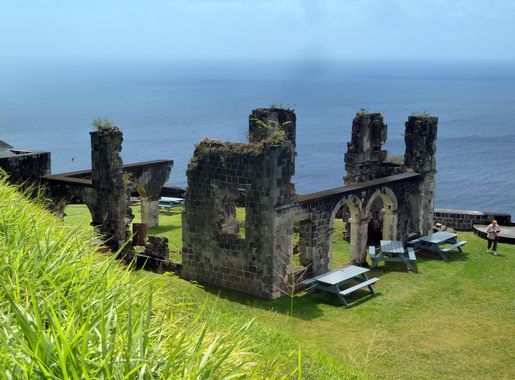


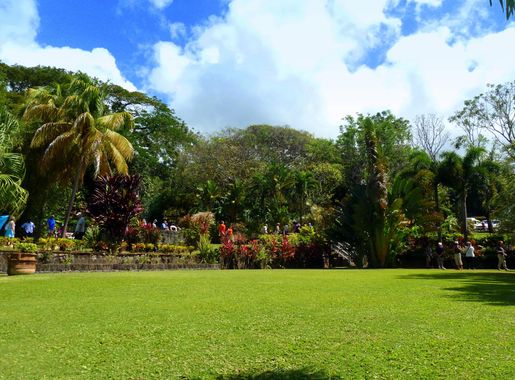


Middle Island: A Hidden Gem in Saint Kitts and Nevis
Nestled between lush greenery and the Caribbean Sea, Middle Island offers a tranquil escape from bustling city life. This serene village is rich in history and natural beauty, making it a perfect getaway for those looking to explore the quieter side of Saint Kitts and Nevis. Middle Island is home to the historic St. Thomas Anglican Church, the oldest Anglican church in the Caribbean, dating back to 1625. Visitors can stroll through the churchyard and soak in the centuries-old history while enjoying the stunning views of the coastline. For nature lovers, the nearby rainforests and hiking trails provide ample opportunities to witness the island's native flora and fauna. Adventure seekers can also explore the offshore reefs, which offer some of the best snorkeling and diving experiences in the region. Despite its small size, Middle Island boasts a warm and welcoming community. Local eateries serve up delicious Caribbean cuisine, and the island's friendly residents are always eager to share their stories and traditions with visitors.
Explore More of Saint Kitts and Nevis

Looking beyond Middle Island? Discover Saint Kitts and Nevis for broader travel guides, local hot-spots, and regional highlights.
Explore Saint Kitts and Nevis