

Free Rodney Bay Travel Guide & Mobile App
Plan your Rodney Bay trip with Evendo. Get free guides to top attractions, restaurants, hotels, and bars. Web access or download the mobile app.


Discover Rodney Bay in Saint Lucia: A Caribbean paradise with stunning beaches, a vibrant marina, historic sites, and lively nightlife. Perfect for relaxation and adventure.
Read more about Rodney Bay
When is the best time to visit Rodney Bay?
Best: February–April · 30°C| Month | High (°C) | Rainfall (mm) |
|---|---|---|
| January | 30 | 75 |
| February (best) | 30 | 65 |
| March (best) | 30 | 62 |
| April (best) | 30 | 63 |
| May | 30 | 90 |
| June | 30 | 114 |
| July | 31 | 105 |
| August | 31 | 108 |
| September | 31 | 120 |
| October | 30 | 150 |
| November | 30 | 146 |
| December | 30 | 116 |
Getting to and around Rodney Bay
How to get there
Transportation
Best attractions in Rodney Bay
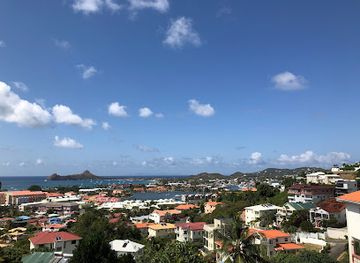
Rodney Bay in Saint Lucia offers a unique blend of stunning beaches, vibrant nightlife, and rich history. Visitors can enjoy relaxing on the beautiful white sand beaches, trying out water sports activities, and exploring the nearby Pigeon Island National Landmark with its historic ruins and panoramic views. The area also boasts a variety of restaurants, bars, and shops, providing plenty of options for entertainment and relaxation. Whether you're looking for a laid-back beach getaway or an adventurous exploration of the island's past, Rodney Bay has something for everyone.
-
Beach
Plage des Salines
Discover the pristine beauty of Plage des Salines, a stunning beach in Martinique known for its white sand, turquoise waters, and vibrant local culture.
58 min drive · 38 km from city centre
-
Historical landmark
Mémorial Cap 110 – Mémorial de l’Anse Caffard
Discover the poignant Mémorial Cap 110 in Le Diamant, Martinique – a historical landmark honoring the resilience of the Caribbean people amidst breathtaking ocean views.
1 h 5 min drive · 45 km from city centre
-
Marina
Rodney Bay Marina
Experience the charm of Rodney Bay Marina, a vibrant hub for relaxation, dining, and thrilling water sports in beautiful St. Lucia.
9 min walk · 0.7 km from city centre
-
Wildlife park
Savanna of Petrifications
Explore the surreal landscapes of the Savanna of Petrifications in Martinique, where nature's artistry creates an unforgettable experience.
58 min drive · 38 km from city centre


Best landmarks in Rodney Bay
Rodney Bay in Saint Lucia offers a rich tapestry of historical landmarks for visitors to explore, including Pigeon Island National Park with its ruins and panoramic views, Fort Rodney which provides a glimpse into the island's military past, and the historic Rodney Bay Marina with its vibrant mix of shops, restaurants, and yachts. Visitors can also enjoy the lively atmosphere of Reduit Beach, known for its golden sands and clear waters, and explore the local markets and shops for unique souvenirs. Whether delving into the island's colonial history, relaxing on the beach, or indulging in local cuisine, Rodney Bay has something for every traveler to enjoy.
-
 Resort hotel
Sandals Grande St. Lucian
Discover the ultimate romantic escape at Sandals Grande St. Lucian, where luxury meets paradise on the beautiful shores of St. Lucia.
6 min drive · 2.1 km from city centre
-
Shopping mall
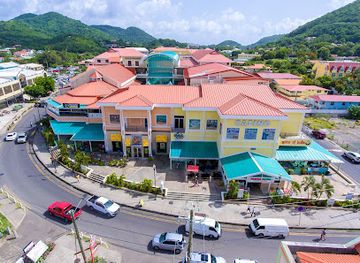
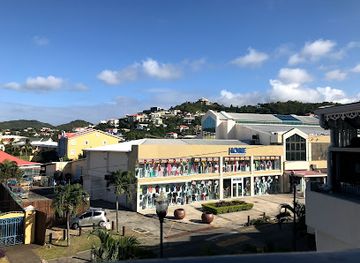
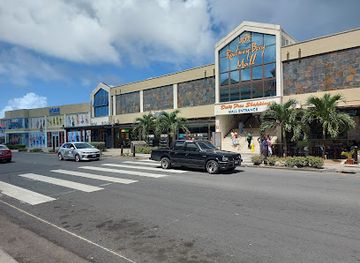
Baywalk Shopping Mall
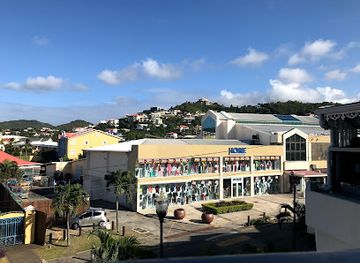
Explore Baywalk Shopping Mall in Rodney Bay—your ultimate destination for shopping, dining, and entertainment in beautiful St. Lucia.
5 min walk · 0.4 km from city centre
-
Marina
Rodney Bay Marina
Discover the vibrant Rodney Bay Marina, a hub of adventure, dining, and stunning sunsets in the heart of St. Lucia's coastline.
9 min walk · 0.7 km from city centre
-
Resort hotel
Bay Gardens Beach Resort & Spa
Experience luxury and relaxation at Bay Gardens Beach Resort & Spa, a tropical paradise in Rodney Bay, St. Lucia, perfect for families and couples alike.
6 min walk · 0.5 km from city centre
Explore Rodney Bay on the map
Plan your Rodney Bay trip on one map. See where the top attractions, landmarks, restaurants, bars and hotels are, find what's near where you're staying, and book hotels and experiences in a few clicks.
Best hotels in Rodney Bay
Best restaurants in Rodney Bay
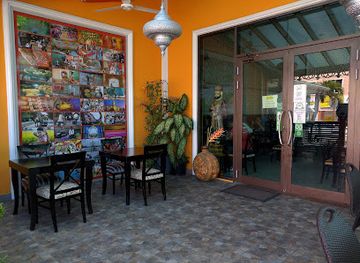
Rodney Bay offers a diverse and vibrant dining scene for visitors to explore, with a range of options to suit every palate. From charming seaside cafes serving up fresh seafood to upscale restaurants with international cuisine, there is something for everyone. Enjoy a romantic dinner overlooking the marina, or grab a quick bite at a casual food truck. Don't miss the opportunity to try local specialties like grilled lobster or traditional Caribbean dishes. With its lively atmosphere and delicious food, dining in Rodney Bay is sure to be a memorable experience for any traveler.
-
Indian
Spice of India
Experience the authentic taste of Indian cuisine at Spice of India in Rodney Bay, where every dish tells a story.
4 min walk · 0.3 km from city centre
-
Restaurant
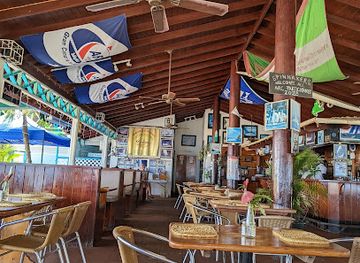
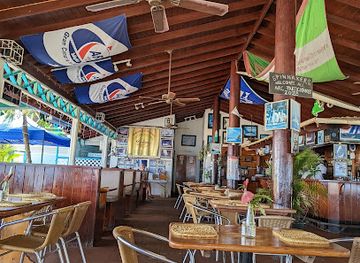
Spinnakers Beach Bar And Carvery
Experience exquisite Caribbean dining with stunning ocean views at Spinnakers Beach Bar And Carvery in Gros Islet, St. Lucia.
5 min walk · 0.4 km from city centre
-
Restaurant
Big Chef Steakhouse
Experience culinary excellence at Big Chef Steakhouse in Rodney Bay - where every bite tells a story.
4 min walk · 0.3 km from city centre
-
Restaurant
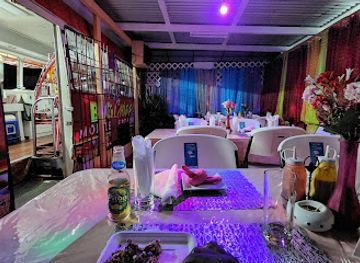
Matthew's Rooftop Restaurant
Experience exquisite dining with stunning sea views at Matthew's Rooftop Restaurant in Rodney Bay, St. Lucia.
5 min walk · 0.4 km from city centre
Best bars in Rodney Bay
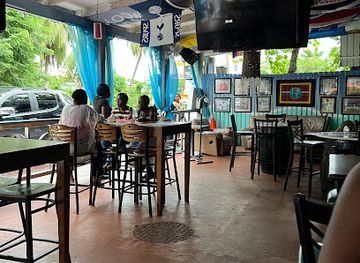
Rodney Bay's nightlife scene is vibrant and diverse, offering visitors a plethora of options to choose from. From laid-back beach bars where you can sip on cocktails while watching the sunset, to high-energy nightclubs where you can dance the night away to the latest beats, there is something for everyone. Enjoy live music performances, themed parties, and local DJs spinning tunes that will keep you on your feet all night long. The atmosphere is lively and welcoming, making it easy to mingle with both locals and fellow travelers. Whether you're looking for a chill evening with a few drinks or a wild night out on the town, Rodney Bay has it all.
-
Restaurant
Spinnakers Beach Bar And Carvery
Experience Caribbean flavors and stunning ocean views at Spinnakers Beach Bar And Carvery in Gros Islet, St. Lucia.
5 min walk · 0.4 km from city centre
-
Restaurant
Keebees
Experience the vibrant flavors of St. Lucia at Keebees, a must-visit restaurant in Gros Islet offering authentic Caribbean cuisine.
4 min walk · 0.3 km from city centre
-
Restaurant
Matthew's Rooftop Restaurant
Experience delectable cuisine and stunning views at Matthew's Rooftop Restaurant in Rodney Bay, St. Lucia. A culinary paradise awaits you.
5 min walk · 0.4 km from city centre
-
Lounge
Ultra Lounge
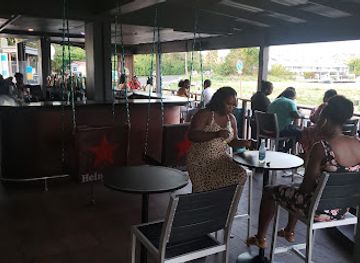
Discover the vibrant atmosphere of Ultra Lounge in Rodney Bay, where cocktails, hookah, and delicious food meet a lively social scene.
3 min walk · 0.3 km from city centre
Best nightclubs in Rodney Bay
Rodney Bay's nightlife scene is vibrant and diverse, offering visitors a plethora of options to choose from. From laid-back beach bars where you can sip on cocktails while watching the sunset, to high-energy nightclubs where you can dance the night away to the latest beats, there is something for everyone. Enjoy live music performances, themed parties, and local DJs spinning tunes that will keep you on your feet all night long. The atmosphere is lively and welcoming, making it easy to mingle with both locals and fellow travelers. Whether you're looking for a chill evening with a few drinks or a wild night out on the town, Rodney Bay has it all.
-
Lounge
Ultra Lounge
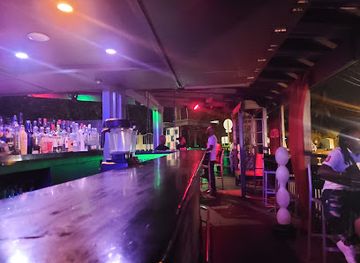
Discover the vibrant nightlife at Ultra Lounge, where exquisite dining meets an energetic bar atmosphere in beautiful Rodney Bay.
3 min walk · 0.3 km from city centre
-
Bar
Irie Bar
Experience the vibrant spirit of St. Lucia at Irie Bar in Gros Islet—an unforgettable destination for cocktails, culture, and nightlife.
12 min walk · 1.0 km from city centre
-
Bar
Verve
Experience the vibrant nightlife of Gros Islet at Verve, a lively bar and restaurant offering Caribbean cuisine and refreshing cocktails.
3 min walk · 0.3 km from city centre
-
Bar
La Vie Bar & Lounge
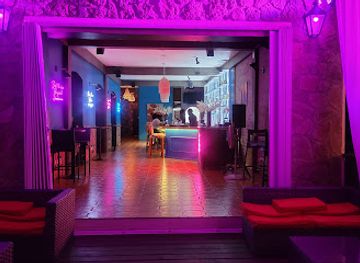
Discover the vibrant nightlife at La Vie Bar & Lounge in Rodney Bay, St. Lucia, where cocktails, music, and island culture come together.
4 min walk · 0.3 km from city centre


Best shops in Rodney Bay
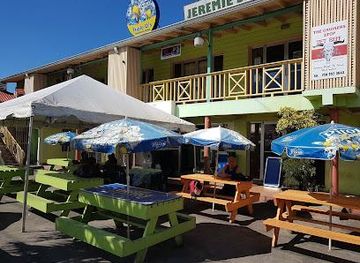
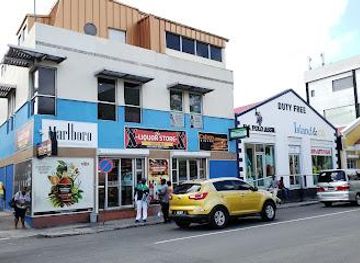
Rodney Bay offers a vibrant shopping scene for visitors, with a mix of local boutiques, souvenir shops, and international brands. Visitors can explore the Rodney Bay Mall for a wide selection of clothing, jewelry, and accessories, or stroll along the Rodney Bay Strip for unique handcrafted items and local artwork. The bustling Friday Night Street Party is a must-visit, where visitors can shop for handmade crafts, sample local cuisine, and enjoy live music and entertainment. From trendy fashion to authentic souvenirs, Rodney Bay provides a diverse shopping experience for tourists looking to take home a piece of Saint Lucia.
-
Fresh food market
Castries Market
Experience the vibrant spirit of St. Lucia at Castries Market, where local culture, fresh produce, and handmade crafts come alive.
24 min drive · 7.8 km from city centre
-
Shopping mall
Baywalk Shopping Mall
Experience shopping and culture at Baywalk Shopping Mall in Rodney Bay, St. Lucia - a vibrant destination for tourists and locals alike.
5 min walk · 0.4 km from city centre
-
Supermarket
Massy Stores
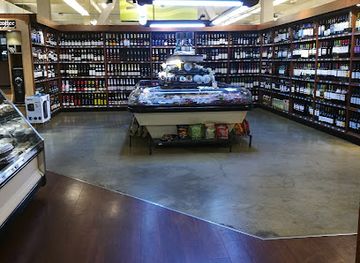
Explore local flavors and essentials at Massy Stores, your go-to supermarket in Gros Islet, St. Lucia, for a taste of island life.
6 min walk · 0.5 km from city centre
-
Shopping mall
La Place Carénage
Experience shopping and local culture at La Place Carénage, the premier destination in Castries, St. Lucia, with stunning waterfront views.
24 min drive · 7.9 km from city centre
Get your free copy of our complete guide to Rodney Bay, delivered straight to you.
Everything on this page, from attractions and restaurants to essentials and local phrases, in one PDF you can read offline, print or share.
Already have an account? Sign in
Your Rodney Bay guide is ready.
We'll send it to · Not you? Sign out

Getting your guide ready…
We are putting together a fresh copy of the Rodney Bay guide. This can take up to a minute.
This can take a few moments. If your browser asks, choose Allow so the download can start. You'll find the guide in your Downloads folder.
Nothing happened? Download it again
Sorry, the guide is taking longer than usual. Please try again in a minute, or get it by email instead.
Rodney Bay essentials
Currency and Payment
Safety
Emergency Situations
Do's and Don'ts
Local Tips
From Eve
Local phrases worth knowing
You don't need to get them perfect. A few words go a long way, and locals appreciate the effort.
Basics
| English | Local | Say it |
|---|---|---|
| Hello | Bonjou | [bon-jou] |
| Goodbye | Orevwa | [o-rev-wah] |
| Yes | Wi | [wee] |
| No | Non | [non] |
| Please/You're welcome | Tanpri | [tan-pree] |
| Thank you | Mèsi | [meh-see] |
| Excuse me/Sorry | Eskize mwen | [es-kee-zay mwenn] |
| How are you? | Kijan ou ye? | [kee-jan oo yay] |
| Fine. And you? | Byen. E ou menm? | [byen. ay oo menm] |
| Do you speak English? | Eske ou pale angle? | [es-kay oo pah-lay an-glay] |
| I don't understand | Mwen pa konprann | [mwenn pa kon-pran] |
Eating & Drinking
| English | Local | Say it |
|---|---|---|
| I'd like to see the menu, please | Mwen ta renmen wè meni an, tanpri | [mwenn ta ren-men way meh-nee an, tan-pree] |
| I don't eat meat | Mwen pa manje vyan | [mwenn pa man-jay vyan] |
| Cheers! | Santé! | [san-tay] |
| I would like to pay, please | Mwen ta renmen peye, tanpri | [mwenn ta ren-men pay-yay, tan-pree] |
Emergencies
| English | Local | Say it |
|---|---|---|
| Help! | Ed! | [ed] |
| Go away! | Alé! | [al-ay] |
| Call the Police! | Rele Polis la! | [re-lay poh-lees la] |
| Call a doctor! | Rele yon doktè! | [re-lay yon dok-tay] |
| I'm lost | Mwen pedi | [mwenn peh-dee] |
| I'm ill | Mwen malad | [mwenn ma-lad] |
Shopping
| English | Local | Say it |
|---|---|---|
| I'd like to buy... | Mwen ta renmen achte... | [mwenn ta ren-men ashtay] |
| I'm just looking | Mwen jis gade | [mwenn jees gah-day] |
| How much is it? | Konbyen li ye? | [kon-byen lee yay] |
| That's too expensive | Sa twò chè | [sa twah chay] |
| Can you lower the price? | Eske ou kapab redwi pri a? | [es-kay oo ka-pab red-wee pree ah] |
Time & Numbers
| English | Local | Say it |
|---|---|---|
| What time is it? | Ki lè li ye? | [kee lay lee yay] |
| It's one o'clock | Li senk | [lee sank] |
| Half past (10) | Demi (disè) | [deh-mee dee-zay] |
| Morning | Maten | [ma-ten] |
| Afternoon | Apremidi | [ap-ray-mee-dee] |
| Evening | Swadizan | [swa-dee-zan] |
| Yesterday | Yè | [yay] |
| Today | Jodi a | [jo-dee ah] |
| Tomorrow | Demen | [de-men] |
| 1 | Yon | [yon] |
| 2 | De | [day] |
| 3 | Twaz | [twa] |
| 4 | Kat | [ka] |
| 5 | Sank | [sank] |
| 6 | Sis | [sees] |
| 7 | Sèt | [set] |
| 8 | Uit | [weet] |
| 9 | Nèf | [nef] |
| 10 | Disè | [dee-zay] |
Transport & Directions
| English | Local | Say it |
|---|---|---|
| Where's a/the...? | Ki kote yon/la...? | [kee koh-tay yon/la] |
| What's the address? | Ki adres la? | [kee ad-res la] |
| Can you show me (on the map)? | Eske ou kapab montre mwen (sou kat la)? | [es-kay oo ka-pab mon-tray mwenn (soo kat la)] |
| When's the next (bus)? | Ki lè otobis la ap pase? | [kee lay o-to-bees la ap pah-say] |
| A ticket (to ....) | Yon tikè (pou ....) | [yon tee-kay (poo)] |
History of Rodney Bay
Early Indigenous Inhabitants
Long before European settlers arrived, the area now known as Rodney Bay was inhabited by the Arawak and Carib peoples. These indigenous groups thrived in the lush landscapes, utilizing the rich marine resources and fertile land for their sustenance.
The Arrival of Europeans
In the 17th century, European powers began to take interest in the Caribbean. Saint Lucia changed hands multiple times between the French and British. Rodney Bay, with its strategic location and natural harbor, was a focal point during these colonial power struggles.
The Battle of Saint Lucia
On December 15, 1778, the Battle of Saint Lucia took place near Rodney Bay. The British and French naval forces clashed fiercely. The British emerged victorious, establishing a stronghold over the island and fortifying Rodney Bay as a critical naval base.
Establishment of Pigeon Island National Landmark
In the 18th century, Pigeon Island, now connected to Rodney Bay by a causeway, served as a military base. Fort Rodney, built by the British, stands as a testament to this period. Today, the island is a national landmark, preserving the historical remnants and offering panoramic views of the bay.
Rodney Bay Marina Development
In the late 20th century, Rodney Bay underwent significant development, transforming from a quiet fishing village into a bustling marina. The construction of the Rodney Bay Marina in the 1980s spurred economic growth, attracting yachters and tourists from around the globe.
The Cultural Melting Pot
Rodney Bay is a vibrant amalgamation of cultures. Its history of colonial occupation and indigenous heritage is reflected in the diverse cultural practices, culinary traditions, and festivals that are celebrated in the area today. This blend of influences makes Rodney Bay a unique cultural destination.
Rodney Bay in Photos
Browse through our photo collection highlighting the charm and character of the destination.
Cities near Rodney Bay
The closest cities to Rodney Bay, if you have time for more than one stop.
-

-

-

-
-


Swipe for more cities
Explore more

Explore more of Saint Lucia
Discover Saint Lucia, a Caribbean paradise with lush rainforests, pristine beaches, and vibrant culture. Perfect for adventure seekers and relaxation enthusiasts alike.
Explore Saint Lucia