

Tet Paul Nature Trail, Saint Lucia Travel Guide
Explore the Tet Paul Nature Trail in Saint Lucia for stunning views, cultural insights, and a peaceful escape into nature's beauty.
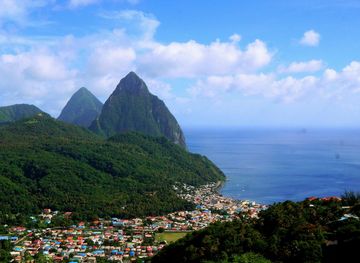
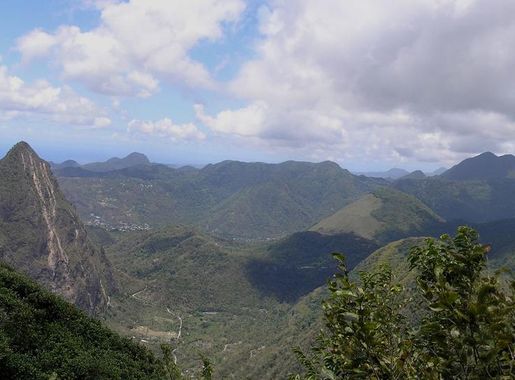
Located in the heart of Saint Lucia, the Tet Paul Nature Trail is an enchanting experience for nature lovers and adventure seekers alike. This easy to moderate hike offers breathtaking panoramic views of the island's lush landscapes, making it an ideal spot for photography enthusiasts. As you walk along the trail, you will be greeted by the sight of the majestic Pitons, UNESCO World Heritage Sites that stand tall against the skyline. The trail is not only a visual feast but also a journey through local culture and history. Along the way, knowledgeable guides share fascinating stories about the island's flora, fauna, and traditional farming practices. You will get a chance to see exotic plants and learn about their uses in local medicine and cuisine. The trail also passes through a traditional Amerindian hut, giving visitors a glimpse into the island's rich heritage. One of the highlights of the Tet Paul Nature Trail is the 'Stairway to Heaven,' a series of steps that lead to a vantage point with an awe-inspiring view of the surrounding area. This spot is perfect for capturing the beauty of Saint Lucia's natural environment. Whether you're an avid hiker or just looking for a peaceful retreat, the Tet Paul Nature Trail offers a unique and memorable experience.

Know before you go
Hi, I'm Eve. Here are a few practical things to know before exploring Tet Paul Nature Trail.
- Visit early in the morning or late afternoon to avoid the midday heat and enjoy cooler temperatures.
- Wear comfortable walking shoes and bring a hat, sunscreen, and plenty of water.
- Hire a local guide to get the most out of your experience with insights into the flora, fauna, and history.
- Don't forget your camera or smartphone to capture the stunning views, especially from the Stairway to Heaven.
- Check the weather forecast before you go, as the trail can become slippery when wet.
Explore Tet Paul Nature Trail: Things to Do, Places to Eat, Hotels & More
Handpicked recommendations for top attractions, local dining, accommodations, and more

Best attractions in Tet Paul Nature Trail
Top-rated picks
Best Attractions

Sugar Beach - public Beach
Experience the tranquility of Sugar Beach in St. Lucia, where soft sands meet crystal-clear waters for a perfect day of relaxation and adventure.

Cardabox
Discover the stunning beauty and vibrant culture at Cardabox, a must-see tourist attraction in the heart of St. Lucia.

Best landmarks in Tet Paul Nature Trail
Top-rated picks
Best Landmarks

Piton Falls
Experience the beauty of nature at Piton Falls, a serene waterfall destination in Belle Vue, St. Lucia, perfect for relaxation and adventure.

Gros Piton Nature Trail
Embark on an unforgettable adventure along the Gros Piton Nature Trail, where stunning vistas and lush landscapes await every hiker in St. Lucia.

Têt Paul Nature Hike, Stairway To Heaven
Explore the breathtaking Tet Paul Nature Hike in St. Lucia, a scenic paradise perfect for hiking, bird watching, and organic farming experiences.

Gros Piton
Explore Gros Piton in St. Lucia for breathtaking views, rich biodiversity, and an unforgettable hiking experience in a UNESCO World Heritage Site.

Best restaurants in Tet Paul Nature Trail
Top-rated picks
Best Restaurants

The Coal Pot Restaurant
Experience the best seafood in St. Lucia at The Coal Pot Restaurant in Castries - where every dish tells a story.

Big Chef Steakhouse
Experience exquisite dining at Big Chef Steakhouse in Rodney Bay - where premium steaks meet Caribbean charm.

The Beacon Restaurant
Experience authentic St. Lucian flavors at The Beacon Restaurant in Palmiste, where culinary excellence meets breathtaking views.

Matthew's Rooftop Restaurant
Experience culinary delights and stunning views at Matthew's Rooftop Restaurant in Rodney Bay, St. Lucia - a true taste of paradise.

Best bars in Tet Paul Nature Trail
Top-rated picks
Best Bars

Cool Joint
Discover the vibrant flavors of St. Lucia at Cool Joint, a lively grill and bar offering delicious local cuisine and refreshing drinks.

Bigger's Place
Discover the vibrant heart of St. Lucia at Bigger's Place, a bar where local flavors and warm hospitality come together for an unforgettable experience.

Cheaperz Bar
Experience the vibrant atmosphere and local flavors at Cheaperz Bar in Palmiste, St. Lucia, a perfect spot for relaxation and socializing.
The bamboo Bar
Discover the vibrant atmosphere of The Bamboo Bar in Belle Vue, St. Lucia, where tropical charm meets refreshing cocktails and local culture.

Best nightclubs in Tet Paul Nature Trail
Top-rated picks
Best Nightclubs

Cool Joint
Discover the vibrant flavors of St. Lucia at Cool Joint, a lively grill and bar in Choiseul offering delicious dishes and refreshing drinks.

Bigger's Place
Immerse yourself in Caribbean culture at Bigger's Place, a lively bar in St. Lucia's Fond St Jacques, known for its affordable prices and friendly atmosphere.

Cheaperz Bar
Discover the vibrant nightlife of Palmiste at Cheaperz Bar – a local favorite for drinks, music, and unforgettable experiences.
The bamboo Bar
Experience the serenity of The Bamboo Bar in Belle Vue, Saint Lucia, where tropical drinks and a relaxed ambiance await your visit.

Best shops in Tet Paul Nature Trail
Top-rated picks
Best Shops

Tet Paul Nature Trail
Explore the stunning Tet Paul Nature Trail in St. Lucia, a perfect blend of adventure, nature, and breathtaking views for all travelers.

Têt Paul Nature Hike, Stairway To Heaven
Experience the breathtaking beauty of Têt Paul Nature Hike, St. Lucia's Stairway to Heaven, perfect for hiking, bird watching, and organic farming.

Saltwater Tackle and Supplies
Discover St. Lucia's premier hunting and fishing store, Saltwater Tackle and Supplies, your go-to for all fishing needs and local insights on the Caribbean waters.

Tobi's Shop
Tobi's Shop in St. Lucia: Your friendly neighborhood supermarket offering local flavors and essentials for all your travel needs.

Explore Tet Paul Nature Trail on the Map
A handpicked selection of must-see spots in Tet Paul Nature Trail, mapped for you.
Tet Paul Nature Trail Essentials
-
Tet Paul Nature Trail is located near the town of Soufrière on the island of Saint Lucia. The nearest international airport is Hewanorra International Airport (UVF) in Vieux Fort, approximately 45 minutes to an hour away by car. From the airport, you can take a taxi or rent a car to reach Tet Paul. Alternatively, smaller private shuttles and tour operators offer transportation directly to the trail from various locations across the island.
-
Once in Soufrière, you can reach Tet Paul Nature Trail by taxi, rental car, or guided tour. Taxis are readily available and can be arranged through your hotel or directly at the airport. If you prefer driving, rental cars are available at the airport and in Soufrière. Guided tours often include transportation and can provide valuable insights into the area. Public buses are available but may not be the most convenient option due to infrequent schedules and routes that may not directly reach the trail.
-
The official currency of Saint Lucia is the Eastern Caribbean Dollar (XCD). However, US dollars are widely accepted. Credit cards are accepted at many establishments, but it is advisable to carry some cash for smaller vendors, entrance fees, and tips. ATMs are available in Soufrière, but it's a good idea to withdraw cash before heading to more remote areas.
-
Tet Paul Nature Trail is generally considered safe for tourists. However, it is wise to take standard safety precautions. Avoid walking alone at night and keep an eye on your belongings. While Soufrière is relatively safe, it is advisable to stay vigilant in busier areas and avoid displaying valuable items. There are no specific high-crime areas targeting tourists, but staying cautious is always recommended.
-
In case of emergency, dial 911 for immediate assistance. The nearest police station and medical facilities are located in Soufrière. It is recommended to have travel insurance that covers medical emergencies. For minor health issues, there are pharmacies in Soufrière where you can purchase over-the-counter medications. Always keep a copy of important documents and emergency contact numbers with you.
-
Fashion: Do wear comfortable and appropriate clothing for hiking. Avoid high heels or flip-flops. Religion: Do respect local customs and traditions. Public Transport: Do be courteous and patient when using public transport. Greetings: Do greet people with a friendly 'hello' or 'good day.' Eating & Drinking: Do try local foods and beverages. Don't litter; always dispose of trash properly.
-
To experience Tet Paul Nature Trail like a local, start your hike early in the morning to avoid the midday heat and enjoy the best views. Engage with the local guides, as they can provide fascinating insights into the history and flora of the area. Don't forget to bring a reusable water bottle and some snacks for the hike. Visiting the trail on a weekday may offer a quieter experience compared to weekends when it can be busier with tourists.
When is the best time to visit Tet Paul Nature Trail?
Useful Local Phrases for Tet Paul Nature Trail
You don't need to speak the language perfectly. Even learning a few simple words can make conversations warmer—and locals usually appreciate the effort.
— Eve

Here are the phrases I use most often in Tet Paul Nature Trail. Try a few—you'll be surprised how far they go! 😊
❤️
-
- HelloBonjour
[Bon-zhoor] - GoodbyeAurevoir
[Ohr-vwah] - YesWi
[Wee] - NoNon
[Noh] - Please/You're welcomeS'il vous plaît/De rien
[Seel voo pleh/Deh ryen] - Thank youMerci
[Mehr-see] - Excuse me/SorryExcusez-moi/Désolé
[Ex-kew-zay mwa/Day-zoh-ley] - How are you?Comment ça va?
[Koh-mahn sah vah?] - Fine. And you?Bien. Et toi?
[Byen. Ay twah?] - Do you speak English?Parlez-vous anglais?
[Par-lay voo ahn-glay?] - I don't understandJe ne comprends pas
[Zhuh nuh kohm-prahn pah]
- HelloBonjour
-
- I'd like to see the menu, pleaseJe voudrais voir le menu, s'il vous plaît
[Zhuh voo-dray vwar luh meh-nyoo, seel voo pleh] - I don't eat meatJe ne mange pas de viande
[Zhuh nuh mahnj pah duh vee-ahnd] - Cheers!Santé!
[Sahn-tay] - I would like to pay, pleaseJe voudrais payer, s'il vous plaît
[Zhuh voo-dray pay-yay, seel voo pleh]
- I'd like to see the menu, pleaseJe voudrais voir le menu, s'il vous plaît
-
- Help!Au secours!
[Oh seh-coor] - Go away!Allez-vous en!
[Ah-lay voo ahn] - Call the Police!Appelez la police!
[Ah-puh-lay lah poh-lees] - Call a doctor!Appelez un médecin!
[Ah-puh-lay uh may-day-sahn] - I'm lostJe suis perdu
[Zhuh swee pair-doo] - I'm illJe suis malade
[Zhuh swee mah-lahd]
- Help!Au secours!
-
- I'd like to buy...Je voudrais acheter...
[Zhuh voo-dray ah-shet-ay] - I'm just lookingJe regarde juste
[Zhuh ruh-gard zhust] - How much is it?Combien ça coûte?
[Kohm-byen sah koot] - That's too expensiveC'est trop cher
[Say troh shair] - Can you lower the price?Pouvez-vous baisser le prix?
[Poo-vay voo bay-say luh pree]
- I'd like to buy...Je voudrais acheter...
-
- What time is it?Quelle heure est-il?
[Kell er ay-til] - It's one o'clockIl est une heure
[Eel ay zewn er] - Half past (10)Dix et demi
[Dees ay dem-ee] - MorningMatin
[Ma-tahn] - AfternoonAprès-midi
[Ah-pray mee-dee] - EveningSoir
[Swah] - YesterdayHier
[Yehr] - TodayAujourd'hui
[Oh-zhoor dewee] - TomorrowDemain
[Deh-mahn] - 1Un
[Ehn] - 2Deux
[Duh] - 3Trois
[Twah] - 4Quatre
[Kat] - 5Cinq
[Sank] - 6Six
[Sees] - 7Sept
[Set] - 8Huit
[Weet] - 9Neuf
[Nuff] - 10Dix
[Dees]
- What time is it?Quelle heure est-il?
-
- Where's a/the...?Où est le/la...?
[Oo ay luh/lah] - What's the address?Quelle est l'adresse?
[Kell ay lad-rehss] - Can you show me (on the map)?Pouvez-vous me montrer (sur la carte)?
[Poo-vay voo muh mohn-tray (sir lah kart)] - When's the next (bus)?Quand est le prochain (bus)?
[Kahnd ay luh proh-shahn (bus)] - A ticket (to ....)Un billet (pour ....)
[Ehn bee-yay (poor)]
- Where's a/the...?Où est le/la...?
History of Tet Paul Nature Trail
-
Long before the arrival of European explorers, Saint Lucia was inhabited by the Arawak and Carib peoples. These indigenous groups cultivated the fertile lands and fished in the abundant waters surrounding the island. Tet Paul Nature Trail, located in the lush region of Soufrière, was likely a part of their territory. The indigenous people utilized the natural resources of the area for sustenance and medicinal purposes.
-
The history of Tet Paul Nature Trail is intertwined with the colonial history of Saint Lucia. The island changed hands between the French and British numerous times during the 17th and 18th centuries. This tumultuous period left its mark on the region, including the areas surrounding the Tet Paul Nature Trail. The trail's strategic location near the iconic Pitons made it a significant point of interest for both colonial powers.
-
In the late 19th and early 20th centuries, the area around Tet Paul Nature Trail was predominantly used for agriculture. The fertile volcanic soil was ideal for growing crops such as bananas, cocoa, and coconuts. The remnants of these agricultural practices can still be seen along the trail today. Visitors can learn about traditional farming techniques and see the terraced gardens that were once central to the local economy.
-
In 2004, the Pitons Management Area, which includes Tet Paul Nature Trail, was designated a UNESCO World Heritage Site. This recognition highlighted the natural and cultural significance of the region. The Pitons, two towering volcanic spires, are a symbol of Saint Lucia and a key feature of the landscape. The designation as a World Heritage Site has helped to promote conservation efforts and sustainable tourism in the area.
-
Today, Tet Paul Nature Trail serves as a vital link between the past and present. It is a place where visitors can experience the rich cultural heritage of Saint Lucia. The trail is managed by the local community, who offer guided tours that provide insights into the history, flora, and fauna of the area. The trail also features a traditional Amerindian hut, showcasing the island's indigenous roots and cultural diversity.
Neighbouring destination travel guides
Browse our curated selection of top destinations, scenic points, and must-visit spots in the area.


Your all‑in‑one travel companion app
Explore expert travel guides, compare and book tours, experiences, hotels, and more—all from the palm of your hand. Download now for seamless trip planning wherever your wanderlust takes you.


Explore More of Choiseul Quarter
Looking beyond Tet Paul Nature Trail? Discover Choiseul Quarter for broader travel guides, local hot-spots, and regional highlights.
Explore Choiseul QuarterExplore More of Saint Lucia

Looking beyond Tet Paul Nature Trail? Discover Saint Lucia for broader travel guides, local hot-spots, and regional highlights.
Explore Saint LuciaTet Paul Nature Trail in Photos
Browse through our photo collection highlighting the charm and character of the destination.




Discover Serenity on the Tet Paul Nature Trail
Located in the heart of Saint Lucia, the Tet Paul Nature Trail is an enchanting experience for nature lovers and adventure seekers alike. This easy to moderate hike offers breathtaking panoramic views of the island's lush landscapes, making it an ideal spot for photography enthusiasts. As you walk along the trail, you will be greeted by the sight of the majestic Pitons, UNESCO World Heritage Sites that stand tall against the skyline. The trail is not only a visual feast but also a journey through local culture and history. Along the way, knowledgeable guides share fascinating stories about the island's flora, fauna, and traditional farming practices. You will get a chance to see exotic plants and learn about their uses in local medicine and cuisine. The trail also passes through a traditional Amerindian hut, giving visitors a glimpse into the island's rich heritage. One of the highlights of the Tet Paul Nature Trail is the 'Stairway to Heaven,' a series of steps that lead to a vantage point with an awe-inspiring view of the surrounding area. This spot is perfect for capturing the beauty of Saint Lucia's natural environment. Whether you're an avid hiker or just looking for a peaceful retreat, the Tet Paul Nature Trail offers a unique and memorable experience.